Mom's Best Recipes
Recipe

Hyderabadi Chicken Dum Biryani

Classic dum biryani with yogurt-marinated chicken, long-grain basmati, fried onions, mint, and saffron, sealed and steamed for maximum aroma and crisp-edged comfort.

Author By Matt Campbell
4.8
A deep serving platter of Hyderabadi chicken dum biryani with long basmati rice grains, visible fried onions, fresh mint, and a saffron-tinted top layer on a wooden table

Hyderabadi biryani is one of those dishes that makes your kitchen smell like you just did something impressive, even if you were mostly just layering rice and trusting steam to do the heavy lifting. It is bold, warm, and aromatic, with juicy chicken tucked under fluffy basmati and little pockets of fried onion that taste like crunchy caramelized gold.

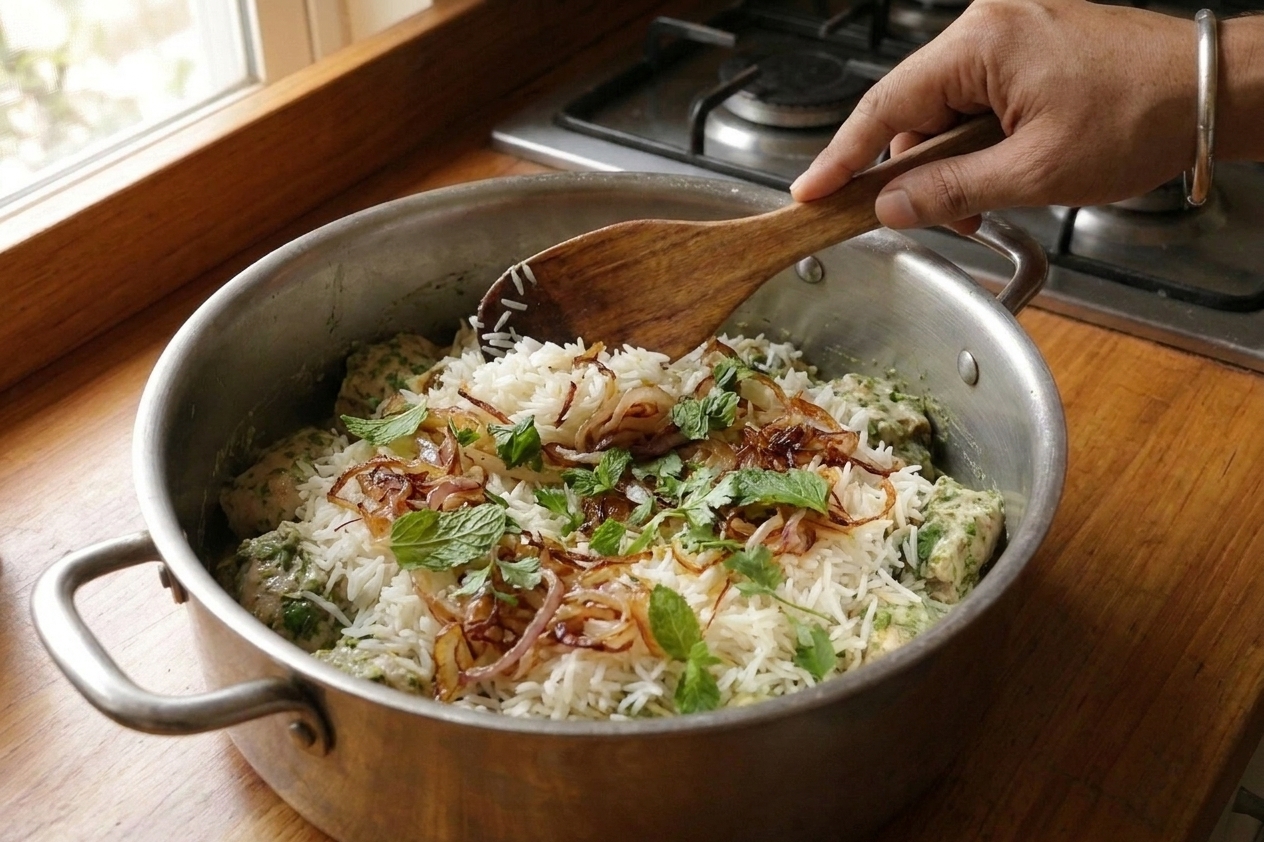
This is Hyderabadi chicken dum biryani, the kind where the pot gets sealed and the whole thing finishes gently, trapped in its own perfume. It is not hard, but it does reward you for being just a little detail-oriented. You will marinate the chicken, par-cook the rice, layer like you mean it, then let dum do its magic.
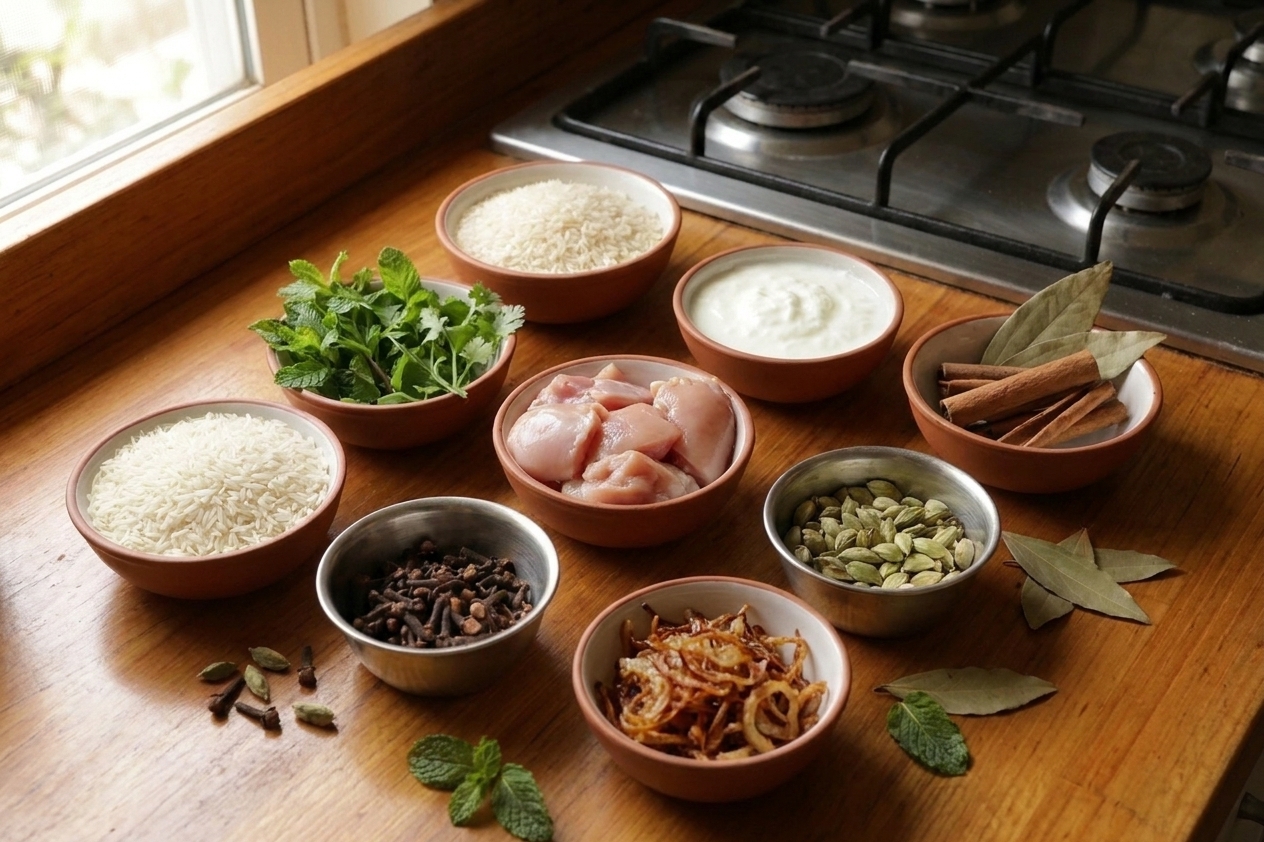

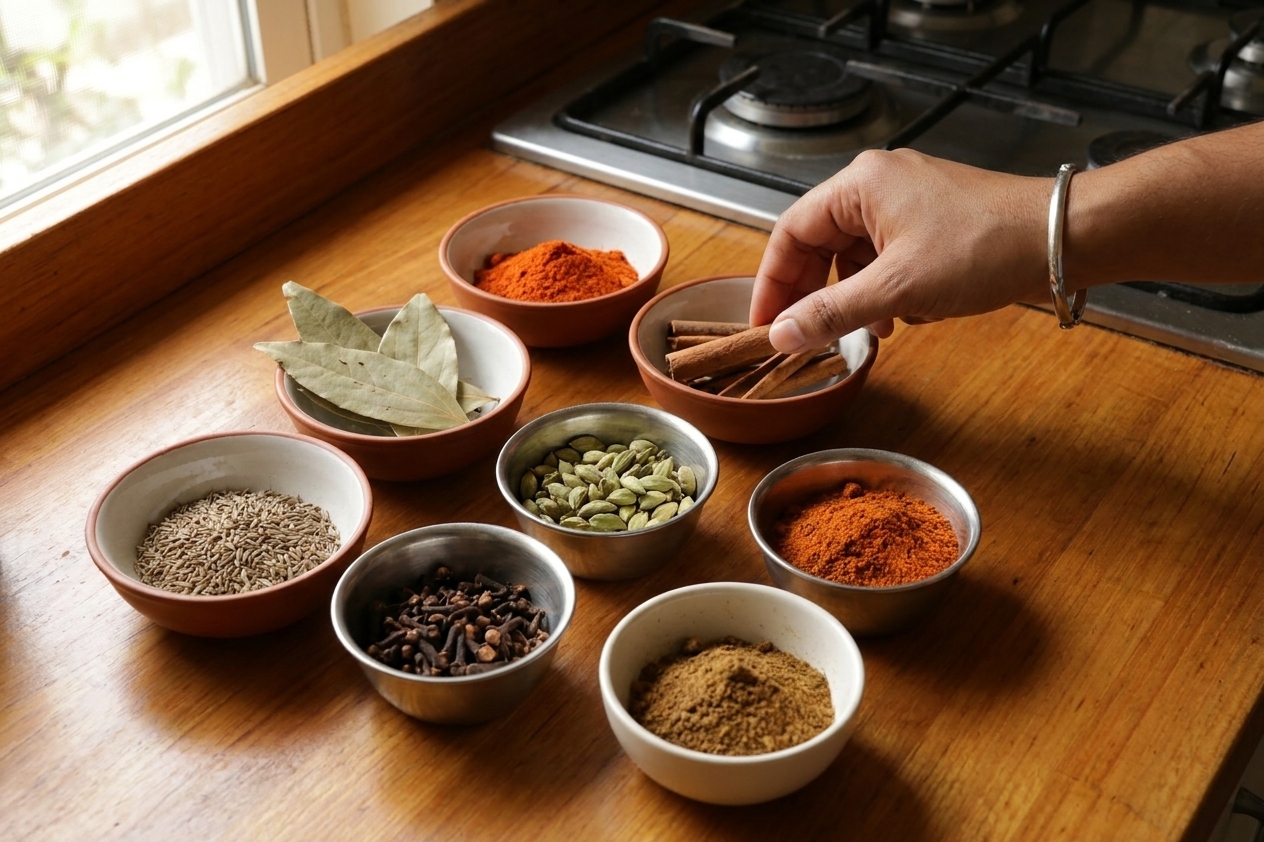
Measured biryani ingredients on a kitchen counter including basmati rice, chicken, yogurt, herbs, whole spices, and fried onions in small bowls

Why It Works

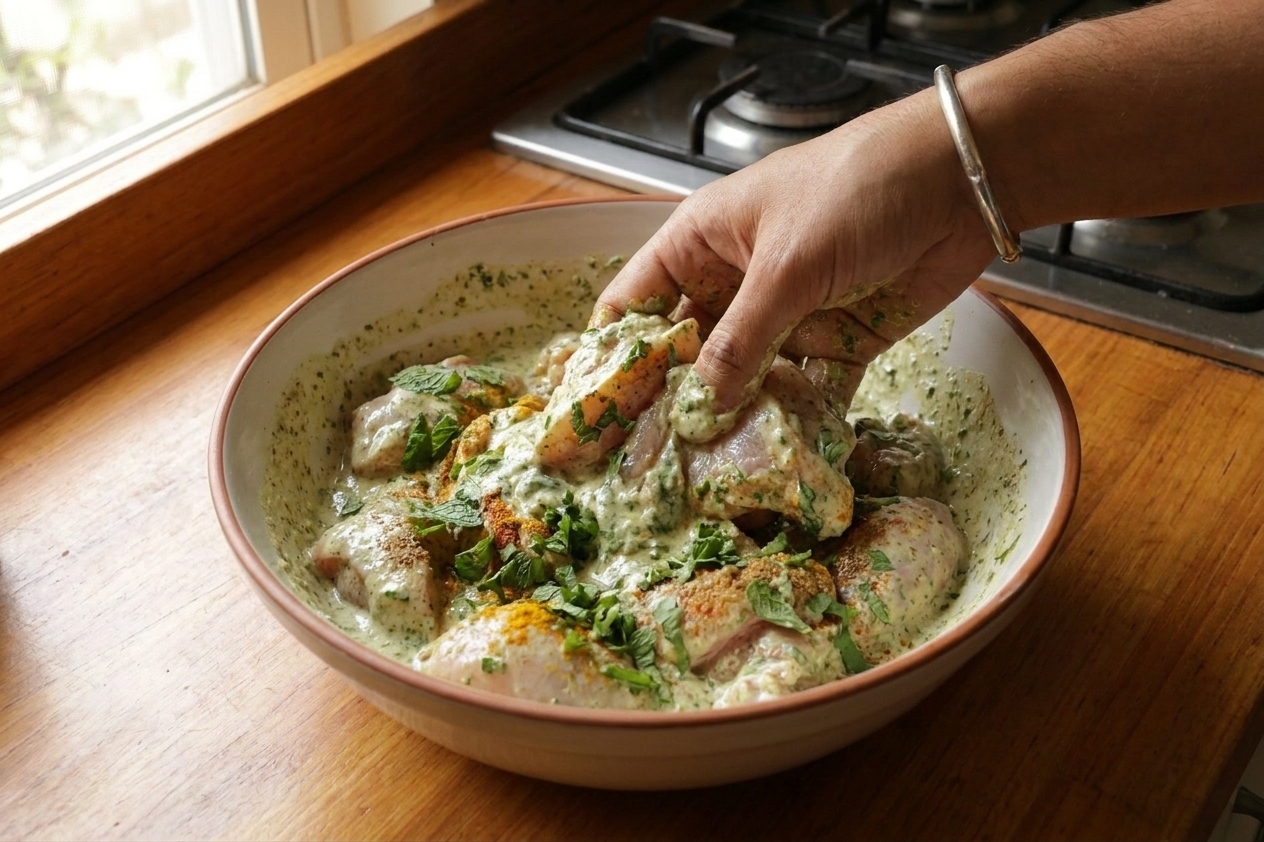
  • Yogurt and spice marinated chicken cooks in its own juices under the rice, so the meat stays tender and deeply seasoned.
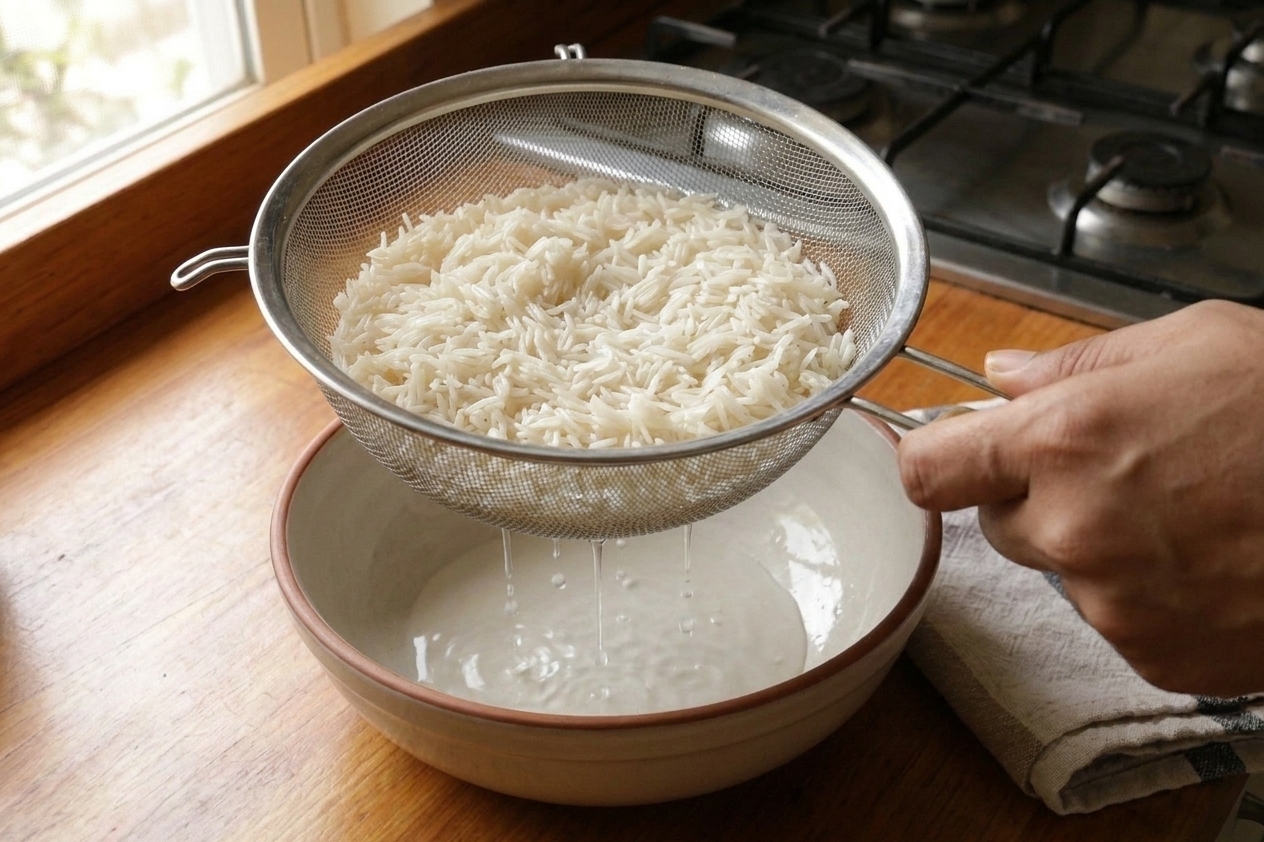
  • Parboiled rice keeps the grains long and separate after dum. No mushy biryani sadness here.
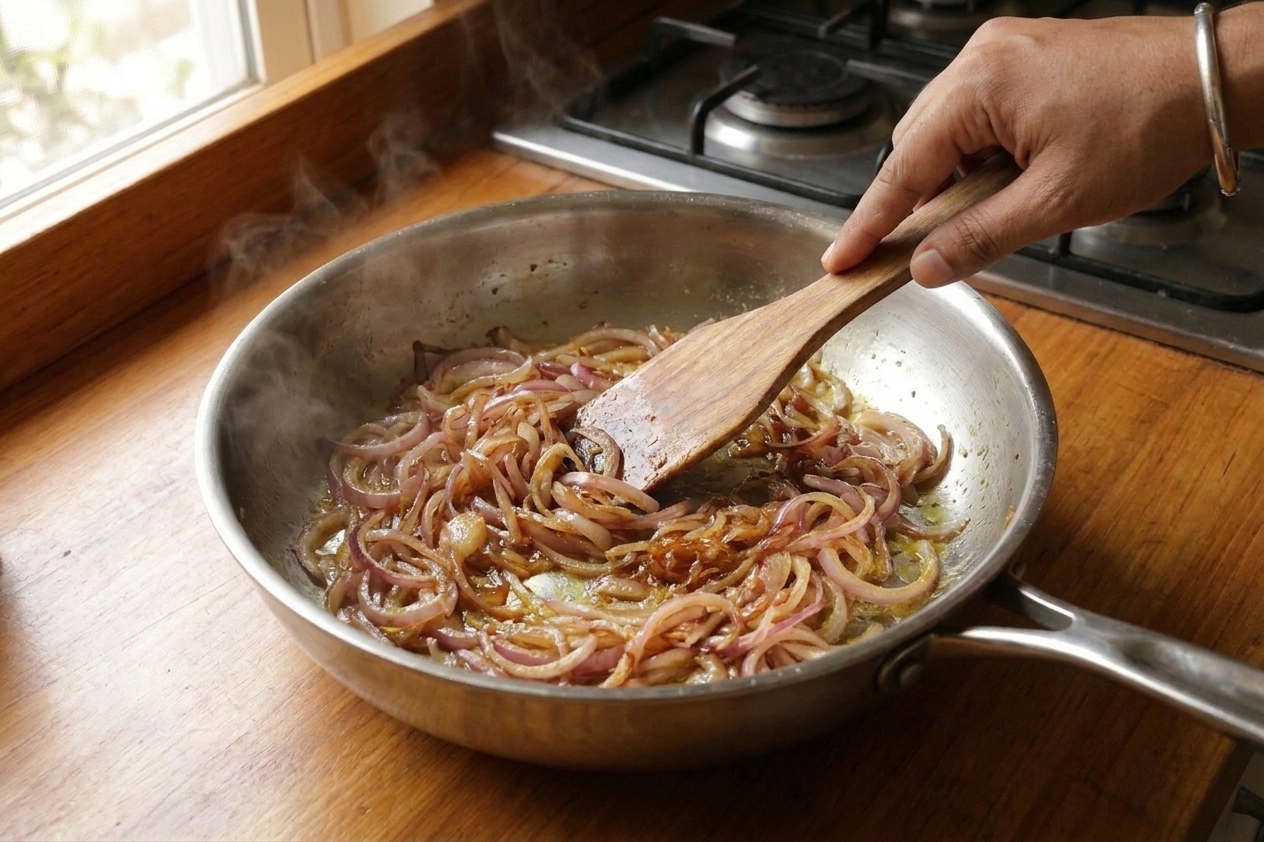
  • Fried onions plus mint and cilantro build that signature Hyderabadi aroma and sweet-savory depth.
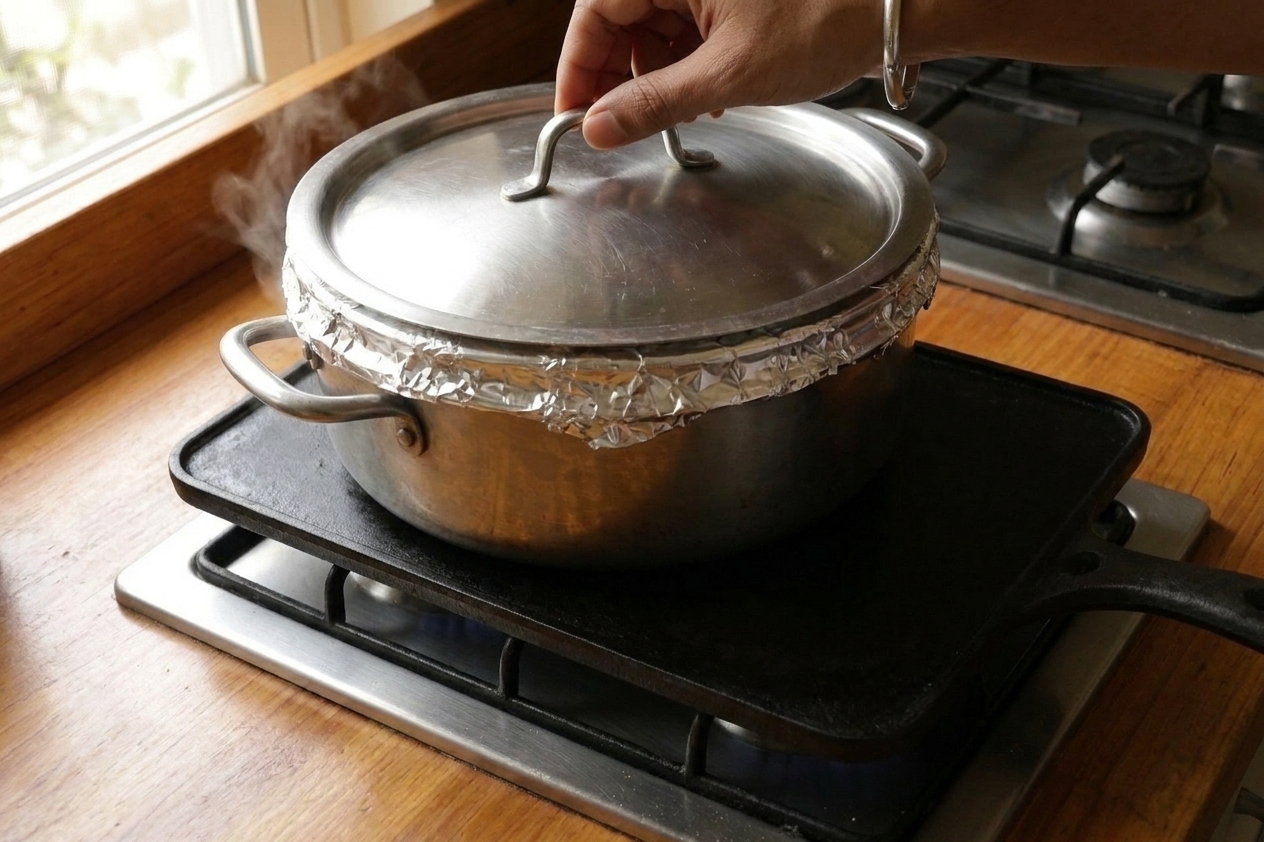
  • A tight seal and staged heat trap steam, finishing everything evenly while keeping the top layer fluffy.
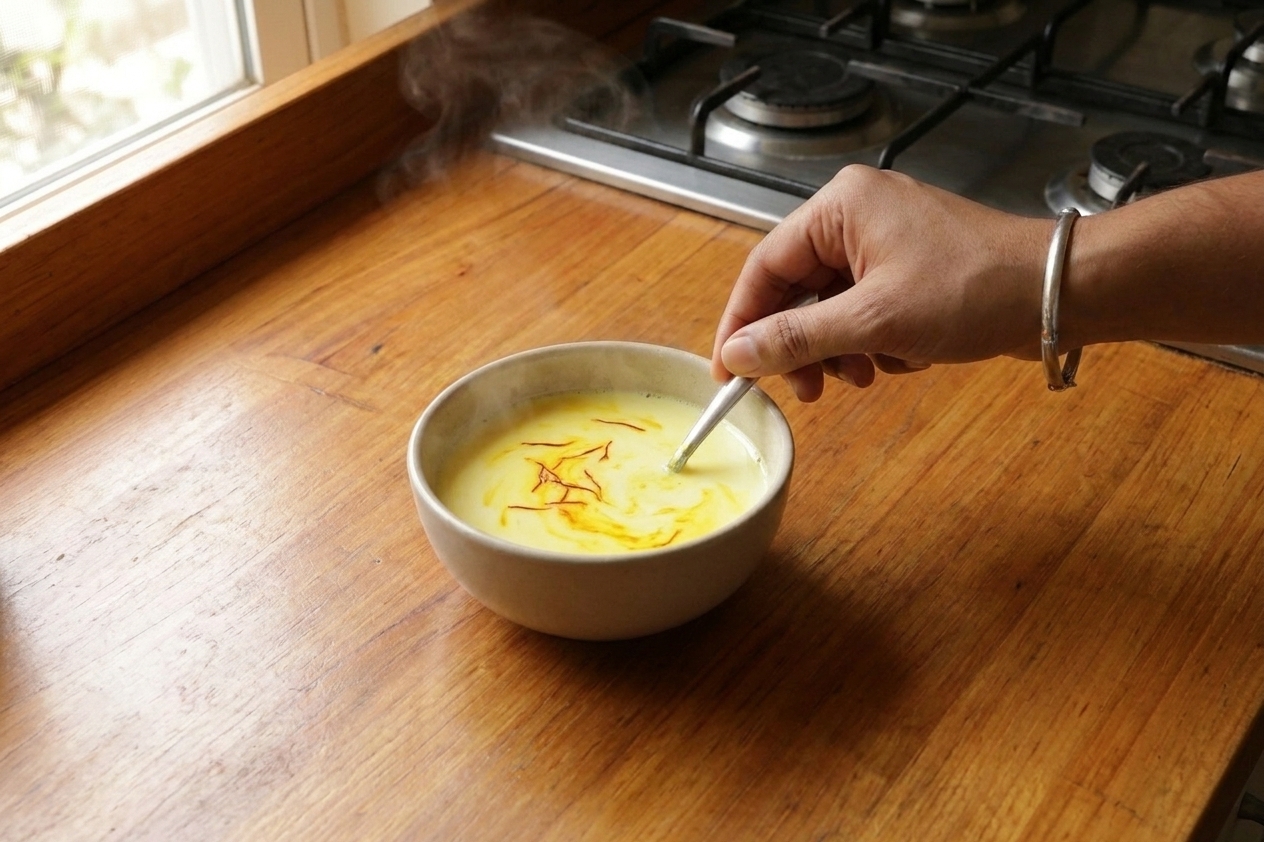
  • Saffron milk (or turmeric) gives you that beautiful color and a subtle floral finish without extra work.

Pairs Well With

Storage Tips

Refrigerate: Cool biryani quickly, then store in an airtight container for up to 4 days. I like shallow containers so it chills fast and reheats evenly.

Freeze: Freeze portions for up to 2 months. Press a piece of parchment directly on the surface before sealing the container to reduce freezer burn.

Reheat: Add 1 to 2 tablespoons water per serving, cover, and microwave in 60 to 90 second bursts, fluffing between rounds. On the stovetop, reheat covered on low with a splash of water until hot throughout.

Best texture tip: If you can, reheat only what you will eat. Repeated reheating dries the rice and makes the chicken less juicy.

Common Questions

Common Questions

Is Hyderabadi biryani spicy?

It can be. This version is medium, with heat mostly from green chiles and chili powder. For mild biryani, use fewer chiles and swap Kashmiri chili (more color, less heat) for hot chili powder.

Can I make this without saffron?

Yes. Saffron is lovely but not required. Use 1/4 teaspoon turmeric mixed into warm milk or water for color, or skip it entirely and lean on fried onions and herbs for flavor.

What rice is best for biryani?

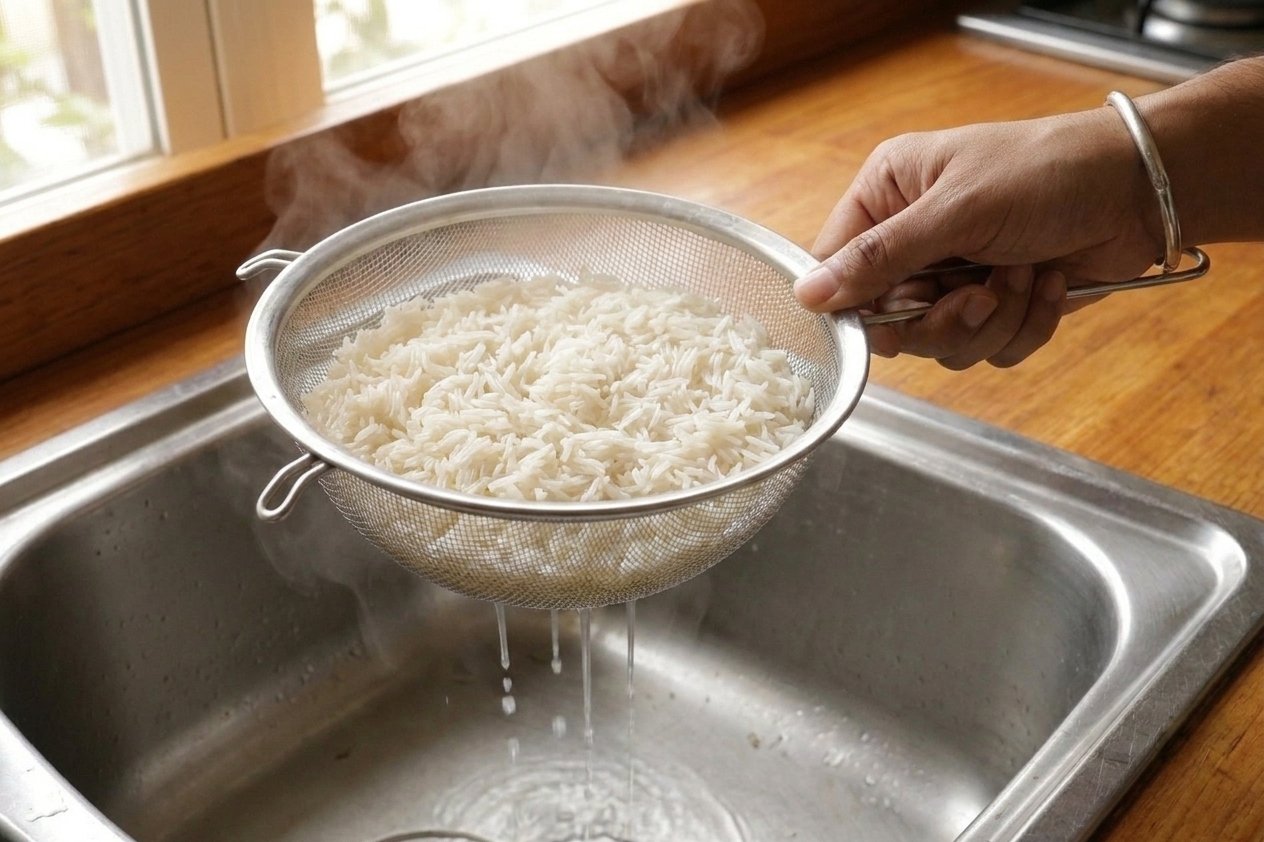
Use aged basmati if you can. The grains stay long and separate. Rinse until the water runs mostly clear, then soak for 20 to 30 minutes for more even cooking.

How do I keep the bottom from burning during dum?

Use a heavy-bottom pot and keep the heat low once the steam is built. If your stove runs hot, set the pot on a tawa or flat griddle to diffuse the heat. That one trick saves a lot of heartbreak.

Can I use boneless chicken?

You can, but bone-in stays juicier. If using boneless thighs, reduce dum time slightly and check tenderness at the end. Breast works, but it dries faster, so keep the dum gentle and do not overcook.

What is the best substitute for fried onions?

Store-bought crispy fried onions work great. If making your own sounds like a lot on a weeknight, this is the shortcut I fully support.

How do I know the chicken is cooked through?

The most reliable way is an instant-read thermometer. Aim for 165°F in the thickest part of the chicken, avoiding the bone. If you do not have one, cut into a thick piece near the bone. The juices should run clear and the meat should not look pink.

The first time I tried making Hyderabadi biryani at home, I treated it like “spiced chicken and rice.” Which is technically true in the way that the ocean is technically “water.” It came out fine, but it did not have that layered aroma, that hit of fried onion sweetness, that moment where you lift the lid and your brain goes quiet for a second.

What changed everything was learning to respect the little steps that feel optional: rinsing and soaking the rice, marinating longer than you think, keeping the rice par-cooked, and sealing the pot so the steam stays trapped. It is not fussy for the sake of being fussy. It is fussy because it tastes like it.