Can I use chicken breast instead of thighs?
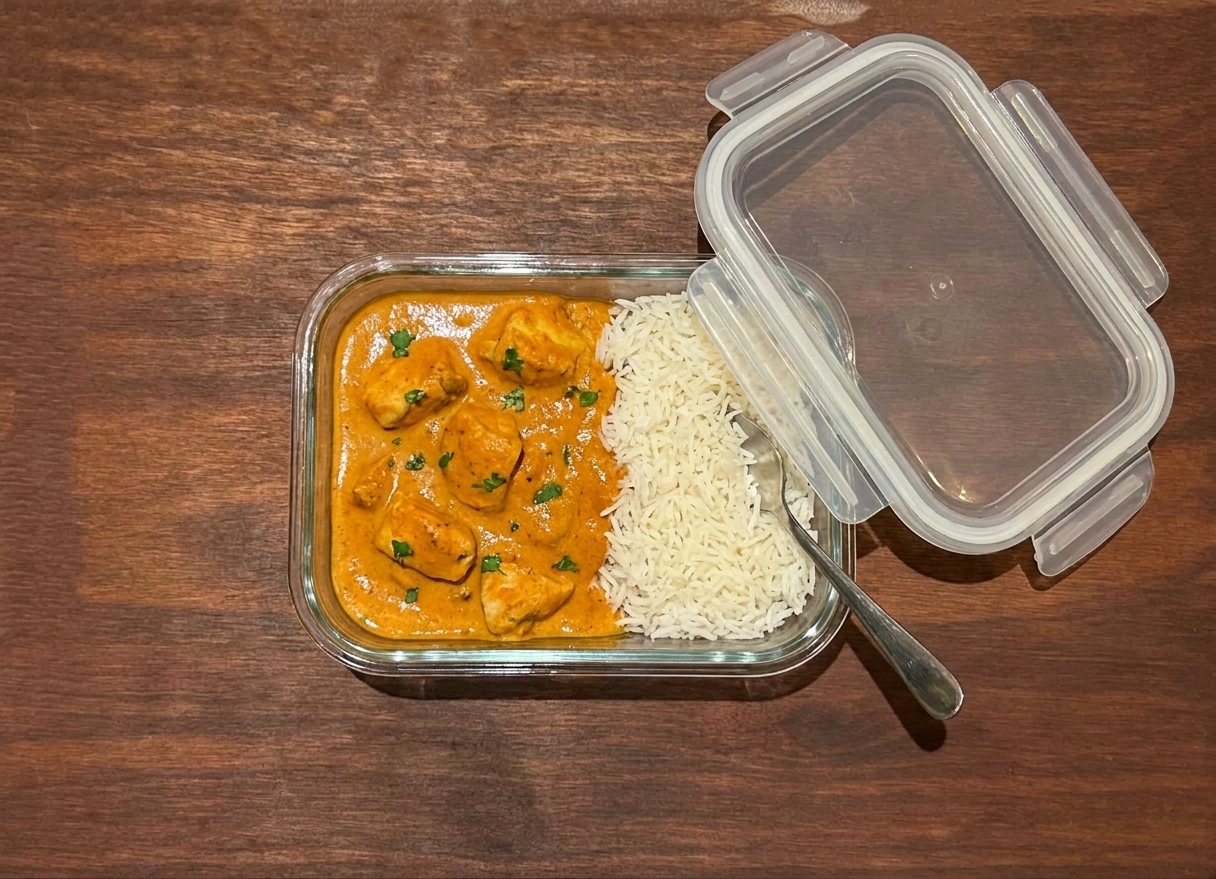
Yes. Chicken thighs stay juicier, but breasts absolutely work. For chicken breast, either cut into slightly larger 1 1/2-inch chunks or reduce the pressure time to 4 to 5 minutes, then do the same 8-minute natural release. Either way, the easiest way to avoid dry chicken is to check that the thickest pieces hit 165°F, then stop cooking.
Why does my sauce taste a little sharp?
Tomatoes can be punchy. Add 1 to 2 teaspoons honey or brown sugar, a pinch more salt, or an extra tablespoon of butter. Let it simmer on Sauté for 3 to 5 minutes to mellow.
Can I make it dairy-free?
You can. Swap butter for ghee-style plant butter or neutral oil, and use full-fat coconut milk instead of cream. It’ll taste a bit different, but still very good.
What if I get the “burn” notice?
It’s usually from stuck browned bits after sautéing or thick tomato products sitting on the bottom. After you add broth, scrape the pot very well to deglaze. Then add crushed tomatoes and tomato paste and gently stir just to combine without letting a thick layer settle on the bottom. If your pot is sensitive, try this: dissolve the tomato paste into the broth first, then pour it in. If you keep getting burn warnings, add an extra splash of water or broth.
Do I need to marinate the chicken?
No. You can if you want extra depth, but this recipe is designed to taste great without planning ahead.
Can I make the sauce extra smooth?
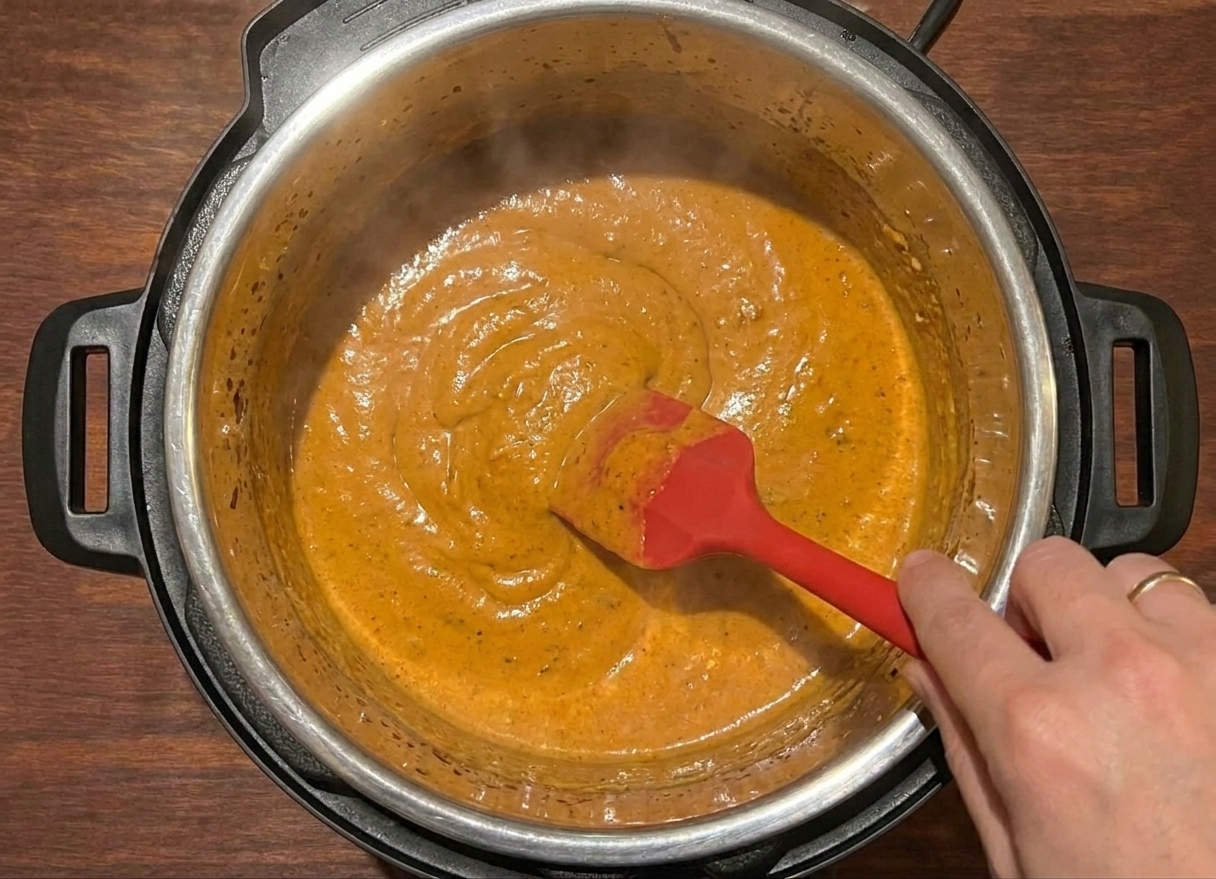
Yes. Before adding the cream, use an immersion blender right in the pot and blend until smooth (or transfer carefully to a blender). It’s optional, but it gets you closer to that restaurant-silky texture.
How spicy is this?
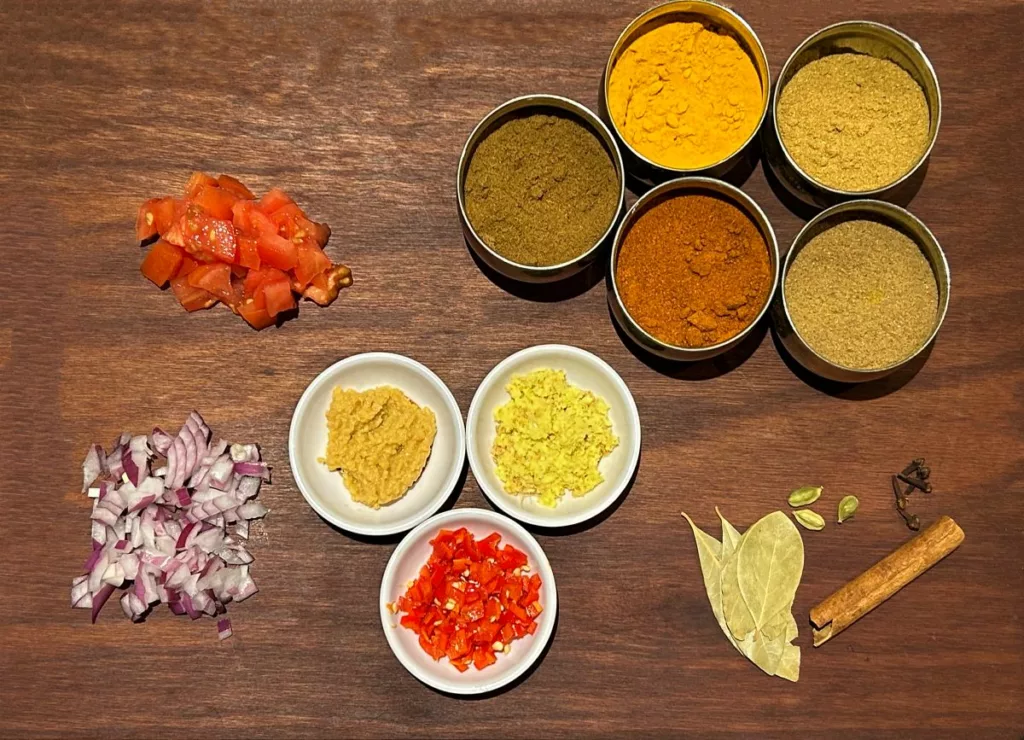
With 1/4 teaspoon cayenne, it’s mild-medium. For kid-friendly, skip the cayenne. For more heat, bump cayenne up to 1/2 teaspoon or add chili flakes at the end.