Mom's Best Recipes
Recipe

Integral Rice (Brown Rice)

A reliable, fluffy stovetop method for brown rice (integral rice) with a quick rinse, the right water ratio, and a rest that makes all the difference.

Author By Matt Campbell
4.8
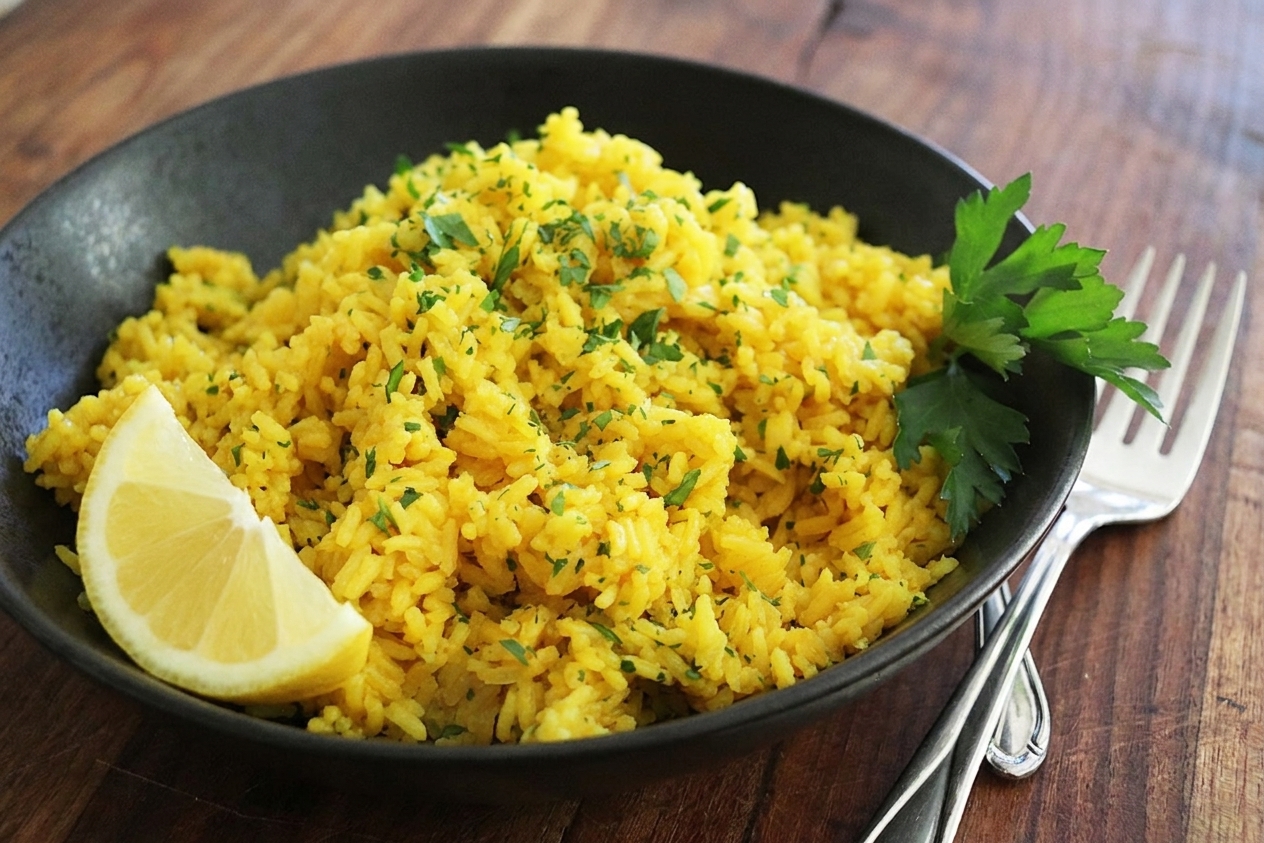
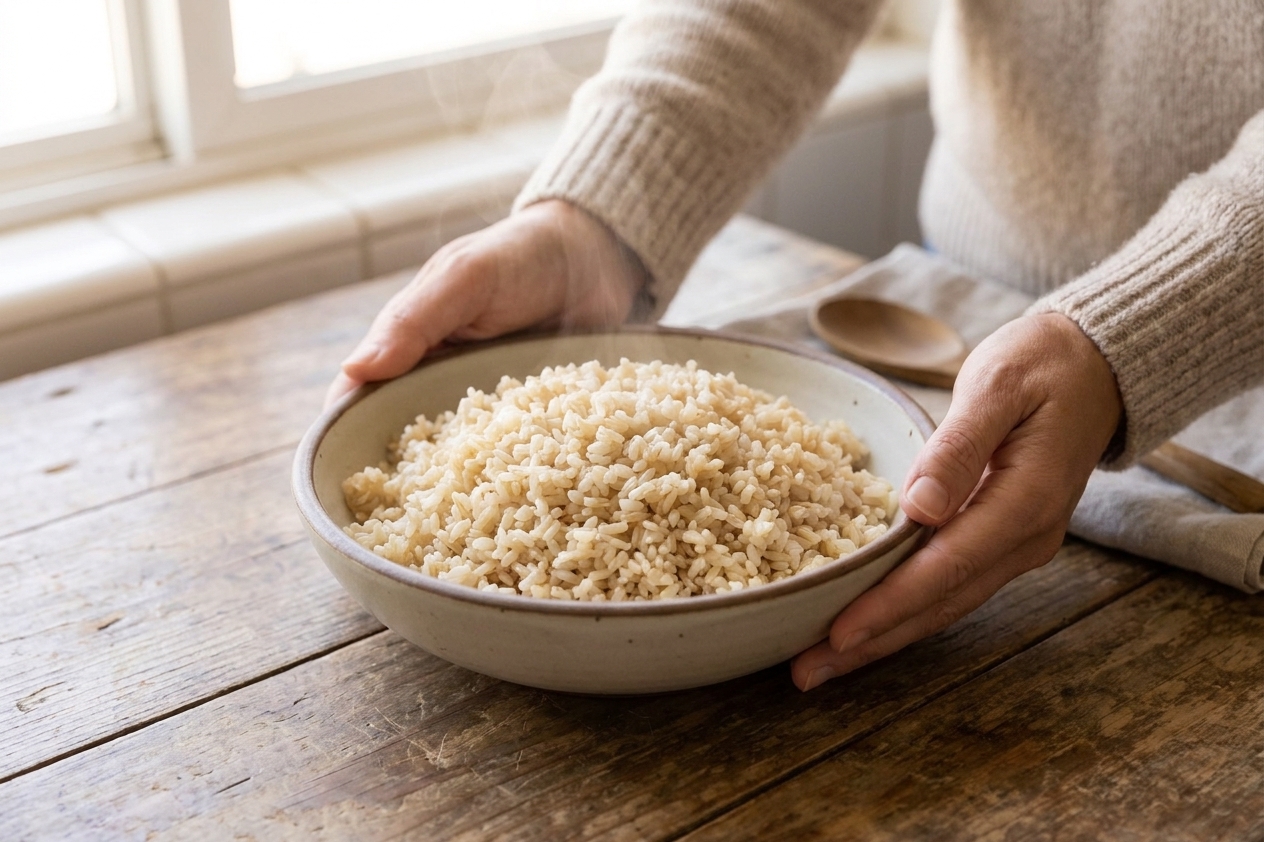
A warm bowl of fluffy cooked integral rice (brown rice) with visible separate grains on a rustic wooden table, soft natural kitchen lighting

Integral rice is often just brown rice. In many places, “integral” means the grain is left whole with the bran and germ intact, which gives you more nutty flavor, a slightly chewy bite, and rice that stays pleasantly chewy and holds its shape in bowls.

Also, brown rice has a reputation for being either crunchy in the middle or weirdly wet on the bottom. Neither is your fault. It is usually a too-high boil, a lid that leaks steam, or skipping the rest at the end. We are fixing all three with a simple stovetop method you can repeat on a weeknight without babysitting.

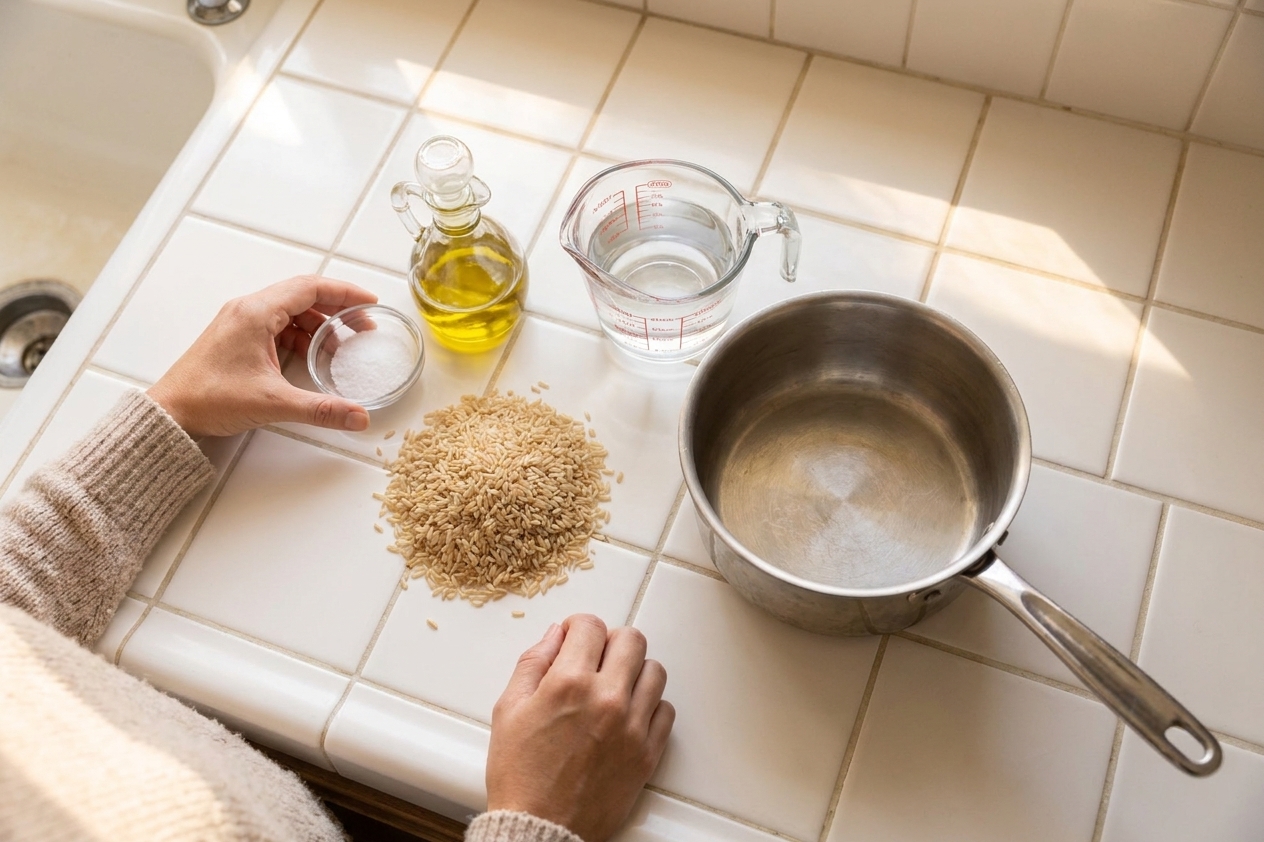
Uncooked brown rice, kosher salt, olive oil, and water measured on a clean kitchen counter with a saucepan nearby, consistent warm home kitchen lighting

Why It Works

  • Fluffy, separate grains: A steady simmer plus the final covered rest keeps the texture light instead of gummy.
  • Better flavor with almost no effort: A pinch of salt and a small splash of olive oil or butter gives brown rice that “I actually seasoned this” vibe.
  • Predictable timing: Brown rice takes longer than white rice. We lean into that with clear doneness cues, not just a timer.
  • Meal-prep friendly: This rice reheats well and holds its structure in bowls, stir-fries, soups, and stuffed peppers.

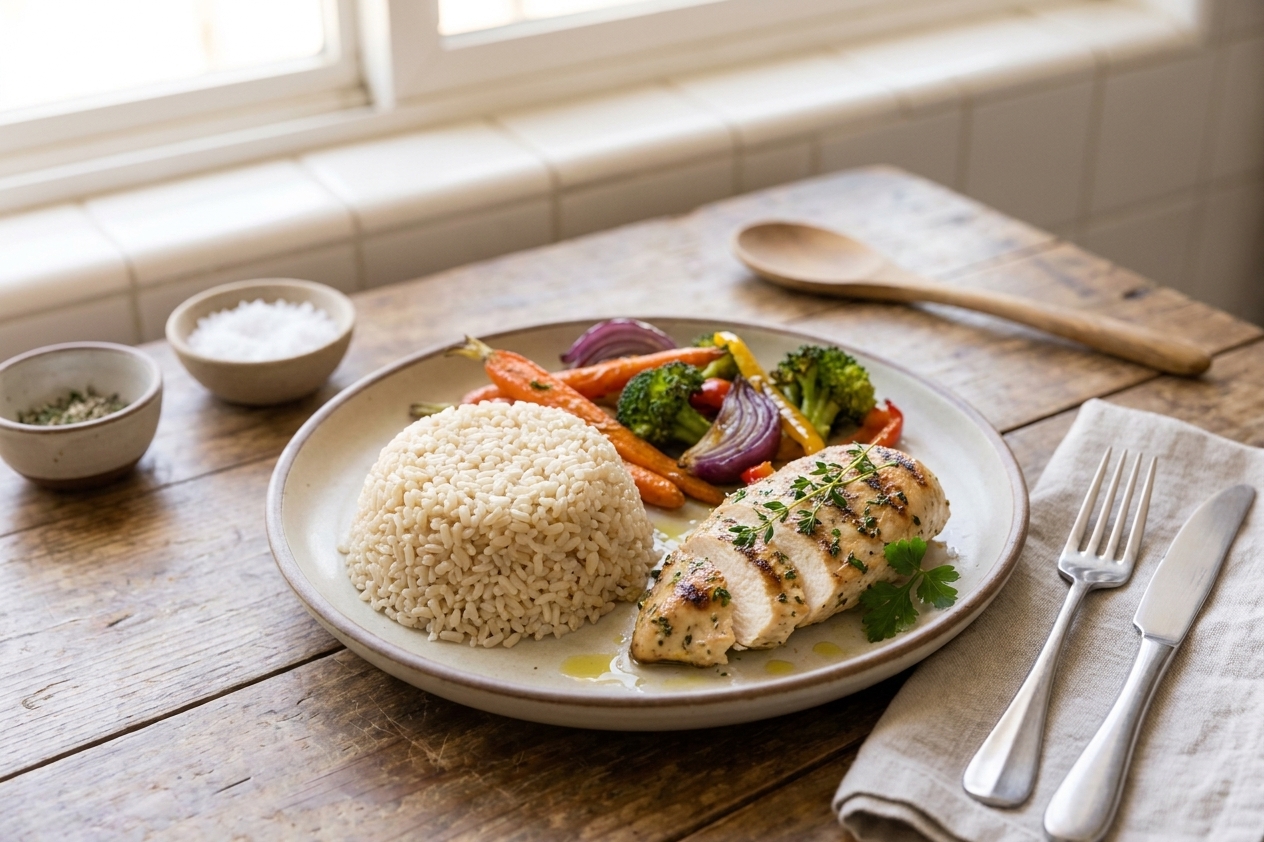
Pairs Well With

Storage Tips

Cool quickly: Spread leftover rice on a sheet pan or large plate for 10 to 15 minutes, then transfer to containers. For food safety, aim to refrigerate within 2 hours.

Refrigerate: Store in an airtight container for up to 4 days.

Freeze: Portion into freezer bags, press flat, and freeze up to 3 months. Flat bags thaw fast and stack neatly.

Reheat (best method): Add a splash of water (1 to 2 tablespoons per cup), cover, and warm in the microwave in 30 to 45 second bursts, stirring once. On the stovetop, reheat covered over low with a small splash of water until steaming hot.

Common Questions

Do I need to rinse integral rice?

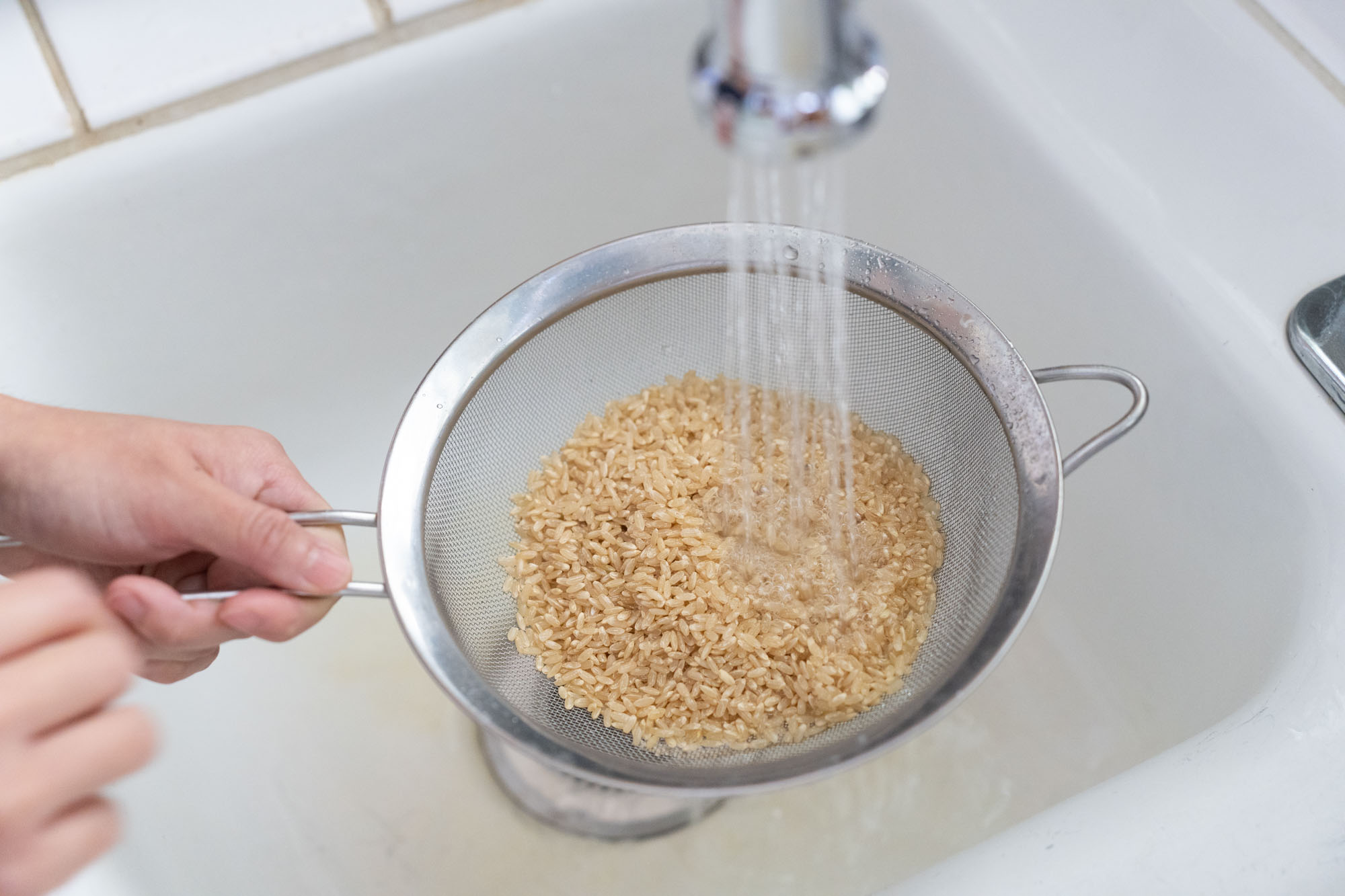
It is not mandatory, but I recommend it. A quick rinse removes extra surface starch and helps the grains stay more separate. Rinse until the water looks less cloudy (usually 30 to 60 seconds), then drain well.

What is the best water ratio for brown rice?

For long-grain brown rice on the stovetop, 1 cup rice to 2 cups water is a dependable starting point. That said, rice brand and age, your pot, and how well your lid seals can change what “perfect” looks like. If your rice is consistently firm, add 2 to 4 tablespoons more water next time. If it is consistently soft, reduce water slightly.

Why is my brown rice still hard after cooking?

Usually it needed more time, or your simmer was too gentle to keep enough heat in the pot. Add 1 to 3 tablespoons of water, cover, and cook 5 to 10 minutes more. Then rest covered off heat for 10 minutes.

Why is my rice mushy or sticky?

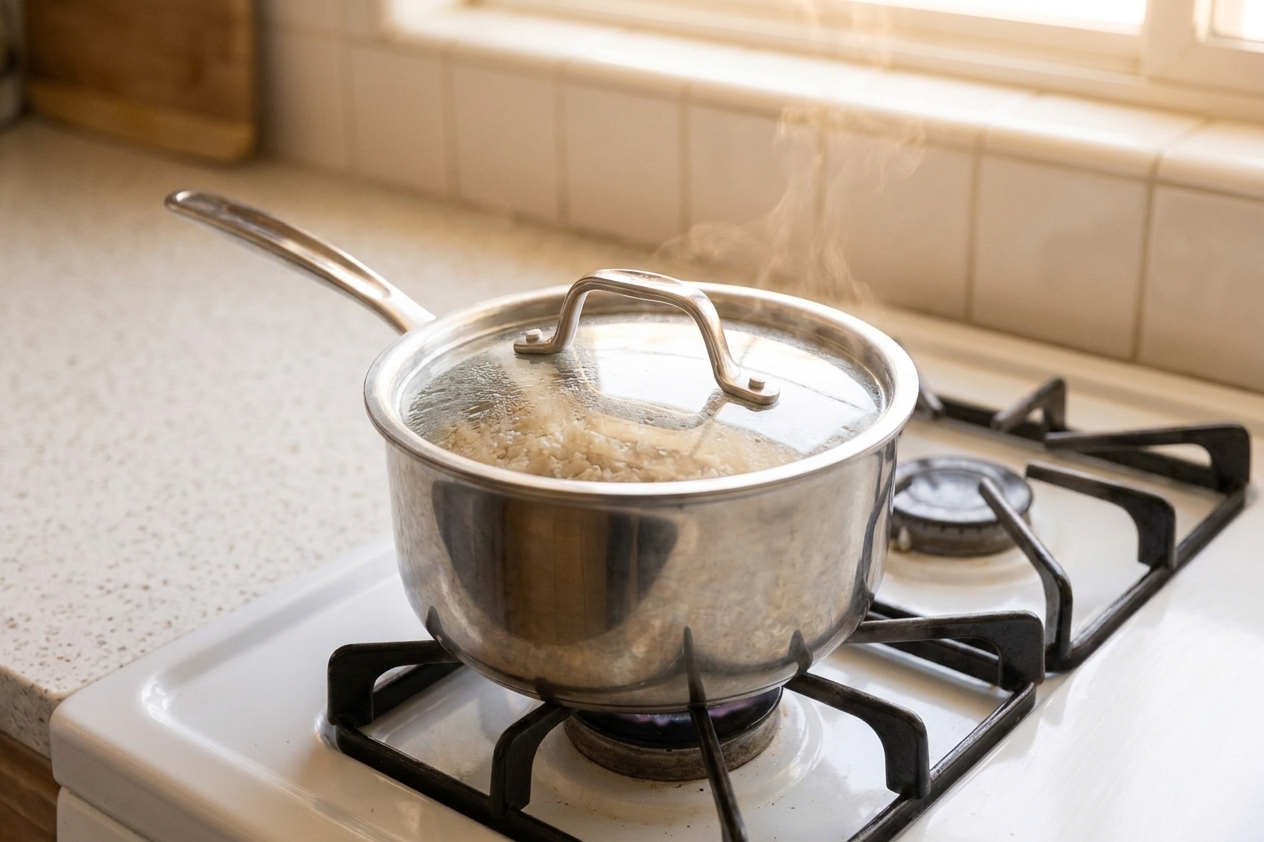
Too much water, too vigorous a boil, or stirring while it cooks can make it sticky. Keep it at a gentle simmer, do not stir, and always let it rest covered so steam finishes the job without extra water.

Can I cook integral rice in broth?

Yes. Swap water for low-sodium broth for more flavor. Keep the ratio the same and taste for salt at the end.

Is integral rice the same as whole grain rice?

In many countries and on many labels, yes. “Integral” usually means the grain is intact with its bran and germ, basically whole grain brown rice. Label terms are not perfectly standardized everywhere, so when in doubt, check the package description.

Does this work for short-grain brown rice or brown basmati?

This method is written for long-grain brown rice. Brown basmati and short-grain brown rice often need slightly different water or timing. If you are using a different variety, start with the package directions, then use the same key steps from this recipe: gentle simmer, tight lid, and the 10-minute covered rest.

I used to treat brown rice like a punishment side dish. You know the one: dry, sad, vaguely healthy, and somehow both crunchy and mushy at the same time. Then I started cooking it like I actually wanted it to taste good. That meant seasoning the water, keeping a steady simmer, and giving it a real rest at the end.

Now brown rice (integral rice) is my default when I am building a bowl dinner. It stands up to saucy chicken, roasted veggies, fried eggs, and whatever “clean out the fridge” situation is happening that night. It is dependable, which in my kitchen is basically a love language.

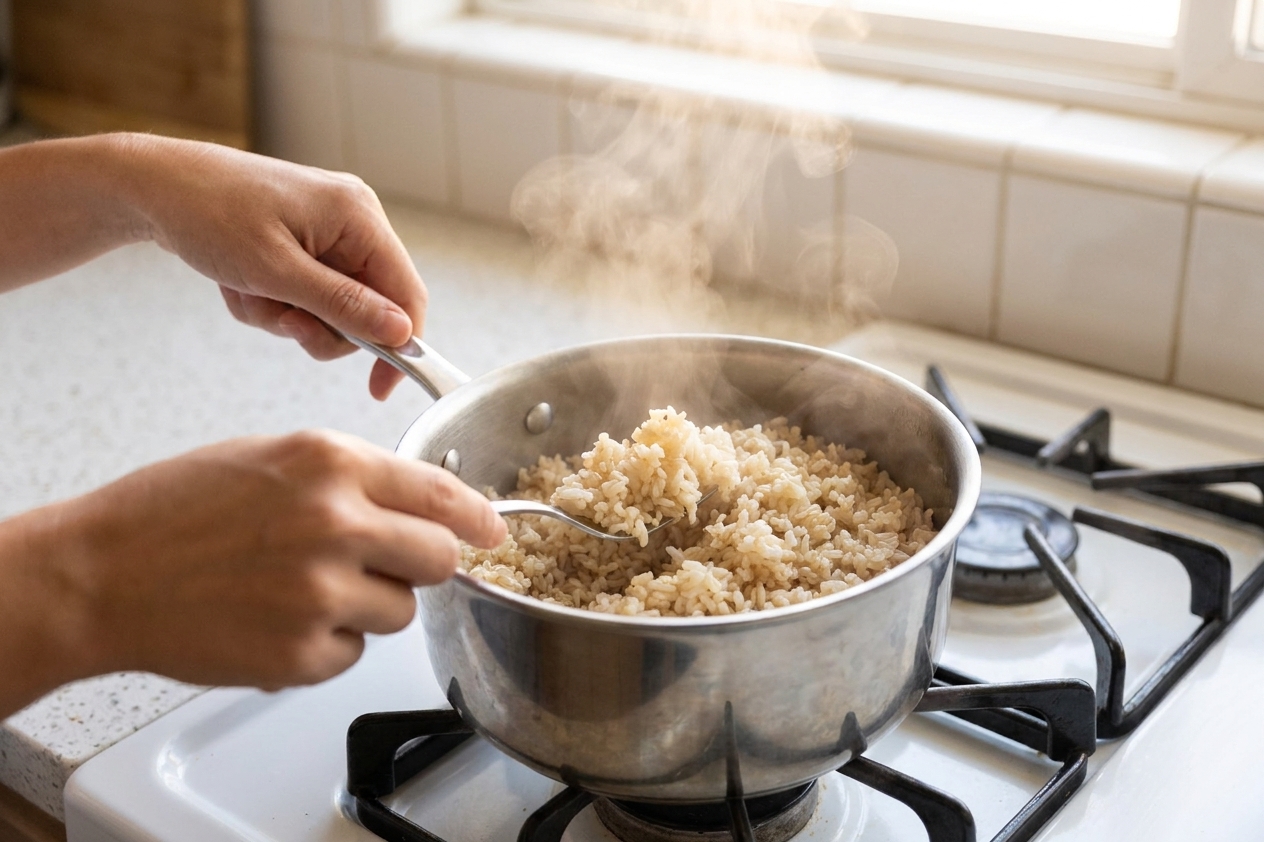
A cook's hands fluffing cooked integral rice with a fork in a saucepan on a home stove, steam rising in warm kitchen light