Mom's Best Recipes
Recipe

Japanese Cheesecake

A fluffy, jiggly, lightly sweet cheesecake baked low and slow in a water bath for a tender, soufflé-like slice.

Author By Matt Campbell
4.8
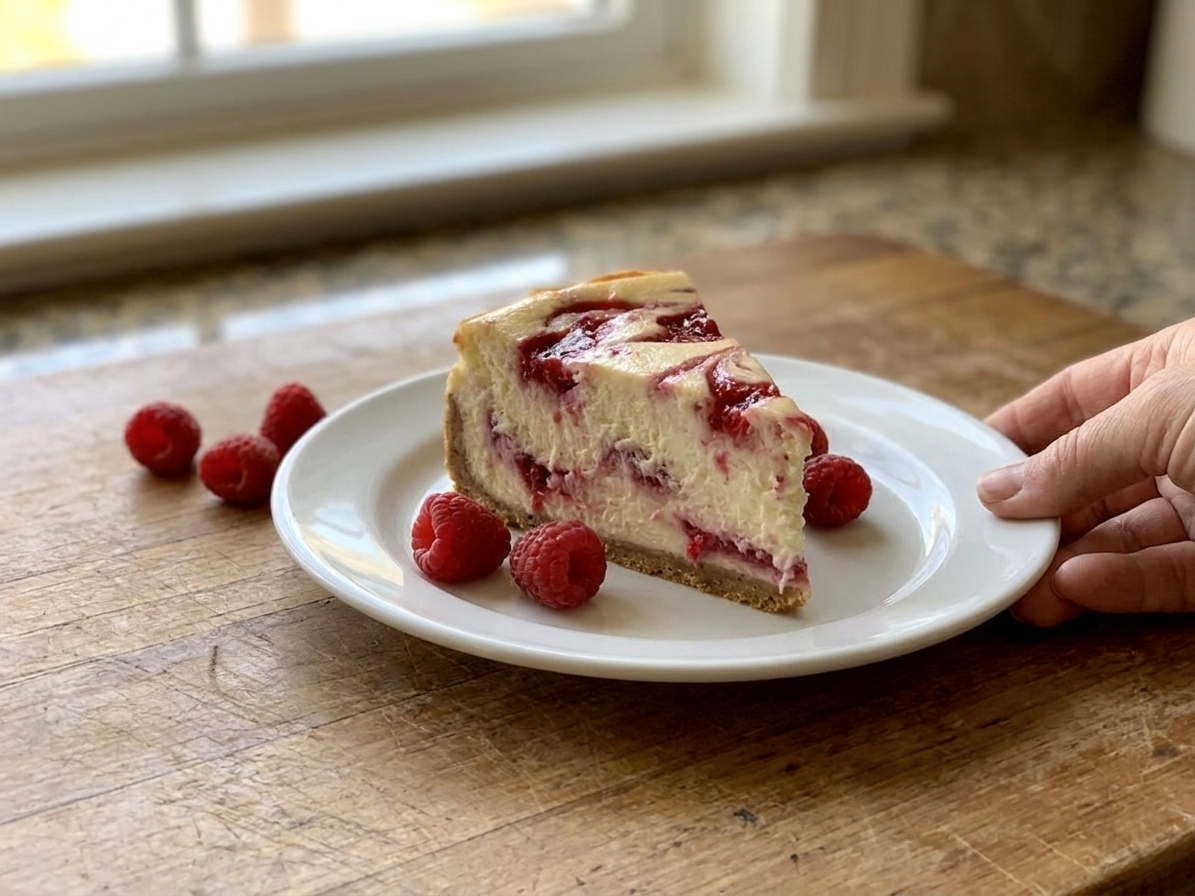
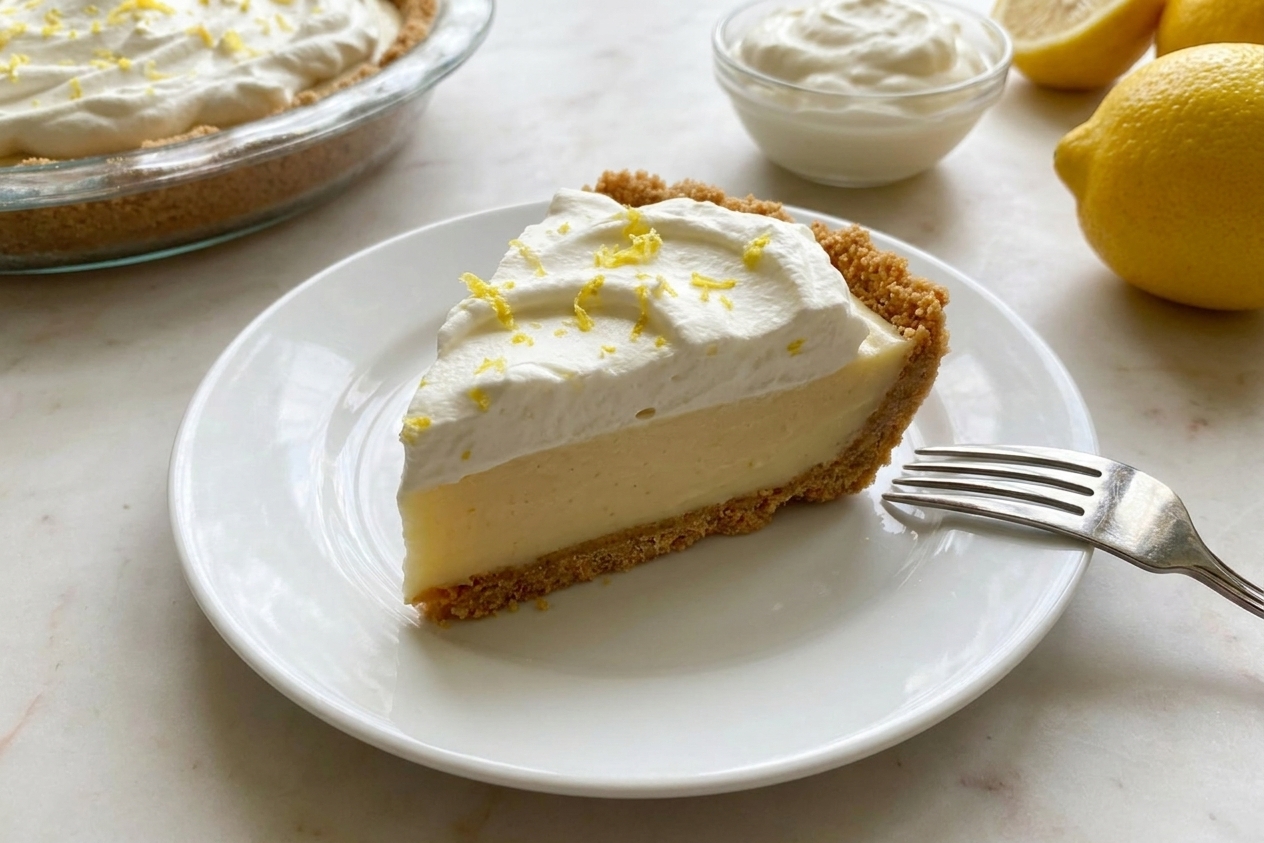
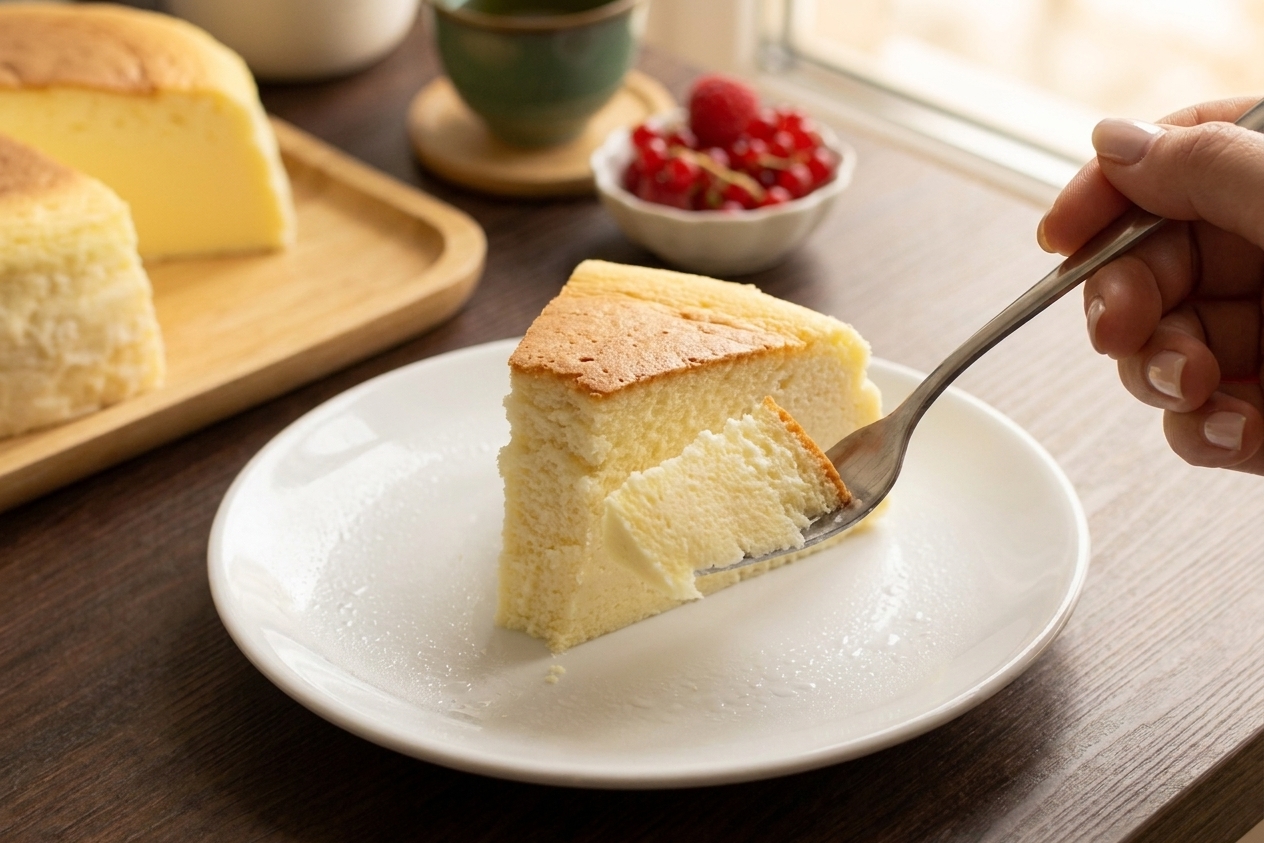
A tall, fluffy Japanese cheesecake with a lightly golden top, sliced to show its airy crumb on a simple white plate on a bright kitchen table

Japanese cheesecake is the dessert I make when I want something that feels like cheesecake, but eats like a soft pillow. It is light, gently tangy, and just sweet enough to keep you going back for “one more forkful” until the slice mysteriously disappears.

This version uses everyday ingredients and the two big techniques that matter: a stable meringue and a steady water bath. If you have ever had it sink, crack, or come out a little wet in the middle, you are in the right place. We are going for a calm rise, a slight jiggle, and slices that look like you actually had a plan.

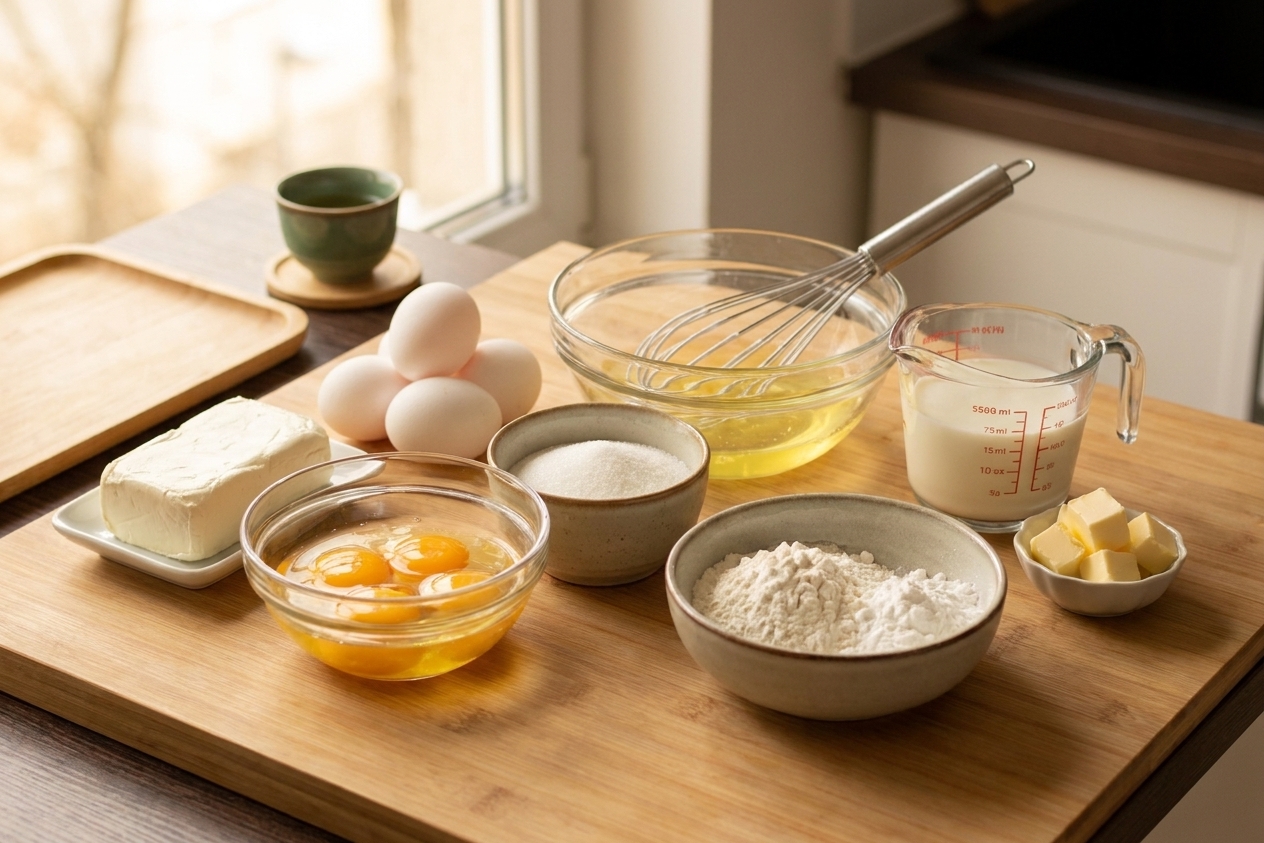
Ingredients for Japanese cheesecake arranged on a clean kitchen counter, including cream cheese, eggs, milk, butter, sugar, flour, and cornstarch

Why It Works

  • Cloudy texture, not dense: Whipped egg whites lift the batter so it bakes up airy, like a cheesecake met a soufflé and decided to be friends.
  • Water bath = gentle heat: The bain marie keeps the oven environment moist and even, which helps prevent cracks and rubbery edges.
  • Balanced flavor: Cream cheese brings tang, lemon brightens it, and a pinch of salt keeps the sweetness from going flat.
  • Clear cues: You will know the meringue is ready, you will know when the cake is baked, and you will know how to cool it so it does not collapse dramatically.
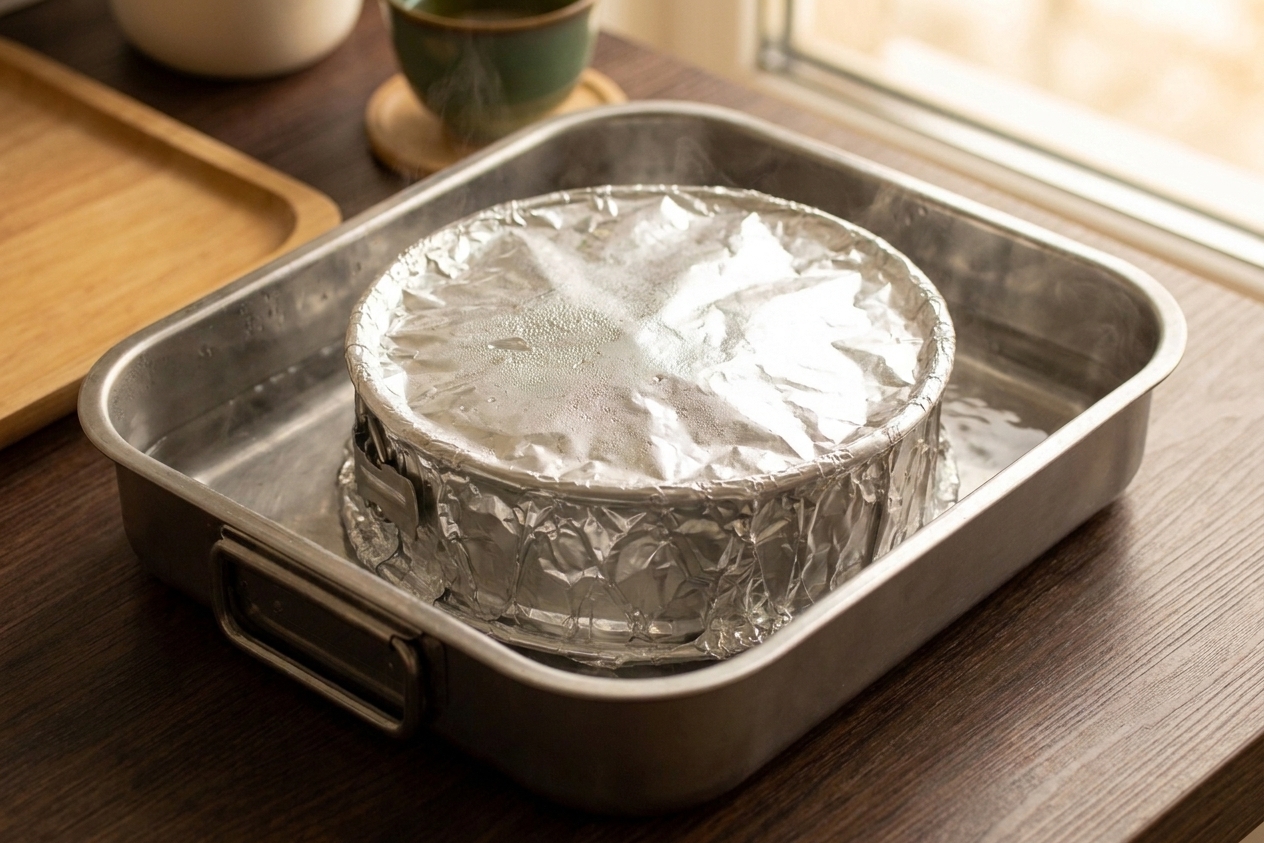
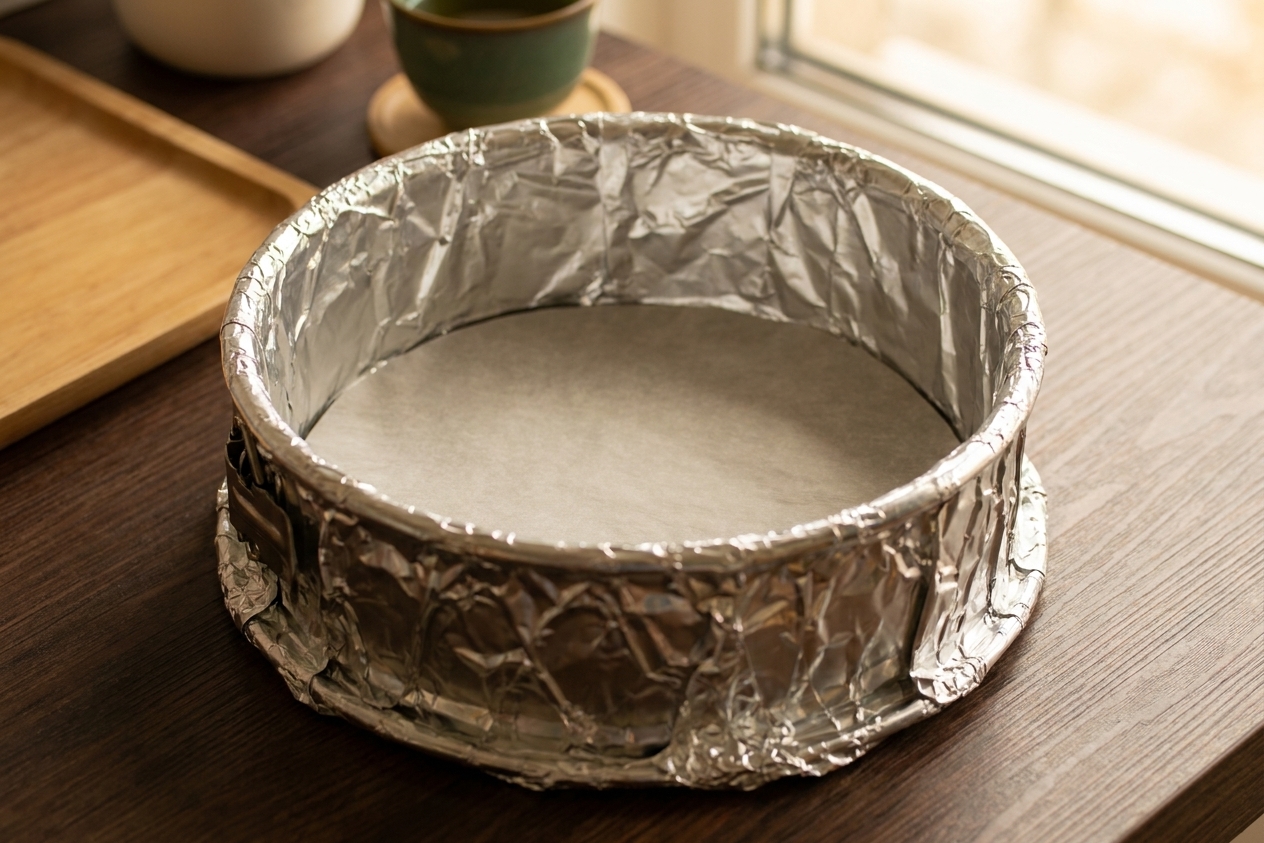
A springform pan wrapped in foil sitting inside a larger roasting pan filled with hot water on a kitchen counter, ready for baking

Pairs Well With

Storage Tips

How to Store Japanese Cheesecake

  • Refrigerate: Once fully cooled, cover and refrigerate for up to 4 days. The texture becomes a little more custardy on day two, which I honestly love.
  • Best wrapping method: Chill the cake first, then wrap the pan or individual slices tightly in plastic wrap to prevent fridge smells from moving in.
  • Freeze: Freeze individual slices (wrapped well, then placed in a freezer bag) for up to 1 month. Thaw overnight in the fridge.
  • Serving after chilling: For the softest texture, let slices sit at room temp for 10 to 15 minutes before eating.
  • Avoid reheating: Skip the microwave. It can toughen the crumb and collapse that lovely lift.

Common Questions

Common Questions

Why did my Japanese cheesecake crack?

Cracks usually come from heat being too aggressive or moisture being too low. Common culprits: no water bath, water bath ran dry, oven temp too high, or the cake cooled too fast. Bake low and slow, keep the water hot, and cool it gradually in the oven.

Why did it sink after baking?

A little settling is normal. Big sinking usually means it was underbaked in the center, the meringue was overwhipped and brittle, or it got a temperature shock. Aim for a center temp around 150 to 160°F and cool it in stages.

Do I need a springform pan?

It is strongly recommended for easy removal, but it is also more leak-prone in a water bath. If you use one, wrap it tightly in 2 layers of heavy-duty foil (or set it inside a slightly larger cake pan before placing it in the water bath). A deep 8-inch round cake pan can also work if you line it well with parchment and plan to lift it out carefully.

Can I make it without a water bath?

You can, but expect a higher chance of cracks and a drier texture around the edges. If you skip it, at least place a pan of hot water on the rack below to add steam.

How do I know my meringue is at the right stage?

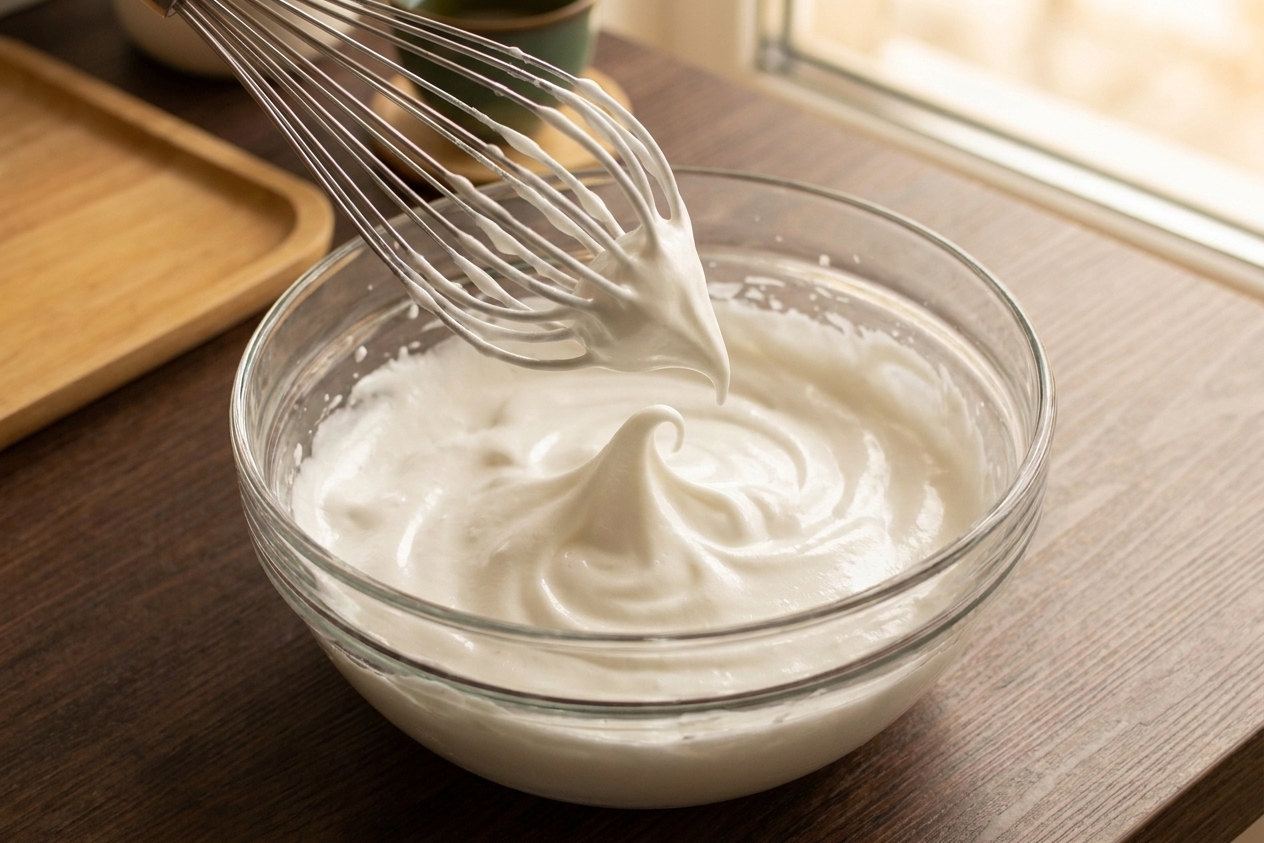
You want medium peaks: glossy, smooth, and the peak should droop slightly at the tip. If it looks clumpy, dry, or starts to separate, it is overwhipped.

Why is my cake wet or gummy on the bottom?

Usually underbaking, water sneaking into the pan, or the batter deflating. Wrap the pan well, bake until the edges are set and the center still jiggles like custard, and cool fully before slicing.

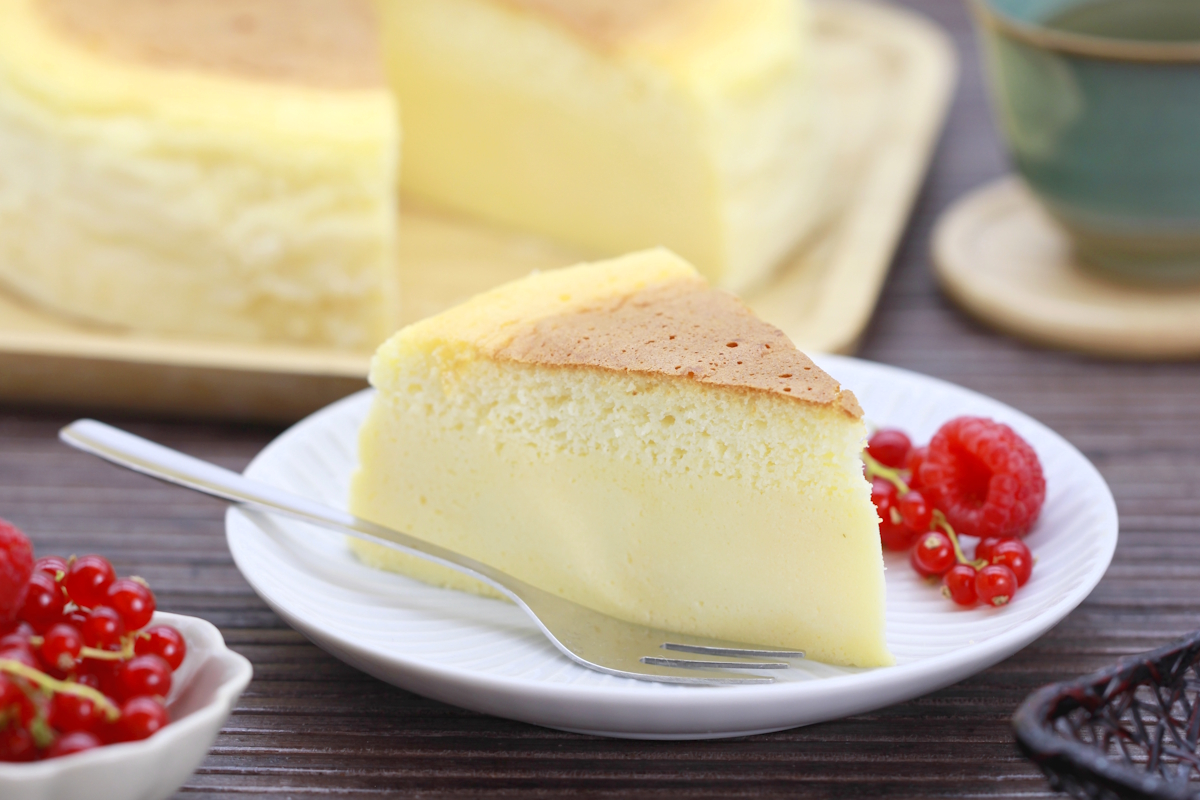
The first time I made Japanese cheesecake, I treated it like regular cheesecake and basically told the oven, “Good luck.” It rose like a champ, cracked like a sidewalk in July, and sank the second I opened the door because I was impatient and curious. Classic.

Now I make it like a team project with my future restaurant brain turned on: gentle heat, clean technique, and zero drama cooling. It still feels a little chaotic because meringue has opinions, but when it comes out tall and jiggly, it is the good kind of chaos. The kind you celebrate with powdered sugar and a fork.