Why did my Japanese cheesecake crack?
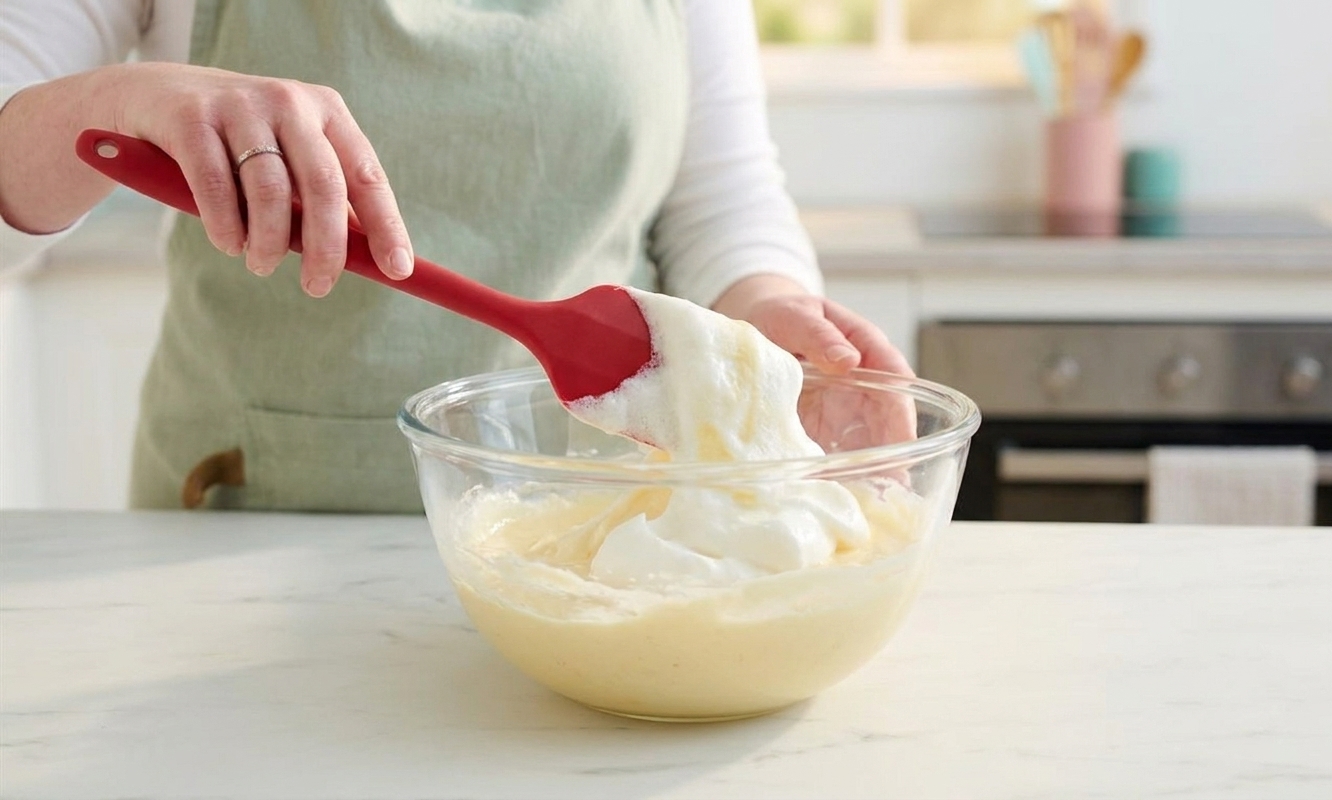
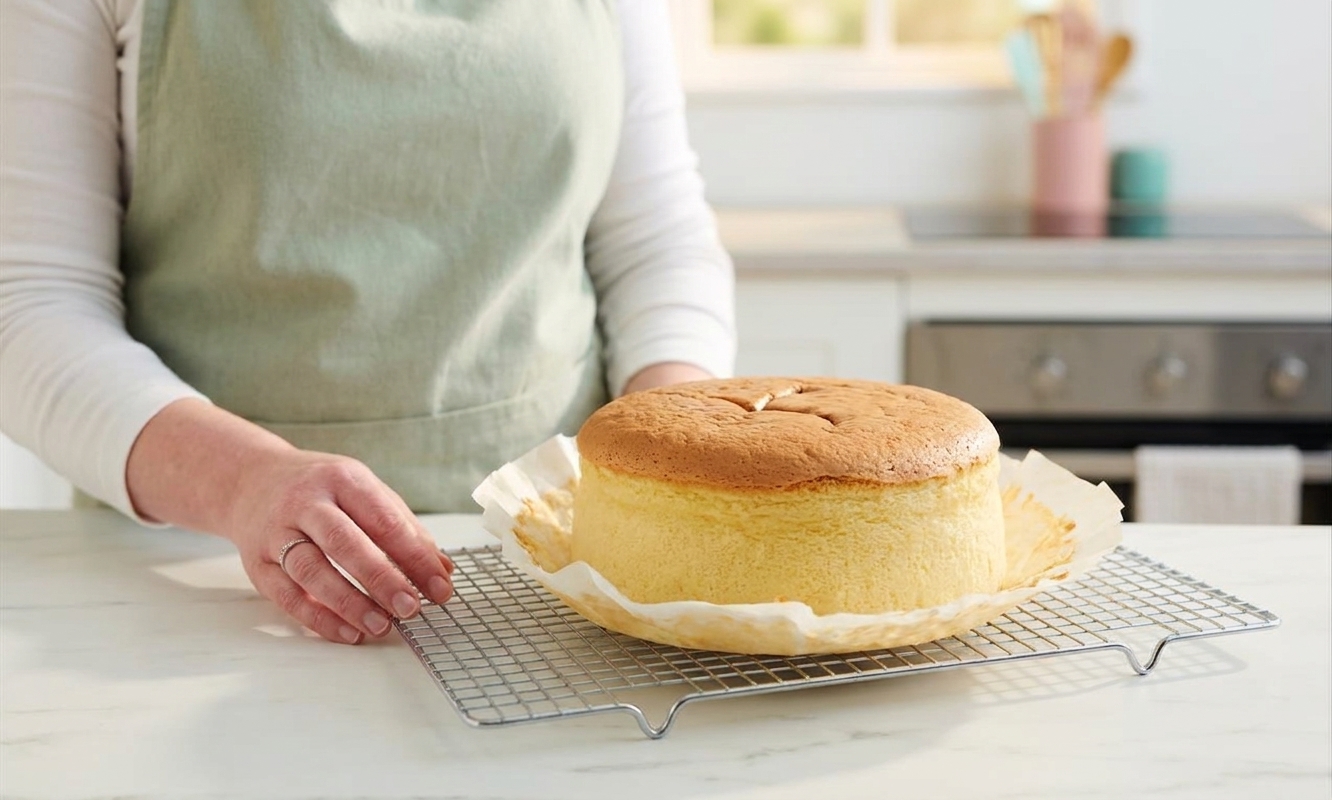
Usually one of three things: the oven was too hot, the egg whites were whipped too stiff, or the cake cooled too quickly. Keep peaks glossy (not dry), bake low and steady, and cool it gradually in the oven with the door cracked.
Do I really need a water bath?
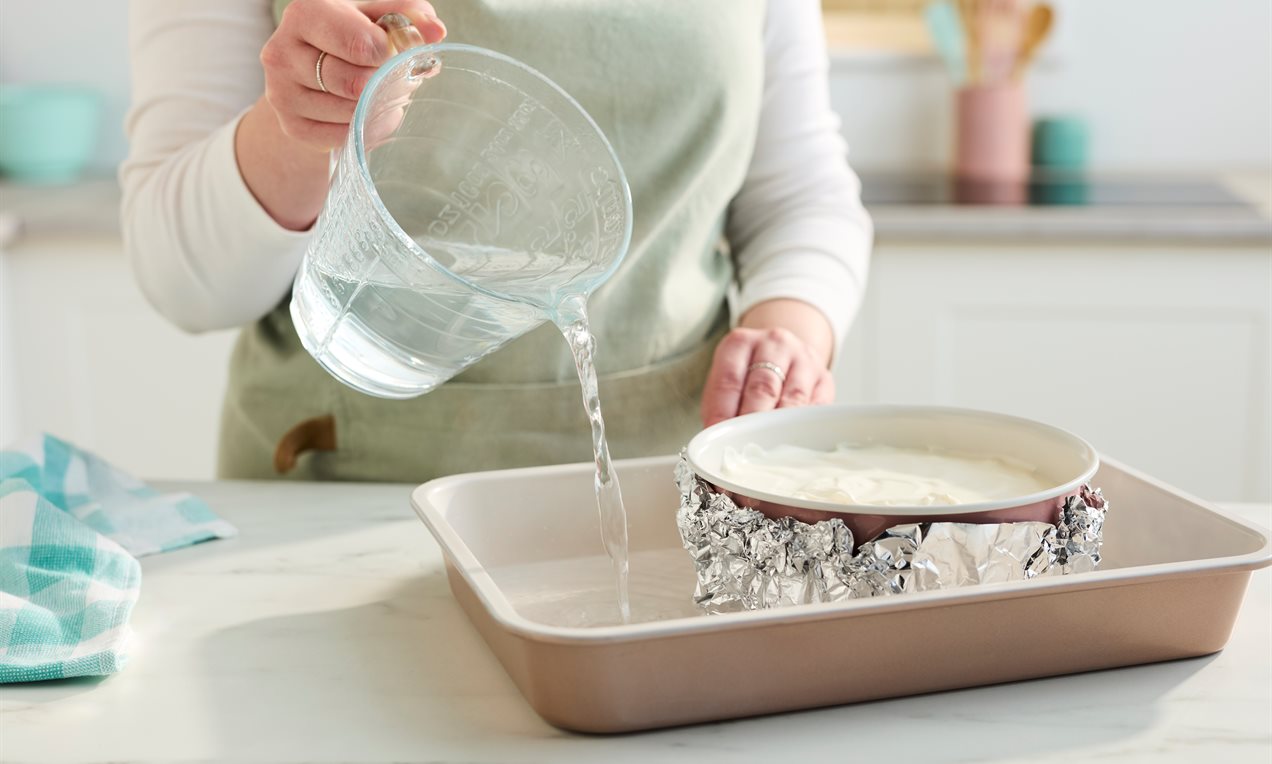
For the classic tall, smooth, jiggly result, yes. It softens the heat and adds moisture, which helps prevent cracks and keeps the crumb delicate. If you skip it, the cake can rise unevenly and dry out.
Can I use low-fat cream cheese?
I would not. Full-fat cream cheese gives the best structure and flavor. Low-fat versions tend to bake up thinner and can weep.
How do I know when it is done?
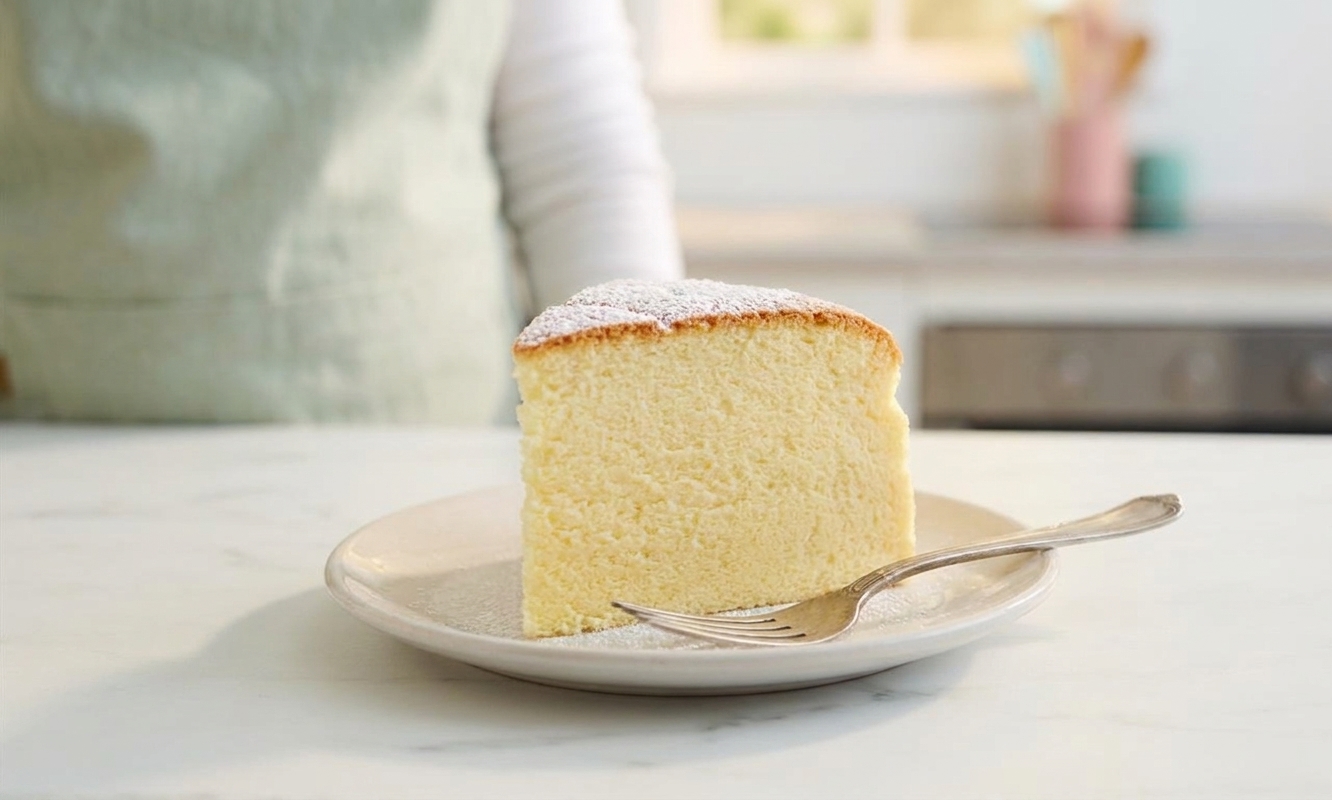
Go by visuals first: the top should be lightly golden, the cake should be set around the edges, and the center should still wobble as one piece like soft-set pudding. If you use a thermometer, aim for around 150°F to 160°F in the center, depending on how custardy you like it and where your probe lands.
My cake shrank after baking. Is that normal?
A little shrinkage is normal. Big shrinkage usually means it was underbaked or the meringue was overmixed and lost too much air. Next time, bake a touch longer and fold gently.
Help, water leaked into my pan. What happened?
Springforms can be sneaky. Wrap the outside in 2 to 3 tight layers of foil, keep the water level to about 1 inch up the side, and pour carefully so you do not splash. If you do not trust your springform, you can bake in a deep 8-inch round cake pan lined with parchment (bottom and a tall collar), then lift out once fully cool.
Can I make it a day ahead?
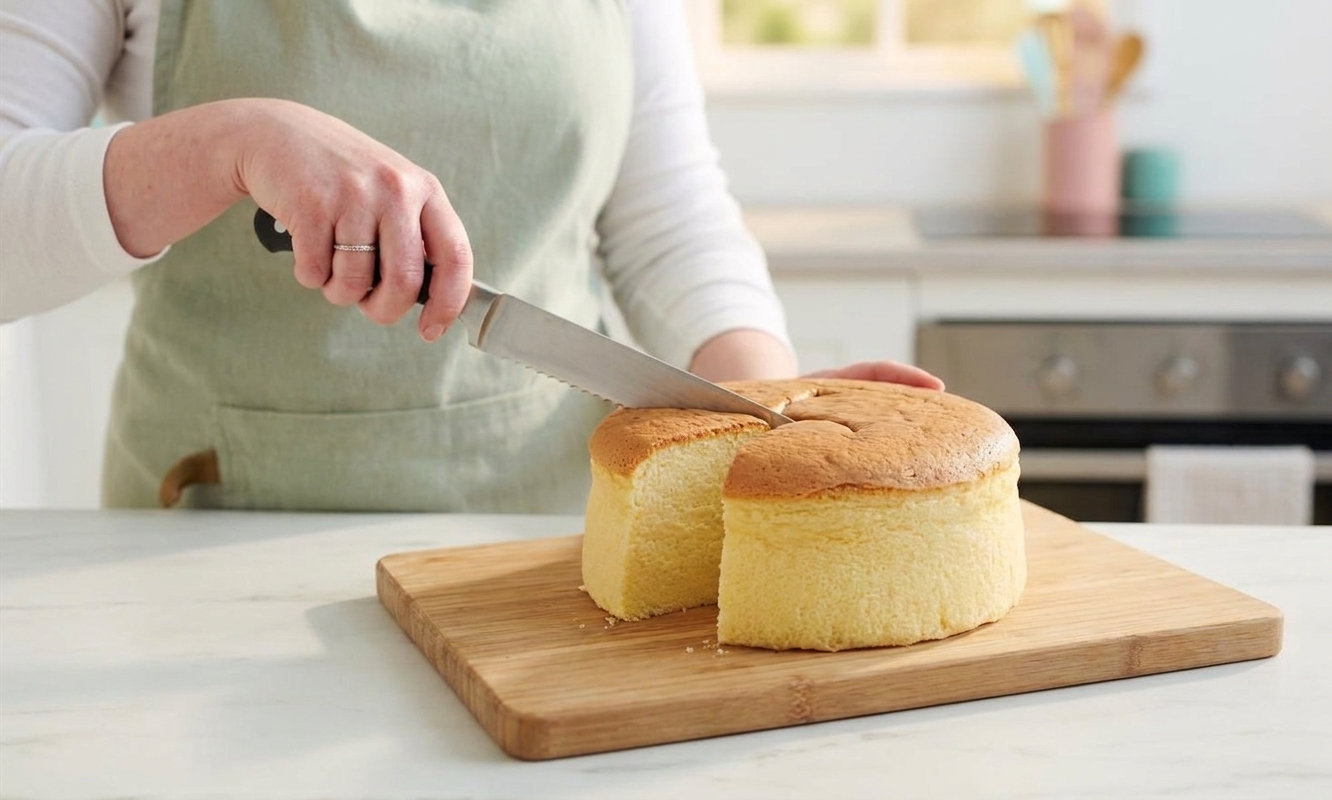
Yes, and it is great the next day. Chill overnight for cleaner slices and a more custardy texture.