Mom's Best Recipes
Recipe

Juicing

Three easy, family-friendly juice blends with juicer and blender options, plus practical tips for better flavor, easier cleanup, and less waste.

Author By Matt Campbell
4.8
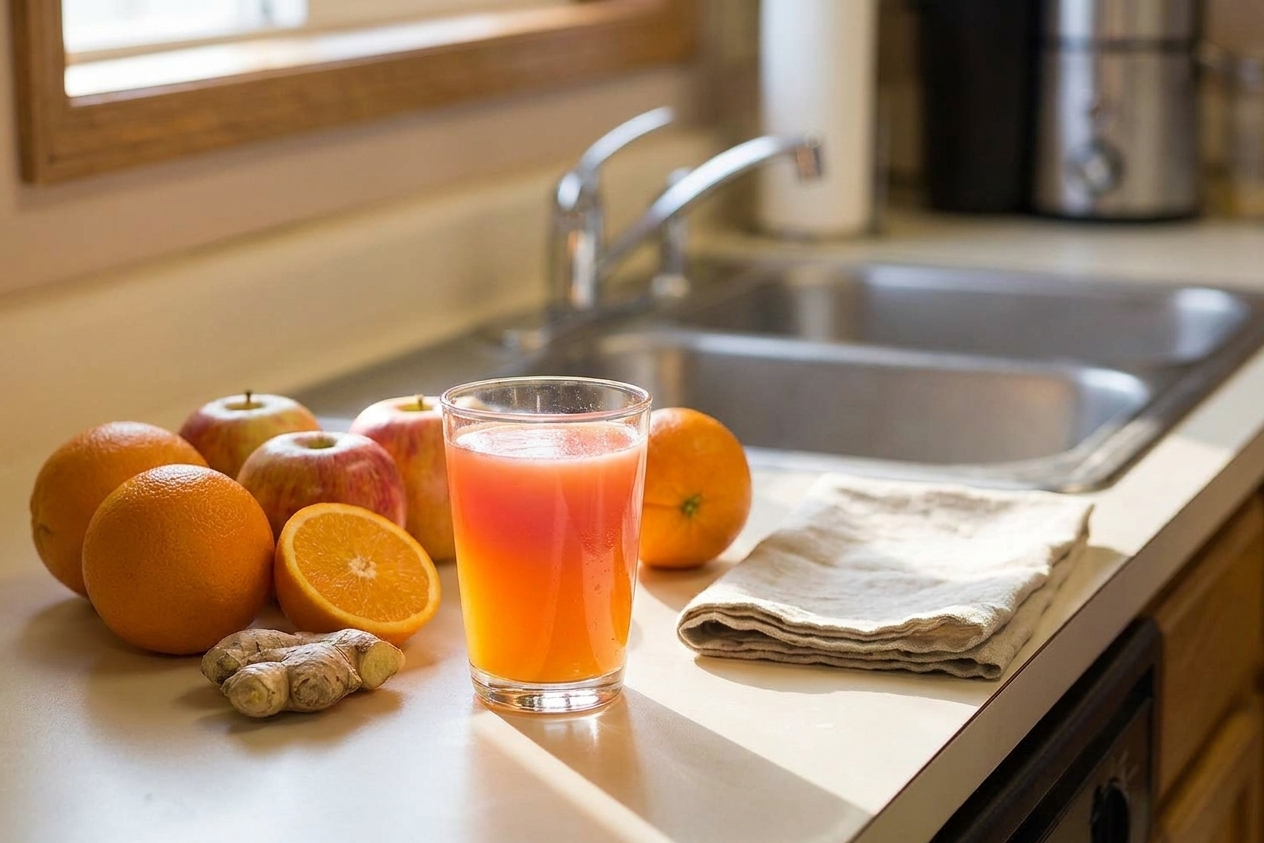
A clear glass filled with vibrant orange and pink fresh juice on a sunny kitchen counter with whole oranges, apples, and ginger nearby

Juicing at home sounds like a whole thing, but it doesn’t have to be. My favorite approach is simple: pick a base that’s naturally sweet (apple, orange, or pineapple), add one “bright” ingredient (lemon or lime), then toss in a small piece of something punchy (ginger or mint). That combo gets you a juice that tastes like you meant to do it, even if you’re still in pajama pants.

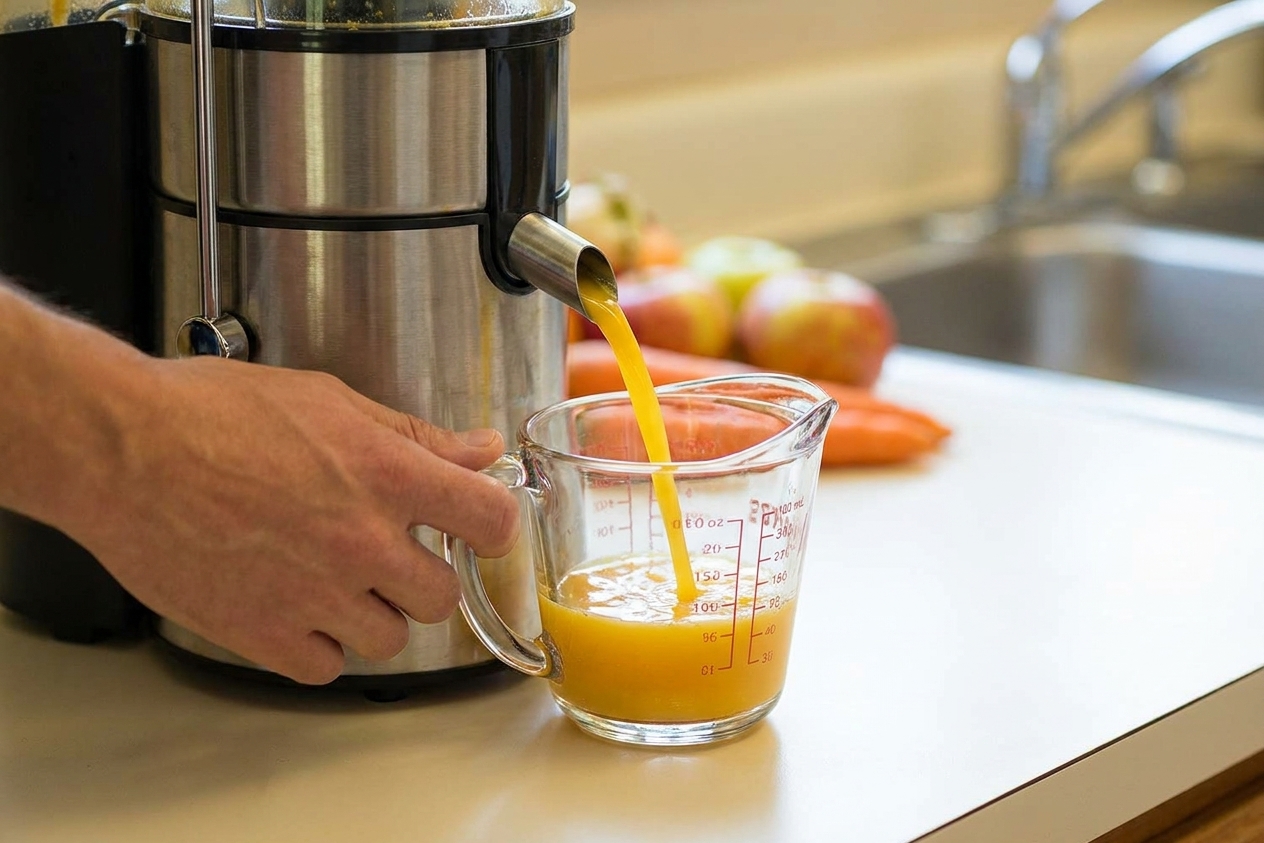
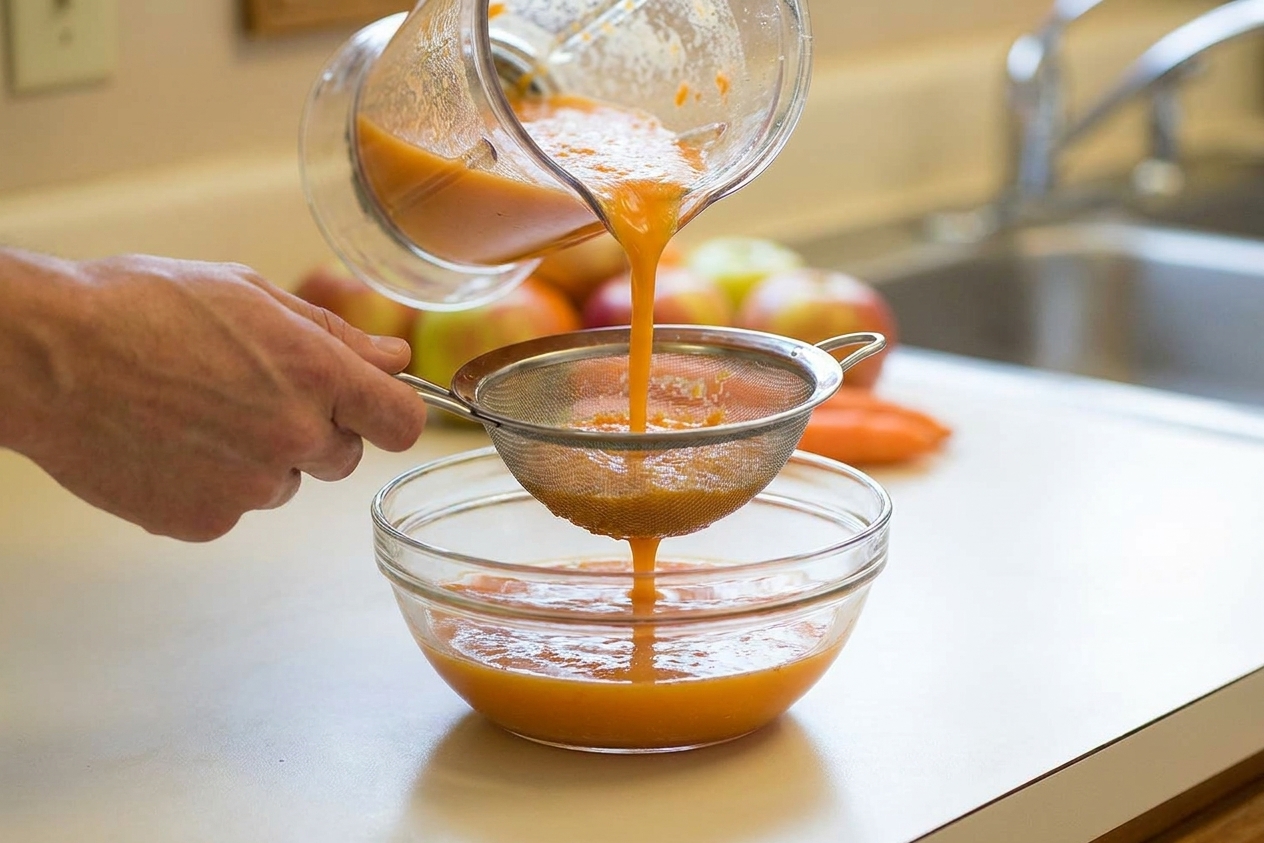
This recipe gives you three go-to blends that use easy-to-find produce and taste great without needing a spoonful of sugar. I included both juicer and blender methods because real life is messy, and so are our appliances.
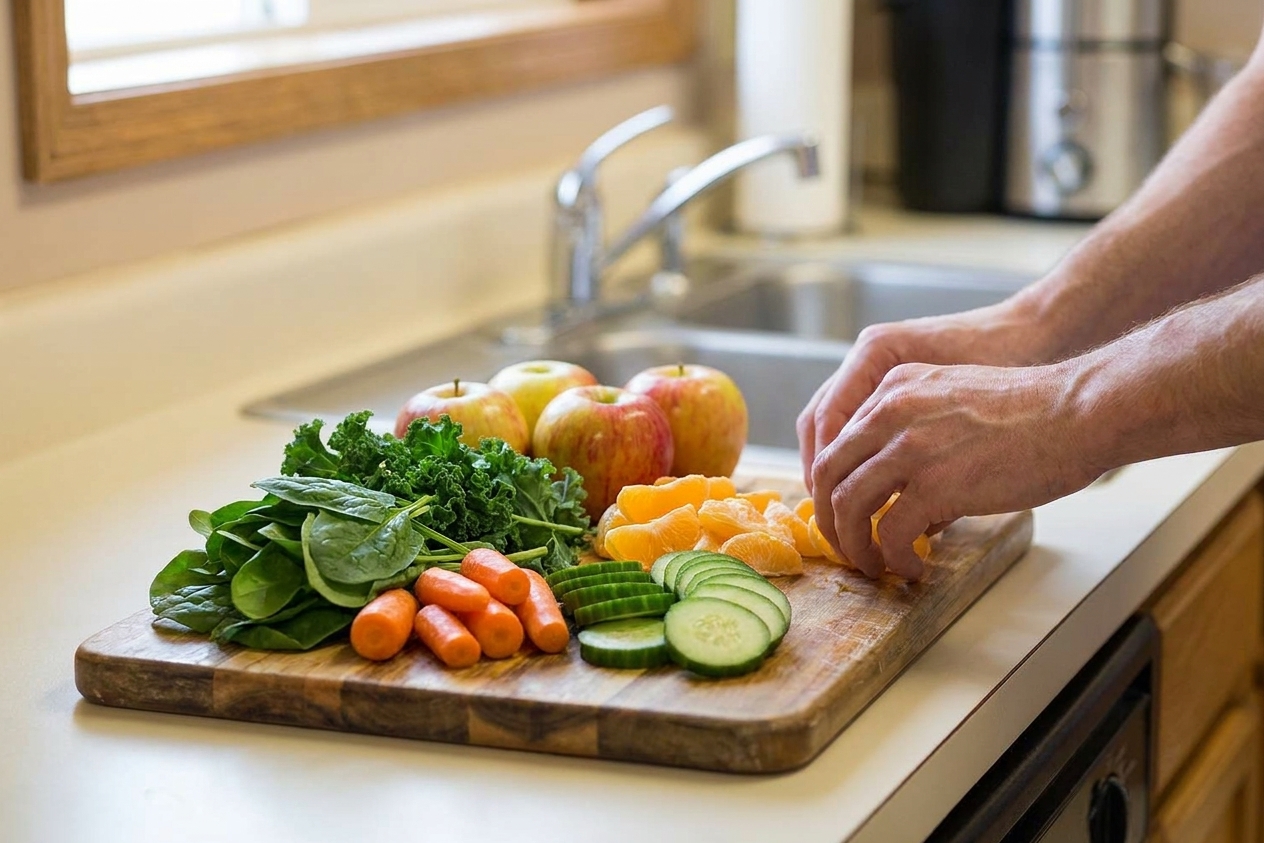
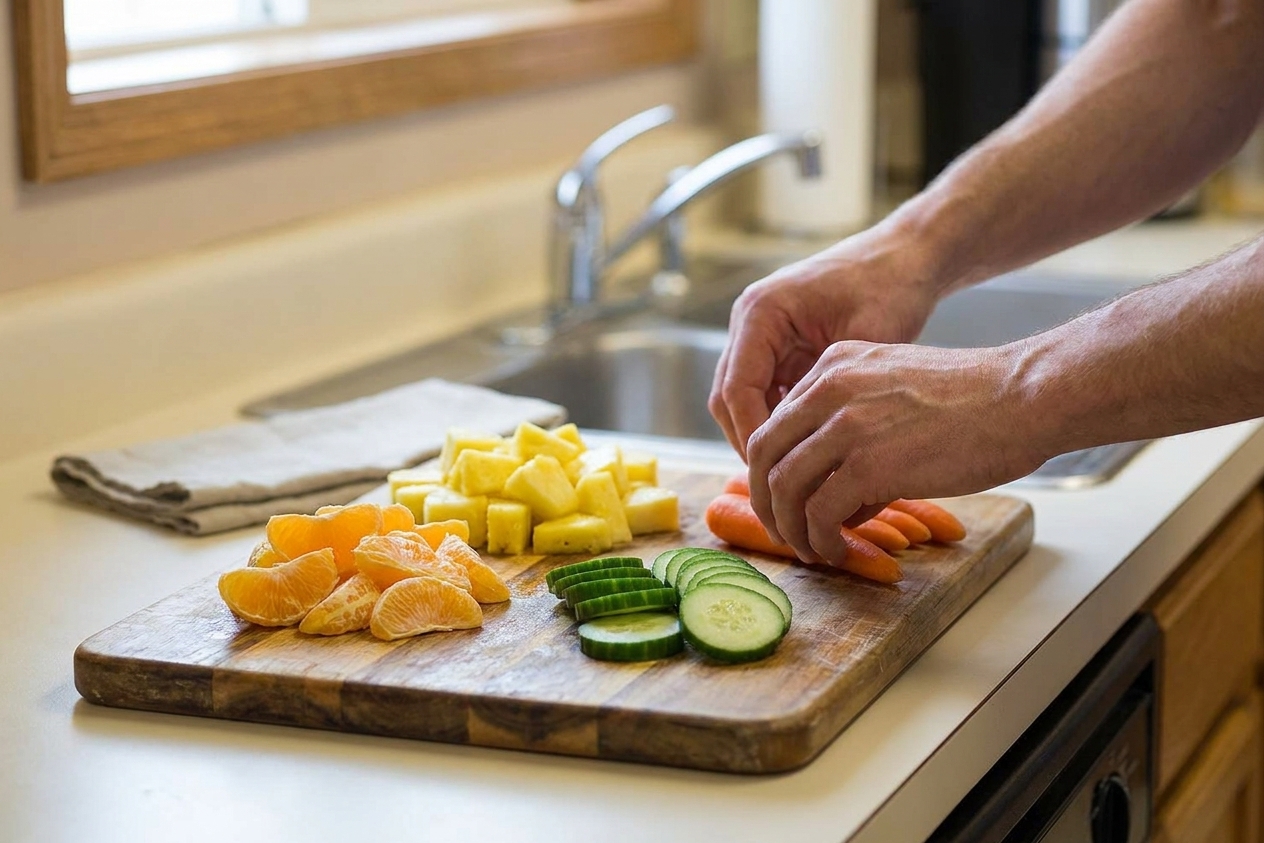
Washed apples, oranges, carrots, cucumbers, and leafy greens spread out on a clean kitchen counter with a cutting board

Why It Works

  • Big flavor, zero mystery: Each blend has a sweet base, acidity for sparkle, and a little spice or herb for depth.
  • Flexible equipment: Works with a juicer or a blender (with quick straining).
  • Less waste: I share what to do with leftover pulp so it doesn’t feel like you just threw money in the trash.
  • Easy to scale: Make 1 serving now or batch a few bottles for the next day.

Pairs Well With

Storage Tips

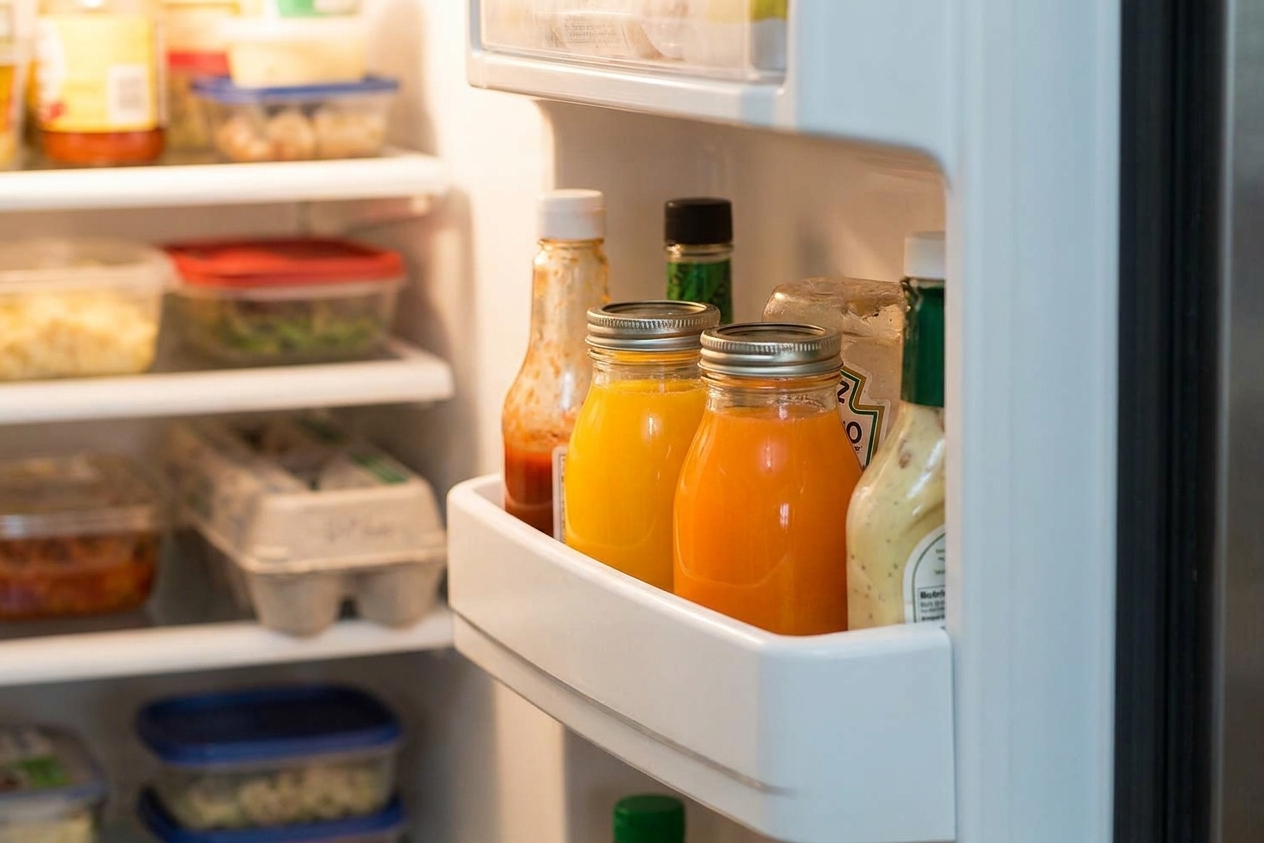
Fridge: Fresh, unpasteurized juice tastes best within 24 hours. It can keep up to 48 hours for quality if it’s stored very cold in a tightly sealed container. Fill the container as close to the top as you can to limit air exposure. If you’re pregnant, immunocompromised, or serving very young kids, consider being extra cautious with unpasteurized juice and stick to the 24-hour window.

Shake it: Fresh juice separates. That’s normal. Give it a good shake or stir before drinking.

Freezer: Freeze in ice cube trays, then transfer cubes to a freezer bag for up to 2 months. Use cubes in smoothies, sparkling water, or to chill juice without watering it down.

Two small glass bottles of fresh juice with tight lids sitting in the refrigerator door shelf

Common Questions

Do I need to peel everything?

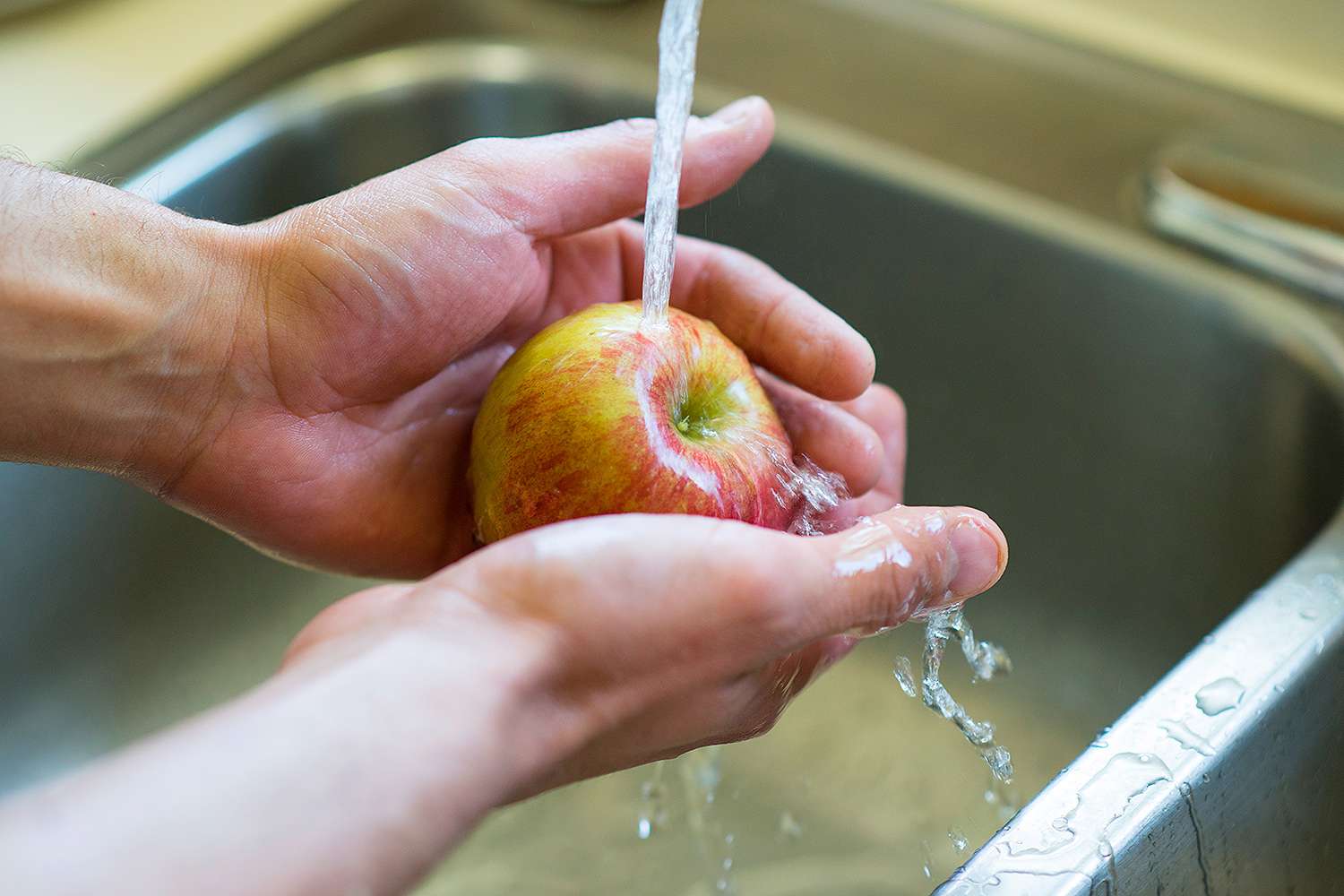
No. For most blends, you can leave peels on apples, cucumbers, carrots, and ginger as long as you scrub well. If wax or residue is a concern, peel them, or choose organic. I do peel oranges, lemons, and limes because the white pith can turn juice bitter. If you use pineapple, peel it.

Is juicing healthier than smoothies?

They’re just different. Juice is lighter and faster to drink, but it removes most insoluble fiber (some soluble fiber can still remain, especially if you do a lighter strain). Smoothies keep the fiber. If you want juice but a little more staying power, pair it with breakfast, or stir in chia after juicing.

How do I make juice taste less “green”?

Add sweetness and acid. Apple or pineapple helps a lot, and a squeeze of lemon makes everything taste brighter. Also, start with a small handful of greens, then work up.

My juice tastes bitter. What happened?

Common culprits are citrus pith (too much white part), too much kale, or old greens. Fix it by adding more apple or orange, plus a squeeze of lemon and a pinch of salt.

What can I do with the pulp?

Stir carrot or apple pulp into muffin batter, pancake batter, oatmeal, or meatballs. You can also freeze it in small portions for smoothies.

I originally got into juicing the way I get into most kitchen habits: I wanted something bright and punchy that didn’t require a full meal commitment. When I was working on practical skills over the perfect plan, juicing felt like the ultimate low-drama win. You learn flavor fast. Too flat? Add lemon. Too sharp? Add apple. Too boring? Add ginger. It’s basically seasoning, but in liquid form, and I’ll always be here for that.