Mom's Best Recipes
Recipe

Juicy Beef Kafta

Crisp edges, tender center, and that savory, herby spice mix that makes you keep “checking” the pan with your fork.

Author By Matt Campbell
4.8
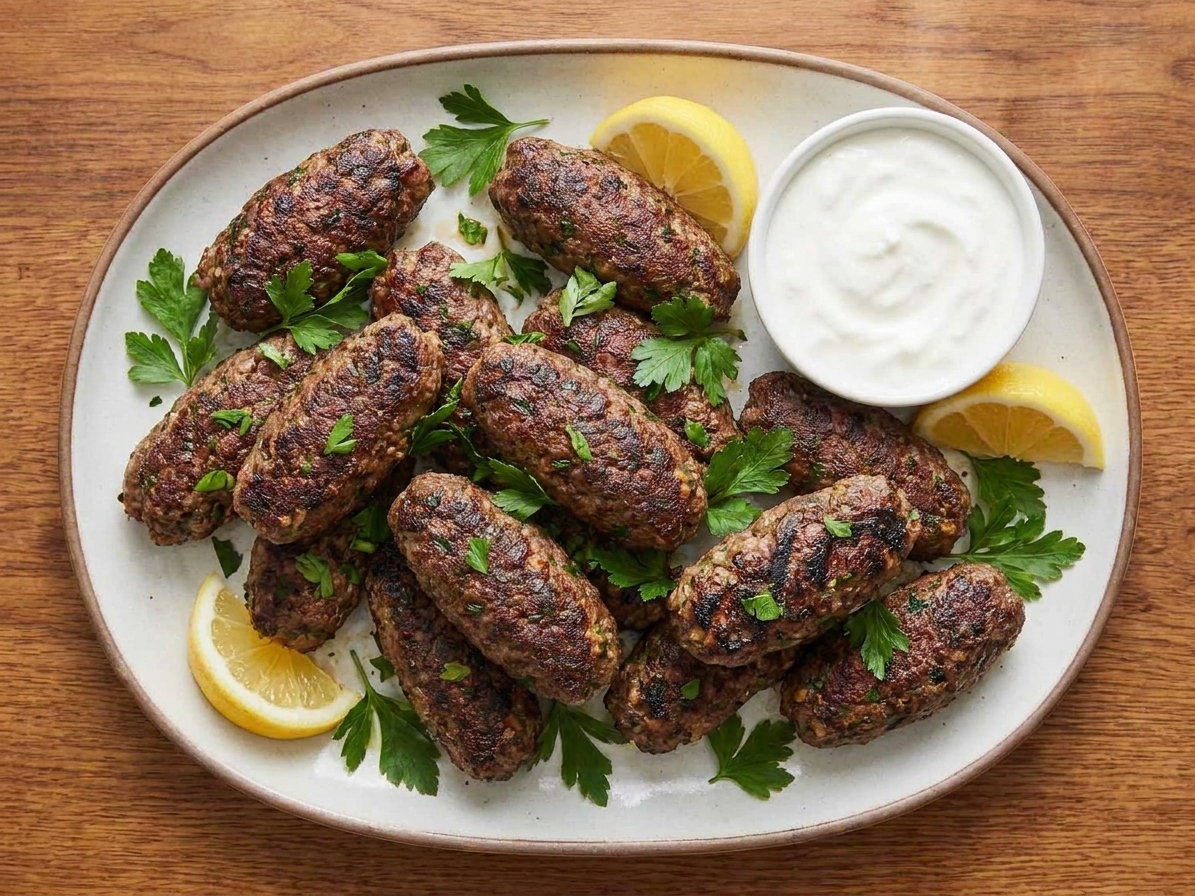
A platter of grilled beef kafta kebabs with charred edges, served with lemon wedges, parsley, and a small bowl of yogurt sauce on a wooden table

Kafta is one of those recipes that feels like you did something impressive, even though it is basically: good meat, smart seasoning, and high heat. The payoff is huge. You get crispy edges, a juicy middle, and that warm, herby aroma that makes your kitchen smell like you absolutely have your life together.

This version is a classic beef kafta you can shape into skewers, little logs, or patties. I wrote it for real home cooking: accessible ingredients, clear steps, and options for grill or stovetop. Tasting as you go is encouraged, especially when you are “testing” the seasoning in a tiny pinch cooked in the pan. For quality control.
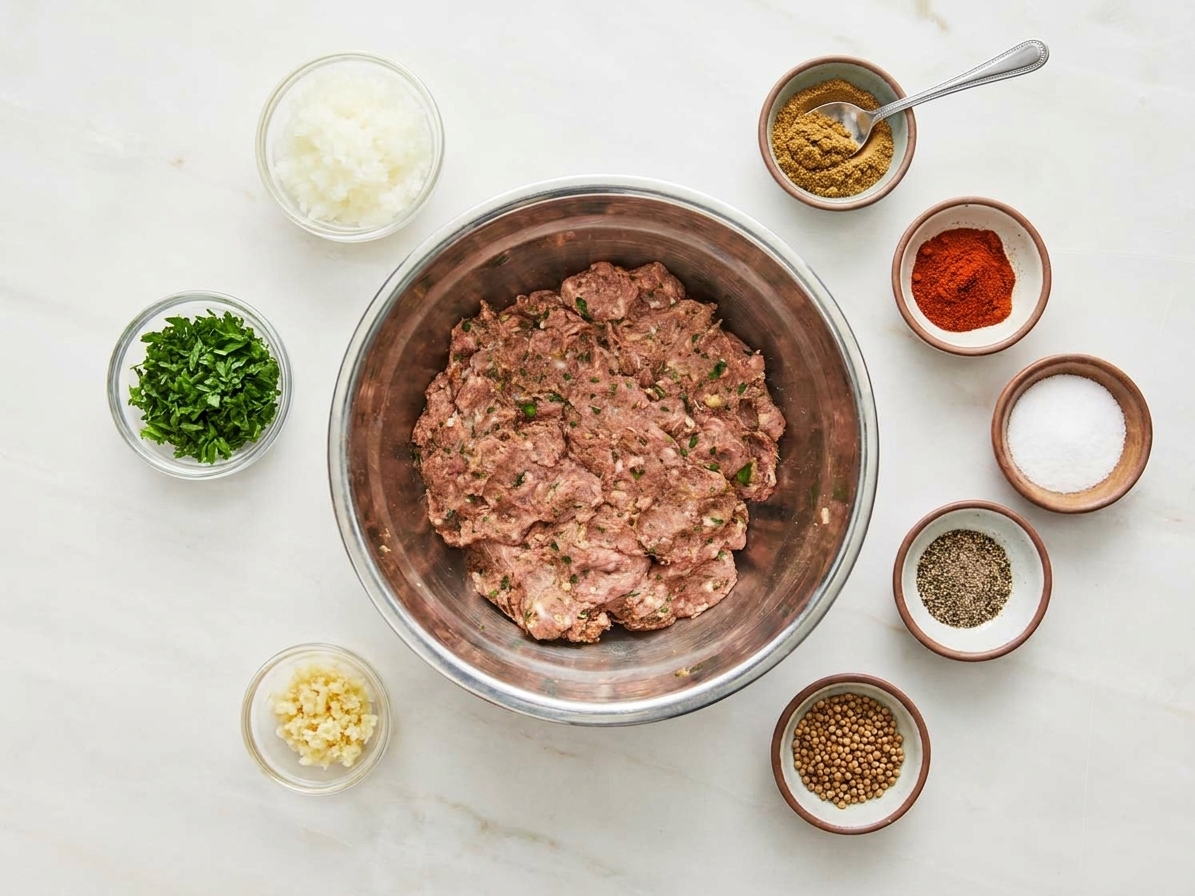
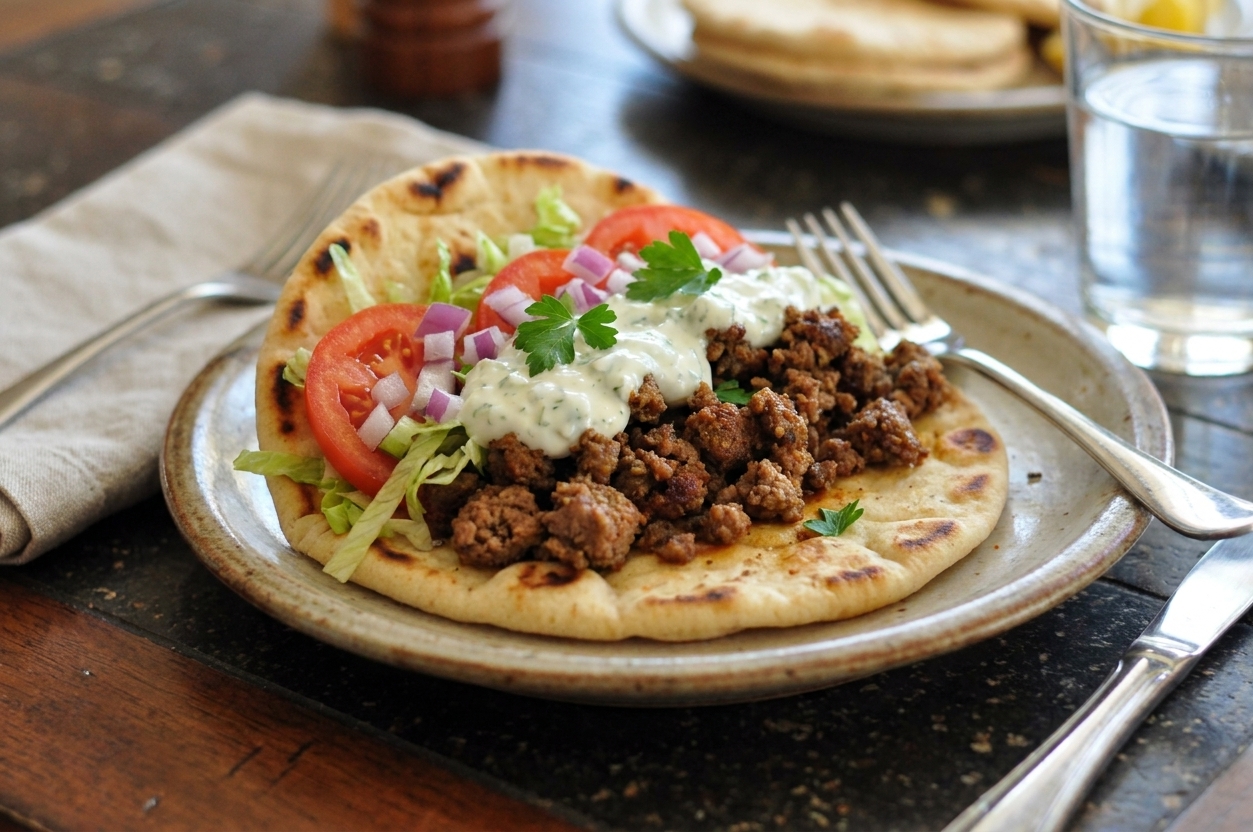
Ground beef, grated onion, chopped parsley, minced garlic, and small bowls of spices arranged neatly on a light kitchen counter

Why It Works

  • Juicy texture without fuss: Grated onion adds moisture and tenderness, as long as you squeeze it well first.
  • Big flavor fast: Parsley, garlic, and warm spices hit that classic kafta profile with pantry-friendly seasoning.
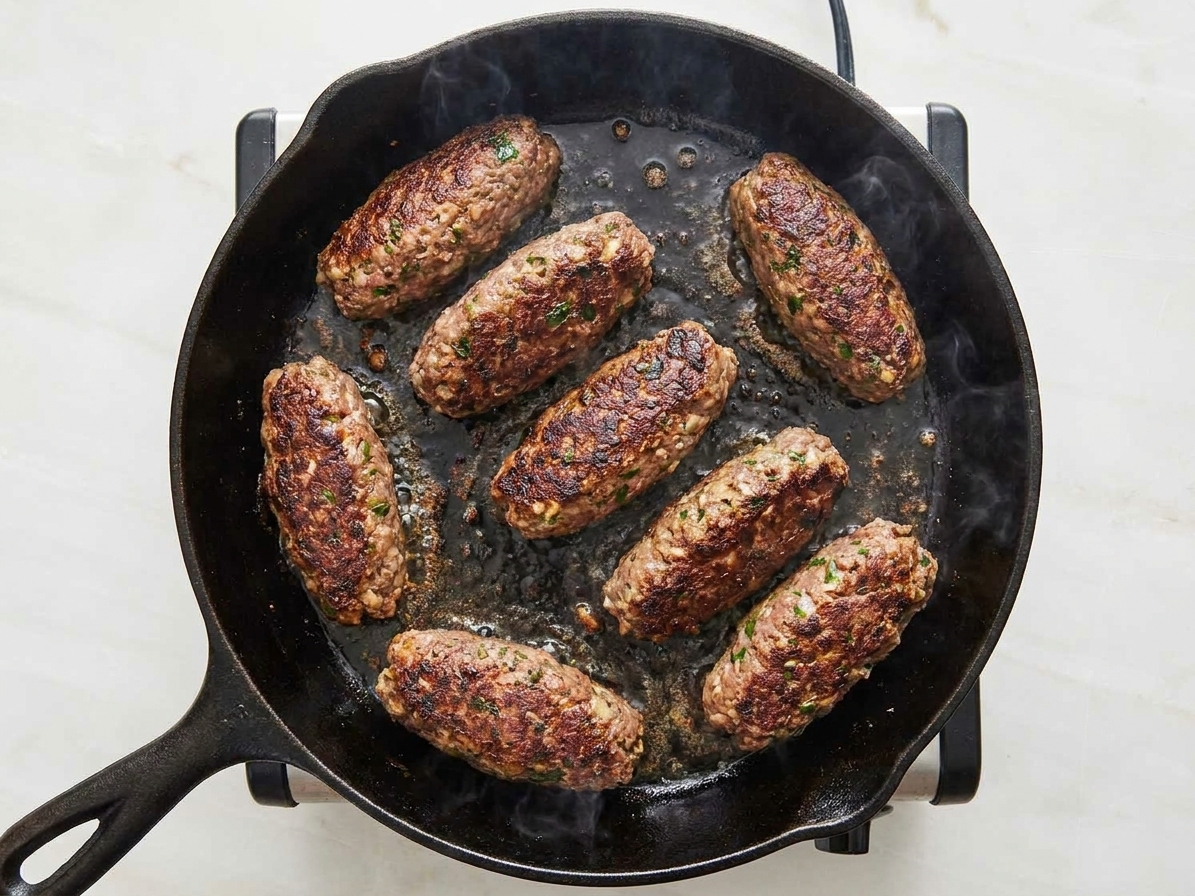
  • Crisp edges on demand: High heat plus a little oil gives you that browned exterior even on the stovetop.
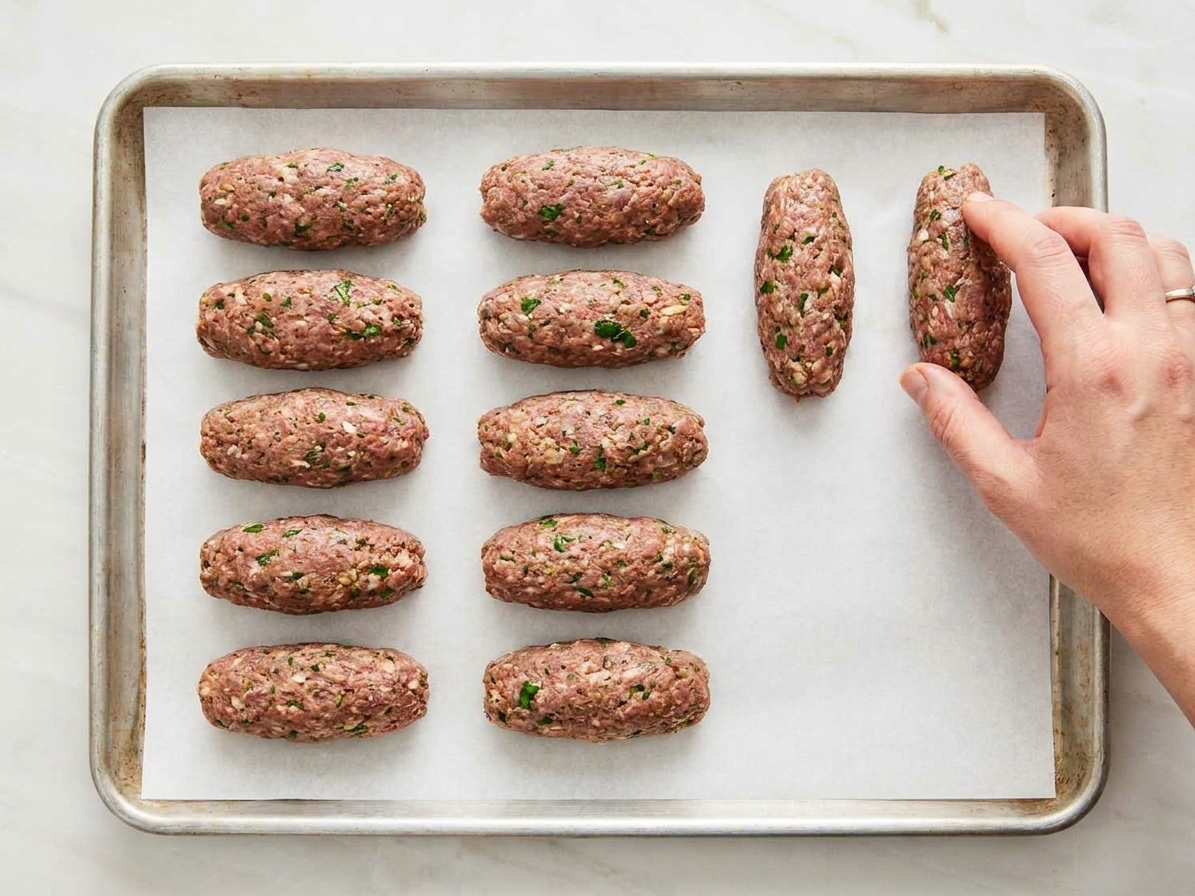
  • Flexible shapes: Make skewers, logs, or patties depending on what you have.

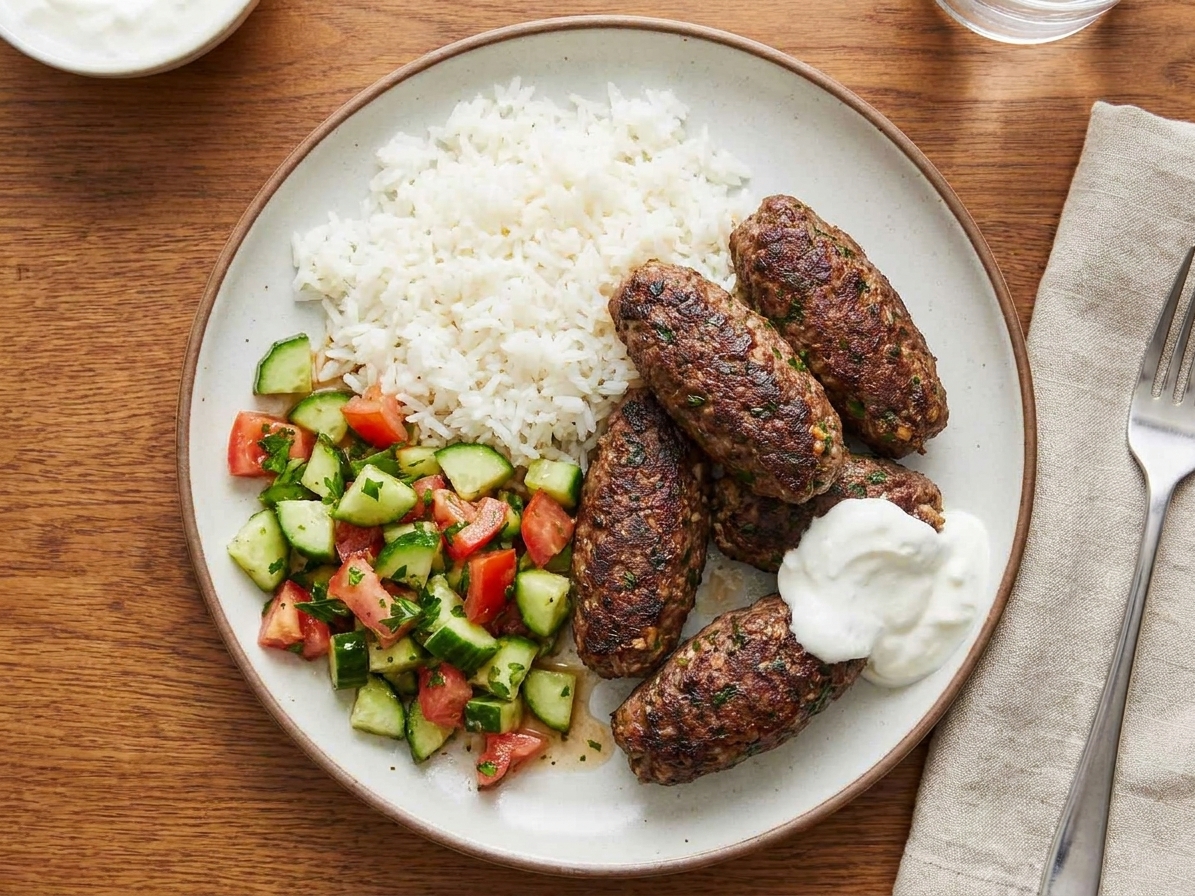
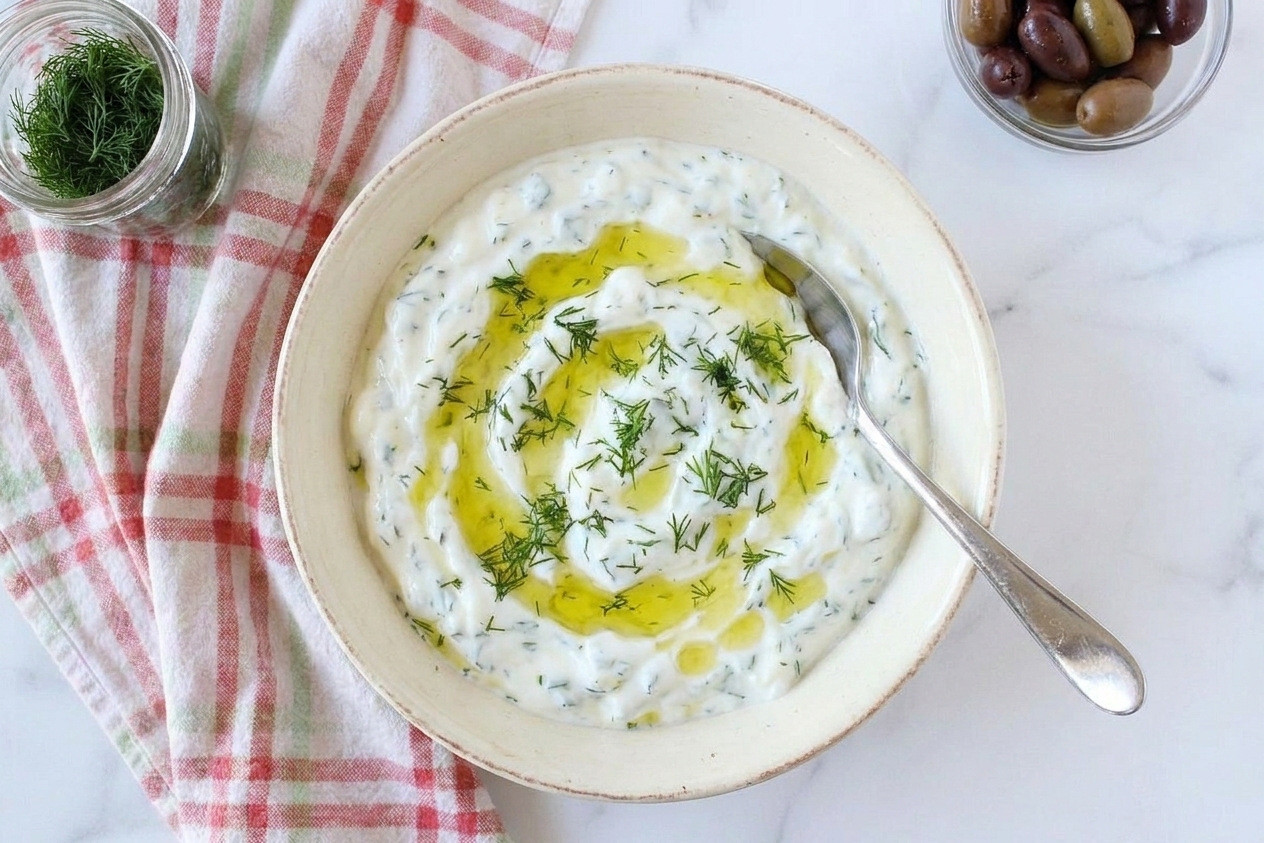
Pairs Well With

Storage Tips

Refrigerate: Store cooked kafta in an airtight container for up to 4 days.

Freeze: Freeze cooked kafta (or raw shaped logs) up to 3 months. For best results, freeze on a parchment-lined sheet until firm, then transfer to a freezer bag.

Thaw (if frozen raw): Thaw overnight in the refrigerator, then cook as directed. Handle raw meat the same day you thaw it.

Reheat: Warm in a skillet over medium heat with a small splash of water and a lid for 2 to 4 minutes, then uncover to re-crisp the exterior. You can also reheat in a 350°F oven until hot. For best food-safety practice, reheat leftovers to 165°F.

Leftover move: Chop and toss into rice bowls, wrap in pita with quick salad, or press into a melty sandwich with provolone. Not traditional. Extremely satisfying.

Common Questions

What is kafta made of?

Kafta is typically ground meat (often beef, lamb, or a mix) combined with onion, herbs like parsley, and warm spices. It is shaped into logs, patties, or skewers and cooked on a grill or in a pan.

Should I use beef, lamb, or a mix?

All work. Beef is mild and easy. Lamb brings more richness. A 50/50 mix is my favorite when I want extra flavor without going full lamb.

What fat percentage is best?

80 to 85% lean is the sweet spot for juicy kafta. If you go leaner, it can cook up a little dry. If that is what you have, consider adding a tablespoon of olive oil to the mixture or mixing in a bit of lamb.

Why is my kafta falling apart?

Common culprits are too much moisture (onion not squeezed), mixture not mixed enough to get tacky, or flipping too early. Squeeze the grated onion well, mix until the meat looks cohesive and slightly sticky, then let it sear before you move it.

Do I need skewers?

Nope. Skewers are fun, but you can shape kafta into short logs and cook them like little sausages in a skillet, or flatten into patties.

If I use wooden skewers, do I need to soak them?

Yes. Soak wooden skewers in water for 20 to 30 minutes so they are less likely to burn on the grill.

Can I make kafta ahead?

Yes. Shape it, cover, and refrigerate up to 24 hours. That little rest actually helps the mixture hold together better.

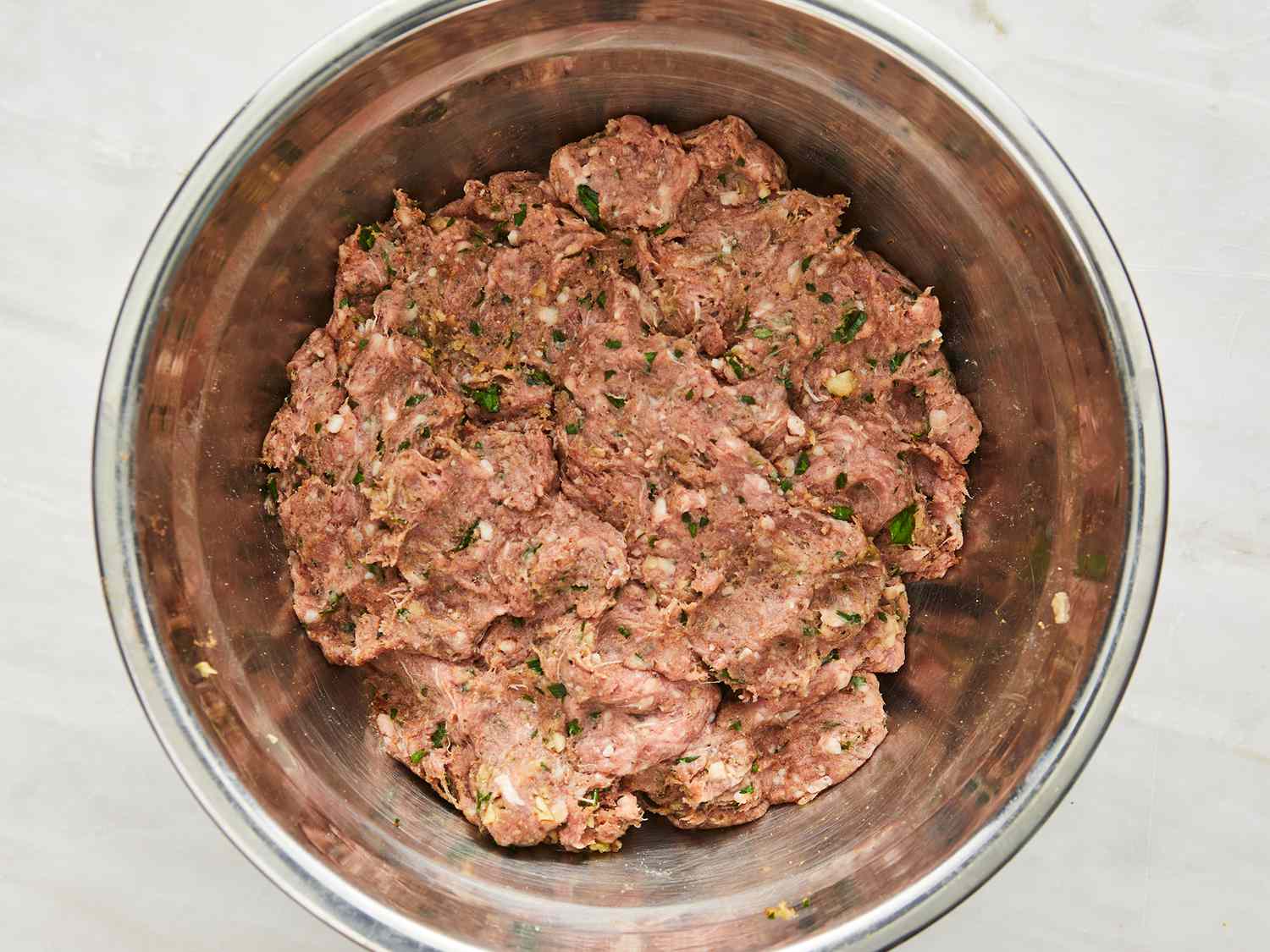
A mixing bowl filled with ground beef kafta mixture speckled with parsley and spices on a kitchen counter

Kafta is my go-to when I want dinner to taste like I planned ahead, even if I absolutely did not. The first time I made it, I skipped squeezing the onion because I thought, “How wet can it be?” Answer: wet enough to make you question your choices. Now I do the squeeze, mix until tacky, and I get those crisp edges every time. It is the kind of cooking that feels a little chaotic in the best way, hands messy, spices everywhere, then suddenly you are eating something that tastes like it came from your favorite grill spot.