Mom's Best Recipes
Recipe

Greek Gyro Sauce (Tzatziki)

Cool, creamy, garlic-forward sauce with cucumber and dill, perfect for gyros, pitas, bowls, and dipping.

Author By Matt Campbell
4.8
A ceramic bowl of thick tzatziki topped with olive oil and chopped dill on a light kitchen counter with a spoon nearby

If a gyro has a hype person, it is the sauce. Greek gyro sauce is often tzatziki, the cool, creamy, garlicky contrast that makes hot meat and warm pita feel like a complete thought.

This version is the one I keep on repeat. It is thick enough to stay put in a pita, bright from lemon, and packed with cucumber crunch without turning watery. The big secret is not a secret at all: drain the cucumber like it is on a mission, then let the sauce hang out in the fridge for a bit so the garlic and dill can settle in and behave.

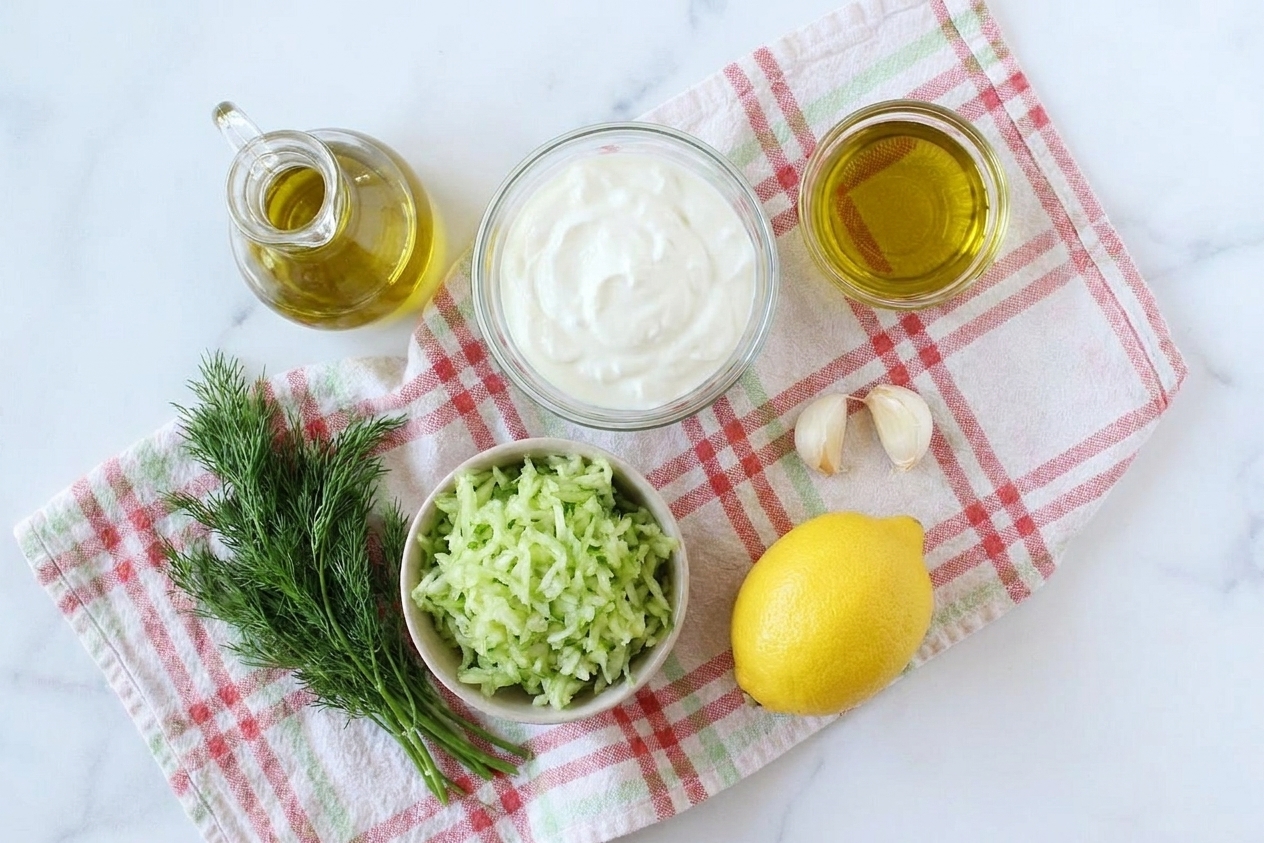
Greek yogurt, grated cucumber, fresh dill, lemon, garlic, and olive oil arranged on a clean kitchen counter

Why It Works

  • Thick and scoopable: Greek yogurt plus properly drained cucumber keeps it creamy, not runny.
  • Bright, balanced flavor: Lemon and a small splash of vinegar lift the whole thing so it tastes fresh, not flat.
  • Garlic you can control: Start with one clove, chill, then decide if you want more bite.
  • Better with time: A 30 minute rest turns separate ingredients into a sauce that tastes like a gyro shop.

Pairs Well With

Storage Tips

Refrigerate: Store tzatziki in an airtight container for up to 3 to 4 days. For the best flavor and texture, it is usually best within 2 to 3 days. Stir before serving.

If liquid pools: Totally normal. Pour it off or stir it back in depending on how thick you want it.

Freezing: Not recommended. You can freeze it, but the yogurt and cucumber tend to separate after thawing, and the texture turns grainy and watery.

Make ahead tip: You can grate and drain the cucumber up to 24 hours ahead. Keep it wrapped in paper towels in a container in the fridge.

Common Questions

Is gyro sauce the same as tzatziki?

Often, yes. In many Greek and Mediterranean restaurants, “gyro sauce” is their house tzatziki. That said, some shops (especially outside Greek contexts) serve a simple “white sauce” that may skip cucumber or use different seasonings. If it is yogurt plus cucumber plus garlic, you are basically in tzatziki territory.

Why is my tzatziki watery?

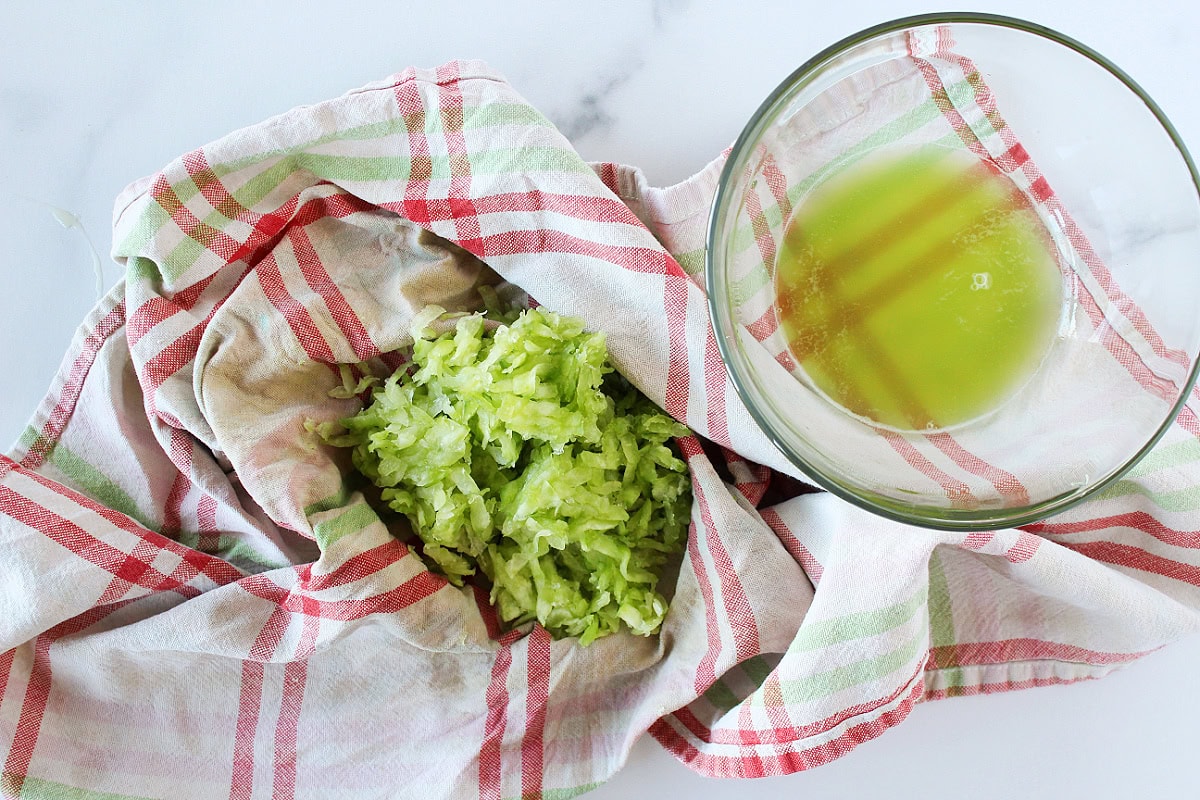
It is almost always the cucumber. Grate it, salt it, then squeeze it very dry. Also use thick Greek yogurt, not regular yogurt. If it still loosens up after chilling, stir in 1 to 2 tablespoons more yogurt.

Do I peel the cucumber?

Optional. I usually peel about half the skin off in stripes. You get a nicer color without tough little green bits. If your cucumber skin is thick or waxy, peel it fully.

Should I remove the seeds?

If you are using a very seedy cucumber (common with extra-large garden cucumbers), yes. Scoop the seeds out before grating for thicker, less watery tzatziki.

Can I use dried dill?

You can. Use about 1 teaspoon dried dill in place of 1 tablespoon fresh. Fresh tastes brighter, but dried is still good in a pinch.

How do I make it taste like a restaurant?

Three things: drain the cucumber hard, add a drizzle of good olive oil, and let it rest in the fridge at least 30 minutes before serving.

Can I make it without garlic?

Yes. It will be milder and more like a cucumber yogurt dip. If you still want some bite, try a pinch of black pepper and extra lemon zest.


I started making tzatziki because I was tired of paying extra for “a side of sauce” that somehow disappeared in three bites. The first couple batches were honestly more like cucumber yogurt soup. Then I learned the only move that matters: squeeze that cucumber until it is basically a dry little snowball. Now this is the sauce I make when dinner needs a quick glow up. Put it on chicken, dunk fries in it, swipe it on a sandwich. Suddenly you are having a very good night.