What keeps lamb meatballs from falling apart?
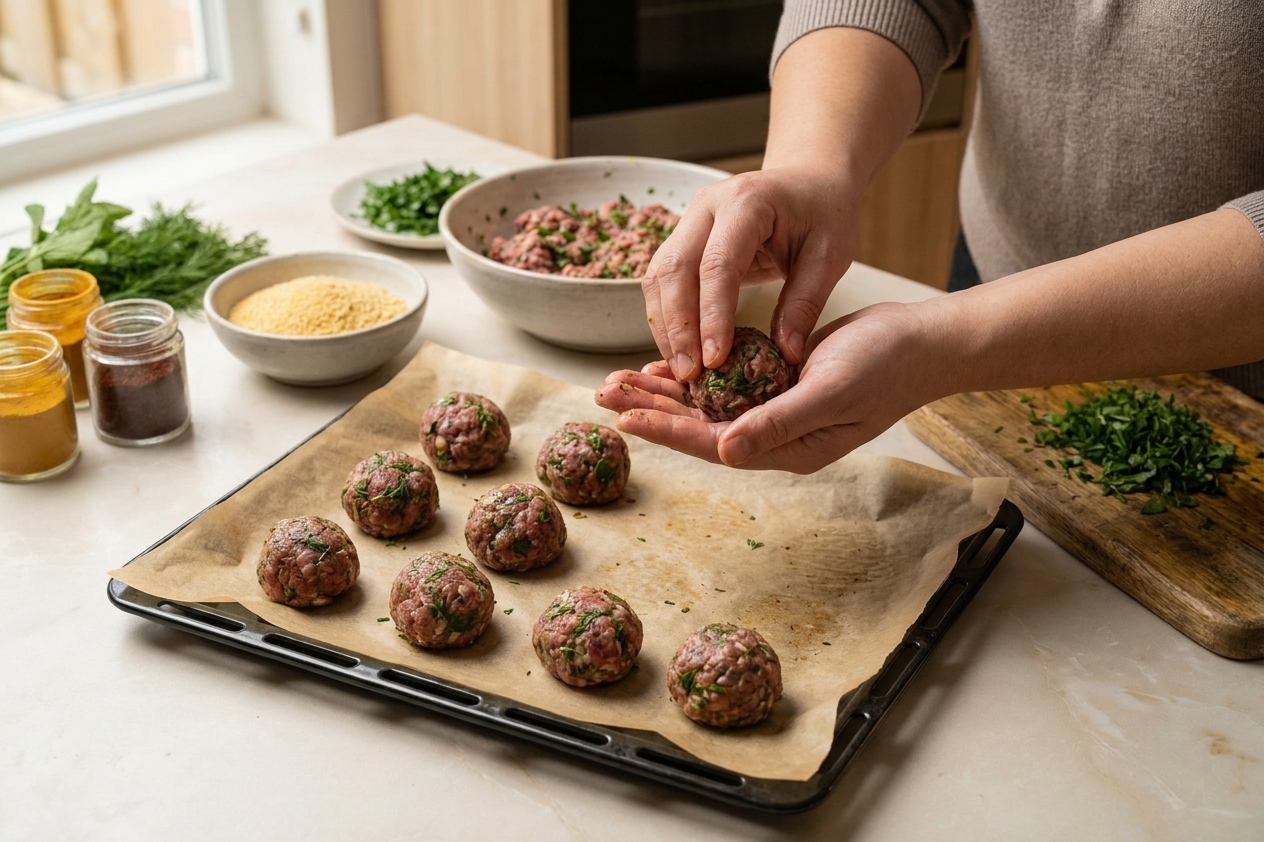
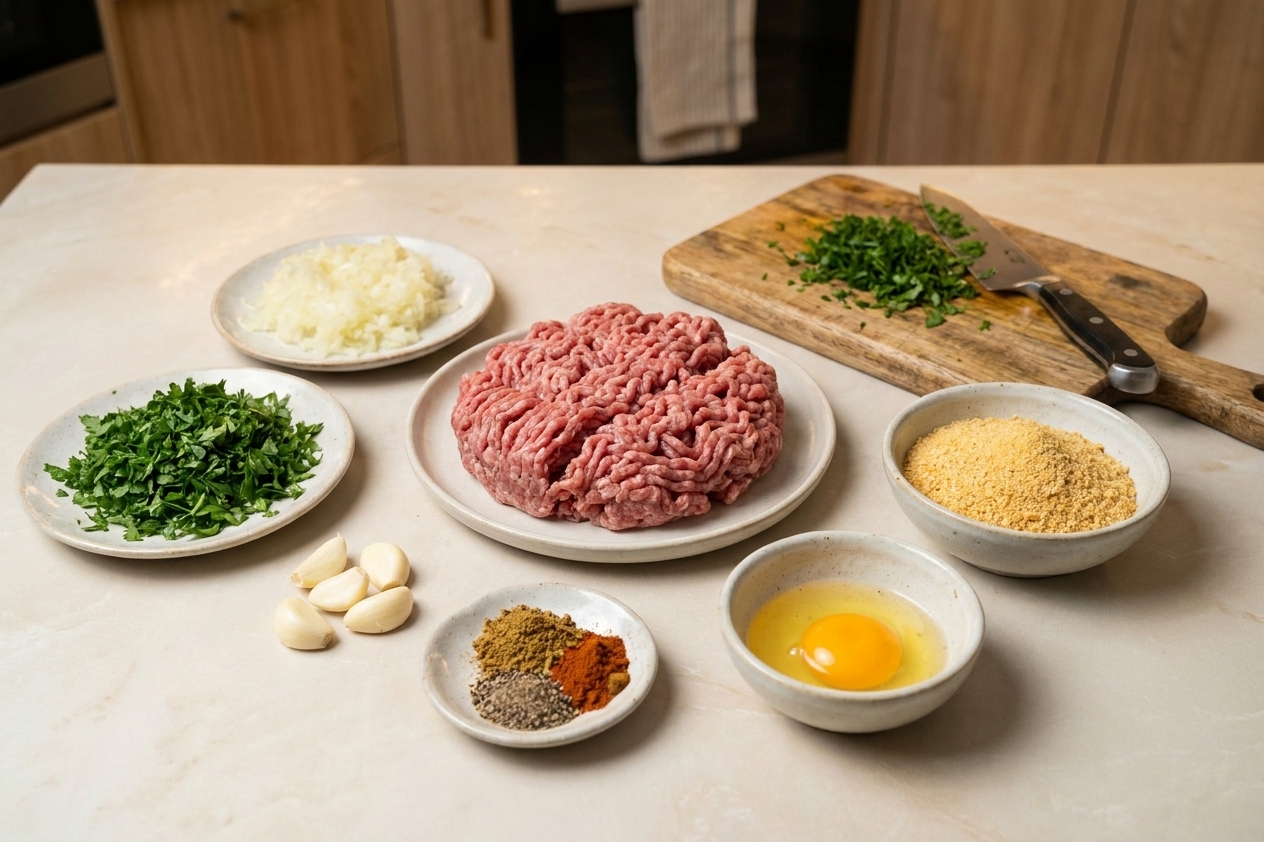
You need a binder (egg) and structure (breadcrumbs), plus enough mixing to combine. The biggest trick is grated onion. It adds moisture and helps the mixture stay cohesive without getting tough. Also, chill the shaped meatballs for 10 minutes if your kitchen is warm.
Can I pan-fry these instead of baking?
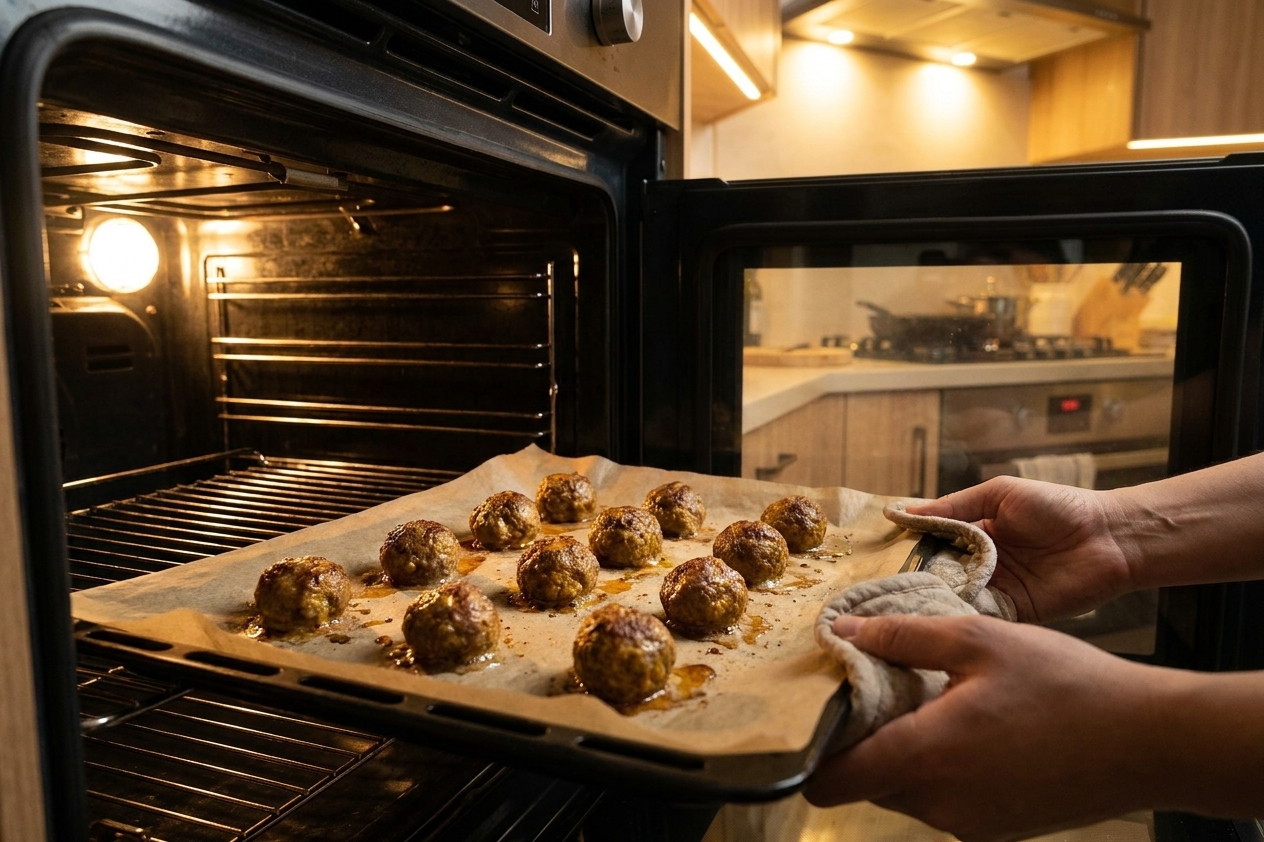
Absolutely. Heat a thin layer of oil in a skillet over medium to medium-high heat and brown in batches, turning to cook all sides, about 8 to 10 minutes total depending on size and your pan.
Best move: temp-check one. Pull them when the thickest part hits 160°F (per USDA-style guidance for ground meats). If they are beautifully browned but not quite there, finish in a 350°F oven for a few minutes.
What internal temperature should lamb meatballs be?
For ground lamb, I aim for 160°F in the center for food safety (common USDA and FDA guidance for ground meats). Some cooks prefer slightly lower for tenderness, but for this recipe, 160°F is the target. Pull them right as they hit temp so they stay juicy.
Can I make these gluten-free?
Yes. Swap the breadcrumbs for gluten-free breadcrumbs or crushed gluten-free crackers. You can also use almond flour (start with half the amount and adjust if the mix feels too wet).
Can I make these ahead?
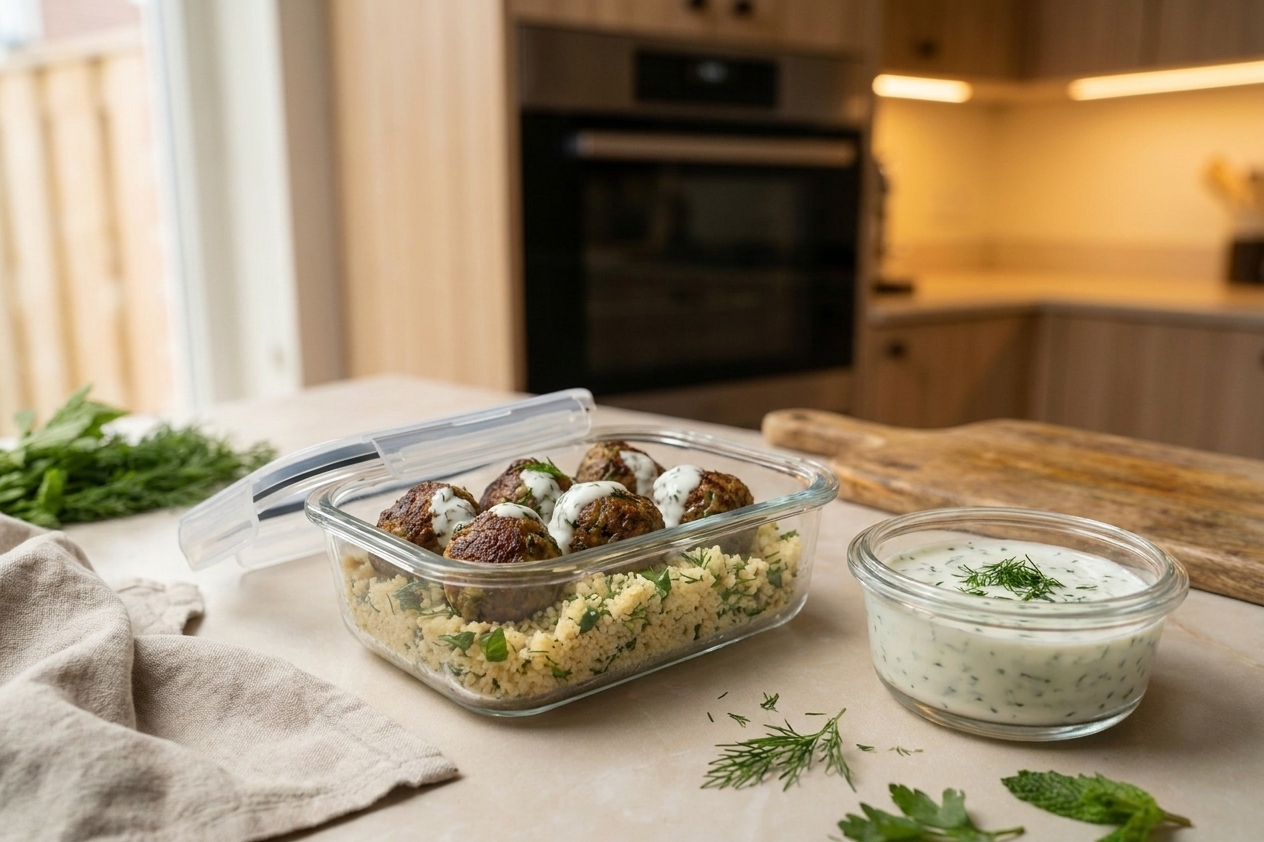
Yes. You can shape the meatballs, cover, and refrigerate them for up to 24 hours before baking. If they feel extra soft when you go to cook, pop the tray in the fridge for 10 minutes while the oven heats.
What if I do not have a thermometer?
Thermometer is best. If you are going without, look for meatballs that are browned on the outside and no longer pink in the center when you cut one open. If in doubt, give them another minute or two.
Can I use ground beef instead of lamb?
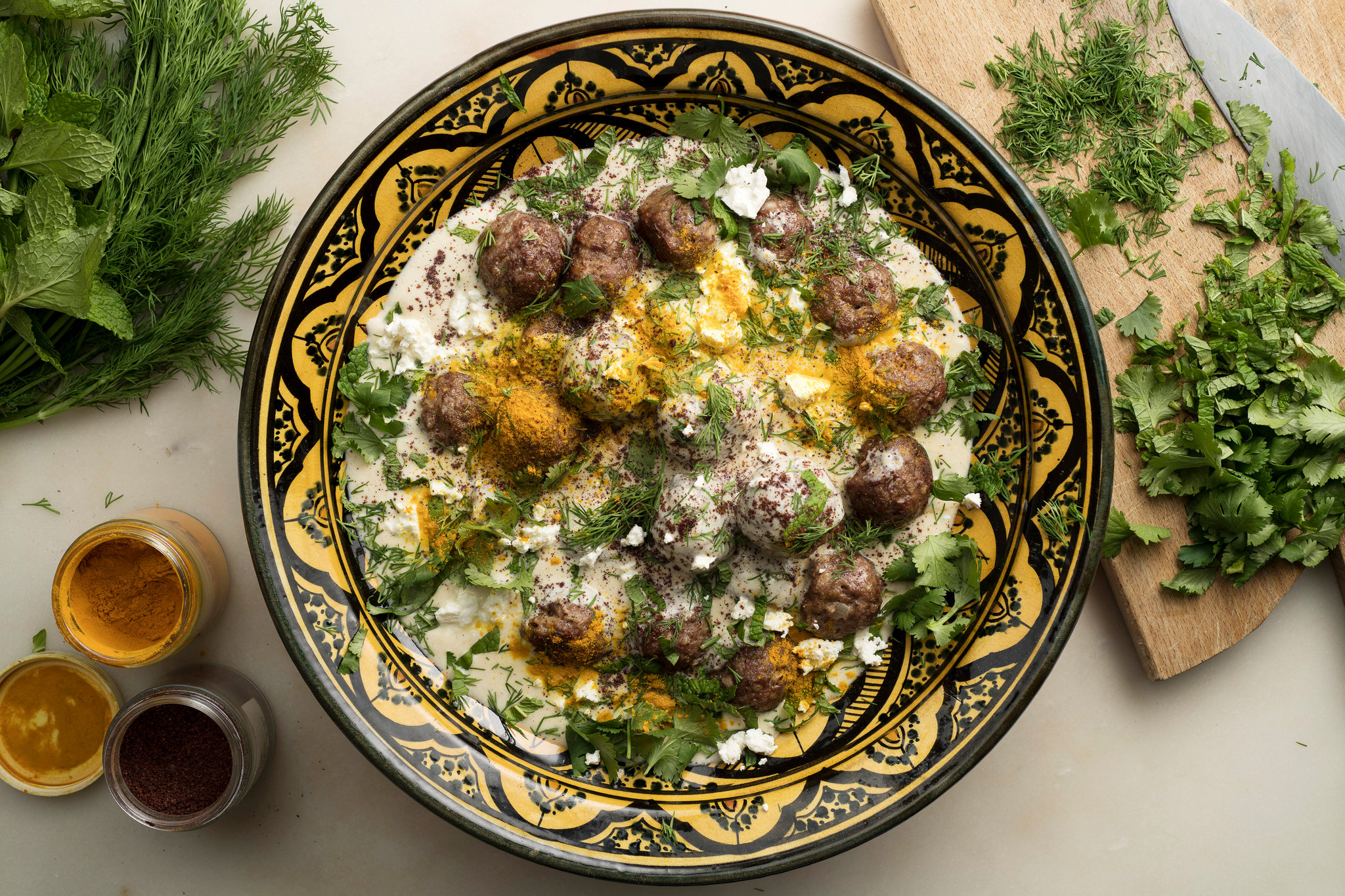
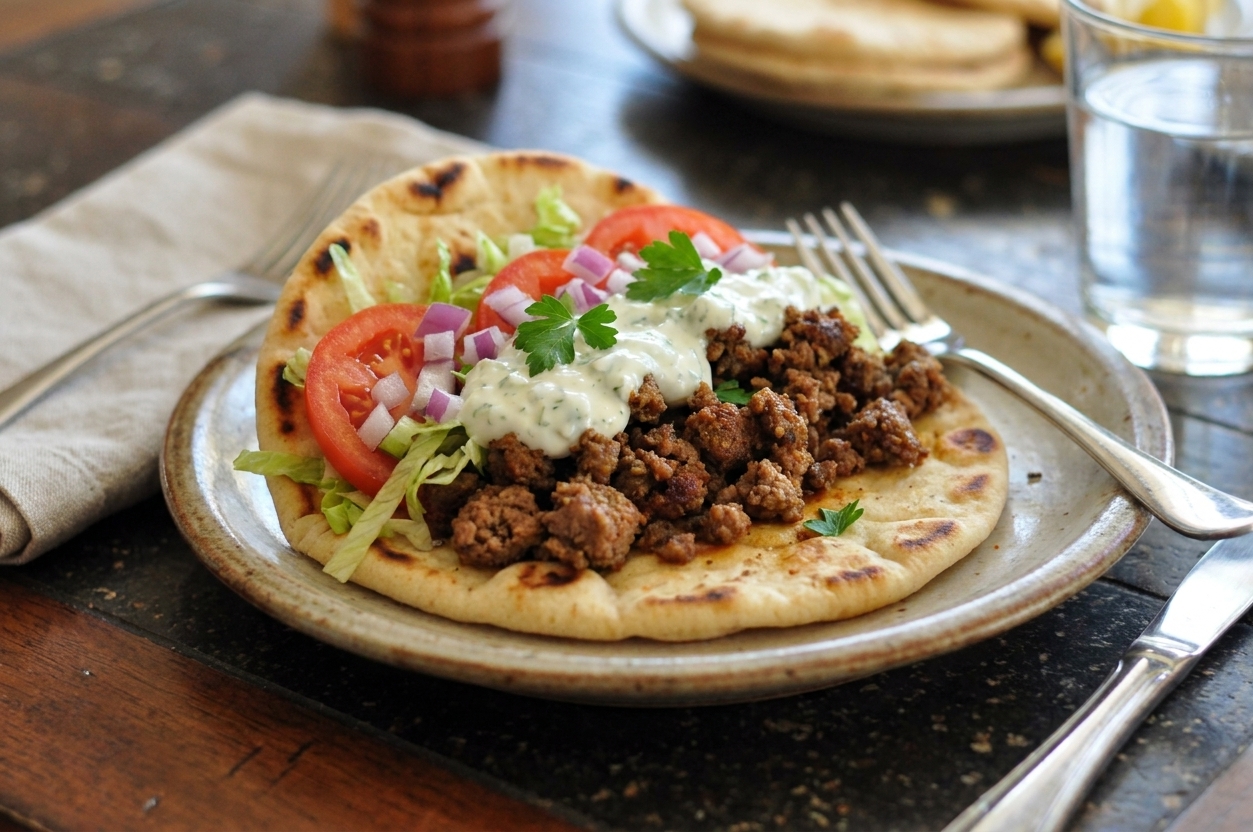
You can, and it will still be tasty. If you do, keep the spices and the lemony yogurt sauce. That combo is the whole point.