Mom's Best Recipes
Recipe

Juicy Smoked Turkey Breast

Dry brined, boldly seasoned, and smoked low and steady for tender slices and crisp, flavorful edges.

Author By Matt Campbell
4.8
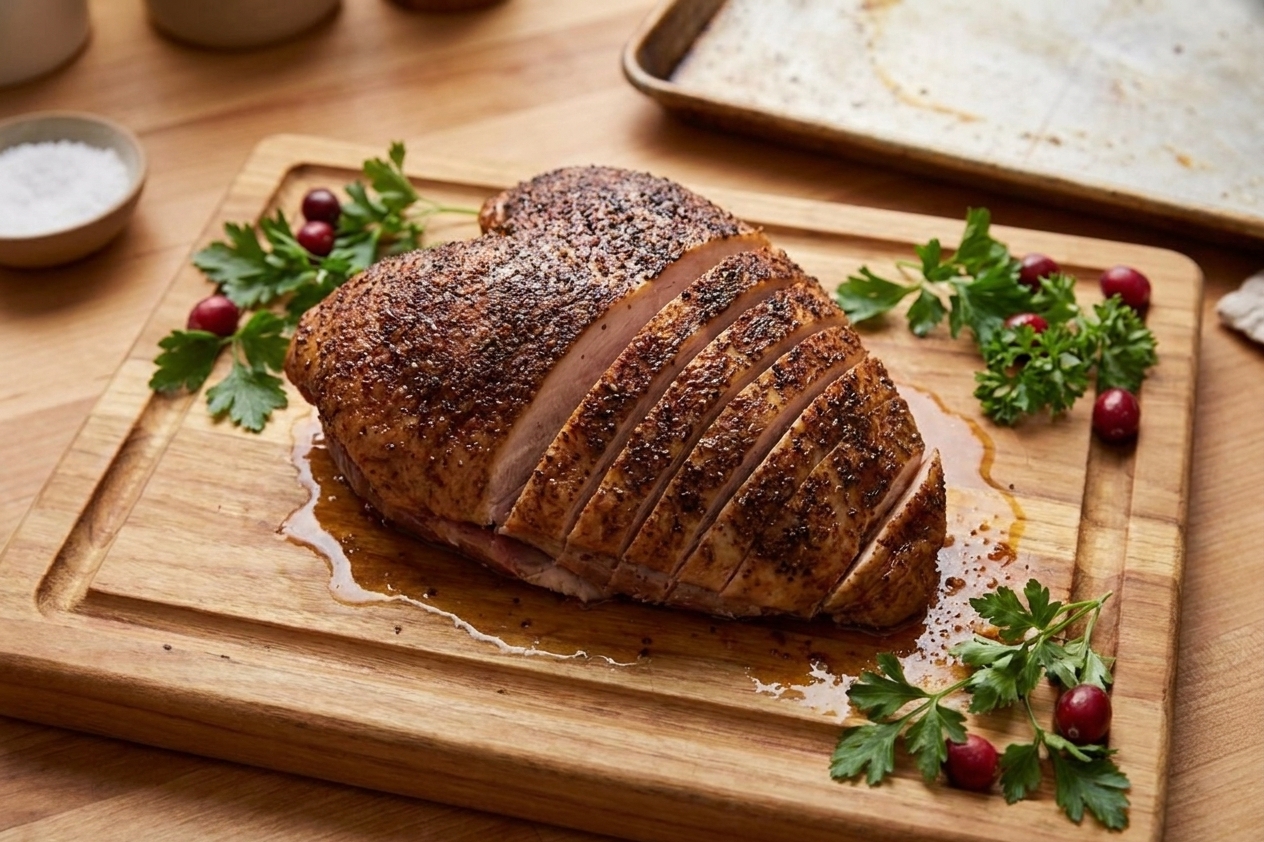
A sliced smoked turkey breast fanned out on a platter with herbs and lemon on a rustic wooden table in warm natural kitchen lighting

If you have ever had smoked turkey that tasted like it was politely waving at flavor from across the room, this recipe is the fix. We are going for juicy slices, a seasoned crust, and that gentle smoky aroma that makes everyone wander into the kitchen pretending they are “just grabbing water.”

This is a straightforward smoked turkey breast you can pull off on a weekend, but it is weeknight-friendly in spirit: accessible ingredients, clear steps, and a temperature-based finish so you are not guessing. Dry brine it, rub it, smoke it, rest it, slice it. Then try not to eat the end pieces while standing at the cutting board like a kitchen goblin.

Quick note on texture: This works for skin-on or skinless turkey breast. Skin-on gives you the best shot at a crispier outside. Skinless still gets plenty of flavor and a nicely seasoned exterior, just not shattering-crisp skin.

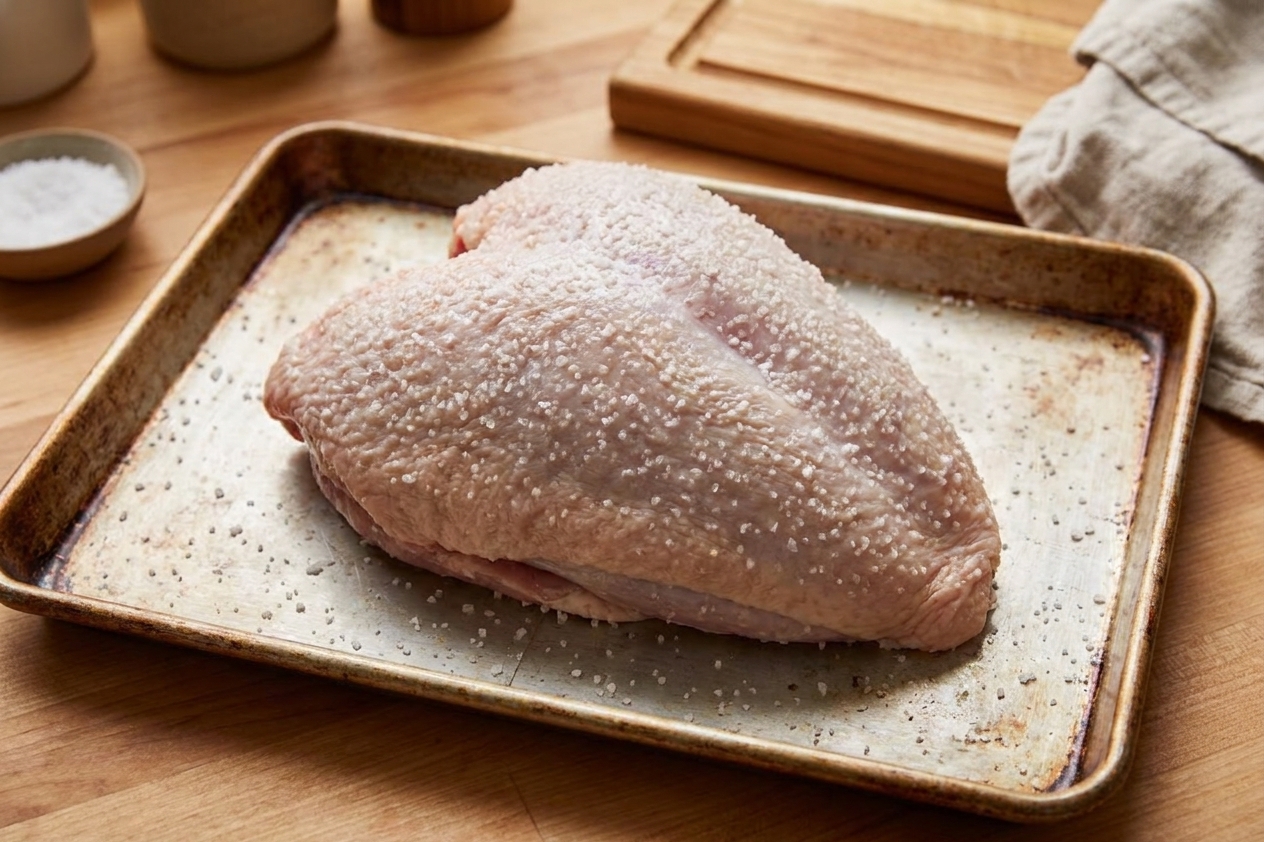
A raw turkey breast resting on a rimmed baking sheet after being evenly salted for dry brining on a kitchen counter

Why It Works

  • Dry brine for the win: A simple salt brine overnight helps the turkey breast stay moist and seasoned all the way through.
  • Cook by temperature, not time: Turkey breast goes from perfect to dry fast. Aim for 165°F in the thickest part, using a rest to keep it juicy.
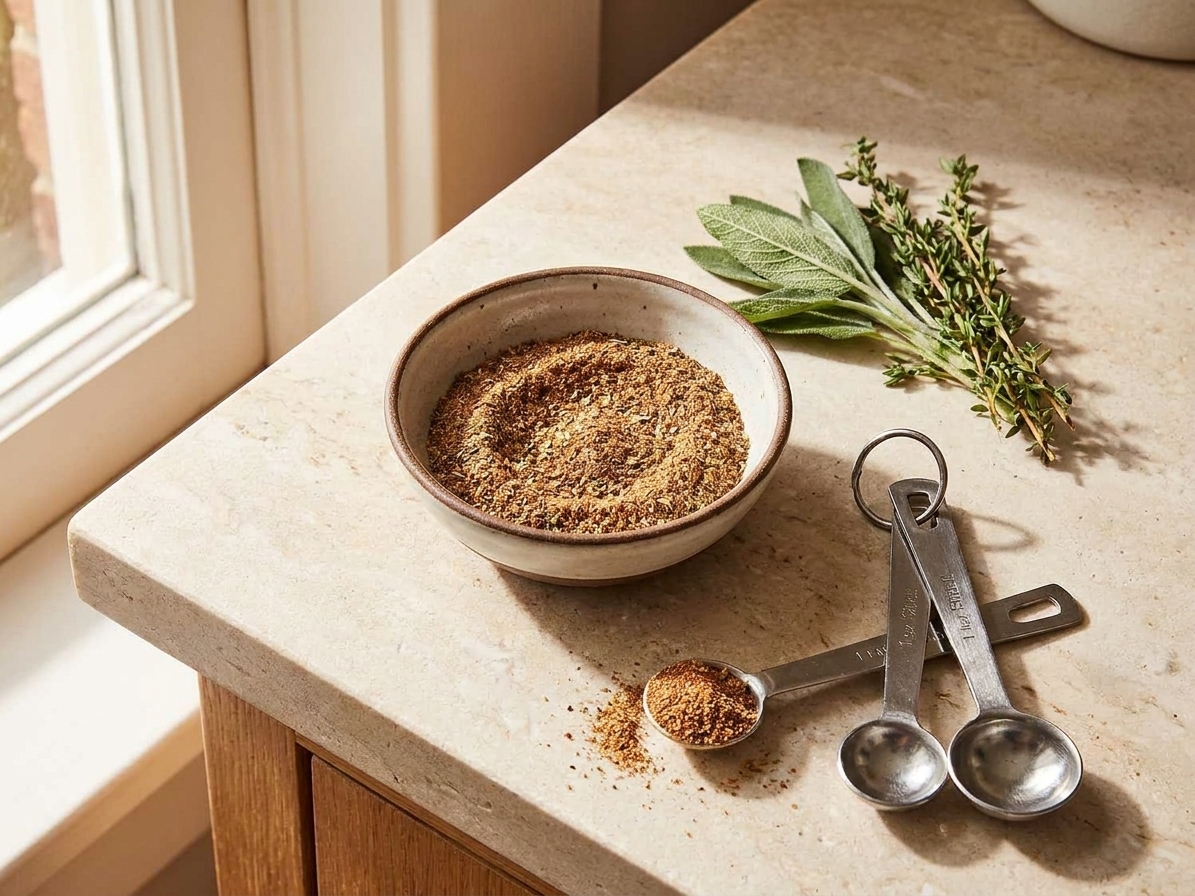
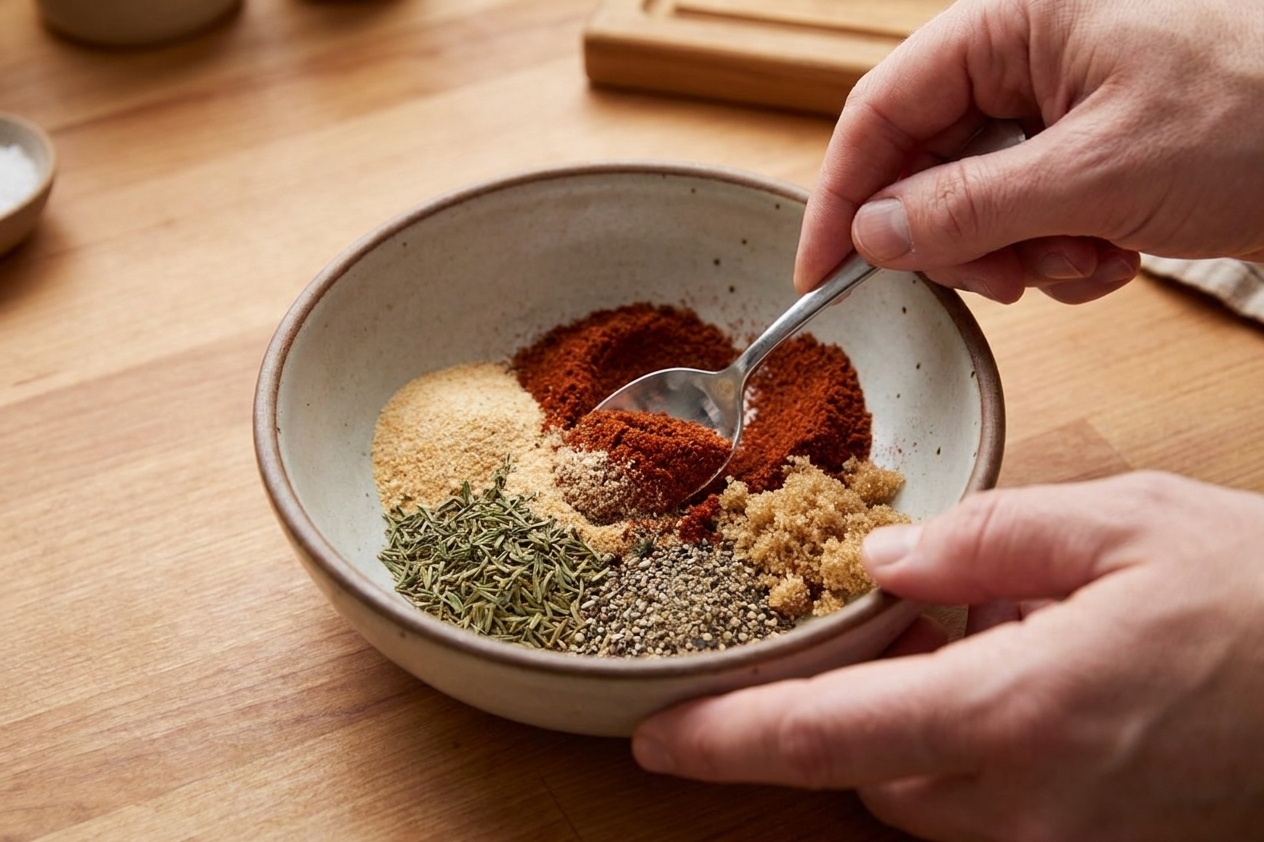
  • Bright, cozy flavor balance: Smoked paprika, garlic, and brown sugar give you a savory-sweet crust, while a little mustard helps the rub stick and adds quiet tang.
  • Great leftovers: This slices clean for sandwiches, salads, and quick rice bowls all week.

Pairs Well With

Storage Tips

How to Store Smoked Turkey Breast

  • Cool fast: Let turkey cool at room temperature for about 20 to 30 minutes, then refrigerate. Do not leave it out longer than 2 hours.
  • Fridge: Store sliced turkey in an airtight container for 3 to 4 days. For best texture, add a spoonful of juices or a splash of broth before sealing.
  • Freezer: Freeze in zip-top bags with as much air pressed out as possible for up to 2 to 3 months. Freeze in meal-sized portions so you only thaw what you need.
  • Reheat without drying it out: Warm slices gently in a covered skillet with a splash of broth, or microwave at 50 percent power with a damp paper towel on top.

Common Questions

Common Questions

What temperature should I smoke turkey breast to?

The standard safe endpoint is 165°F in the thickest part. To keep the breast extra juicy, I like to pull it around 160°F and rest it 15 to 30 minutes only if it rises to 165°F during the rest. Carryover can be smaller with lean cuts, so always verify the final temperature with a thermometer. If it is not at 165°F after resting, put it back on the smoker for a few minutes and recheck.

What smoker temperature is best?

225°F gives the best smoke absorption and a gentle cook. If you are short on time, 250°F is a solid compromise. I do not recommend going too hot, since turkey breast is lean and can dry out quickly.

Should I use bone-in or boneless turkey breast?

Either works. Bone-in stays juicy and is a bit more forgiving. Boneless cooks a little faster and is easier to slice evenly. This recipe works for both.

Do I need to brine turkey breast before smoking?

You do not have to, but dry brining is the easiest upgrade you can make. It seasons deeper and helps retain moisture, especially important for lean breast meat.

How much salt should I use for a dry brine?

A good target is 0.75 to 1% salt by weight (that is about 3.5 to 4.5 grams per pound). For a 3 to 4 pound turkey breast, that is roughly 12 to 18 grams kosher salt. If you measure by volume, 1 tablespoon Diamond Crystal is lighter than 1 tablespoon Morton, so adjust to taste. When in doubt, go by weight.

What wood is best for smoked turkey?

For a balanced smoke, use apple or cherry. For a slightly stronger smoke, use hickory. If you use mesquite, go light. It can overwhelm turkey fast.

Why is my smoked turkey breast rubbery?

If your breast is skin-on, rubbery skin usually means the heat was too low to render the fat, or the turkey was covered or wrapped too early and basically steamed. If it is skinless, a “rubbery” bite is more often just overcooked, dry meat. Cook by temperature, rest before slicing, and consider a short finish at 250°F to help the outside set up.

Can I smoke a turkey breast without a smoker?

Yes. Use a grill set up for indirect heat with a foil packet of wood chips or a smoker box. Keep the lid closed as much as possible and cook to the same internal temperature.

I used to think turkey breast was just the “healthy option” you endured for sandwiches. Then I started treating it like it deserved attention: salt it early, season it like you mean it, and cook it by temperature instead of vibes. The first time I nailed a smoked turkey breast that stayed juicy the next day, I felt like I had discovered a loophole in home cooking. Now it is one of my favorite low-drama centerpieces, especially when I want something that feels a little special without turning my kitchen into a science fair.