Mom's Best Recipes
Recipe

Lavender Lemonade

Fresh-squeezed lemonade with a quick lavender syrup for a light floral note that stays bright, not soapy.

Author By Matt Campbell
4.8
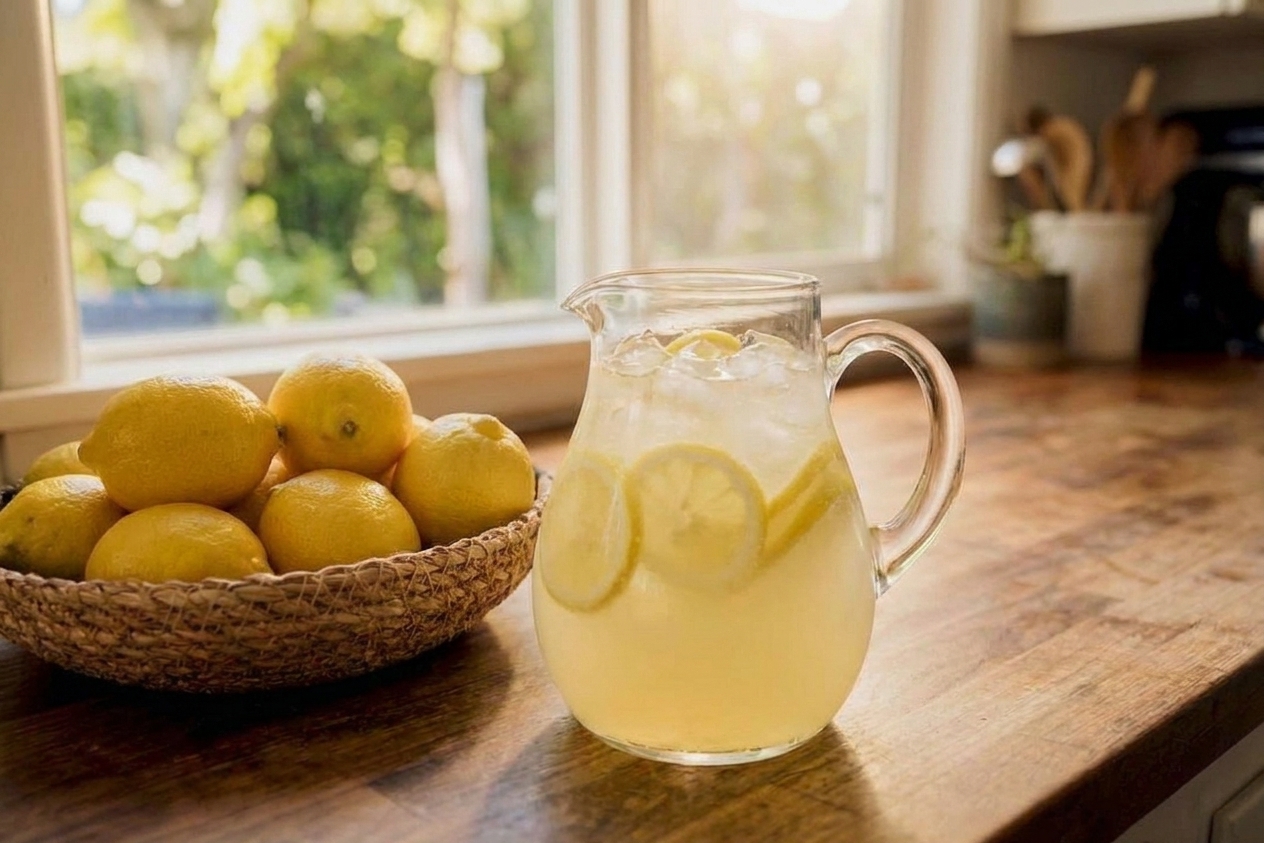
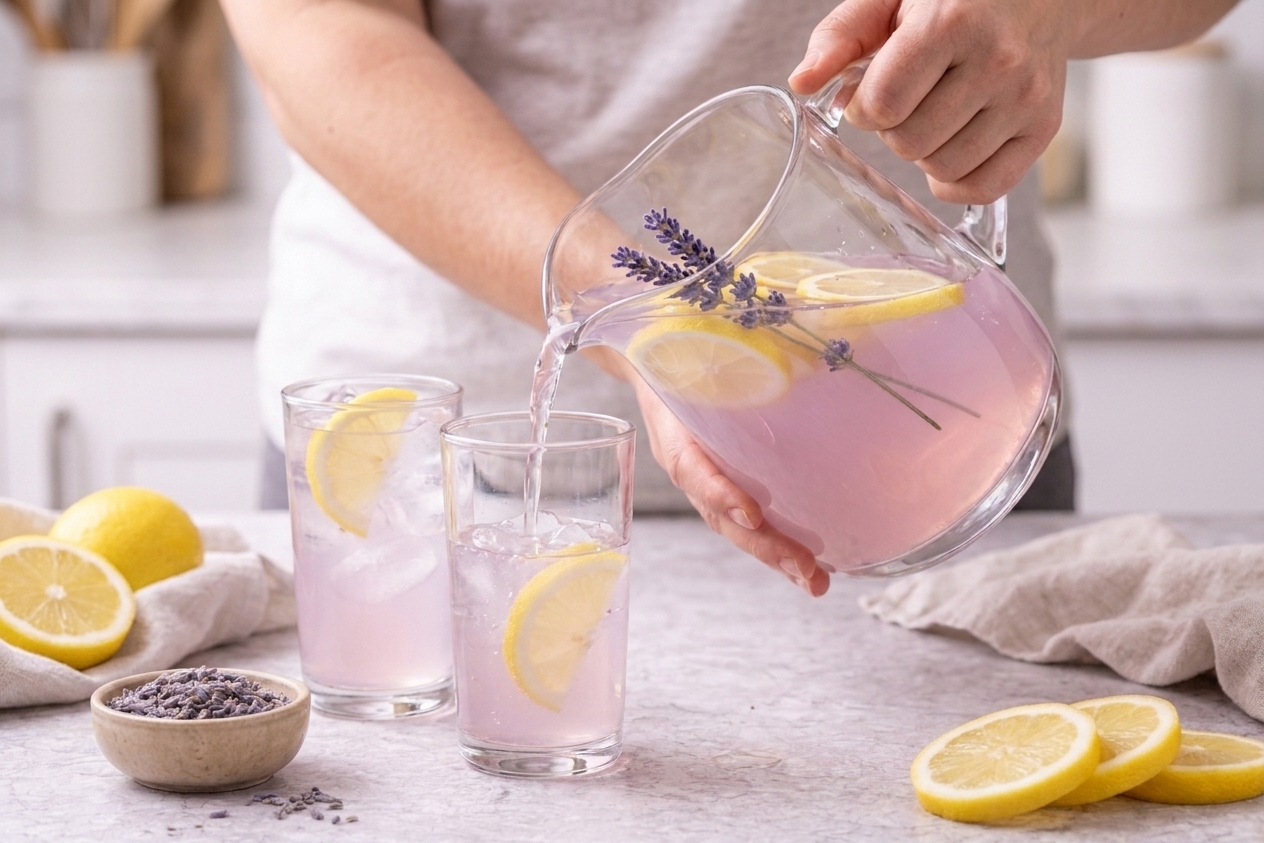
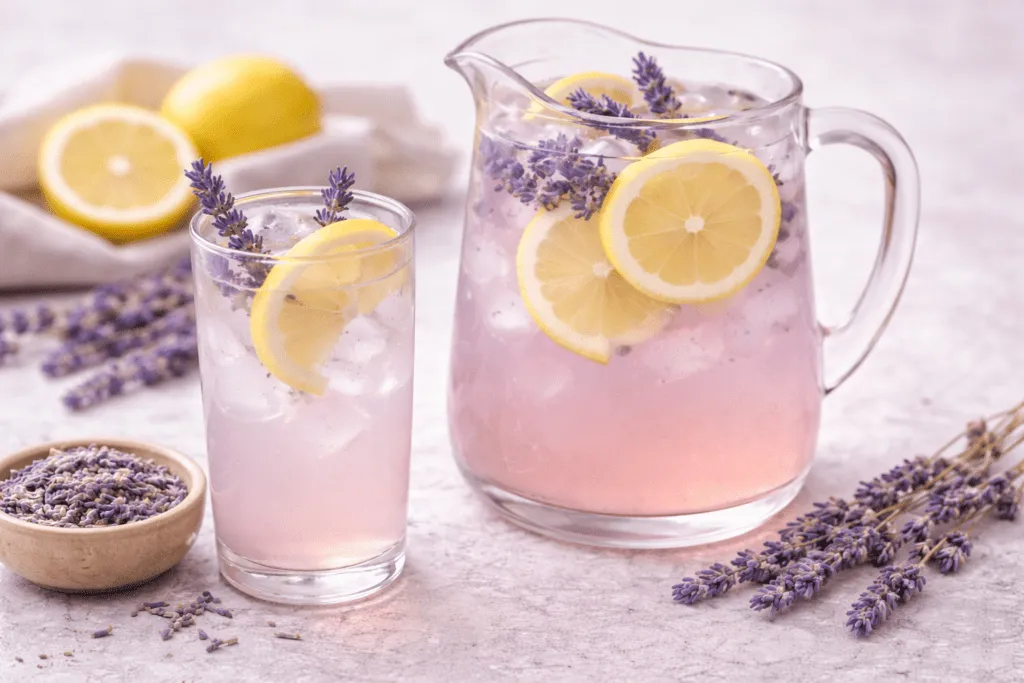
A glass pitcher of pale purple lavender lemonade on a bright kitchen counter, filled with ice, lemon slices, and a few lavender sprigs beside matching glasses

Lavender lemonade is what happens when classic lemonade puts on a clean shirt and pretends it has plans. It is bright, tart, and cold the way you want lemonade to be, but with this gentle floral note that makes it feel a little special.

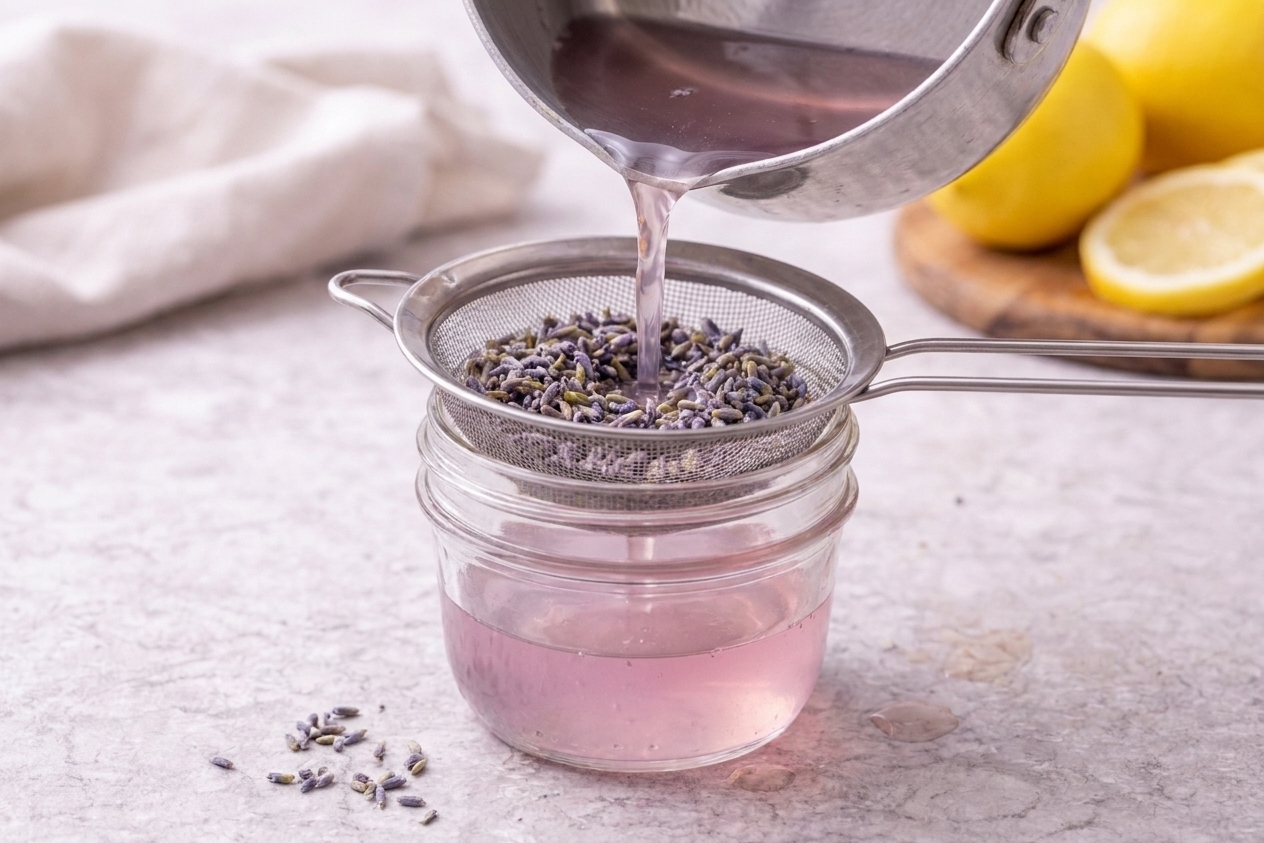
The trick is keeping the lavender supporting cast, not the main character. Too much and it goes straight into candle territory. We fix that with a quick syrup, a short steep, and a tiny pinch of salt that makes the lemon pop.

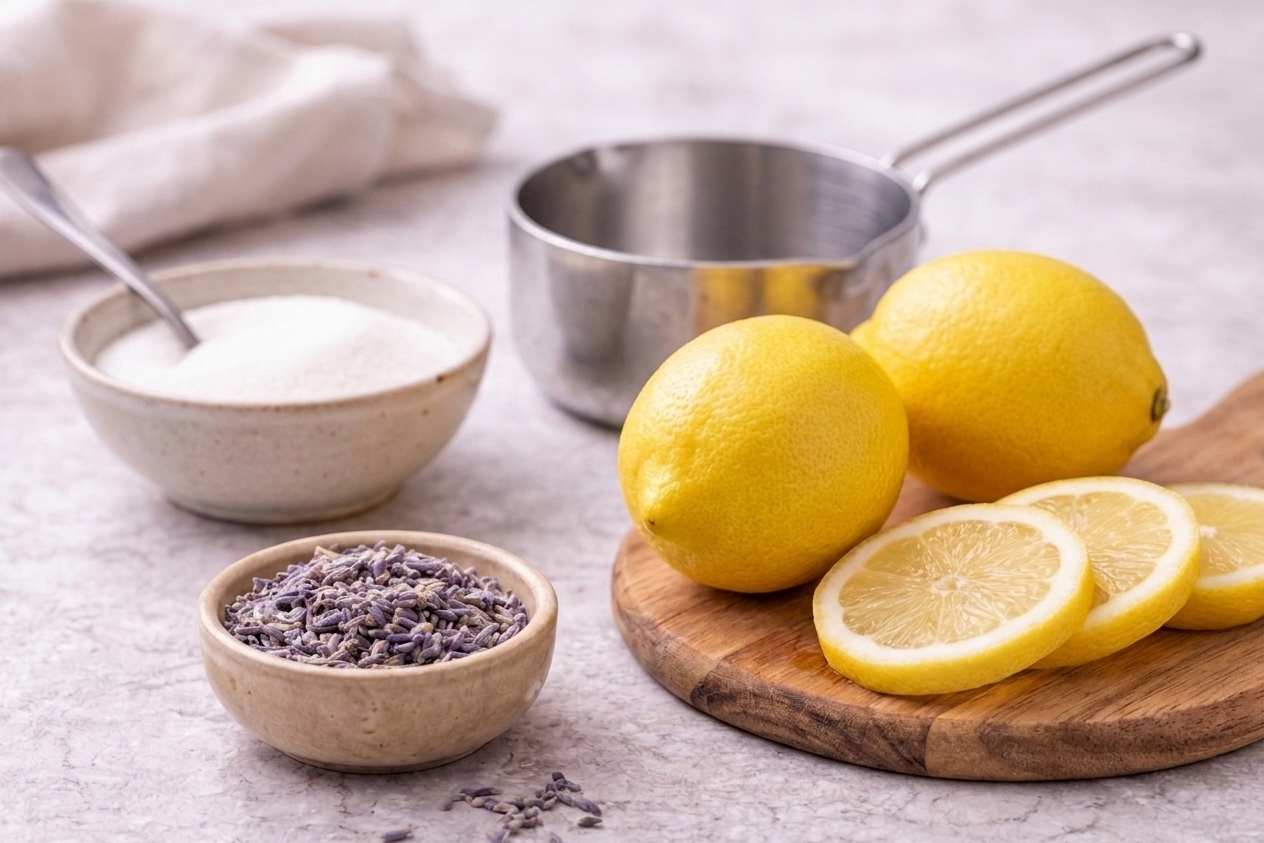
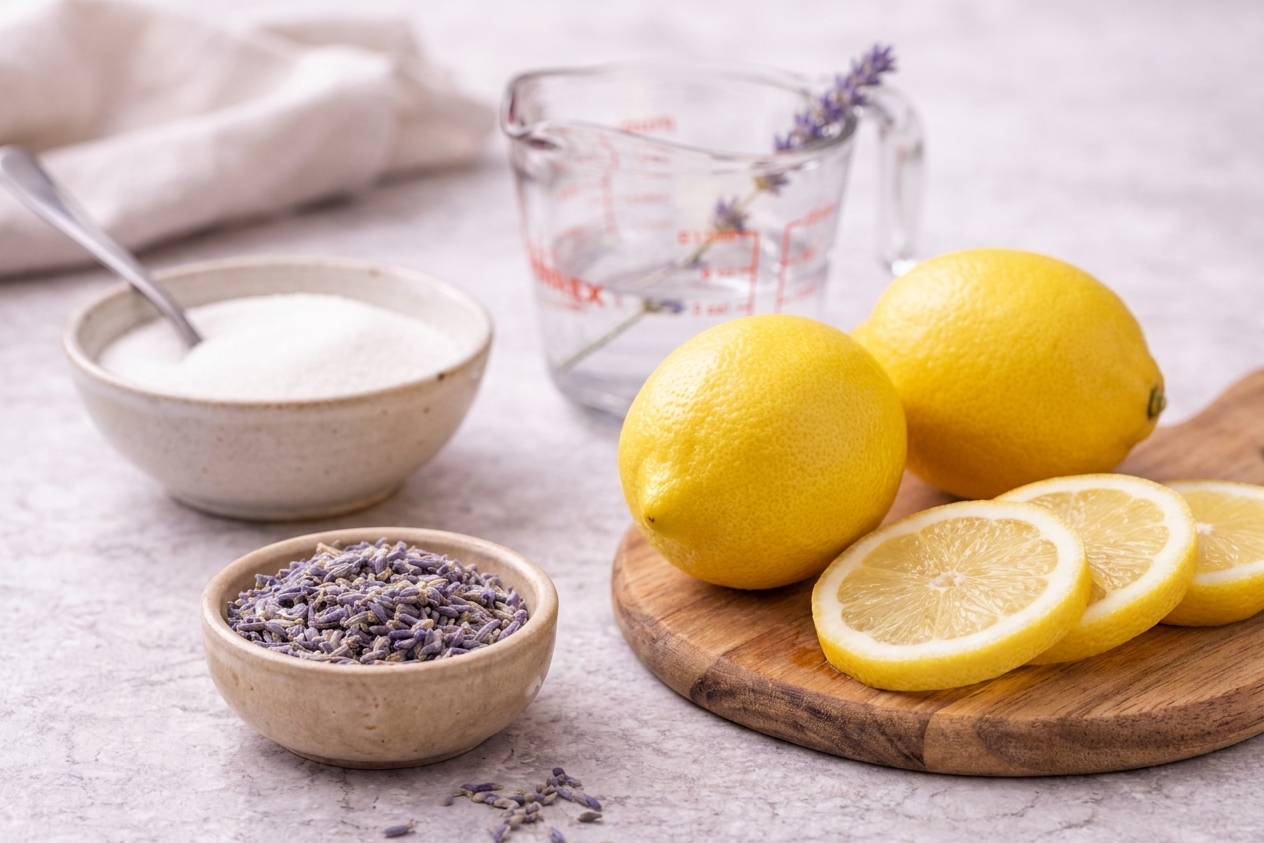
Fresh lemons, dried culinary lavender buds, and granulated sugar arranged on a neutral kitchen counter beside a small saucepan

Why It Works

  • Bright lemon flavor first, with a soft lavender finish that smells amazing and tastes even better.
  • No bitterness, thanks to a short steep and straining out the buds.
  • Easy to scale for a pitcher, a party, or a week of lazy afternoon refills.
  • Make-ahead friendly: the syrup keeps well, so the “hard part” is already done.

Pairs Well With

Storage Tips

Storage Tips

Fridge: Store leftover lavender lemonade in a covered pitcher or jar for up to 3 days. The flavor is best within the first 24 to 48 hours. After that, it still tastes good, but the lemon can dull a bit.

Keep it from getting watered down: If you are serving later, refrigerate the lemonade without ice, then add ice to glasses as you pour.

Make-ahead strategy: Keep the lavender syrup separate in the fridge in a clean, covered jar for up to 2 weeks. Mix individual glasses on demand so every pour tastes freshly made.

Freezer: Freeze leftover lemonade in an ice cube tray. Drop cubes into sparkling water or iced tea for instant flavor.

Common Questions

Common Questions

What kind of lavender should I use?

Use culinary lavender, usually sold as dried buds. If you can choose, look for English lavender (Lavandula angustifolia). It tends to taste sweeter and less camphor-like than some other varieties. If your lavender is not labeled culinary, skip it.

How do I keep lavender lemonade from tasting like soap?

Three rules: measure the lavender, steep briefly, and strain it. For this recipe, you steep the buds just long enough to perfume the syrup, then pull them. You can always add more syrup to taste, but you cannot un-soap a pitcher.

Can I make it with fresh lavender?

Yes. Fresh lavender can be more variable than dried, so start small and taste early. Start with about 1 tablespoon loosely packed fresh buds (no woody stems) in place of the dried. Steep for a shorter time and taste as you go.

Is it okay to use bottled lemon juice?

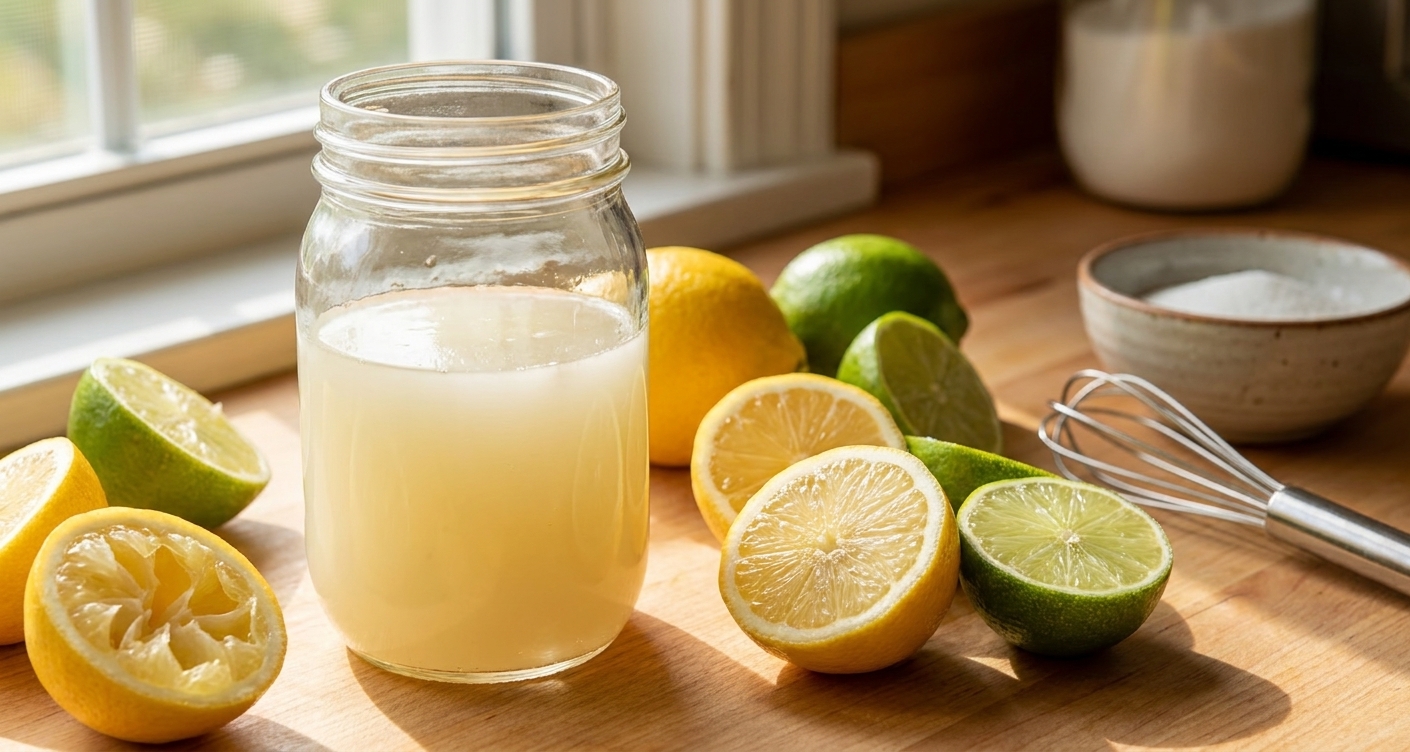
It works in a pinch, but fresh lemon juice is the whole point here. Bottled juice can taste flat or slightly cooked. If you do use it, add a little extra lemon zest to wake it up.

Can I make it sparkling?

Absolutely. Mix a stronger base (less water), then top each glass with sparkling water right before serving so it stays fizzy.

How do I make it less sweet or more tart?

Dial sweetness by using less syrup. Dial tartness by adding more lemon juice. Taste as you go. Lemonade is not a strict recipe, it is a vibe with training wheels.

Can I turn this into a cocktail?

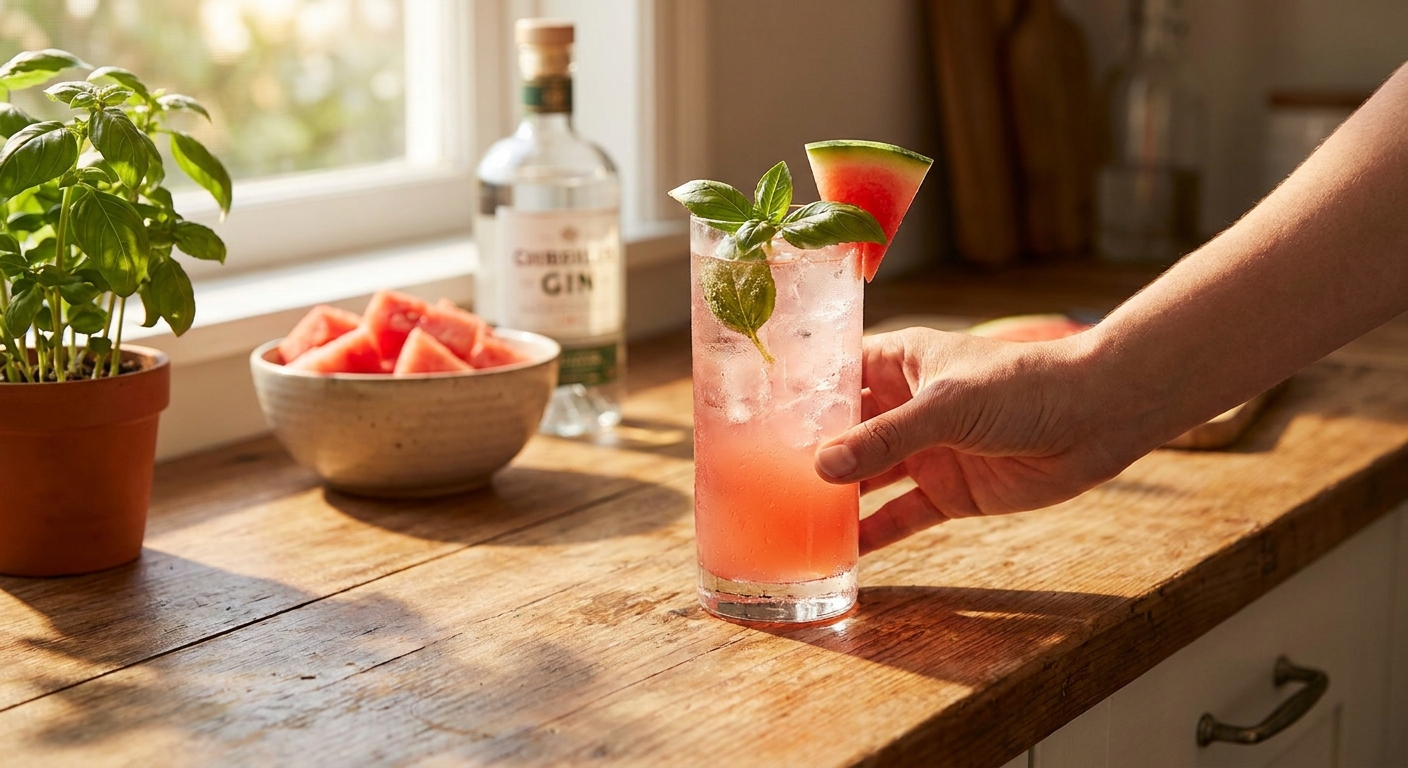
Yep. Add 1.5 to 2 oz vodka or gin per glass. Gin plus lavender is a very “I own a tiny herb garden” combo, in the best way.

I learned pretty quickly that lavender is powerful. The first time I made lavender lemonade, I treated the buds like a loose suggestion and steeped them forever. The drink smelled like a spa gift shop and tasted like I should apologize.

Now I do it the calm, controlled way: quick syrup, short steep, strain, taste. When it is right, it is unreal. Bright lemon, soft floral, and that little moment where you take a sip and immediately go back for a second just to confirm it is actually that good.