Mom's Best Recipes
Recipe

Lemon Garlic Butter White Fish

Crisp-edged, tender white fish in a bright lemon garlic butter sauce, made in one skillet with simple ingredients.

Author By Matt Campbell
4.8
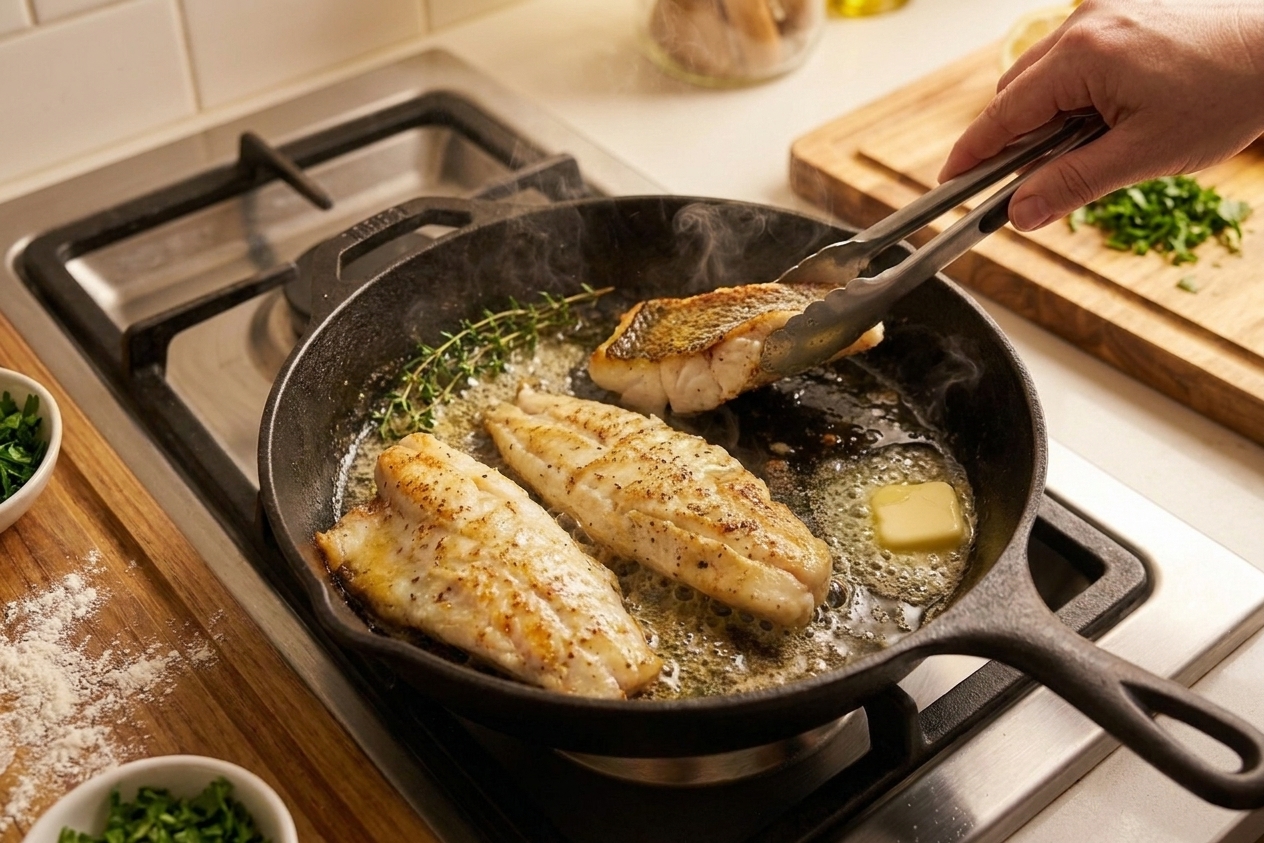
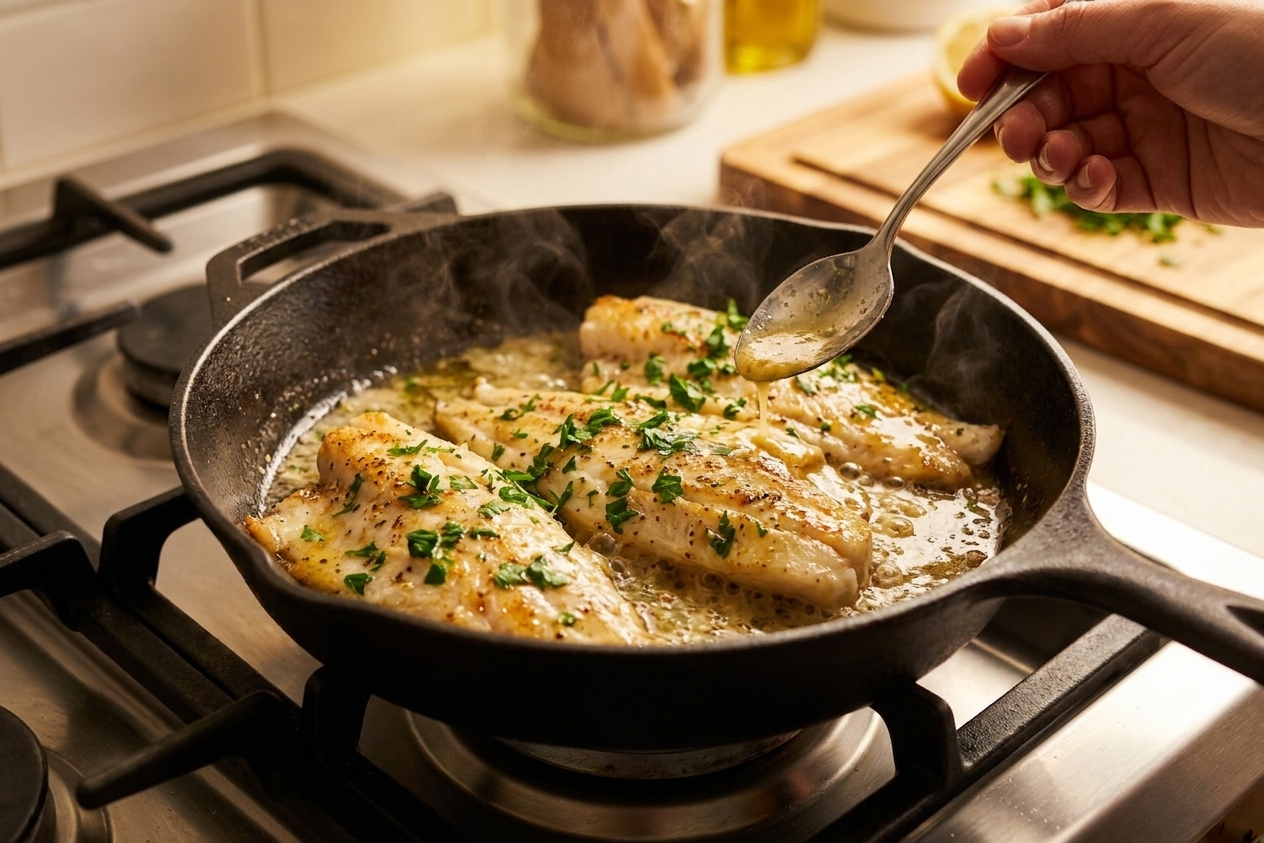
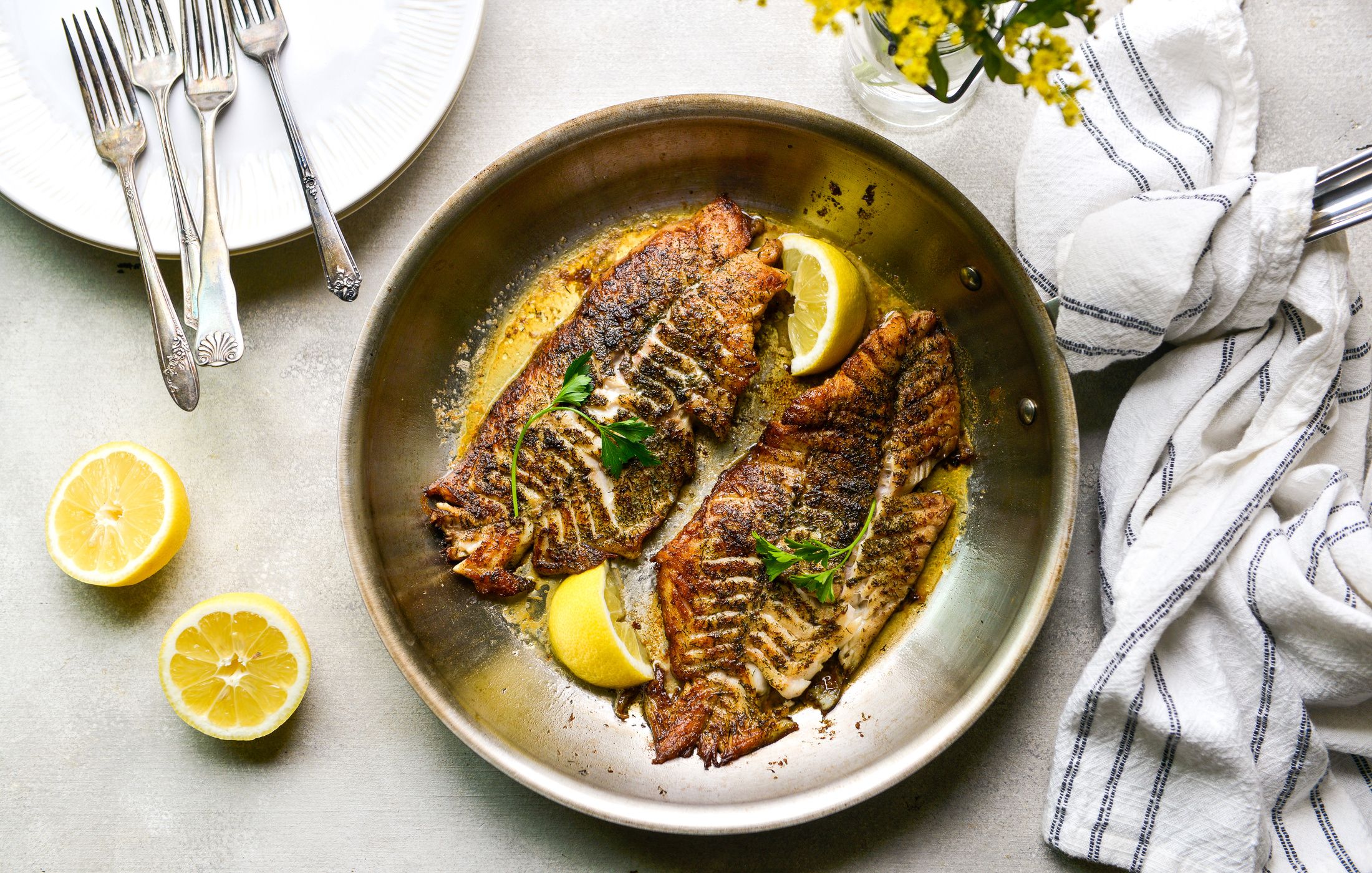
A skillet of seared white fish fillets coated in a glossy lemon garlic butter sauce with chopped parsley, on a stovetop under warm kitchen lighting

White fish is the weeknight hero that does not ask for much. A hot pan, a little patience, and it turns into that perfect combo: flaky inside, crisp edges outside. The problem is the after part. You know, when the fish is cooked but the plate still feels a little… plain.

So we are doing what I do when dinner needs a tiny bit of drama without extra work: a fast lemon garlic butter pan sauce. It hits bright, salty, and cozy all at once. You will taste it and immediately want bread, rice, or a spoon. No shame here.
Raw white fish fillets, lemons, garlic, butter, parsley, olive oil, and spices arranged on a light kitchen counter with a cutting board

Why It Works

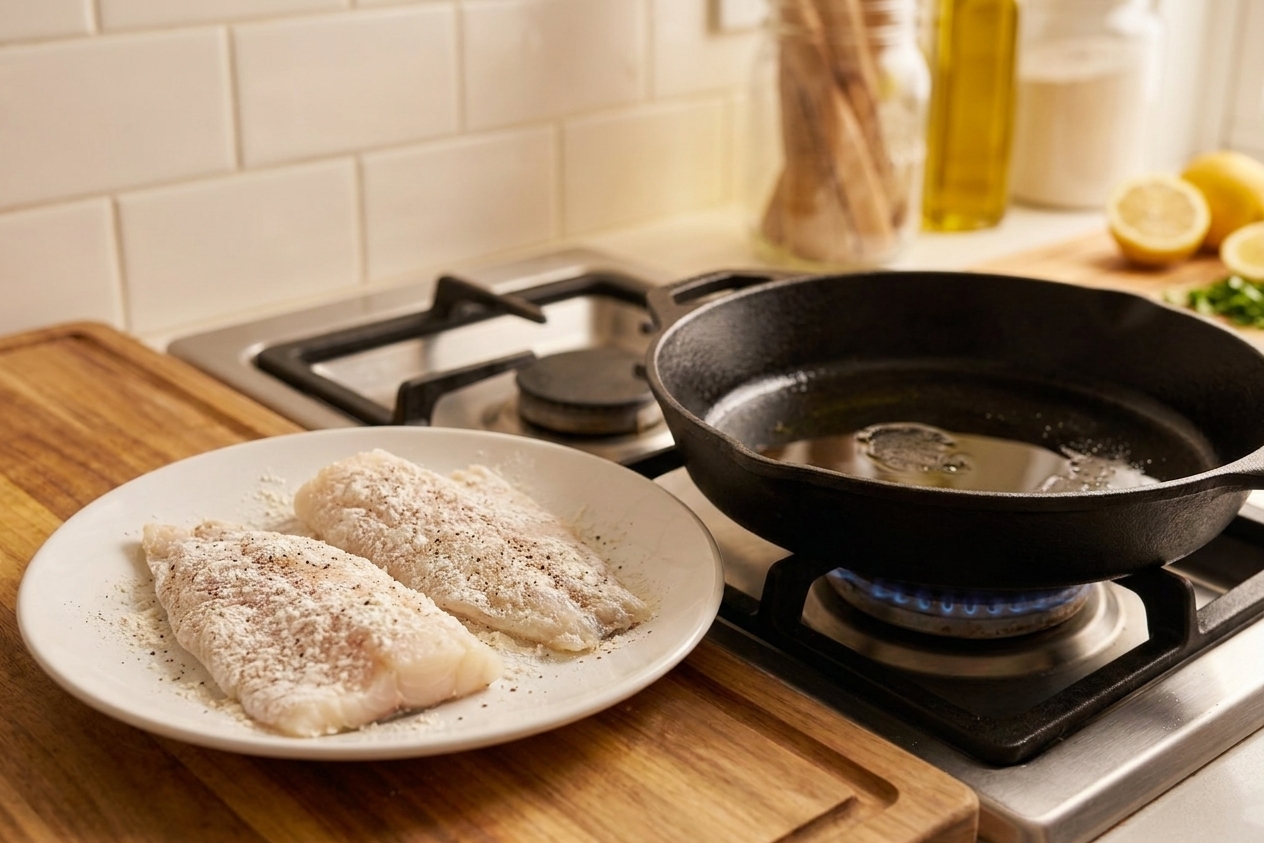
  • Crisp edges without overcooking: A quick flour dusting and a properly hot skillet give you color fast so the fish stays tender.
  • A sauce that saves everything: Lemon juice + butter + garlic turns the browned bits in the pan into a glossy, restaurant-style finish.
  • Flexible fish options: Works with cod, haddock, pollock, tilapia, or sole. Adjust cook time based on thickness and you are golden.
  • One pan, low drama: Minimal dishes, maximum “wait, this is really good” energy.

Pairs Well With

Storage Tips

How to Store and Reheat

Fridge: Store leftover fish in an airtight container for up to 2 days. Spoon any extra sauce over the top to keep it from drying out.

Reheat gently (best method): Warm in a skillet over low heat with a tiny splash of water or broth, just until heated through. Keep it mellow. High heat turns white fish dry fast.

Microwave option: Use 50% power in short bursts, covered. Stop as soon as it is warm. Overheating is the enemy.

Freezing: You can freeze cooked white fish, but the texture gets a little drier. If you do it, freeze up to 1 month and thaw overnight in the fridge. For best results, make the sauce fresh when reheating.

Common Questions

Common Questions

What counts as “white fish” for this recipe?

Any mild, flaky white fish works: cod, haddock, pollock, tilapia, sole, flounder, and even snapper (though snapper is a bit meatier). The only real rule is thickness affects cook time.

How do I know when white fish is done?

It should turn opaque and flake easily with a fork. If you use an instant-read thermometer, you have two good options: pull it at about 135°F to 140°F for the best, tender texture, then let it rest for a minute or two to finish cooking; or cook it to 145°F, which is the FDA recommended safe temperature for fish.

Do I have to use flour?

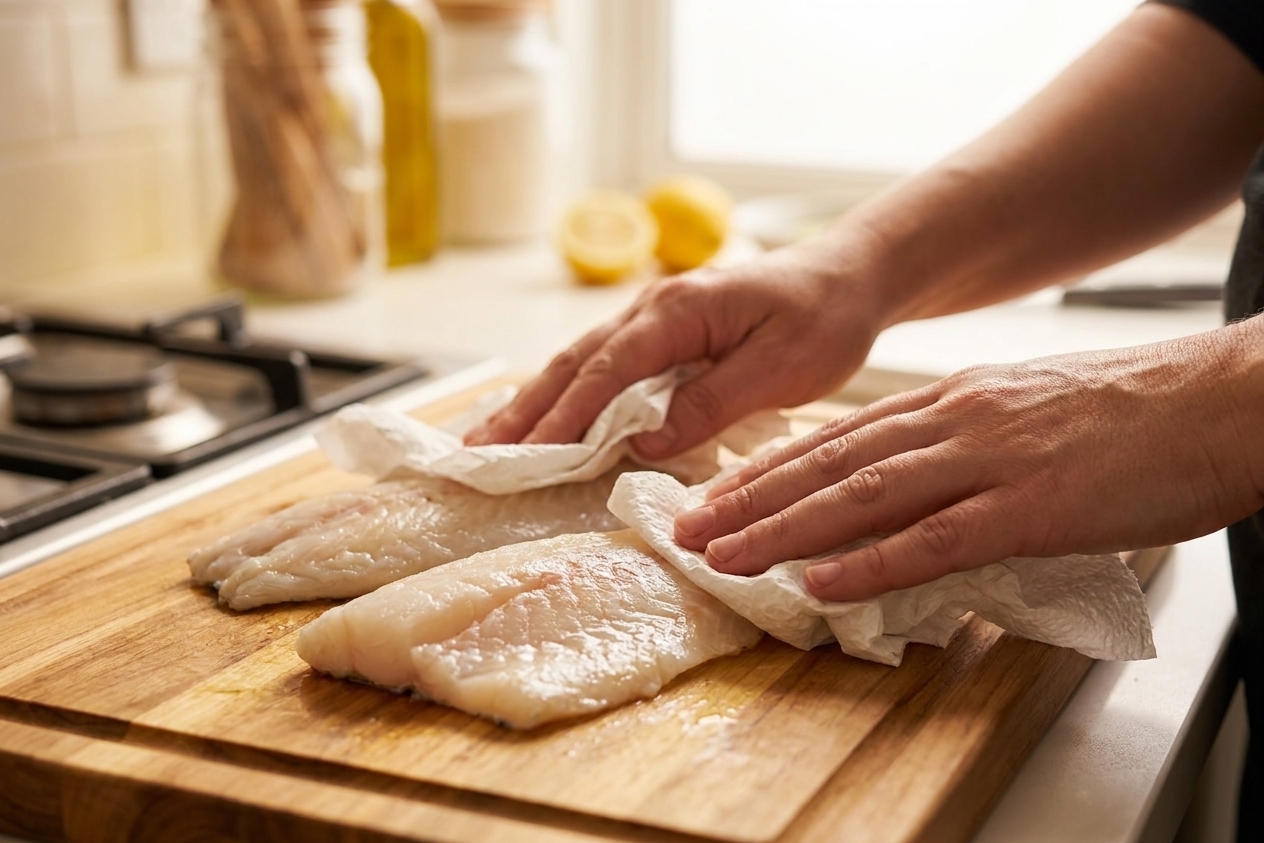
No, but it helps. A light dusting gives better browning, protects delicate fillets, and lightly thickens the sauce. If you are skipping flour, just pat the fish extra dry and sear in a little more oil.

Can I use frozen fish?

Yes. Thaw it completely first, then pat it very dry. Frozen fish releases more water, so drying is how you still get crisp edges instead of a sad steam situation.

My sauce broke or looks greasy. How do I fix it?

Take the pan off the heat, add 1 to 2 teaspoons water, and whisk or swirl the pan. A tiny splash helps the butter re-emulsify into a silky sauce.

I started making versions of this when I realized I loved cooking fish, but I hated the pressure. Fish has that reputation like it is going to turn on you if you blink. This is the recipe that made me relax. Dry the fillets, hot pan, quick sear, then let the sauce do the heavy lifting. It is the kind of meal that feels a little fancy, but you can absolutely make it in sweatpants while someone asks you where their homework is.