Mom's Best Recipes
Recipe

Lidia-Inspired Pasta e Fagioli

A hearty Italian bean and pasta soup with rosemary, garlic, tomato, and Parmesan. Pantry staples, big comfort, and the kind of bowl you want with extra cheese.

Author By Matt Campbell
4.8
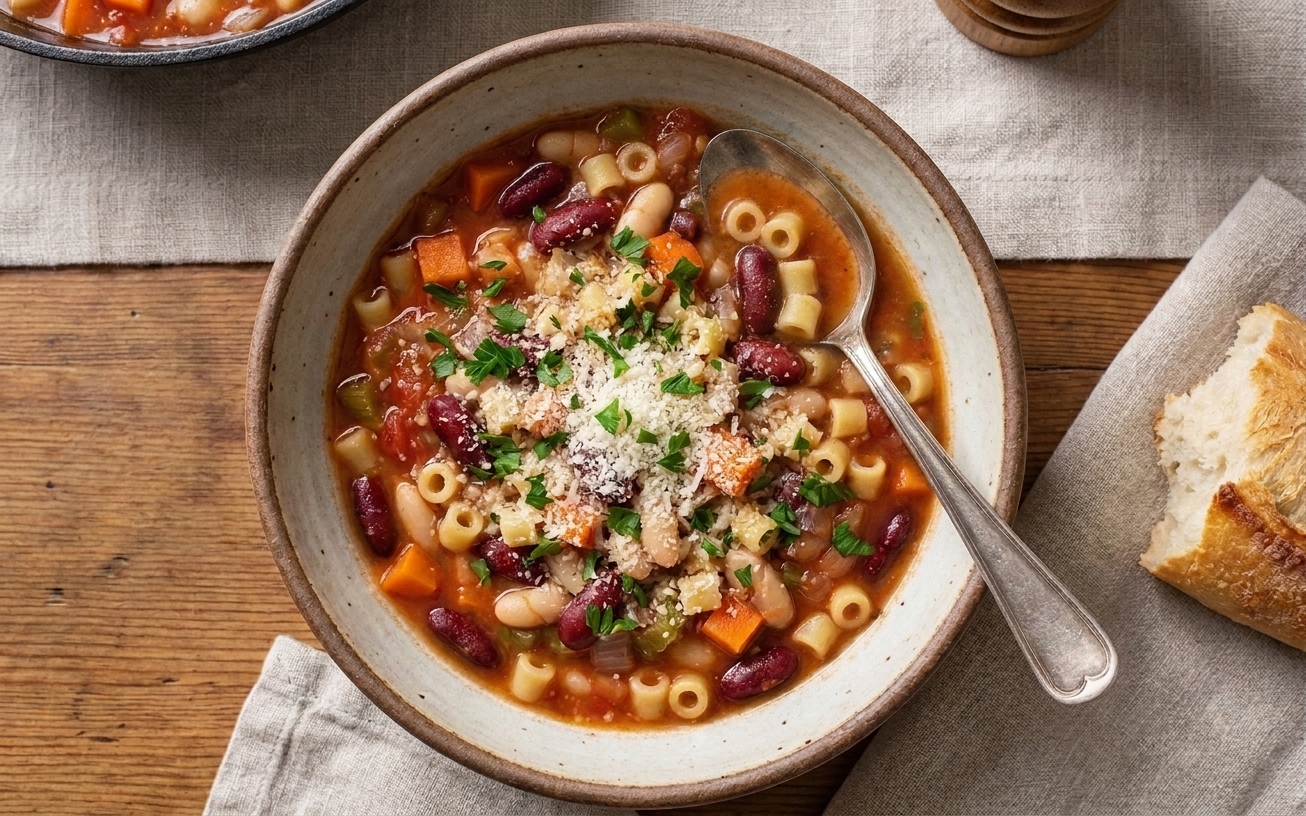
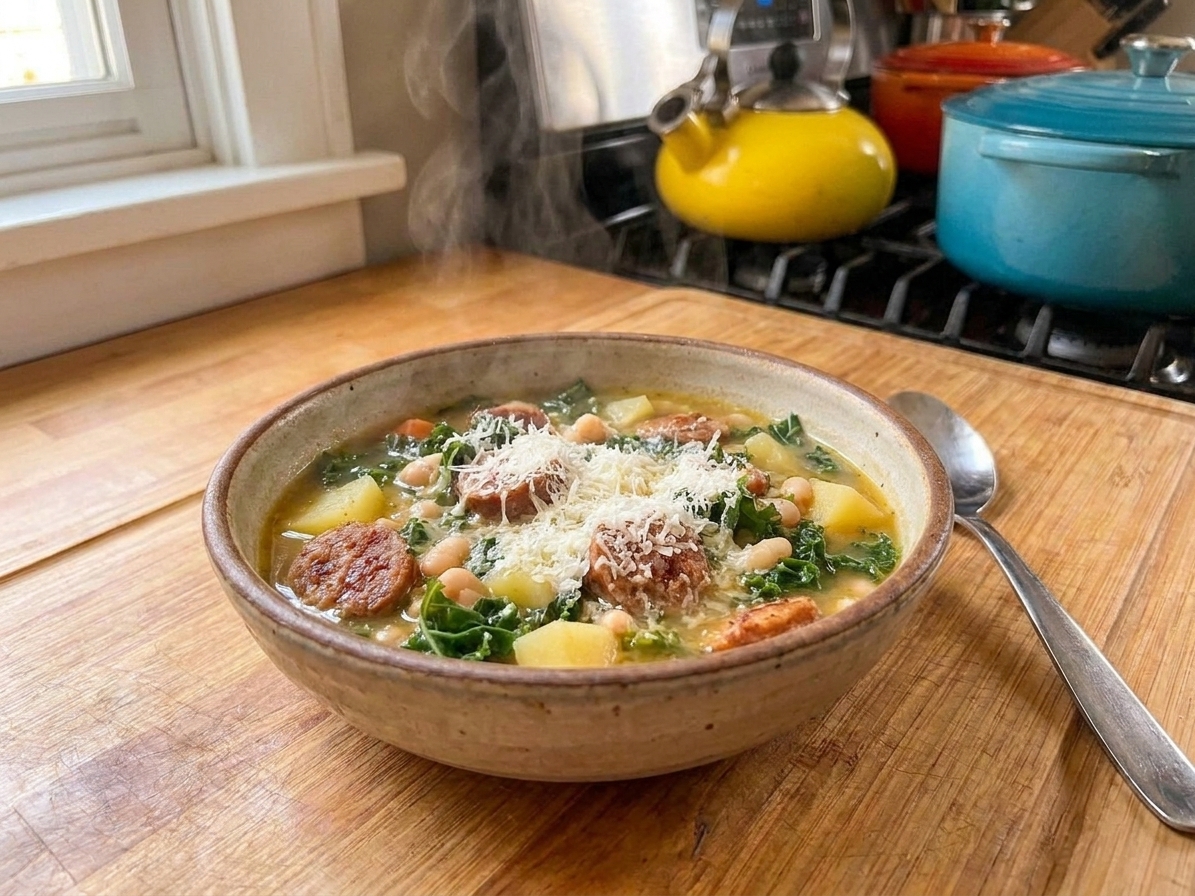
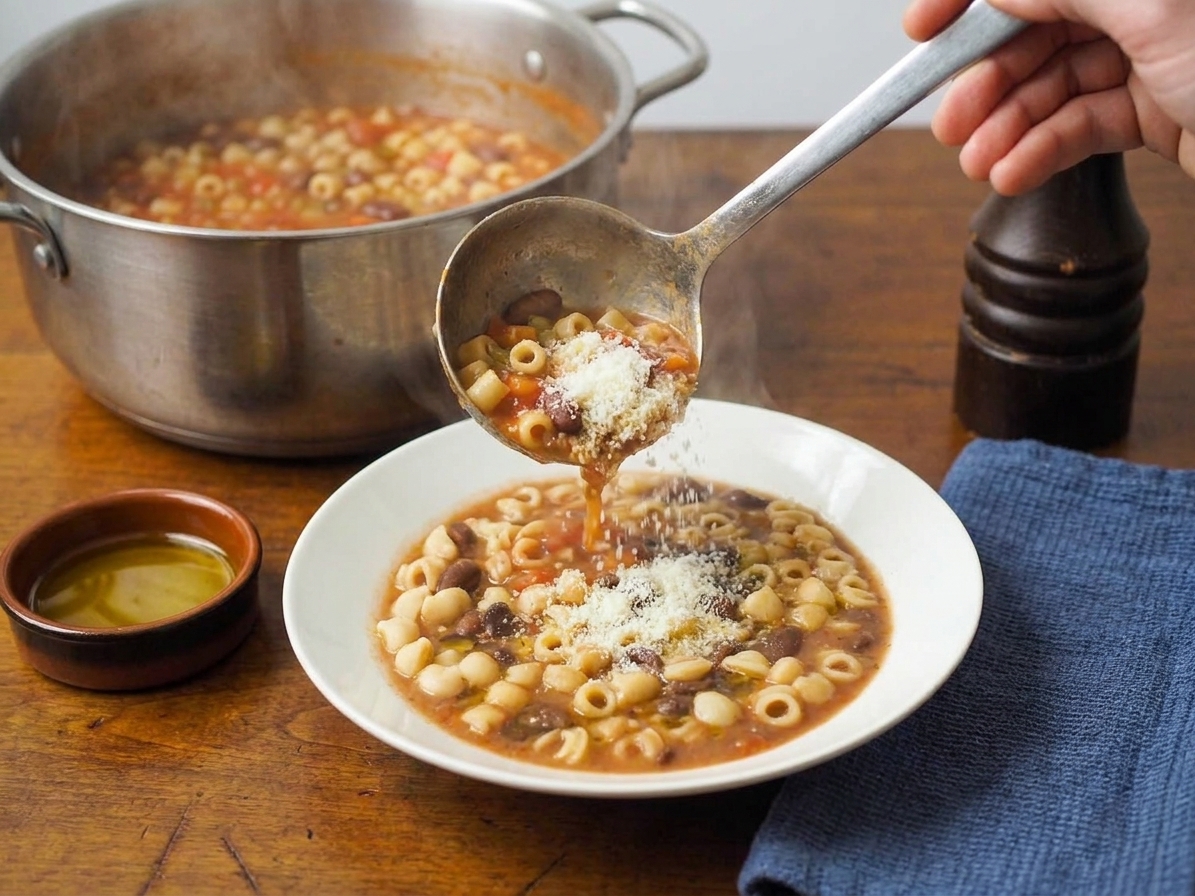
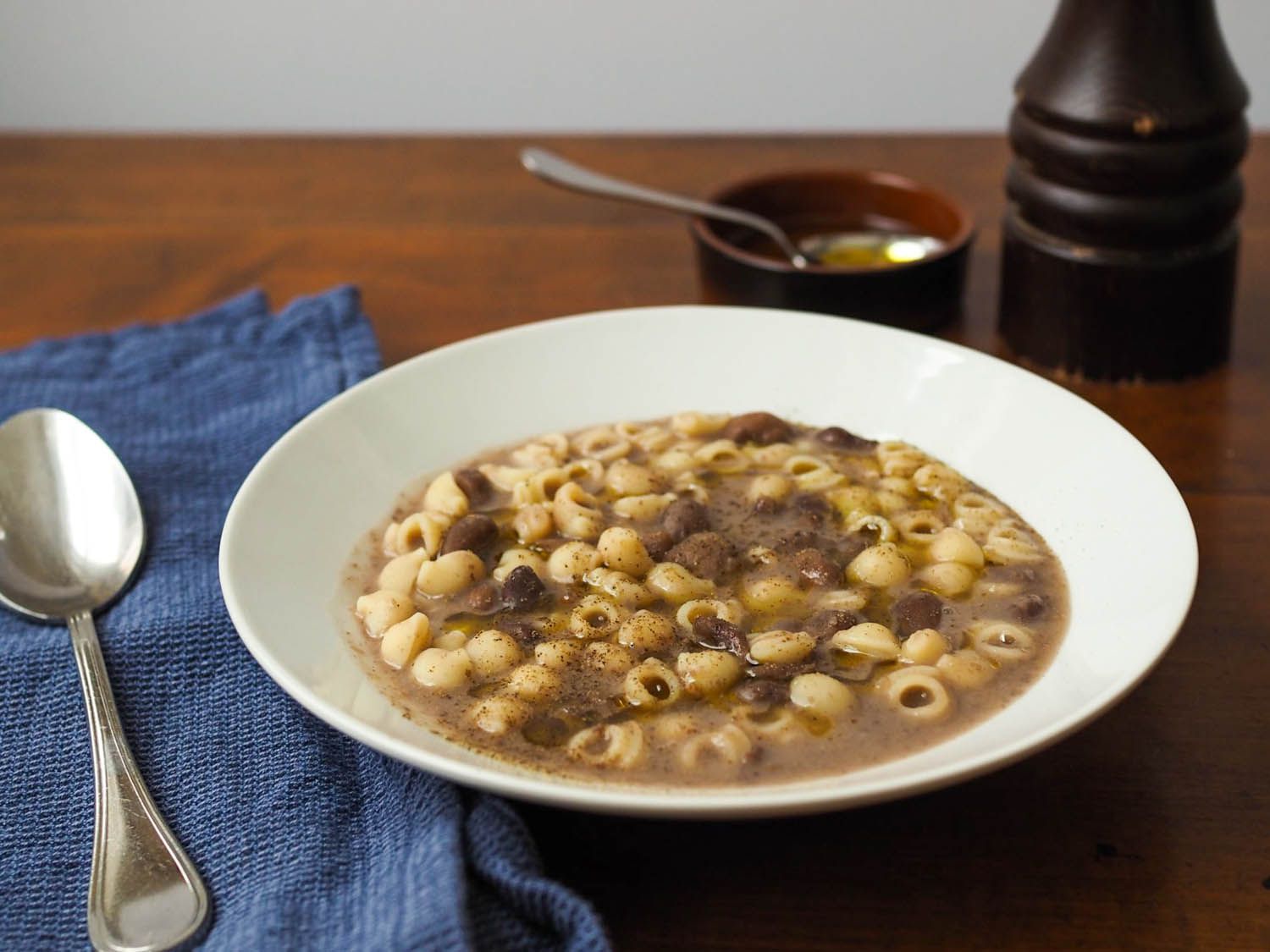
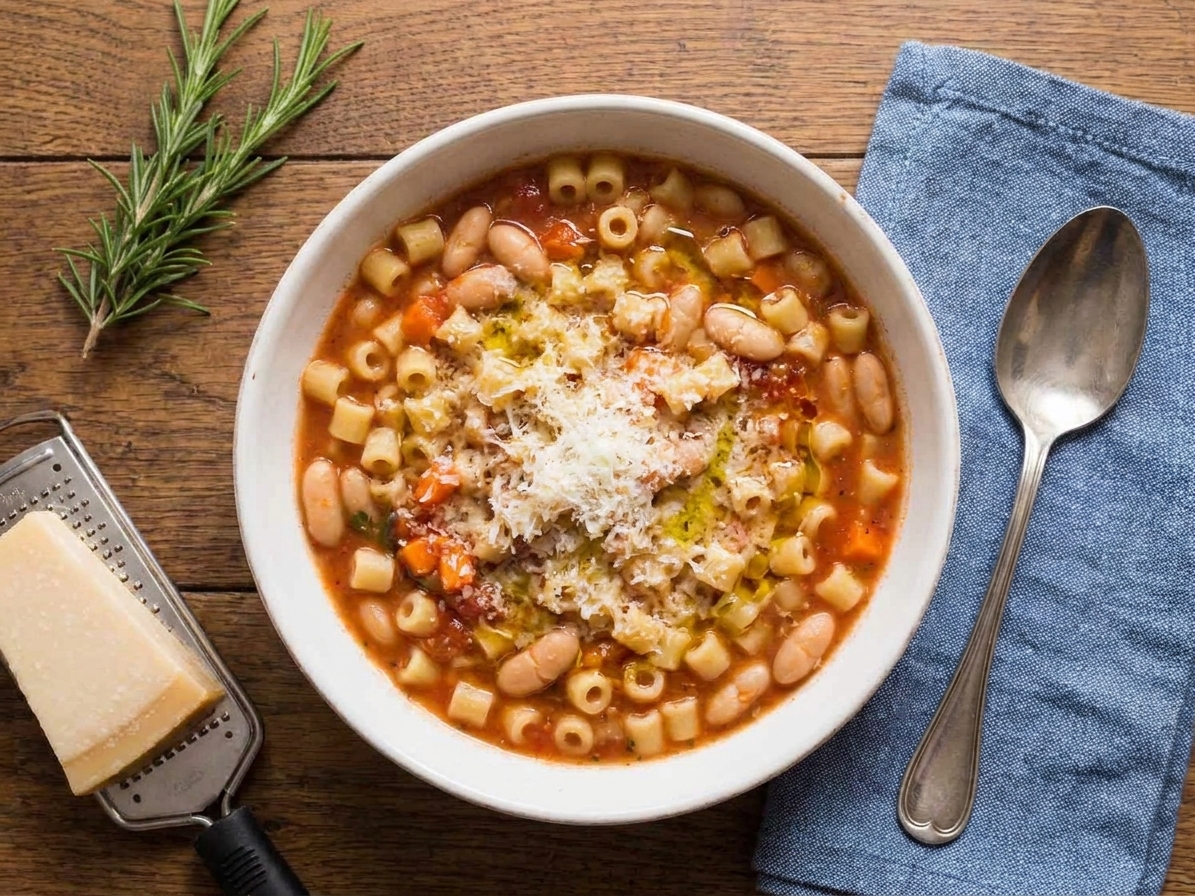
A steaming bowl of pasta e fagioli topped with grated Parmesan and a drizzle of olive oil on a wooden table, cozy dinner lighting

If you have ever watched Lidia Bastianich cook, you know the vibe. Calm hands, smart steps, and food that looks like it belongs on your table, not behind velvet ropes. Her recipes are the definition of doable Italian cooking, where the goal is comfort and flavor, not perfection.

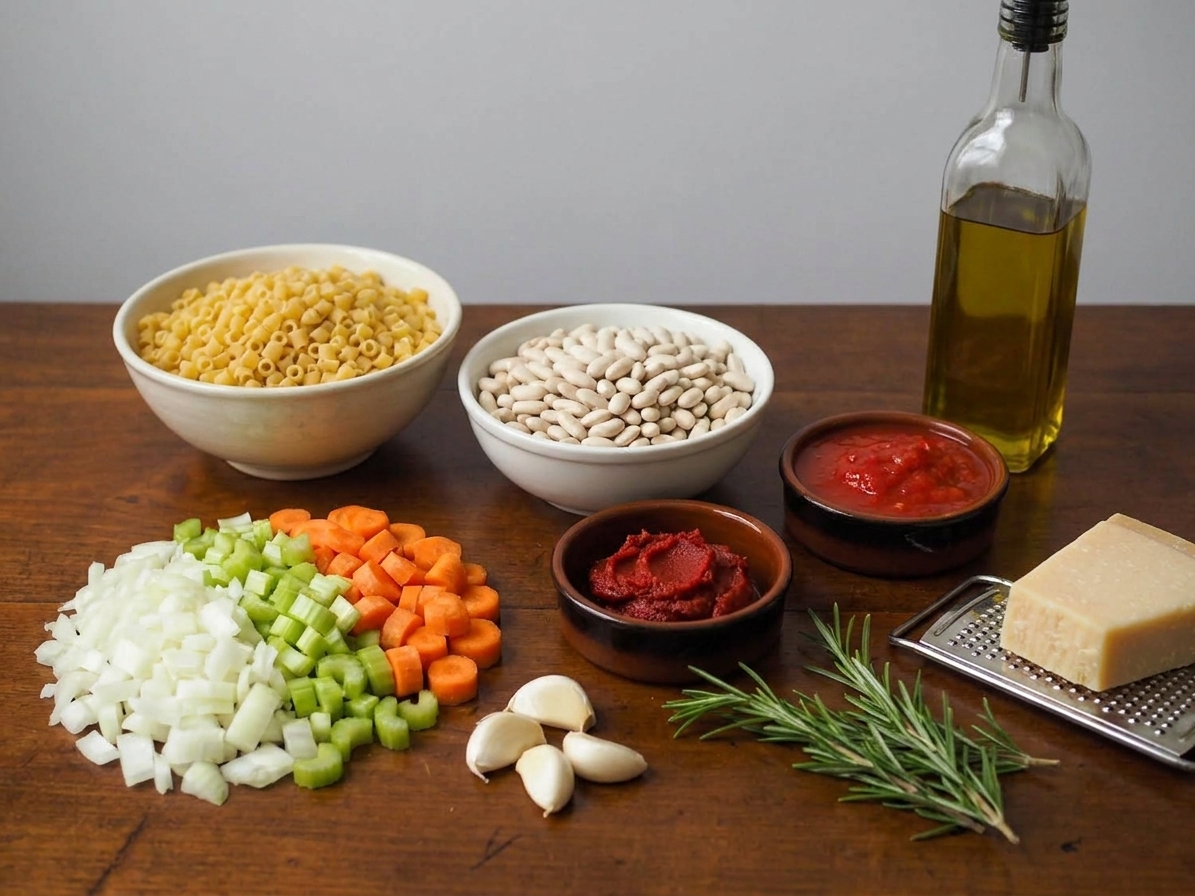
This Pasta e Fagioli is my love letter to that approach. Beans that turn the broth a little creamy, pasta that makes it feel like a real meal, and a rosemary-garlic base that smells like you have your life together. Even if you absolutely do not.
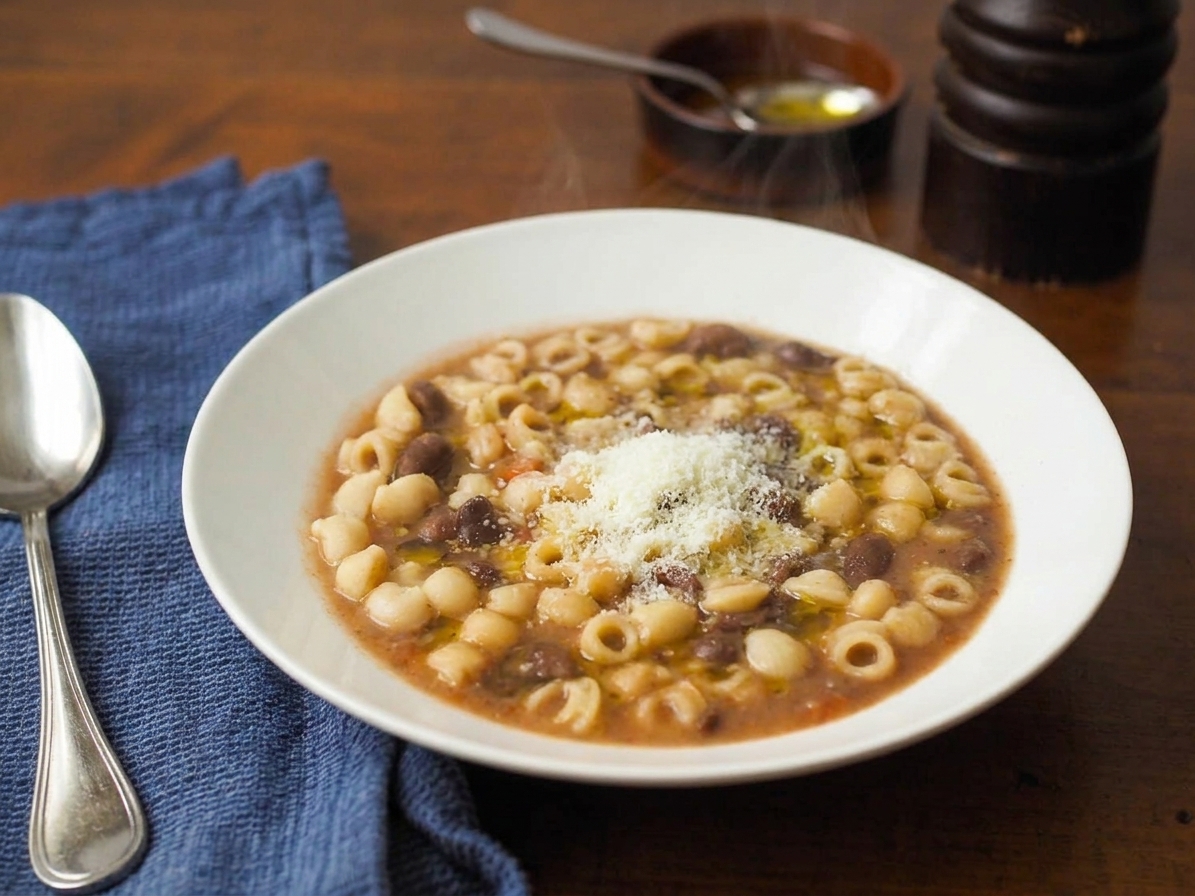
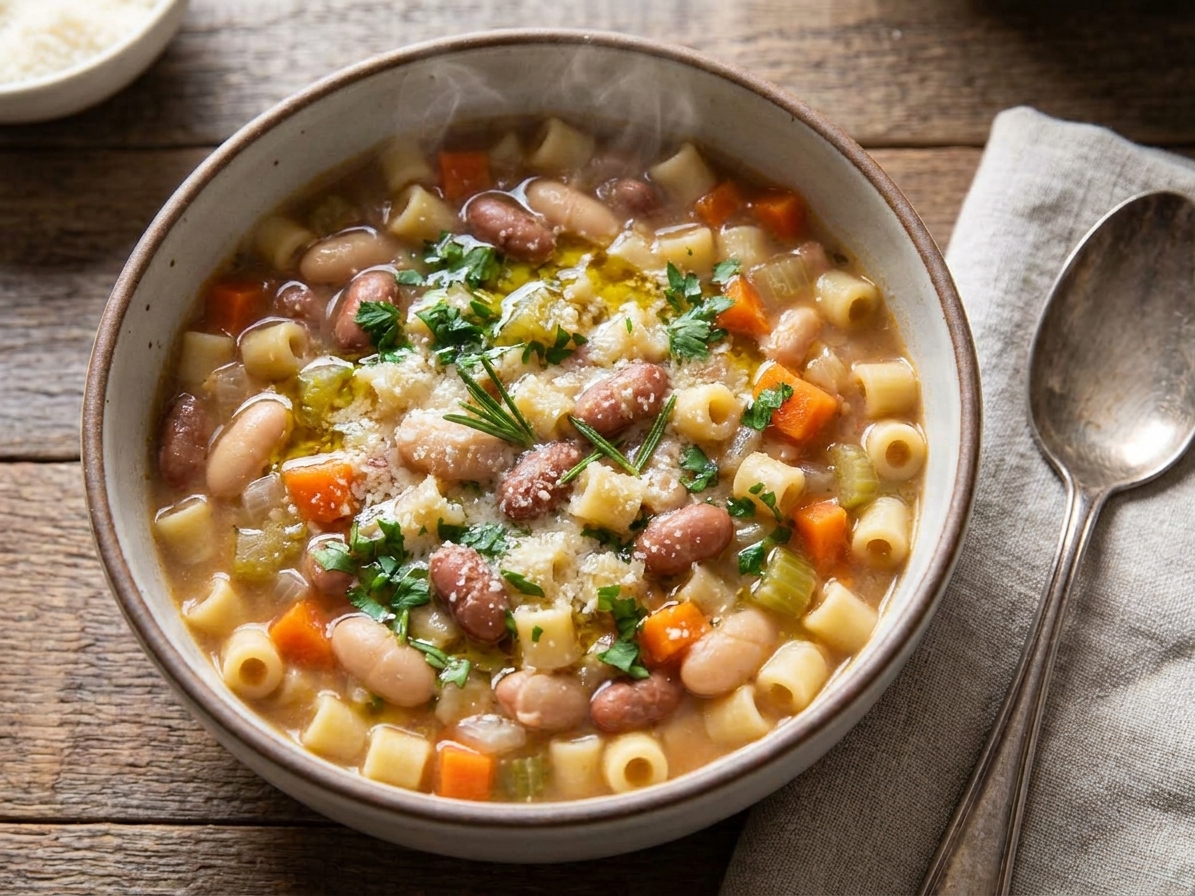
A steaming bowl of pasta e fagioli topped with grated Parmesan and a drizzle of olive oil on a wooden table, cozy dinner lighting

Why It Works

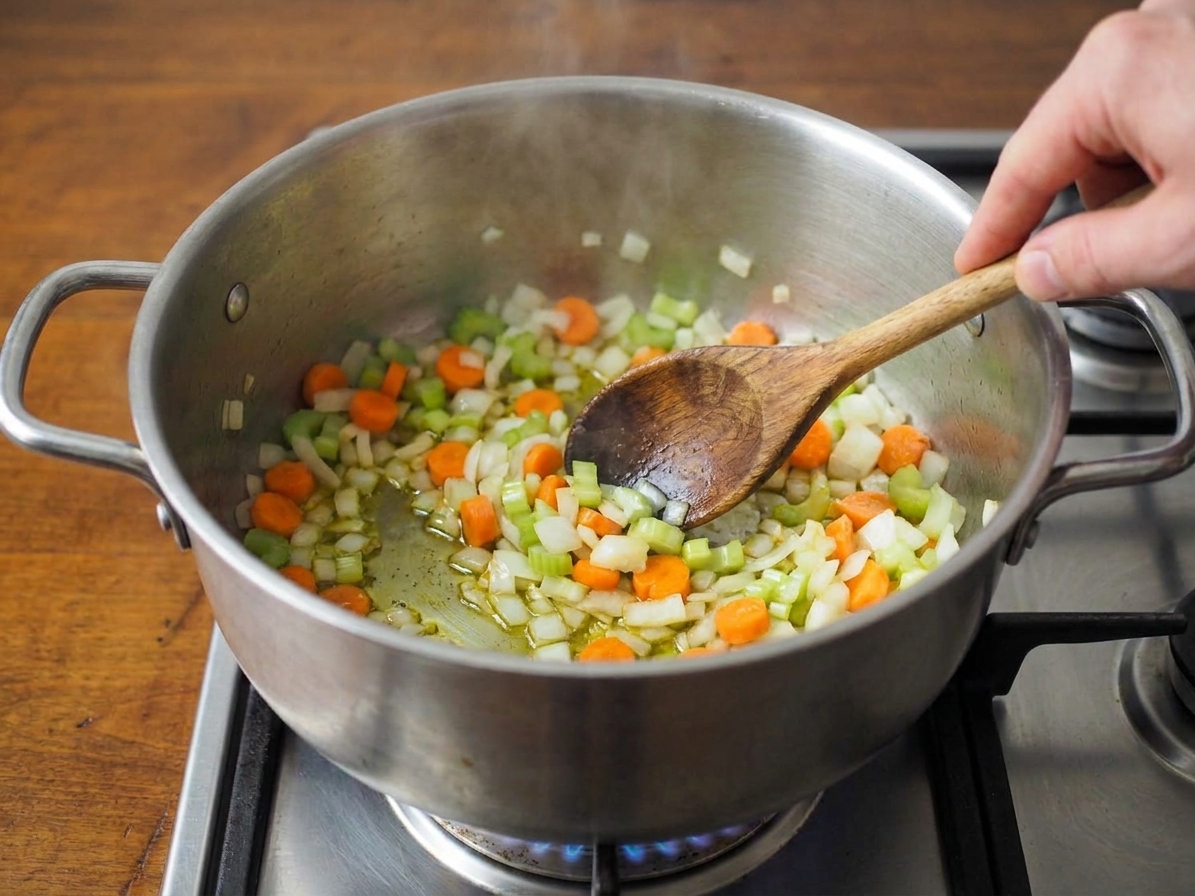
  • Big flavor from small moves: sautéing the aromatics and a little tomato paste builds depth fast.
  • Creamy without cream: mashing some beans thickens the soup the way Italian kitchens have been doing forever.
  • Weeknight-friendly: mostly pantry staples, one pot, and flexible timing.
  • Better the next day: the broth gets richer as it sits (just loosen with a splash of water or stock).

Pairs Well With

Storage Tips

Refrigerate: Store in an airtight container for up to 4 days. The pasta will keep soaking up broth, so expect it to thicken.

Reheat: Warm on the stove over medium-low, adding water or broth a splash at a time until it is soupy again. Taste and re-season with salt, pepper, and a little extra cheese if you like.

Freeze (best method): If you want to freeze it, do it before adding the pasta. Freeze the bean soup base up to 3 months. Thaw, simmer, then cook pasta fresh in the soup so it stays bouncy instead of bloated.

Common Questions

Is this Lidia Bastianich’s exact recipe?

No. This is a Lidia-inspired version that follows her spirit: simple ingredients, smart technique, and a cozy finish with cheese and good olive oil. If you want her exact method, her cookbooks and show recipes are worth owning.

What beans should I use for Pasta e Fagioli?

I like cannellini for creaminess, but great northern beans work great too. If you only have chickpeas, you can make it, but it will taste different and less classic.

What pasta shape is best?

Ditalini is the classic move. Small shells, tubetti, or elbow macaroni also work. Avoid long noodles here. It turns into a breakup story.

How do I keep the pasta from getting mushy?

Two options: cook pasta separately and add to bowls, or cook it in the soup but only what you will eat that night. Leftovers will always soften some, but separate pasta keeps it closer to day-one perfect.

Can I make it vegetarian?

Yes. Use vegetable broth or water. For a truly vegetarian version, skip the Parmesan rind and use a vegetarian Parmesan-style hard cheese (made with microbial or vegetable rennet), or add umami with white miso (1 to 2 teaspoons), a pinch of porcini powder, or a spoonful of nutritional yeast.

Can I add meat?

Yes. Start with 4 ounces diced pancetta (or bacon) and render it first. Then sauté the onion in the fat. It makes the soup feel extra Sunday.

I started cooking Italian food the way a lot of us do. I chased big restaurant vibes, complicated sauces, and dishes that required three different timers and a pep talk. Then I watched Lidia cook and realized the flex is not complexity. The flex is making something humble taste like you cared.

This Pasta e Fagioli is what I make when I want comfort but I also want to feel like I made a real meal. It is forgiving, it rewards good olive oil, and it basically begs you to taste as you go. Which is the best kind of cooking.