Mom's Best Recipes
Recipe

Traditional Pasta e Fagioli

A classic Italian bean-and-pasta soup with a rich tomato base, lots of garlic, and the kind of cozy spoonful that makes you slow down and taste.

Author By Matt Campbell
4.8
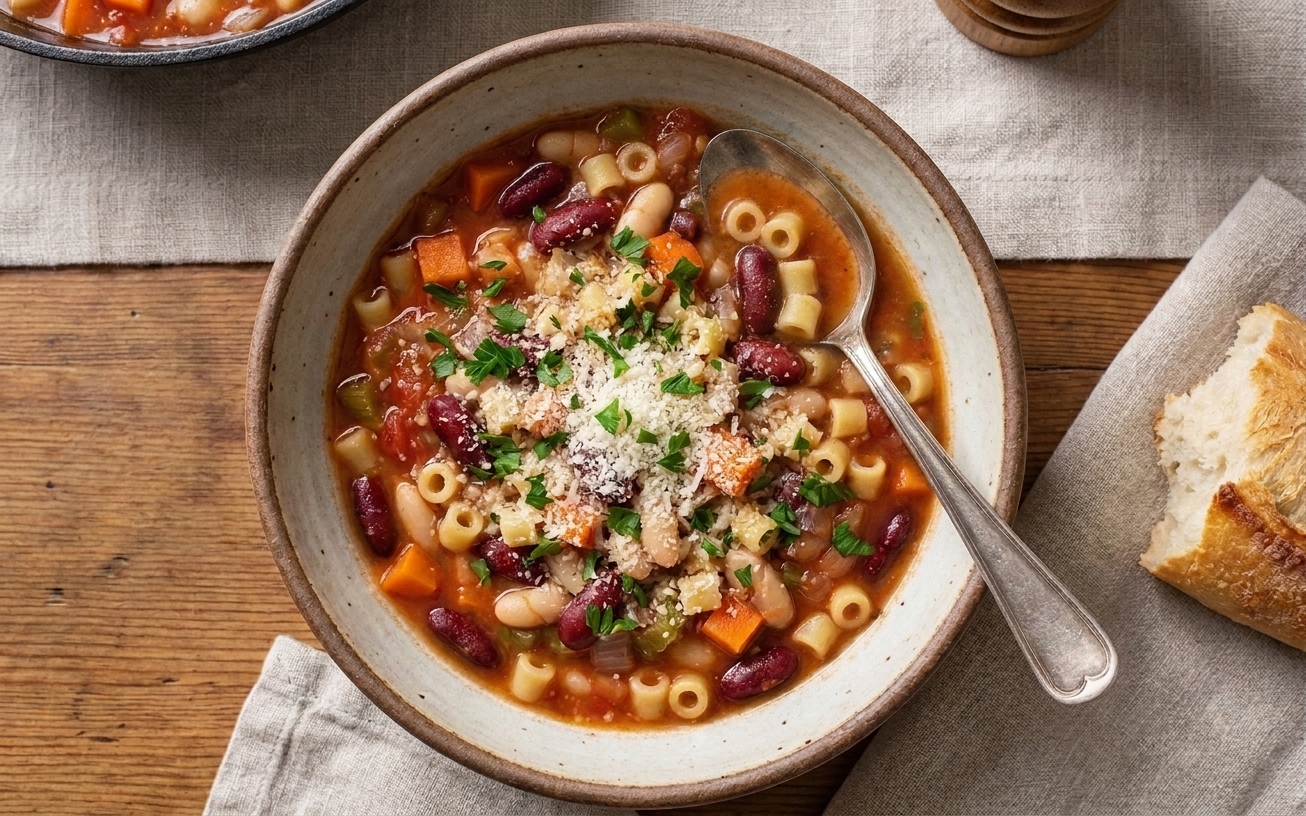
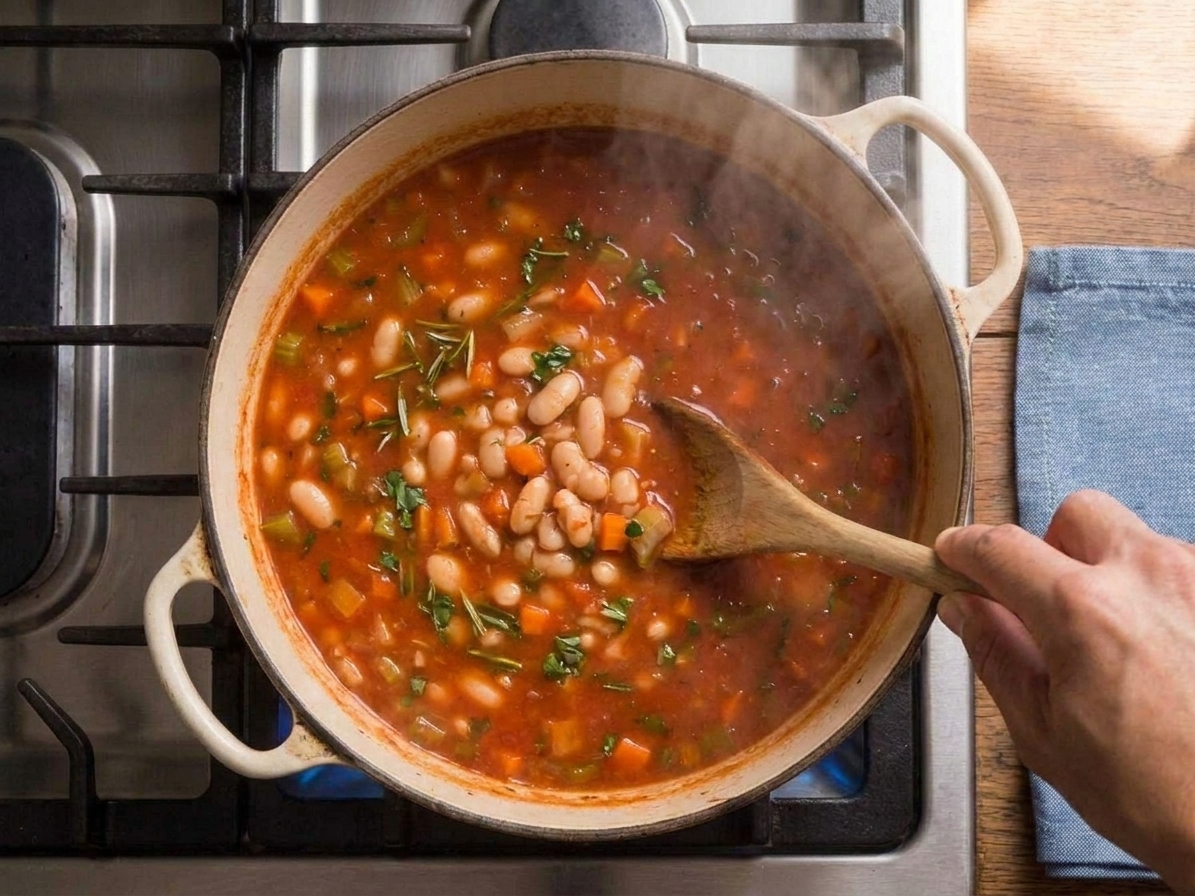
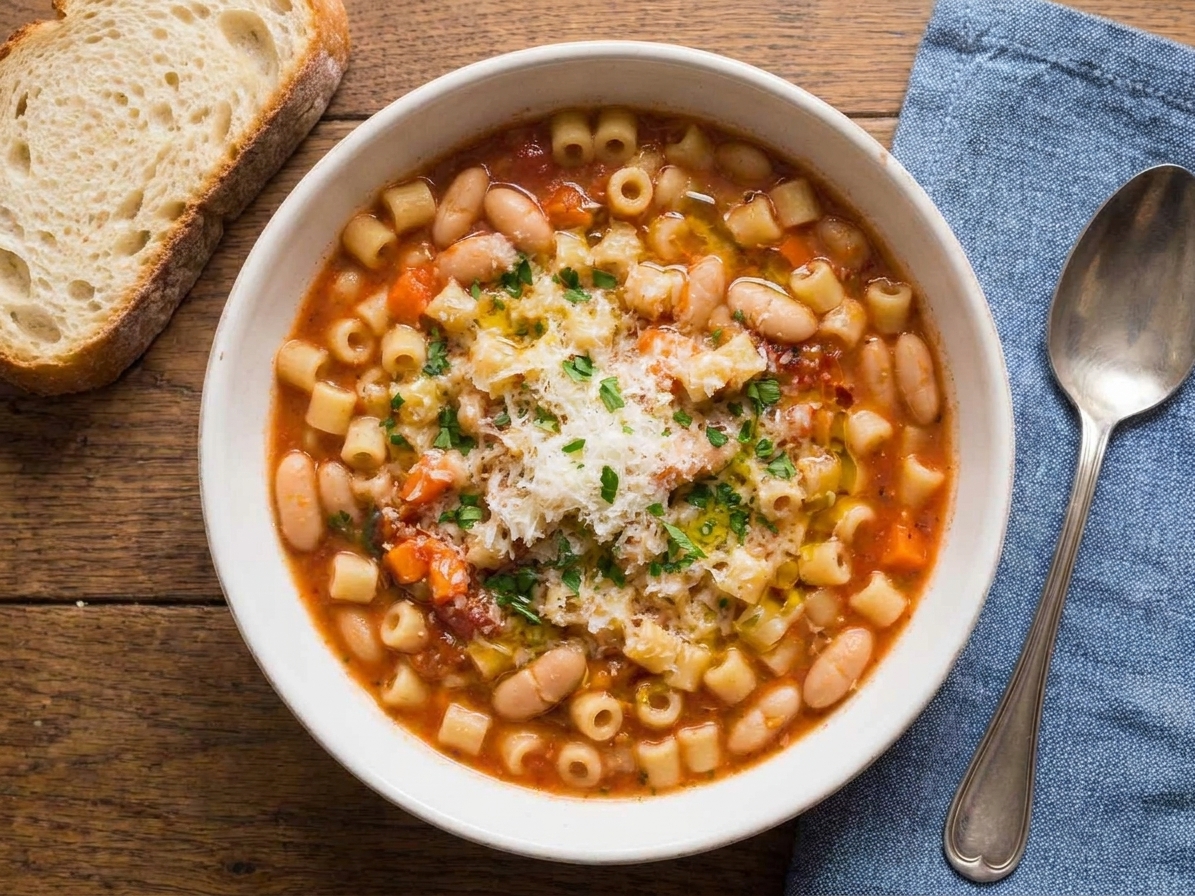
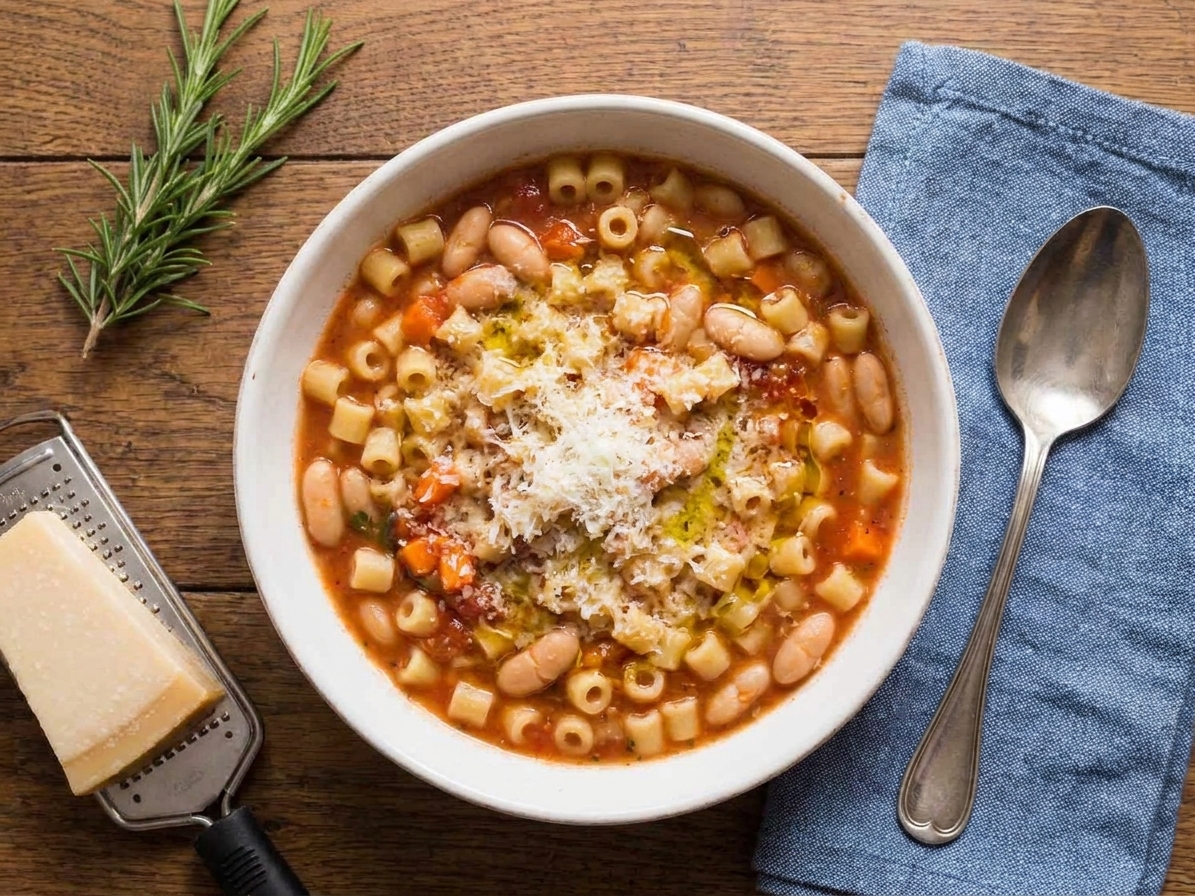
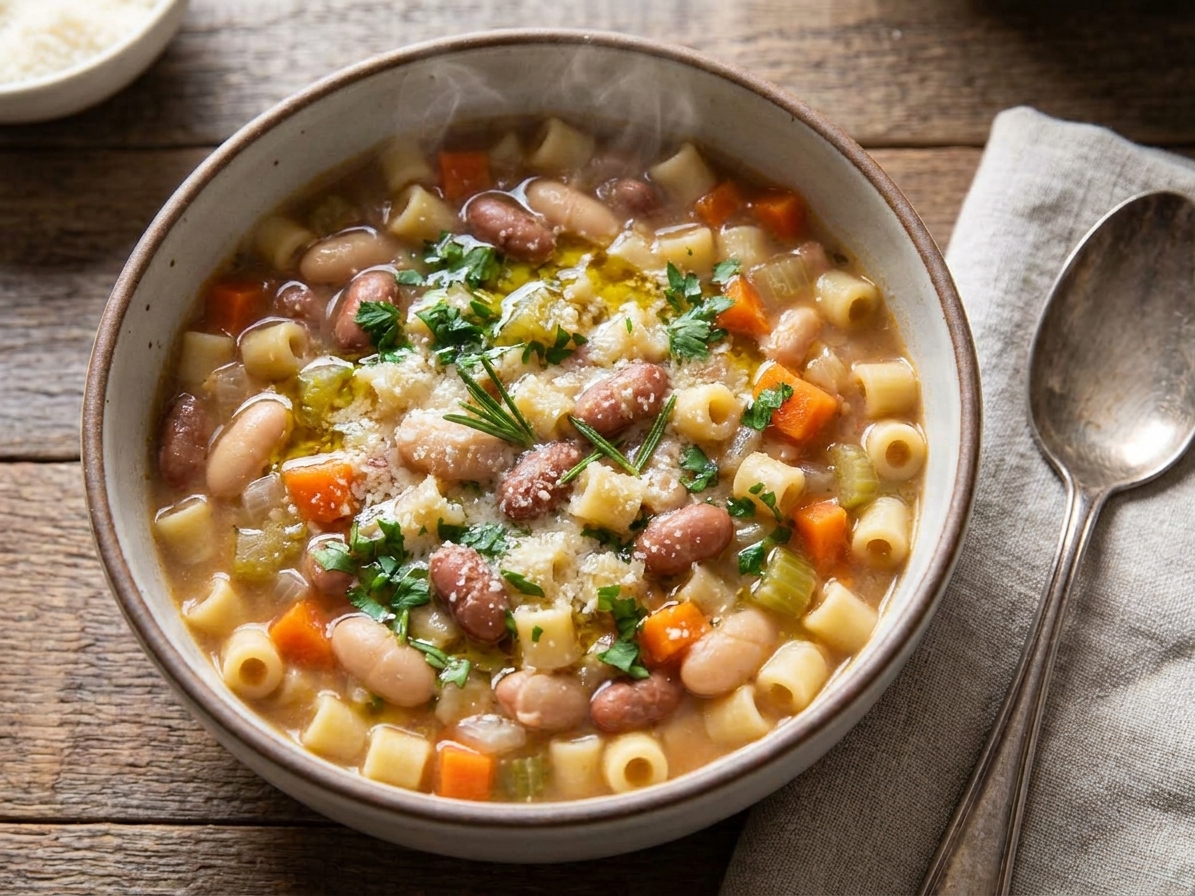
A rustic bowl of pasta e fagioli with ditalini pasta, cannellini beans, and a tomato-herb broth, finished with grated Parmesan and a drizzle of olive oil on a wooden table

Pasta e fagioli is the ultimate proof that humble ingredients can taste like you’ve been simmering something all day. It is beans, pasta, aromatics, and a tomato-kissed broth that somehow lands creamy and hearty at the same time. It’s also one of my favorite kinds of recipes: the ones that feel old-school and comforting, but still give you room to improvise without breaking the magic.

My version sticks to the traditional spirit and honors the fact that there are a lot of regional variations: some are more brothy, some are thicker, some lean more tomato, others more bean. What stays consistent is the slow build of flavor from a soffritto base (onion, carrot, celery), garlic that actually shows up, good beans, and pasta cooked just until tender. For that restaurant-style body without adding cream, I use a classic trick you’ll see in plenty of versions: mash a portion of the beans right in the pot. Cozy soup energy, upgraded.
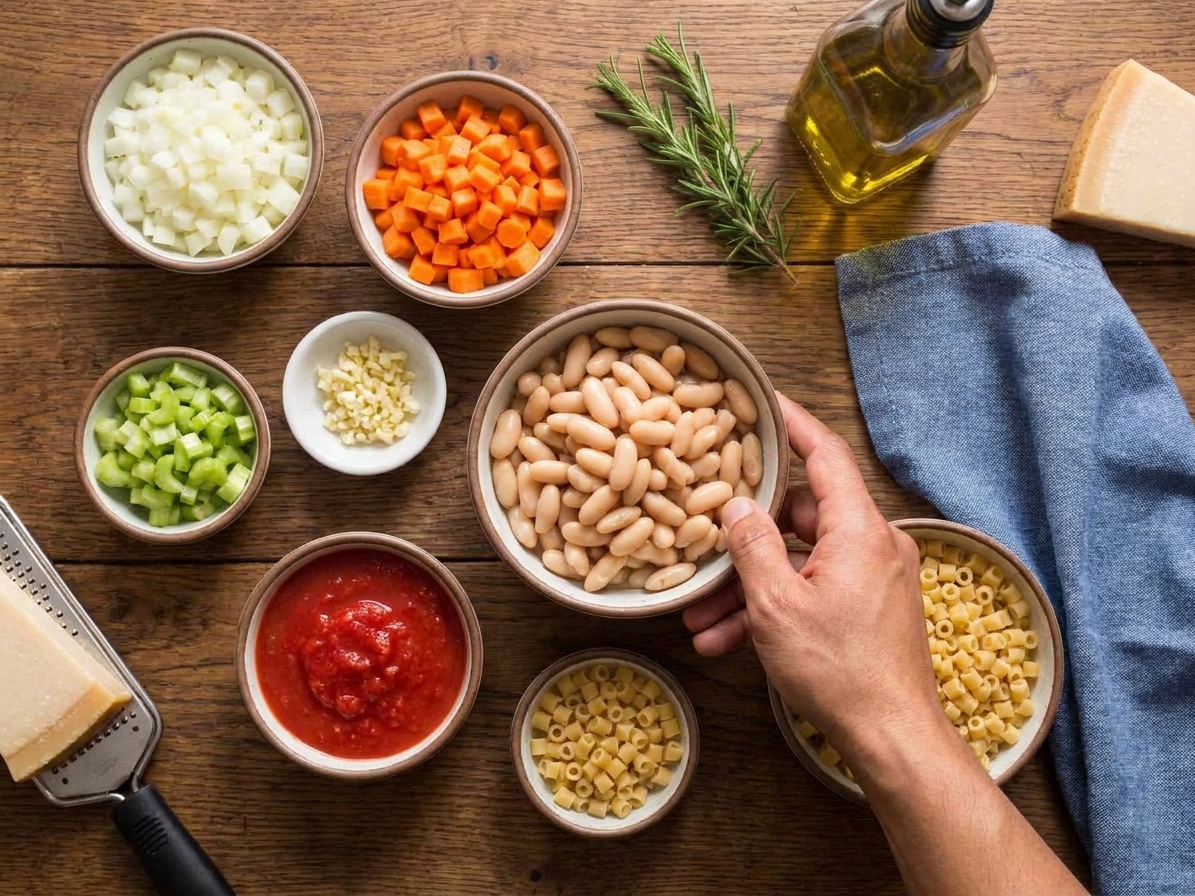
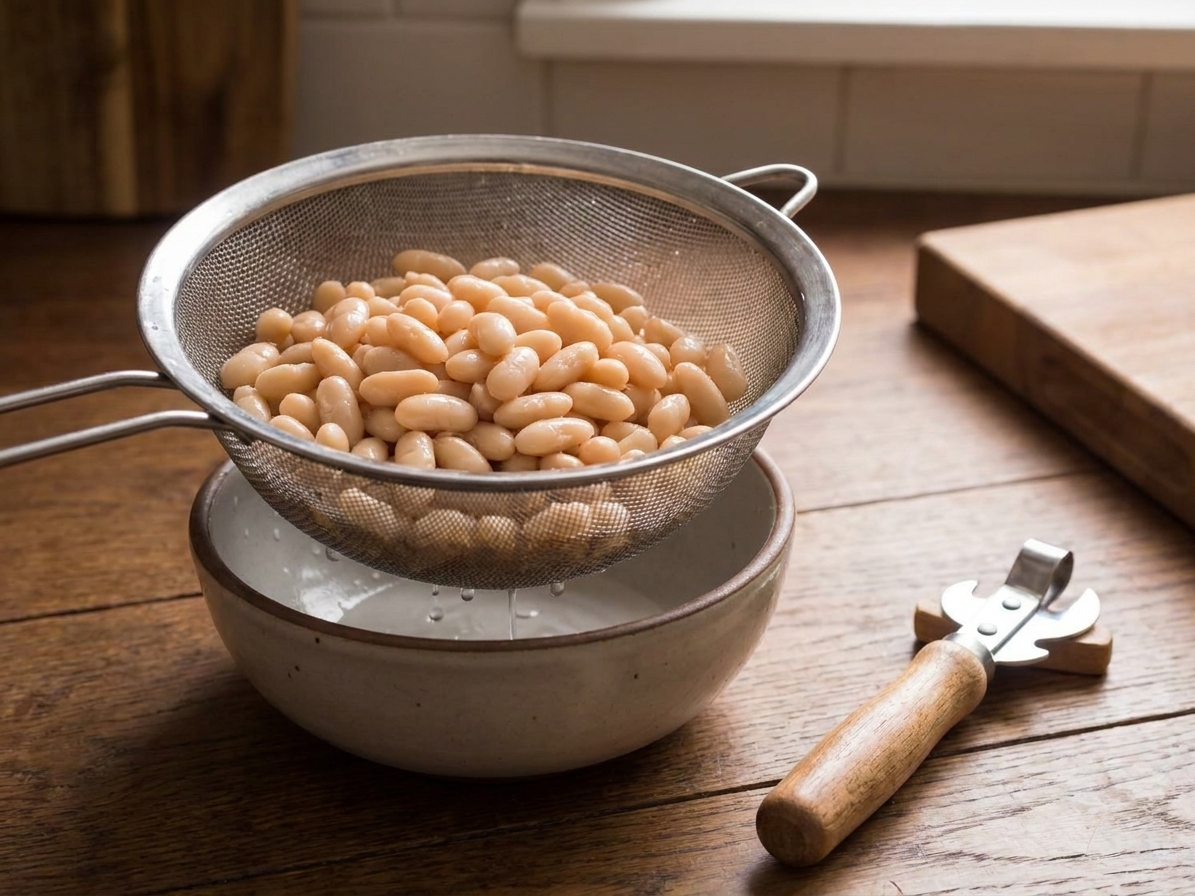
A kitchen counter with bowls of diced onion, carrot, and celery, minced garlic, canned cannellini beans, crushed tomatoes, ditalini pasta, rosemary, olive oil, and Parmesan ready for pasta e fagioli

Why It Works

  • Deep, savory flavor from a proper soffritto base (onion, carrot, celery) plus tomato and herbs.
  • Creamy broth without dairy by mashing some beans right in the pot.
  • Perfect pasta texture by cooking pasta separately or adding it at the end so it stays tender, not bloated.
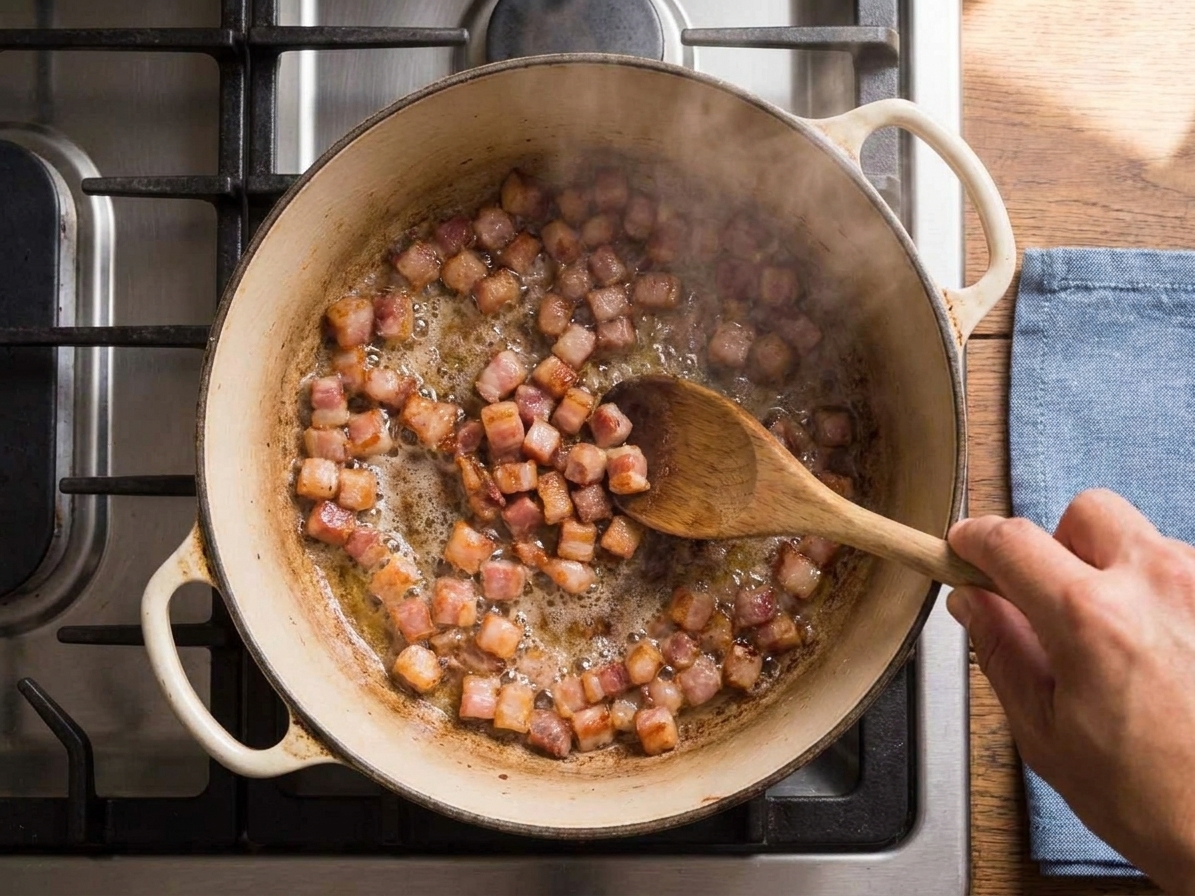
  • Flexible and pantry-friendly using canned beans and basic staples, with optional pancetta for extra richness.
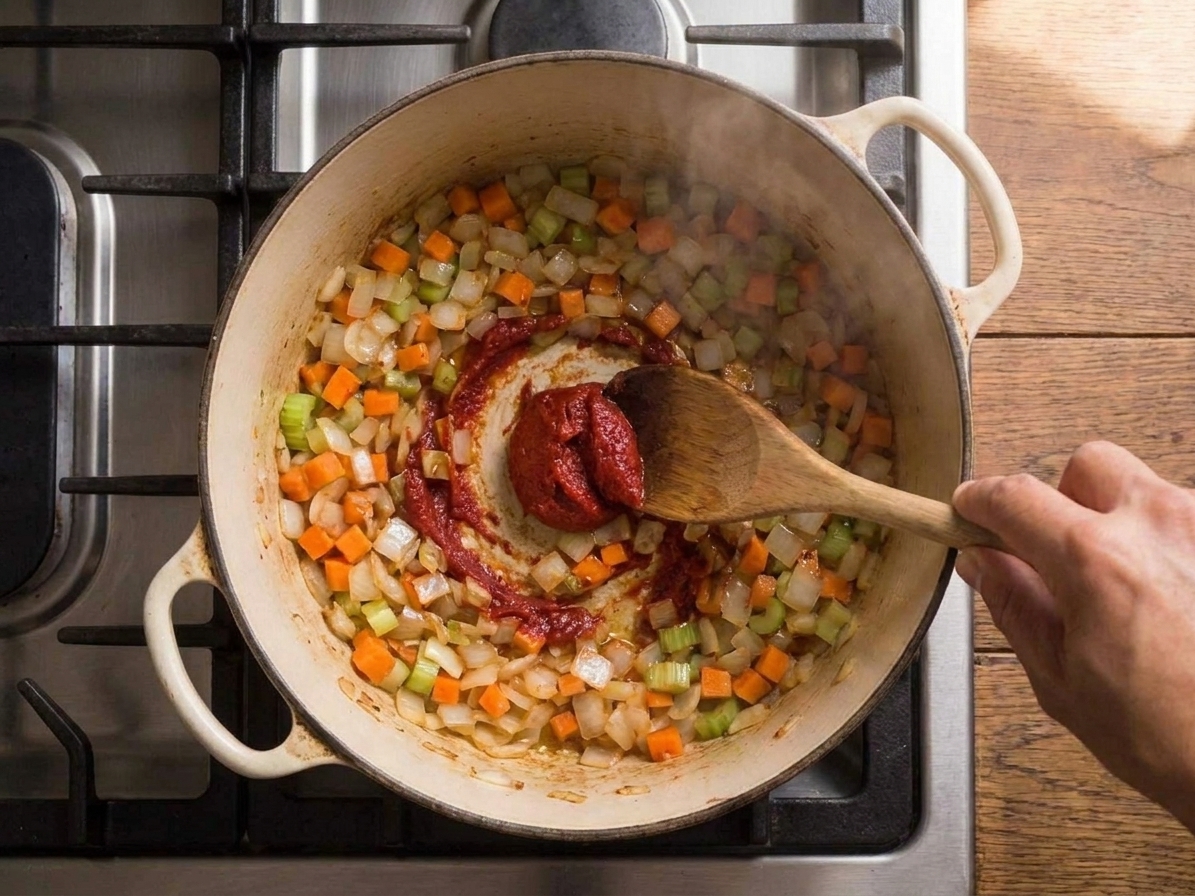
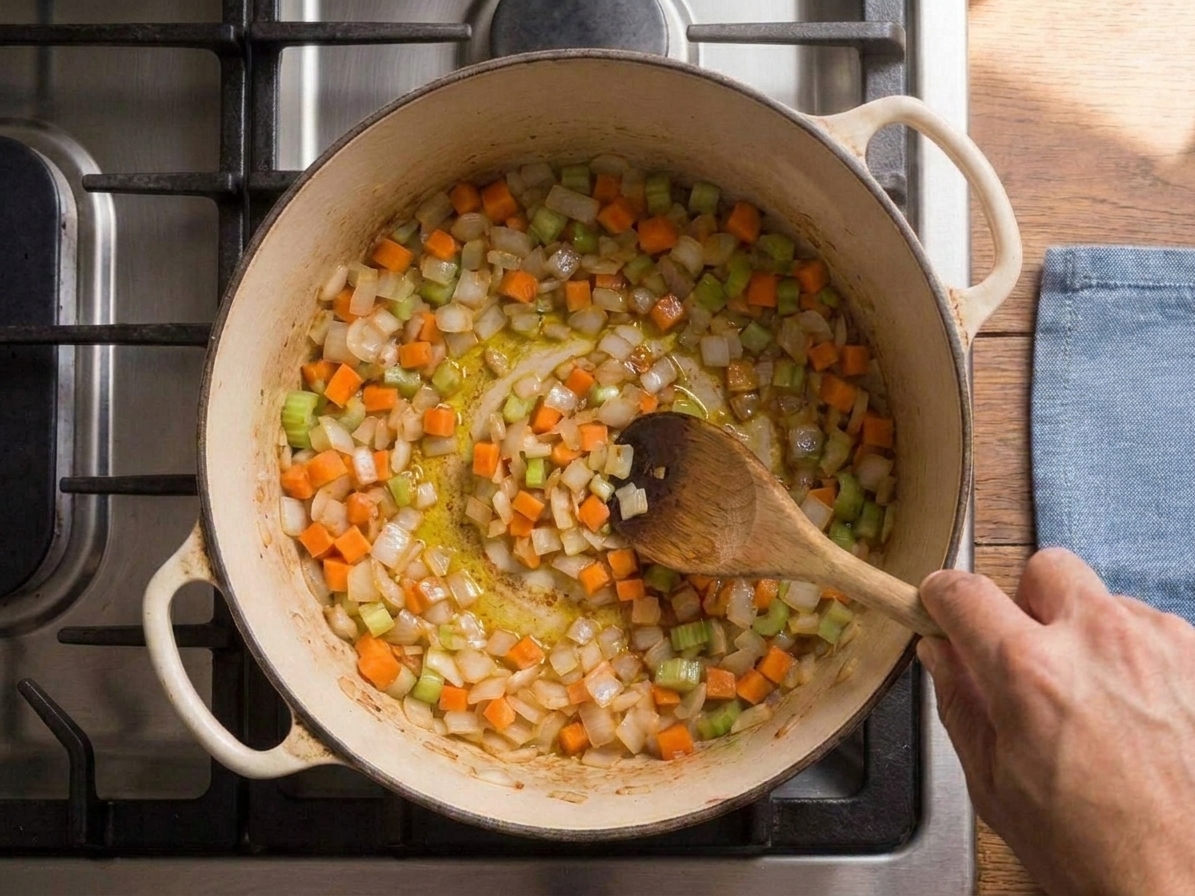
A close-up of diced onion, carrot, and celery sautéing in olive oil in a Dutch oven with a wooden spoon stirring

Pairs Well With

Storage Tips

Fridge: Store in an airtight container for 3 to 4 days. Pasta e fagioli thickens as it sits, and honestly that is part of the charm.

Best leftover move: If you can, store the pasta separately from the soup. The pasta keeps its bite and the soup stays brothy. If it is already mixed, no stress. Just add a splash of broth or water when reheating.

Freezer: Freeze the soup base (without pasta) for up to 3 months. Thaw overnight in the fridge, reheat gently, then cook pasta fresh and stir it in.

Reheating: Warm on the stove over medium-low, stirring often. Add liquid as needed. Finish with olive oil and Parmesan to wake everything back up.

A glass meal prep container filled with pasta e fagioli, with a small container of cooked ditalini beside it on a kitchen counter

Common Questions

Is pasta e fagioli supposed to be thick or brothy?

Both exist. Traditionally it can be thick and rustic, almost stew-like, especially after it sits. If you prefer it brothy, add more stock and cook the pasta separately so it does not soak up the whole pot.

What beans are traditional?

Cannellini beans are very common, and borlotti beans show up a lot in Italy too. Great Northern beans work well as a similar swap. The key is creamy beans, not crunchy.

Do I have to use pancetta?

Nope. It is optional. Olive oil plus a good soffritto builds plenty of flavor. If you want extra savory depth without meat, add a teaspoon of miso or simmer with a Parmesan rind.

What pasta shape works best?

Small shapes: ditalini is classic, but small shells, tubetti, or even broken spaghetti work. Pick something that scoops well and feels spoon friendly.

Why did my pasta e fagioli turn mushy?

Usually the pasta cooked too long in the soup, or it sat in the broth overnight. Cook pasta separately for the cleanest texture, or add it near the end and serve right away.

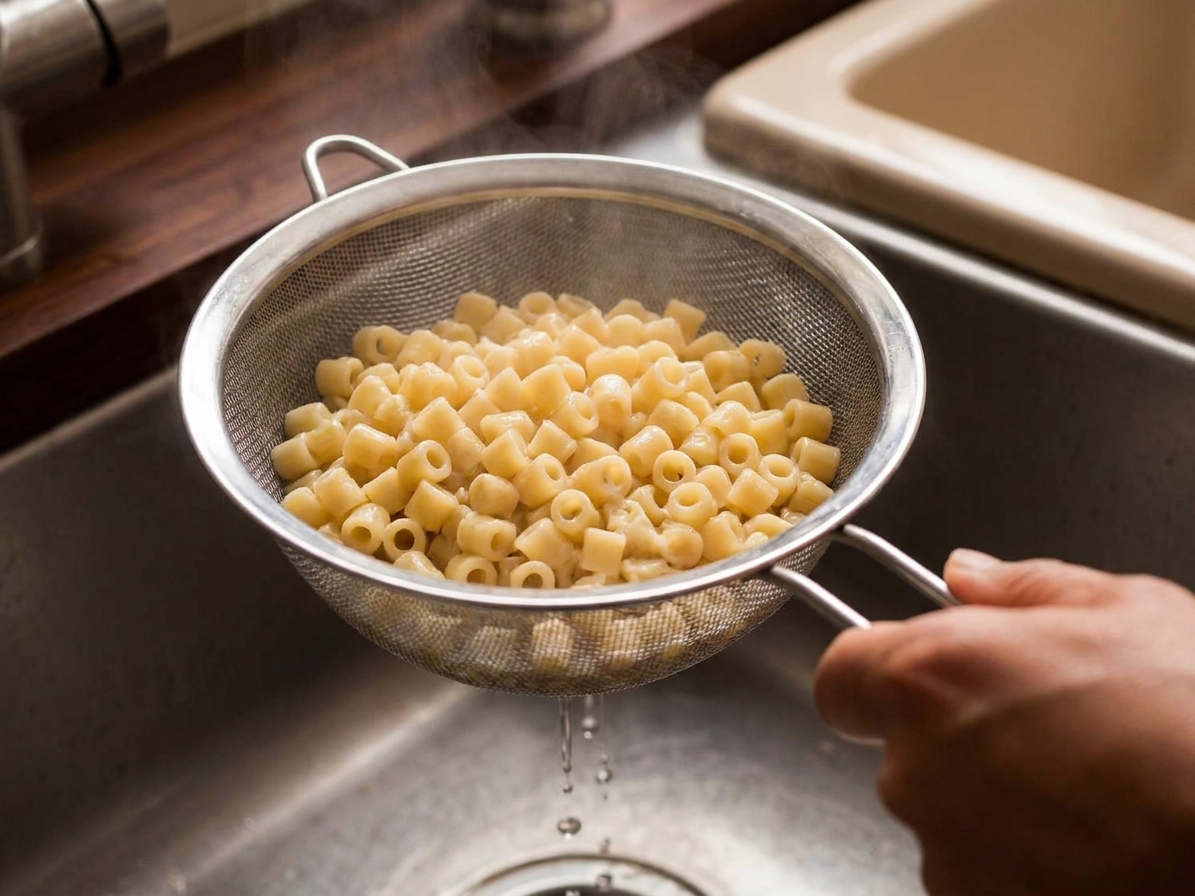
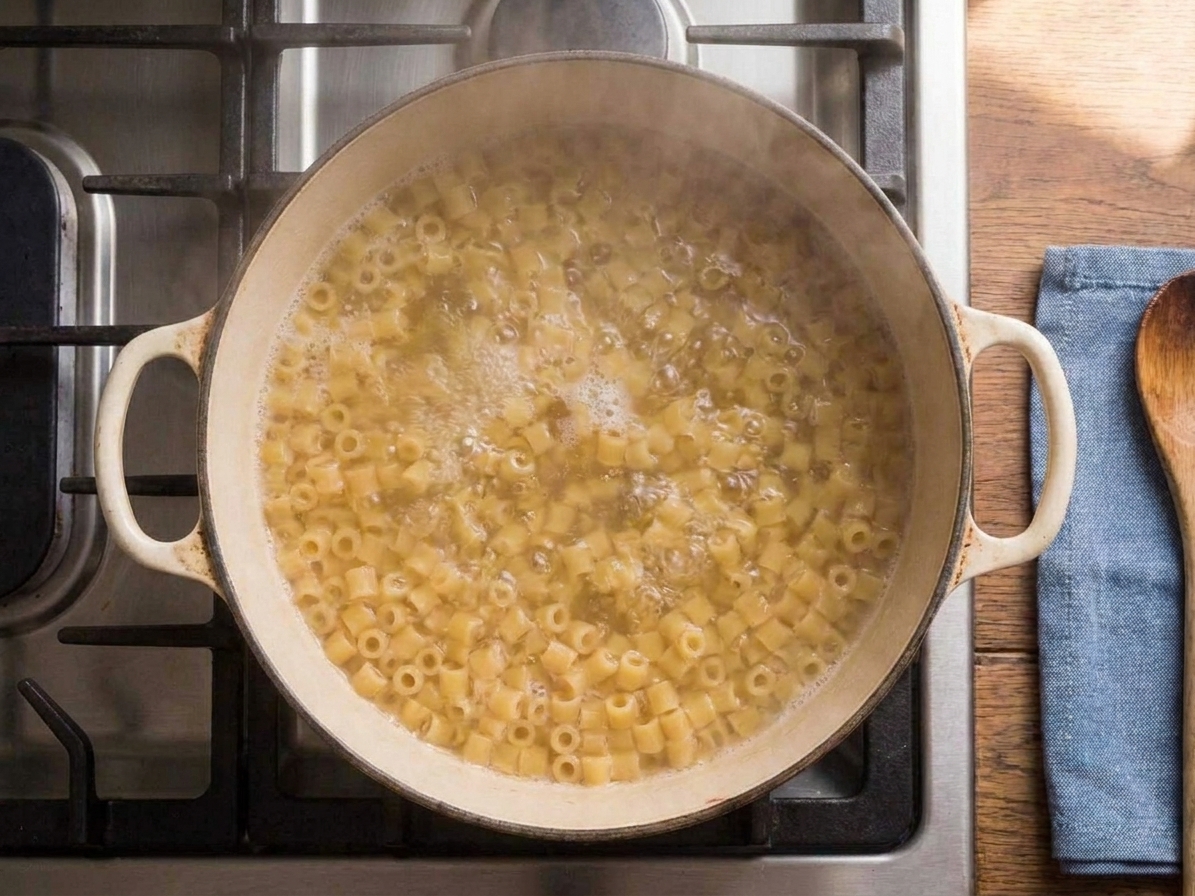
A close-up of cooked ditalini pasta draining in a fine-mesh strainer over a sink

The first time I really got pasta e fagioli was on a cold night when I was determined to make something comforting without a grocery-store scavenger hunt. Beans, pasta, tomatoes, a half-forgotten carrot, and a proper soffritto base later, I had a pot that tasted like it belonged on somebody’s Nonna’s stove. Now it’s my go-to when I want dinner to feel like a warm hoodie: not fancy, not fussy, just deeply right.