What kind of clams should I use?
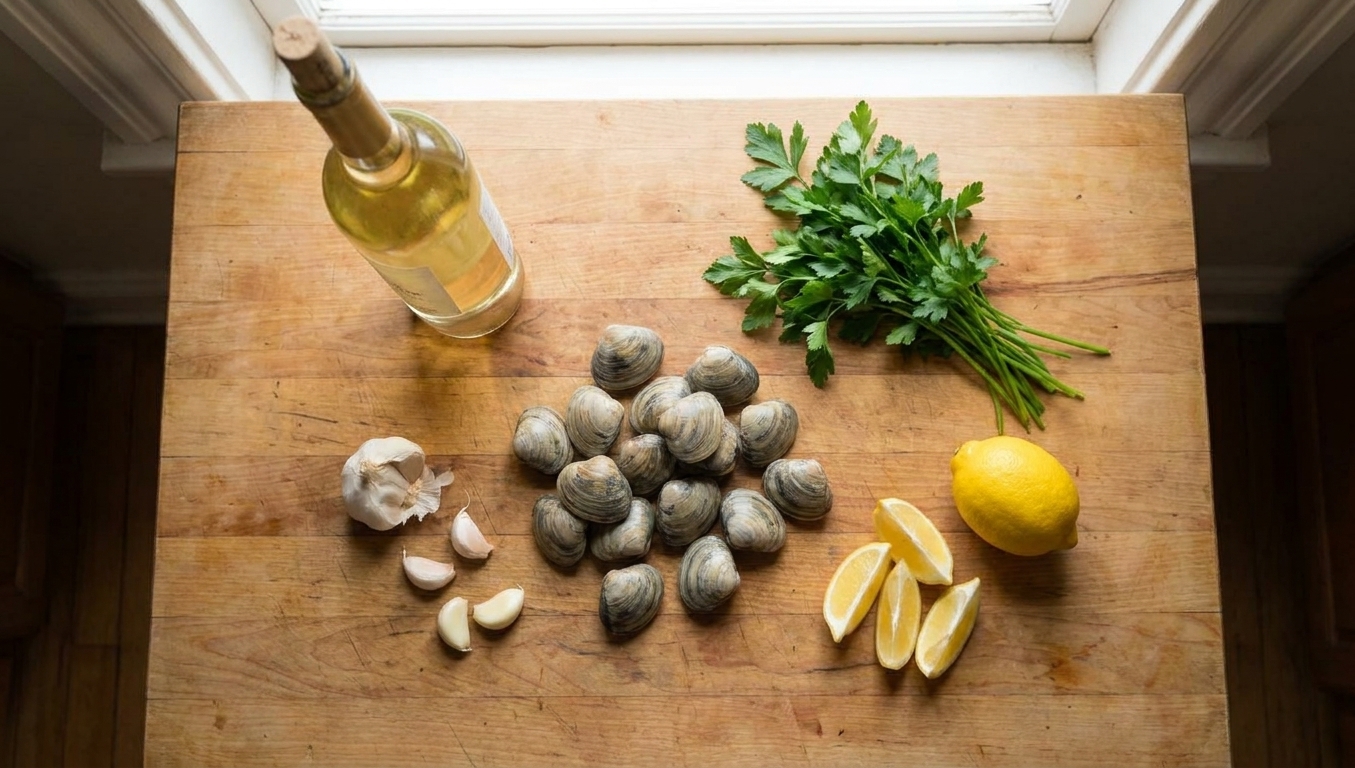
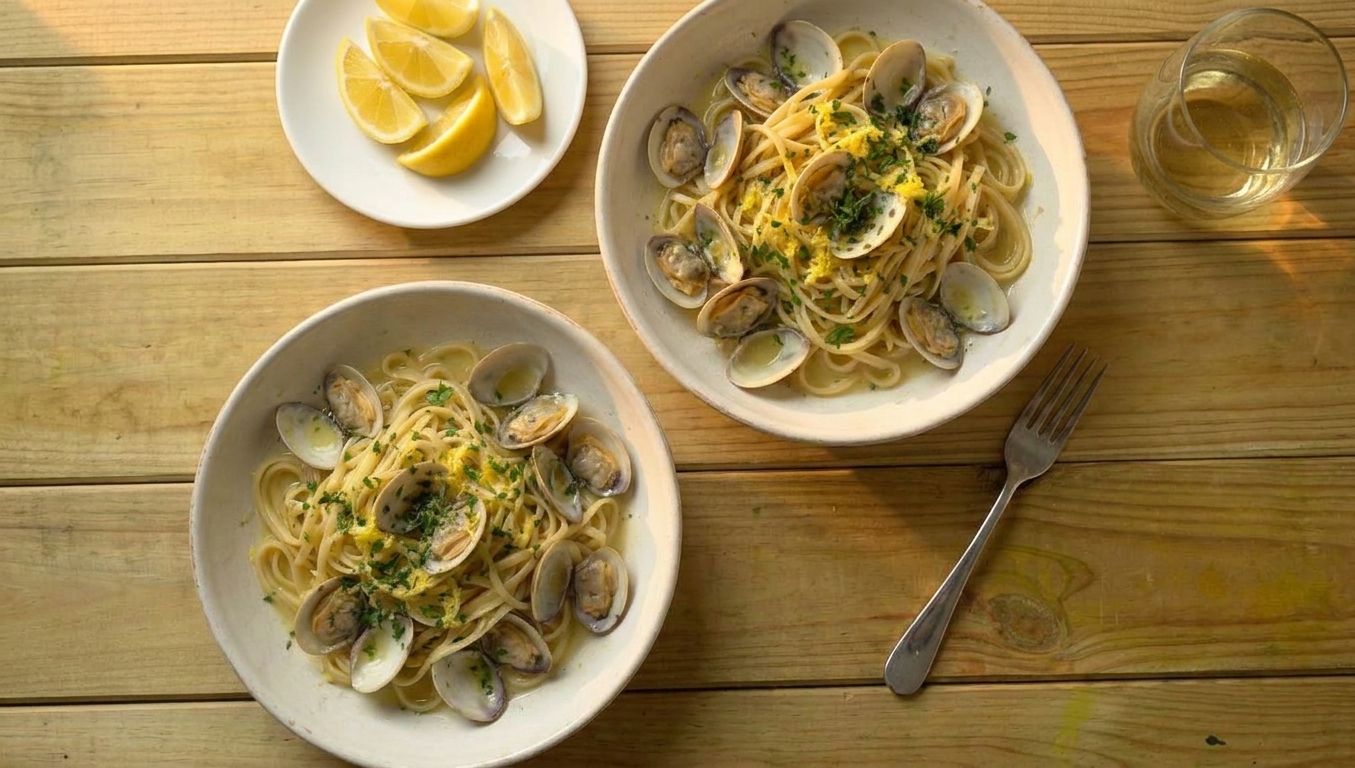
Littleneck clams are my favorite for this: small, sweet, and quick-cooking. Manila clams are also great. If your clams are larger (like cherrystones), expect a longer steaming time and a chewier bite.
How do I clean clams so there is no grit?
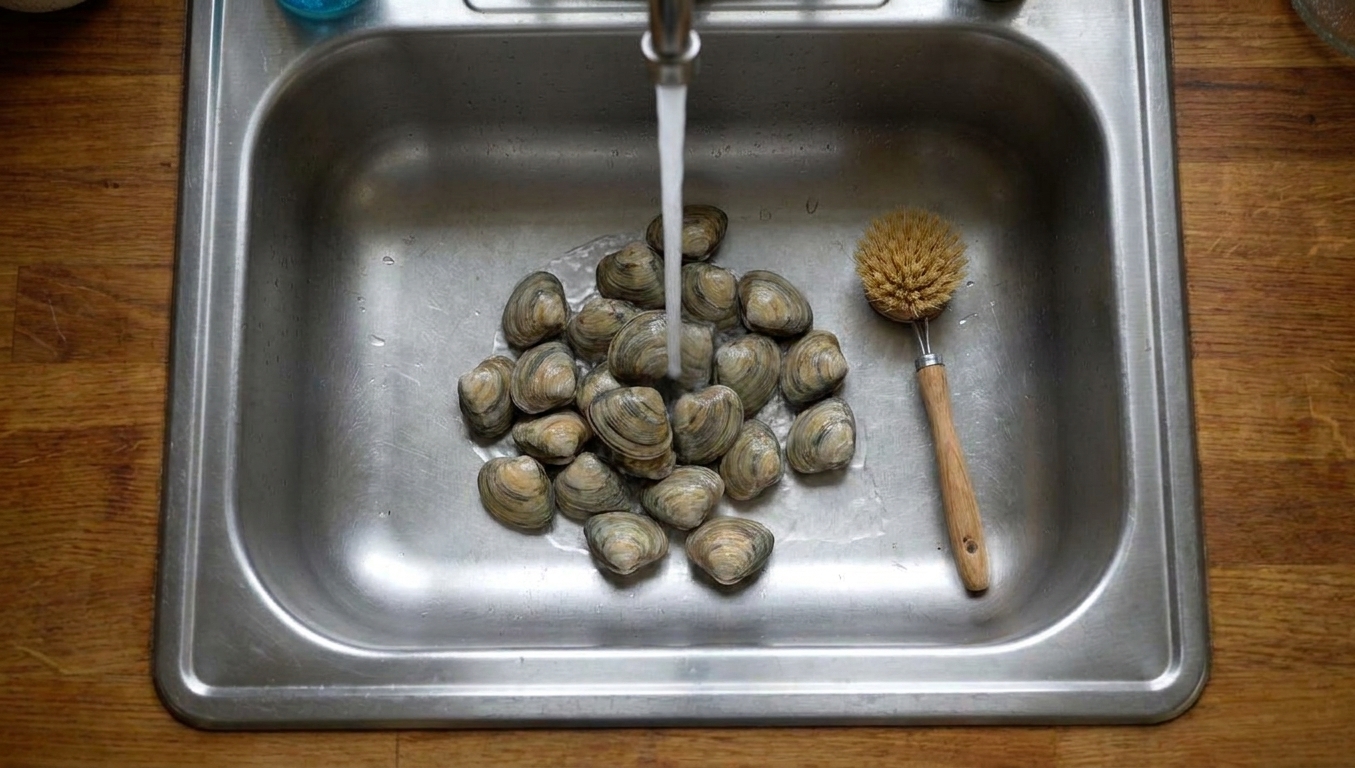
Rinse them, then soak in a big bowl of cold water with salt for 20 to 30 minutes to help them purge. This can reduce grit, but very sandy clams may need a longer soak or a second change of water. Lift clams out of the bowl instead of dumping, so you leave sand behind.
What if some clams do not open?
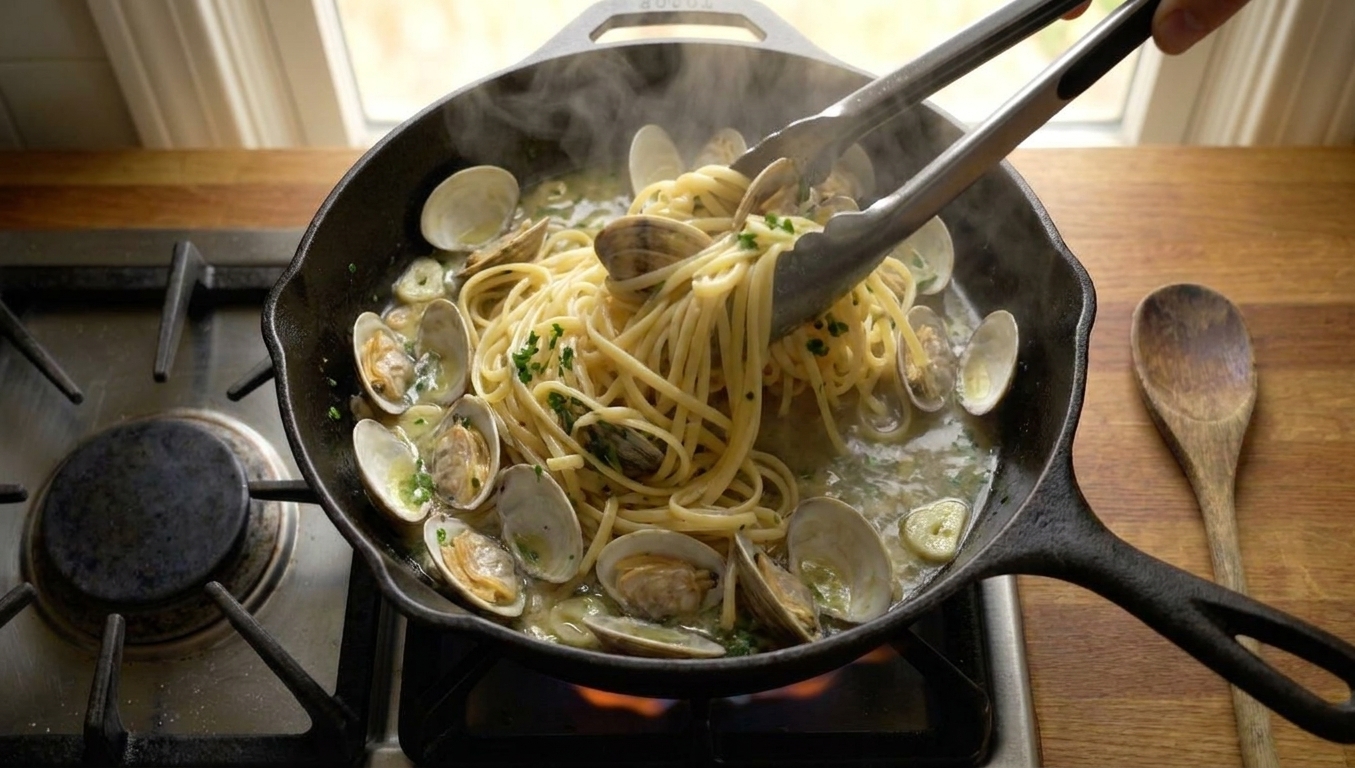
Transfer opened clams to a bowl so they do not overcook. Cover the pan again for 1 to 2 minutes for any stubborn ones. Discard any clams that stay closed after cooking. Also toss any with cracked shells before cooking.
Can I make linguine and clams without wine?
Yes. Swap the wine for clam juice, seafood stock, or chicken broth plus 1 to 2 teaspoons of lemon juice or a small splash of white wine vinegar at the end to bring back brightness.
Can I use frozen or canned clams?
Yes, with a small adjustment. Use frozen clam meat (thawed) or canned clams (with some of their juice). Skip the steaming step. Build the sauce, then add the clam meat at the very end just to warm through so it stays tender. The flavor is different from live clams, but still very weeknight-friendly.
Is it okay to add cheese?
Traditionally, no. Personally, I am not calling the police. If you want something savory on top, try toasted breadcrumbs with lemon zest and parsley instead.
What if my sauce is too salty or too briny?
This can happen if your clams are very briny and you also add clam juice. Loosen with a splash of unsalted pasta water, add a little more butter, and brighten with more lemon. Also go easy on salting the sauce until the end.