Mom's Best Recipes
Recipe

Mabo Tofu

Silky tofu, savory pork, and a glossy spicy sauce you will want to spoon over everything.

Author By Matt Campbell
4.8
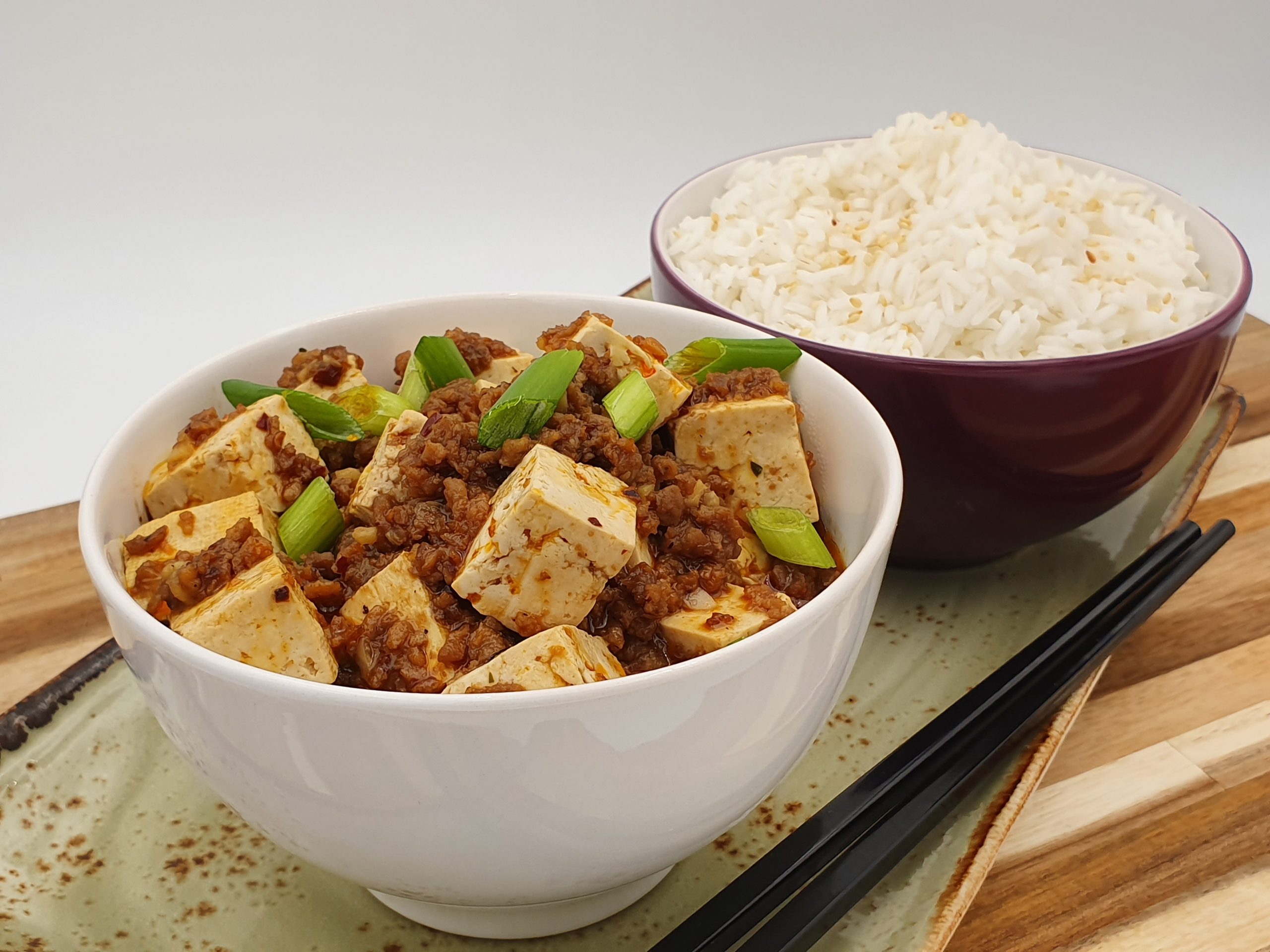
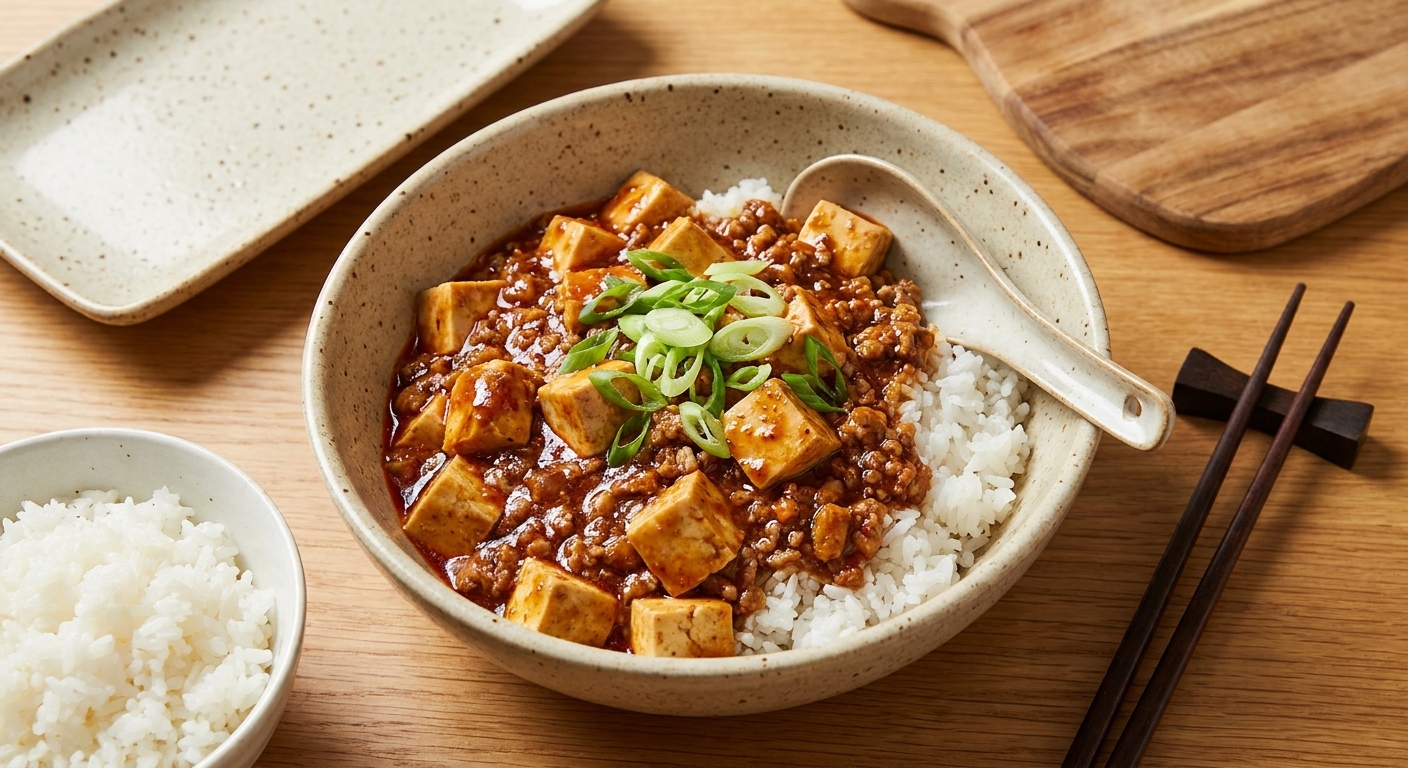
A steaming bowl of mabo tofu with silky tofu cubes in a glossy red-brown sauce, topped with scallions, served with a bowl of white rice on a warm kitchen table

Mabo tofu is one of those dishes that makes you feel like you just hacked dinner. You get silky tofu, a little meaty savor, and a chili-bean sauce that clings to every cube like it has a personal mission.

This is my home-kitchen version: bold, cozy, and realistic for a Tuesday. No mystery steps, no specialty gear, and no shame if you dial the heat up or down depending on who is eating.

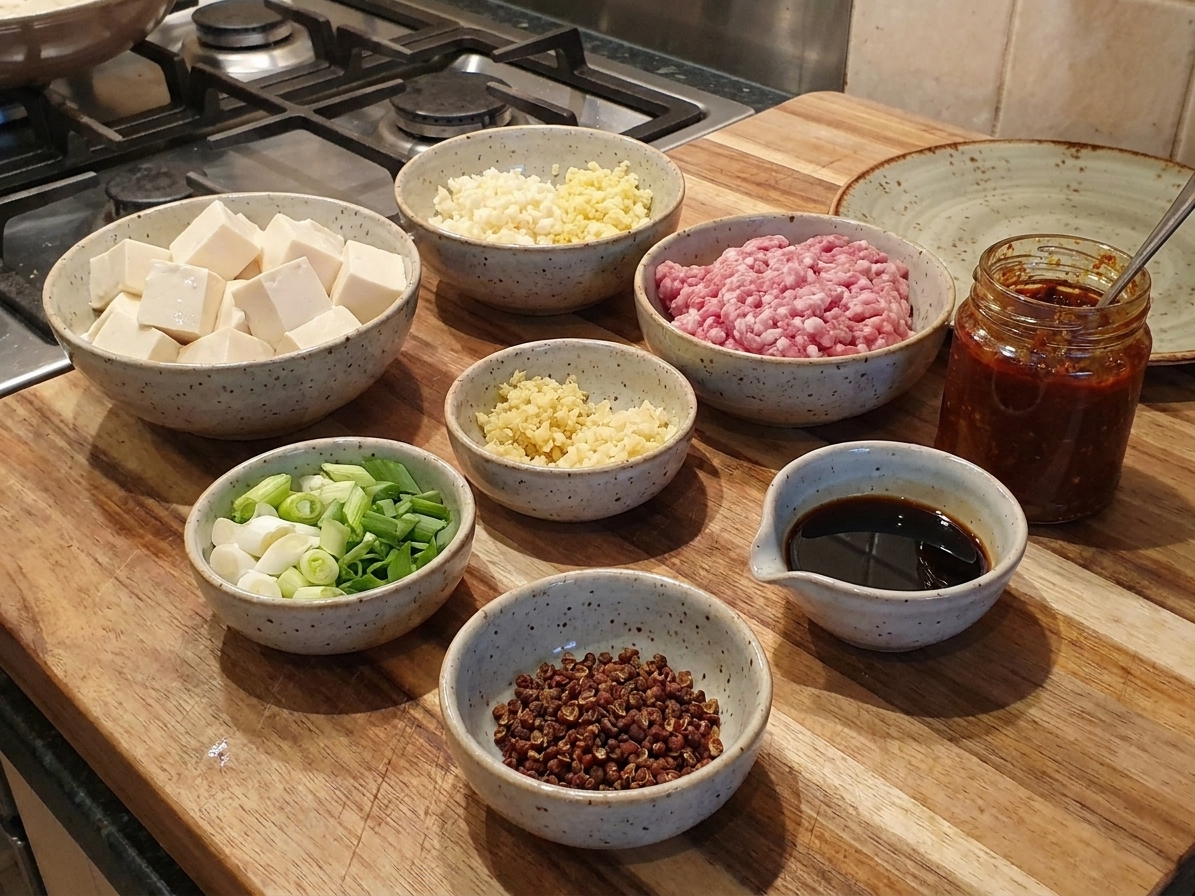
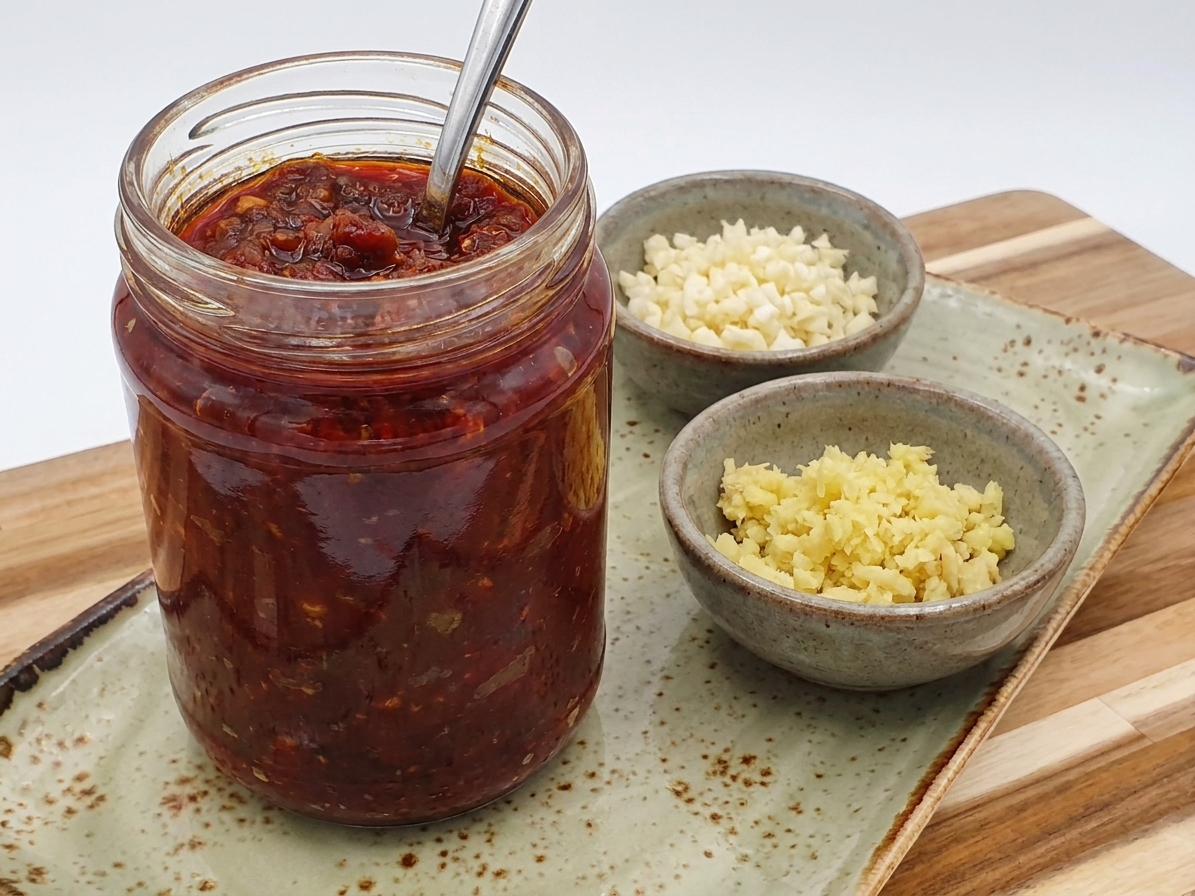
A home kitchen counter with tofu, ground pork, garlic, ginger, scallions, doubanjiang, soy sauce, and Sichuan peppercorns laid out in small bowls before cooking

Why It Works

  • Big flavor, fast: Doubanjiang (fermented chili broad bean paste) plus aromatics builds a deep, restaurant-style base in minutes.
  • Silky tofu that stays intact: A gentle simmer and careful stirring keeps the cubes tender, not crumbled.
  • Glossy, spoonable sauce: A simple cornstarch slurry gives you that clingy finish that makes rice mandatory.
  • Flexible heat: You control the spice with doubanjiang, chili oil, and peppercorns, so it can be family-friendly or extra bold.

Pairs Well With

Storage Tips

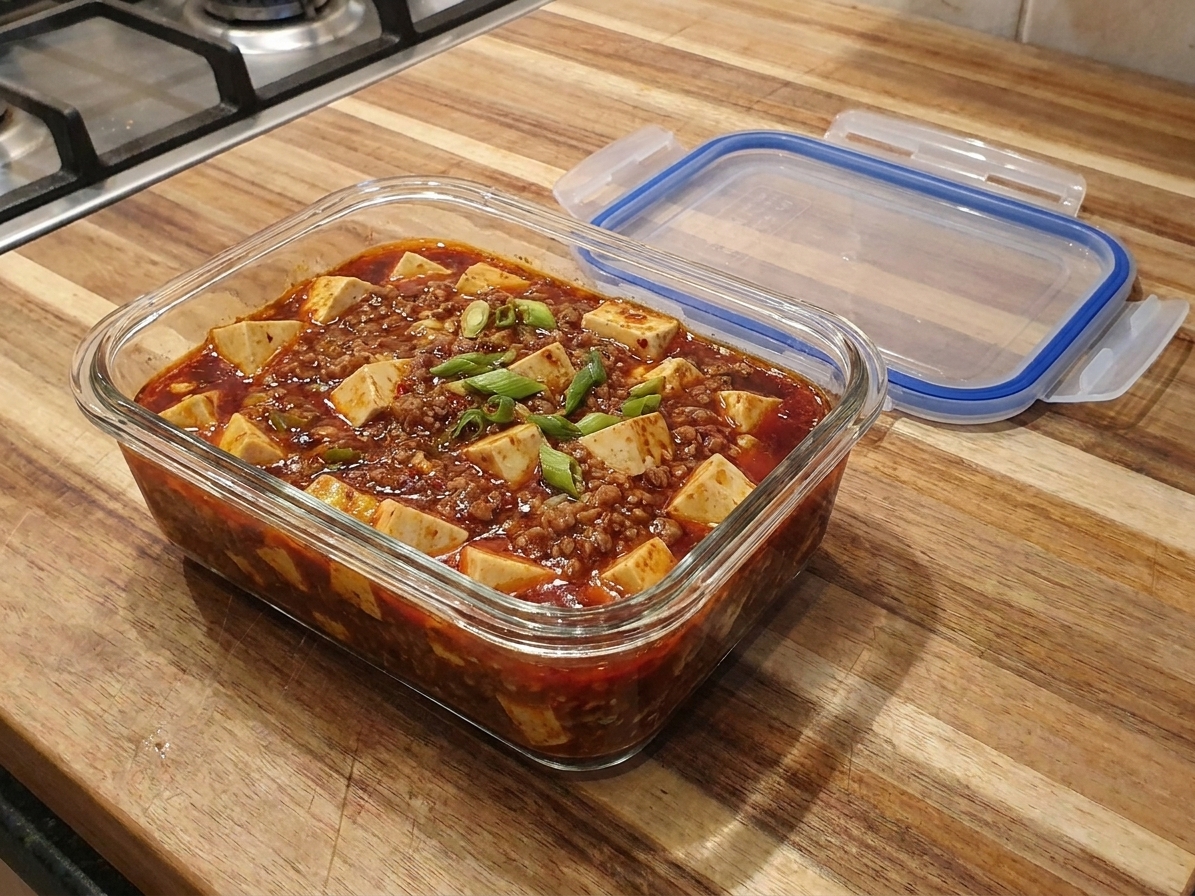
Fridge: Store leftovers in an airtight container for up to 3 days. The sauce thickens as it sits, which is honestly kind of great.

Reheat: Warm gently in a skillet or saucepan over medium-low with a splash of water or broth to loosen. Stir with a spoon and keep it gentle so the tofu stays in cubes.

Freezer: You can freeze it, but tofu changes texture and becomes spongier and chewier. Some people love that. If you do freeze, thaw overnight in the fridge and reheat gently.

A glass meal prep container filled with leftover mabo tofu, sauce settled and glossy, with a snap-on lid sitting beside it on a kitchen counter

Common Questions

Is mabo tofu the same as mapo tofu?

Not exactly. Mapo tofu is the original Sichuan dish (麻婆豆腐). Mabo or maabo tofu is commonly used for the Japanese reading and home-style adaptation (often written マーボー豆腐). They share the same idea (tofu, savory meat, chili-bean sauce), but the Japanese-style versions can be a little sweeter, less numbing, and sometimes milder. This recipe is mapo-inspired, weeknight-friendly, and you can absolutely dial the heat and the tingle to match your crowd.

What if I cannot find doubanjiang?

Doubanjiang is the signature flavor, so it is worth hunting down. If you are stuck, mix 1 tablespoon miso with 1 tablespoon chili garlic sauce (or sambal) as a quick backup. The flavor will be different, but still tasty.

How do I keep tofu from breaking?

Use medium or firm tofu, cut into larger cubes, and simmer gently. Stir by nudging the sauce around the tofu instead of stirring like you are making oatmeal.

Can I use soft or silken tofu?

Yes. For the most traditional silky texture, use soft tofu (or silken). Just know it is more delicate. Keep the simmer gentle, and spoon sauce over the top instead of stirring much.

Is this super spicy?

It can be. Doubanjiang varies a lot by brand. If you are not sure, start with 1 to 2 tablespoons, simmer, then add more to taste. You can also add chili oil at the end to control the heat.

How do I get more of that numbing Sichuan “tingle”?

If you have whole Sichuan peppercorns, toast them in a dry pan for 30 to 60 seconds until fragrant, then grind. Add a pinch at the end so the aroma stays bright. (Ground works too, but fresh-toasted is next-level.)

Can I make it vegetarian?

Yes. Swap the pork for finely chopped mushrooms (shiitake or cremini) and use vegetable broth. You still get a rich, savory sauce.
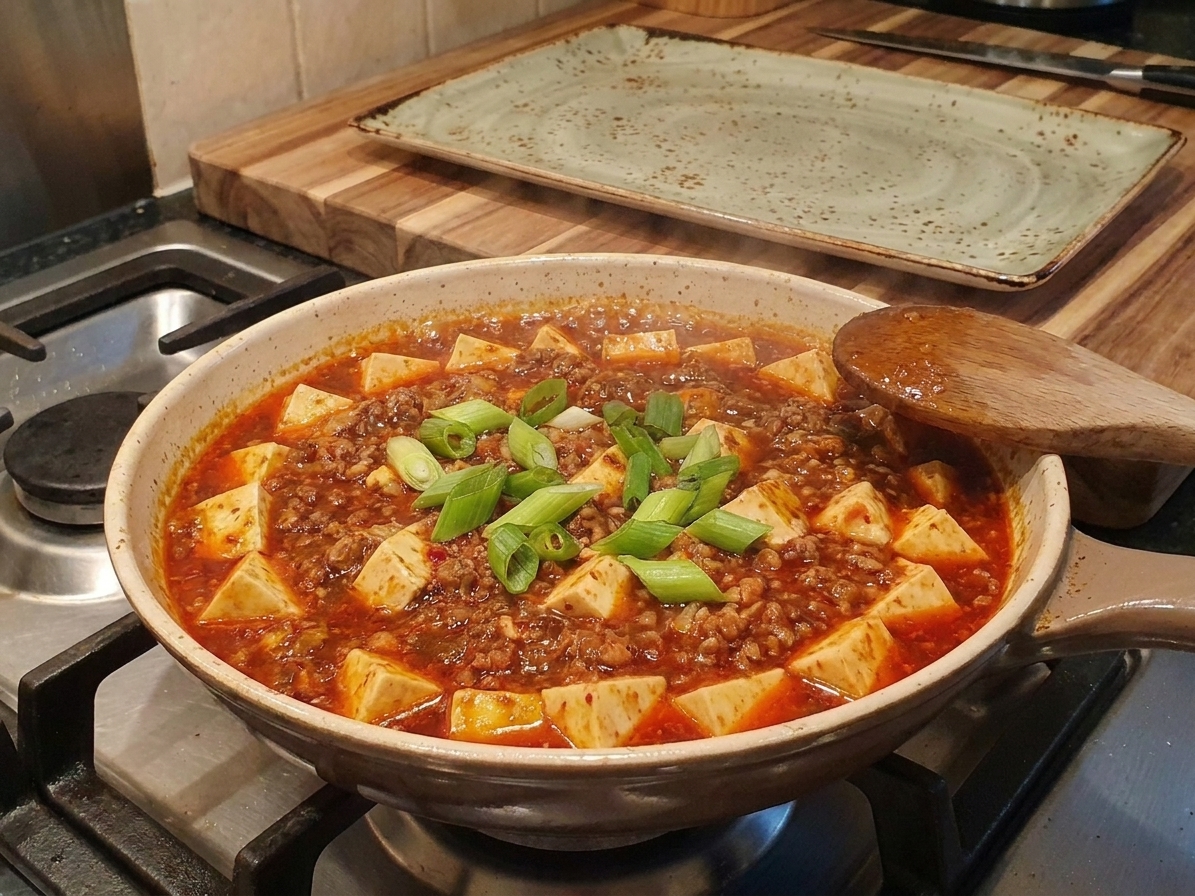

A skillet on a stovetop with mabo tofu gently simmering, tofu cubes visible in a glossy spicy sauce while a wooden spoon rests on the edge

The first time I made mabo tofu at home, I treated tofu like it was fragile glass and still managed to smash half of it by stirring too aggressively. Lesson learned. Now I cook it like I am trying not to wake a sleeping cat: gentle, patient, and very respectful.

It has become one of my favorite “I want something bold but I do not want a sink full of dishes” dinners. The sauce is the real star. It is spicy, salty, a little funky in the best way, and it makes plain rice feel like it finally got invited to the party.

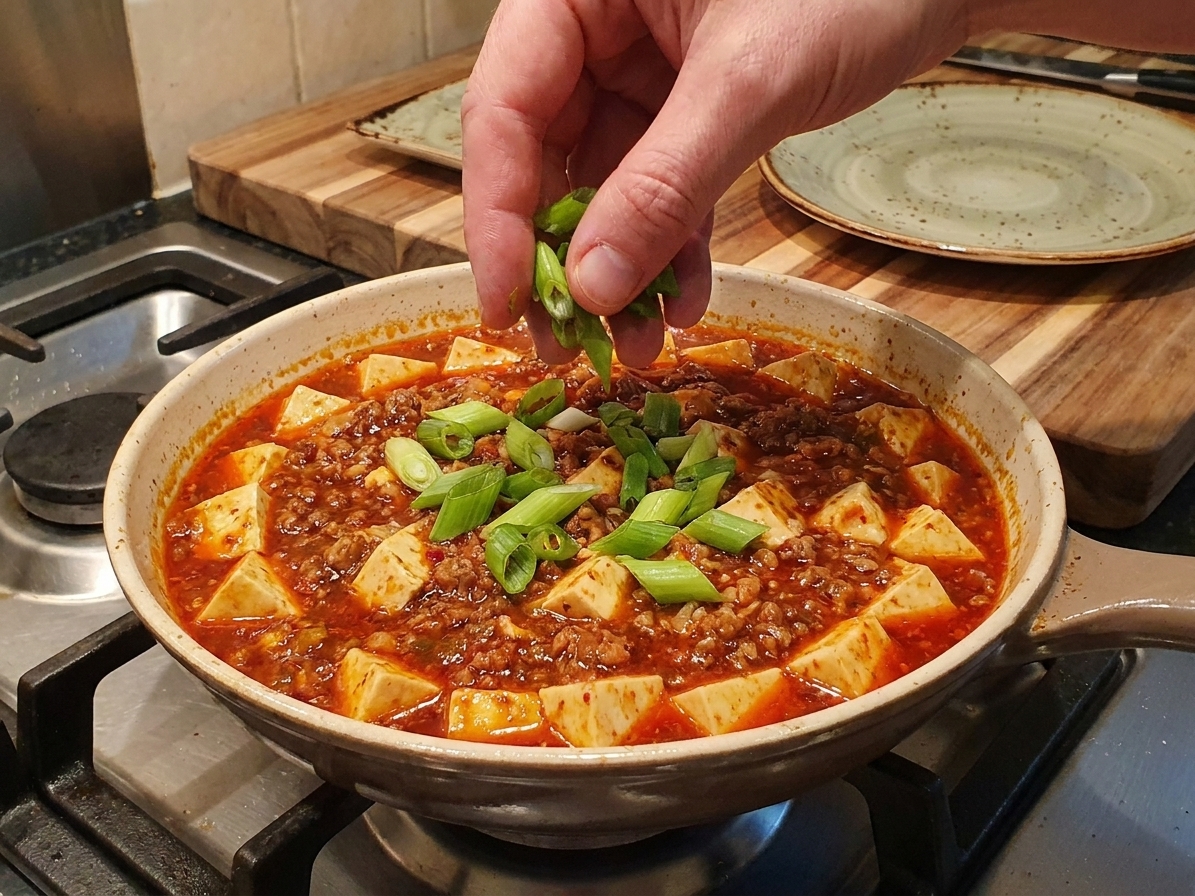
A close-up of hands sprinkling sliced scallions over a pan of finished mabo tofu on a stovetop, warm kitchen lighting