Mom's Best Recipes
Recipe

Mac and Cheese Cream Sauce

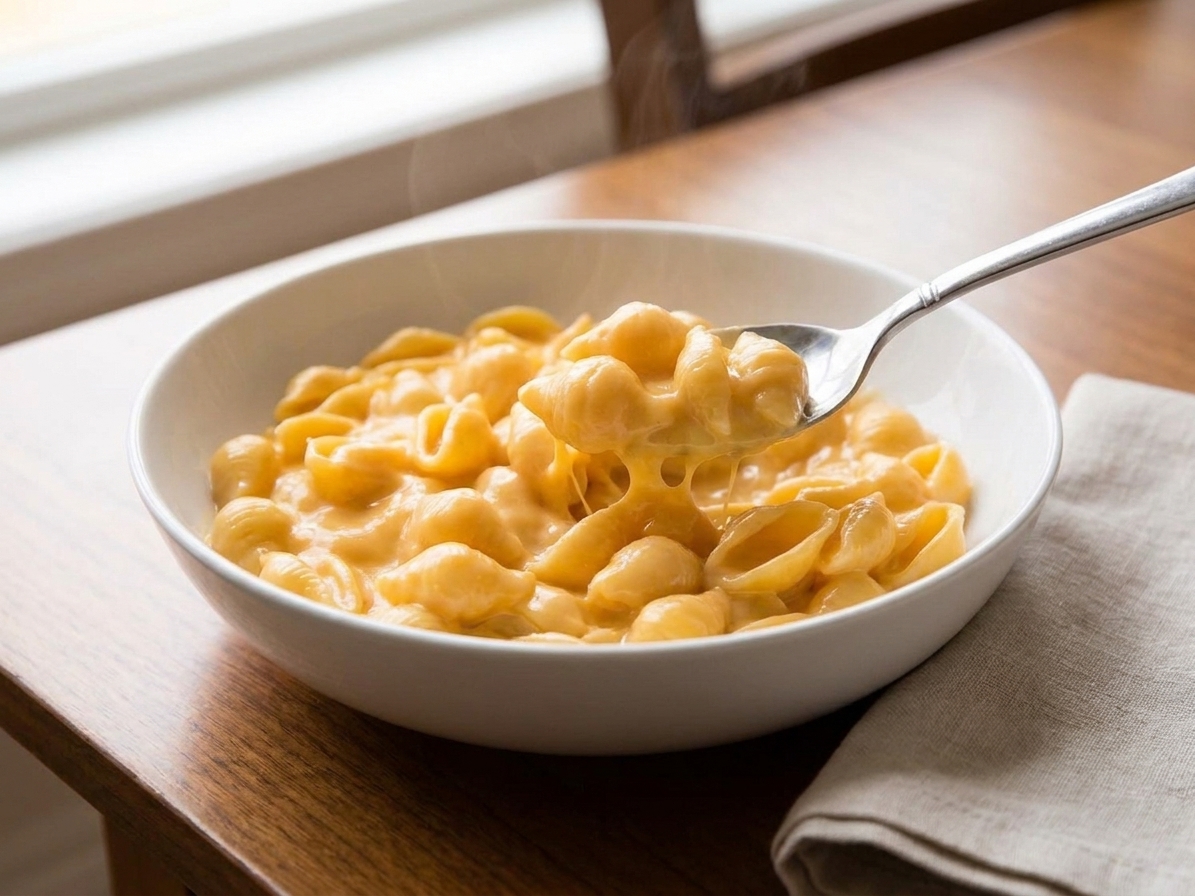
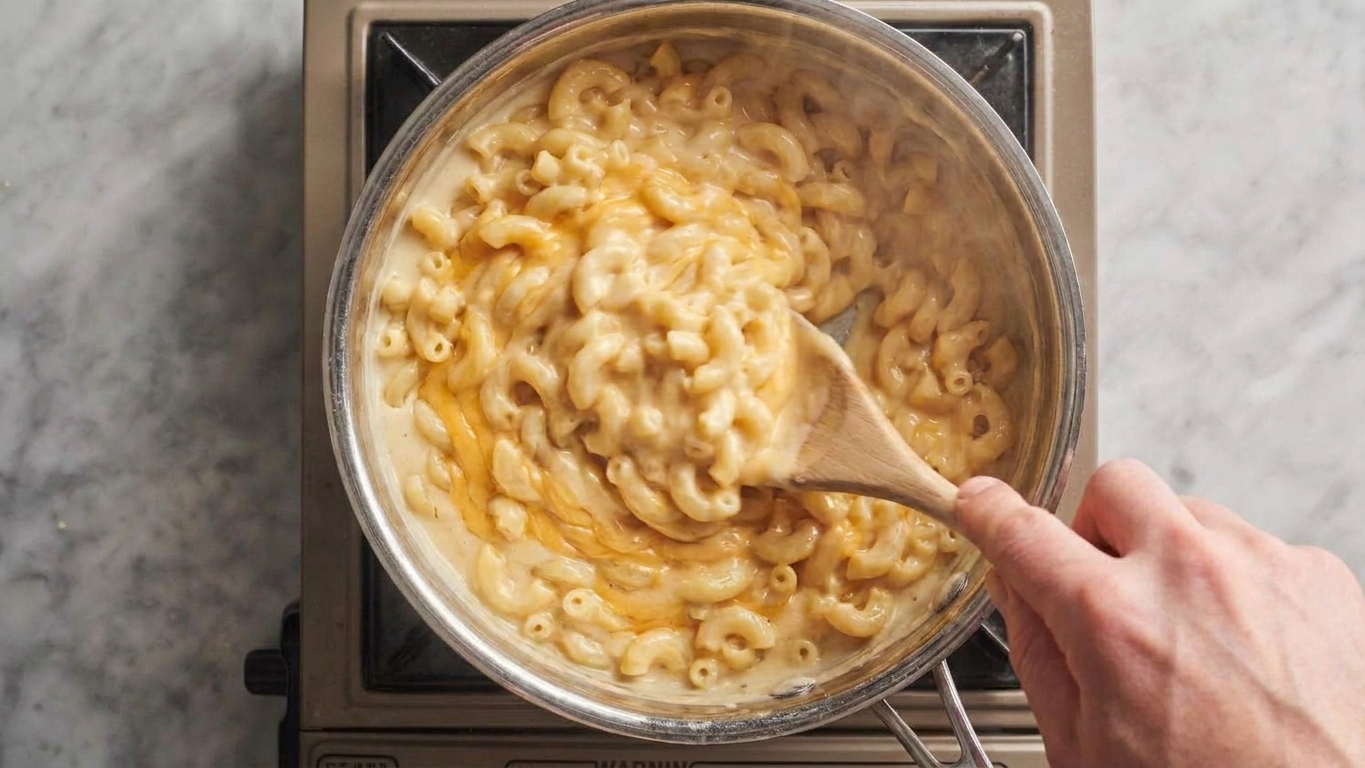
A smooth, ultra-creamy cheese sauce for macaroni that stays glossy, clings to noodles, and brings big comfort with minimal drama.

Author By Matt Campbell
4.8
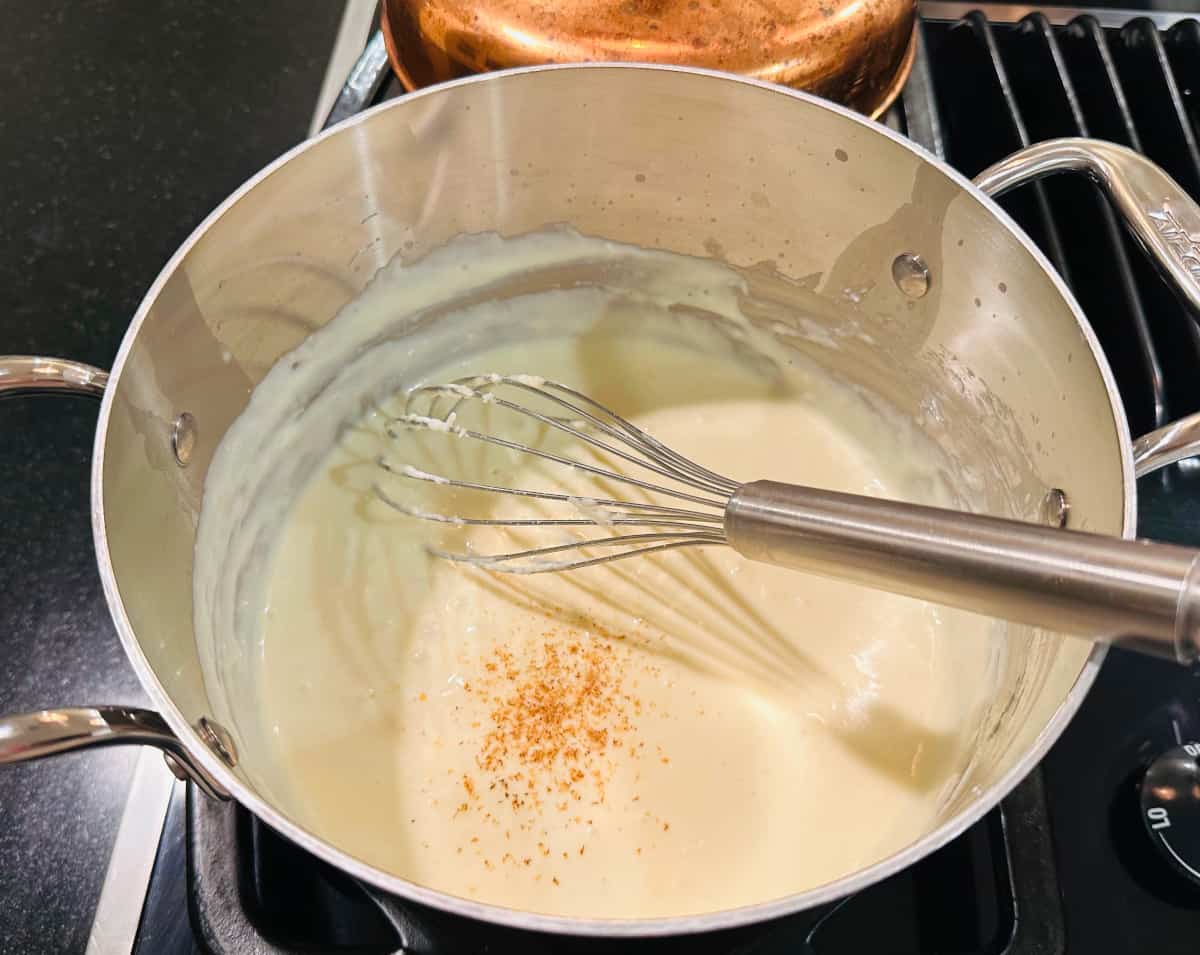
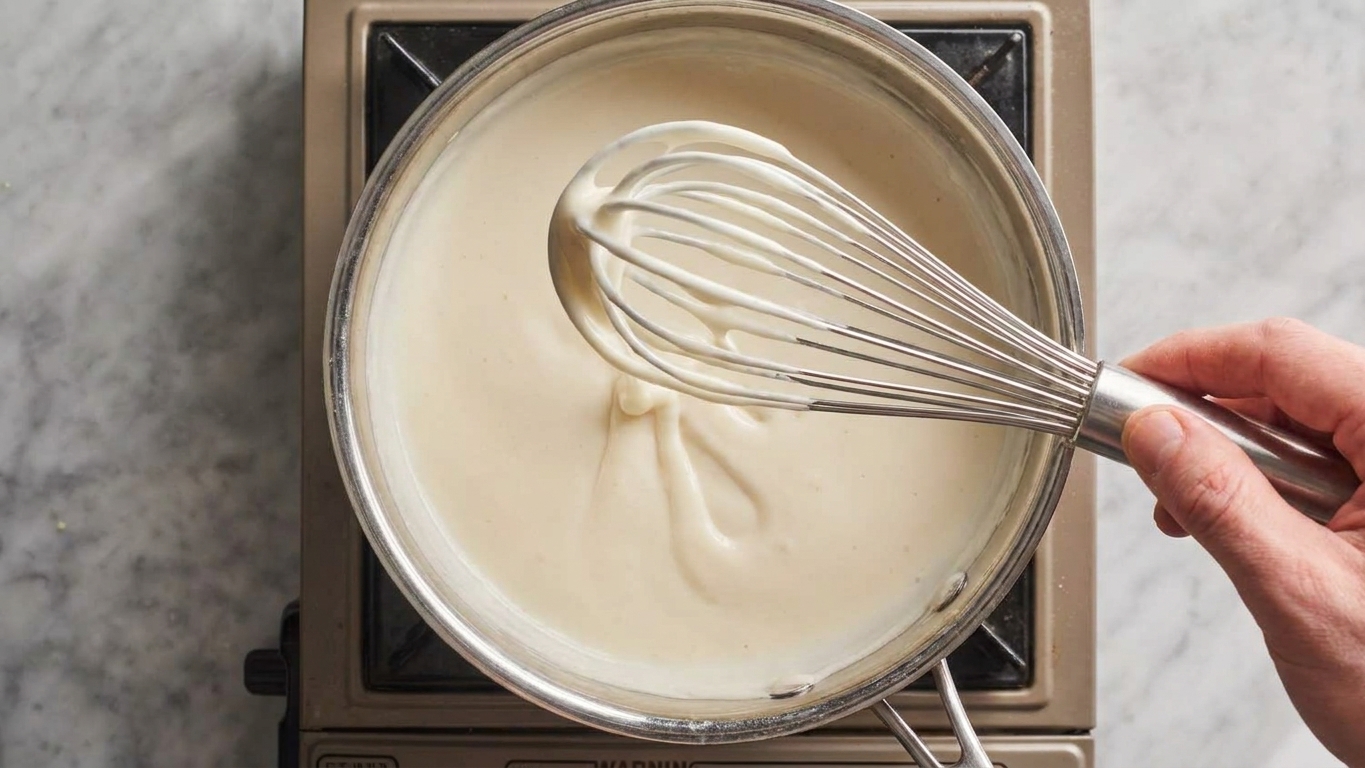
A stainless saucepan on a stove filled with glossy, creamy cheese sauce, steam rising in a cozy home kitchen

Let’s talk about the part of mac and cheese that actually matters: the cream sauce. Not the noodle shape. Not the breadcrumb discourse. The sauce. The silky, clingy, spoon-licking situation that makes you stand at the stove “tasting for seasoning” about twelve times.

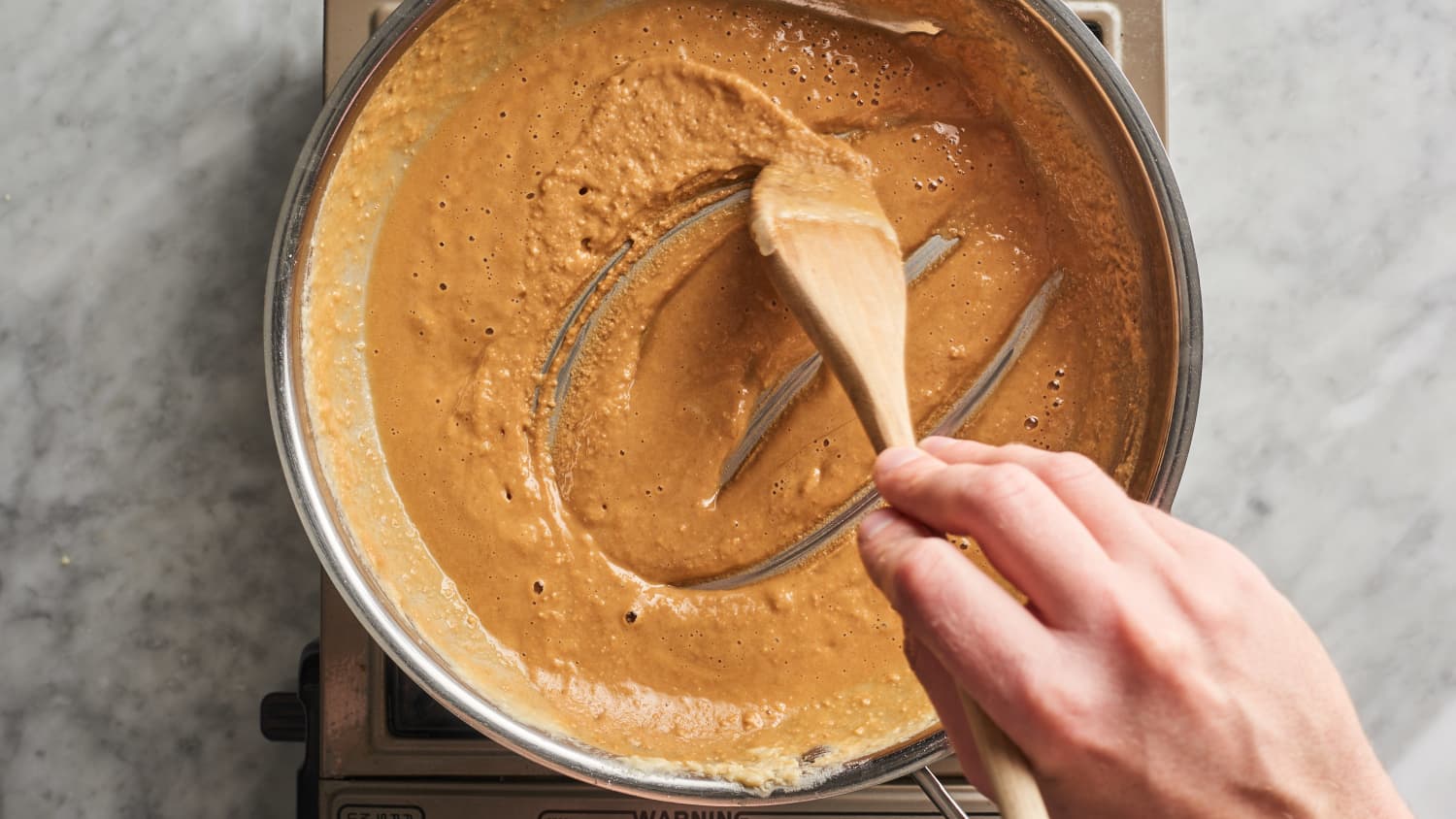
This is my go-to macaroni and cheese cream sauce when I want something that feels like a hug but tastes like I tried. It is built on a quick roux, finished with real cheese, and kept smooth with a couple small tricks that prevent the dreaded grainy, broken cheese fallout.

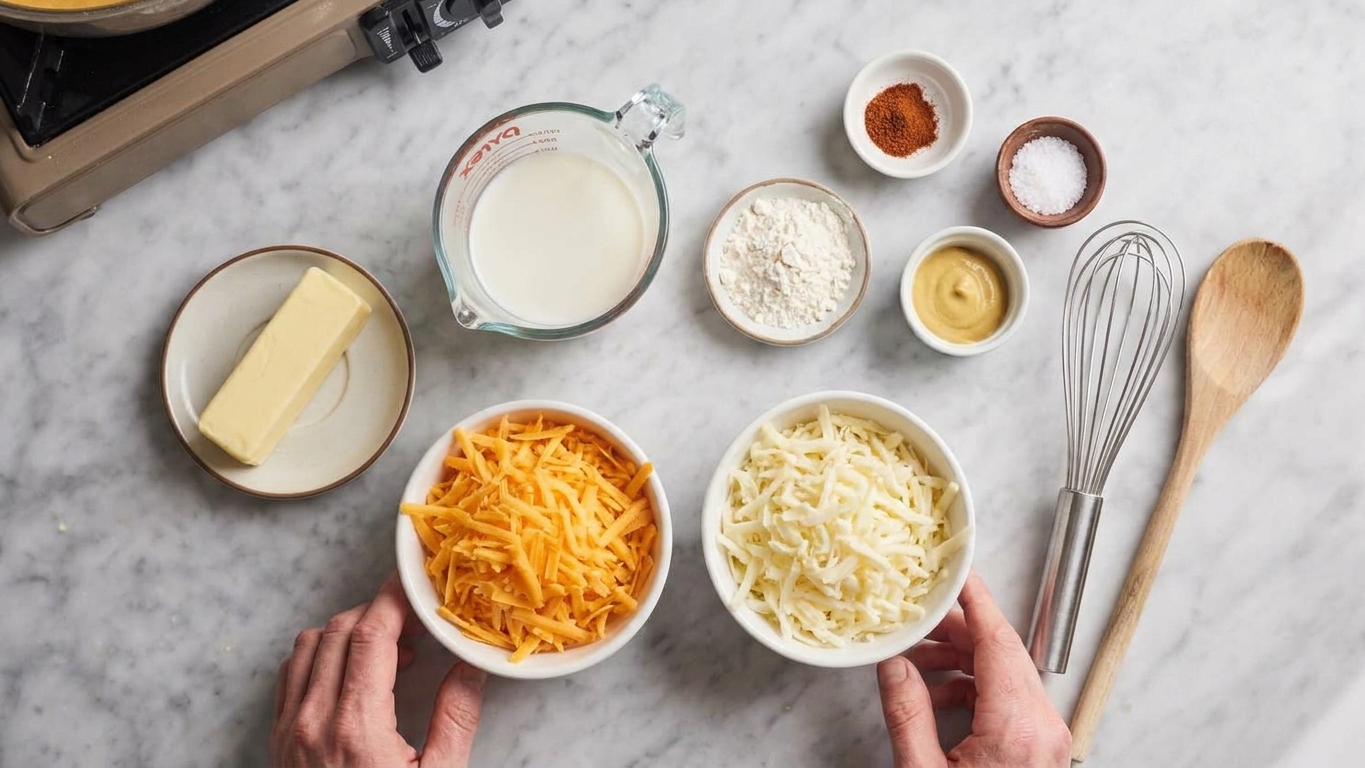
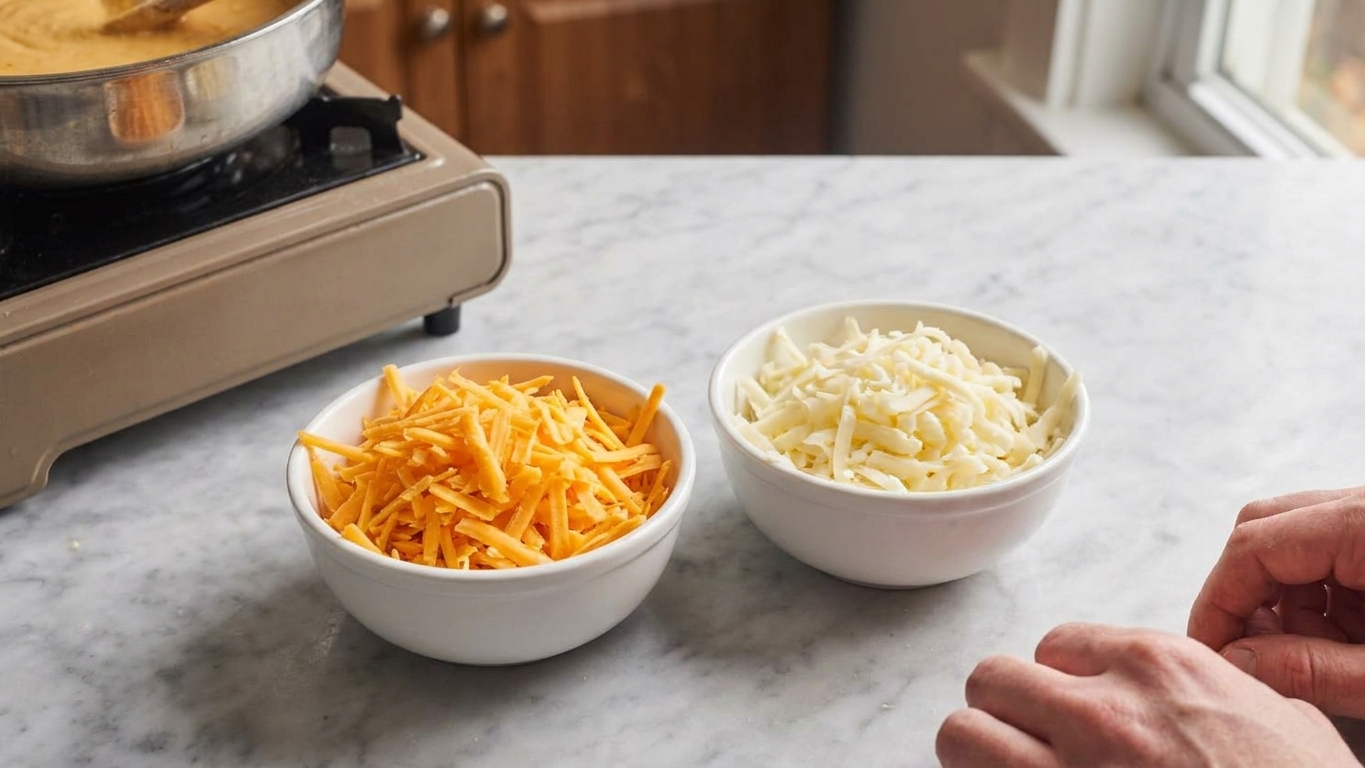
Butter, milk, shredded cheddar, shredded mozzarella, flour, mustard, paprika, and salt on a bright kitchen counter ready for mac and cheese

Why It Works

  • Glossy and smooth: Gentle heat plus a simple roux keeps the sauce creamy instead of gritty.
  • Big flavor with pantry seasonings: Mustard and paprika make the cheese taste cheesier without getting weird.
  • Flexible thickness: Make it spoonable for baked mac or a little looser for stovetop.
  • Clings to pasta: The sauce coats noodles instead of sliding right off and pooling at the bottom.

Pairs Well With

Storage Tips

Refrigerate: Cool the sauce, then store in an airtight container for up to 4 days. It will thicken a lot when cold. That is normal.

Reheat: Warm in a saucepan over low heat, whisking until smooth, then switch to a spatula and stir gently. Add a splash of milk a tablespoon at a time until it turns silky again. Keep it below a boil.

Freeze: You can, but cheese sauces often come back with a slightly different texture. If you freeze it, do so for up to 2 months, thaw overnight in the fridge, then reheat low and whisk hard with a little fresh milk to help it come back together.

Common Questions

Why did my cheese sauce turn grainy?

Usually it is one of a few things: the sauce got too hot (a simmer is fine, but boiling is the fast track to grainy), the cheese went in too fast, or you used pre-shredded cheese with anti-caking agents. Also, very aged cheddar and some lower-fat cheeses can break more easily. Keep the heat low, add cheese off the heat, and shred your own if you can.

What cheese melts best for a creamy mac and cheese sauce?

Sharp cheddar for flavor and Monterey Jack for melt is a great combo. Mozzarella melts well too, but it can get a little stretchy if you stir aggressively. Gruyère is also excellent if you want a fancier vibe.

Can I make this sauce without flour?

Yes. Use cornstarch instead: whisk 1 1/2 tablespoons cornstarch with 2 tablespoons cold milk until smooth, then whisk it into the warm milk once it is in the pan. Simmer gently until it thickens, then add cheese off the heat. If you like a slightly thinner sauce, start with 1 tablespoon and add more only if needed.

How do I make it extra creamy for baked mac?

Make the sauce slightly looser than you think you need by adding an extra splash of milk. Pasta absorbs liquid in the oven, so a looser sauce going in means a creamier pan coming out. Also, slightly undercook the pasta by about 1 minute so it does not turn soft in the bake.

Can I use heavy cream?

Yes. Swap up to 1 cup of the milk for heavy cream for a richer sauce. Just keep the heat gentle so it does not scorch or boil.

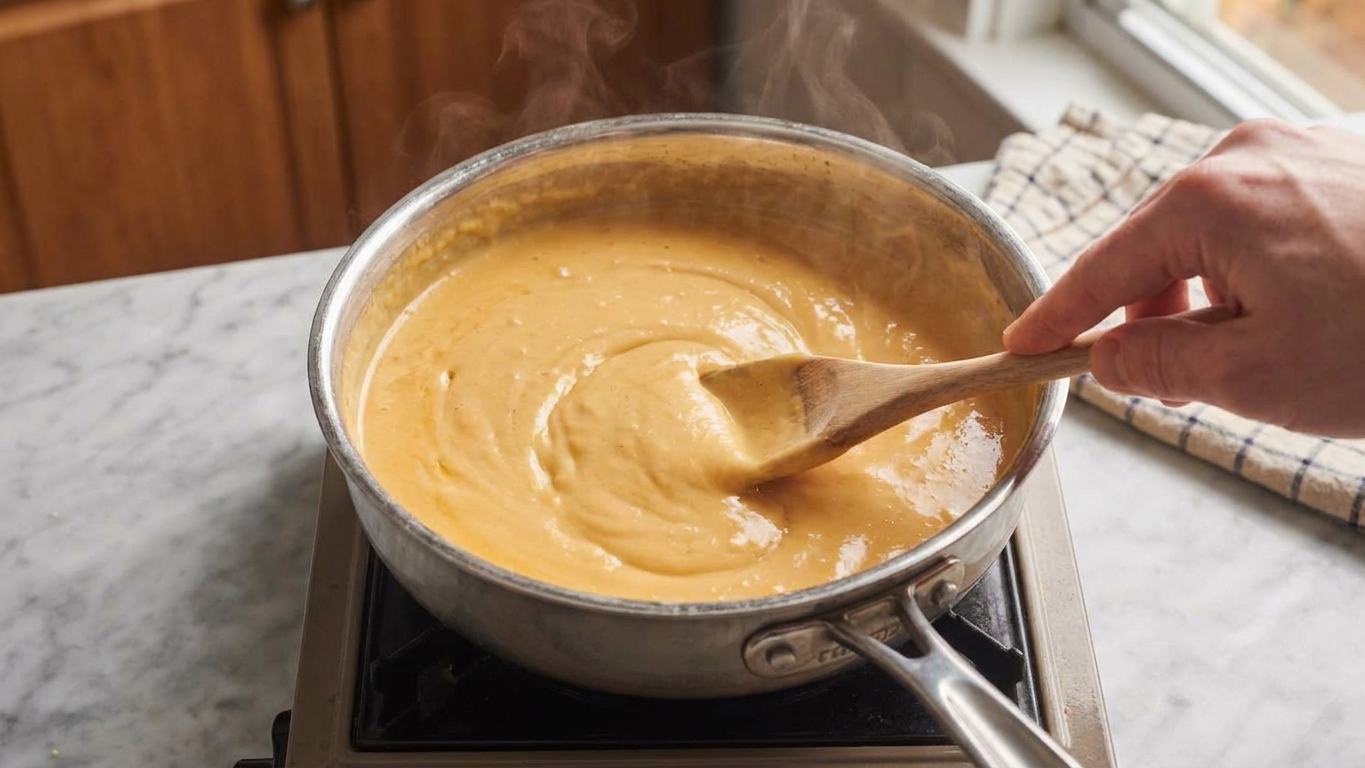
I used to think mac and cheese sauce was basically “melt cheese into milk and hope.” Sometimes it worked. Sometimes it turned into a grainy, stringy mess that looked like it needed a pep talk. Once I got serious about the roux and started treating cheese like a delicate little diva that hates high heat, everything changed. Now this is the sauce I make when I want cozy food with a smooth, glossy finish and bold seasoning potential. Also yes, I taste it constantly. It is quality control.