Why is my mac and cheese sauce grainy?
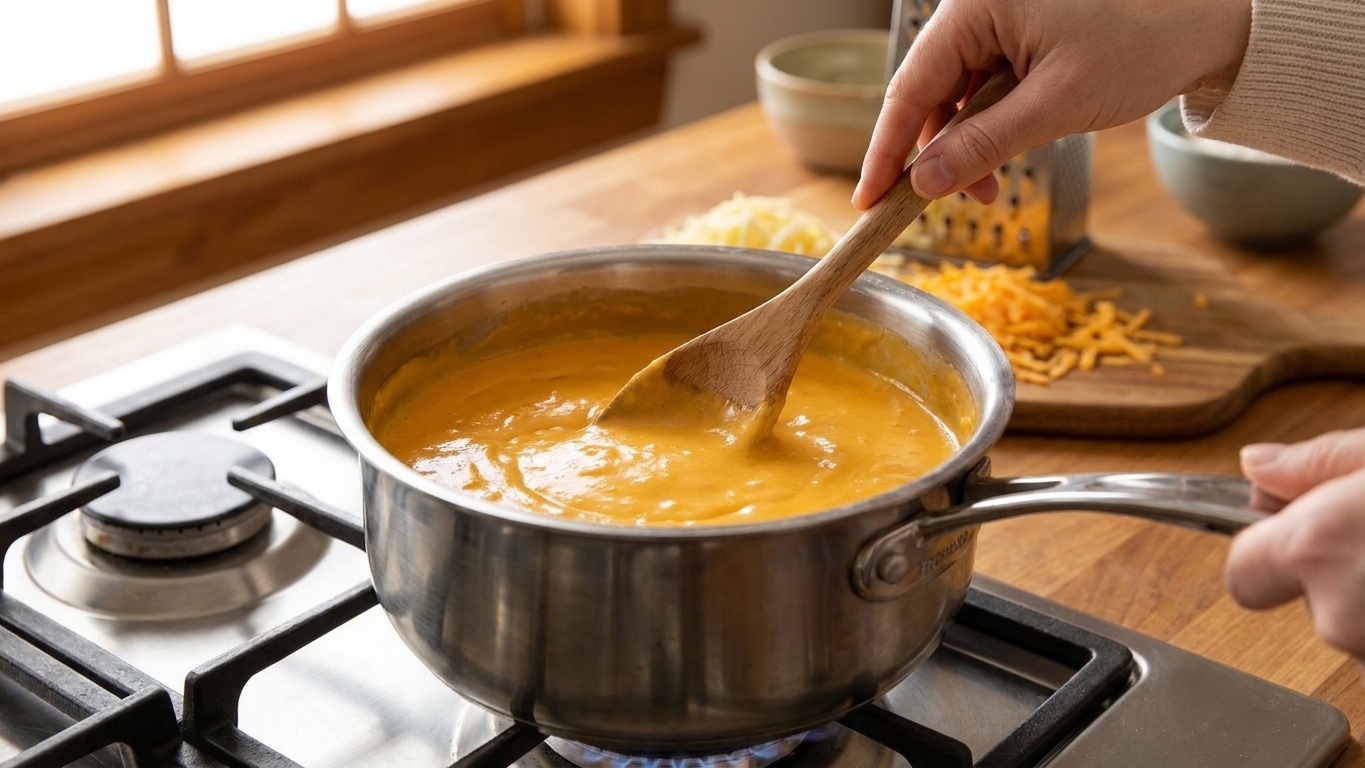
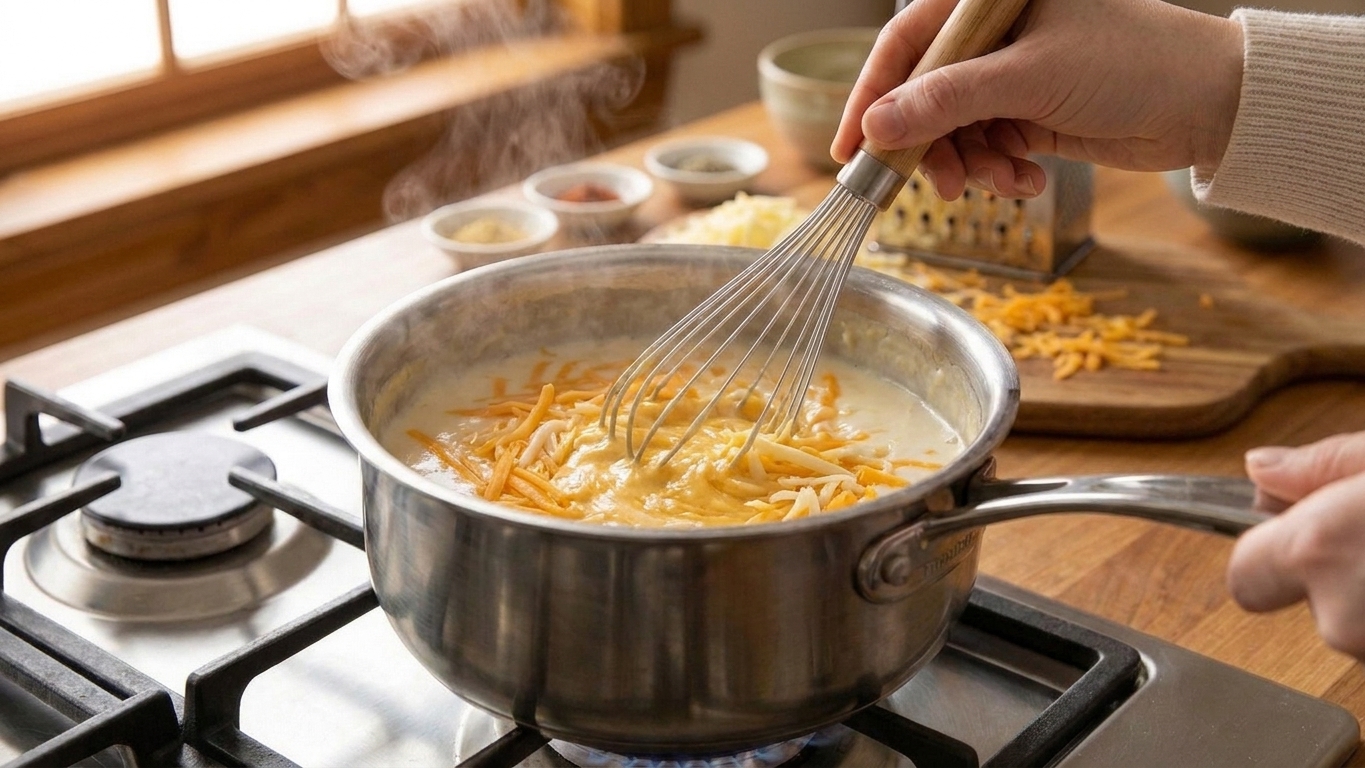
Usually one of these: the heat was too high, the sauce was boiling when the cheese went in, or you used pre-shredded cheese (anti-caking agents and drier shreds can make melting harder). Fix it by taking the pan off the heat, whisking in a splash of warm milk, then adding a small handful of cheese at a time while stirring.
What cheeses melt best for mac and cheese sauce?
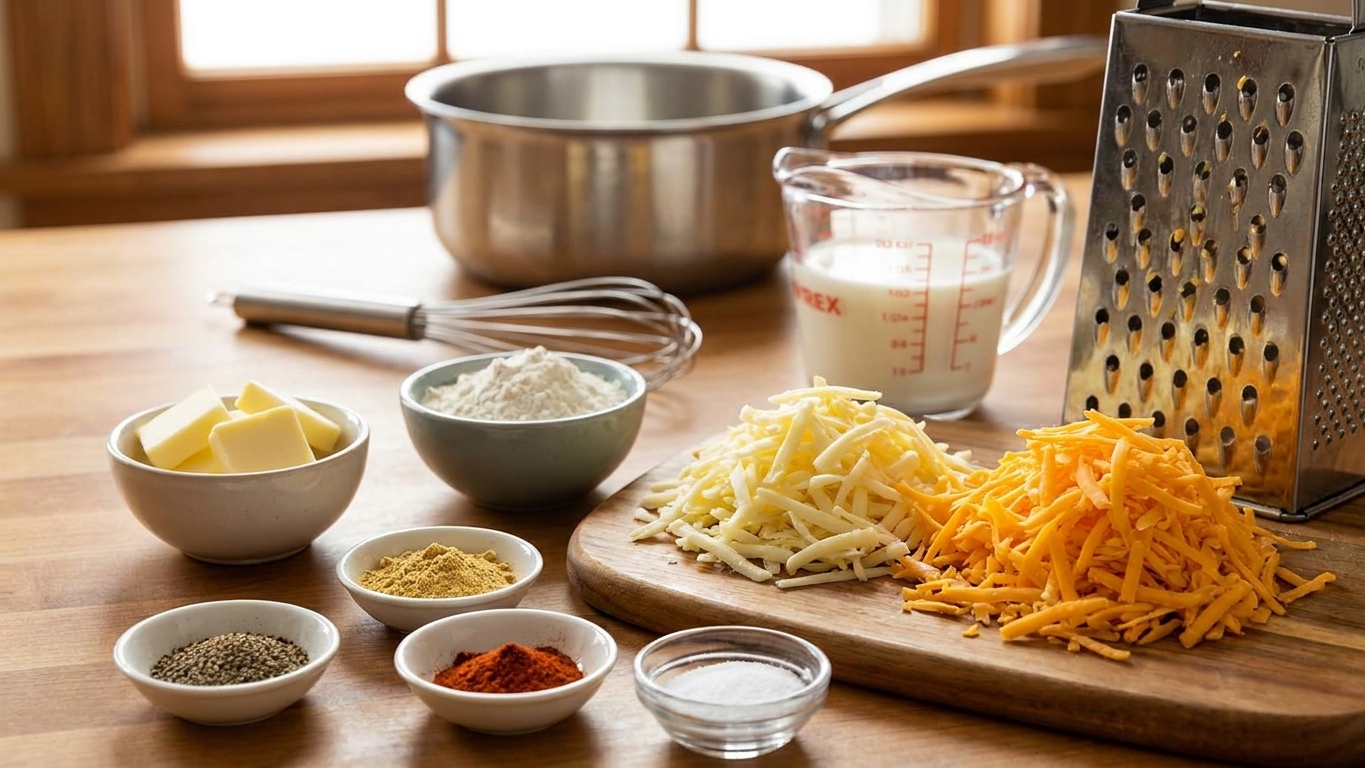
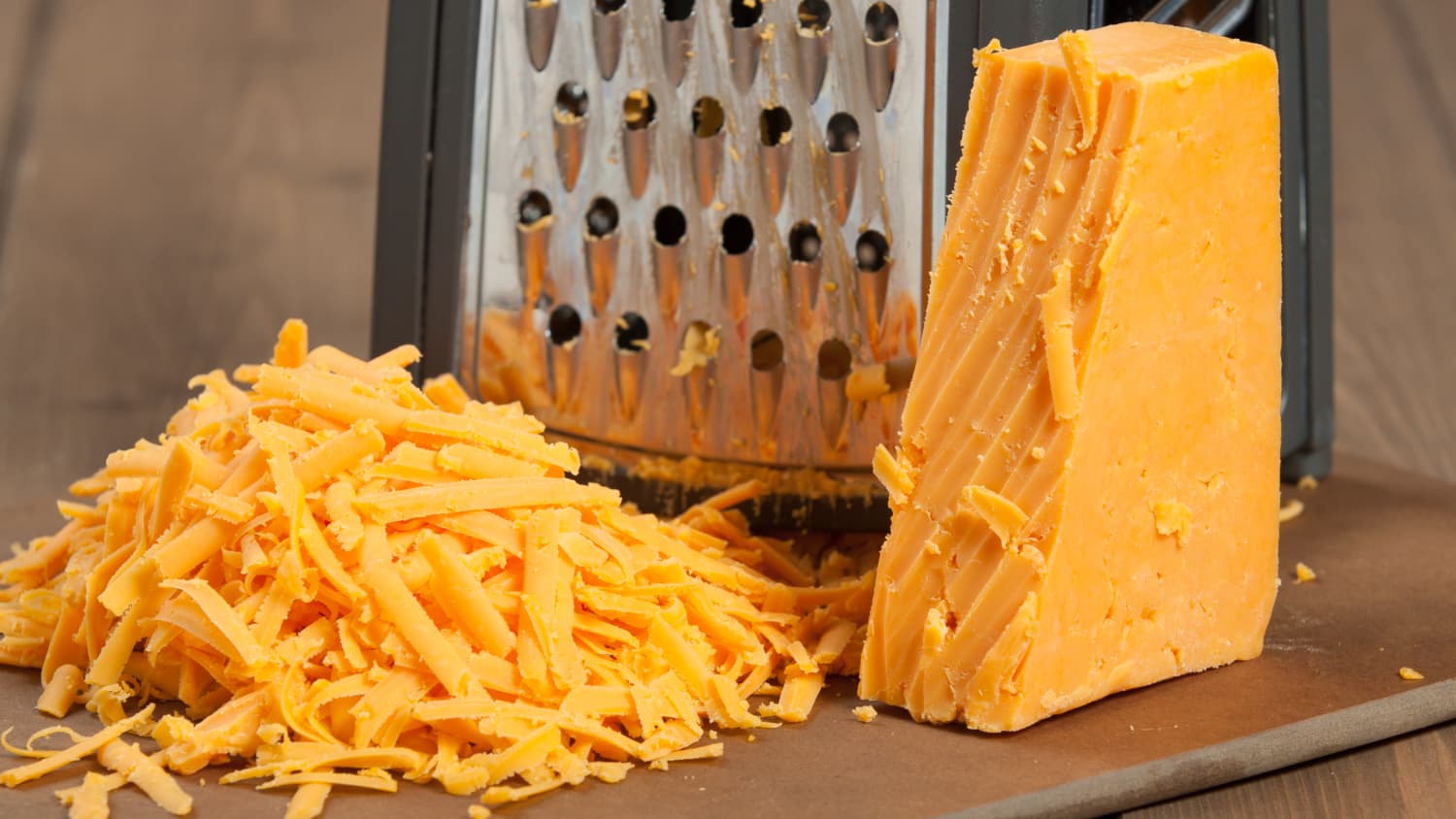
Sharp cheddar for flavor plus Monterey Jack (or young gouda, fontina, or low-moisture mozzarella) for melt. If you want ultra smooth, add a little American cheese (2 to 4 ounces). It acts like edible insurance.
Can I make this without flour?
Yes. Swap the roux for a cornstarch slurry: mix 1 tablespoon cornstarch with 1 tablespoon cold milk, then whisk it into warm milk and simmer until lightly thickened. Want a sturdier, clingier sauce? Use up to 2 tablespoons cornstarch total. Then add cheese off the heat. Texture is a little more glossy and less velvety, but it works.
How do I make it thicker or thinner?
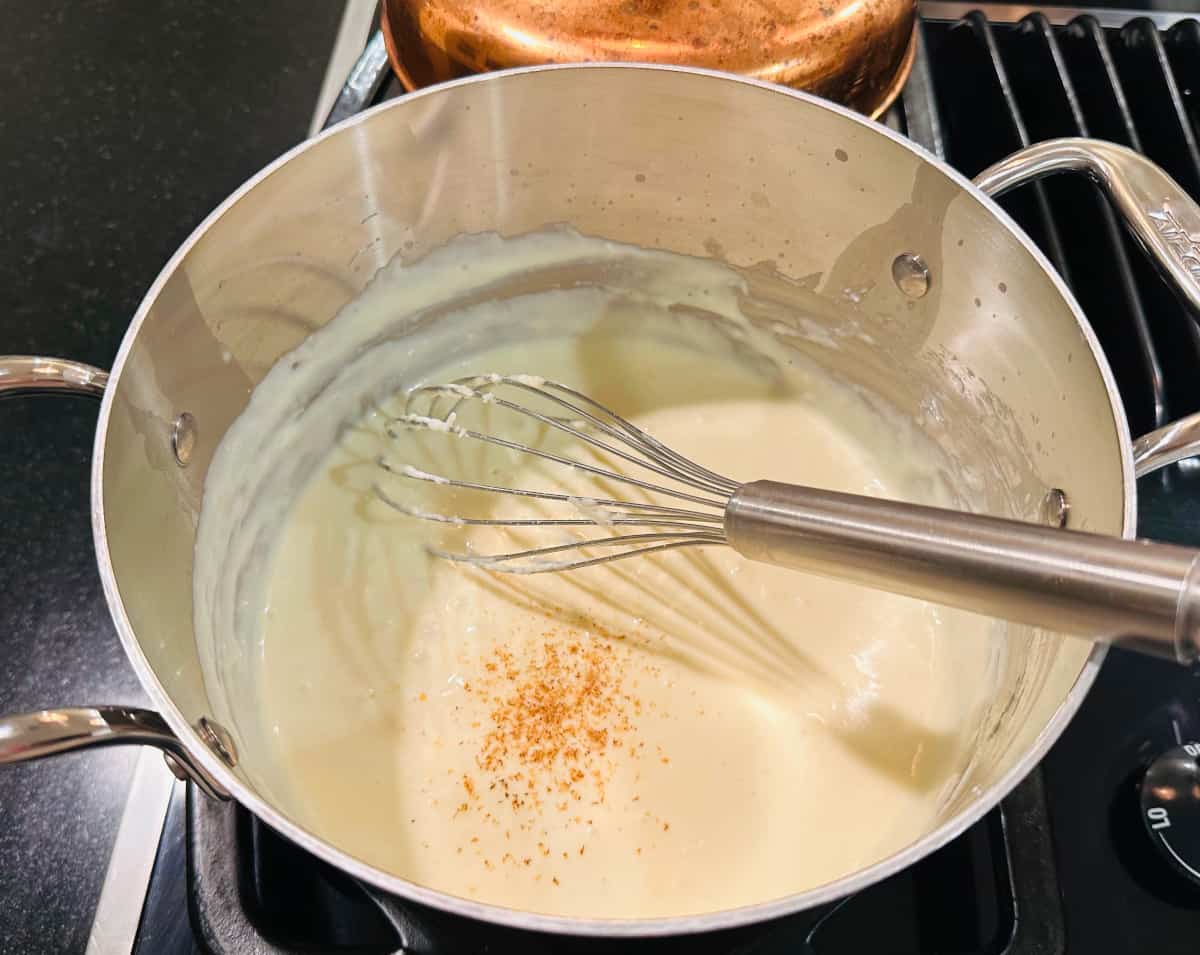
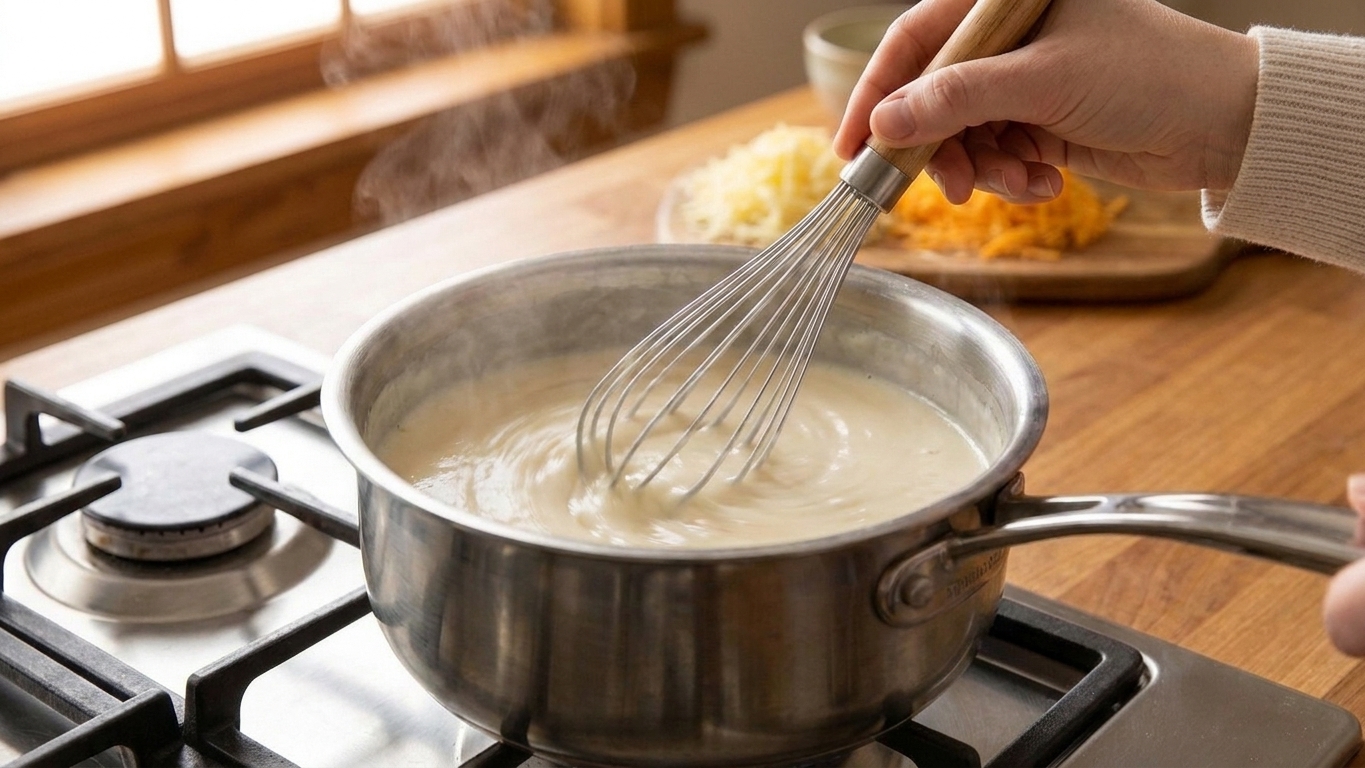
Thicker: Simmer the béchamel (milk sauce) a minute longer before adding cheese, or add an extra 1 to 2 ounces of cheese. You can also let the finished sauce stand for 1 to 2 minutes, it tightens up as it cools slightly. Thinner: Whisk in warm milk a tablespoon at a time until it pours how you like.
Can I use this sauce for baked mac and cheese?
Absolutely. Keep the sauce slightly looser (add an extra splash of milk), toss with cooked pasta, top with buttered breadcrumbs, then bake at 375°F for 15 to 25 minutes until bubbly and the crumbs are golden. (Timing depends on your pan and whether everything is already hot.)
Any pasta tips?
Salt the pasta water like you mean it. If you are baking the mac, undercook the pasta by about 1 minute so it finishes in the oven instead of going soft.