Common Questions
What is magic mouthwash used for?
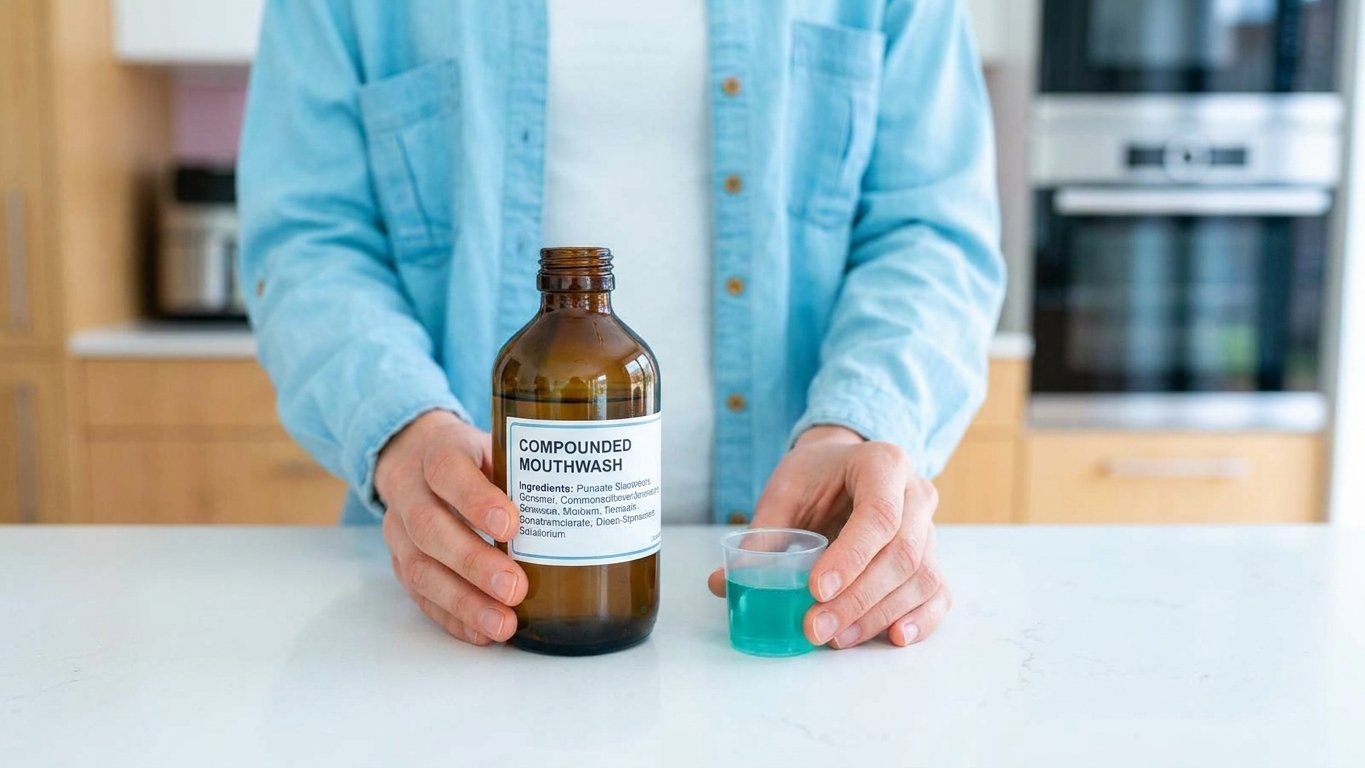
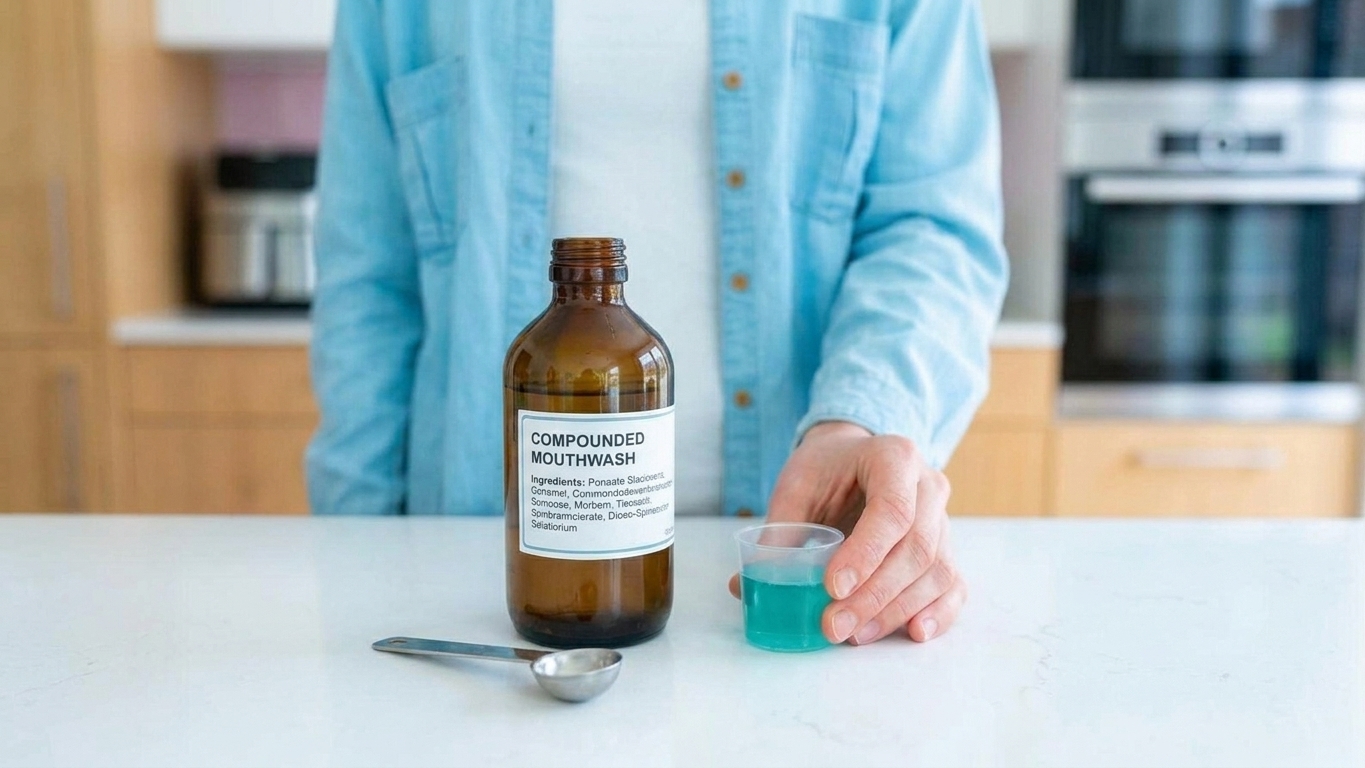
Magic mouthwash is a prescription or pharmacy-compounded mouth rinse that is sometimes prescribed to help with pain from mouth sores (oral mucositis), severe canker sores, irritation after certain dental work, and mouth or throat discomfort related to cancer treatment. Some formulas also include ingredients intended to address thrush or inflammation, depending on what your clinician is treating.
Does magic mouthwash work?
It may help, but results vary by person and by formula. Some people feel quick numbing relief, while others get only mild benefit. Guidelines and evidence are mixed for certain causes of mucositis, so it is best viewed as one tool your clinician may use as part of a bigger mouth-care plan.
What are the ingredients in magic mouthwash?
There is no single universal formula, but common ingredients include:
- Viscous lidocaine (numbing medicine)
- Diphenhydramine (an antihistamine that may help with mouth discomfort or irritation for some people)
- An antacid base like aluminum hydroxide and magnesium hydroxide (helps coat the mouth)
- Nystatin (antifungal, when thrush is a concern)
- A corticosteroid like dexamethasone (to reduce inflammation, in some formulas)
- Occasionally, an antibiotic (uncommon and not routine, since mucositis is not usually a bacterial infection; typically considered only when infection is suspected or confirmed)
Your bottle’s label should list exactly what is in yours.
How do you use magic mouthwash?
Typical directions are: measure the prescribed amount, swish for 30 to 120 seconds (or as directed), then spit. Some clinicians direct patients to swallow when throat pain is involved, but only do that if your prescriber specifically told you to.
Many people are told to avoid eating or drinking for about 30 minutes after using it so the medication can work, but timing varies. Also, some labels may say do not rinse with water afterward. Follow your bottle.
Should I spit or swallow magic mouthwash?
Many prescriptions are spit only, especially when lidocaine is included. Swallowing can increase side effects, and swallowing too much lidocaine can be dangerous. If you have sores in the throat, your clinician may prescribe a swallow version. Follow the label and your prescriber’s instructions exactly.
How long does it take to work?
If your formula includes a numbing agent, relief may start within minutes. Other effects, like soothing and reduced inflammation, can vary and may build with regular use if it works well for you.
Are there side effects?
Possible side effects depend on ingredients, but can include numbness, altered taste, drowsiness (diphenhydramine), mouth dryness, or stomach upset if swallowed. A big practical risk is biting your cheek or tongue, burning yourself with hot foods, or choking on food while numb, because you cannot feel temperature or pain normally.
If you are swallowing a formula that includes diphenhydramine or a steroid, ask your clinician or pharmacist about extra cautions that apply to you (for example, medication allergies, sedation, glaucoma or urinary retention concerns, or immune-related considerations). If you are pregnant or breastfeeding, or if you have a history of heart rhythm problems, ask your clinician or pharmacist to review your exact ingredients before use.
Can kids use magic mouthwash?
Only with specific pediatric guidance. Dosing and swallowing risk matter a lot, especially with lidocaine, which can be toxic if swallowed in excess. Ask the child’s clinician and pharmacist.
Can I make magic mouthwash at home?
Some non-prescription “soothing rinses” exist, but magic mouthwash usually refers to prescription or pharmacy-compounded formulas. Do not DIY lidocaine mixtures or medication combinations at home. If cost or access is an issue, ask your clinician about alternatives.
When should I call a doctor?
- Fever, chills, or feeling suddenly worse
- Dehydration, inability to swallow fluids, or significant weight loss
- Mouth sores lasting longer than 2 weeks, or any sores that are persistent or worsening (especially during chemo, radiation, or if you are immunocompromised)
- New rash, hives, trouble breathing, or swelling
- Severe dizziness, confusion, fainting, or trouble breathing after using the rinse