Mom's Best Recipes
Recipe

Malay Nasi Lemak

Fragrant coconut rice with spicy sambal, crispy anchovies, peanuts, cucumber, and eggs, plus optional fried chicken or beef rendang on the side.

Author By Matt Campbell
4.8
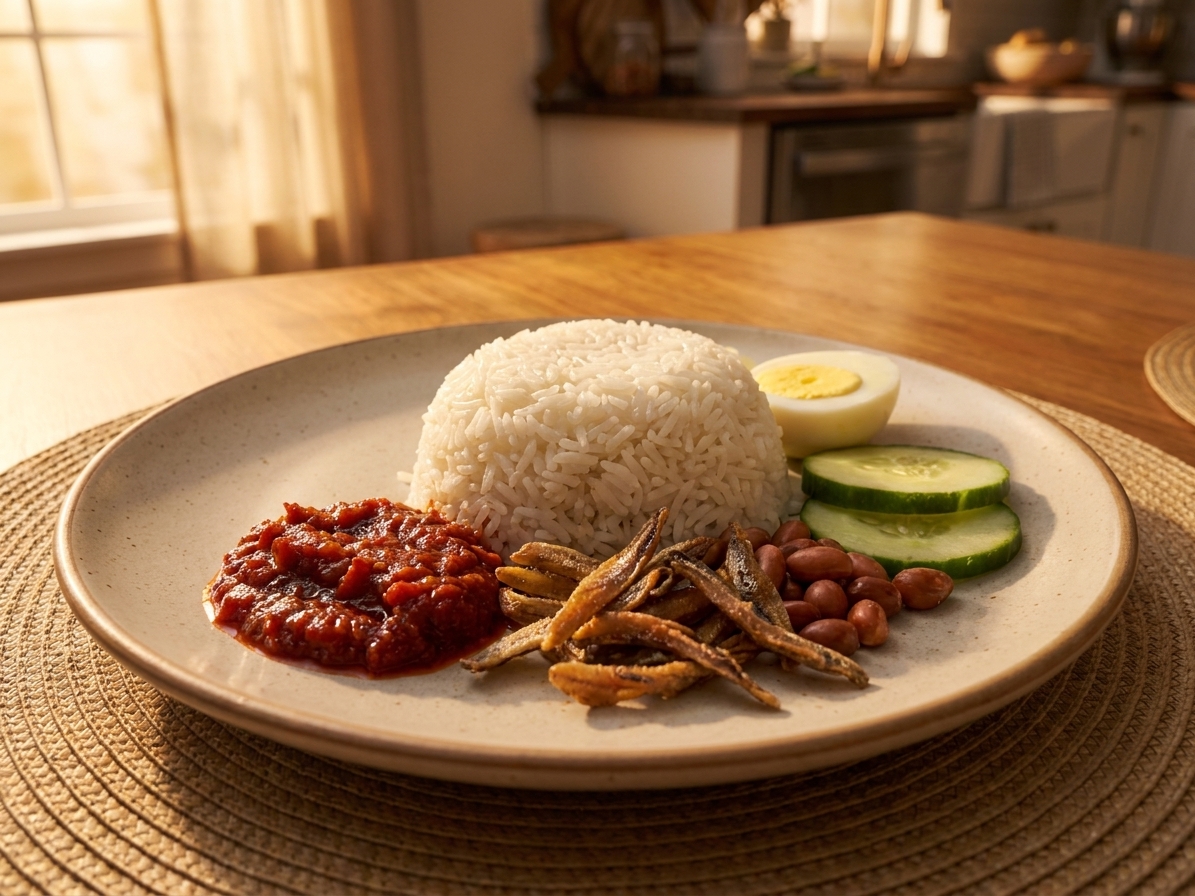
A plated Malay nasi lemak set with coconut rice, sambal, crispy anchovies, roasted peanuts, cucumber slices, and a halved boiled egg on a simple dinner plate in warm kitchen light

Nasi lemak is the kind of meal that makes you feel like you have your life together, even if your kitchen looks like a tiny coconut-scented hurricane. It is creamy, fragrant rice plus a spicy-sweet sambal, then a pile of crunchy, salty toppings that turn every bite into a little choose-your-own-adventure.

This version keeps the ingredients accessible and the steps clear. We will make coconut rice that is actually fluffy (not oily or heavy), a pantry-friendly sambal with an optional belacan boost for that traditional depth, and the classic sides: cucumber, egg, peanuts, and crispy ikan bilis (dried anchovies). Add a protein if you want. Many nasi lemak plates come with fried chicken, sambal sotong, or rendang, but the base plate already eats like a full-on celebration.
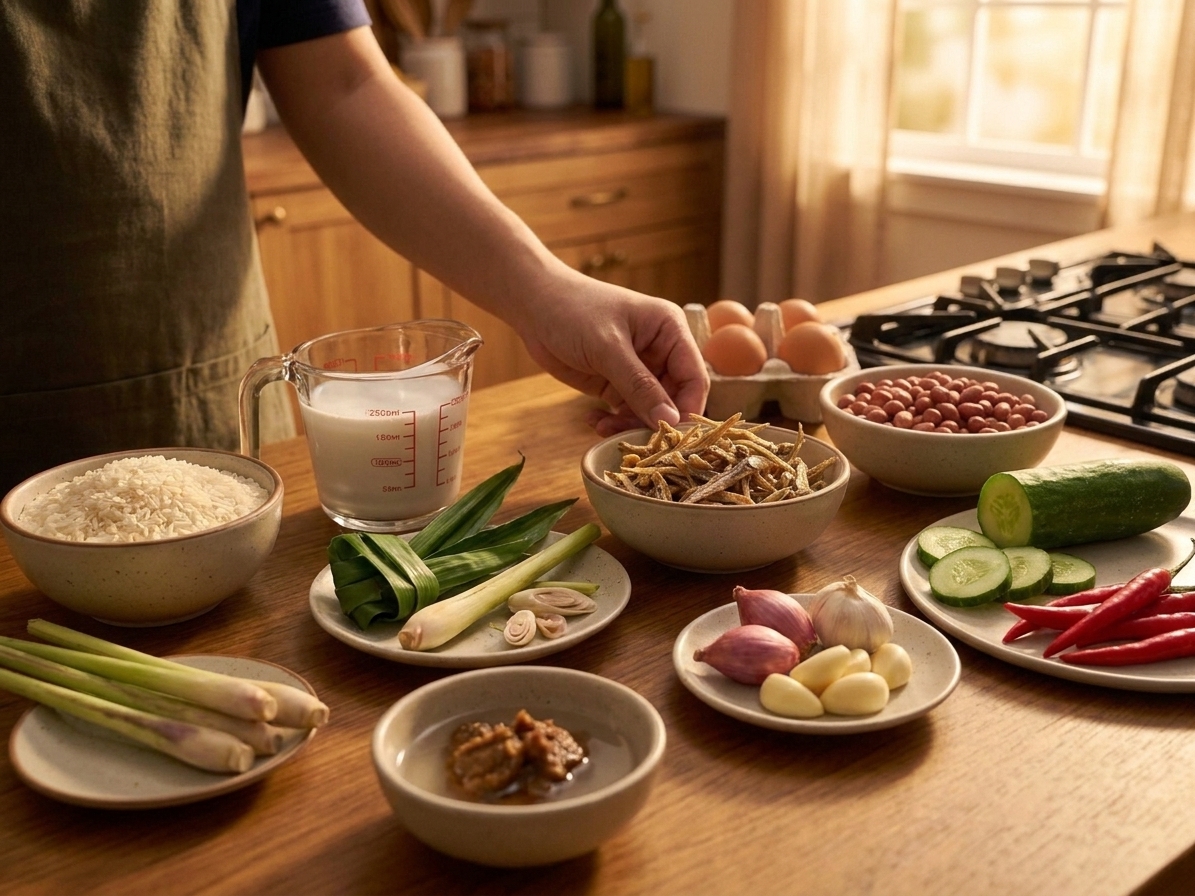
Measured ingredients for nasi lemak on a kitchen counter including jasmine rice, coconut milk, pandan leaves, lemongrass, dried anchovies, peanuts, eggs, cucumber, shallots, garlic, chilies, and tamarind paste

Why It Works

  • Fluffy coconut rice: We rinse the rice, balance coconut milk with water, and let it rest so it stays fragrant, not greasy.
  • Sambal with depth: This is a pantry-friendly sambal, with an optional belacan boost for a more traditional savory backbone.
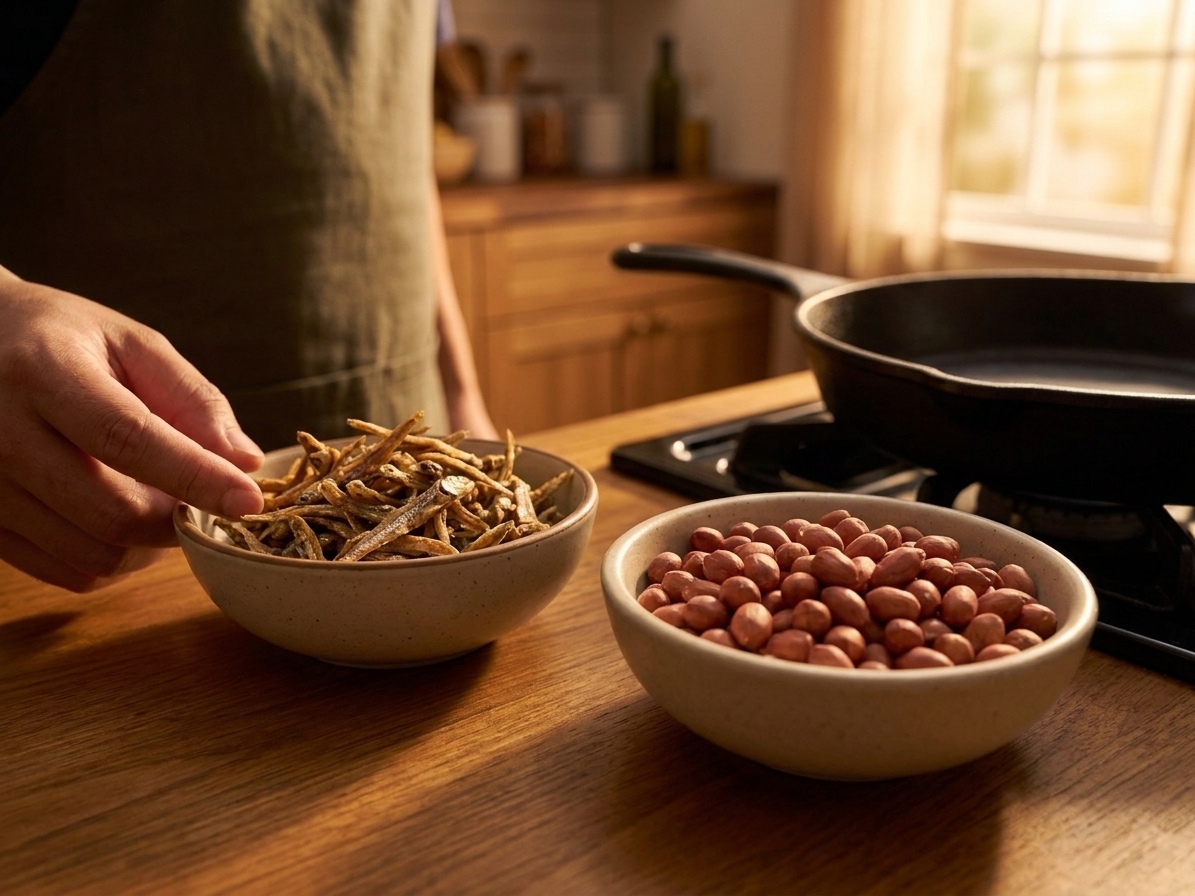
  • Crunch that stays crunchy: Anchovies and peanuts are cooked separately and added at the end so your plate keeps its crisp edges.
  • Make-ahead friendly: Sambal gets better after a night in the fridge, which is my favorite kind of “work.”

Pairs Well With

Storage Tips

Store components separately if you can. Nasi lemak is happiest when the rice stays soft, the sambal stays saucy, and the crunchy stuff stays crunchy.

  • Coconut rice: Cool quickly (aim for within 2 hours), then refrigerate in an airtight container up to 3 days. Reheat covered with a splash of water until steaming hot throughout, then fluff.
  • Sambal: Refrigerate up to 1 week. The flavor deepens over time. Reheat gently in a small pan with a spoonful of water if it thickens.
  • Crispy anchovies and peanuts: Store airtight at room temp, away from heat and humidity, best within 1 to 2 days. If they soften, toast in a dry skillet for 1 to 2 minutes.
  • Eggs: Boiled eggs keep up to 1 week in the fridge, unpeeled is best.

Freezing: Freeze sambal up to 2 months. Rice can be frozen, but the texture is best within 1 month. Thaw overnight and reheat covered until steaming hot.

Common Questions

Is nasi lemak spicy?

It can be. The sambal is where the heat lives. If you want it milder, use fewer chilies and remove the ribs or pith when you can (that is where most of the heat clings). You can also lean a little more on sweet and tangy with extra shallot, a touch more sugar, and a bit more tamarind or lime.

Do I need pandan leaves?

No, but they are a big part of the signature aroma. If you cannot find pandan, the rice is still delicious with coconut milk, lemongrass, and ginger. If you have pandan extract, skip it here because it can taste artificial fast.

Where is belacan? Do I need it?

Belacan (fermented shrimp paste) is traditional in nasi lemak sambal and it adds that deep, savory background flavor. This recipe keeps things pantry-friendly, so it uses tomato paste for body and (optional) fish sauce for extra umami. If you have belacan and like it, add 1/2 to 1 teaspoon to the sambal while frying the chili mixture and cook it until it smells toasted, not sharp.

What can I use instead of dried anchovies?

For a similar salty crunch, try crisped shallots, crushed kettle chips (chaotic, but it works), or pan-toasted nori bits with sesame. It will not be traditional, but it will be tasty.

What is the best rice for nasi lemak?

Jasmine rice is the most common and easiest choice. You want fragrant, medium-long grain rice that stays fluffy. Basmati works in a pinch but tastes a little different.

Can I make this without a blender?

Yes. Mince the sambal ingredients very finely with a knife, then cook a little longer to soften and meld. It will be chunkier but still great.

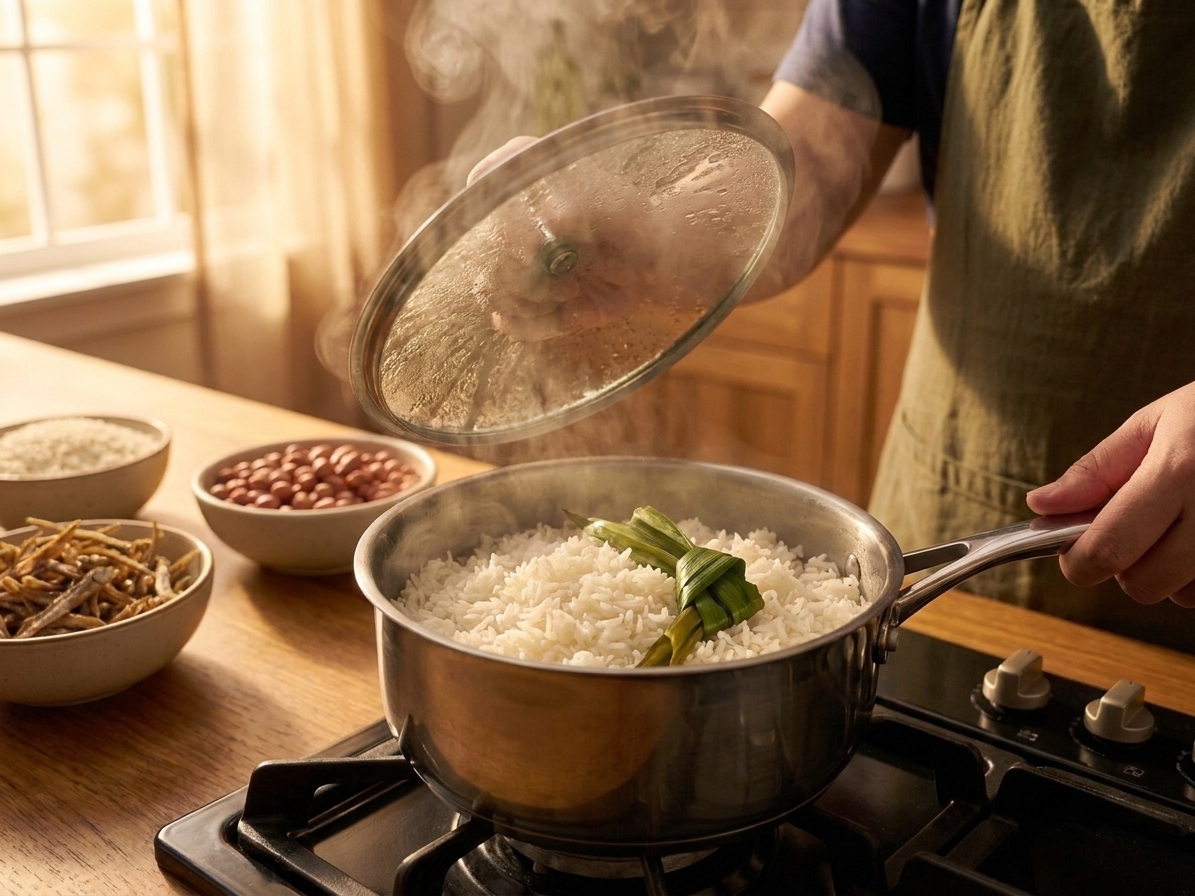
A saucepan on a stove with coconut rice steaming as a lid is lifted, showing fluffy grains and a knotted pandan leaf tucked into the rice

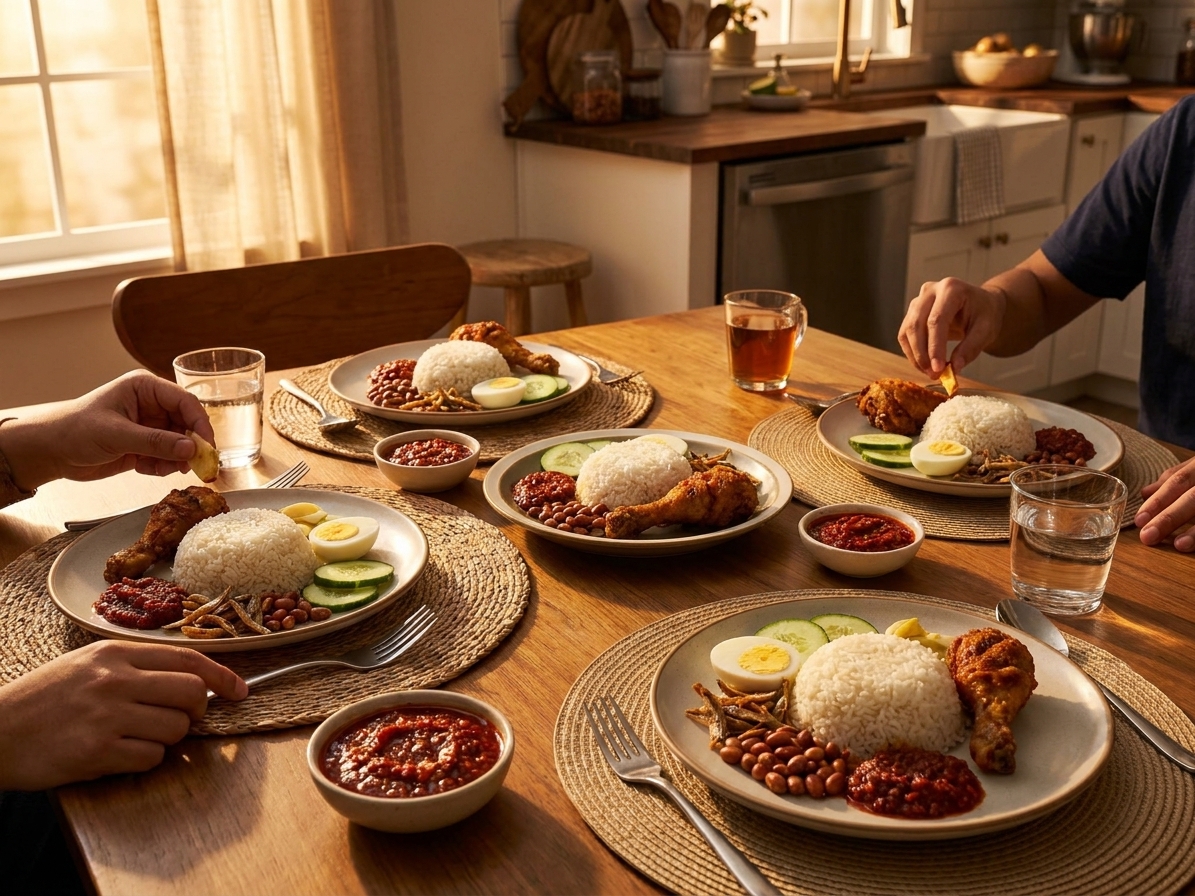
The first time I tried nasi lemak, I remember thinking, “Wait, this is breakfast?” because it hits every comfort note at once. Creamy rice. Spicy sambal. Crunchy little salty bombs. It is basically the whole flavor spectrum on one plate, which is my love language. Now it is one of my favorite dishes to cook when I want something that feels special without needing restaurant-level chaos. You can make it as traditional as you want, or you can treat it like a build-your-own bowl night and let everyone stack their perfect bite.