What is the best fat for tamales masa?
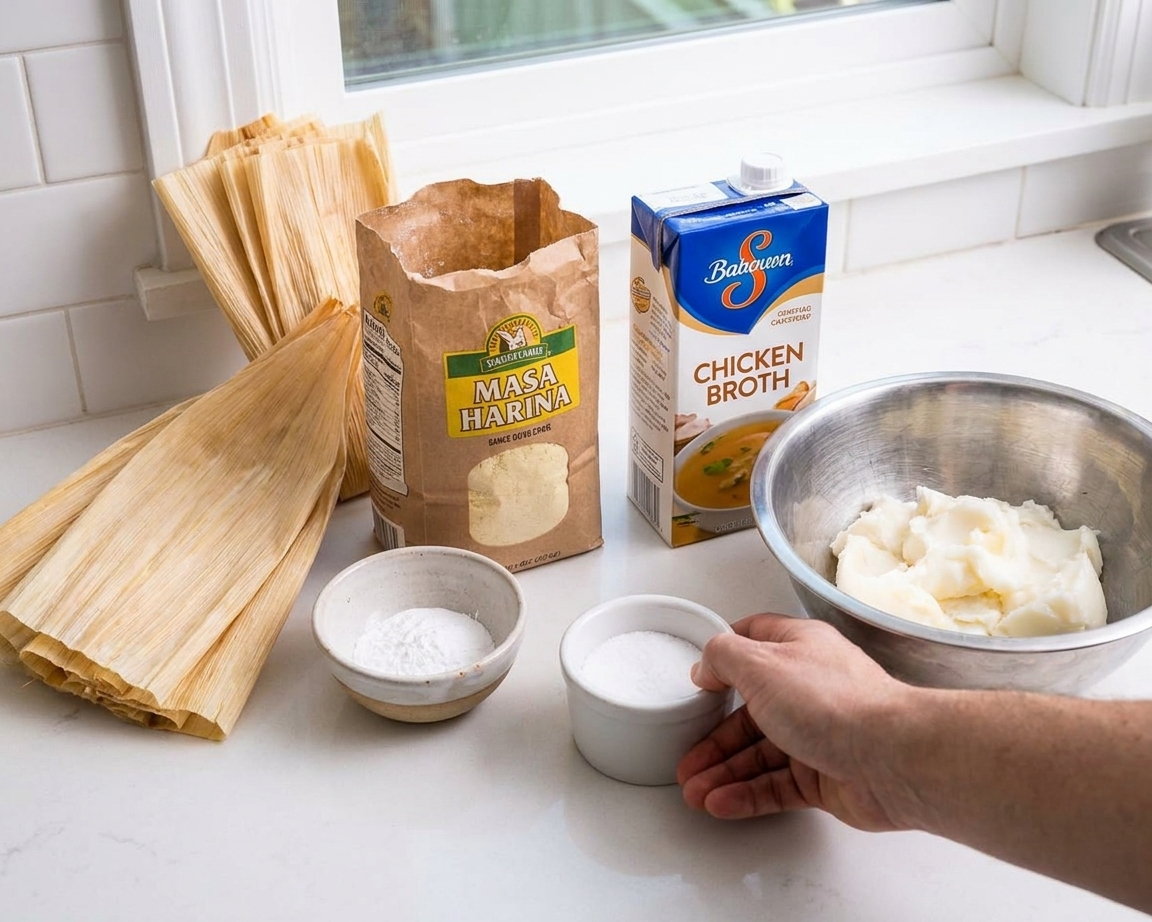
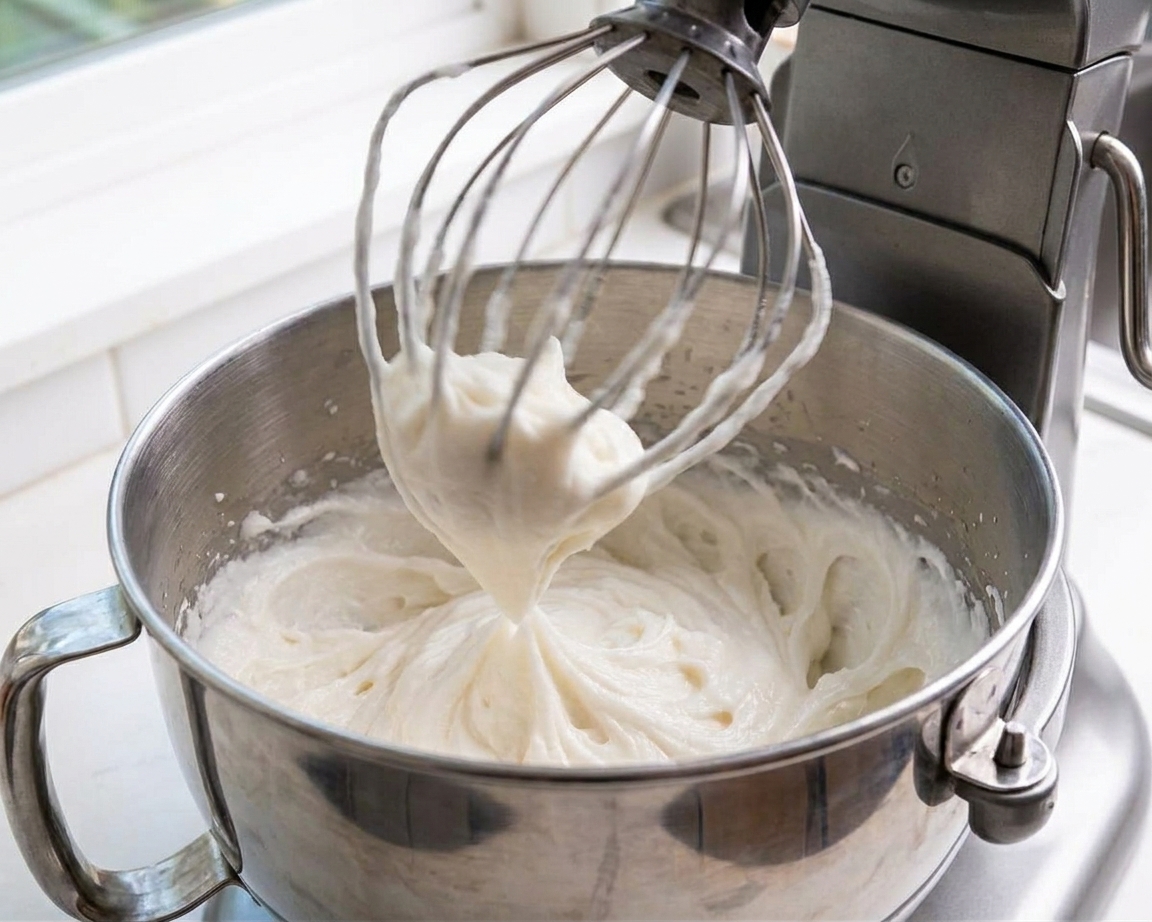
Traditionally, lard gives the best flavor and the fluffiest texture. If you prefer, you can use vegetable shortening (very neutral, still fluffy) or a mix of butter and neutral oil (tasty, slightly denser). Avoid strong olive oil here unless your filling is bold enough to match it.
Do I have to do the float test?
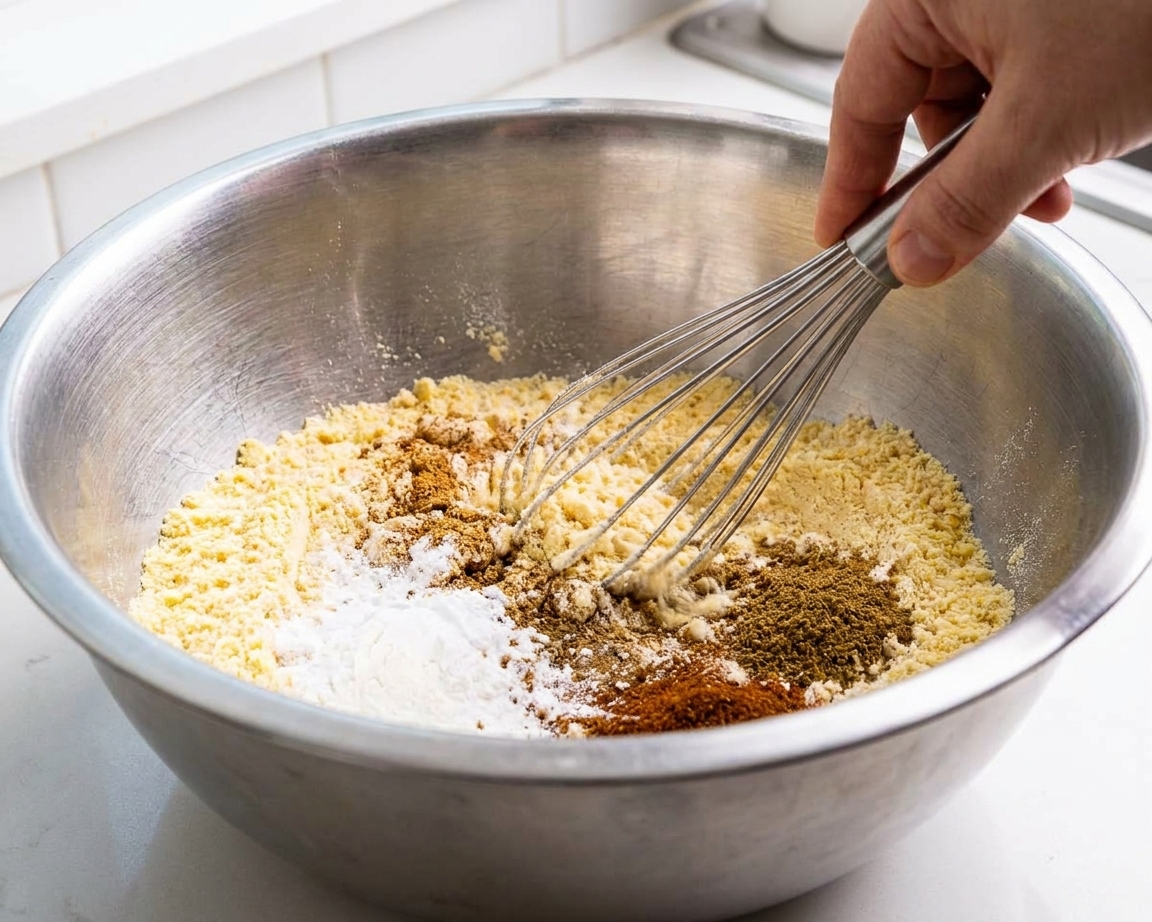
No, but it is a great confidence booster. Drop a pea-sized bit of masa into a cup of cold water. If it floats, you usually have enough air whipped into the fat for a lighter tamale. If it sinks, whip the fat and masa a little longer first. Some masas float less depending on fat type and hydration, so use it as a clue, not a final grade. Some cooks like baking powder for extra lift, but it is not required for great tamales.
Why is my masa cracking when I spread it?
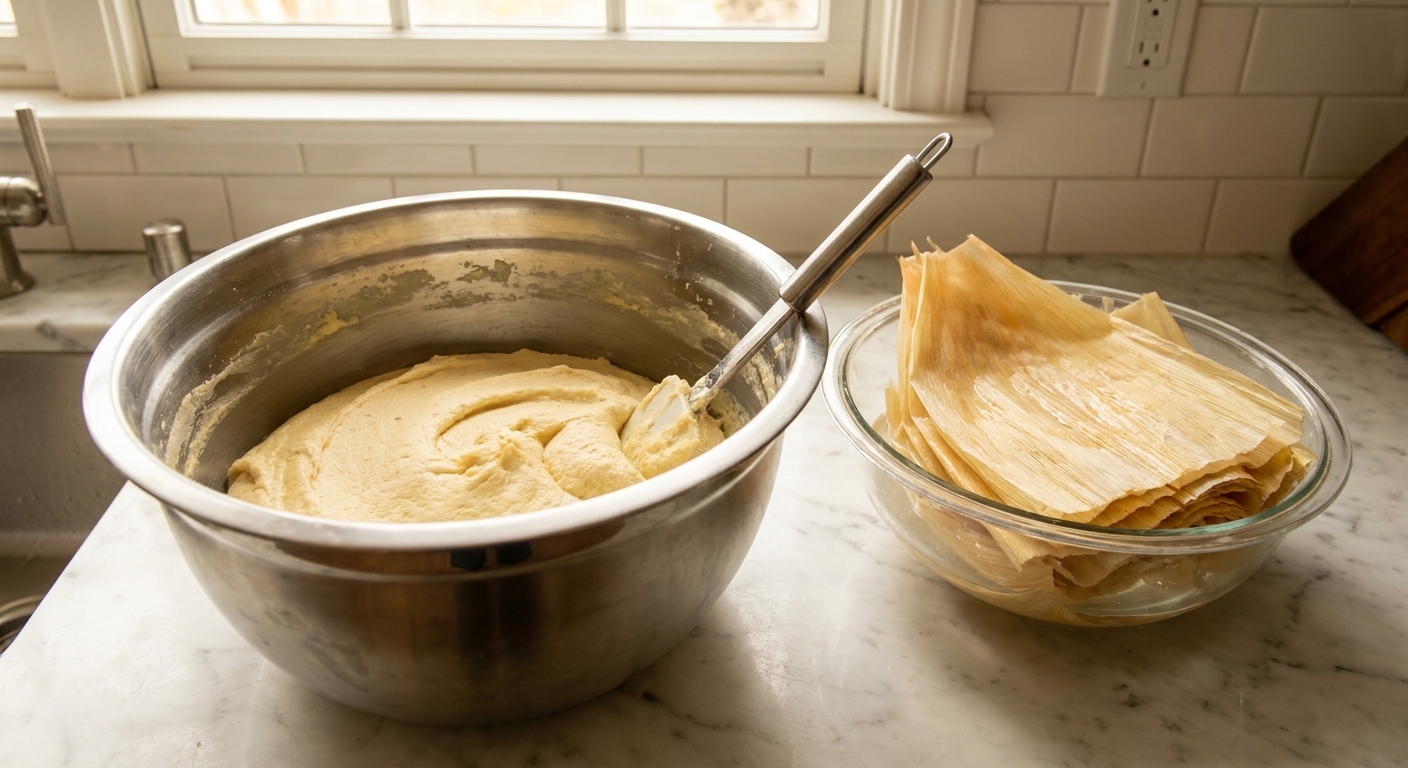
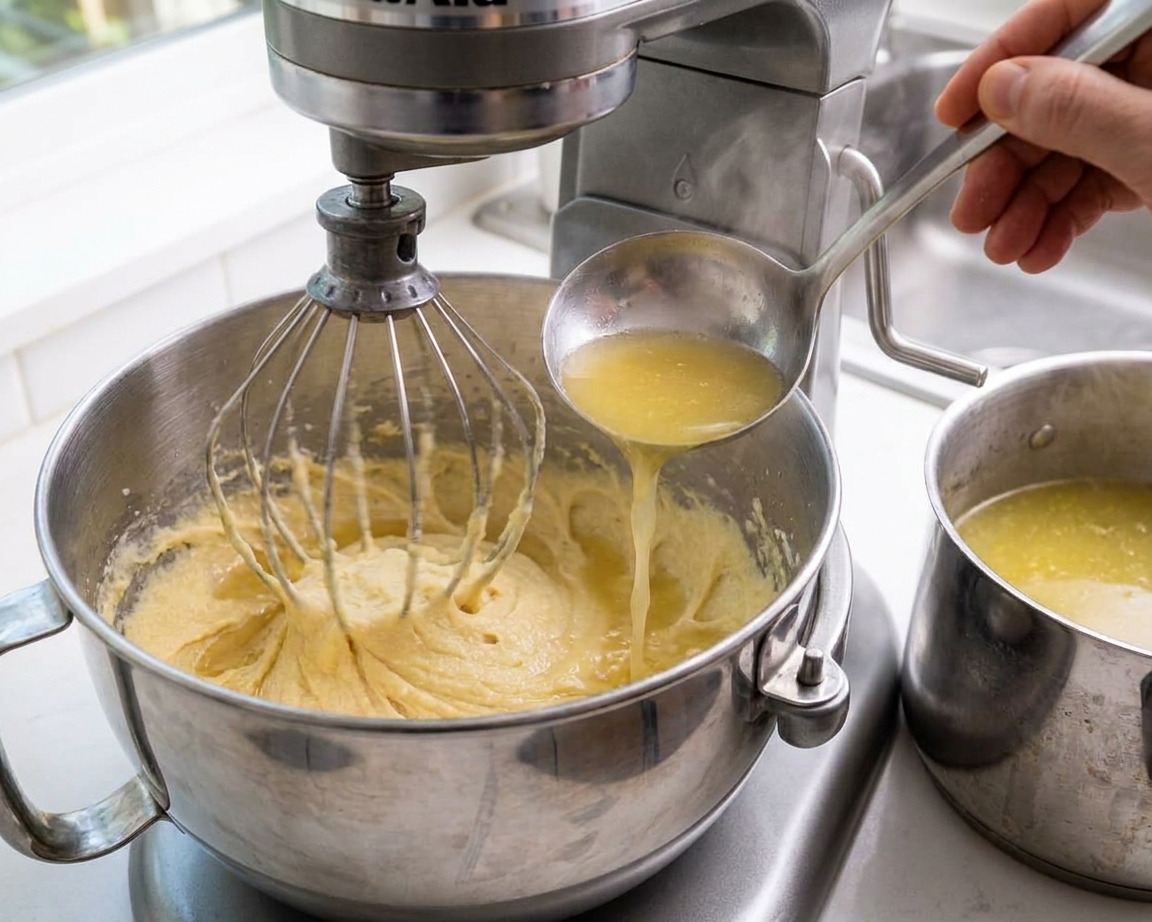
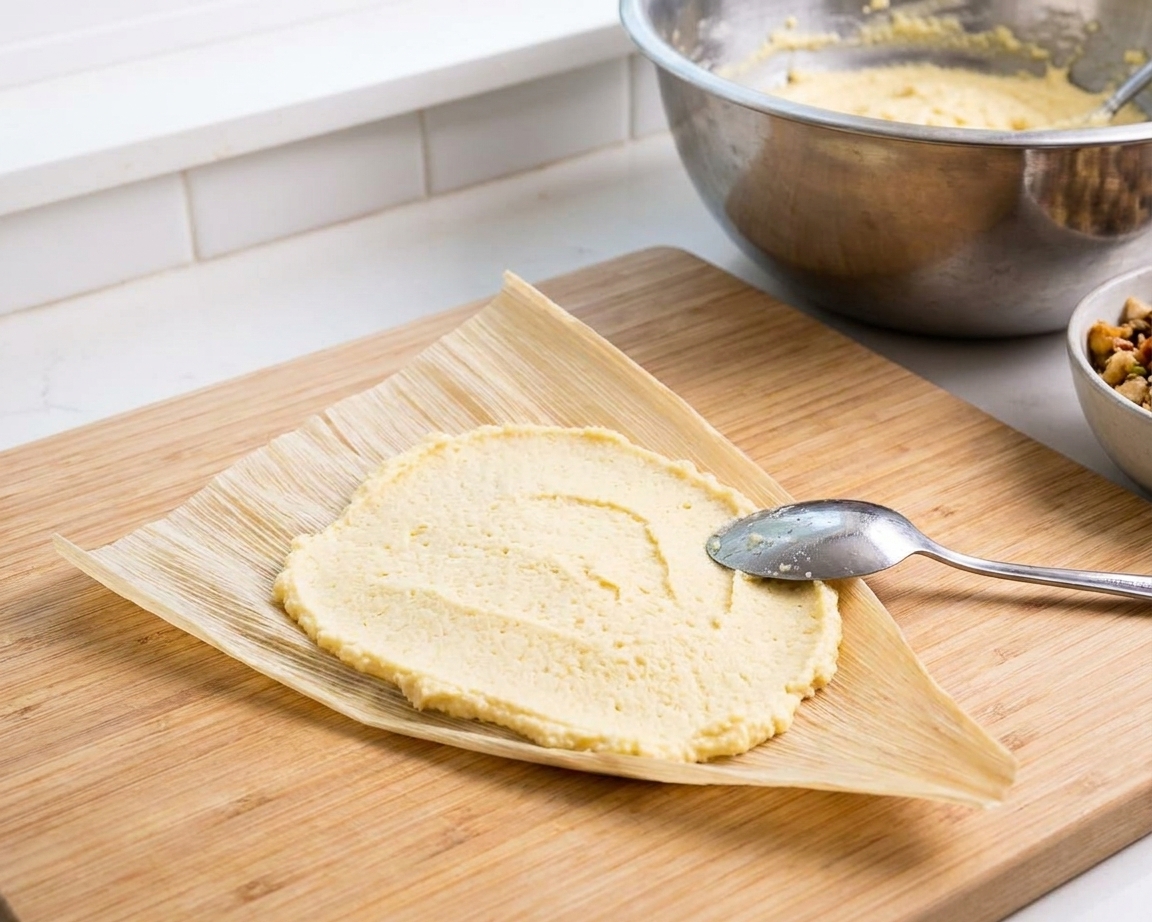
It is usually too dry. Beat in warm broth 1 tablespoon at a time until it spreads smoothly. Also make sure your husks are fully soaked and pliable.
Why is my masa too wet and slipping off the husk?
You likely added broth too quickly. Let it sit 5 minutes to hydrate, then beat again. If it is still loose, add masa harina 1 to 2 tablespoons at a time until it holds a soft, spreadable shape.
Can I make tamales masa without lard?
Yes. Use equal amounts of vegetable shortening by weight, or use butter (same amount) for a richer taste. If using butter, keep it softened, not melted, and whip well. The texture will be a bit less traditional but still delicious.
Do I need a stand mixer?
It helps, but it is not required. A hand mixer works. You can also do it by hand with a sturdy spoon and determination, but plan on a longer whip time.
How long should I soak corn husks?
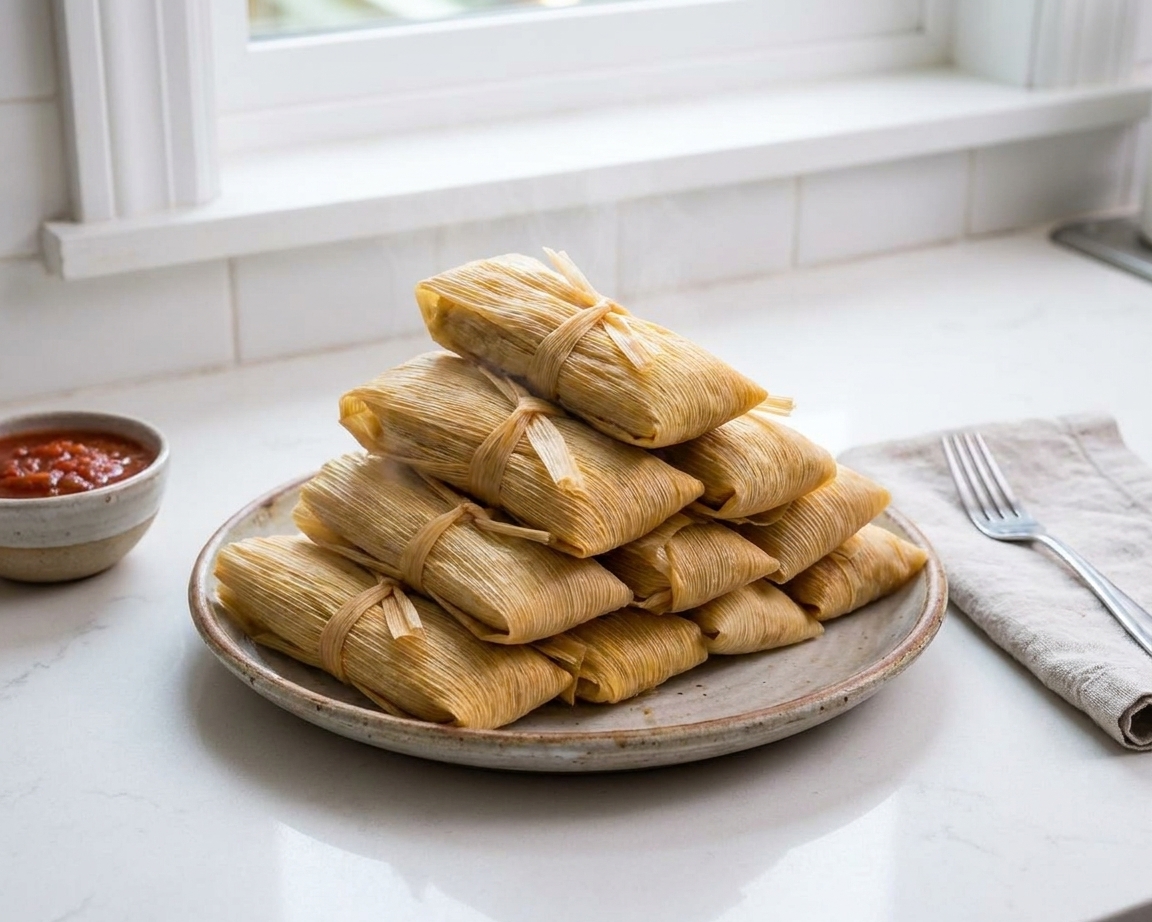
Soak dried corn husks in very warm water for 30 to 60 minutes until pliable. I like to weigh them down with a plate so they stay submerged, then pat them dry before spreading masa.