Do I have to use lard?
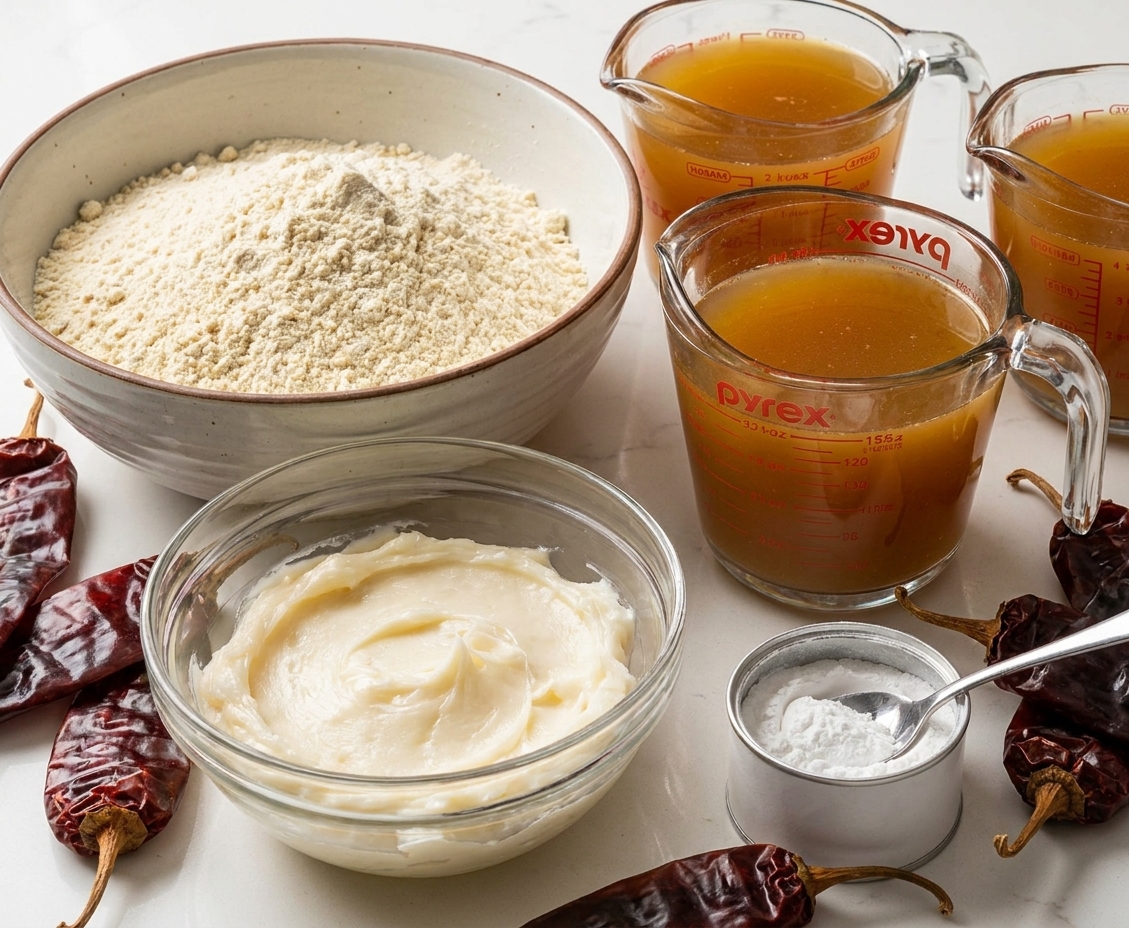
No. Lard is classic and gives the most tender, flavorful masa, but you can use vegetable shortening or a neutral, solid plant-based fat. If you use oil, the texture is harder to get fluffy, so I do not recommend it for beginners.
Can I use regular masa harina?
Yes. If you see a bag labeled “for tamales,” grab it, but regular masa harina works too. The main difference is texture and hydration needs, so add broth gradually and trust the feel.
How do I know my masa has enough broth?
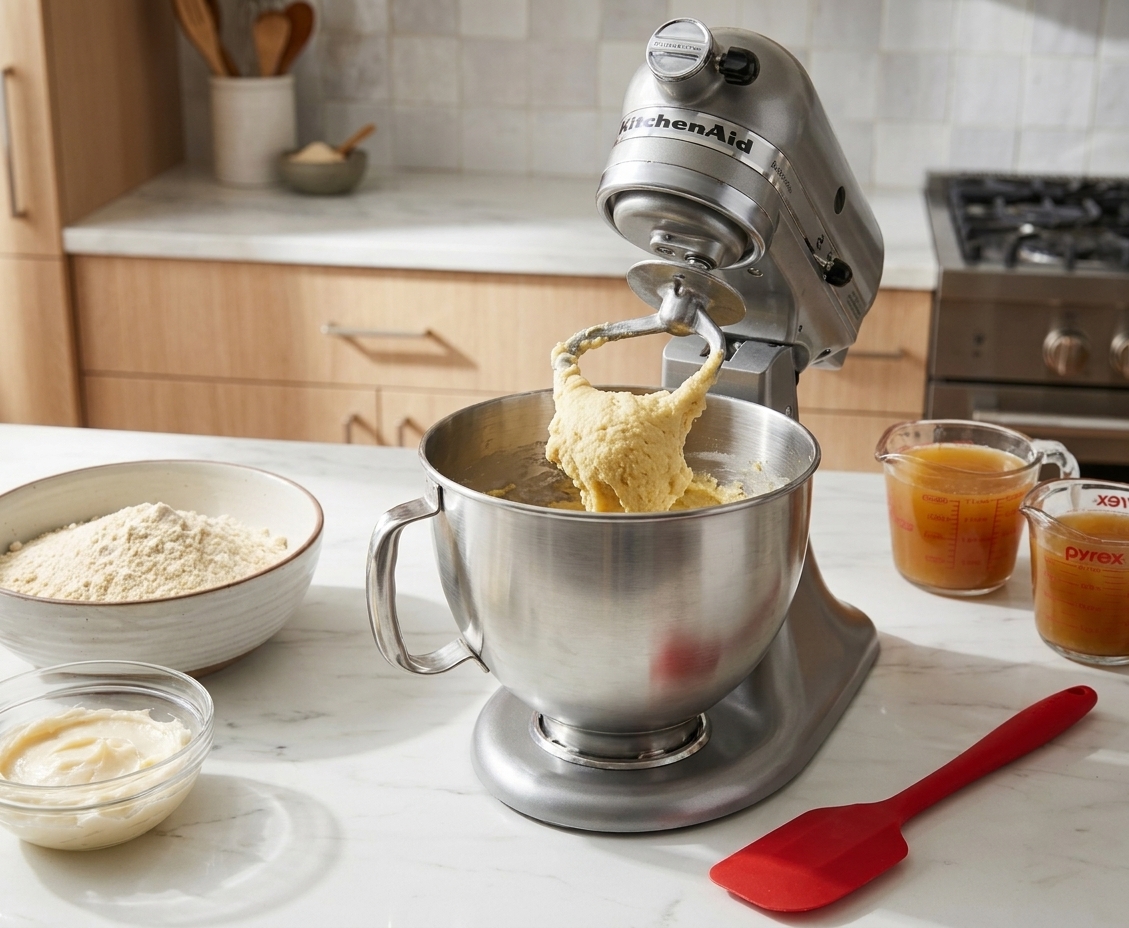
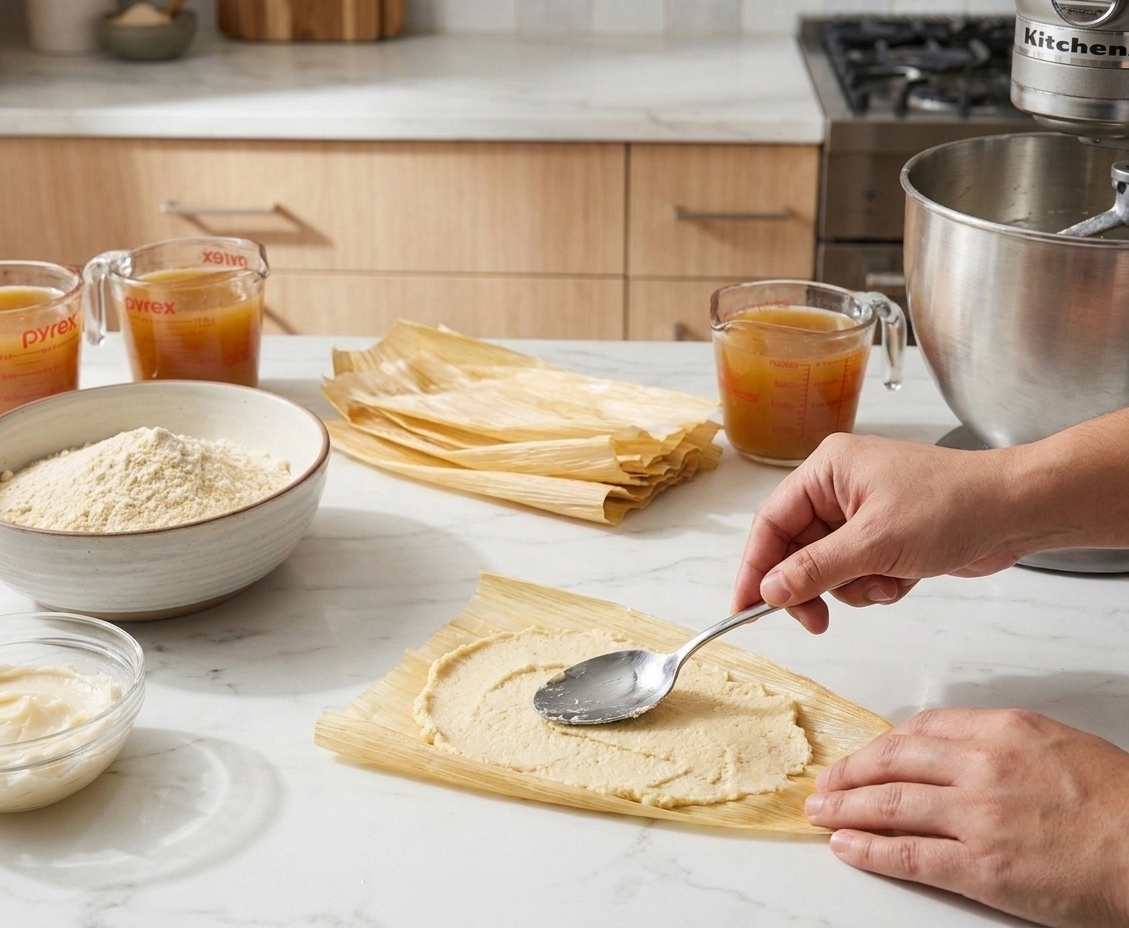
It should feel like soft, spreadable peanut butter. If it is stiff and cracks when you spread it, add more warm broth a tablespoon at a time.
Is the float test necessary?
Not necessary, but it is a nice confidence boost. Drop a small piece of masa (about 1 teaspoon) into a cup of cold water. If it floats, your fat is well whipped and the masa is light. If it sinks, keep mixing a bit longer and make sure the dough is not too dry.
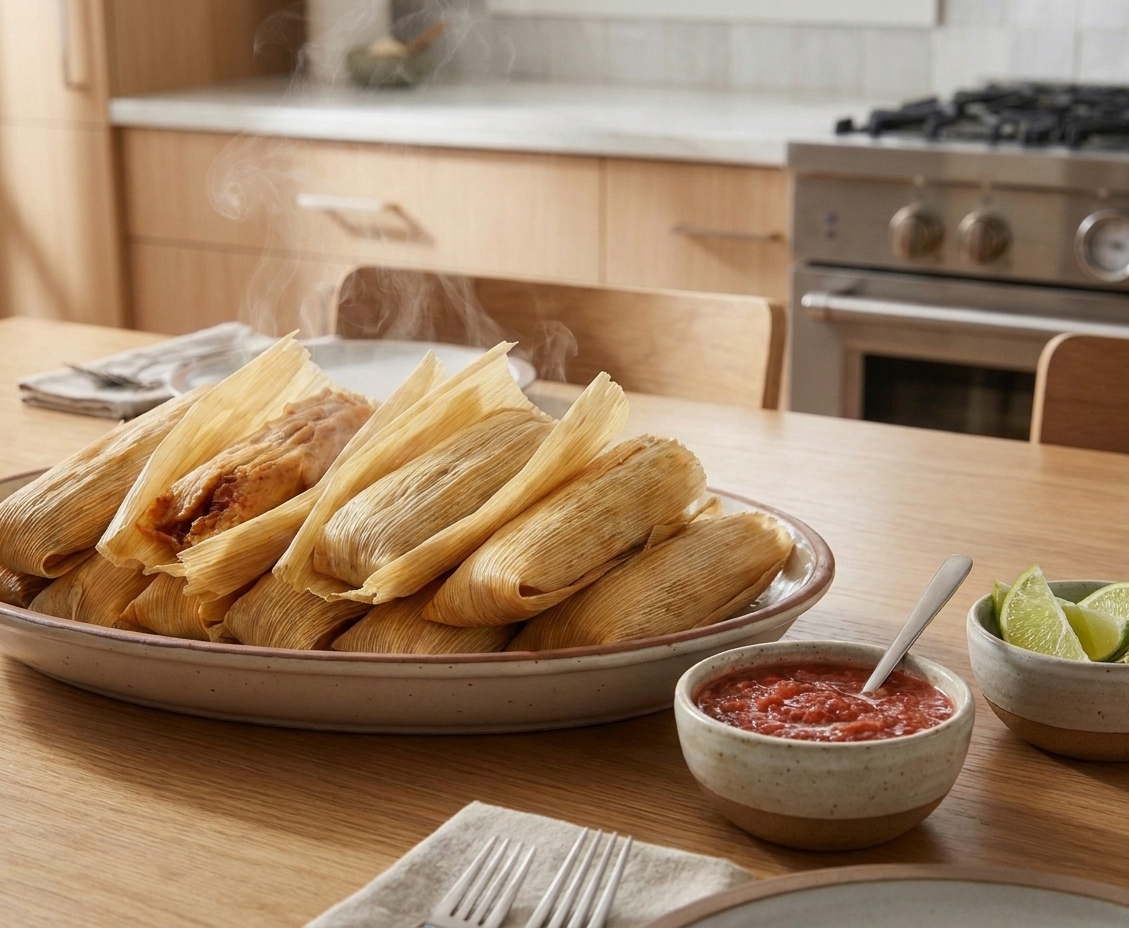
How do I know when tamales are done?
After steaming, the masa should pull away from the husk cleanly. If it still sticks or looks wet, steam 10 more minutes and check again.
Why are my tamales dense?
Most common causes: not whipping the fat, masa too dry, or overpacking the tamal. Also make sure your baking powder is fresh.
Can I make tamales without a steamer?
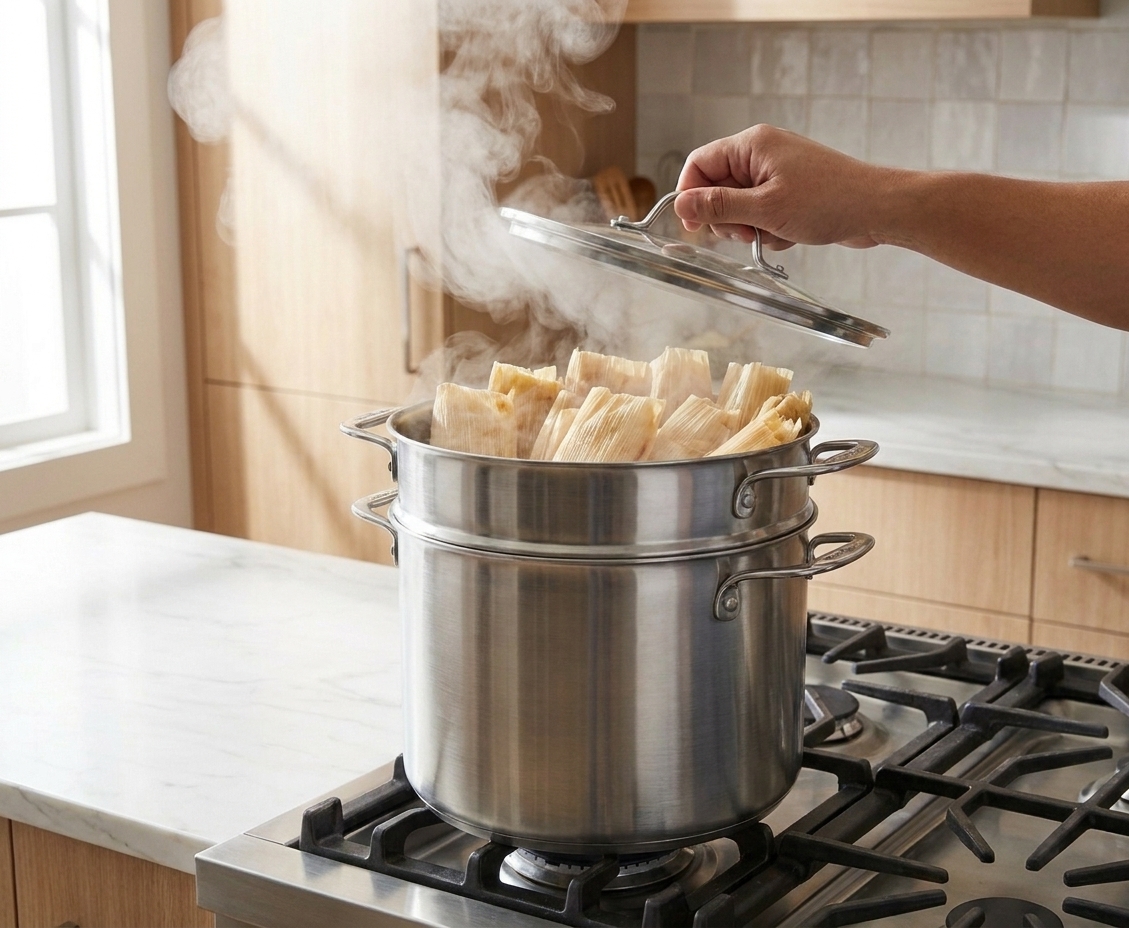
Yes. Use a large pot with a metal rack or a heat-safe bowl flipped upside down, then set a plate on top to keep tamales above the water line. The key is steam, not boiling.
Can I use chicken instead of pork?
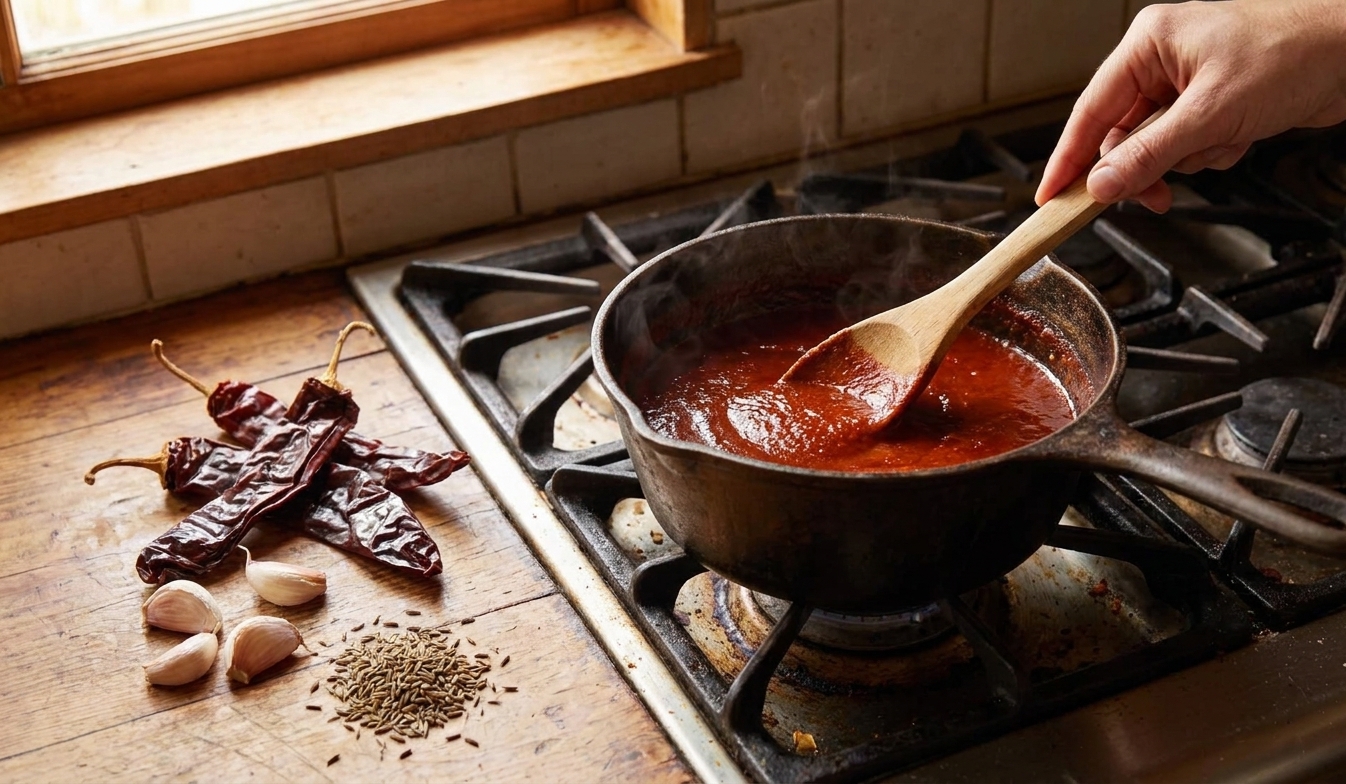
Absolutely. Swap in shredded chicken thighs or rotisserie chicken and simmer briefly in the red chile sauce so it soaks up flavor.