Mom's Best Recipes
Recipe

Nasi Lemak (Coconut Rice With Sambal)

Creamy coconut rice + spicy-sweet sambal + crunchy toppings. Comfort food that hits every note.

Author By Matt Campbell
4.8
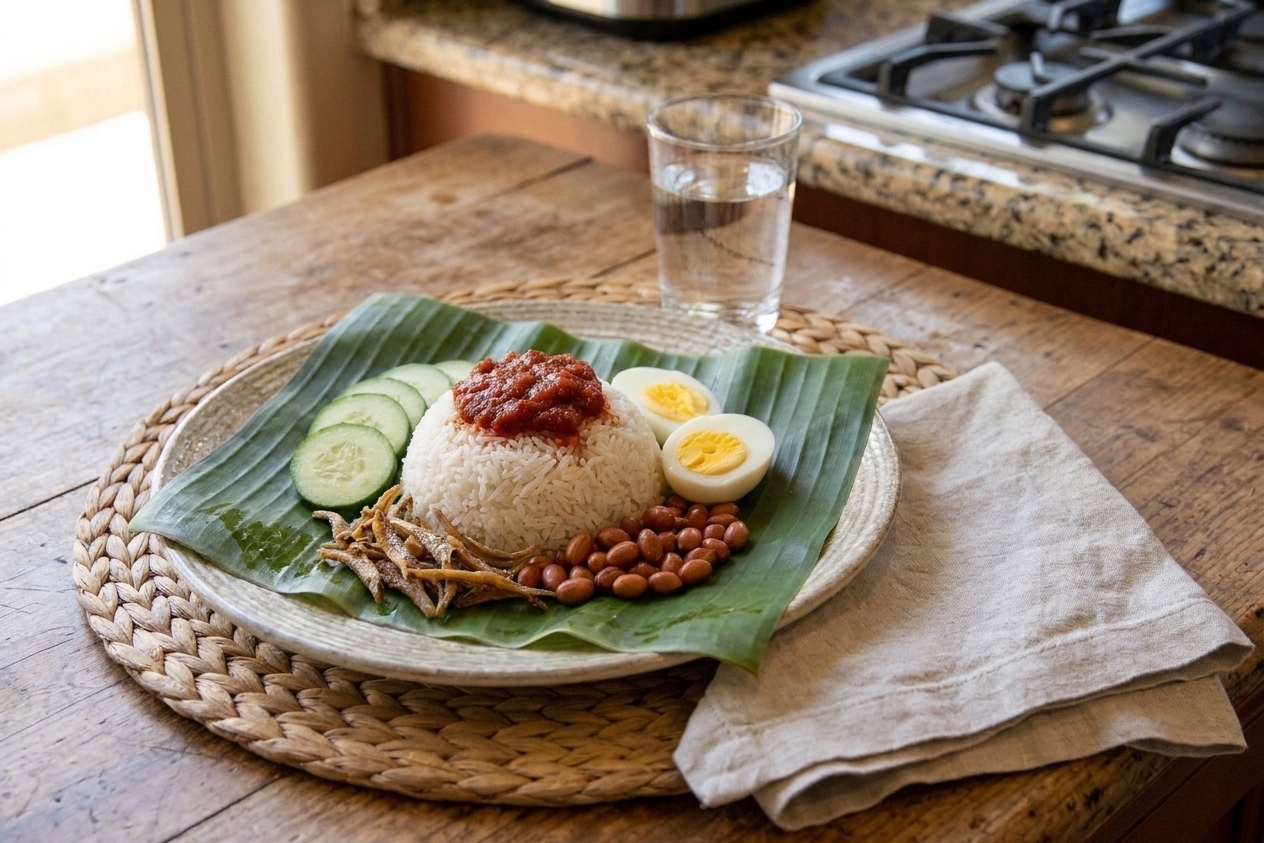
A plated nasi lemak on a banana leaf lined plate with coconut rice, sambal, crispy anchovies, peanuts, cucumber slices, and a halved boiled egg on a wooden table in warm natural light

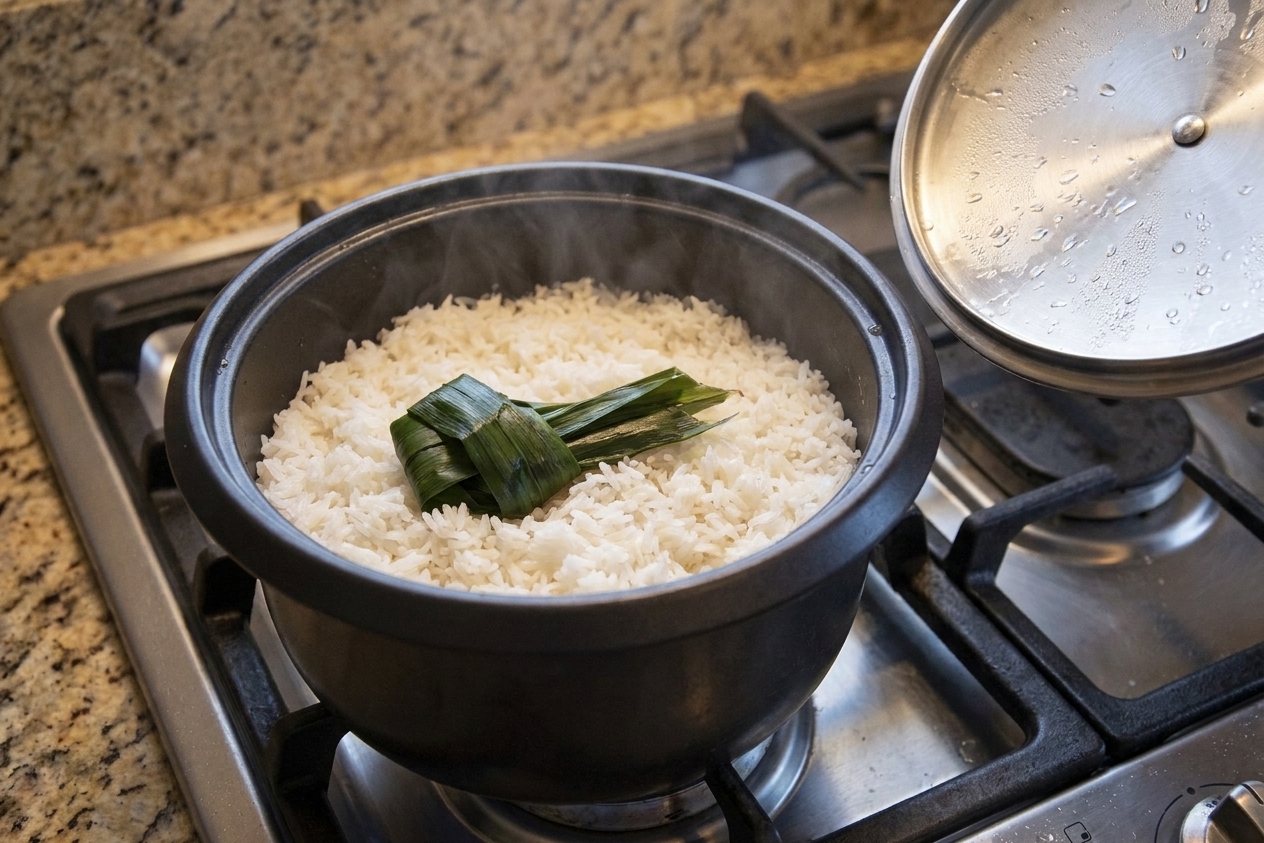
Nasi lemak is one of those meals that makes you feel like you just solved dinner and treated yourself. You have fluffy coconut rice that smells like pandan and ginger, a sambal that is spicy-sweet and a little sticky, and then all the crunchy, salty, cool stuff that makes every bite different. It is a choose-your-own-adventure plate that still somehow tastes like one cohesive hug.

This is my home-kitchen version for Moms Best Recipes, meaning: accessible ingredients, clear steps, and zero shame if you take a shortcut or two. The goal is that first bite where you pause and think, okay wow.

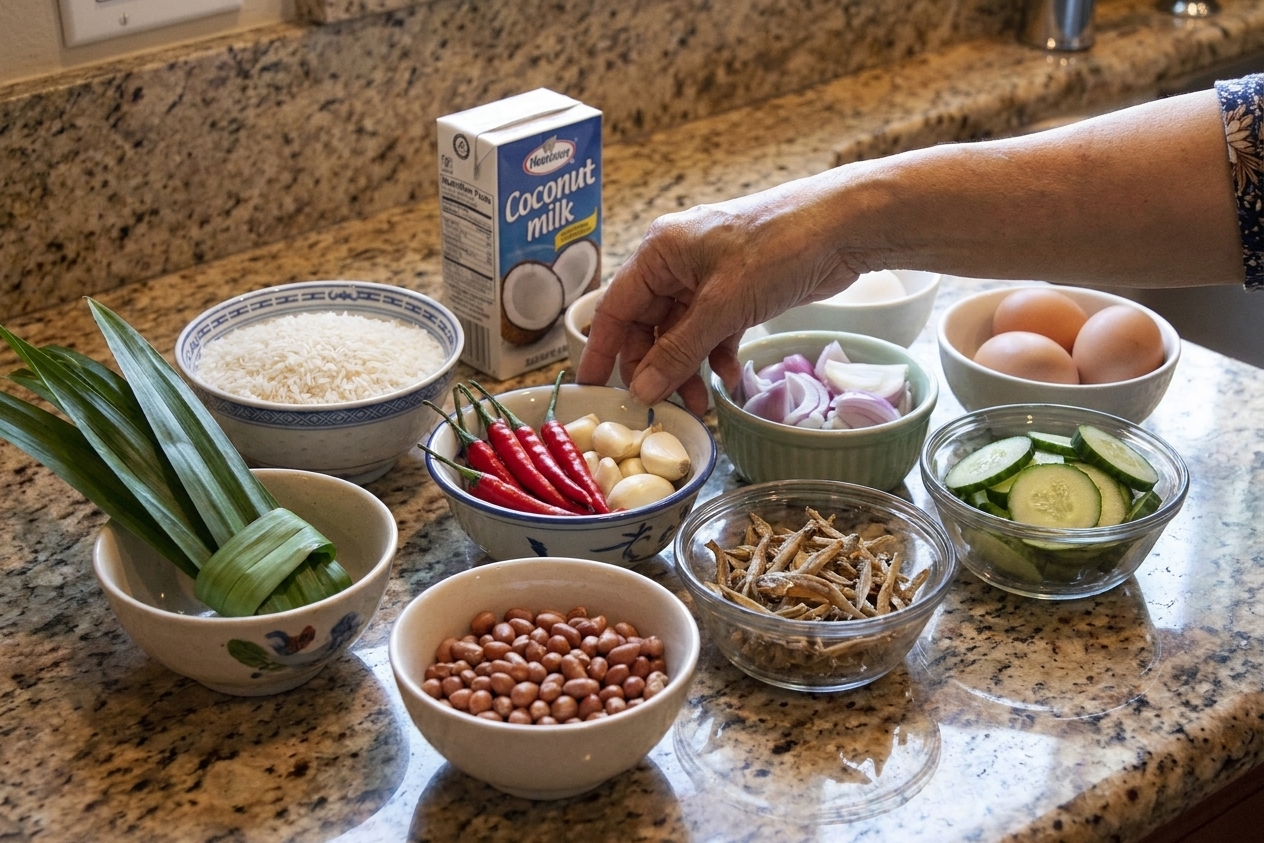
A kitchen counter set up with coconut milk, jasmine rice, pandan leaves, sambal ingredients, peanuts, dried anchovies, cucumbers, and eggs arranged in small bowls

Why It Works

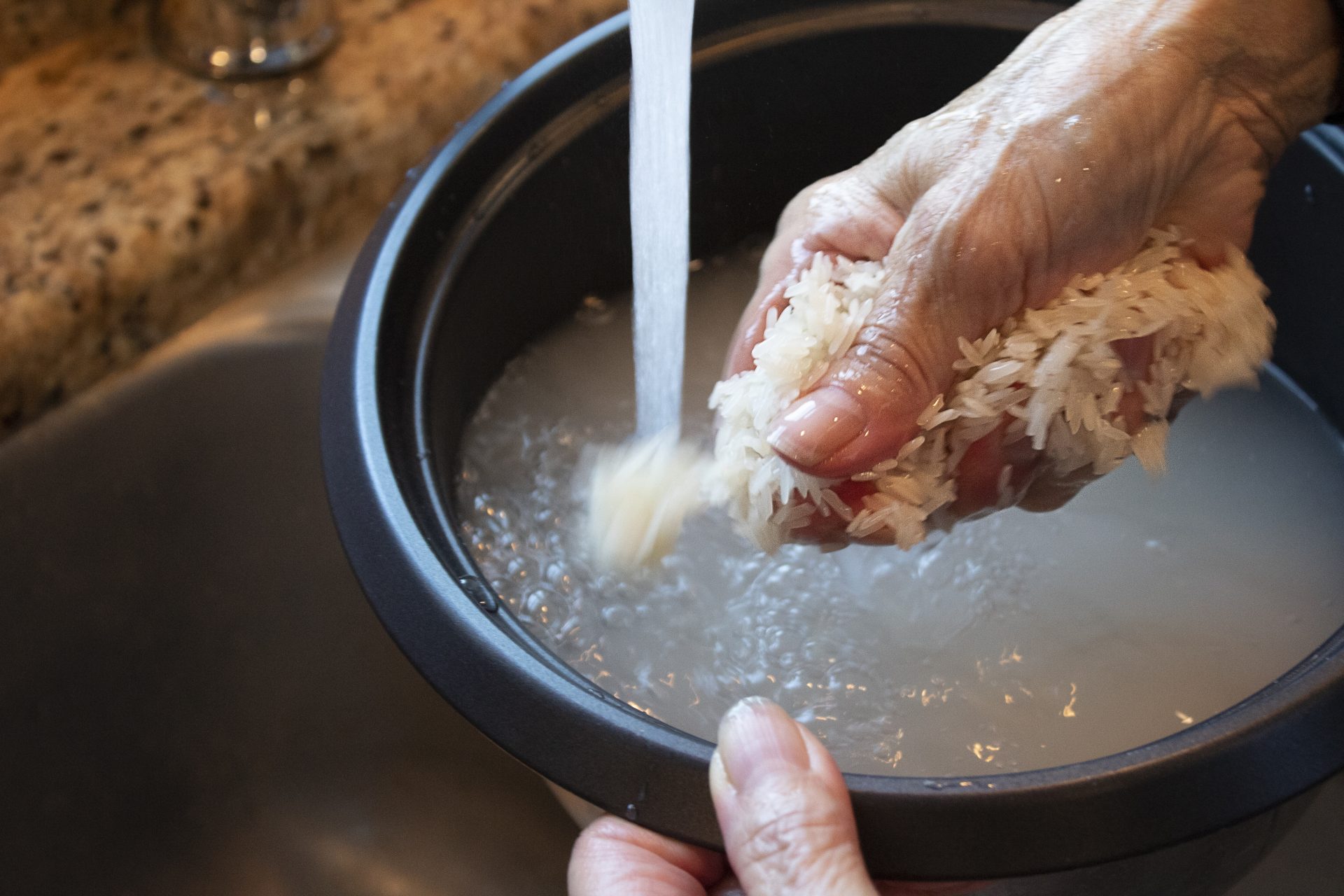
  • Fragrant, not greasy rice: rinsing the rice and using a reliable coconut milk to water ratio keeps it fluffy and aromatic.
  • Sambal with depth: a quick simmer turns raw chili heat into that classic glossy, savory-sweet punch.
  • Texture party: crispy anchovies and peanuts, cool cucumber, and creamy egg keep every forkful exciting.
  • Make-ahead friendly: sambal improves overnight, and the toppings can be prepped while the rice cooks.

Pairs Well With

Storage Tips

Store components separately for the best texture.

  • Coconut rice: rice is best handled fast. Spread it on a tray or shallow dish to cool quickly, then refrigerate promptly in an airtight container for up to 3 days. Reheat until piping hot (steaming throughout). Add a splash of water and cover when reheating to bring back the fluffy texture.
  • Sambal: refrigerate up to 7 days. It often tastes better on day 2. Rewarm gently in a small pan or microwave.
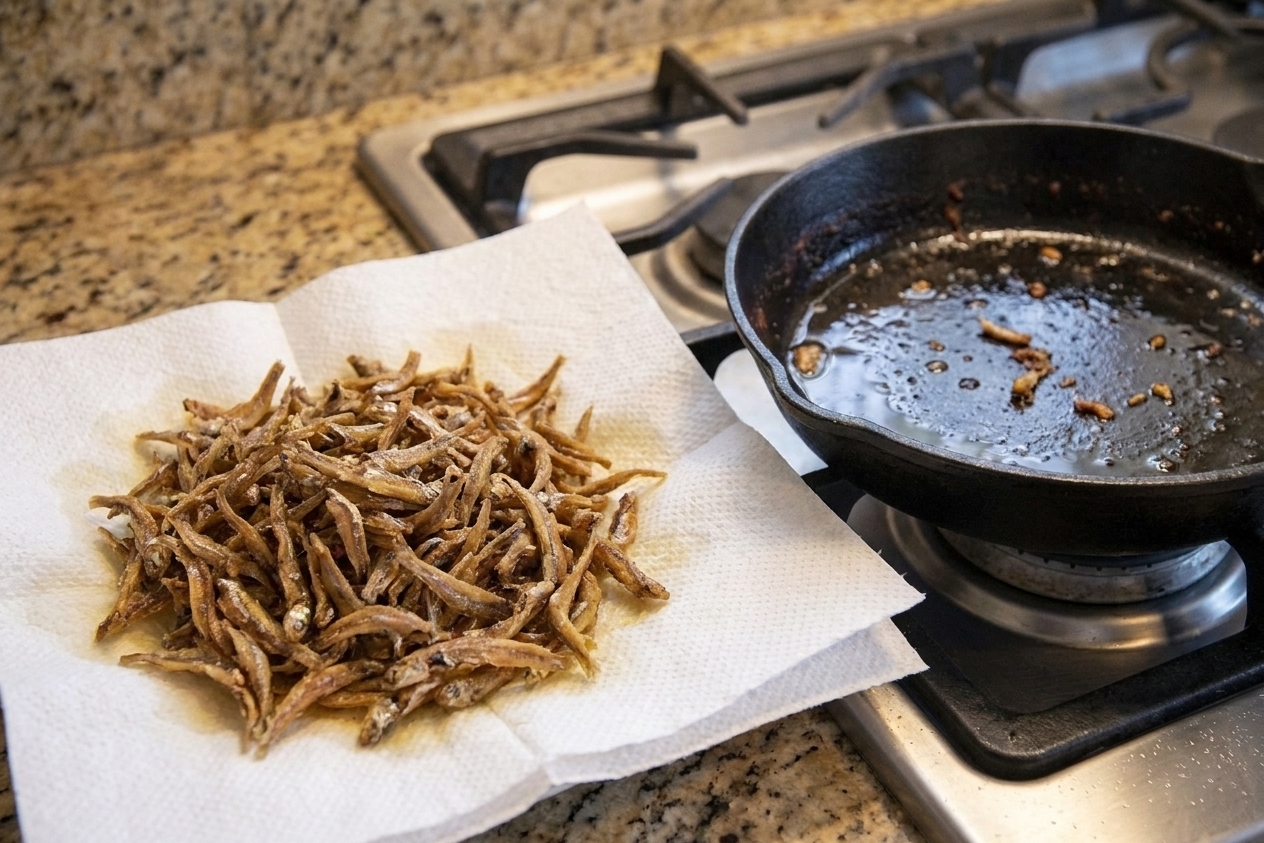
  • Crispy anchovies and peanuts: keep at room temp in a sealed container 2 to 3 days. If they soften, toast briefly in a dry skillet to re-crisp.
  • Eggs: boiled eggs keep in the fridge up to 1 week (unpeeled is best).
  • Cucumber: slice fresh when possible. If pre-sliced, store 1 to 2 days in the fridge, wrapped or in a sealed container.

Common Questions

What is nasi lemak?

Nasi lemak is a beloved Malaysian dish built around coconut milk rice, usually served with sambal, crispy fried anchovies (ikan bilis), roasted peanuts, cucumber, and egg. Many plates add fried chicken, rendang, or other proteins, but the core combo is rice + sambal + toppings.

Do I need pandan leaves?

No, but they are worth it if you can find them (often frozen at Asian grocery stores). Pandan adds a sweet, grassy aroma that makes the rice taste extra special. If you cannot find pandan, the rice is still great with ginger and a little lemongrass (optional).

What coconut milk should I buy?

Use full-fat canned coconut milk for the best flavor. “Light” coconut milk can taste thin. If your can is separated, whisk it before measuring.

Is sambal the same as chili paste?

Not exactly. “Sambal” is a category of chili relishes and sauces. This recipe makes a classic sambal nasi lemak style: blended aromatics, chiles, and tamarind simmered with a little sugar until glossy.

Why is there tomato paste in the sambal?

This is a home-kitchen shortcut. Tomato paste adds quick color and body, especially if you are skipping harder-to-find ingredients like belacan or dried shrimp. If you prefer, you can reduce it to 1 tablespoon and let the sambal simmer a bit longer.

Can I skip the anchovies?

Yes. You can leave them off entirely, or replace the salty crunch with something else like fried shallots. If you skip anchovies, bump up savoriness with a pinch more salt or a little extra fish sauce in the sambal. Soy sauce works in a pinch, but use it lightly since it changes the flavor.

How spicy is it?

Medium (for most home cooks), but adjustable. For a good starting point, use 6 dried chiles for medium heat, then go up to 8 to 10 for a spicier sambal. Remove some chili seeds for less heat, or use a mix of milder dried red chiles plus a couple bird’s eye chiles if you like it hot.

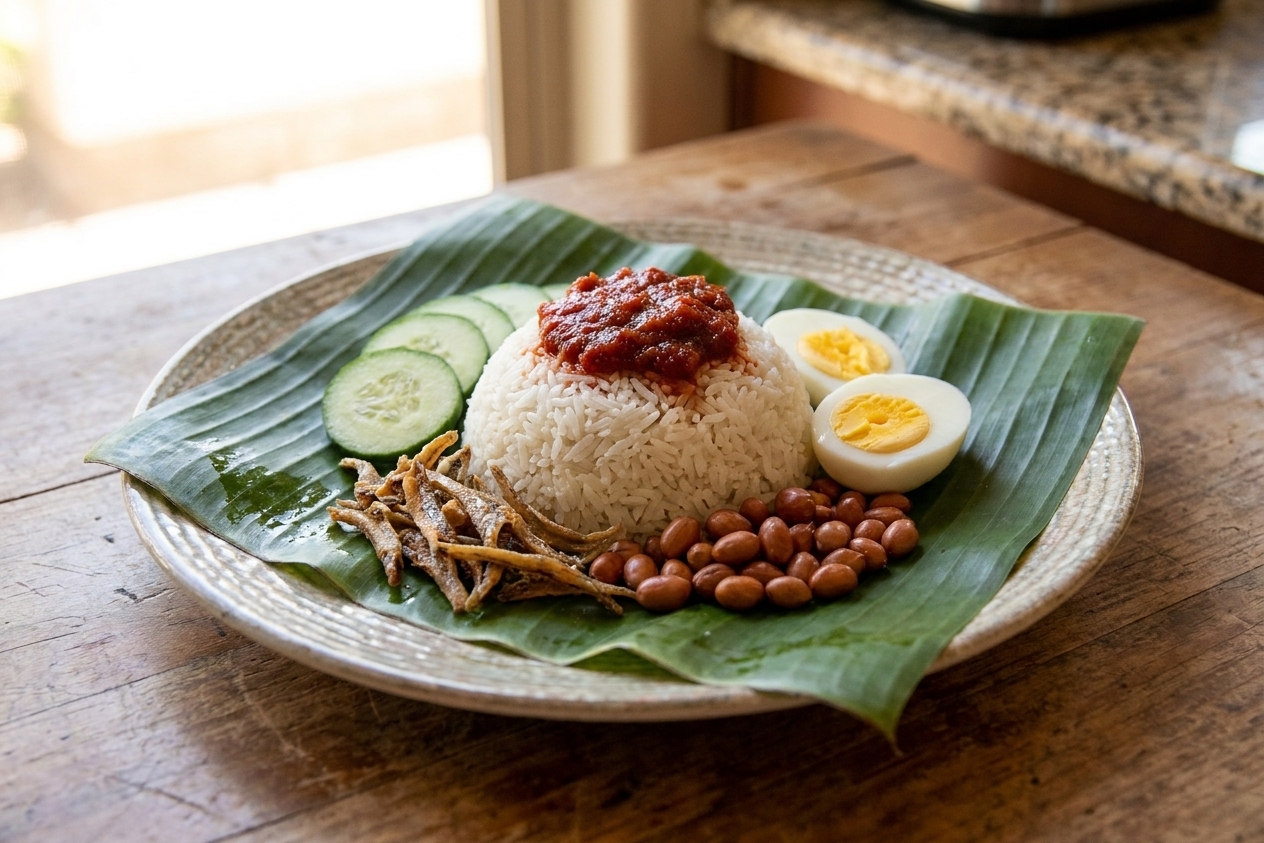
The first time I tried making nasi lemak at home, I treated it like a “one pot rice dish” and learned, politely, that nasi lemak is more like a vibe built from a few small things done right. When the rice smells like coconut and pandan, the sambal is glossy and bold, and you get that crunch from the anchovies and peanuts, it stops being dinner and turns into a whole moment. Now it is one of my favorite weekend projects because it feels ambitious without being dramatic, and it feeds a table like you actually planned ahead.

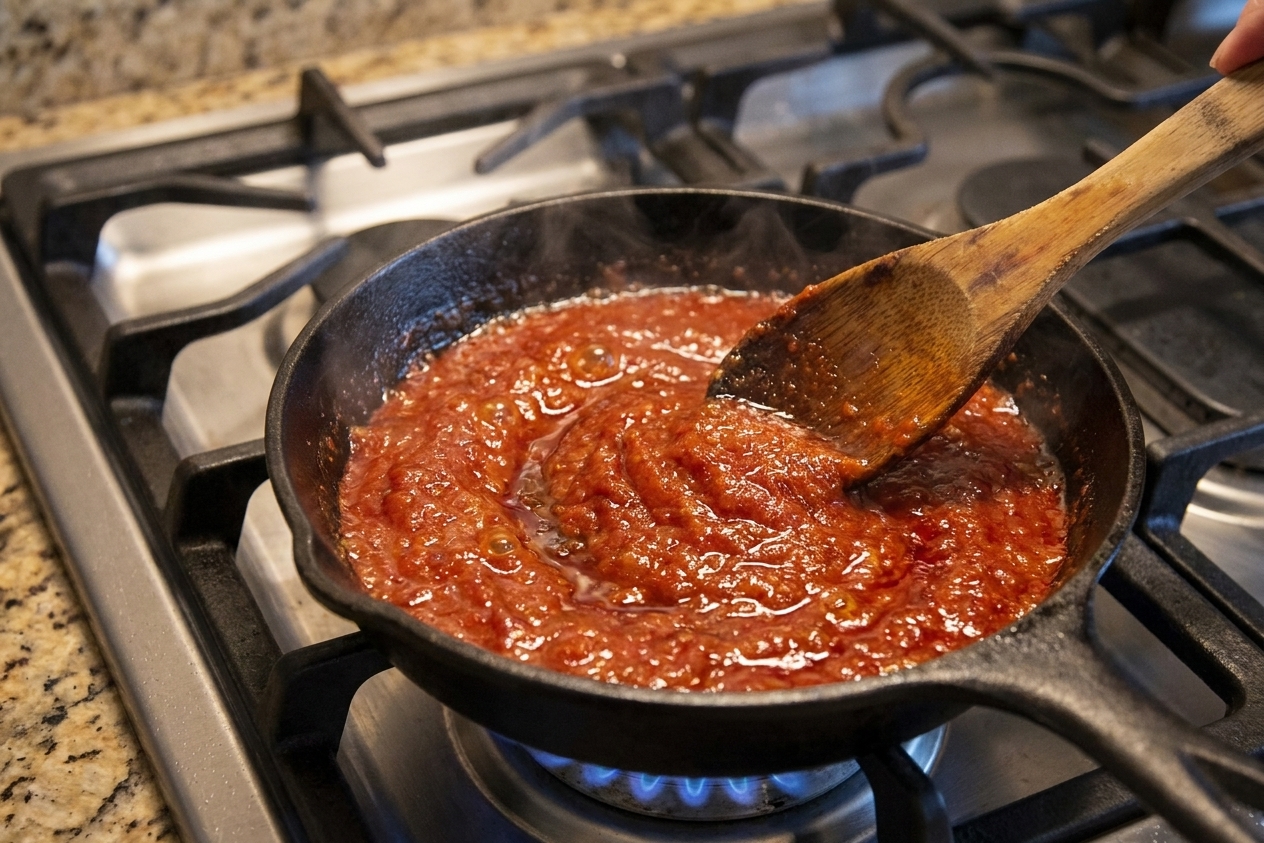
A small skillet on a stovetop with sambal simmering and bubbling, a wooden spoon stirring the glossy red sauce under warm kitchen lighting