Mom's Best Recipes
Recipe

Neapolitan Pizza

Soft, airy crust with blistered edges, quick tomato sauce, and classic mozzarella, built for a very hot home oven.

Author By Matt Campbell
4.8
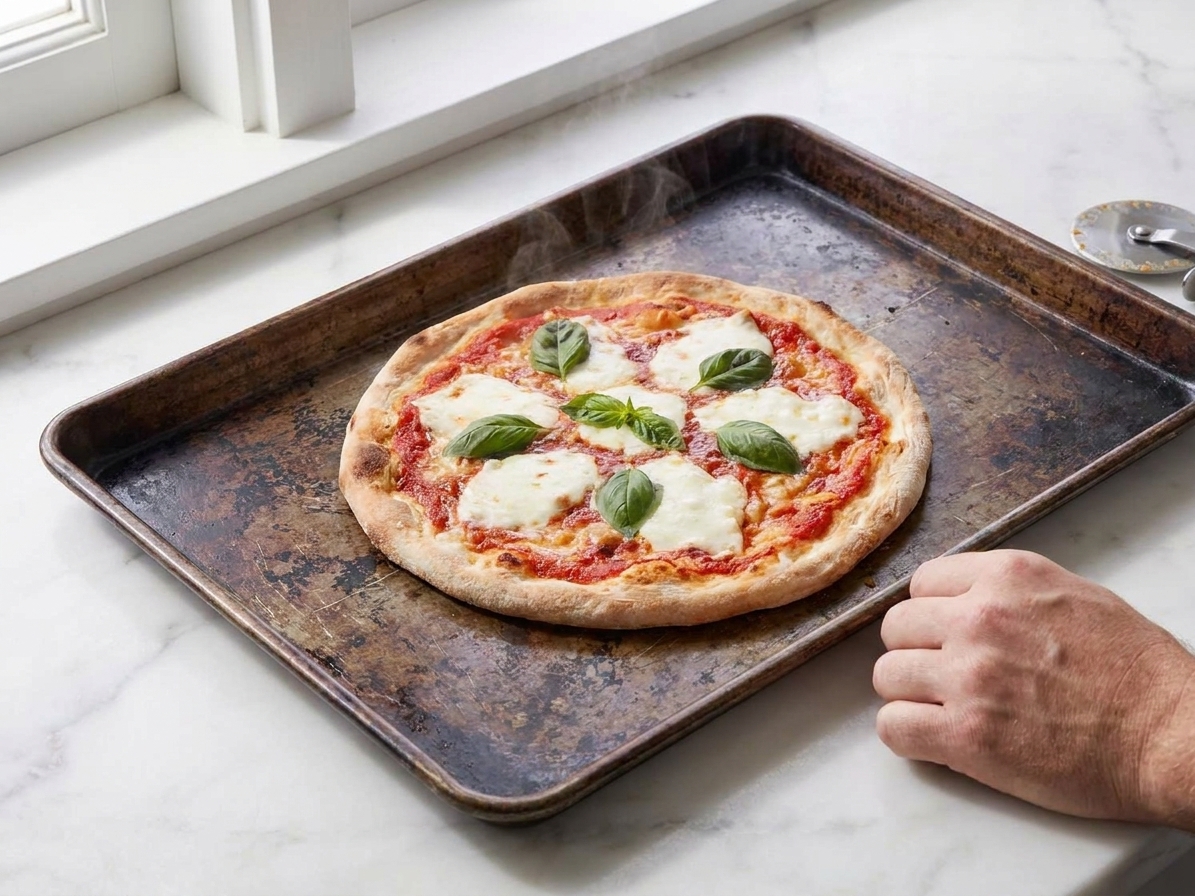
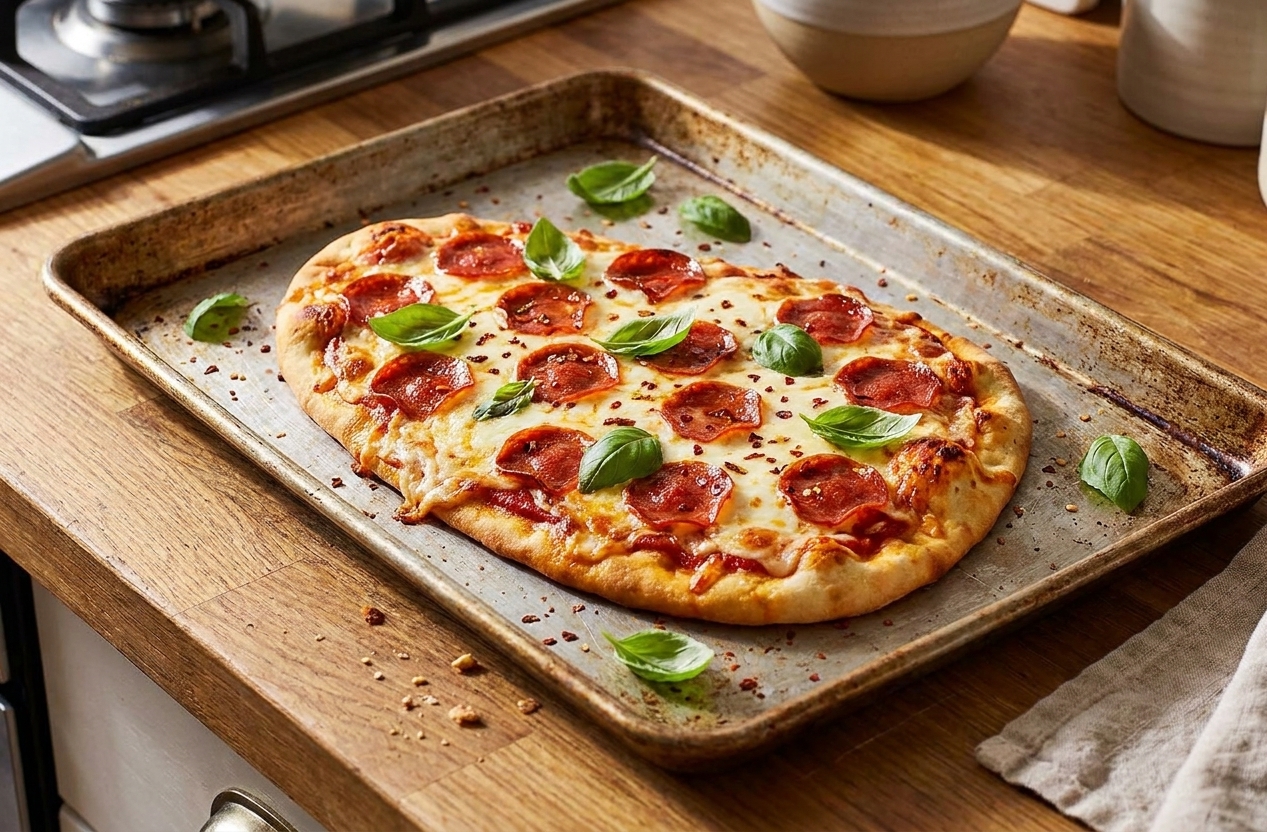
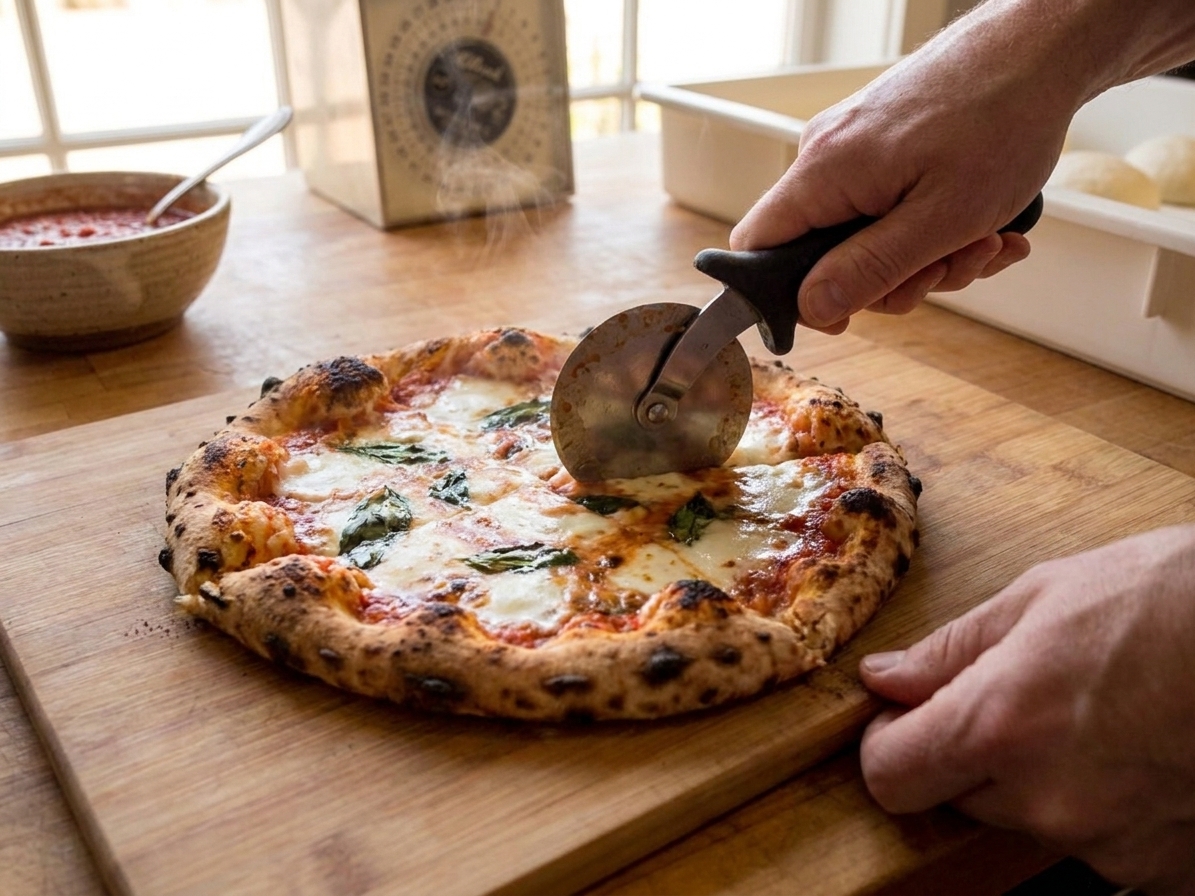
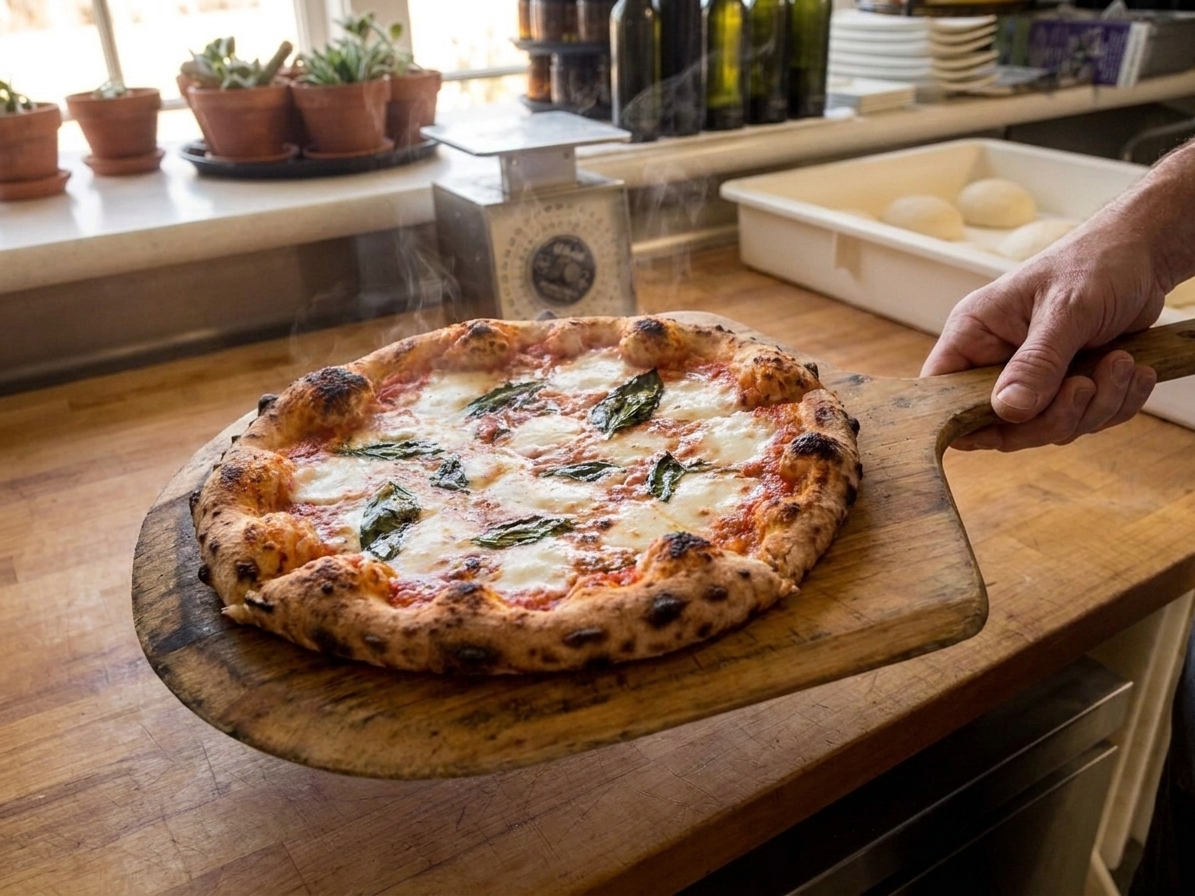
A freshly baked Neapolitan Margherita pizza with spotted crust, melted mozzarella, basil leaves, and glossy tomato sauce on a wooden peel in a warm home kitchen

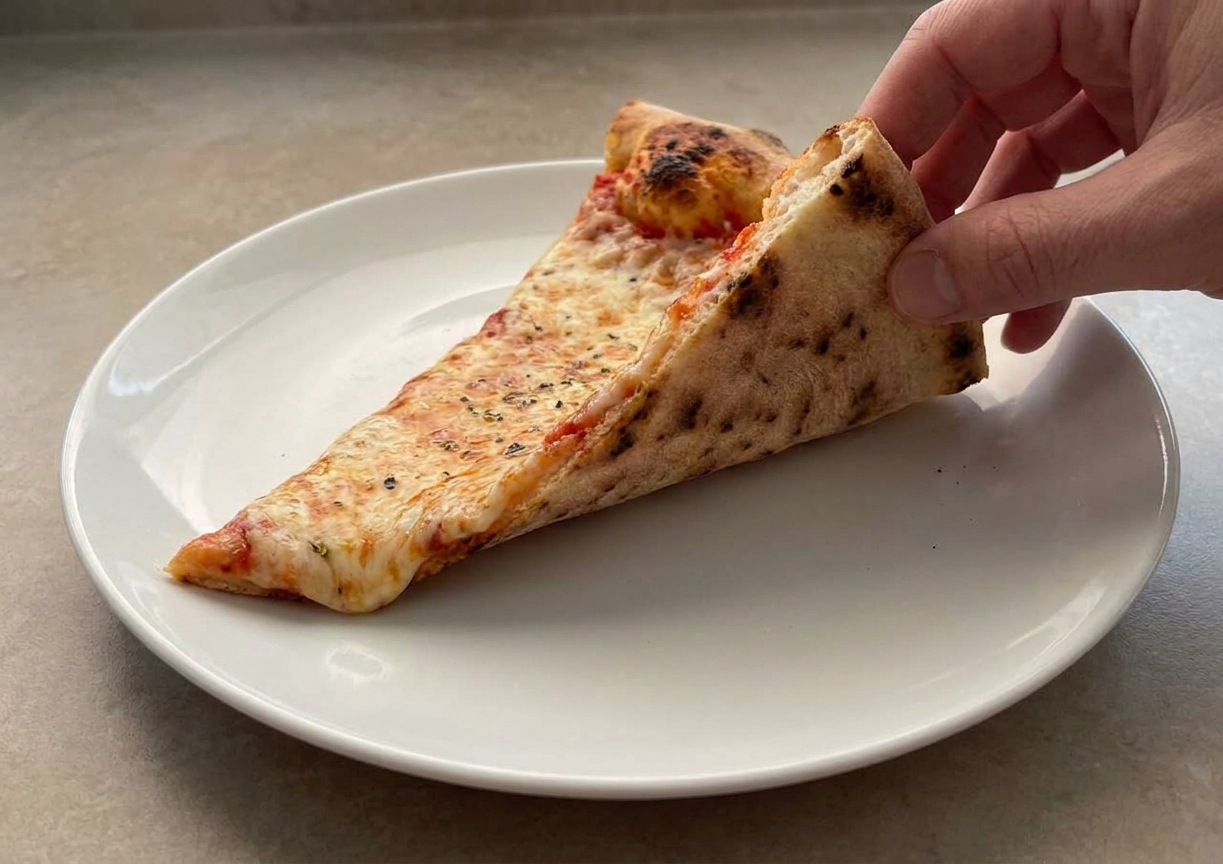
Neapolitan pizza is the pizza that makes you stop mid-bite and do the math on how soon you can heat the oven again. The crust is puffy and tender, the center stays a little soft and foldable, and the whole thing tastes like it was designed by someone who believed in simple ingredients and very high heat.

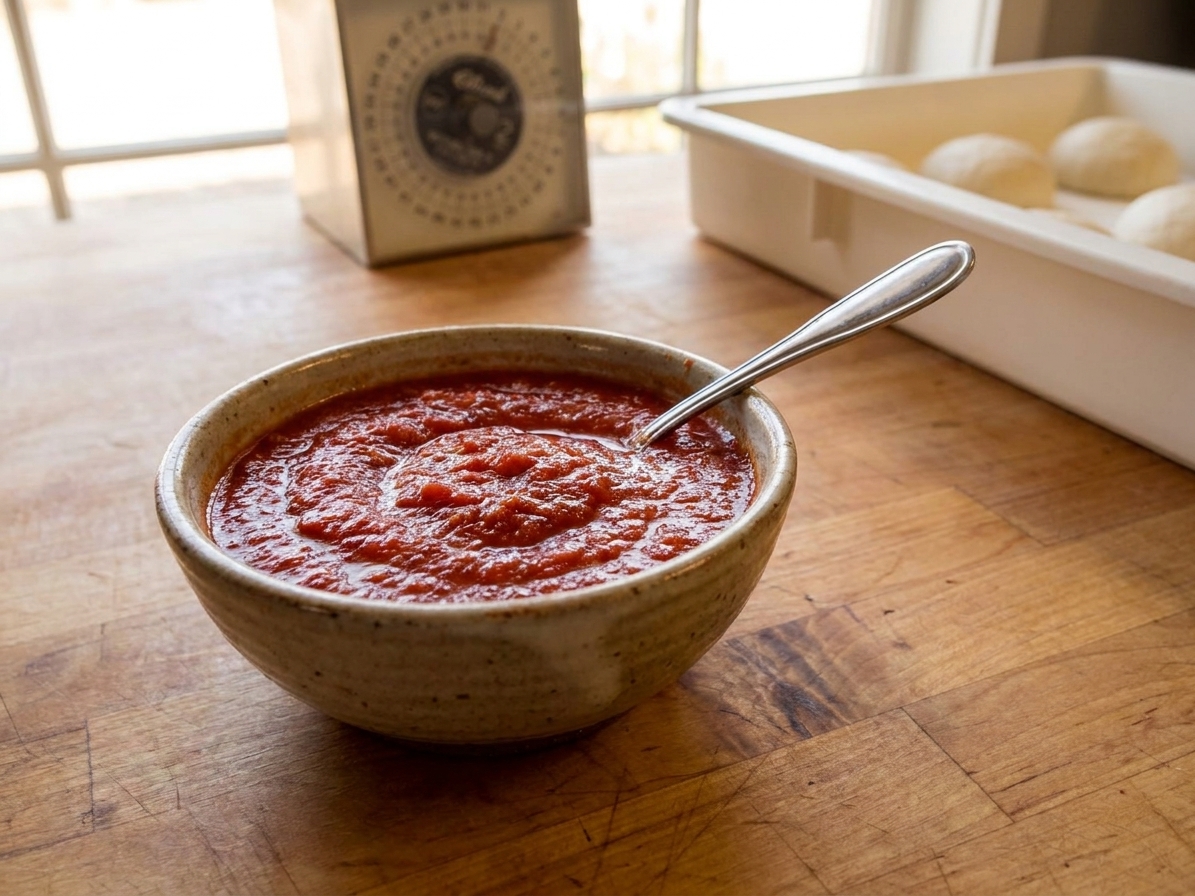
This is my home-kitchen version. It keeps the spirit of Neapolitan pizza without making you buy a kiln or fly to Naples. You will make a straightforward dough, a no-cook tomato sauce, and bake it on a ripping-hot steel or stone until the edges blister and the cheese gets that perfect melt.

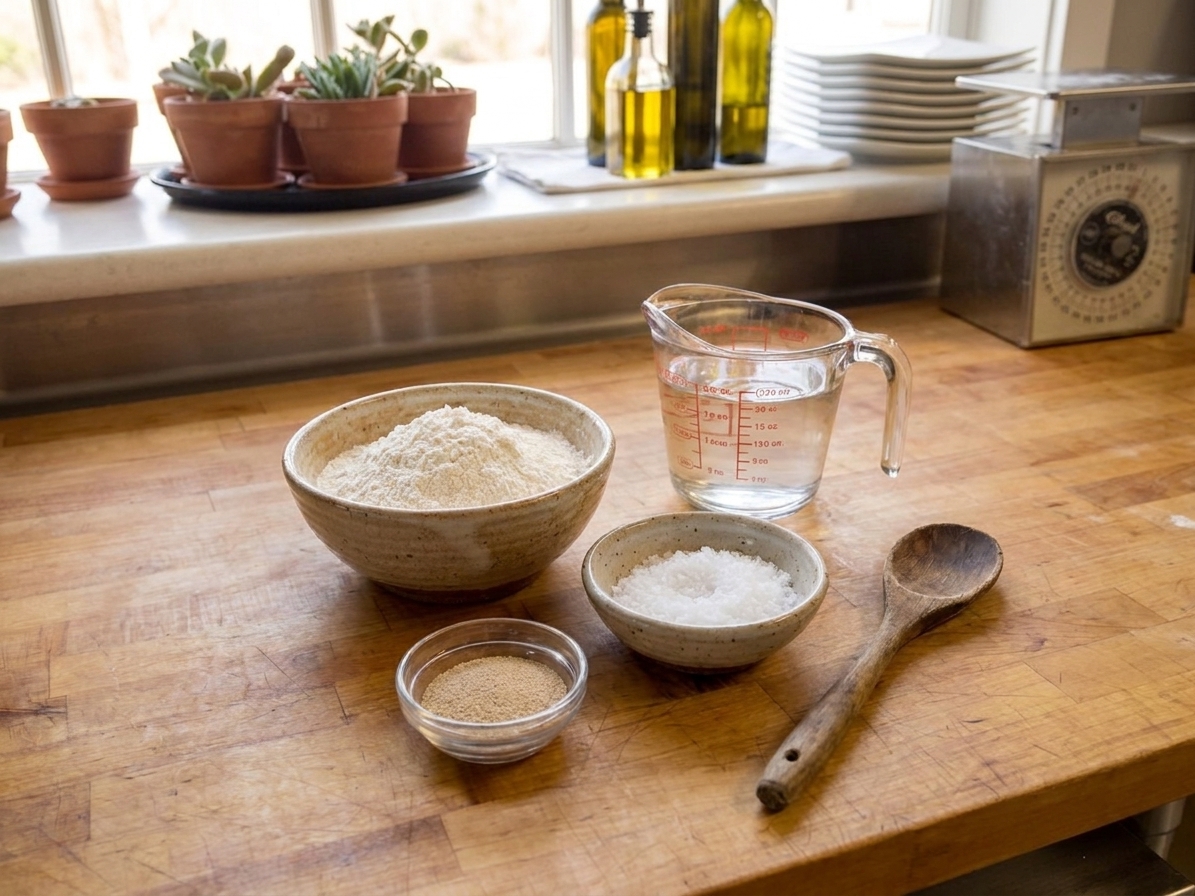
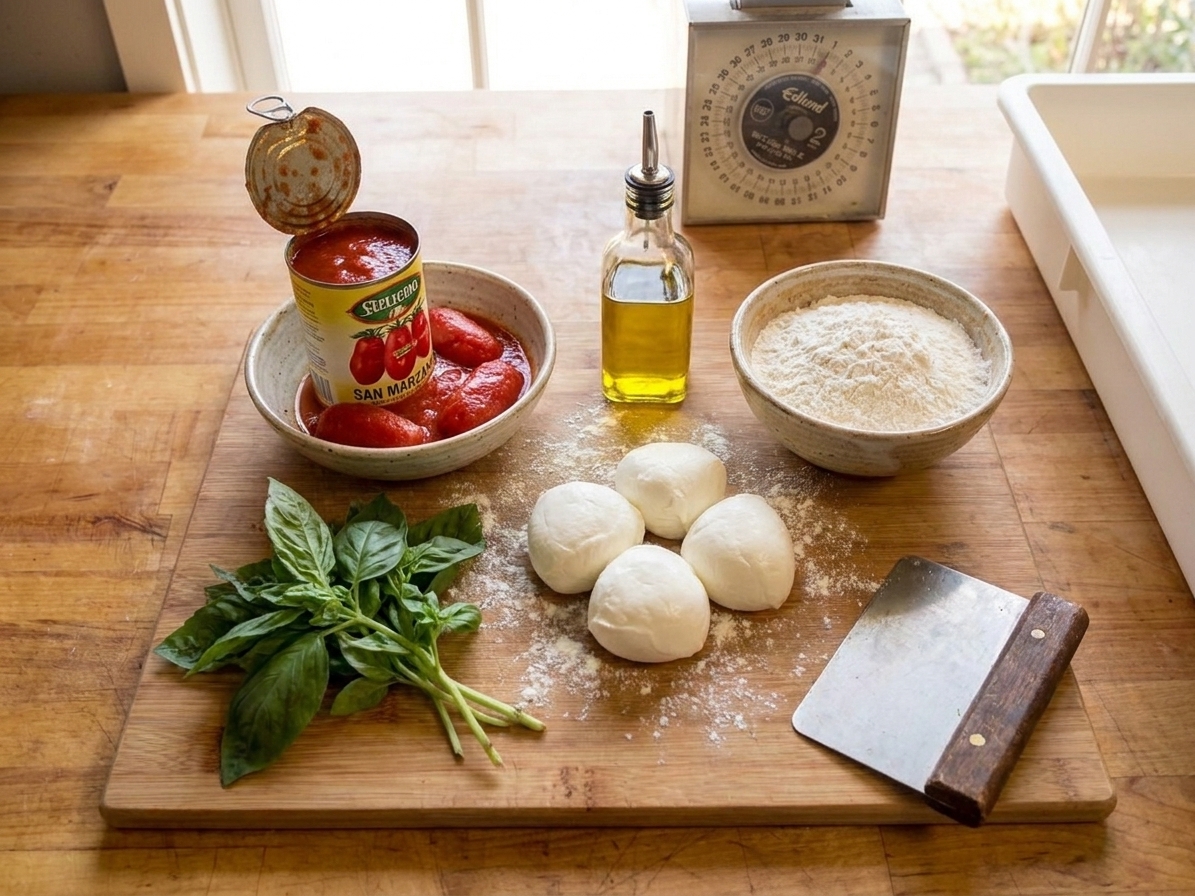
Bowls of flour, salt, instant yeast, and a measuring cup of water arranged on a clean kitchen counter with a wooden spoon

Why It Works

  • Soft, airy crust with crisp edges: High heat plus a well-fermented dough gives you that signature puffy rim and tender chew.
  • Bright, simple sauce: A quick crush of good tomatoes, salt, and olive oil keeps it fresh and not heavy.
  • Classic toppings that do not waterlog the pizza: Drained and blotted mozzarella plus restrained sauce keep the center from going soupy.
  • Home oven strategy that actually works: Preheat longer than you think, bake on steel or stone, and use a short broil finish for extra blistering.

Pairs Well With

Storage Tips

Neapolitan-style pizza is best hot and fresh, but leftovers can still be very lovable.

Fridge

  • Cool slices completely, then store in an airtight container for up to 3 days.
  • If stacking slices, place parchment between them to avoid the cheese glue effect.

Freezer

  • Freeze slices on a sheet pan until firm, then transfer to a freezer bag for up to 2 months.

Reheating (best methods)

  • Skillet: Medium heat, slice in the pan 2 to 4 minutes to re-crisp the bottom. Add a few drops of water to the pan (not on the pizza) and cover 30 to 60 seconds to re-melt the cheese.
  • Oven: 450°F on a preheated sheet pan or steel for 5 to 8 minutes.
  • Air fryer: 350°F for 3 to 5 minutes, checking early so the crust does not go full crouton.

Common Questions

What makes a pizza “Neapolitan”?

At its core: a yeast-leavened dough, stretched by hand, topped simply, and baked very hot for a short time. The goal is a puffy, blistered rim with a tender center, not a crunchy cracker base.

Is this a high-hydration dough?

This home-oven version is moderate-to-high hydration at about 75% (375 g water to 500 g flour). Some traditional Neapolitan formulas run lower, but the extra water here helps you get a softer, airier crust in a home oven.

Do I need 00 flour?

No, but it helps. 00 flour is finely milled and tends to give a softer, more extensible dough. If you only have bread flour, use it. Your pizza will still be excellent, just a touch chewier.

Can I use fresh mozzarella?

Yes, and it is classic. The trick is moisture: slice it and let it drain on paper towels for 15 to 20 minutes, then blot again right before topping. Too-wet mozzarella is how you end up with pizza soup.

Why is my dough snapping back when I stretch it?

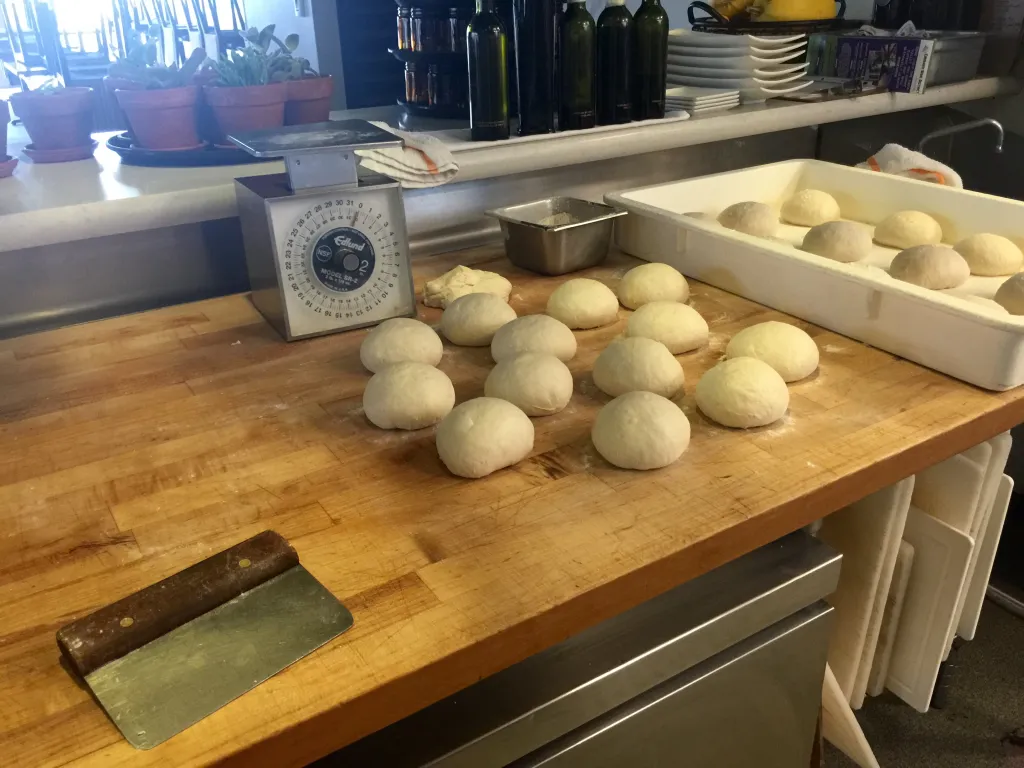
It needs to relax. Cover it and let it rest 15 minutes, then try again. Also make sure your dough had enough fermentation time and that it is not too cold. Room-temperature dough stretches like a dream.

How do I get leopard spots in a home oven?

True Neapolitan leoparding is easier at much higher temperatures than most home ovens can reach, but you can still get nice char blisters and spotting. Use a pizza steel if you can, preheat for a long time, and bake as close to the broiler as safely possible. In the last 30 to 90 seconds, switch to broil to push the top into that blistered zone.

Can I make the dough ahead?

Absolutely. A cold ferment in the fridge improves flavor and handling. If you go long (close to 24 hours), consider reducing the yeast a bit so the dough does not overproof.

The first time I tried making Neapolitan pizza at home, I treated my oven like it owed me money. I cranked it, preheated forever, launched a lopsided circle, and still felt wildly proud when the crust puffed like a little bread balloon. It was not perfect, but it was the kind of imperfect that makes you laugh, tear off a blistered edge, and immediately start planning the next one. That is the energy I want for you here: solid guidance, bold flavor, and permission to be a little messy.