Mom's Best Recipes
Recipe

New York Cut Steak

Crisp-edged, juicy strip steak with a quick garlic herb butter and easy doneness temps.

Author By Matt Campbell
4.8
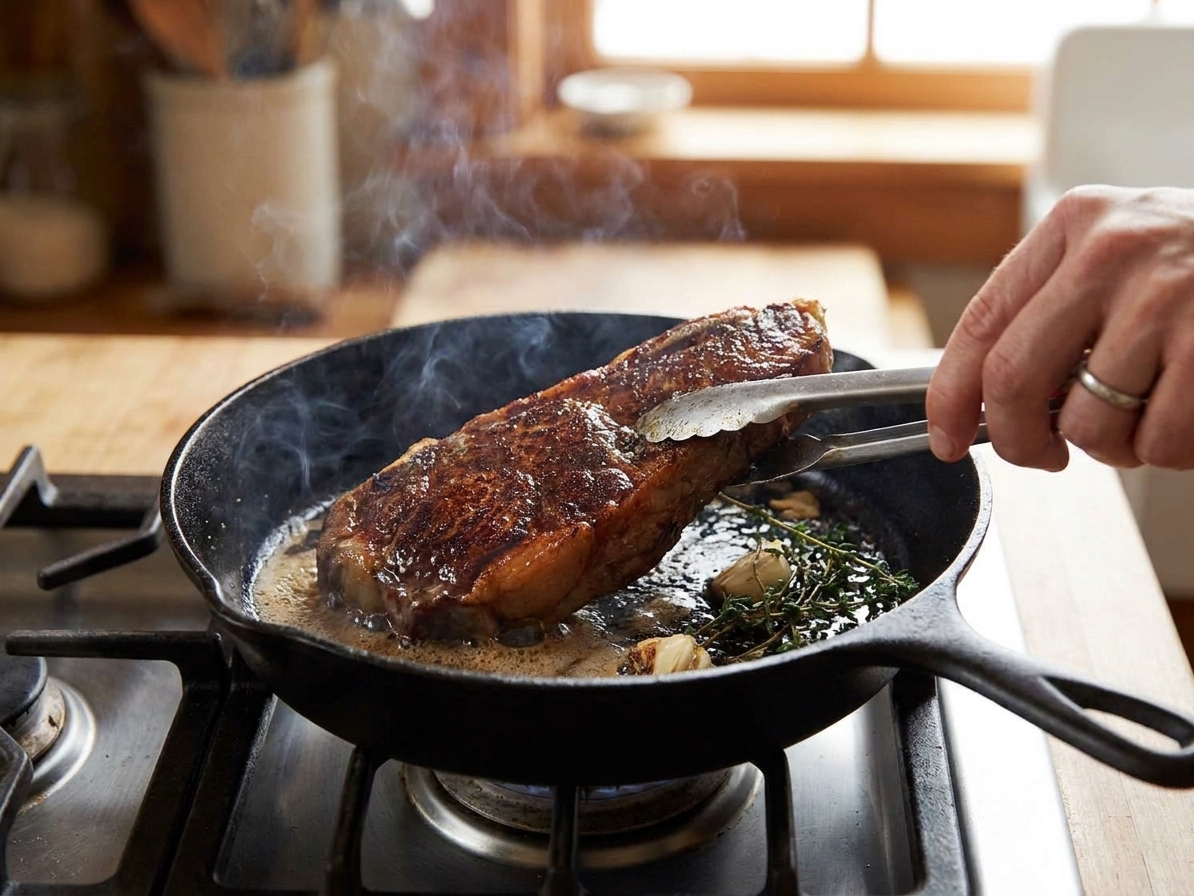
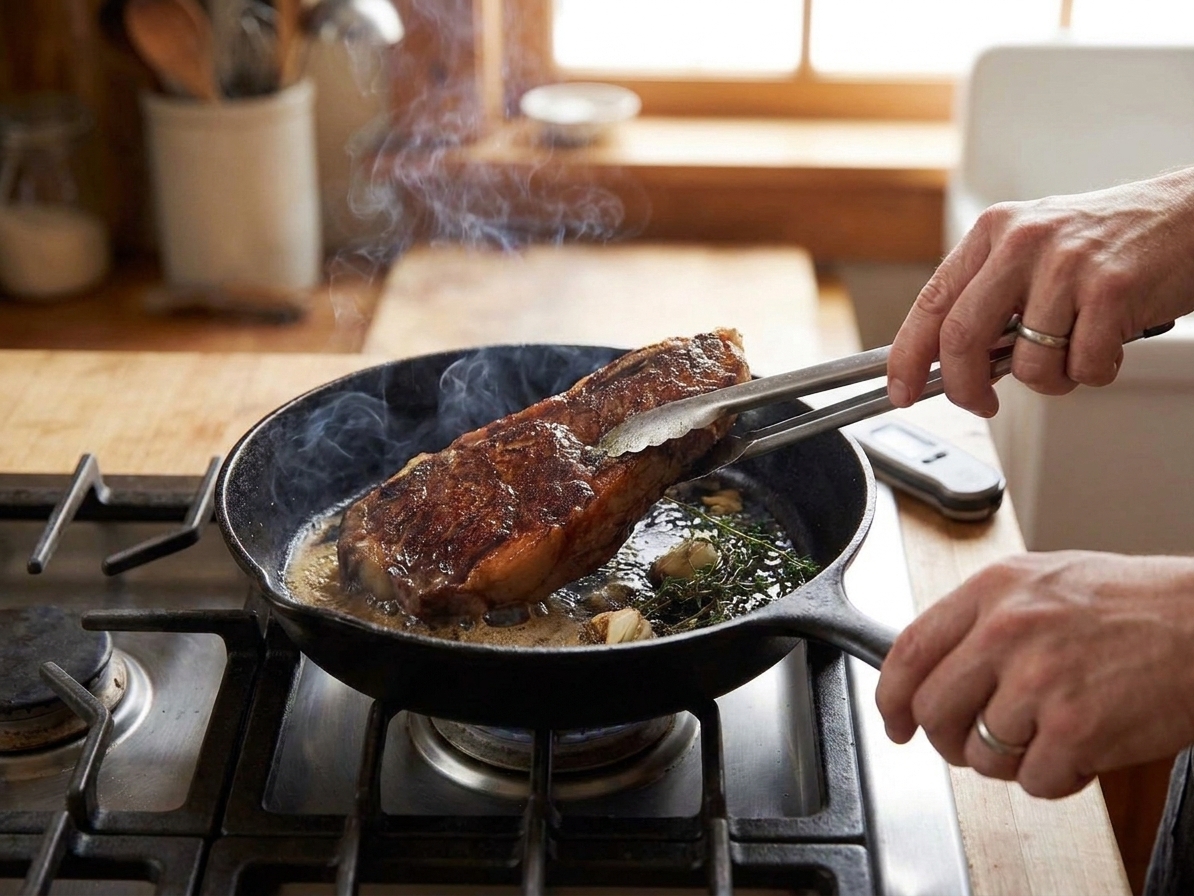
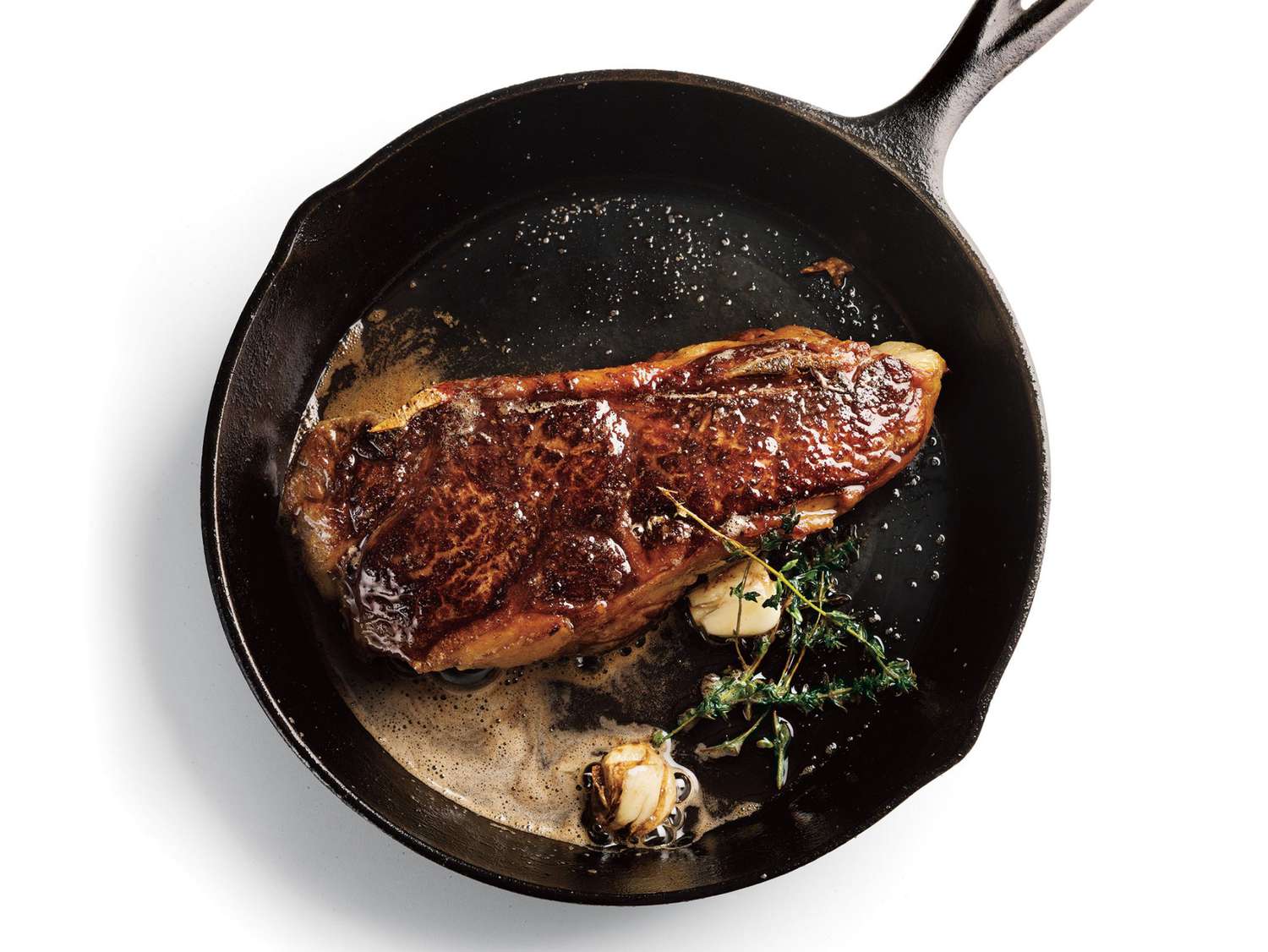
A thick New York strip steak seared in a cast iron skillet with foaming butter, garlic cloves, and a sprig of rosemary on a warm kitchen stove, golden crust visible

If there is one dinner that instantly makes a regular Tuesday feel like a “we did something” night, it is New York cut steak. You get that steakhouse crust, a juicy center, and the best part, you do not need a grill or fancy gadgets. Just a hot pan, decent seasoning, and the confidence to let the steak do its thing.

My version keeps it simple: a hard sear, a quick butter baste with garlic and herbs, and a short rest so you do not lose all that goodness to the cutting board. It is relaxed cooking with big payoff.

Why It Works

  • Deep browned crust from a properly preheated pan and a dry steak surface.
  • Juicy interior thanks to smart timing and pulling the steak at the right temperature.
  • Fast flavor with a simple garlic herb butter baste that tastes way fancier than it is.
  • Clear doneness guidance so you are not guessing when dinner is on the line.
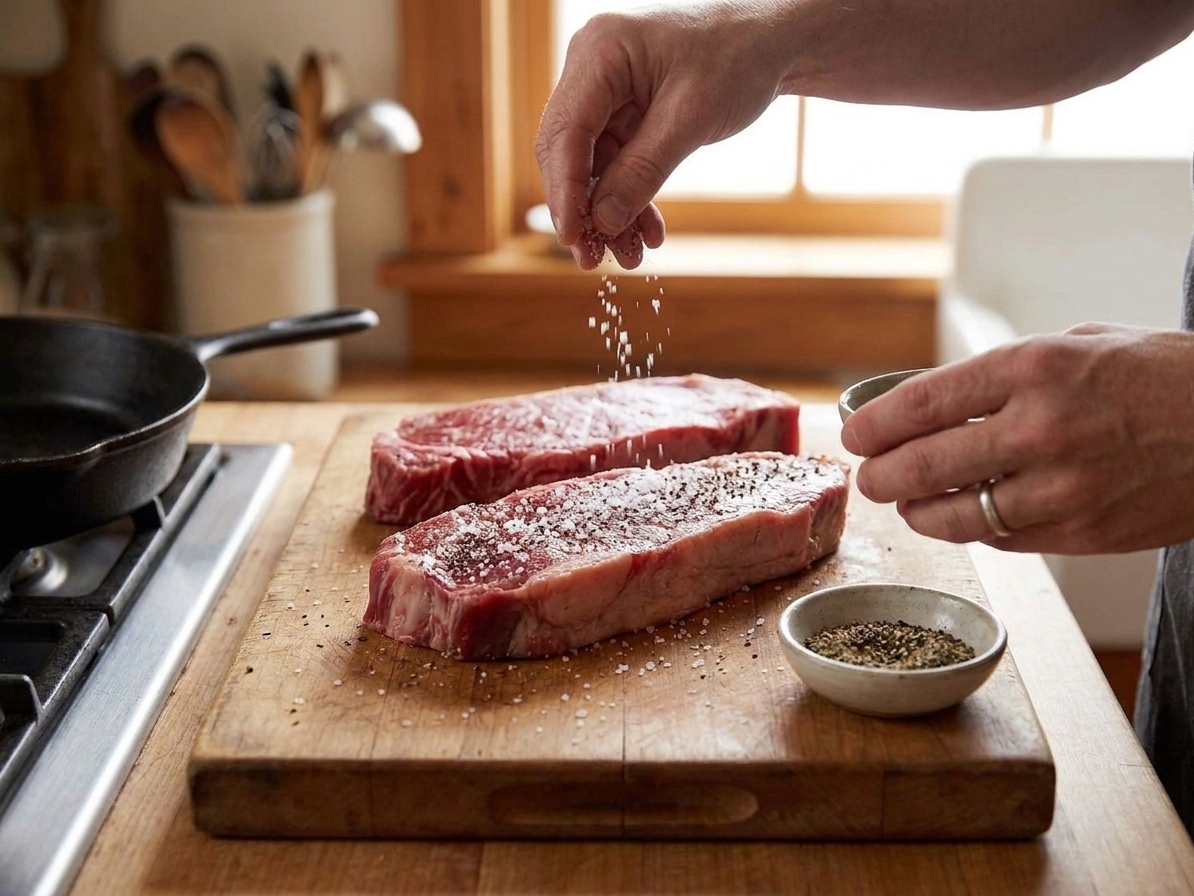
Raw New York strip steaks on a wooden cutting board being seasoned generously with kosher salt and black pepper in a bright home kitchen

Pairs Well With

Storage Tips

Refrigerate: Cool leftover steak completely, then store in an airtight container for up to 3 to 4 days.

Reheat (best method): Slice and warm gently in a skillet over medium-low with a splash of broth or water and a tiny bit of butter, just until warmed through. Low heat keeps it from turning tough.

Cold steak is a feature, not a bug: Thinly slice and use for steak salads, wraps, quesadillas, or a quick fried rice situation.

Freeze: Wrap tightly and freeze up to 2 months. Thaw overnight in the fridge.

Common Questions

Is New York cut steak the same as New York strip?

Yes, in most U.S. grocery stores you will see it labeled as New York strip, strip steak, top loin, or shell steak. It is a tender, beefy cut with a fat cap along one side that crisps up beautifully.

Do I need to bring steak to room temperature first?

Not for a long time. I like to take it out while I prep everything else, about 20 to 30 minutes. The bigger win is making sure the surface is dry and the pan is truly hot.

When should I salt the steak?

Two good options:

  • Right before cooking: Pat dry, season, then go straight into the hot pan for the best crust with zero fuss.
  • Dry brine: Salt 45 minutes to 24 hours ahead, uncovered on a rack in the fridge. This gets you deeper seasoning and an even better sear.

The one timing I try to avoid is salting and waiting 5 to 10 minutes. That is the awkward window where the salt pulls moisture to the surface and your crust has to fight through it.

How do I know when it is done without cutting it open?

A thermometer is the easiest path to happiness. Carryover heat varies by thickness and how hot your pan runs, so use these as targets, not commandments.

  • Rare: pull at 120°F, rest to about 125°F
  • Medium-rare: pull at 125 to 130°F, rest to about 130 to 135°F
  • Medium: pull at 135°F, rest to about 140 to 145°F
  • Medium-well: pull at 145°F, rest to about 150°F
  • Well-done: pull at 155°F, rest to about 160°F+

Stick the thermometer into the thickest part from the side, not down from the top.

Food safety note: USDA commonly recommends 145°F for whole cuts of beef with a 3-minute rest.

Why is my steak not getting a good crust?

Usually one of these: the steak is wet, the pan is not hot enough, or the pan is crowded. Pat it dry, preheat until the pan is very hot (a little wisp of smoke is a good sign), and cook one steak at a time if your skillet is small.

Can I cook this without butter?

You can. Sear with oil only, then finish with a squeeze of lemon and a drizzle of olive oil. You will miss a little richness, but it will still be a solid steak.

I went to school thinking I would take the neat, official path through culinary arts, then I realized I learn faster with my hands on a pan and a little chaos in the kitchen. This steak is one of those “practical skills” recipes I keep coming back to. It teaches heat control, seasoning, timing, and restraint, which is honestly harder than it sounds when the butter starts foaming and everything smells unfairly good.