Mom's Best Recipes
Recipe

Oklahoma Onion Burger

A griddle burger where paper-thin onions get smashed into the beef so they caramelize in the rendered fat, plus cheese and a quick steam-cover finish.

Author By Pip
4.8
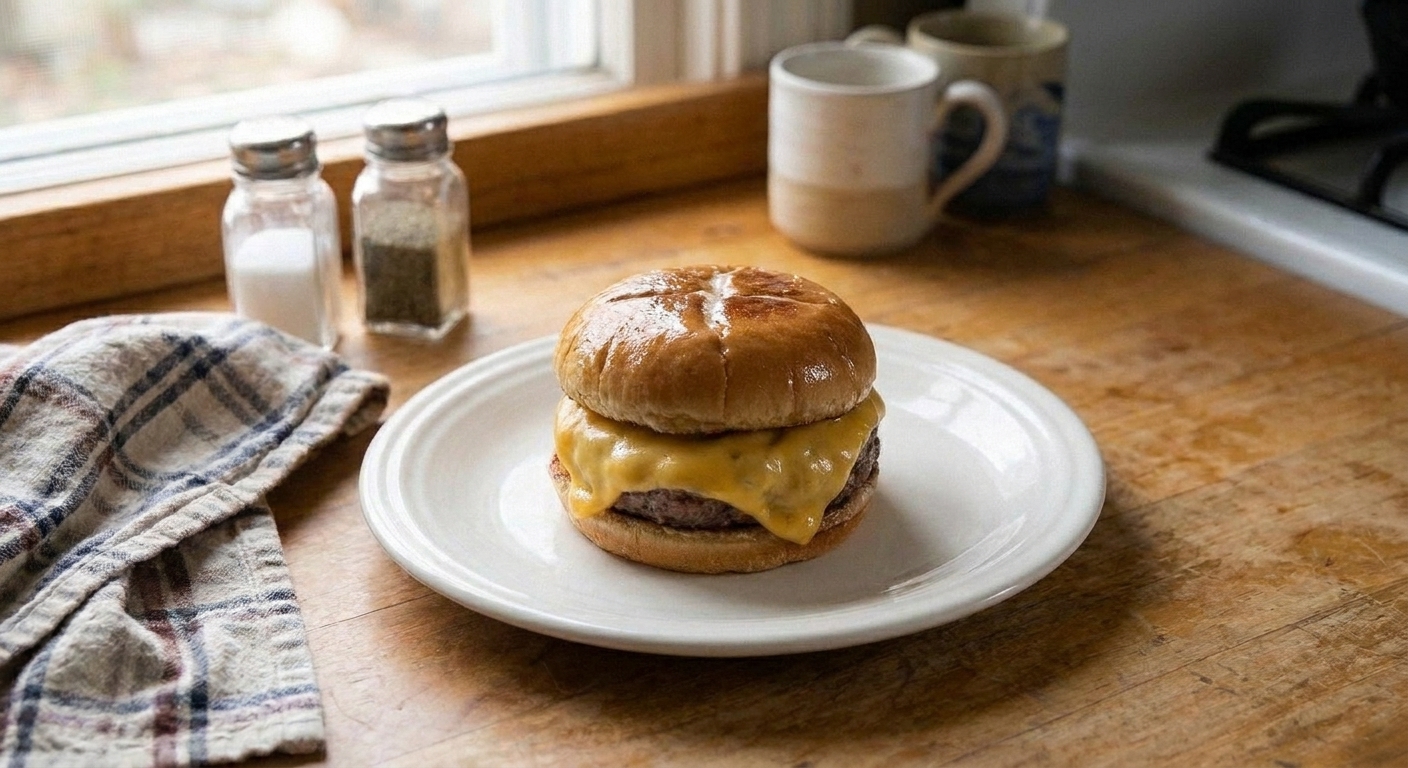
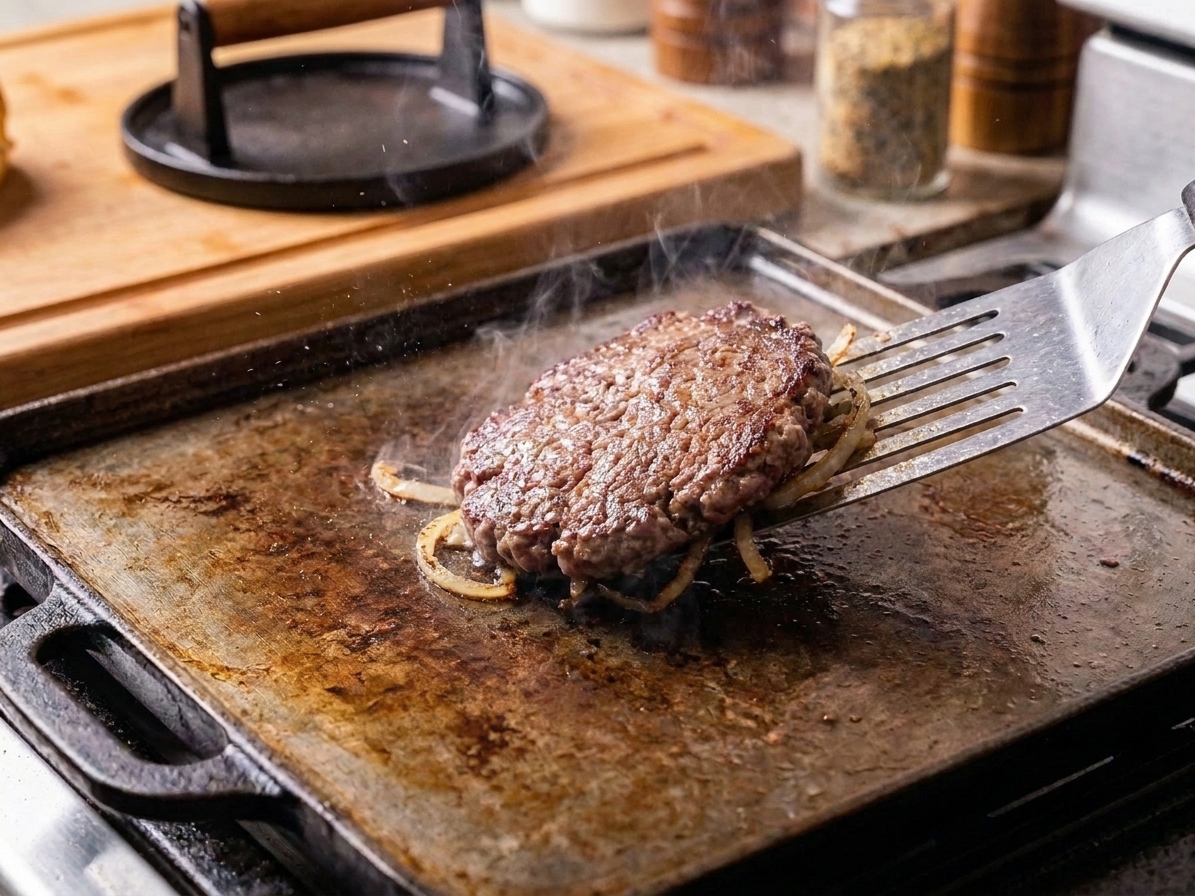
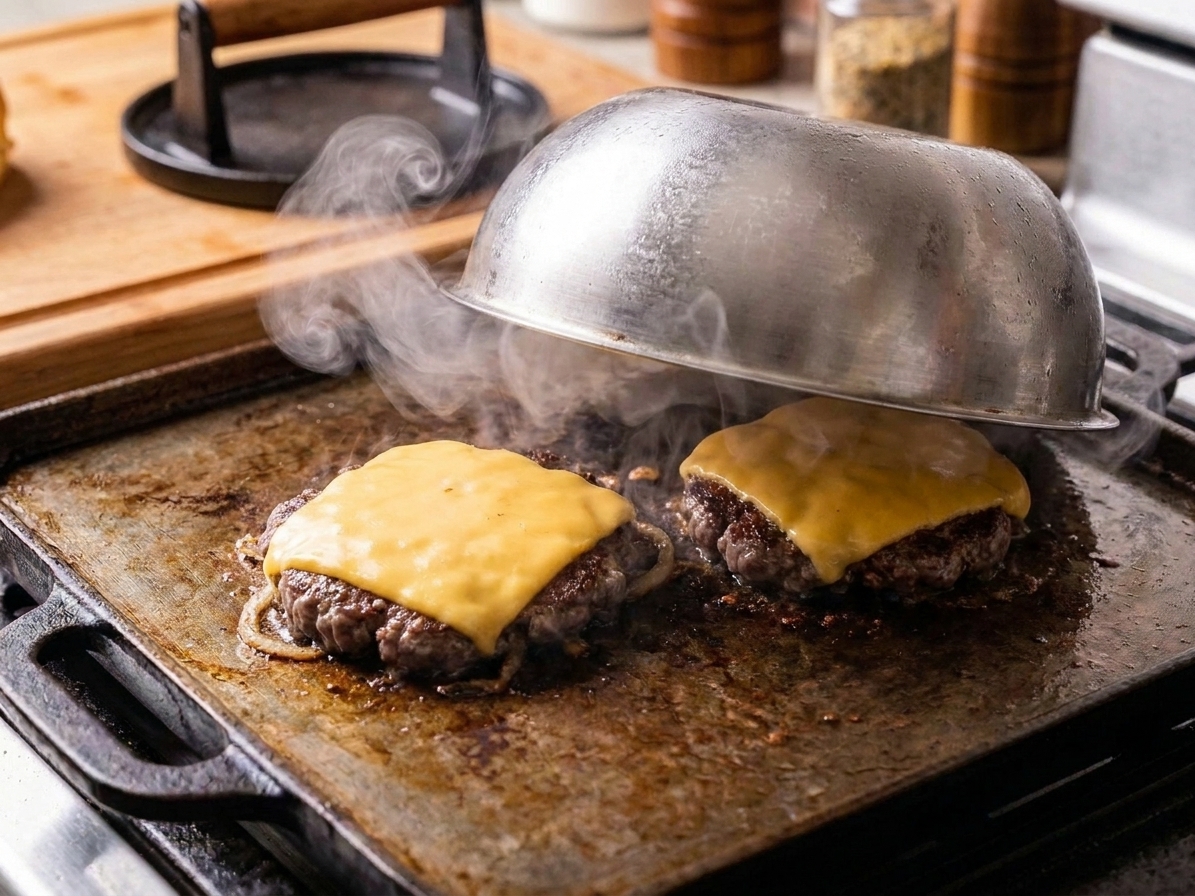
Two Oklahoma onion burgers cooking on a flat-top griddle, with paper-thin onions pressed into the patties, edges crisping and cheese beginning to melt

Pull up a chair. Our little hedgehog host Pip is here with a burger that does not come from the oven, and it is not a plain smash burger, and it is definitely not a Wisconsin butter burger.

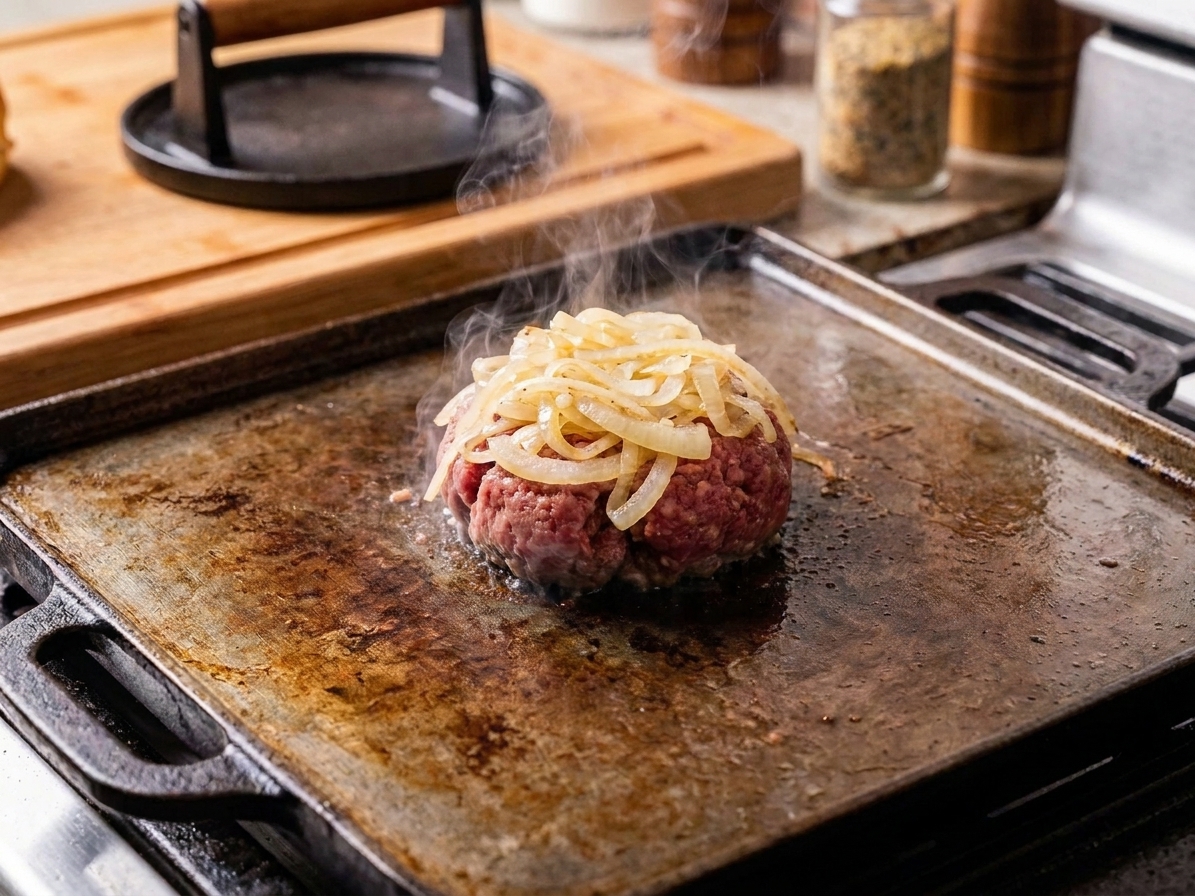
This is the Oklahoma Onion Burger, where the onions are the whole point. You slice them paper-thin, pile them high, then smash them into the beef so the meat sears hard on the griddle and the onions end up caramelizing in the rendered fat when you flip. The result is a lacy, beefy, oniony edge with a tender middle and just enough steam under a lid to melt the cheese and finish the onions.

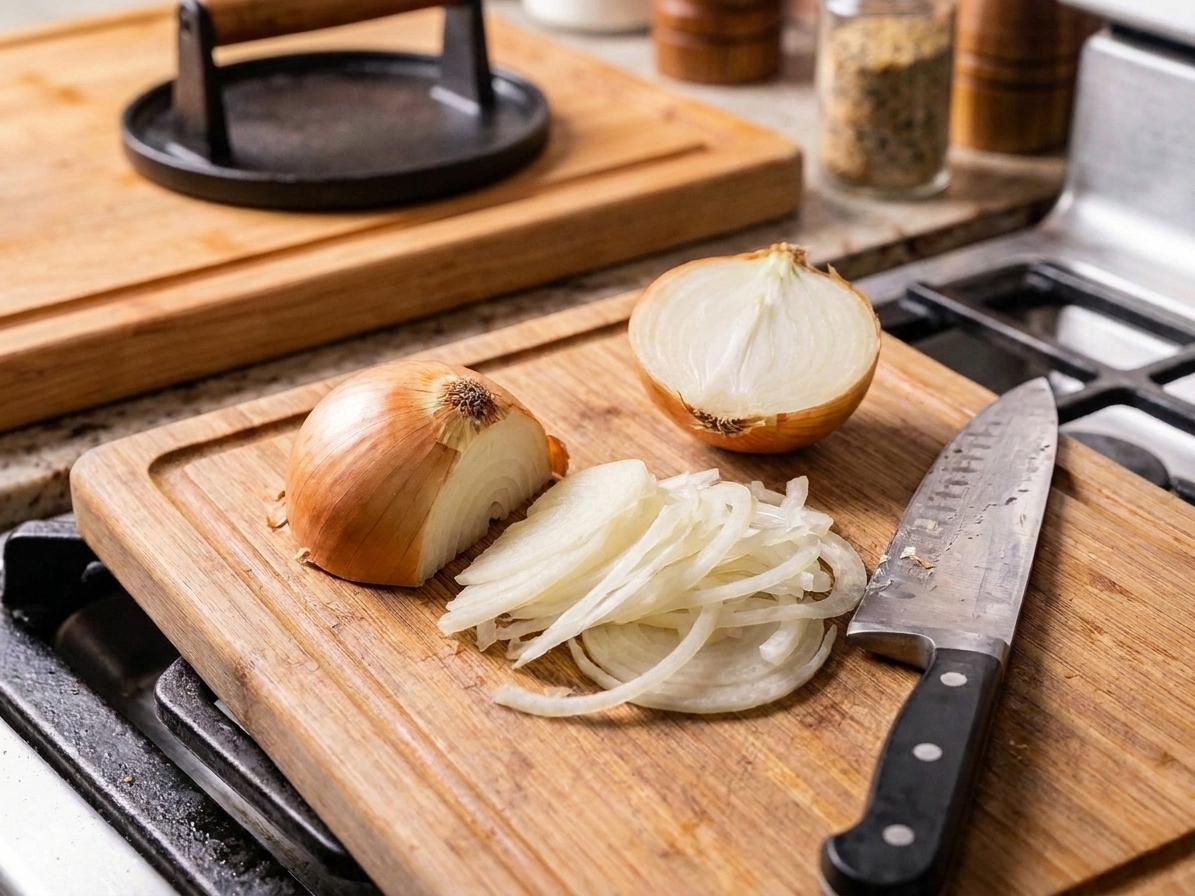
A cutting board on a kitchen counter with a halved yellow onion and a pile of paper-thin onion slices next to a chef's knife

Let’s take this recipe one clear step at a time.

Why It Works

  • Crispy, onion-studded crust: Beef hits bare hot metal first for the sear, then the onions caramelize in the rendered fat when you flip.
  • Juicy center, browned edges: Smaller, loosely packed beef balls plus a ripping-hot surface give you that classic crust without drying the patty out.
  • Melted cheese the right way: A quick steam under a lid melts the cheese fast and finishes the onions without overcooking the beef.
  • True griddle method: No oven patties here. The griddle does the searing, the lid does the finishing.

Pairs Well With

Storage Tips

How to Store Leftovers

These burgers are best hot off the griddle, when the onion edges are still crisp. If you do have leftovers, here’s the least-sad plan.

Refrigerate

  • Cool leftover patties quickly, then refrigerate in an airtight container for up to 3 days.
  • Store buns separately so they do not soak up moisture and turn into sponges.

Reheat

  • Skillet or griddle method (best): Heat a skillet over medium. Add the patty and a tiny splash of water, then cover 30 to 60 seconds to warm through and re-melt cheese.
  • Microwave method (fastest): Cover loosely and heat in short bursts. The crust will soften, but the flavor still shows up.

Freeze

You can freeze cooked patties (no buns) for up to 2 months. Wrap individually, then thaw overnight in the fridge before reheating in a skillet.

Common Questions

Common Questions

What makes an Oklahoma onion burger different?

The defining move is paper-thin onions smashed into the beef on a hot griddle so they cook in the burger fat and become part of the crust. It is not an oven-baked patty, it is not just a plain smash burger with onions on top after the fact, and it is not a Wisconsin butter burger (which is all about butter, not onion-crust).

How thin should the onions be?

As thin as you can manage, ideally 1/16 inch or thinner. A mandoline makes this easy. Thin onions cook fast, soften, and caramelize without staying stringy.

How much onion do I need?

Plan on about 10 to 12 ounces of yellow onion total (roughly 300 to 350 g), sliced paper-thin. That is usually 1 large onion, but onion sizes are chaos, so grab a second if you want them extra onion-forward.

When exactly do I smash?

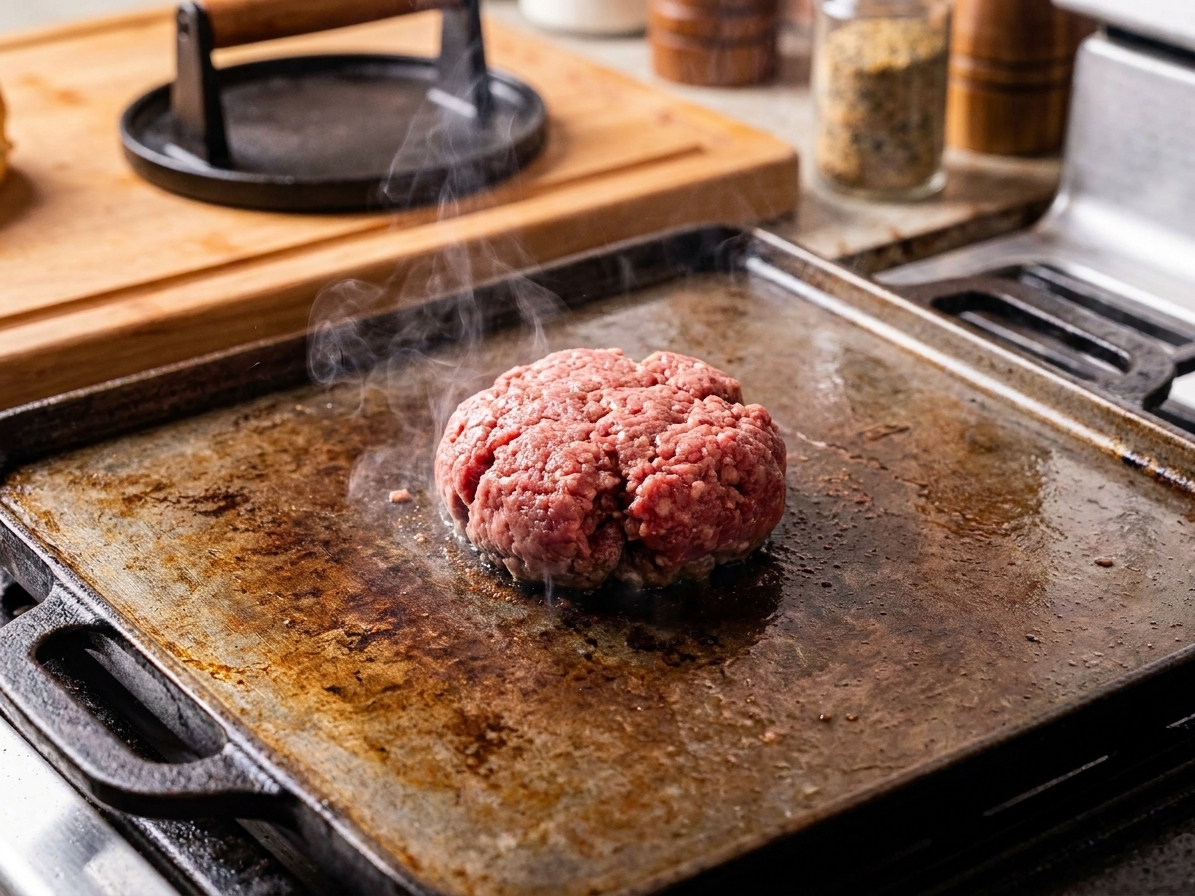
Right away. Put the beef ball on the hot griddle, pile onions on top, then smash immediately so the beef makes full contact with the metal and the onions press into the patty.

What cheese is best?

Classic American cheese melts like a dream. Cheddar works too, especially thin slices, but it melts a little slower and can oil out if overheated.

Do I need a lid?

A lid is strongly recommended. Covering for 30 to 60 seconds melts the cheese and helps the onions turn tender without overcooking the patty.

What beef should I use?

Go for 80/20 ground beef. Leaner beef can turn dry because these patties are thin and cook quickly.

Can I do this in a cast iron skillet instead of a flat top?

Yes. Cook in batches and keep the heat steady. Cast iron works beautifully, but you may need to scrape up stray onion bits between rounds so they do not burn.
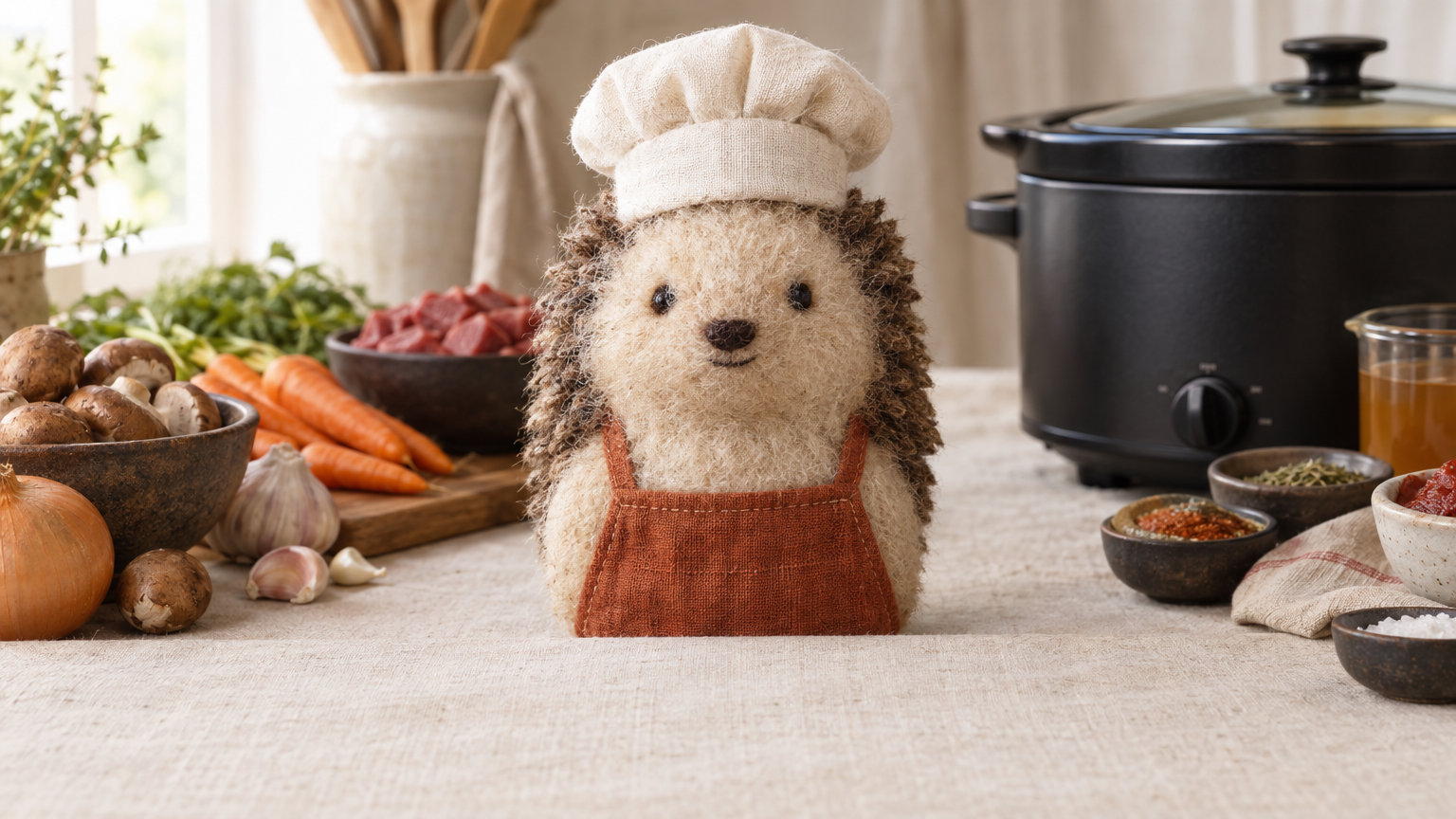
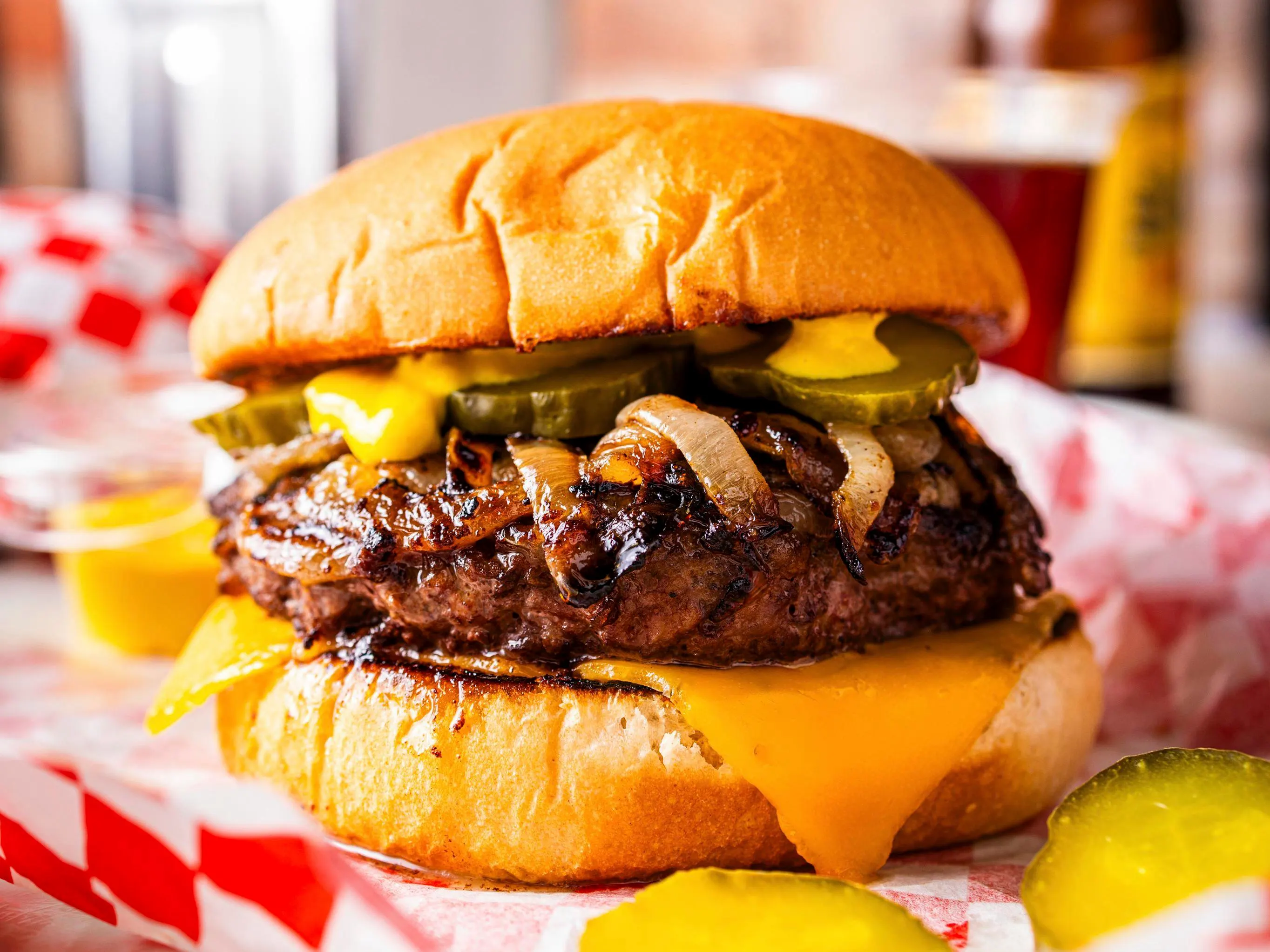
There are two kinds of burger nights: the neat ones, and the ones where onions escape like tumbleweeds across the counter. This is proudly the second kind. Our little hedgehog host likes how the whole kitchen smells sweet and toasty when those paper-thin onions hit hot metal, and how the burger ends up tasting like it came from a diner with a well-loved griddle.