
Mom's Best Recipes
Recipe

Osso Buco

Tender veal shanks braised in a rich tomato-wine sauce, finished with a punchy gremolata for bright, restaurant-level flavor at home.

Author By Matt Campbell
4.8
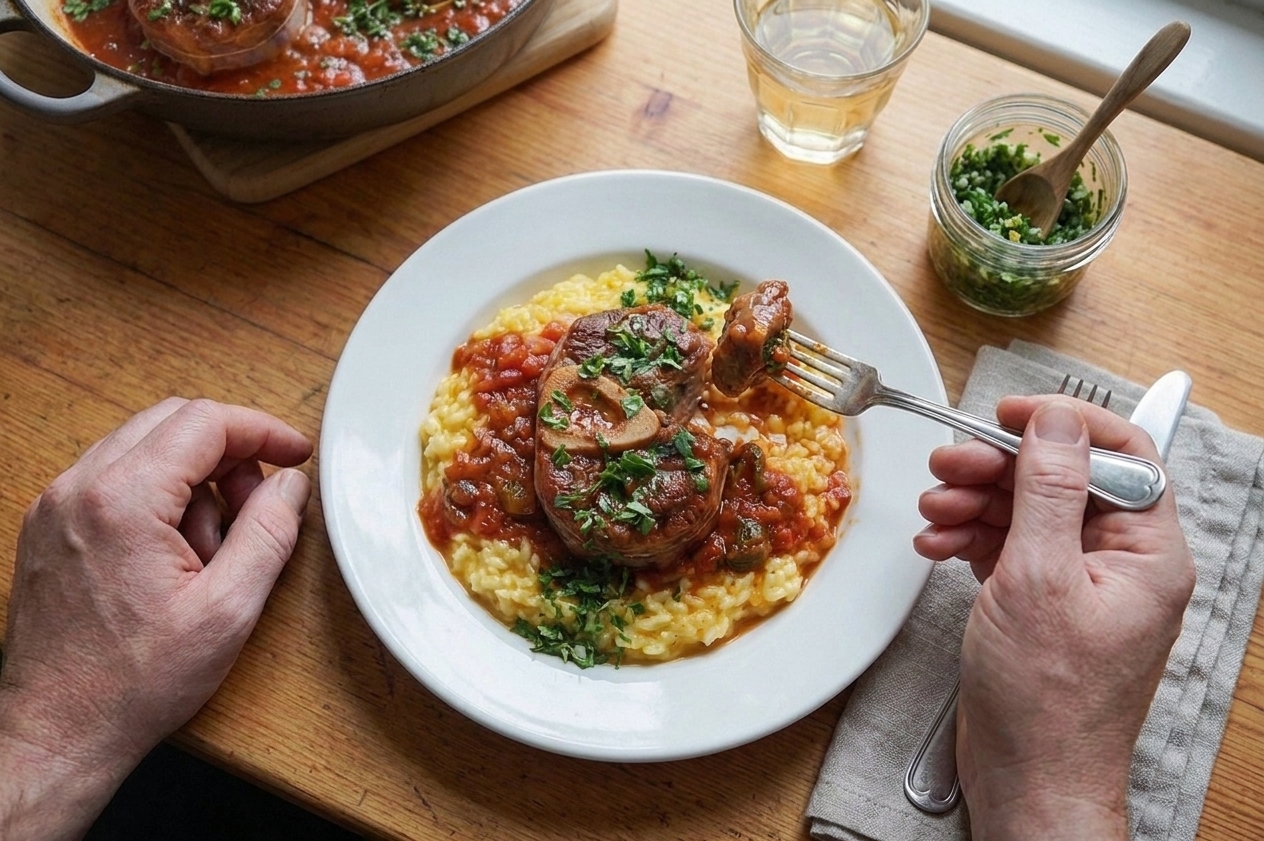
A plated osso buco with a glossy tomato-wine sauce, scattered gremolata, and creamy risotto on a white dinner plate at a warmly lit table

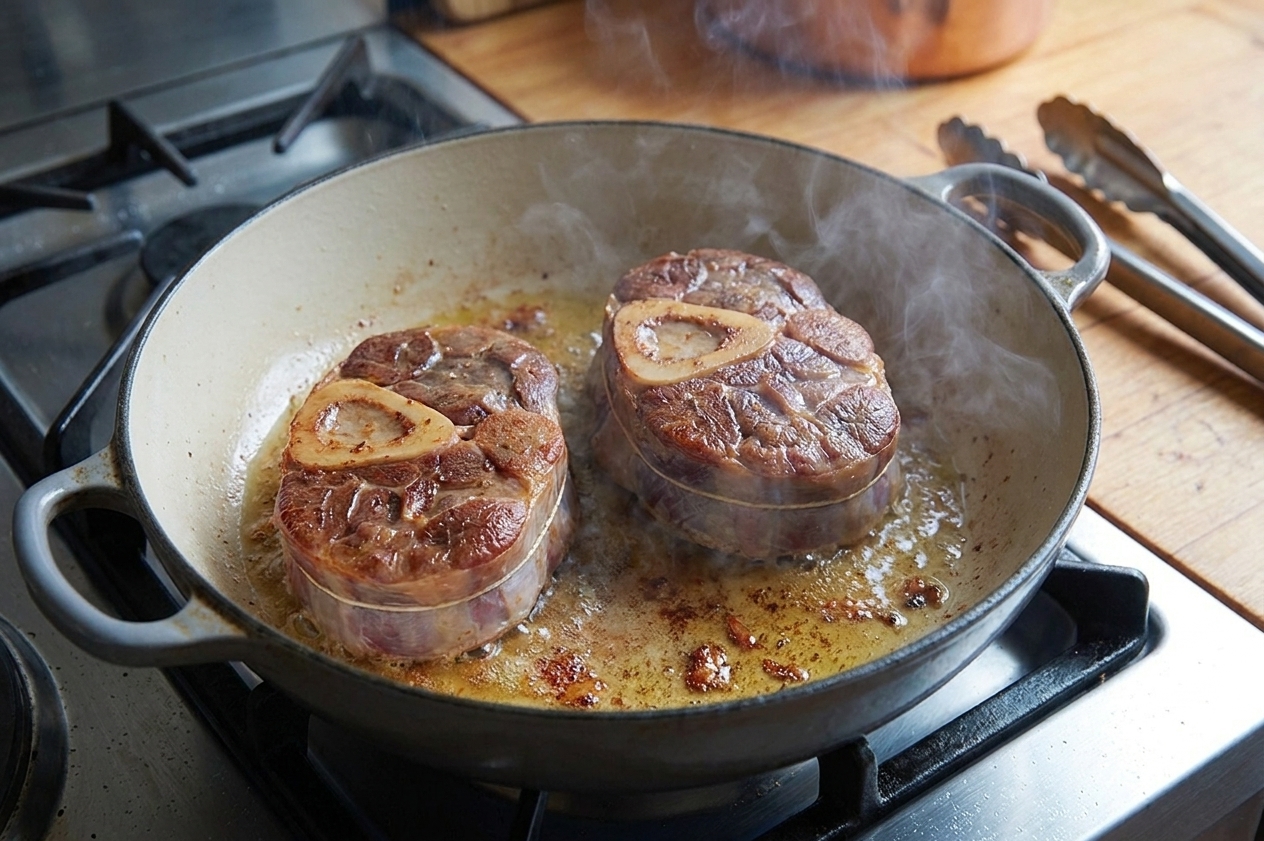
Osso buco is one of those dishes that feels like a flex, but it is really just patient, cozy cooking. You brown some veal shanks, build a simple braising base, then let the oven do the heavy lifting until the meat turns spoon-tender and the marrow in the center becomes the best little bonus bite on the plate.

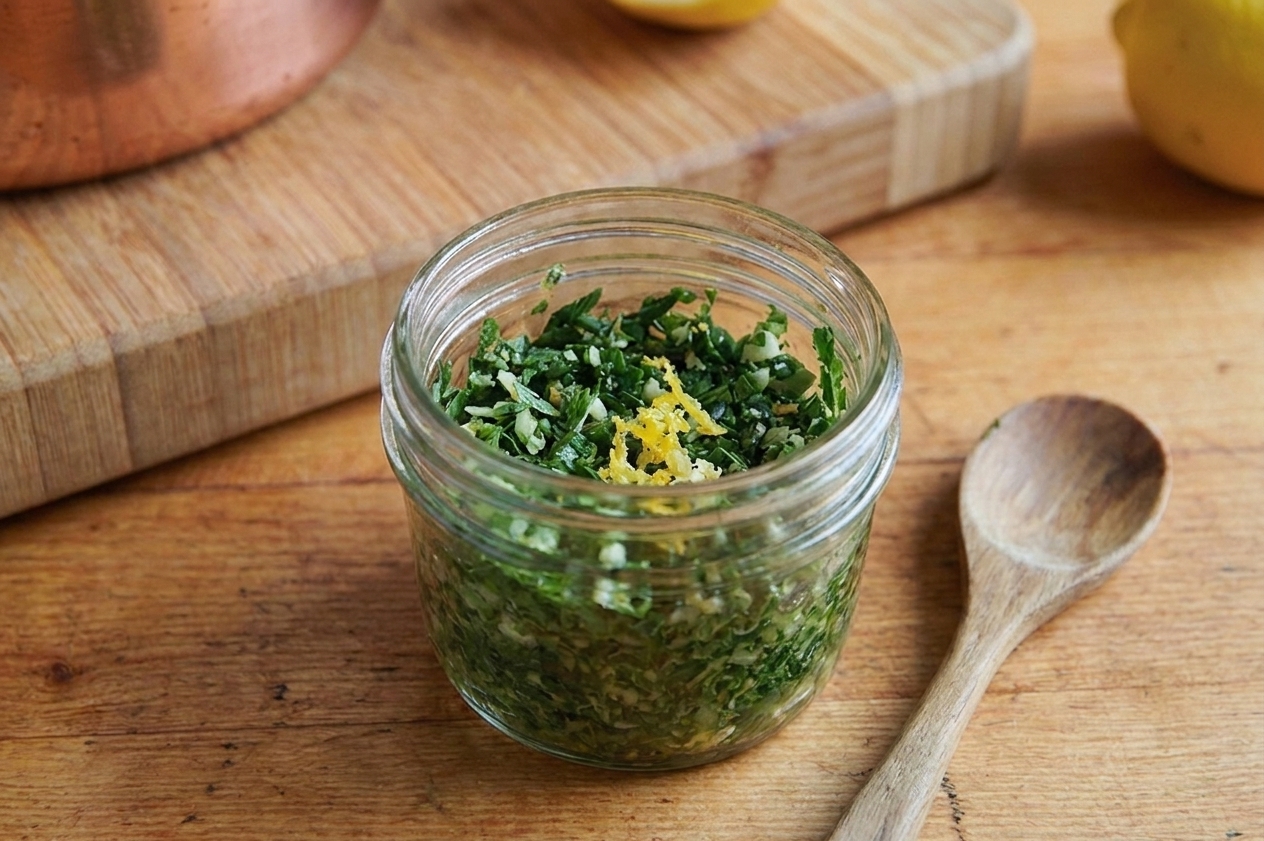
This is a tomato-forward take (super common and deeply comforting), and then right when everything is rich and deep, you hit it with gremolata (lemon zest, garlic, parsley). That bright finish is the whole trick. It keeps the braise from tasting heavy and makes you go back for “just one more” forkful.
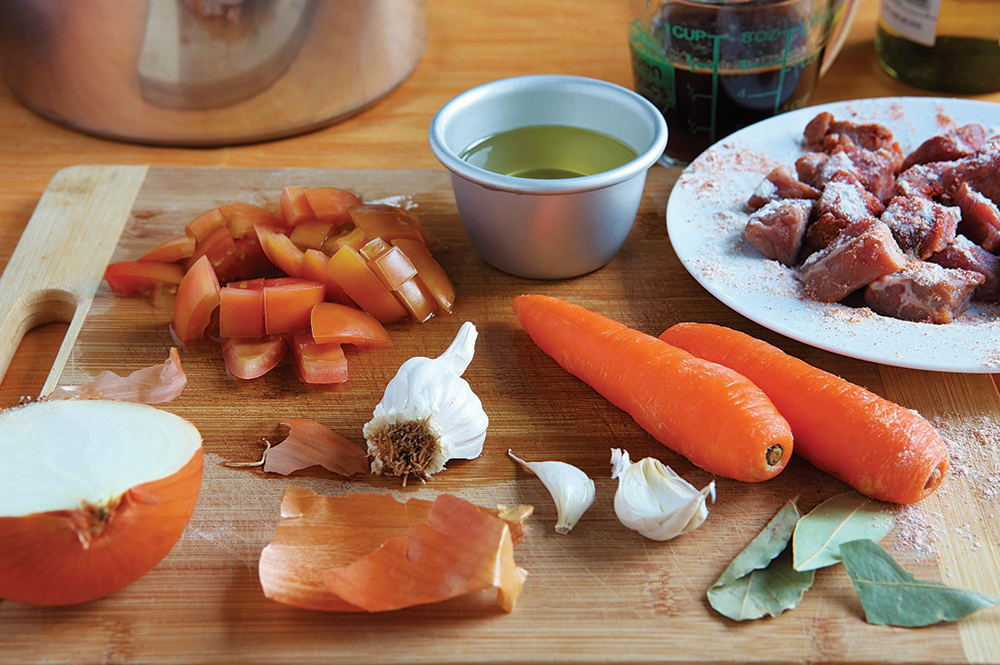
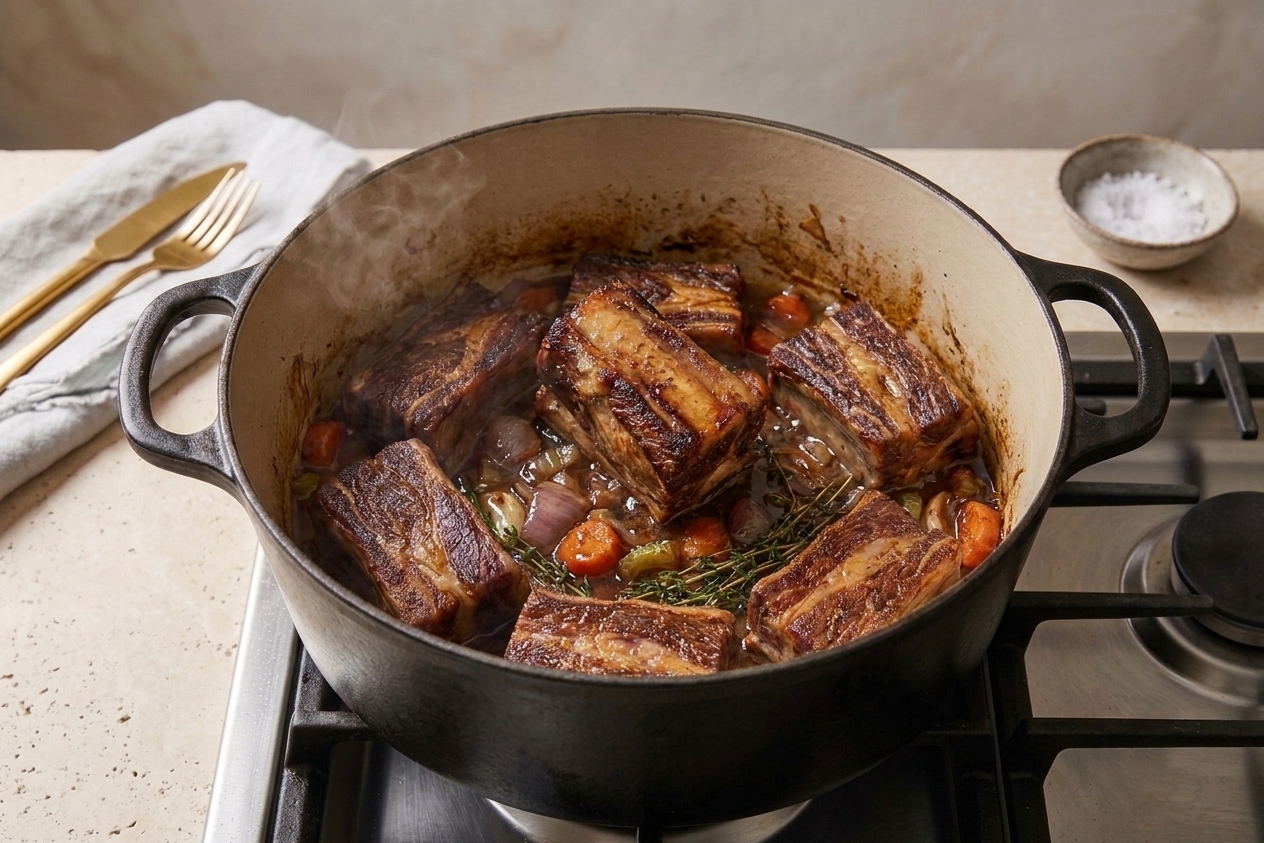
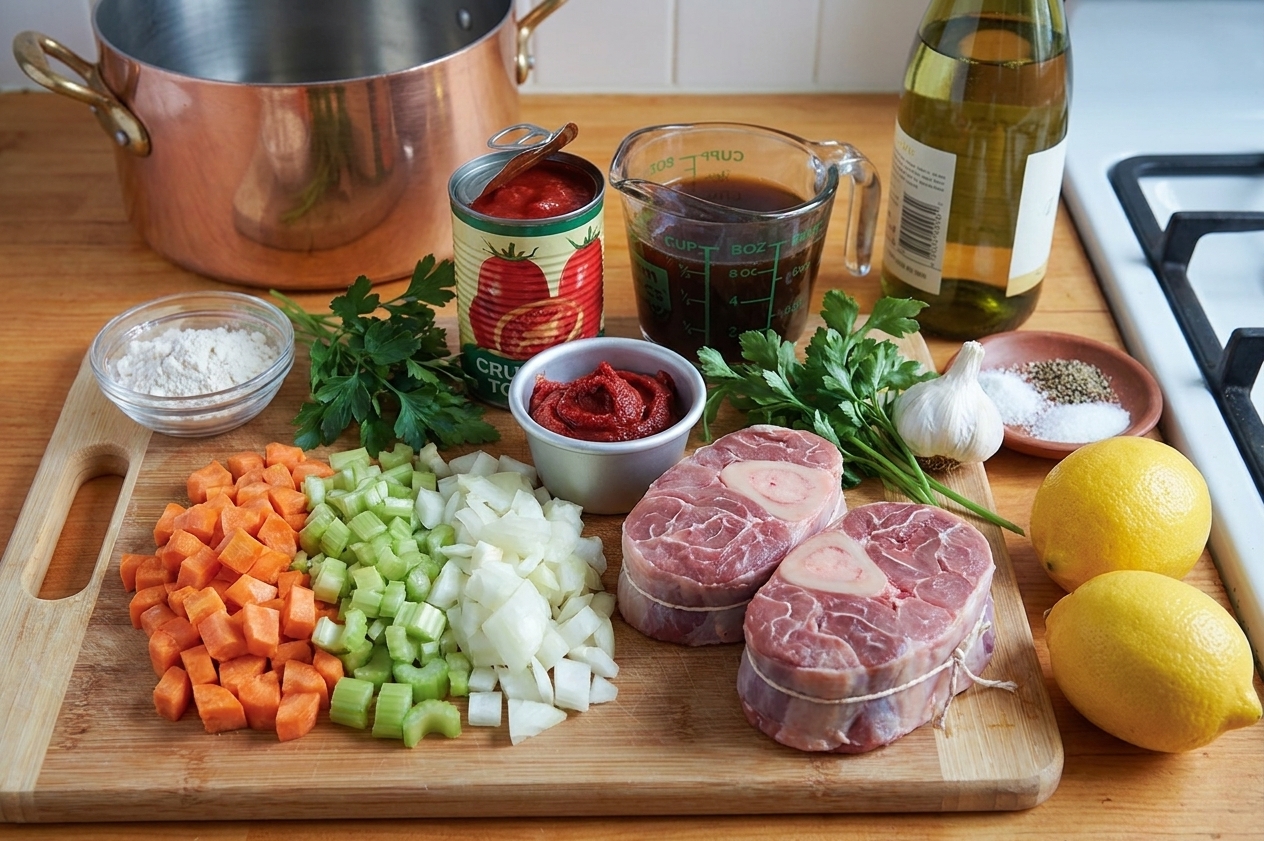
Raw veal shanks on a cutting board with onions, carrots, celery, garlic, canned tomatoes, white wine, and fresh parsley arranged on a kitchen counter

Why It Works

  • Big, restaurant-style texture: Deep browning plus a collagen-rich braise gives you that glossy, spoon-coating sauce.
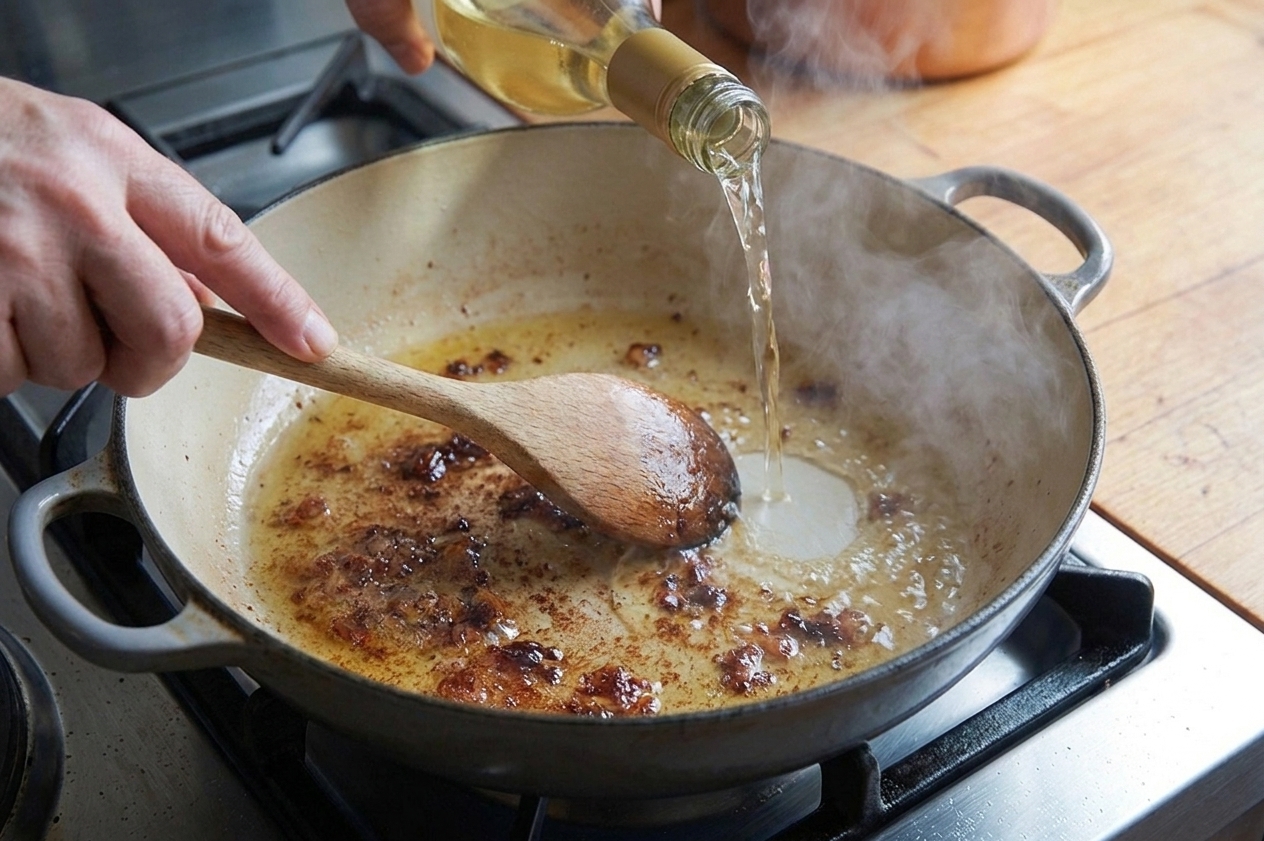
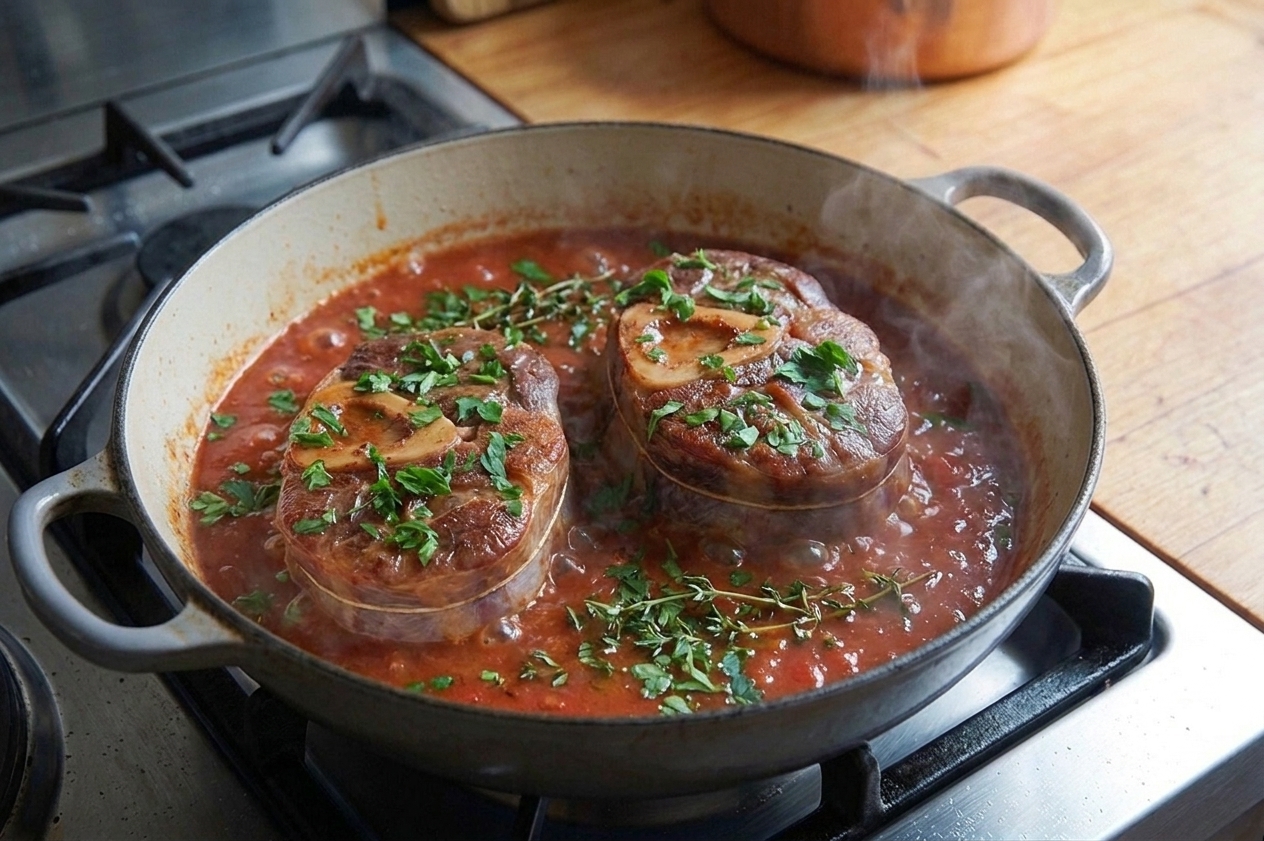
  • Rich sauce without drama: Tomato plus wine plus stock reduces into a velvety braising liquid while the oven gently tenderizes the meat.
  • Gremolata saves the day: That lemony, garlicky sprinkle at the end wakes up the whole dish and balances the richness.
  • Make-ahead friendly: Like most braises, it is even better the next day.

Pairs Well With

Storage Tips

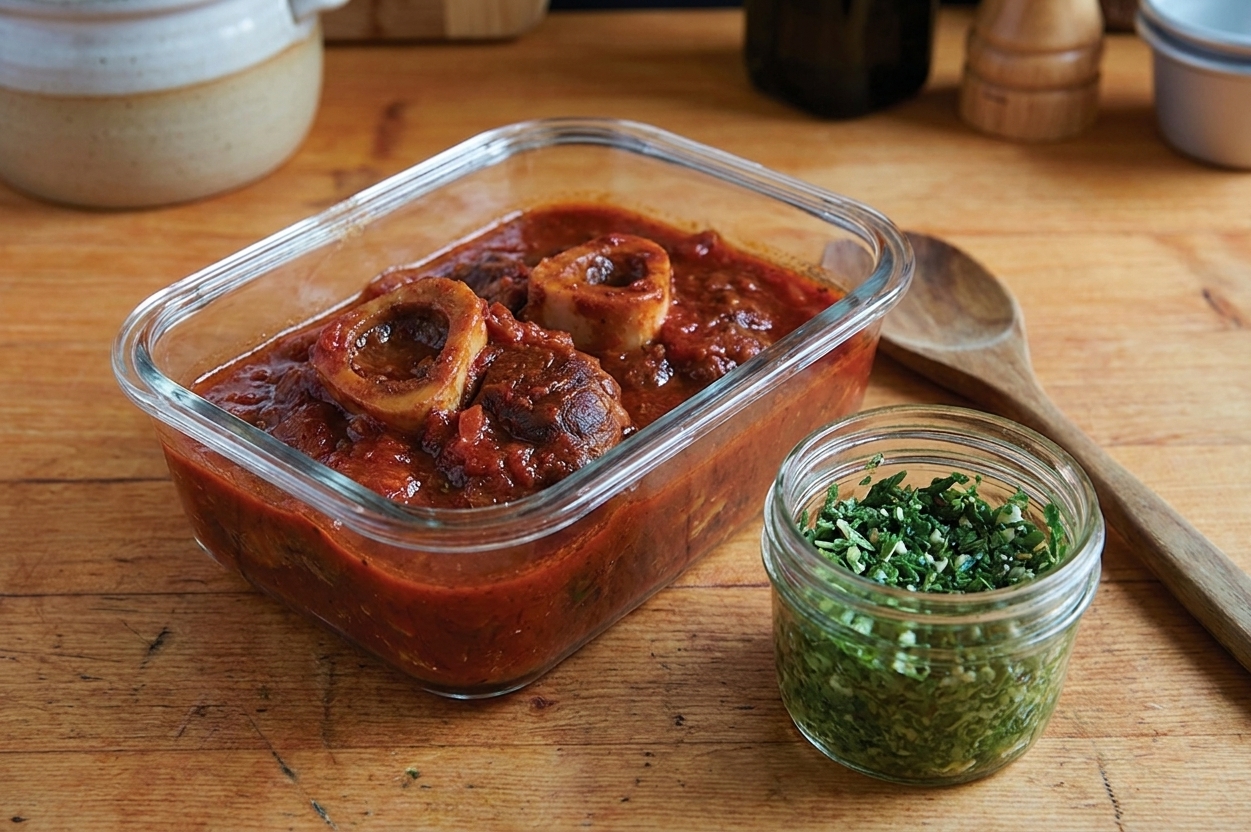
Refrigerate: Cool osso buco and sauce, then store in an airtight container up to 4 days. Keep the gremolata separate and make it fresh if you can.

Freeze: Freeze meat and sauce together up to 3 months. Thaw overnight in the fridge.

Reheat: Warm gently in a covered pot over low heat with a splash of stock or water to loosen the sauce. Avoid a hard boil or the meat can tighten up.

Leftover osso buco and sauce in a clear airtight container on a kitchen counter with a small jar of gremolata nearby

Common Questions

What does osso buco mean?

Osso buco literally translates to “bone with a hole,” referring to the marrow bone in the center of the shank.

Is this the traditional version?

Osso buco alla milanese is typically made in bianco (without tomatoes) and finished with gremolata. Some versions include a little tomato paste or tomato. This recipe is a tomato-forward version that is super common and deeply cozy, with that same bright gremolata finish.

What cut of meat is osso buco?

Traditionally it is cross-cut veal shanks. You can also make it with beef shanks (heartier and usually needs longer) or pork shanks (different vibe, still delicious).

If I use beef shanks, how long should I braise?

Plan on about 2 1/2 to 3 1/2 hours at 325°F, depending on size. Start checking at the 2 1/2-hour mark and keep going until a fork slides in with very little resistance.

Can I make osso buco without wine?

Yes. Swap the wine for extra stock, then add 1 tablespoon lemon juice or white wine vinegar to taste with the tomatoes to keep that gentle acidity.

Why is my sauce thin?

Two easy fixes: (1) uncover the pot for the last 20 to 30 minutes in the oven, or (2) remove the meat to a plate, then simmer the sauce on the stove until it thickens.

What do I serve with it?

Classic is risotto alla Milanese. Also great: creamy polenta, mashed potatoes, or crusty bread for sauce-cleanup duty.

The first time I made osso buco at home, I treated it like a high-stakes cooking exam. Then I realized it is basically the friendliest kind of “fancy” meal: brown, stir, lid on, walk away. Now it is my go-to when I want something that feels like a restaurant plate but still lets me hang out in the kitchen, taste the sauce, and pretend I am not checking the oven window every 20 minutes.