Mom's Best Recipes
Recipe

Oven-Roasted Boston Butt (Pulled Pork)

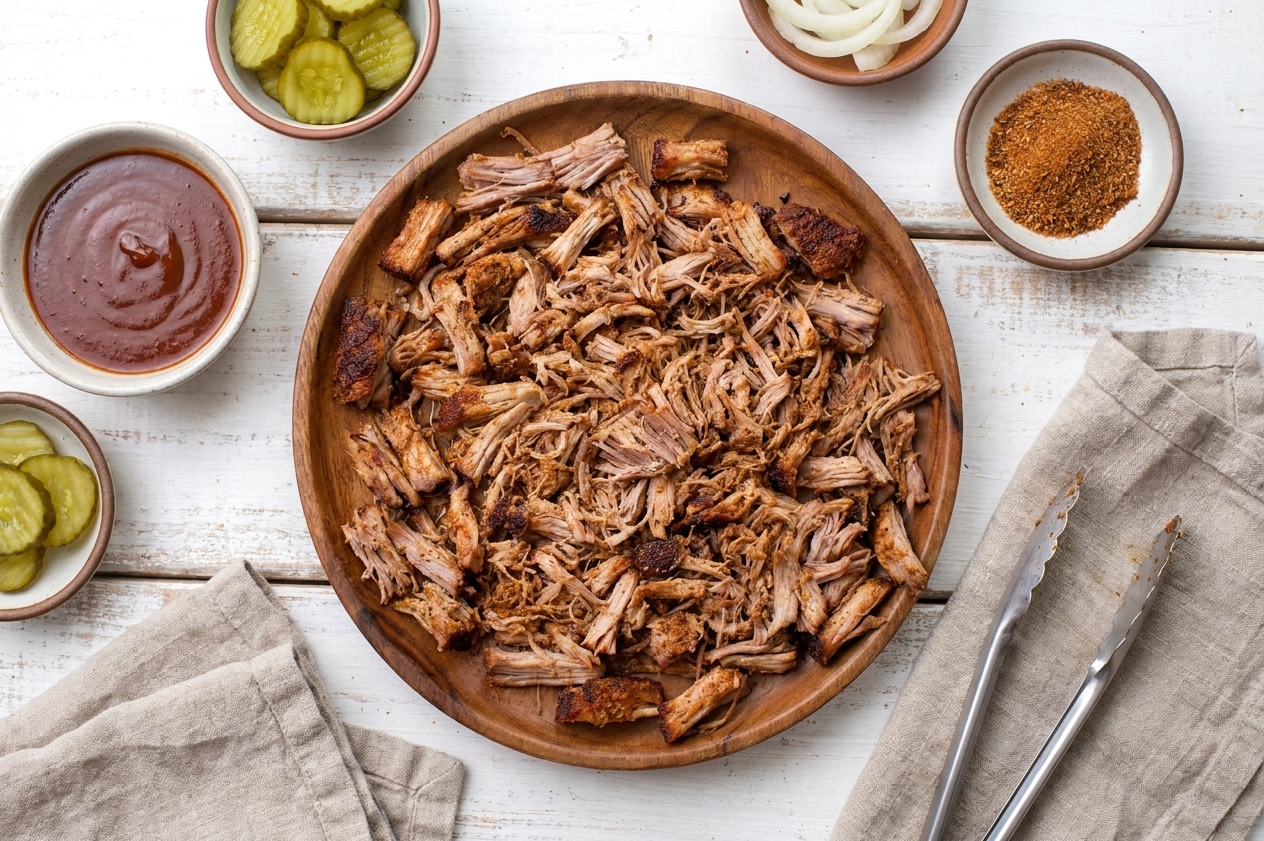
Fork-tender pulled pork with a peppery bark, optional crisp edges, and a simple rub you can make with pantry spices.

Author By Matt Campbell
4.8
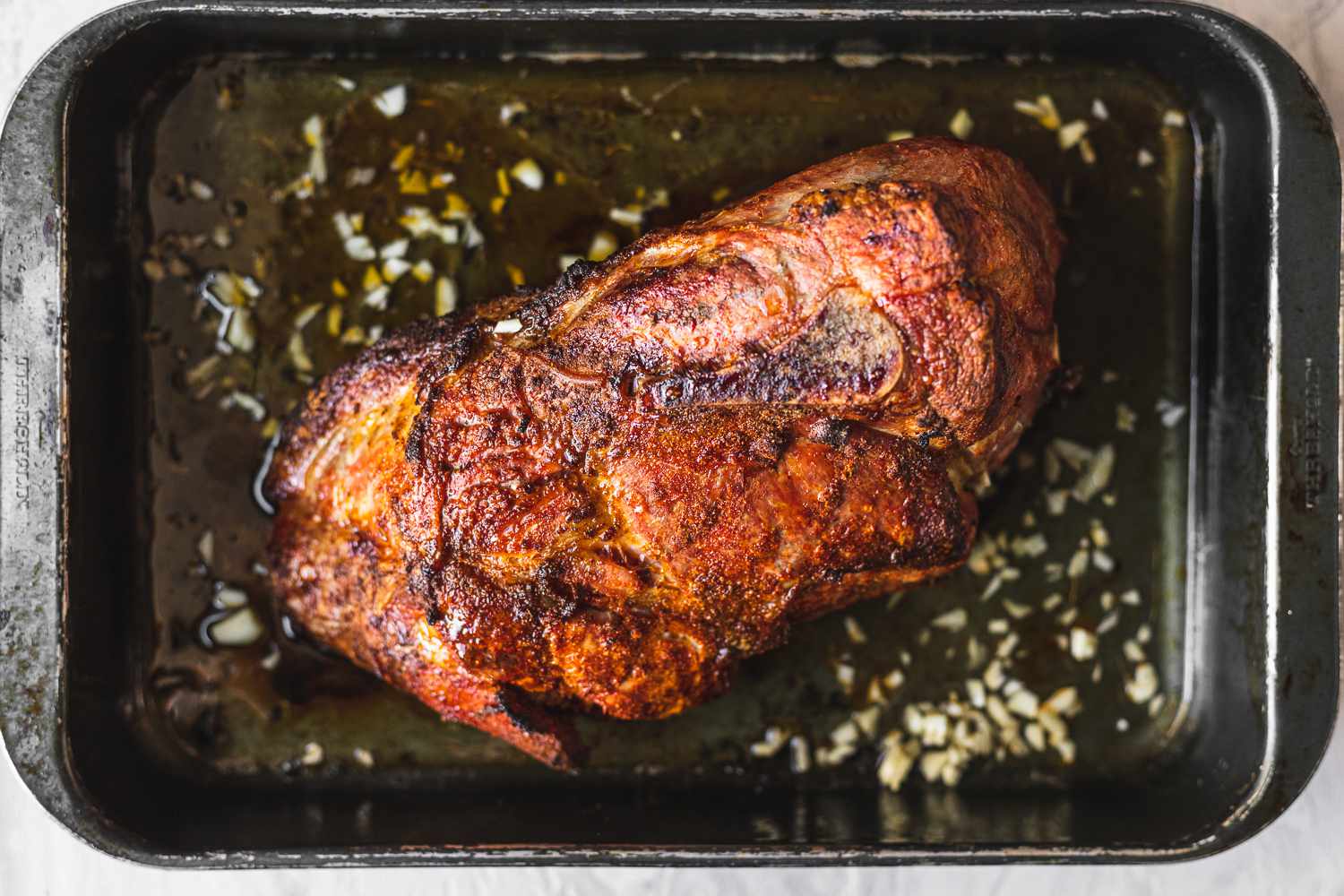
A deep baking dish holding a roasted Boston butt with dark caramelized bark, surrounded by rendered juices on a warm kitchen counter under soft natural light

Boston butt is one of those cuts that feels like it’s hiding a secret superpower. It’s affordable, forgiving, and when you give it enough time, it turns into the kind of pulled pork that makes people hover near the pan like it’s a campfire.

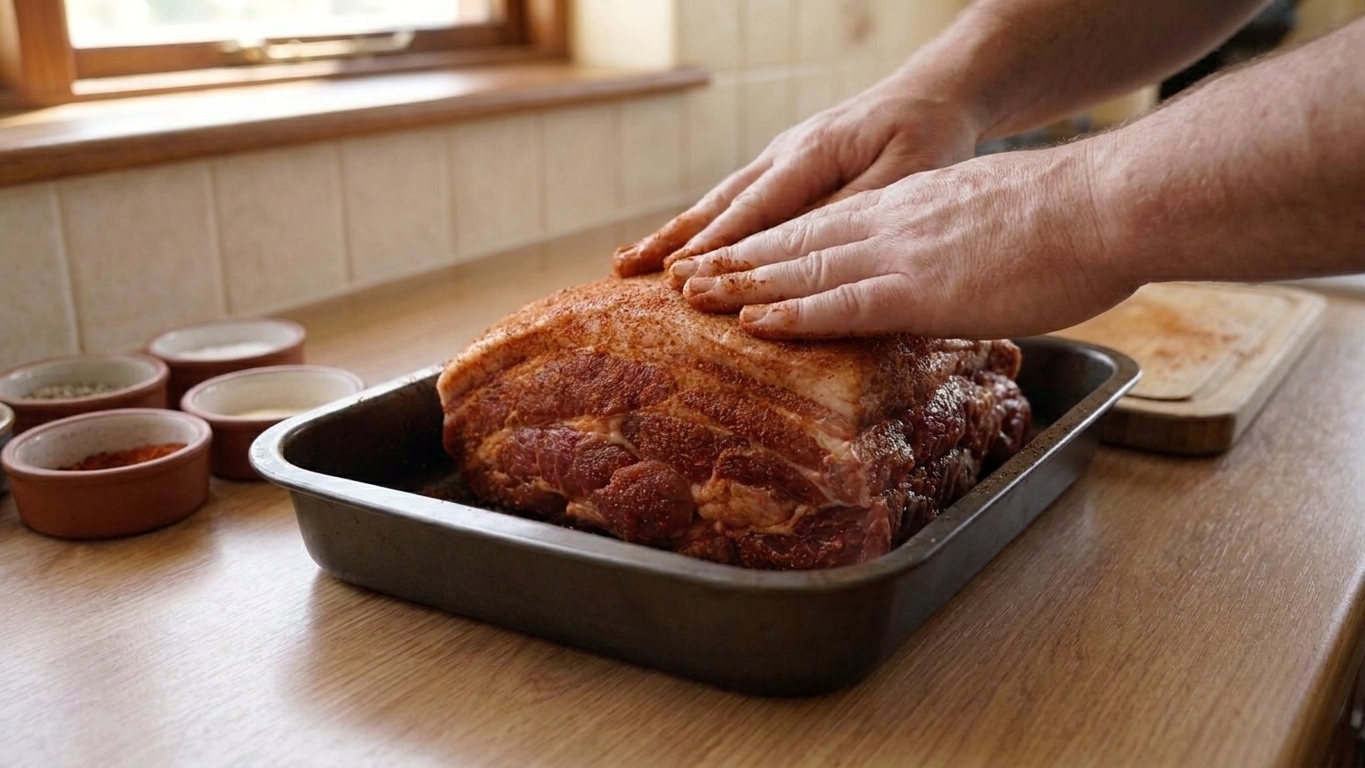
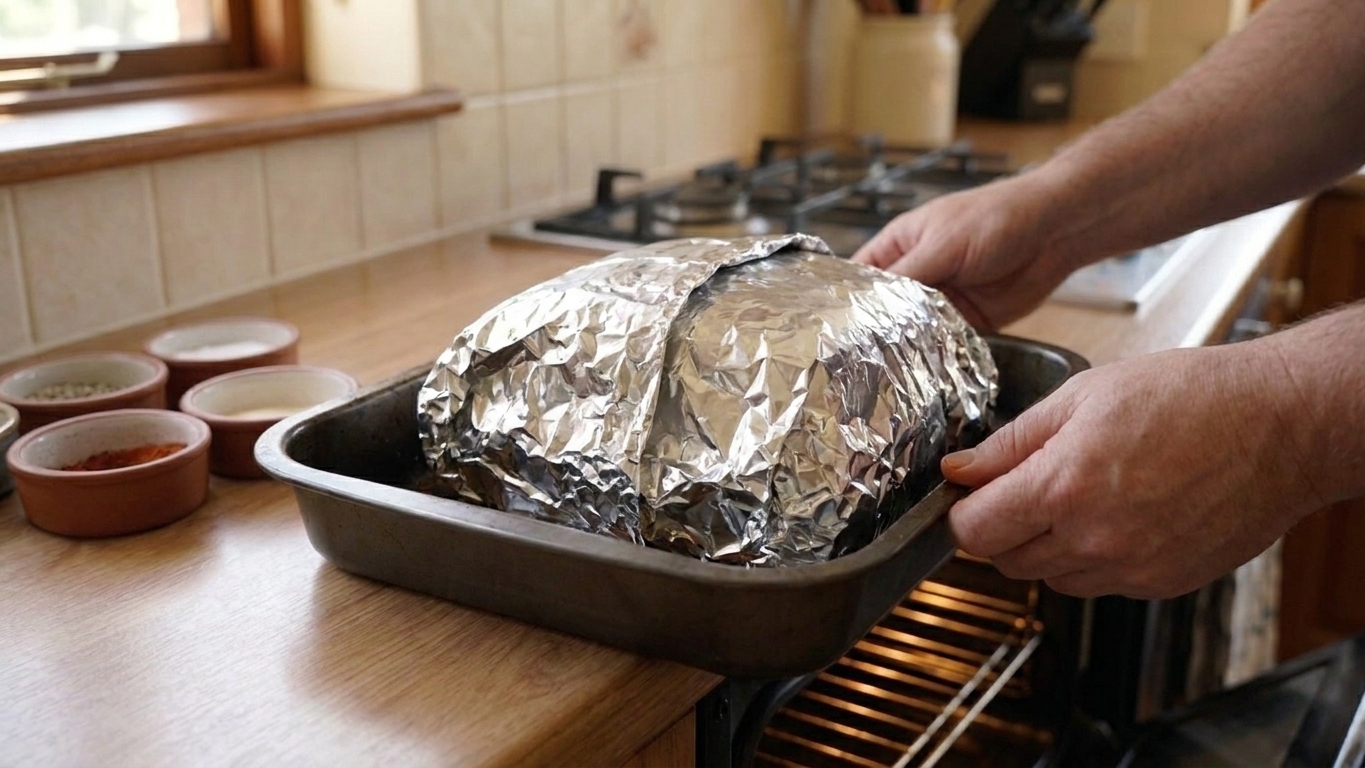
This is my go-to oven-roasted Boston butt method for home cooks who want big barbecue energy without needing a smoker. You get a flavorful crust, juicy shreds, and enough leftovers to make future-you feel like a genius. We’re keeping it simple: a solid dry rub, a low-and-slow roast, a tight foil wrap to help it turn tender on schedule, and an optional blast of heat at the end for crisp edges.

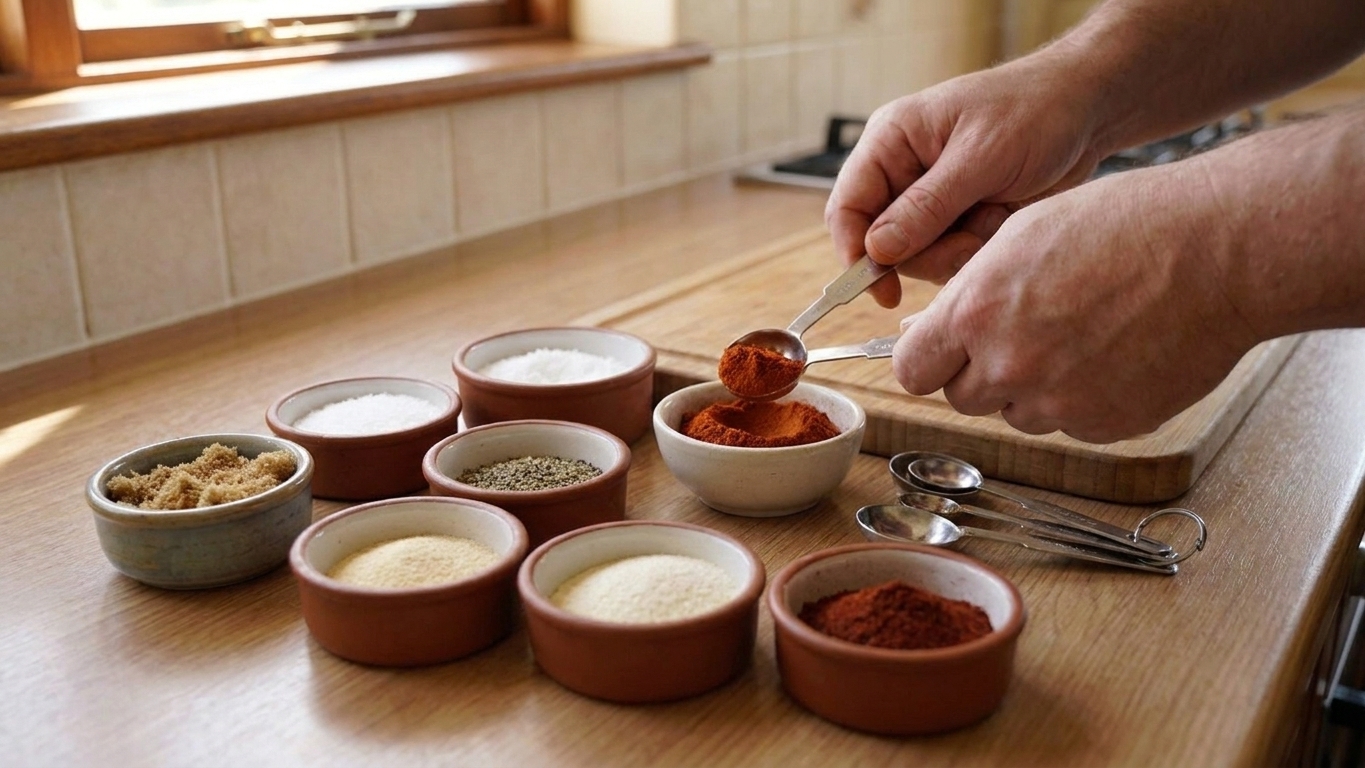
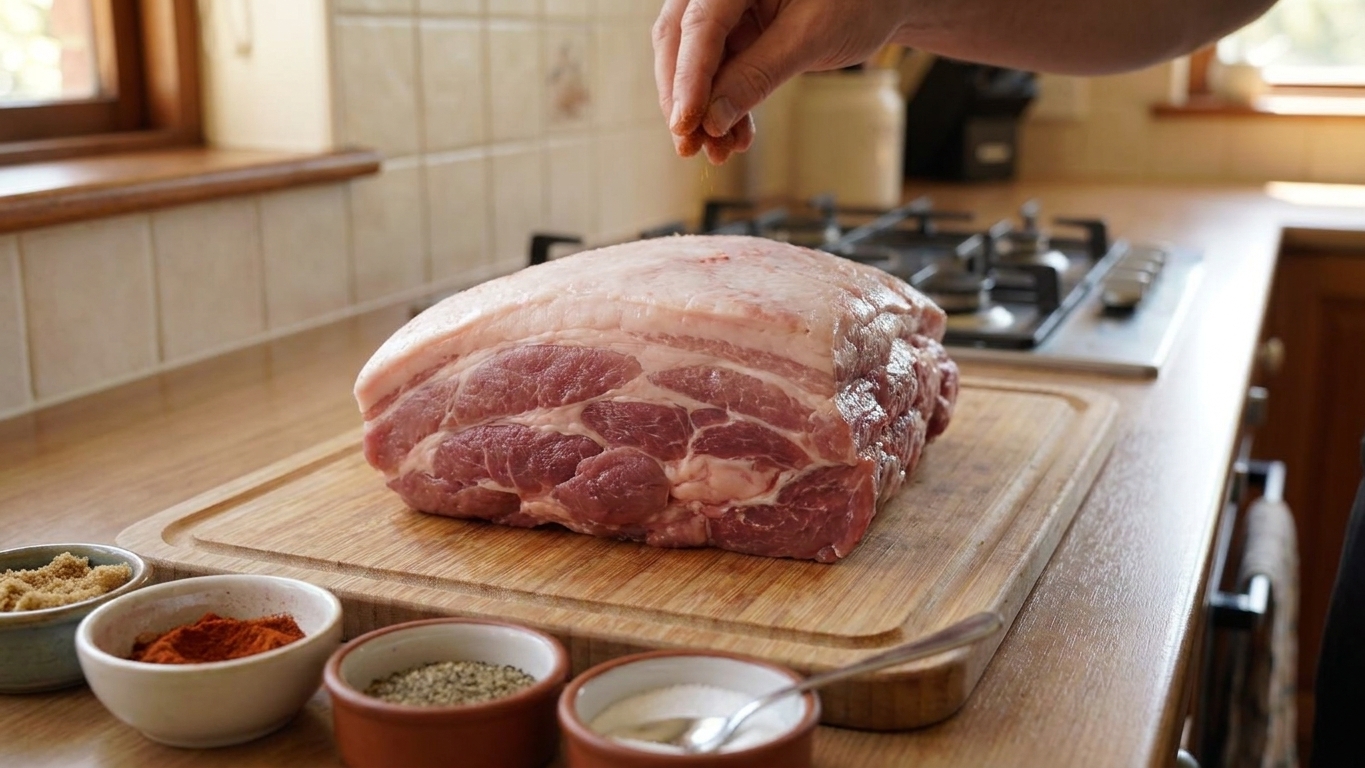
Small bowls of brown sugar, kosher salt, paprika, black pepper, garlic powder, onion powder, and chili powder arranged on a clean kitchen counter with measuring spoons

Why It Works

  • Tender, pull-apart texture: Cooking to the right internal temperature (not the clock) gives you silky shreds instead of sliceable pork.
  • Big flavor without a complicated ingredient list: A pantry-friendly rub builds a savory crust and seasons the meat all the way through.
  • Moisture insurance: The foil wrap traps steam and rendered fat so the pork stays juicy even if you’re not a pitmaster.
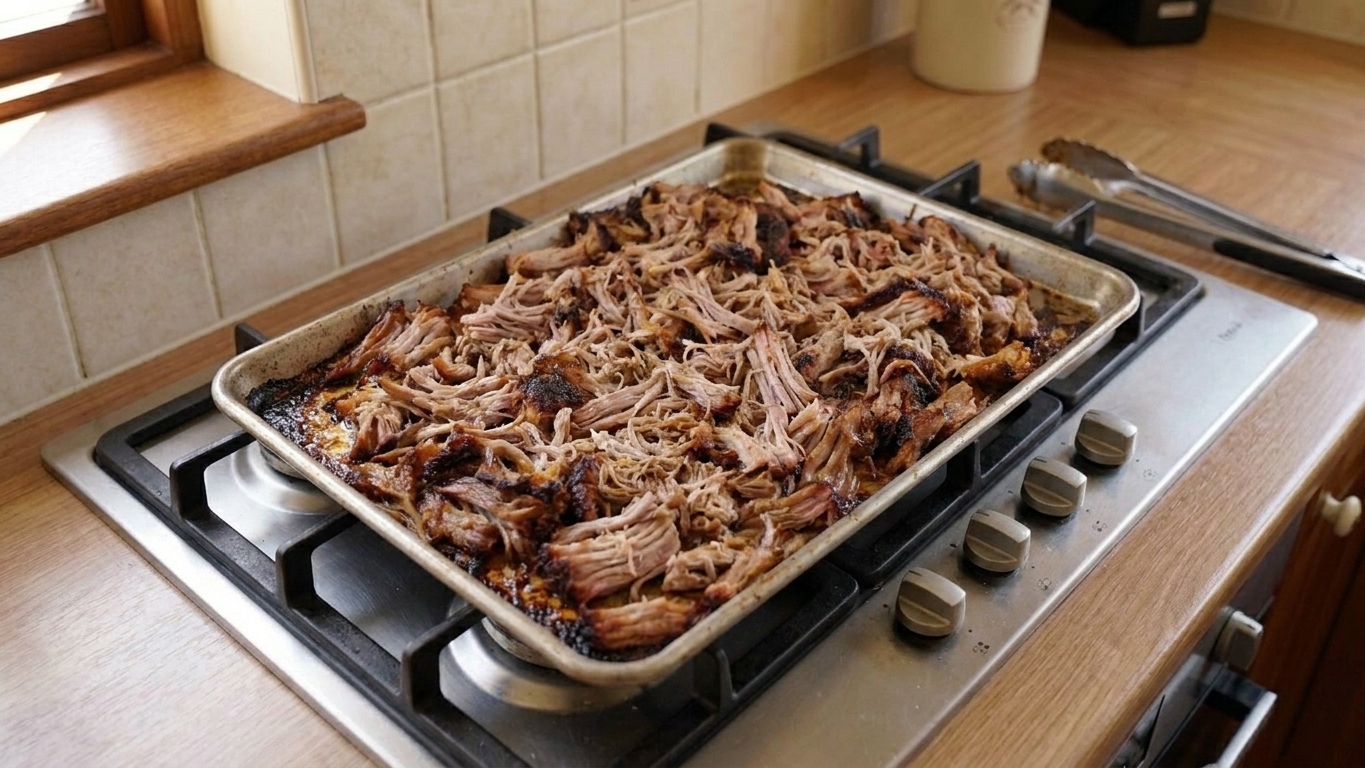
  • Crisp edges on demand: Broil the shredded pork for a couple minutes if you want those craveable, crunchy bits.

Pairs Well With

Storage Tips

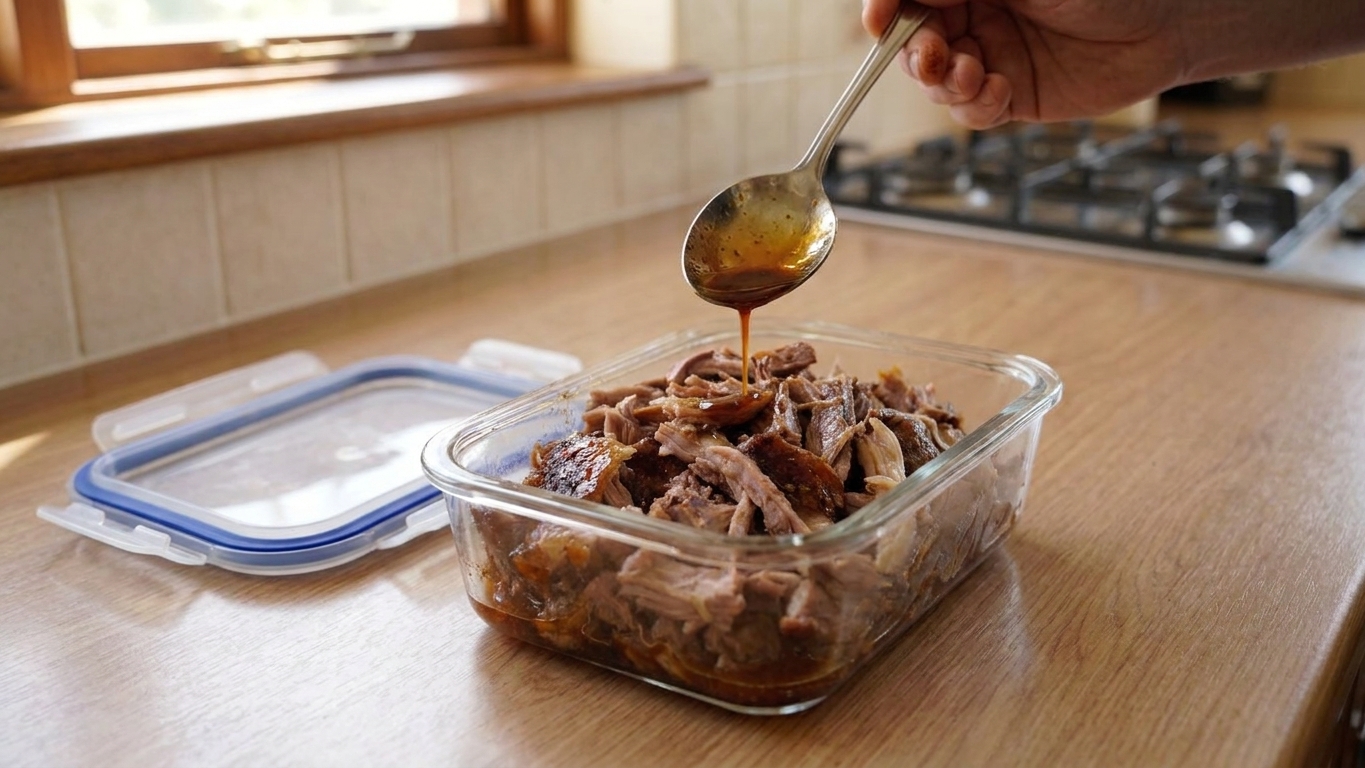
Refrigerator: Store pulled pork in an airtight container for up to 4 days. Spoon a little pan juice or broth over it before sealing so it stays juicy.

Freezer: Freeze in zip-top bags or freezer containers for up to 3 months. Flatten bags for faster thawing.

Best reheat method: Warm gently in a covered skillet with a splash of water, broth, or reserved juices over medium-low heat, stirring occasionally until hot. For crisp bits, spread on a sheet pan and broil for 1 to 3 minutes after it’s warmed.

Leftover ideas: Tacos with quick-pickled onions, pulled pork grilled cheese, baked potatoes with slaw, fried rice, or a very unfair breakfast sandwich with a fried egg.

Shredded pulled pork in a glass meal prep container with a spoonful of cooking juices, sitting on a kitchen counter next to a lid

Common Questions

What is Boston butt, exactly?

Boston butt is pork shoulder from the upper part of the shoulder. Despite the name, it is not from the rear of the pig. It has plenty of fat and connective tissue, which is why it turns buttery and shreddable after a long cook.

Do I cook it fat side up or down?

Either works. I usually go fat side up because it can help protect the surface and self-baste a bit as it renders. If your heat source runs hot from the bottom, fat side down can act like a little shield. Choose one and don’t stress about it.

What internal temperature should I cook it to for pulled pork?

Aim for 195°F to 205°F in the thickest part. More important than the number is the feel: a probe or skewer should slide in with very little resistance.

Why did my pork “stall” and stop rising in temperature?

This can happen, especially with low-and-slow cooking, because moisture evaporates from the surface and cools the meat, slowing the rise. In a 300°F oven it may be less dramatic, and once you wrap it, it usually moves along more steadily.

How long does it take?

For a 6 to 8 pound Boston butt at 300°F, a realistic total is often around 6 to 8 hours, plus rest time. If you like per-pound estimates, think of them as a rough planning tool, not a promise. Thickness, bone-in vs boneless, and your oven all matter. Cook to temperature and tenderness, then rest.

Can I make this without sugar?

Yes. The brown sugar helps with a slightly sweeter bark and deeper browning, but you can skip it. The pork will still be flavorful, just less sweet. If you want a little rounded flavor without adding sugar, try using apple juice in the pan instead of broth, or serve with a tangy vinegar sauce.

Do I need barbecue sauce?

Nope. The meat’s flavorful on its own. I like serving sauce on the side so everyone can choose their vibe.

Is it safe before 195°F?

Yes. For whole cuts of pork, the USDA safe minimum is 145°F with a rest. But for pulled pork texture, you need the collagen to fully break down, which is why we keep going to the 195°F to 205°F range.

Can I prep it ahead?

Absolutely. Rub it, cover, and refrigerate for up to 24 hours. Before roasting, let it sit at room temp for about 30 to 45 minutes so it roasts more evenly (still keep it covered and don’t leave it out for hours).

How much pulled pork will I get?

Plan on losing some weight to bone and rendering. A typical yield is roughly 50 to 60% of the raw weight. For example, an 8 pound bone-in butt often gives around 4 to 5 pounds of pulled pork.

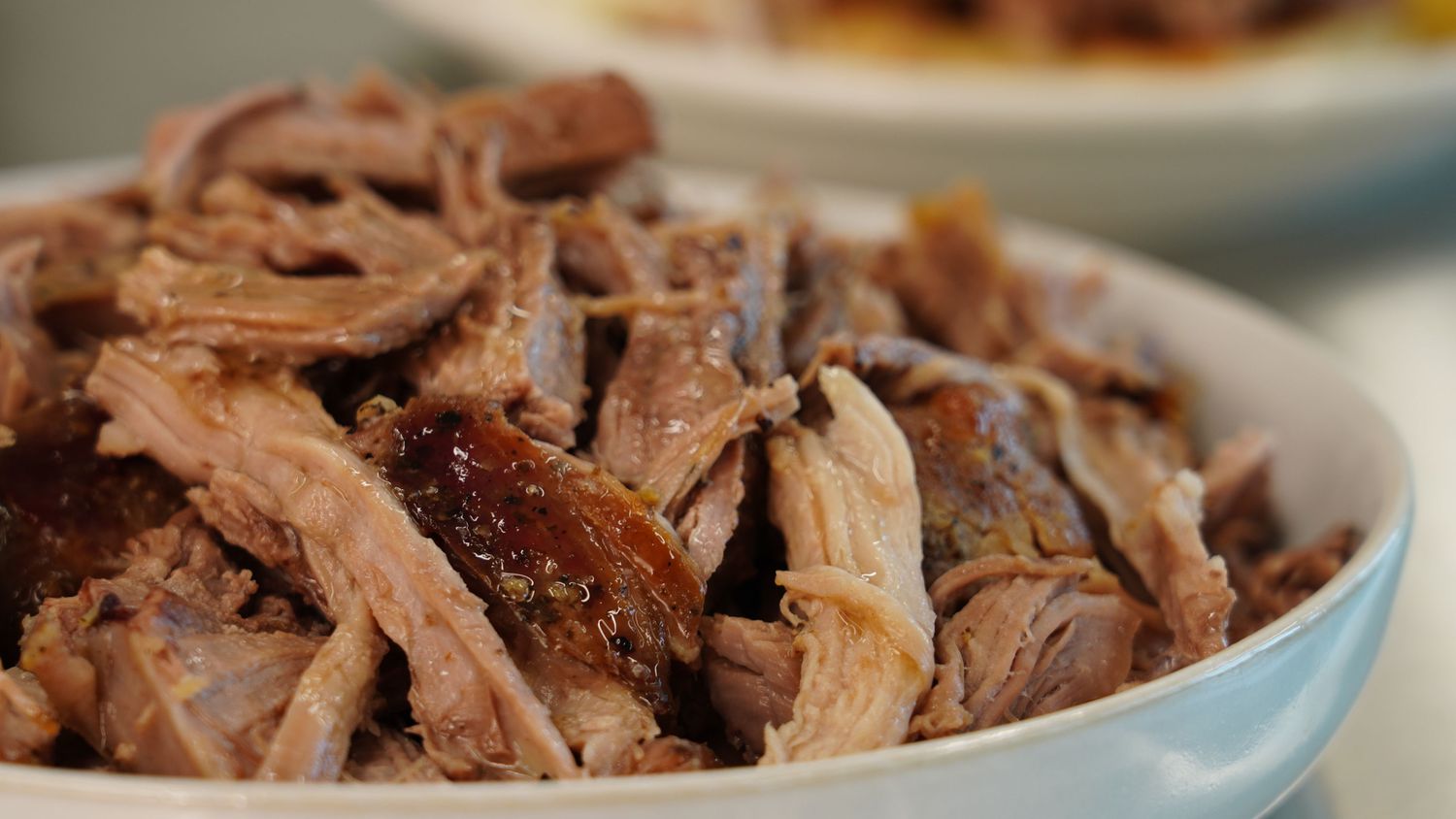
I used to think pulled pork was reserved for smokers, charcoal, and people who own folding chairs that live in their garage year-round. Then I started chasing practical kitchen skills, the kind that actually show up on a random Tuesday, and I realized the oven can absolutely get you there. Boston butt became my favorite “feed a crowd and still have leftovers” move. It’s the dish I make when I want the house to smell like I’ve got my life together, even if I’m winging the sides.