Mom's Best Recipes
Recipe

Smoked Pork Shoulder

Low and slow pulled pork with a crisp, peppery bark and juicy strands, made with accessible pantry spices and clear temperature targets.

Author By Matt Campbell
4.8
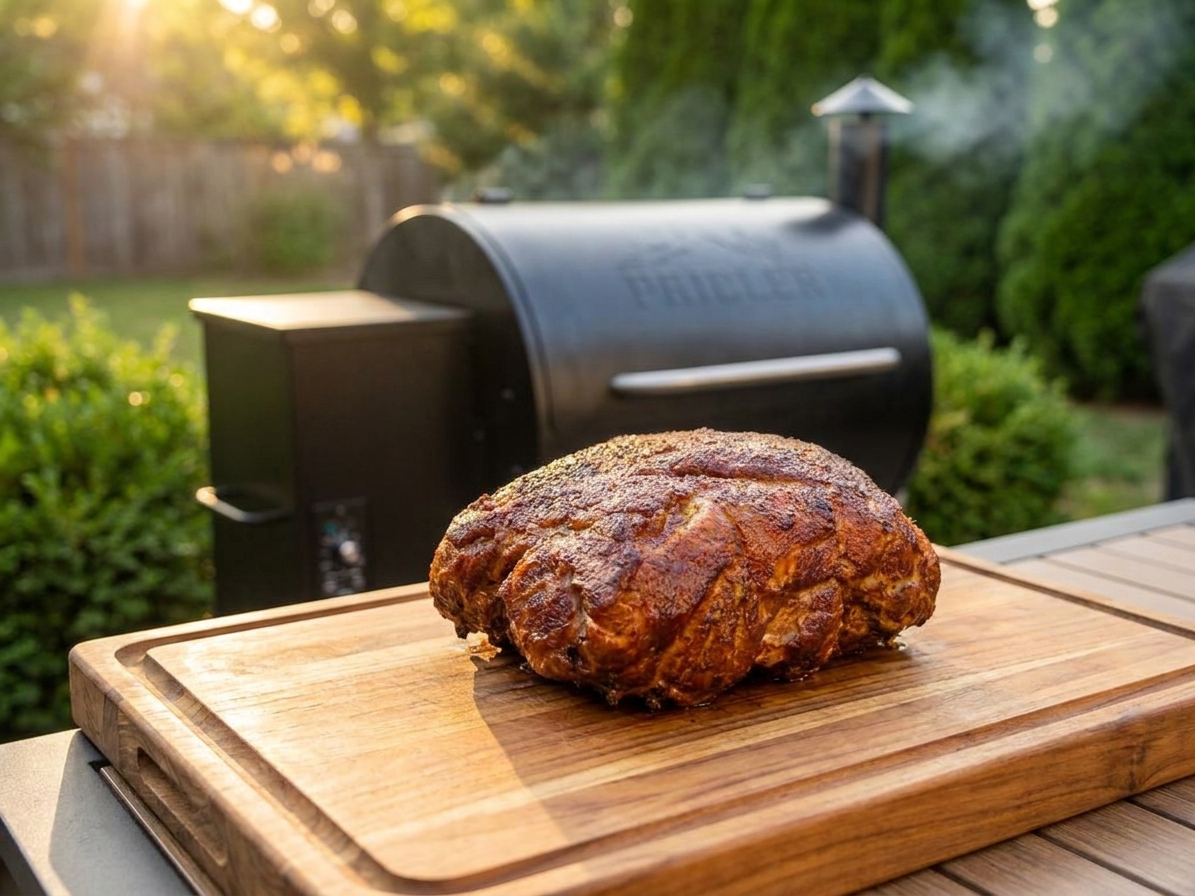
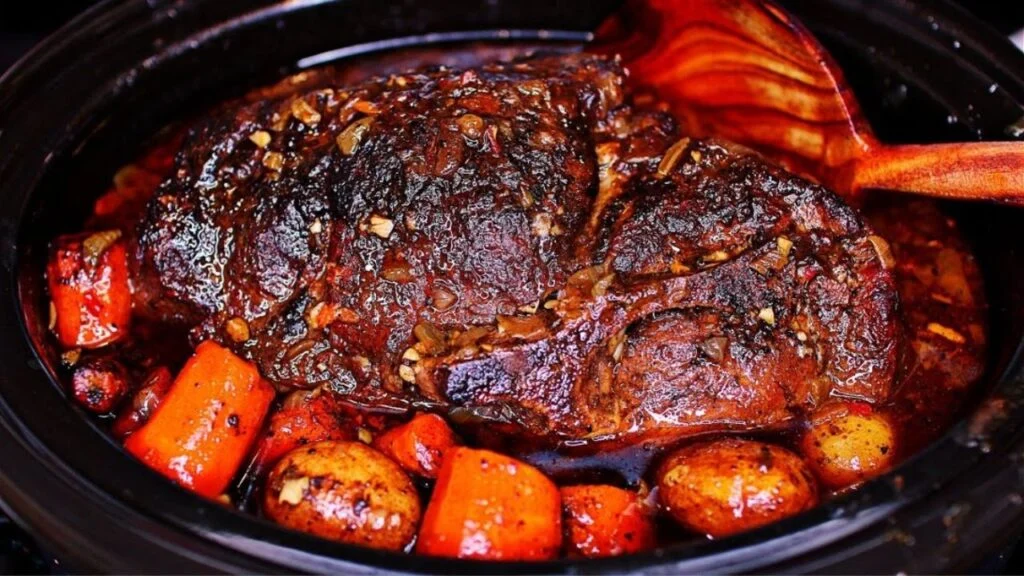
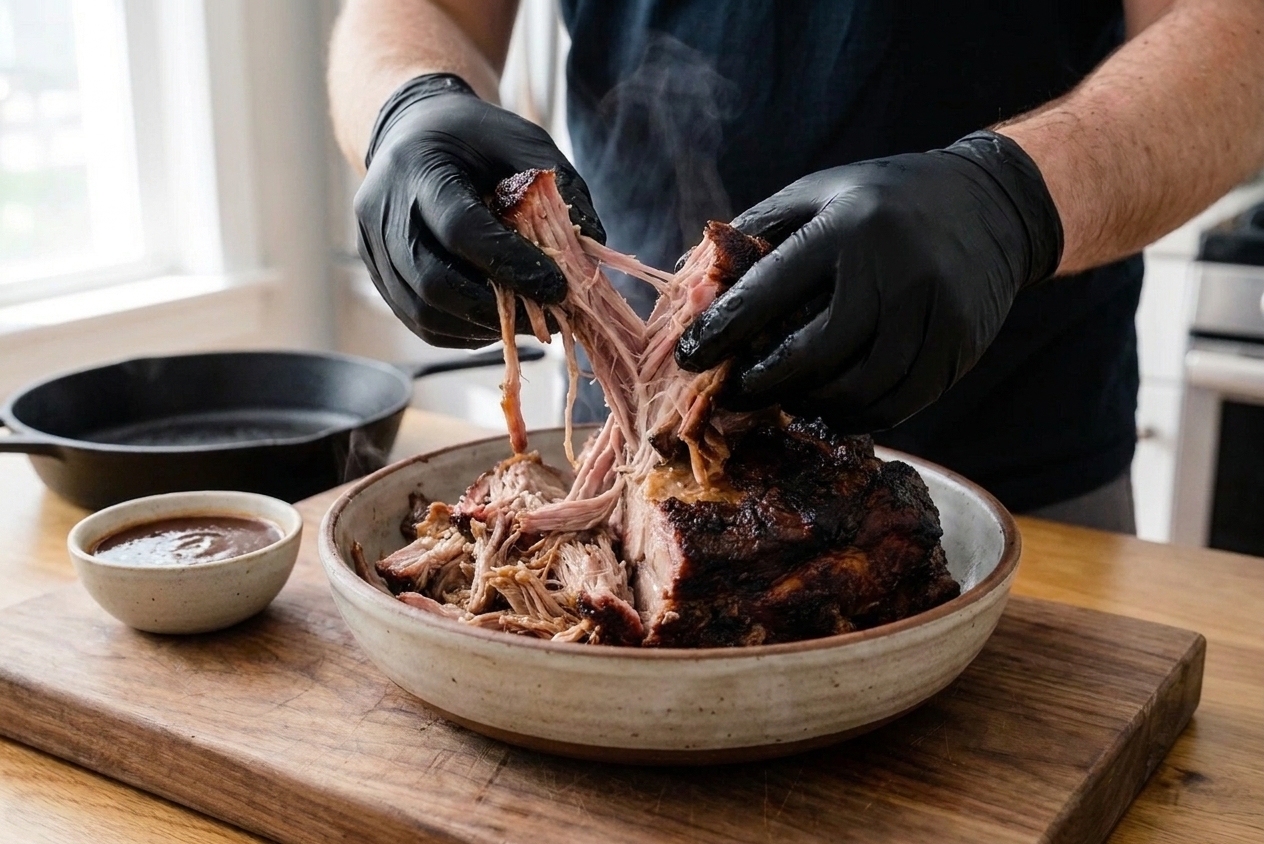
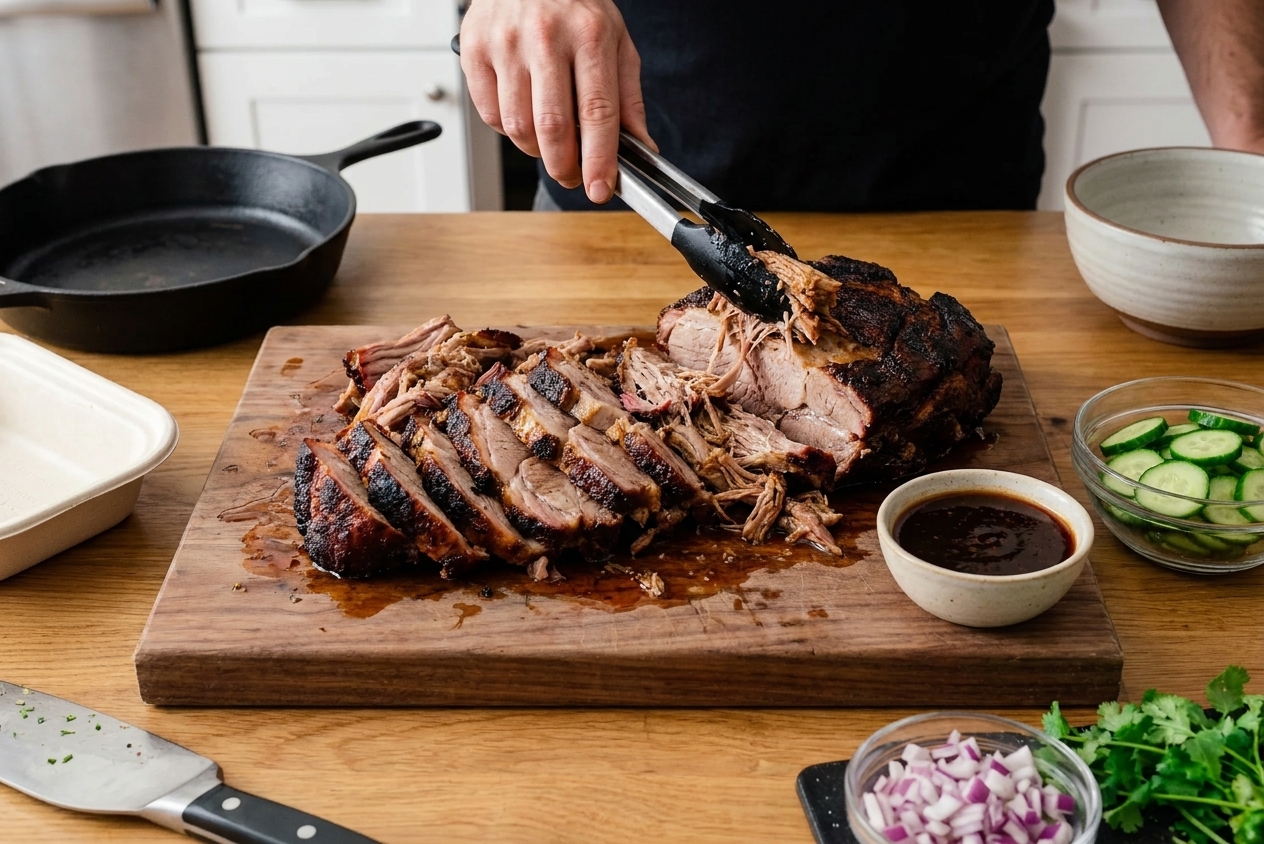
A platter of sliced and pulled smoked pork shoulder with dark bark and juices on a wooden cutting board on a warm kitchen table

Smoked pork shoulder is one of those cook-it-once, eat-happy-for-days situations. It is forgiving, it loves smoke, and it turns a pretty inexpensive cut into something that makes people wander into your backyard like cartoon characters following a smell trail.

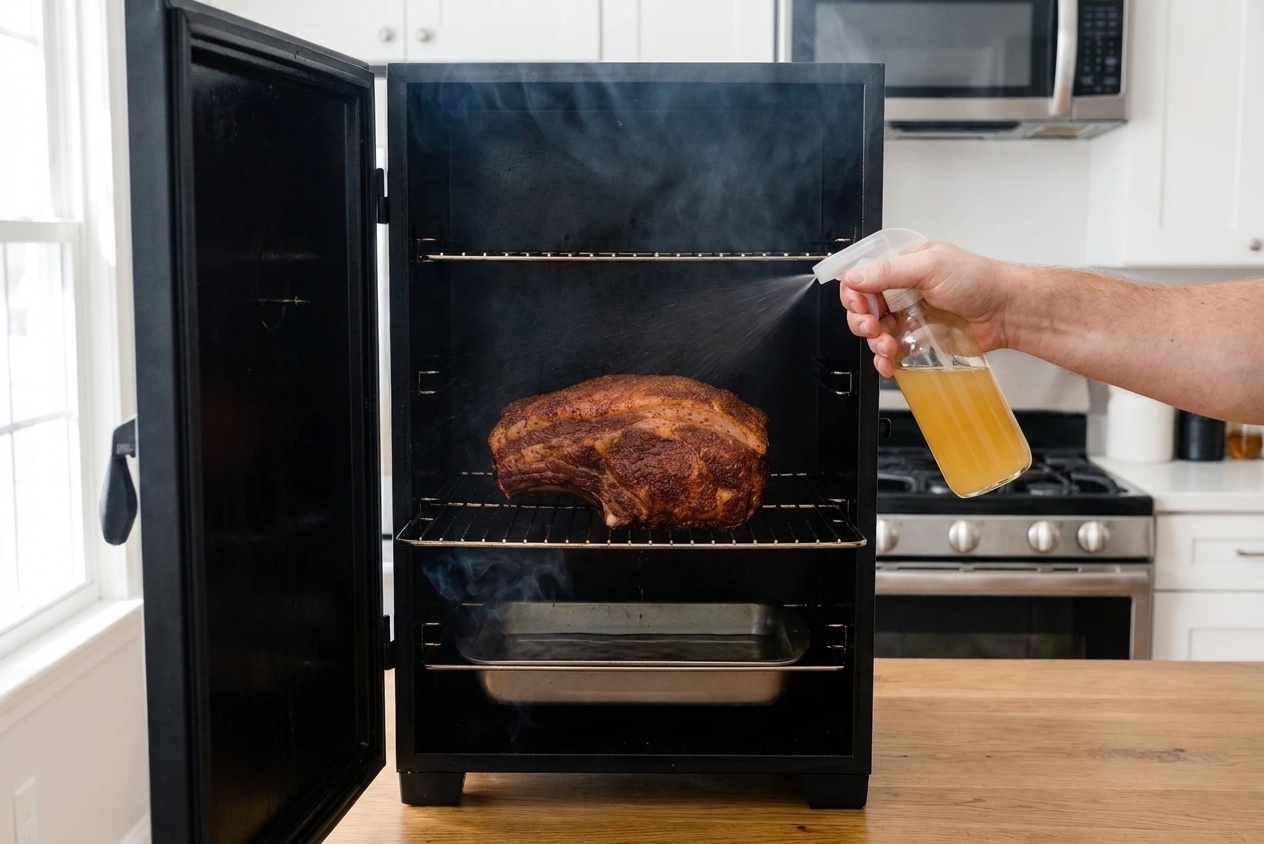
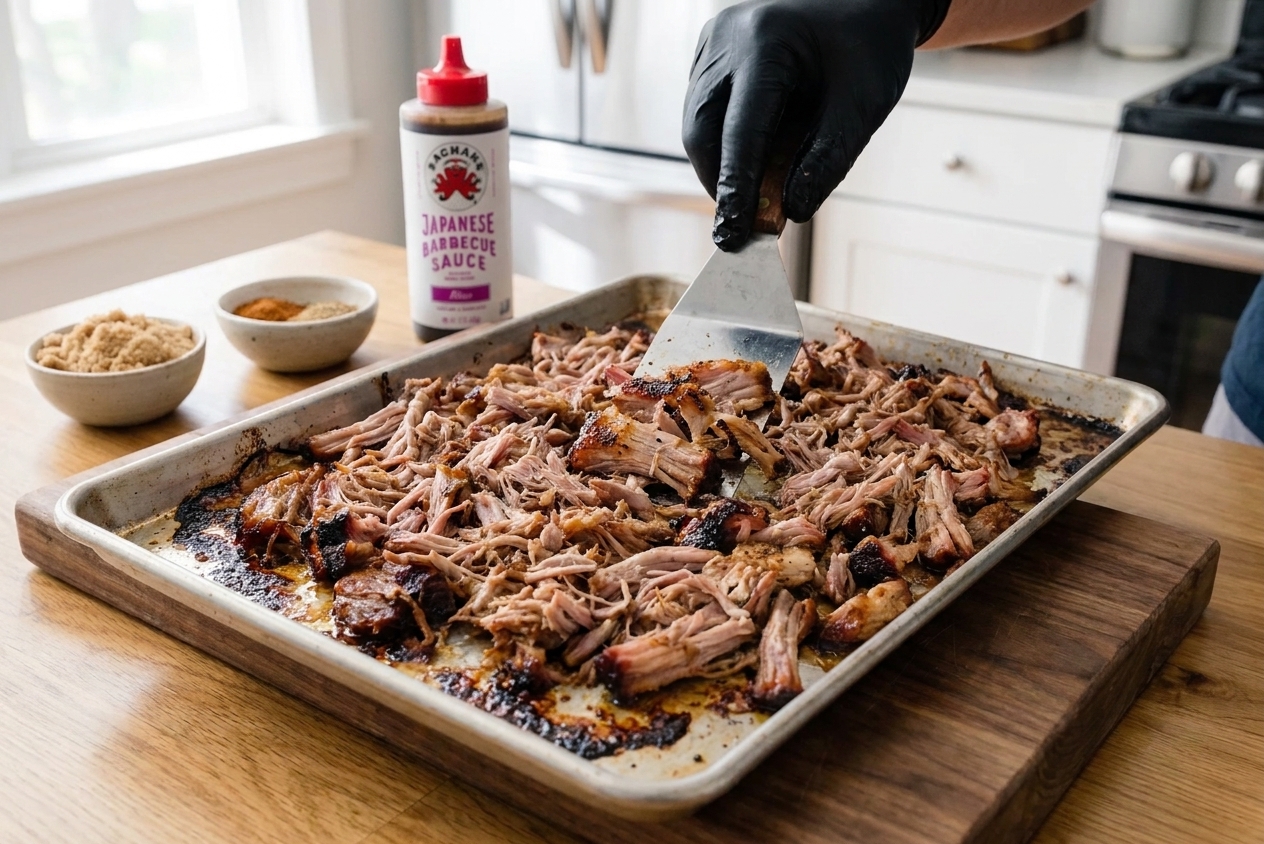
My goal here is juicy pulled pork with real bark , using a rub you can mix with pantry spices and a method that works on most smokers and pellet grills. I will give you the temps that matter, what to do during the stall (yes, that moment), and how to rest it so it pulls like a dream.

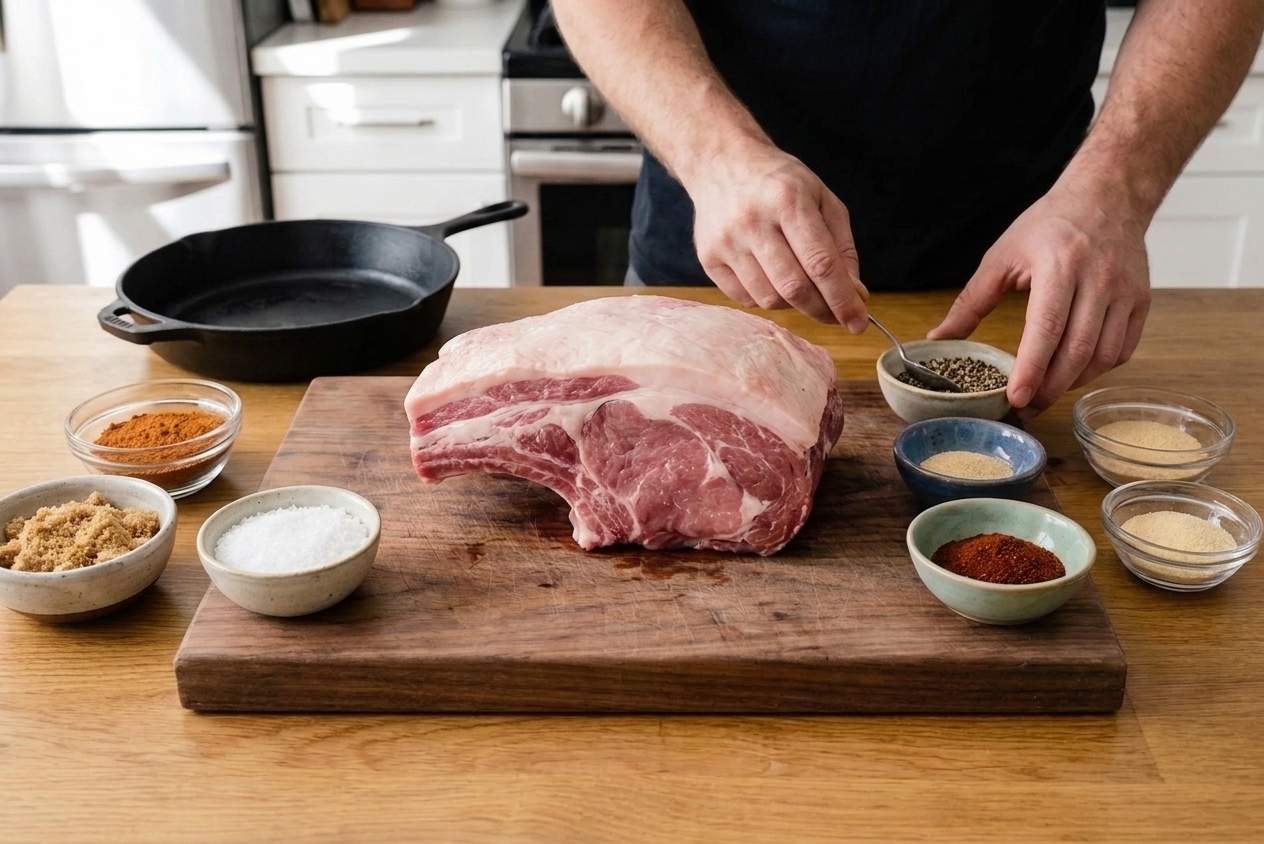
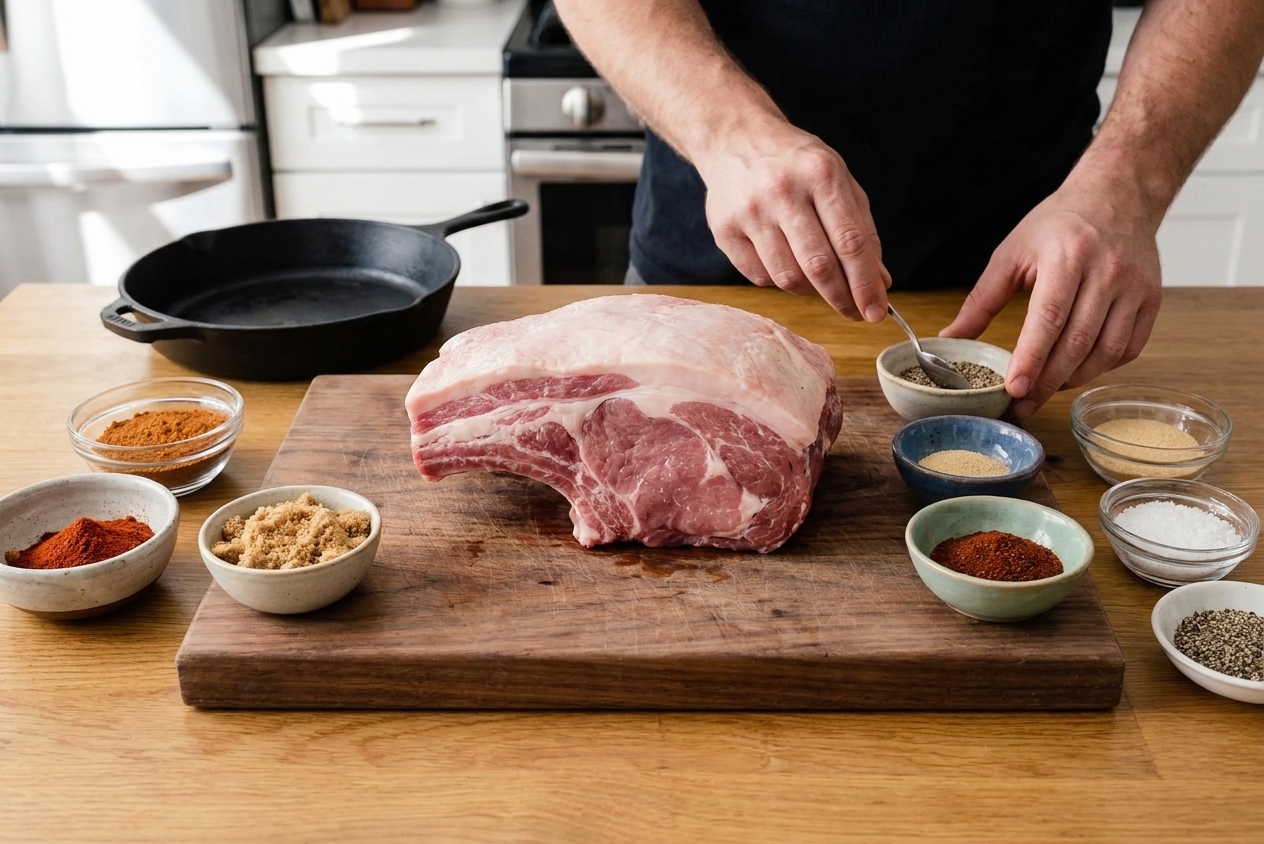
Bowls of brown sugar, kosher salt, black pepper, paprika, garlic powder, and onion powder arranged on a kitchen counter beside a raw pork shoulder

Why It Works

  • Pork shoulder is built for low and slow. All that connective tissue turns into gelatin when you hold it in the right temperature zone, which means moisture and tenderness you cannot fake.
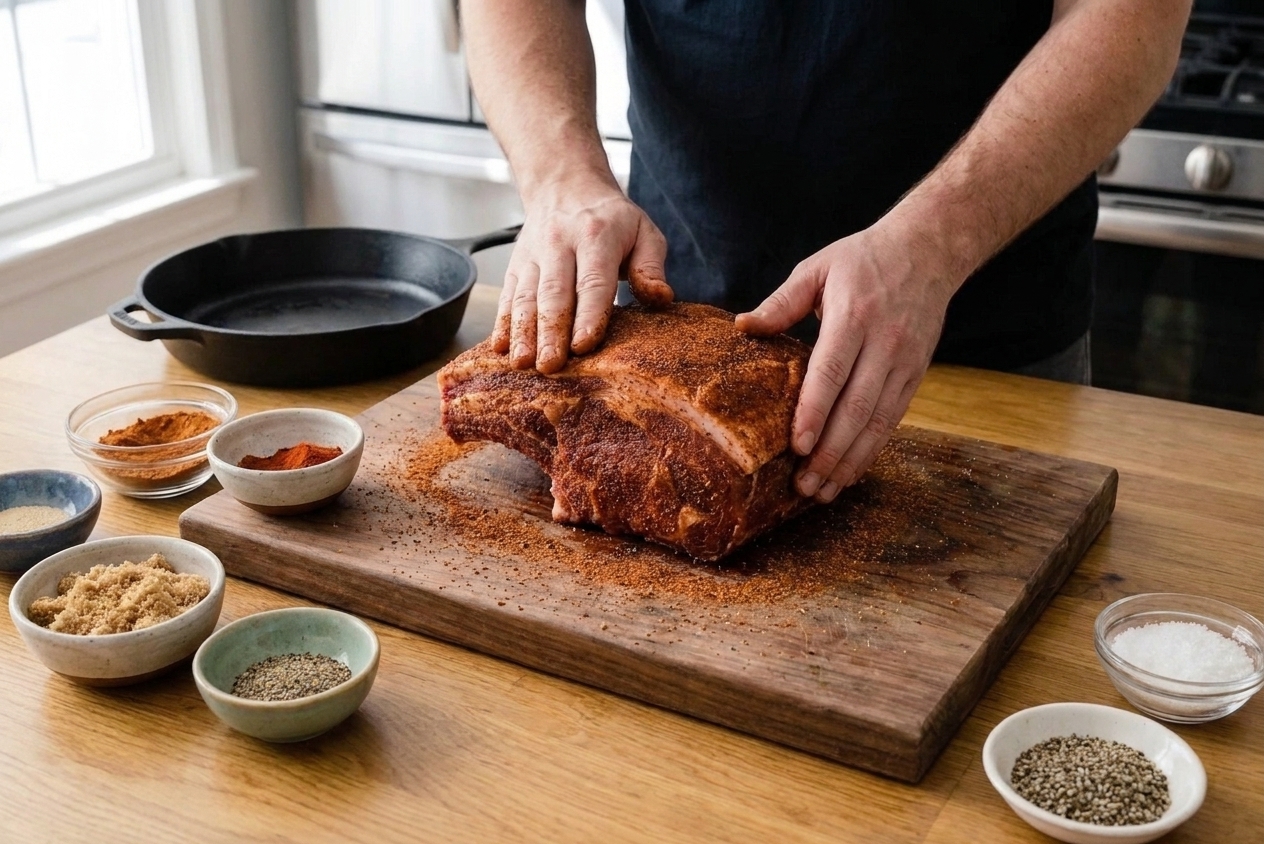
  • A simple rub makes big flavor. Salt penetrates, sugar helps bark, and pepper brings that classic BBQ bite.
  • Clear doneness cues. We cook to internal temperature and tenderness, so you are not guessing when it is ready.
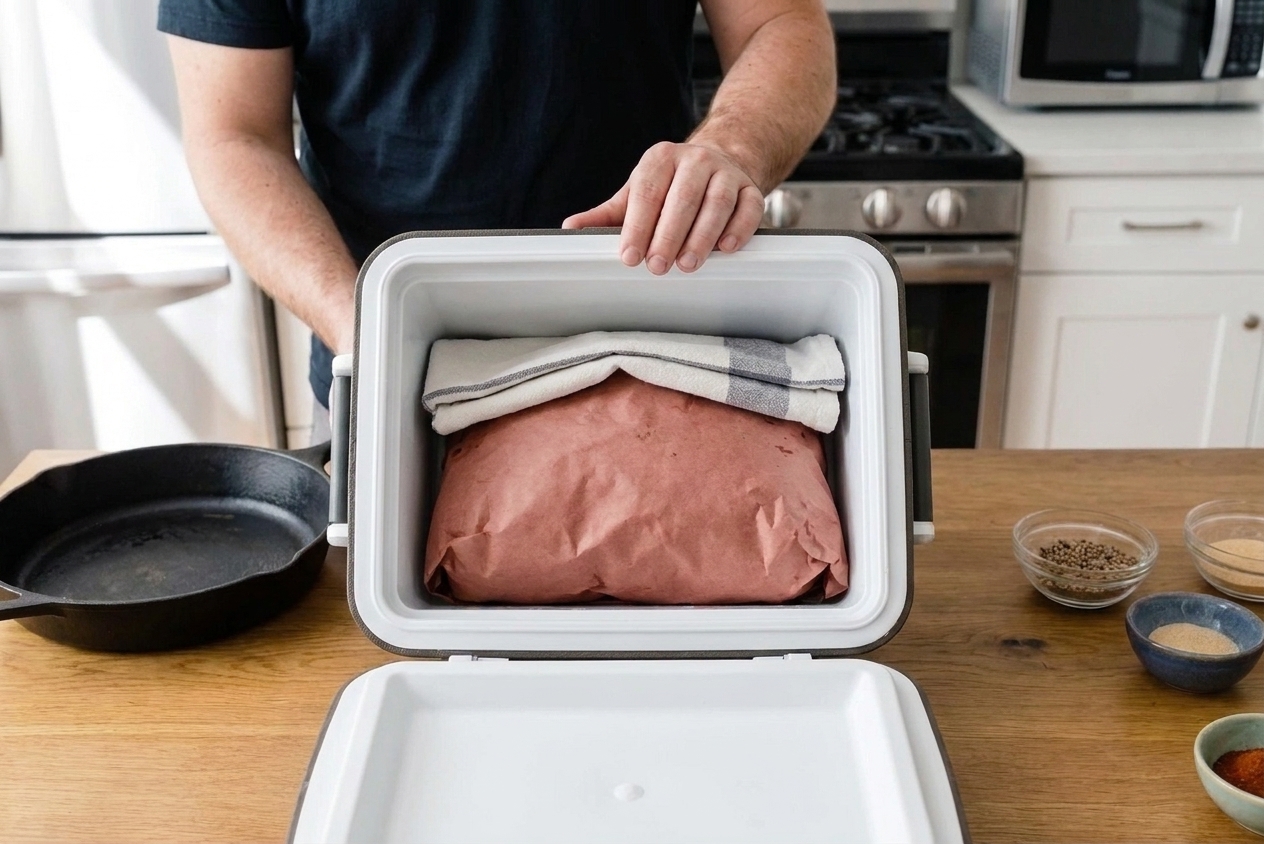
  • Resting is the secret step. A proper rest helps the pork stay juicy and makes pulling easier and cleaner.

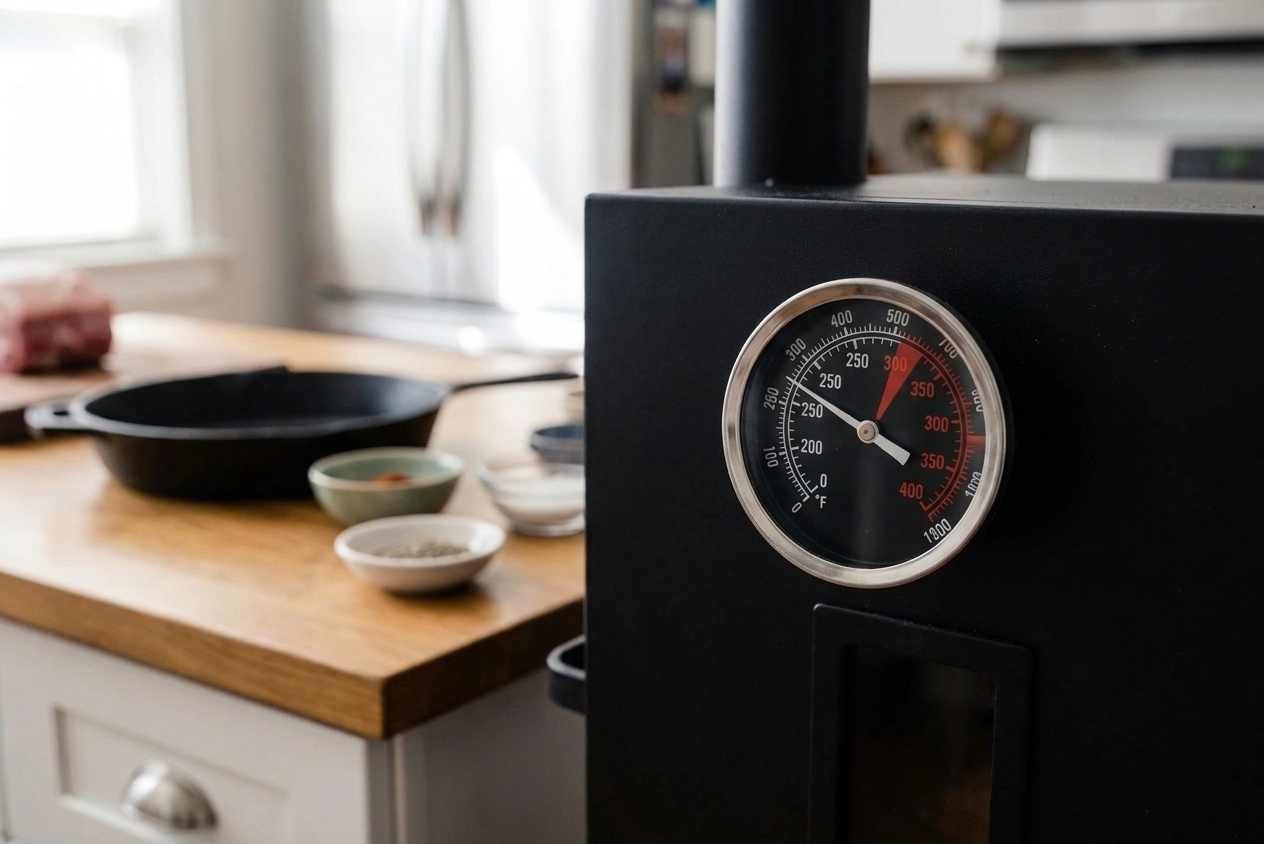
Quick timeline (example): Start at 8am, wrap around 1 to 3pm when the bark is set and the pork hits 160 to 170°F, finish around 4 to 6pm, rest 1 hour, eat around 6 to 7pm. Your cooker and the meat decide the exact schedule, so build in buffer time.

Pairs Well With

Storage Tips

Food safety first: Cool leftovers promptly and refrigerate within 2 hours (sooner if it is sitting in a hot backyard). Store pork in shallow containers so it chills faster.

Refrigerator: Store pulled pork in an airtight container for 3 to 4 days. For best texture, splash in a few tablespoons of reserved juices or a little warm broth before chilling.

Freezer: Freeze in portioned bags for 2 to 3 months for best quality. Press the bags flat so they thaw fast. Add a spoonful of drippings or a bit of BBQ sauce before freezing to protect it from drying out.

Reheat (best way): Warm gently in a covered skillet or saucepan with a splash of water, broth, or drippings over low heat, stirring occasionally until hot. Microwave works too, just cover and use 50 to 70% power so it stays tender.

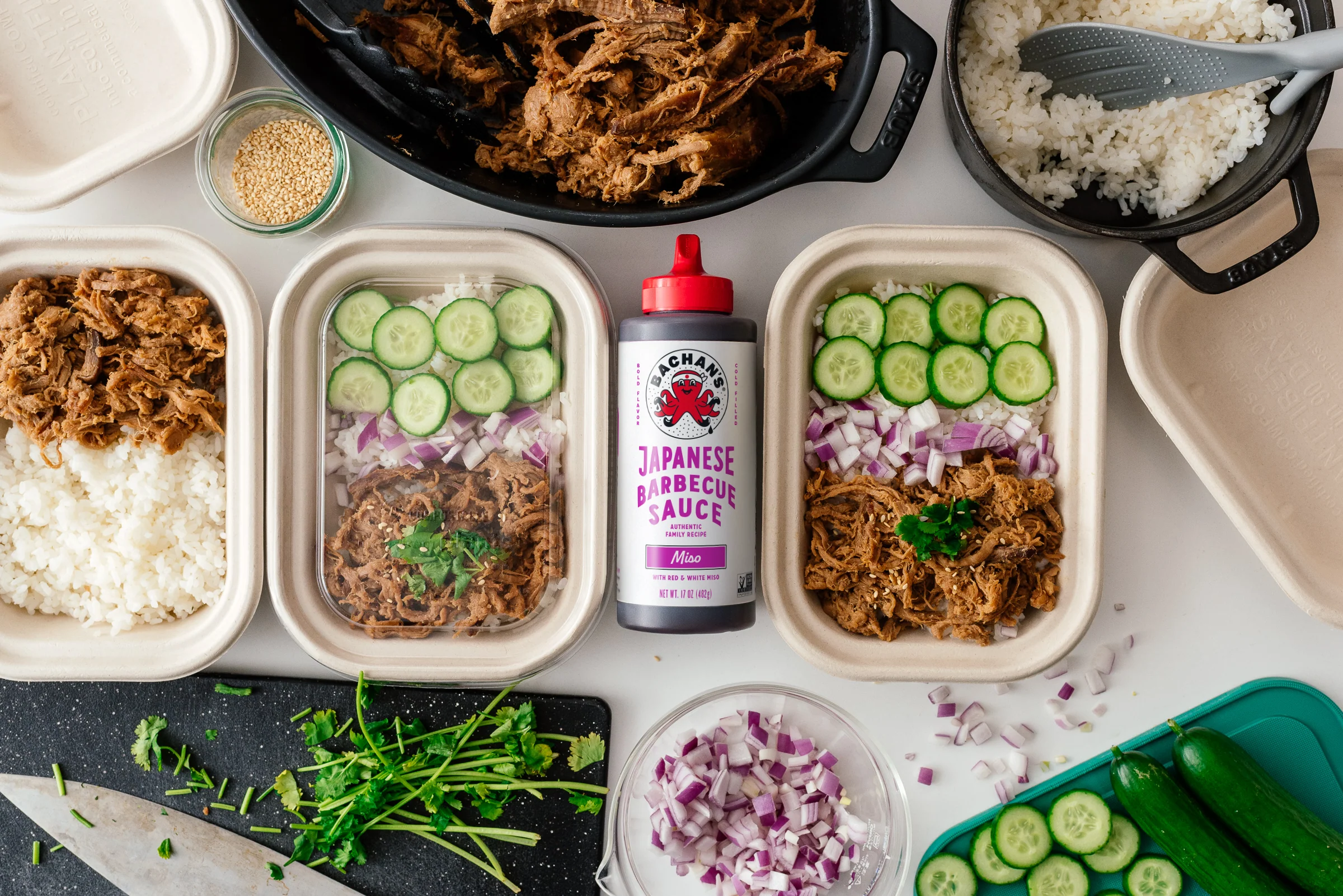
Portioned pulled pork in glass meal prep containers with a little cooking juice at the bottom on a kitchen counter

Common Questions

Should I use bone-in or boneless pork shoulder?

Either works. Bone-in is a little more forgiving and tends to stay juicier. Boneless is easier to fit on smaller smokers and a bit simpler to slice if you want chunks instead of fully pulled.

Do I need a binder like mustard?

Not required, but it helps the rub stick. Yellow mustard will not make it taste like mustard. You can also use a thin coat of oil or mayonnaise, or skip binder entirely if the surface is a little tacky.

What internal temperature is pulled pork done?

Usually 200 to 205°F, but the real answer is probe tender. A thermometer or skewer should slide into the thickest parts with very little resistance, like softened butter.

Safety note: Pork is considered safe to eat at 145°F, but it will not be tender enough to pull until the collagen has had time to break down, typically around the low 200s.

What is the stall and what do I do?

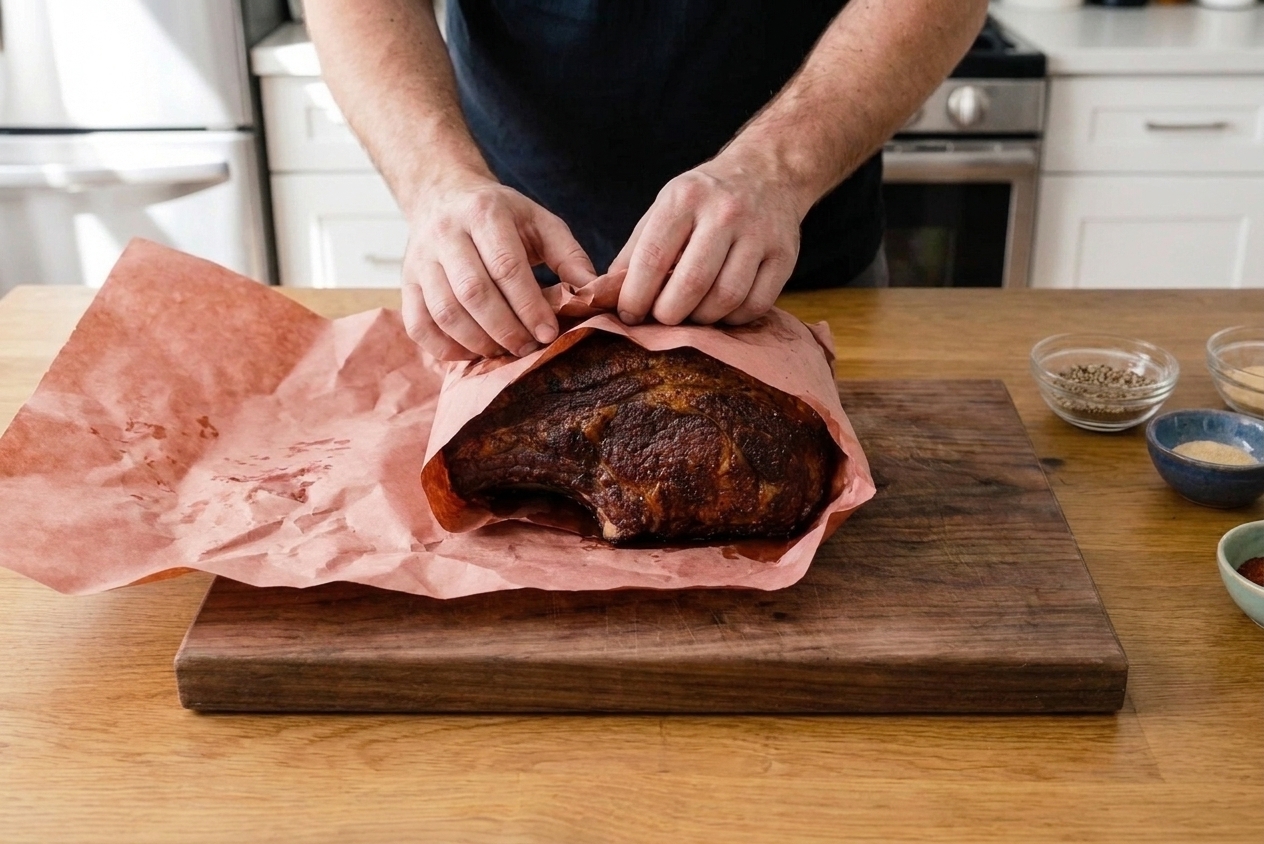
The stall is when the internal temp seems stuck around 150 to 170°F as moisture evaporates and cools the meat. You can ride it out, or you can wrap in foil or butcher paper to push through faster.

Foil vs butcher paper, which is better?

Foil cooks fastest and stays super juicy but can soften bark. Butcher paper protects bark better while still speeding things up. If you love crisp bark, paper is your friend.

How much pork shoulder do I need per person?

Plan for about 1/2 pound raw per adult if it is the main event. Pork shoulder loses weight during cooking, and people tend to go back for seconds.

As a quick rule, a 7 to 9 pound shoulder usually yields about 4 to 6 pounds of pulled pork after cooking and trimming.

I used to think smoked pork shoulder was reserved for people with a dedicated smoker, a drawer full of gadgets, and the kind of patience you only get from owning a rocking chair. Then I cooked one with a borrowed thermometer, a very questionable spritz bottle, and the confidence of someone who had watched exactly three BBQ videos.

It came out wildly good. Not perfect, but good in the way that makes you start planning leftovers before dinner is even served. Ever since, it has been my favorite “invite people over and look like you have your life together” cook. The trick is not being fancy. It is being steady: keep the temp consistent, season like you mean it, and let the pork do its slow magic.