Mom's Best Recipes
Recipe

Oven-Roasted Tri-Tip Roast

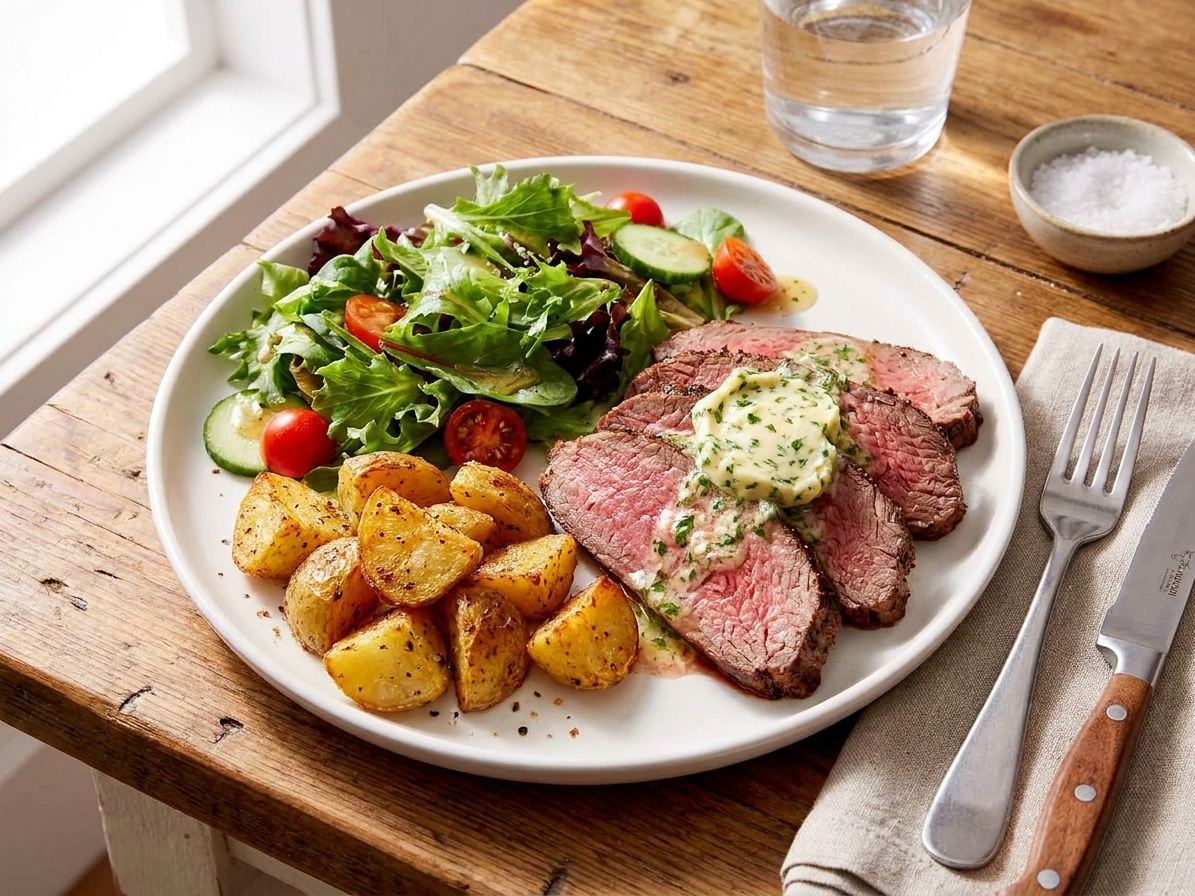
Crisp-edged tri-tip, finished in the oven and topped with garlicky herb butter for steakhouse flavor at home.

Author By Matt Campbell
4.8
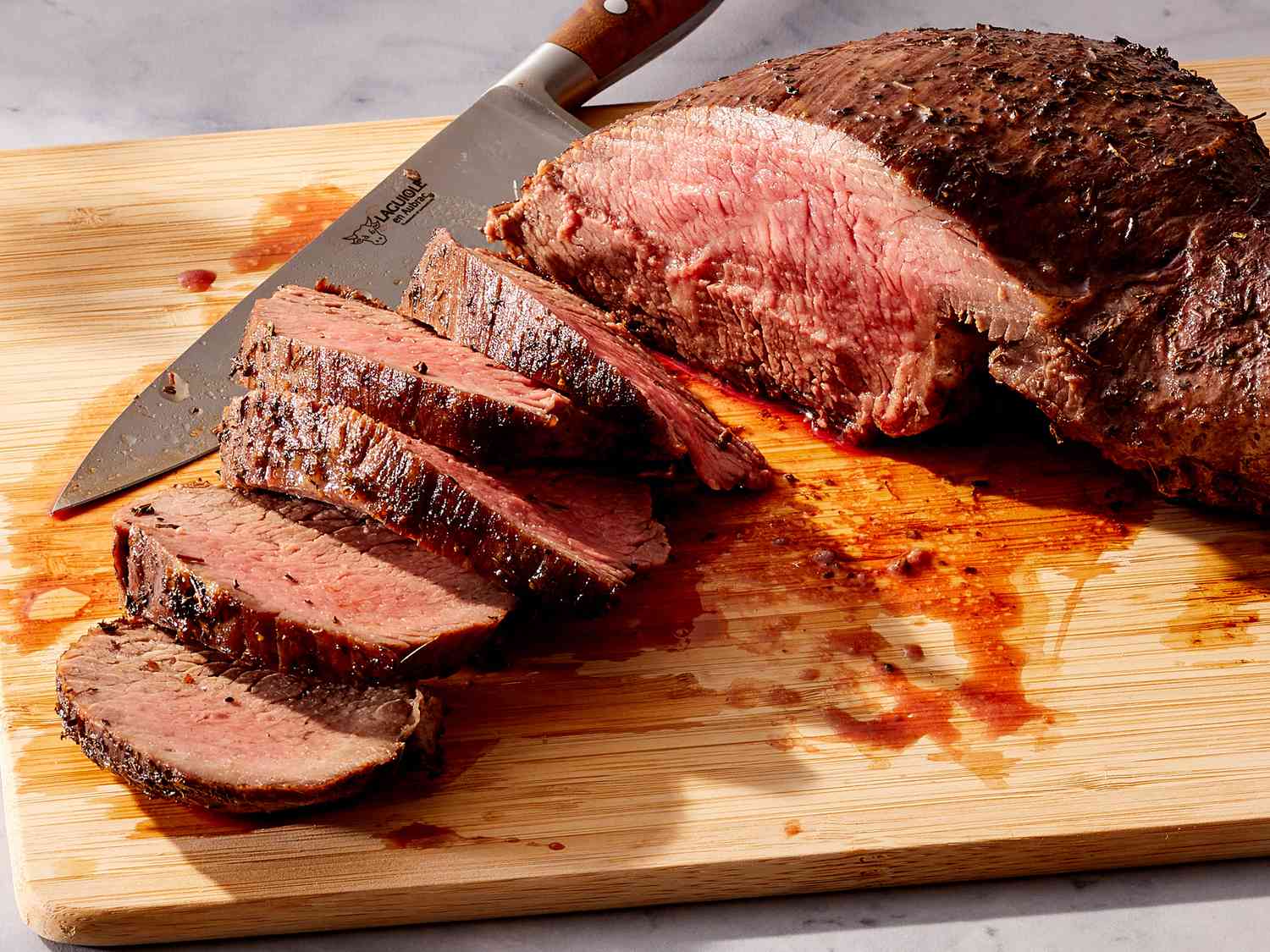
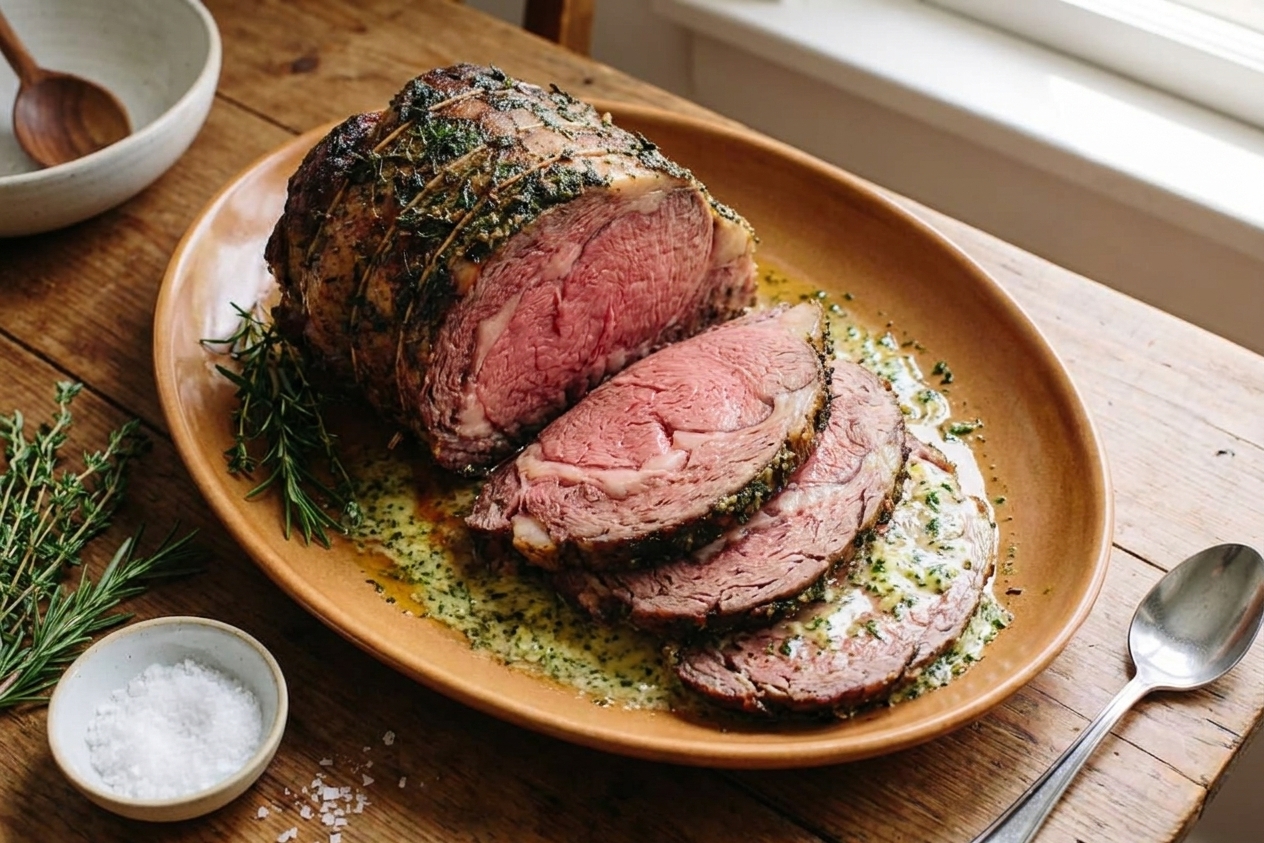
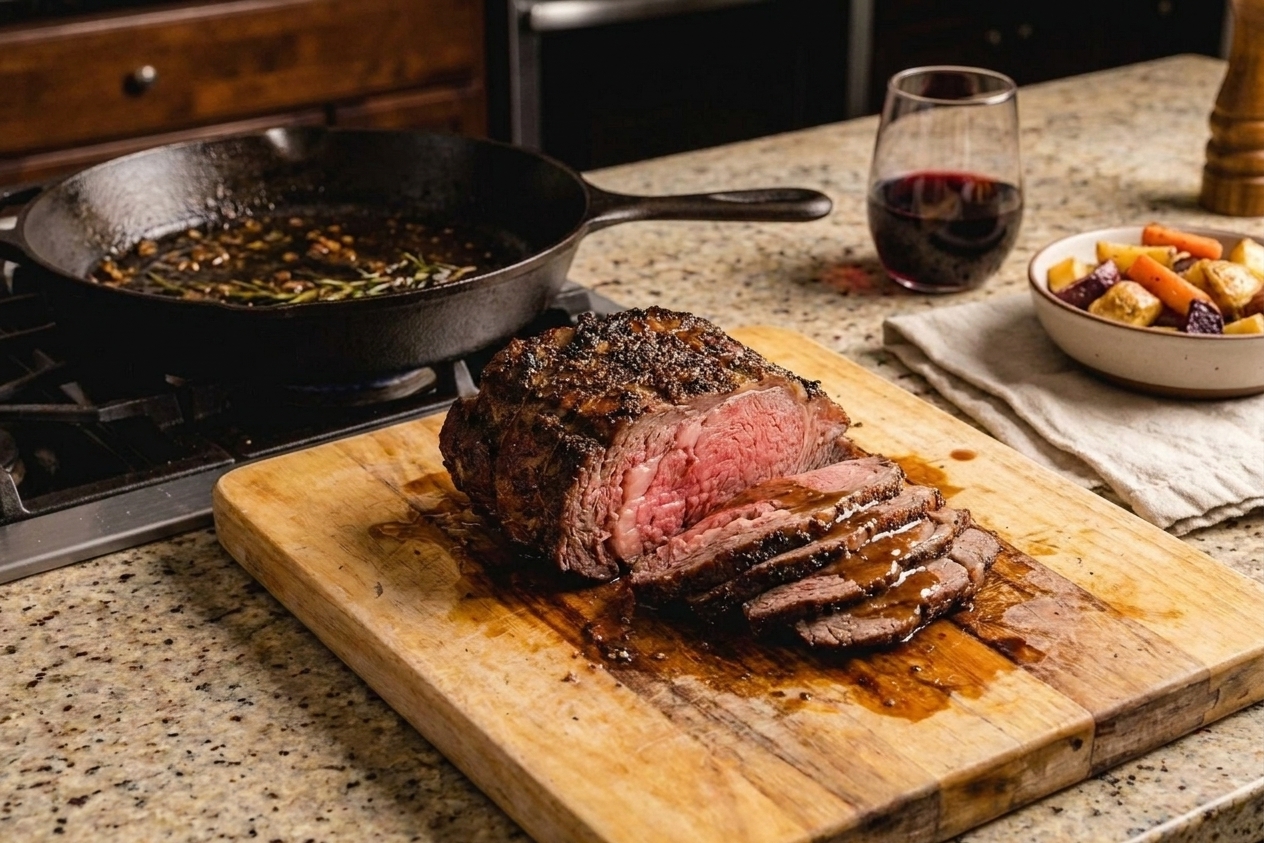
A sliced oven-roasted tri-tip roast on a wooden cutting board with a rosy medium-rare center and crisp browned crust, with herb butter melting over the top

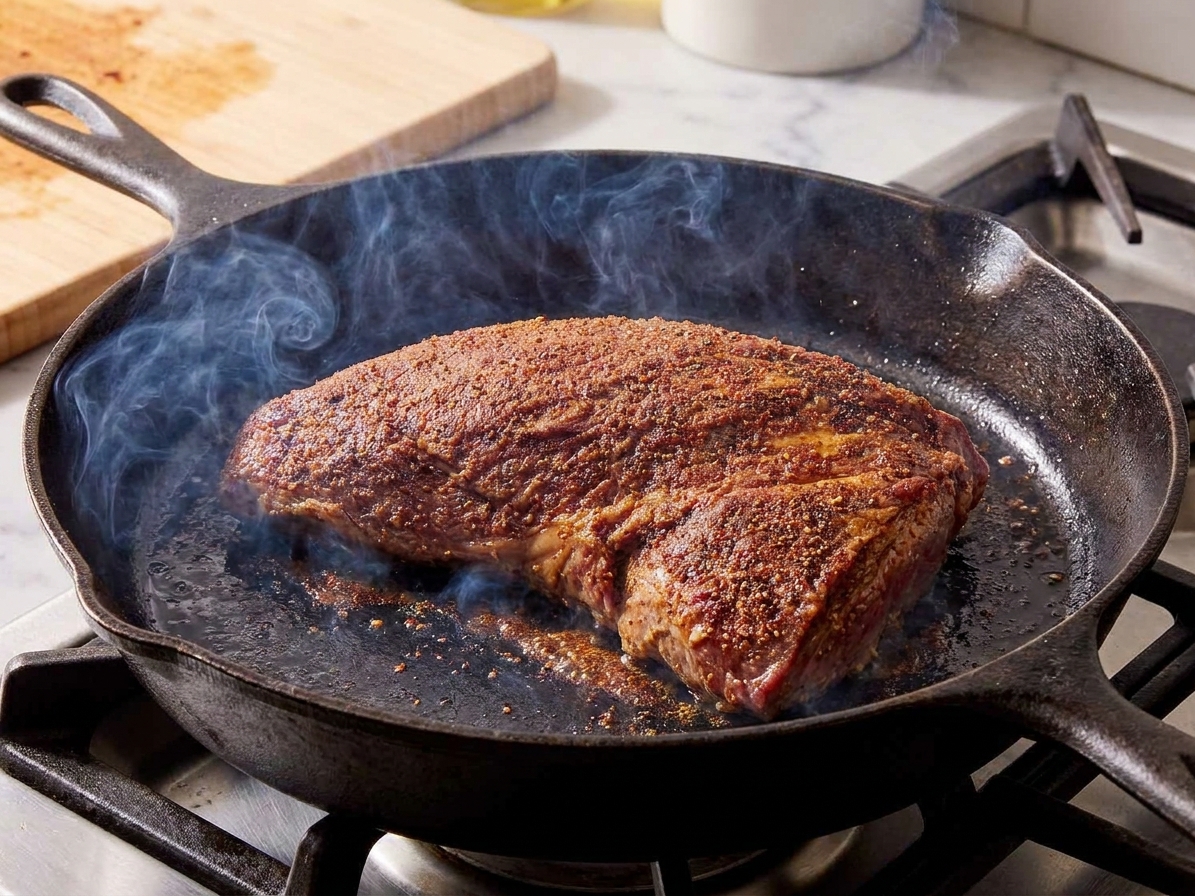
Tri-tip is one of those cuts that feels like a secret handshake between people who love beef and people who hate doing extra dishes. It is big enough to feed a crowd, cooks faster than a full brisket situation, and when you treat it like a thick steak (hot sear, gentle finish, proper rest), it comes out ridiculously juicy.

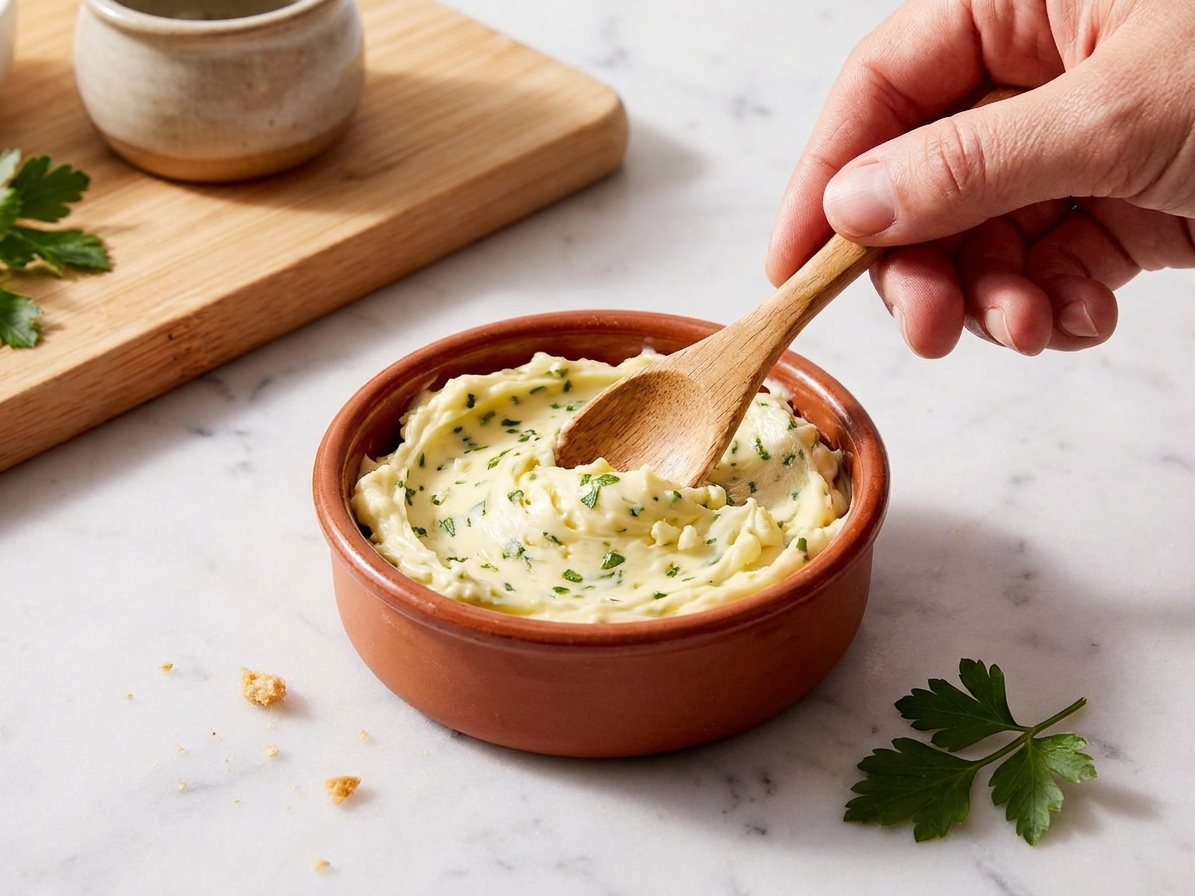
This version is my go-to: a simple spice rub for a crust you can hear, then a quick garlic herb butter that melts into the slices like it was always meant to be there. No fancy ingredients, no complicated steps, just solid results and a gentle reminder to taste as you go.

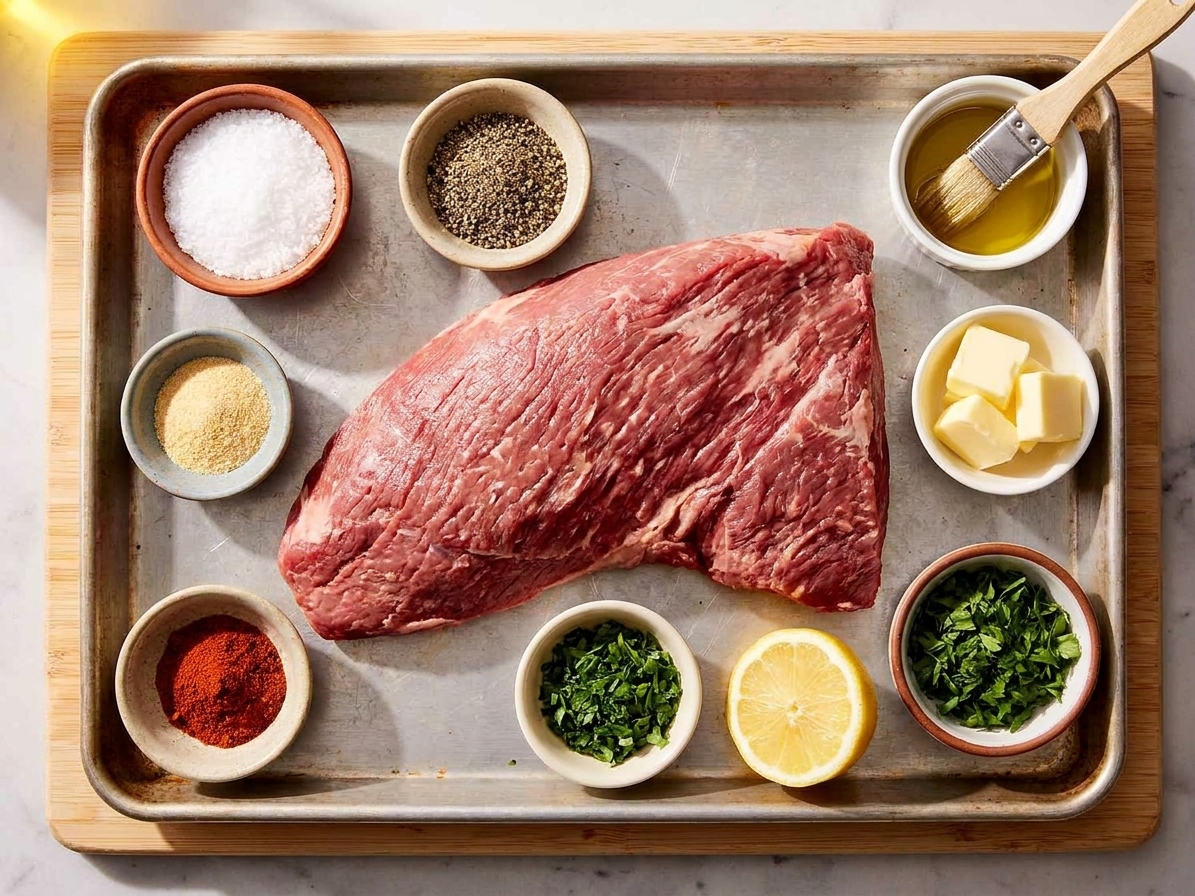
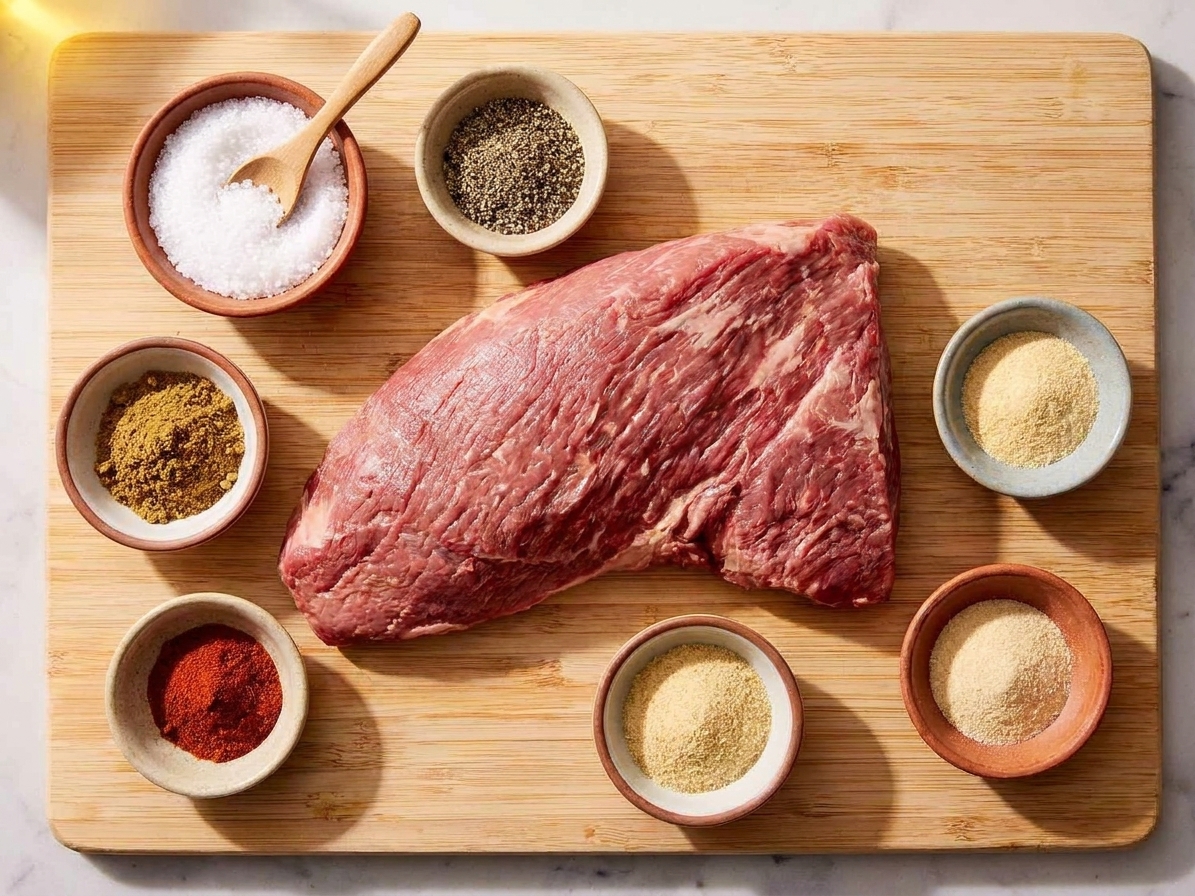
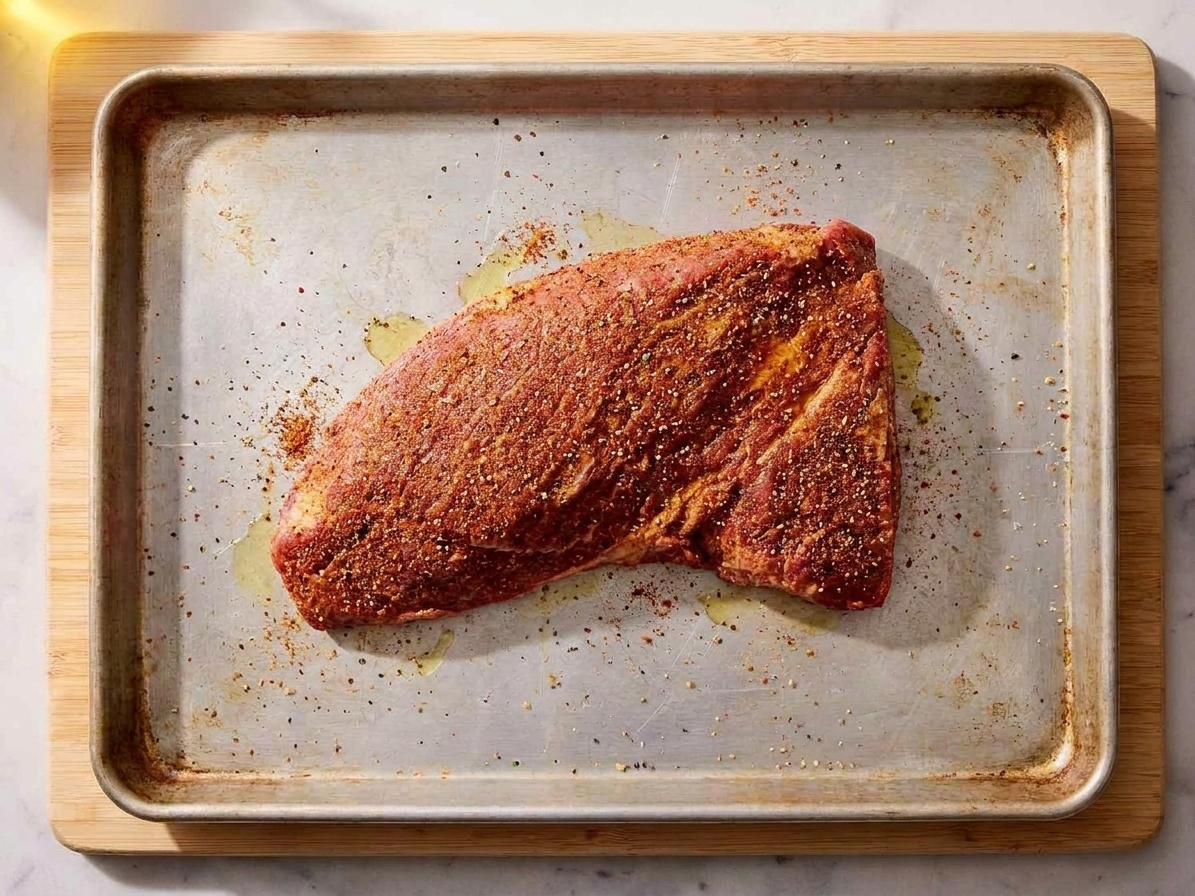
A raw tri-tip roast on a sheet pan beside small bowls of kosher salt, black pepper, garlic powder, smoked paprika, olive oil, butter, parsley, and lemon

Why It Works

  • Steak-style method gives you crisp edges from the sear and a tender interior from the oven finish.
  • Clear temperature targets mean you can cook to your preferred doneness without guessing.
  • Garlic herb butter adds instant “restaurant” flavor and covers minor overcooking sins (we have all been there).
  • Slicing guidance matters for tri-tip since the grain changes direction. Slice it right and it eats like a dream.

Pairs Well With

Storage Tips

Refrigerate: Cool leftover tri-tip, then store in an airtight container for up to 4 days. Keep any juices. They are liquid gold for reheating.

Freeze: Slice, wrap tightly, and freeze up to 2 months. For best texture, freeze with a little cooking juice or a spoonful of beef broth.

Reheat without drying out: Put slices in a skillet with a splash of broth (or the saved juices), cover, and warm over low heat just until hot. Or microwave at 50% power in short bursts with a damp paper towel over the meat.

Leftover ideas: Tri-tip sandwiches with horseradish mayo, steak tacos, chopped steak salad, or a quick fried rice with scallions and soy.

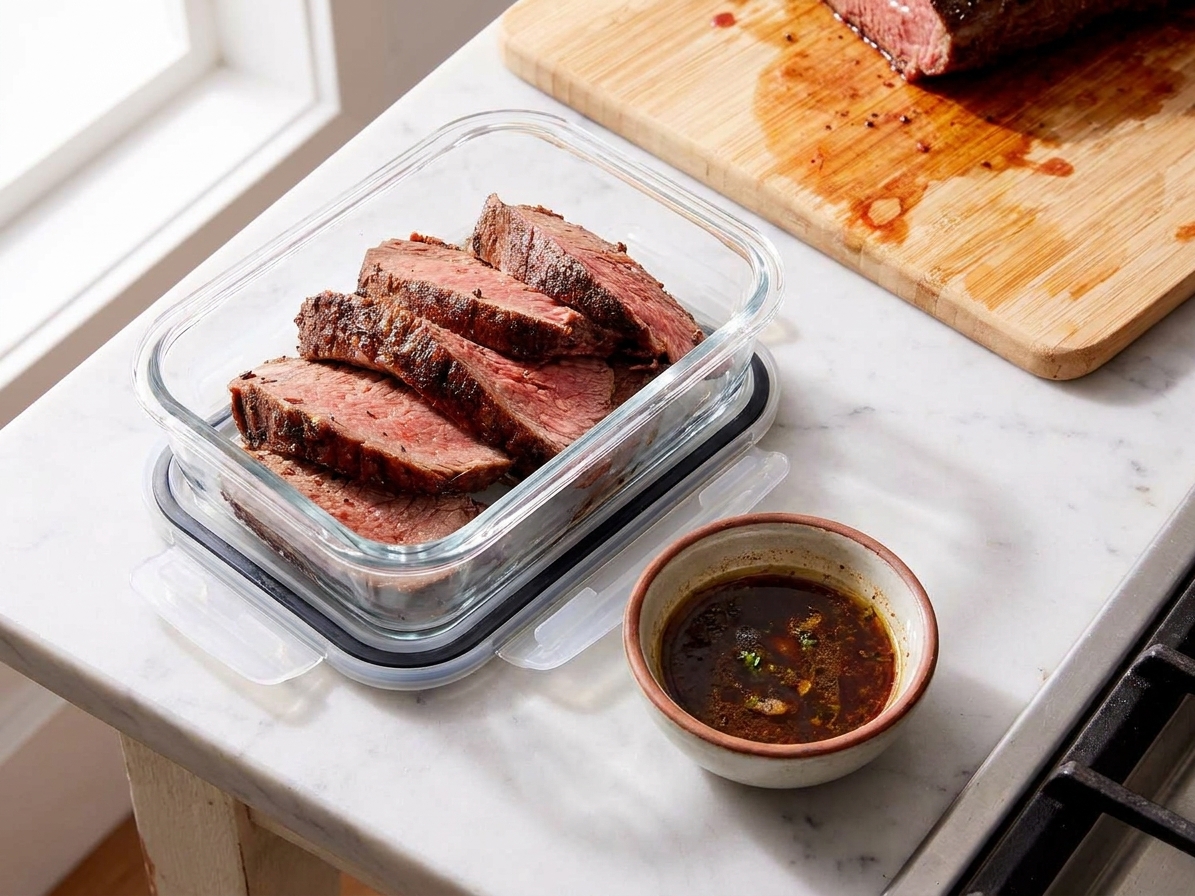
Sliced tri-tip leftover pieces in a glass meal prep container with a small cup of pan juices next to it on a kitchen counter

Common Questions

What is tri-tip, exactly?

Tri-tip is a triangular roast from the bottom sirloin. It is leaner than ribeye but still nicely beefy, and it loves high heat plus a little rest time.

Do I need to marinate tri-tip?

Nope. A good rub and proper cooking will get you there. If you want a marinade for extra insurance, keep it simple and not too acidic. Too much acid for too long can leave the outside a little soft in a way nobody asked for.

Should I trim the fat cap?

Tri-tip often comes with a fat cap. I like to leave about 1/4 inch for flavor. If it is thicker, trim it down. You can also lightly score the fat (shallow cuts, don’t hit the meat) to help it render.

What temperature should I cook tri-tip to?

  • Rare: pull at 120 to 125°F, rest to about 125 to 130°F
  • Medium-rare: pull at 125 to 130°F, rest to about 130 to 135°F
  • Medium: pull at 135°F, rest to about 140°F

I recommend medium-rare for the best balance of tenderness and flavor.

Food safety note: For whole cuts of beef, safety is mostly about good handling and cooking the outside thoroughly. Final internal temp is preference-based, so use a thermometer and cook to the doneness you like.

Why is my tri-tip tough?

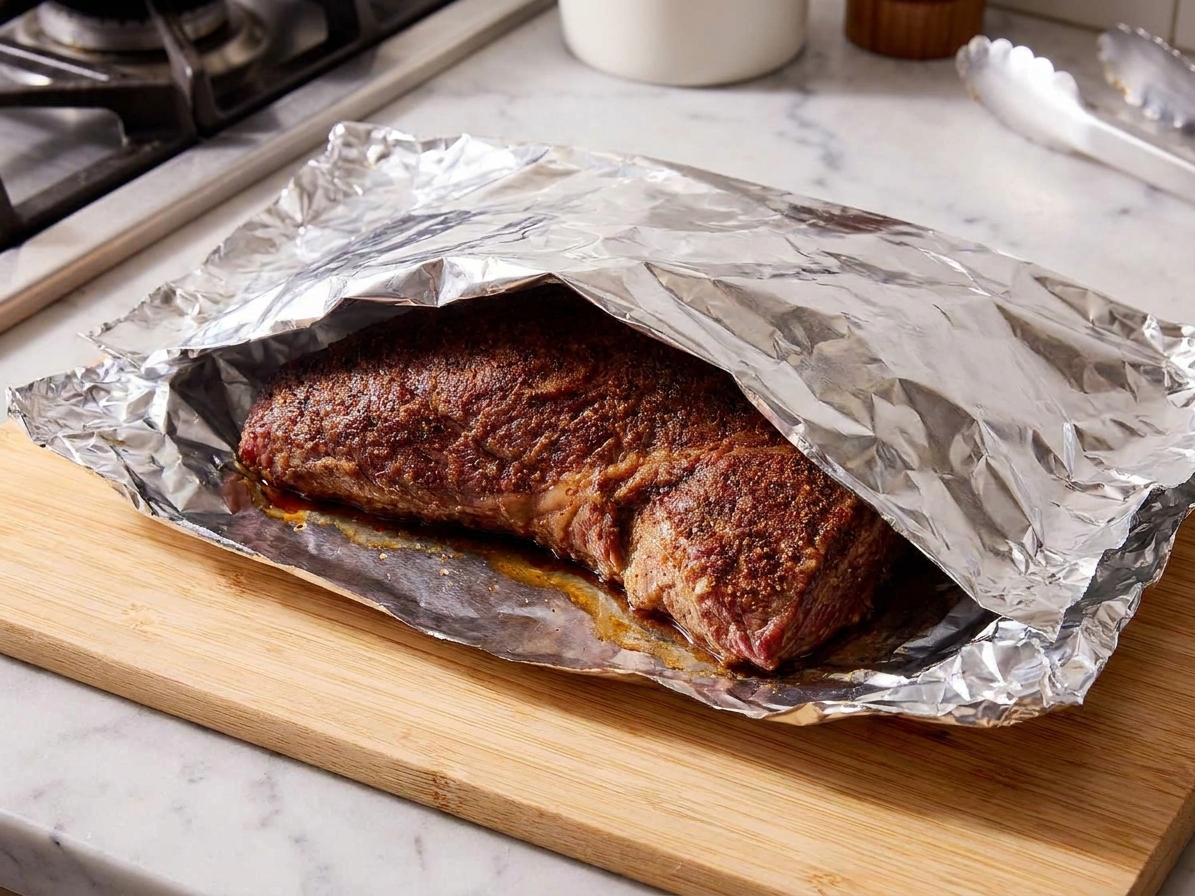
The usual culprits are (1) cooking past medium, (2) slicing with the grain, or (3) skipping the rest. Tri-tip’s grain changes direction, so you may need to rotate the roast halfway through slicing.

How do I slice tri-tip correctly?

Look for the lines of muscle fiber and slice against them. On many tri-tips, the grain shifts near the “point” end. A simple trick: start slicing at the point, and when you see the grain change direction, rotate the roast and keep slicing against the grain.
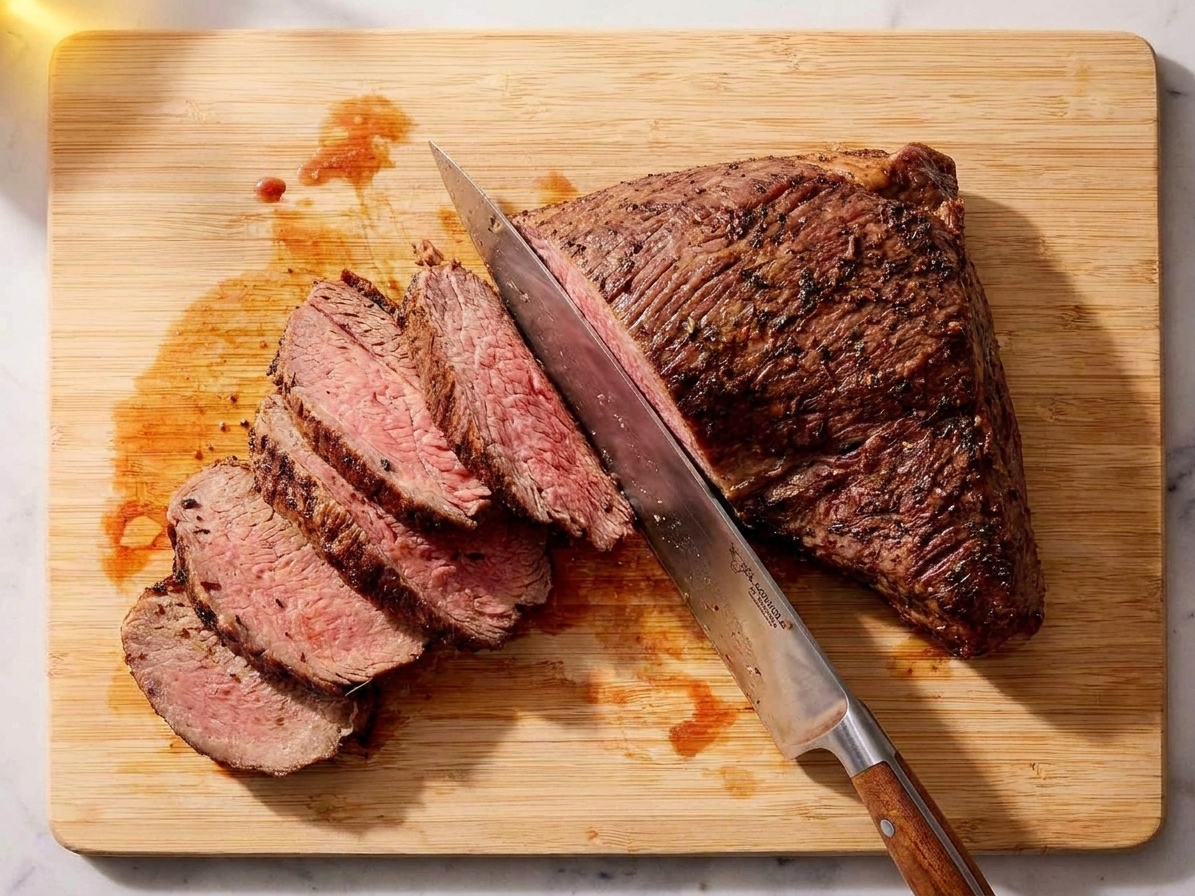

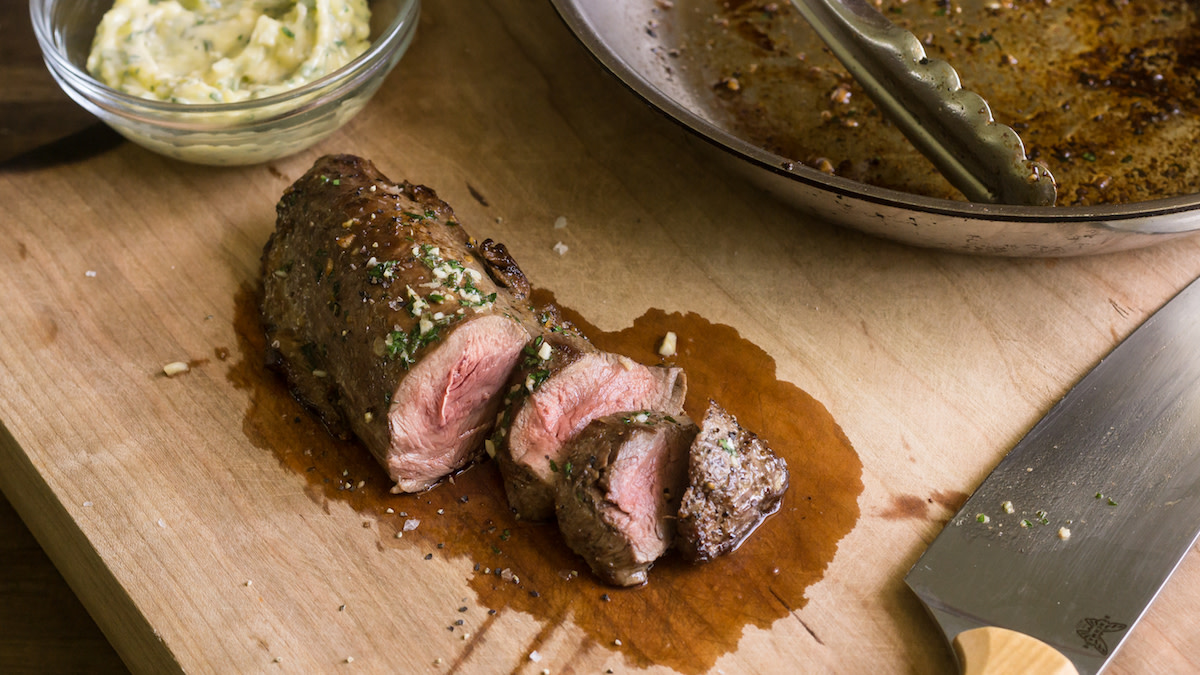
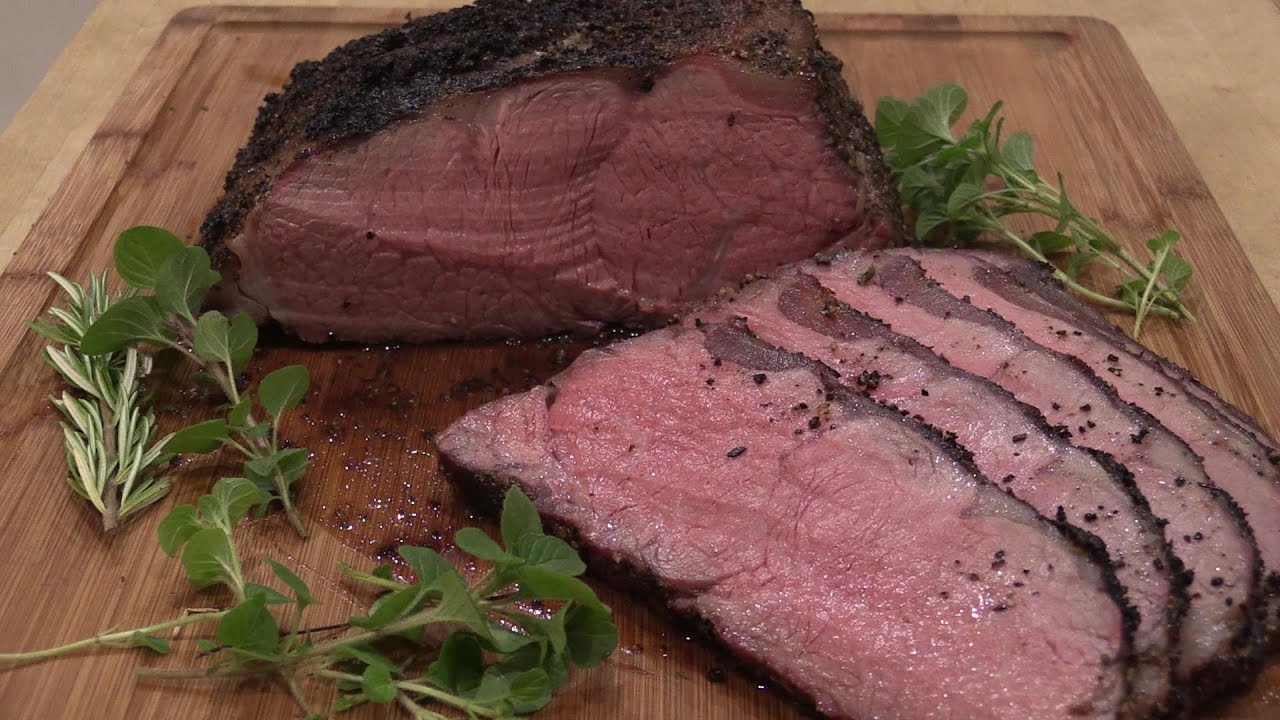
A cooked tri-tip on a cutting board being sliced thinly against the grain with a chef's knife, showing the change in grain direction

Tri-tip is my kind of cooking: one solid piece of meat, a hot pan, and a little patience. The first time I made it, I sliced it like a normal roast and wondered why it felt chewier than it should. Turns out tri-tip has opinions about how it wants to be cut. Once I started paying attention to the grain and letting it rest, it became a regular in my rotation, especially on nights when I want something that feels like a big deal without turning my kitchen into a disaster zone.