Mom's Best Recipes
Recipe

Oyster Dressing

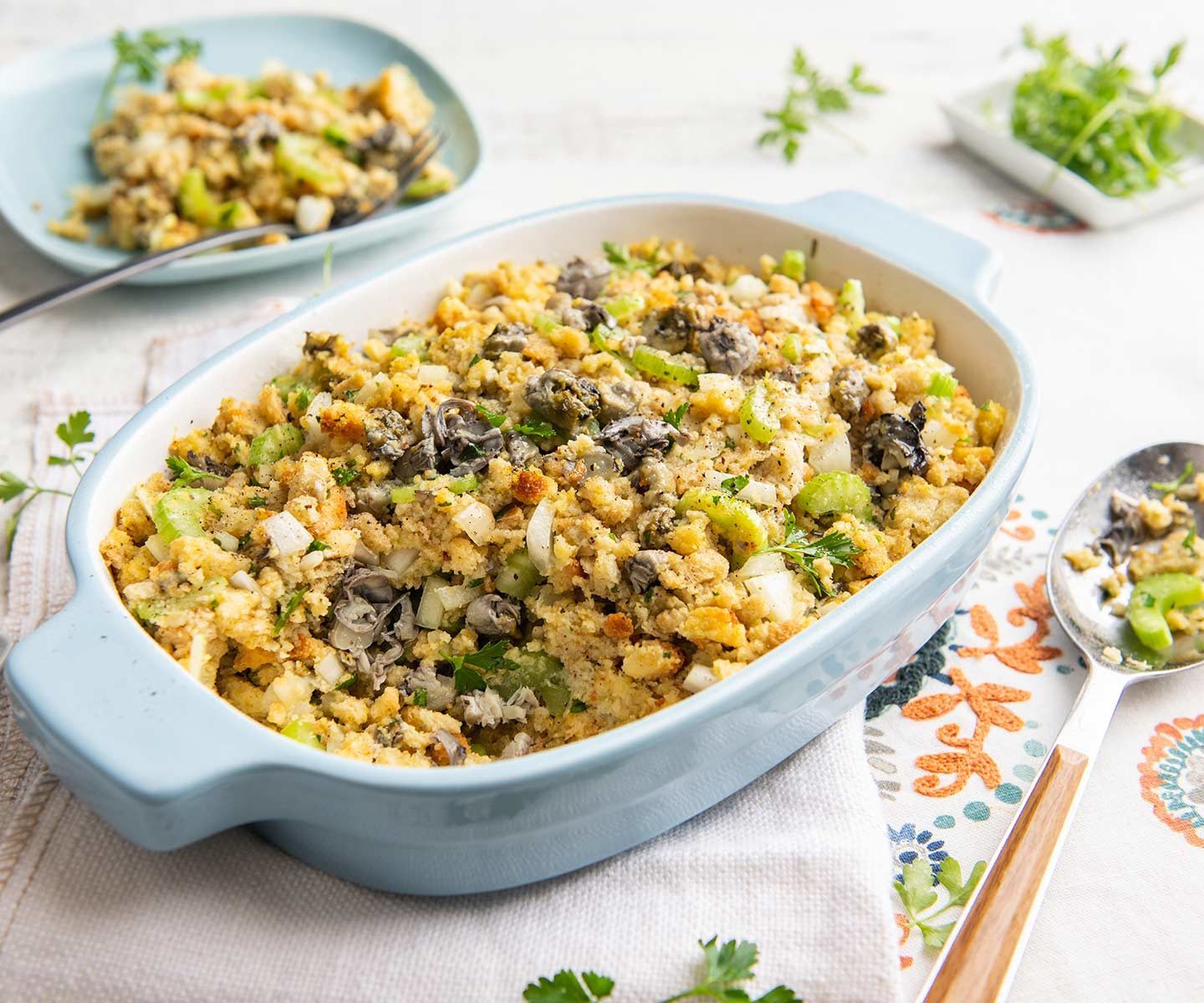
Buttery cornbread dressing with herbs, sautéed veggies, and tender oysters, baked golden with crisp edges and a cozy, savory center.

Author By Matt Campbell
4.8
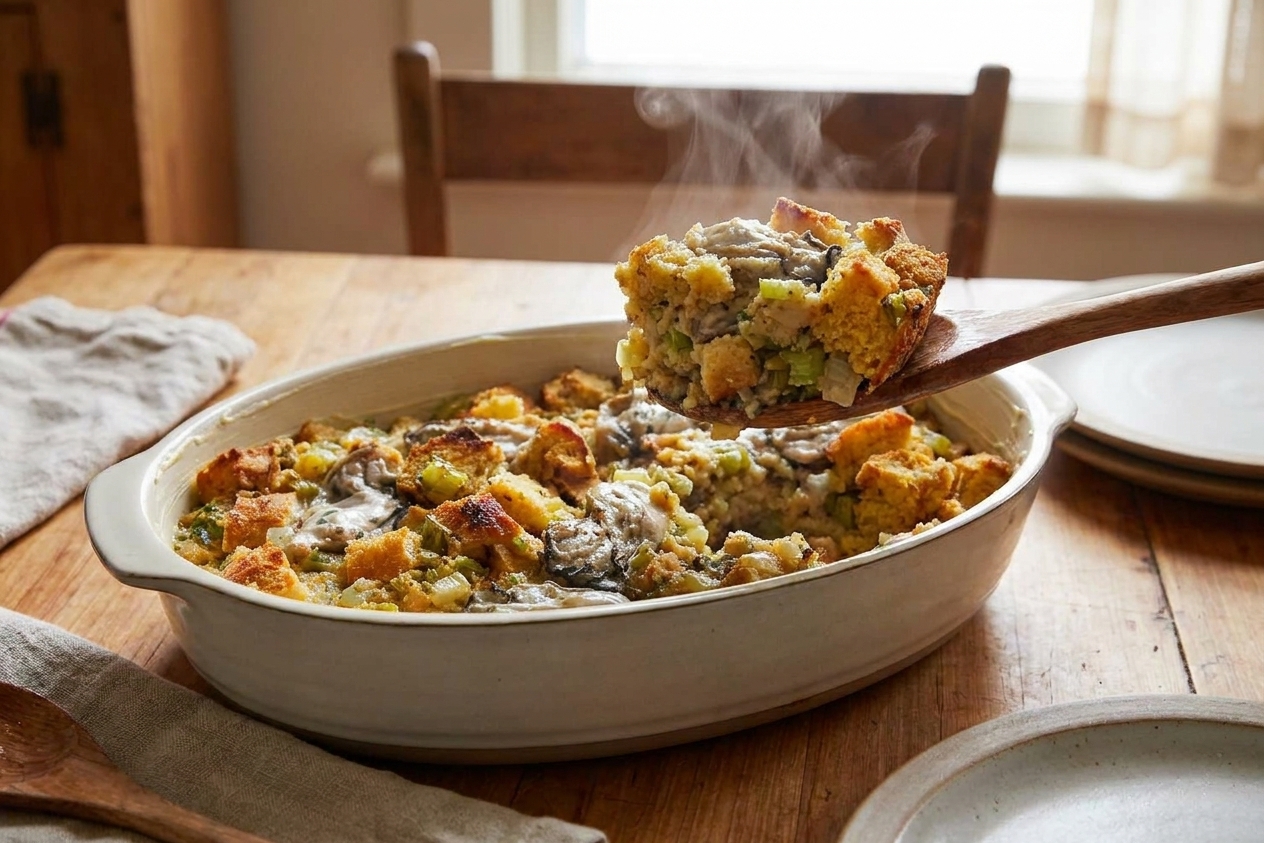
A golden brown baked oyster dressing in a rustic casserole dish on a wooden table with a serving spoon, warm kitchen lighting

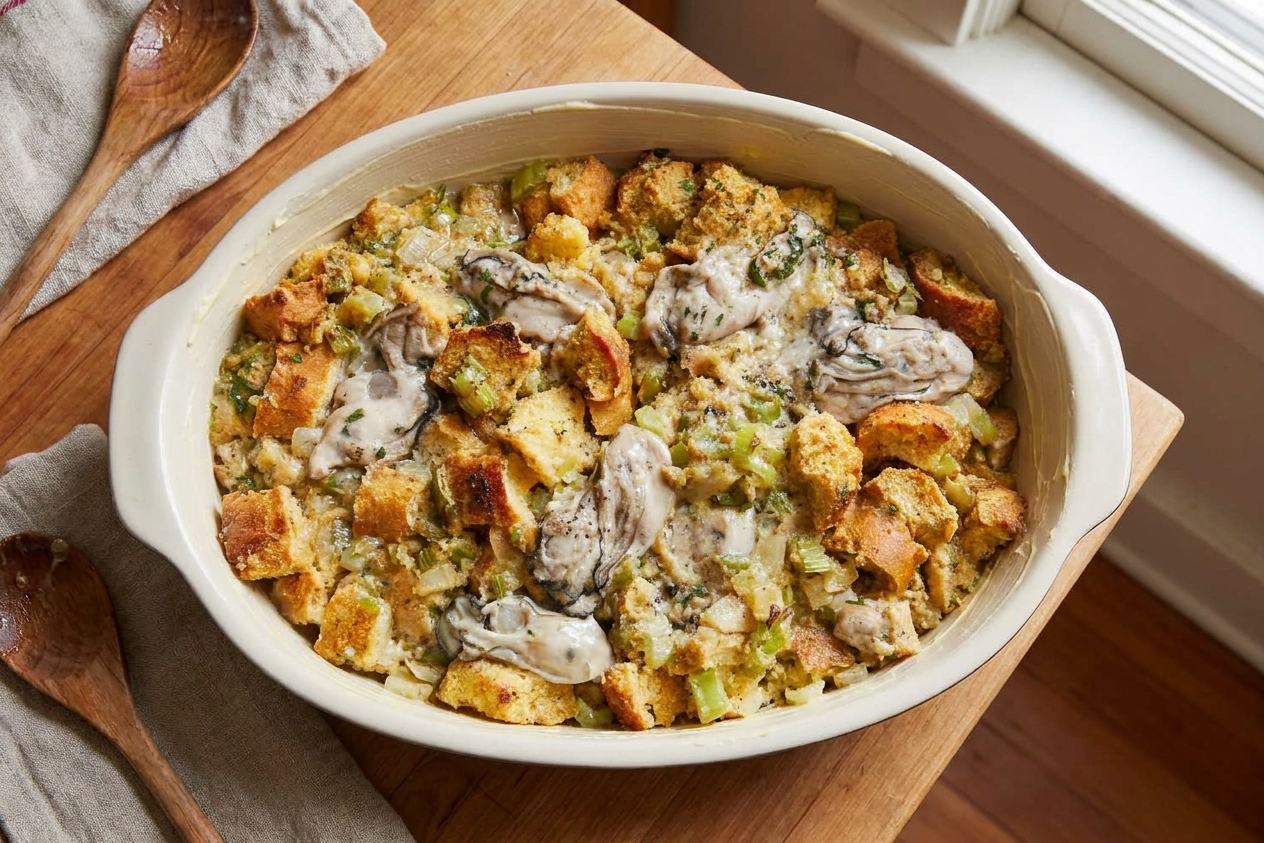
Oyster dressing is one of those dishes that makes people lean in a little closer at the table. Some folks grew up with it every holiday, others hear “oysters” and immediately get nervous. I get it. But when you do it right, it doesn't taste fishy. It tastes deeply savory, like classic stuffing with a hit of sea air and buttered toast.

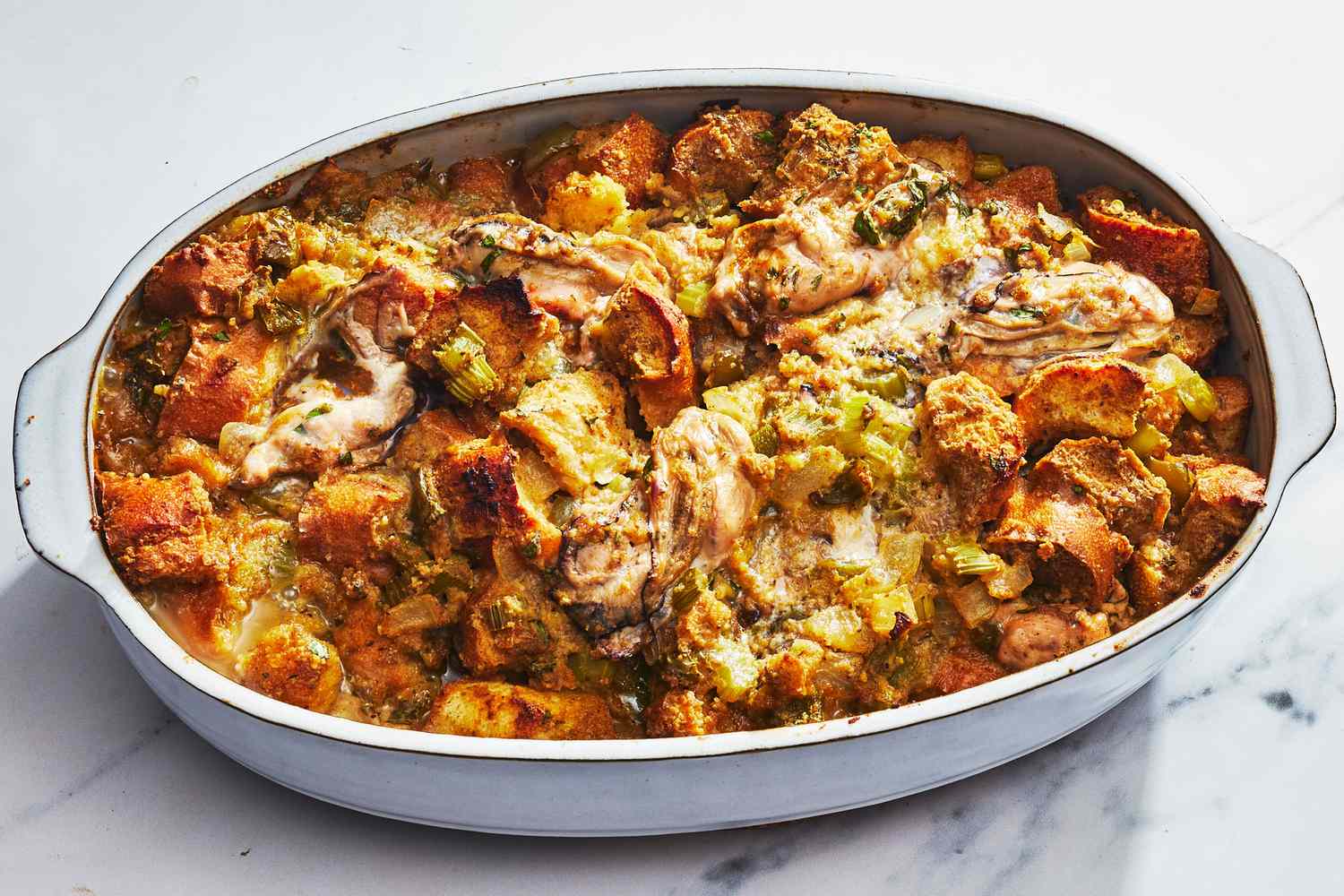
This version is my sweet spot for home cooks: accessible ingredients, clear steps, and a texture that lands right in the comfort zone. Crisp top, cozy middle, and oysters that stay tender instead of turning into little rubber coins. If you've got cornbread in the mix, you're already halfway to winning.
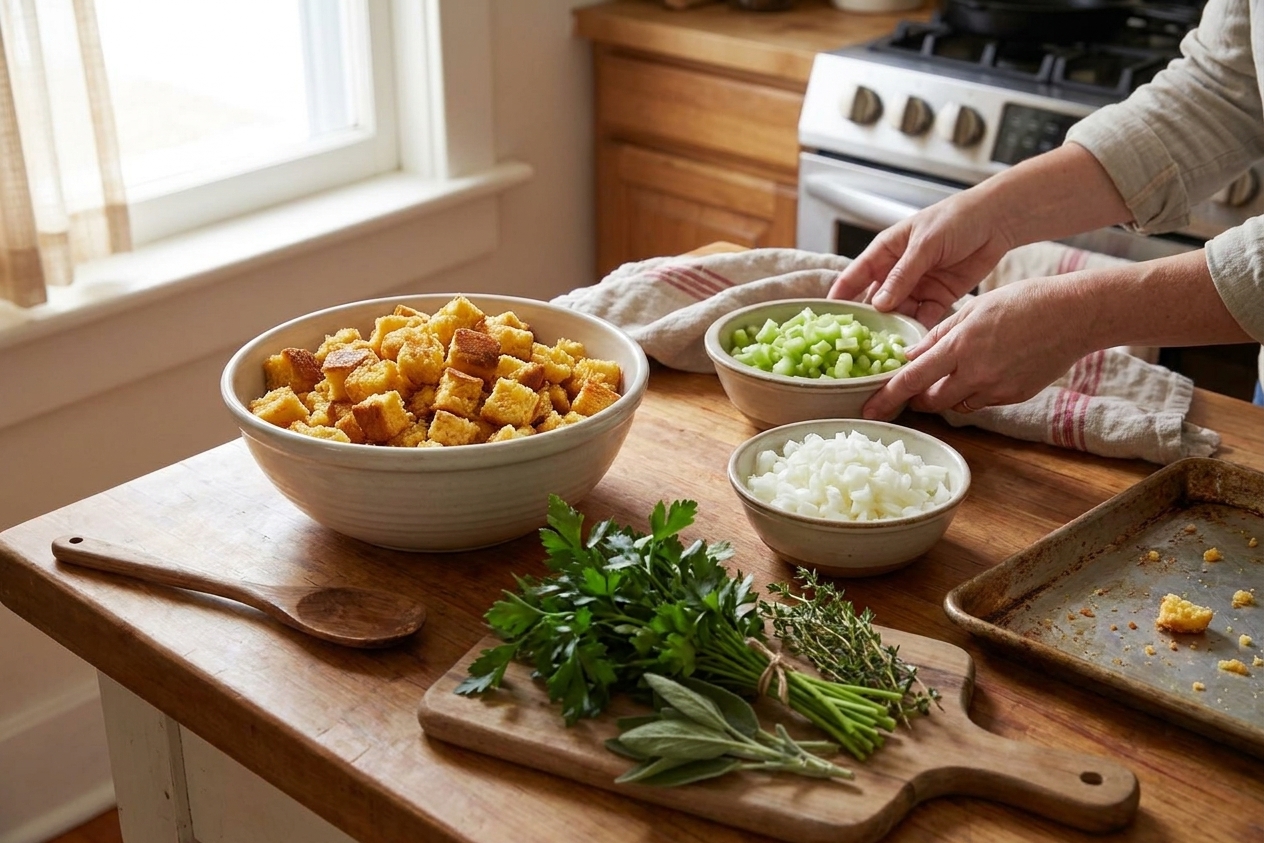
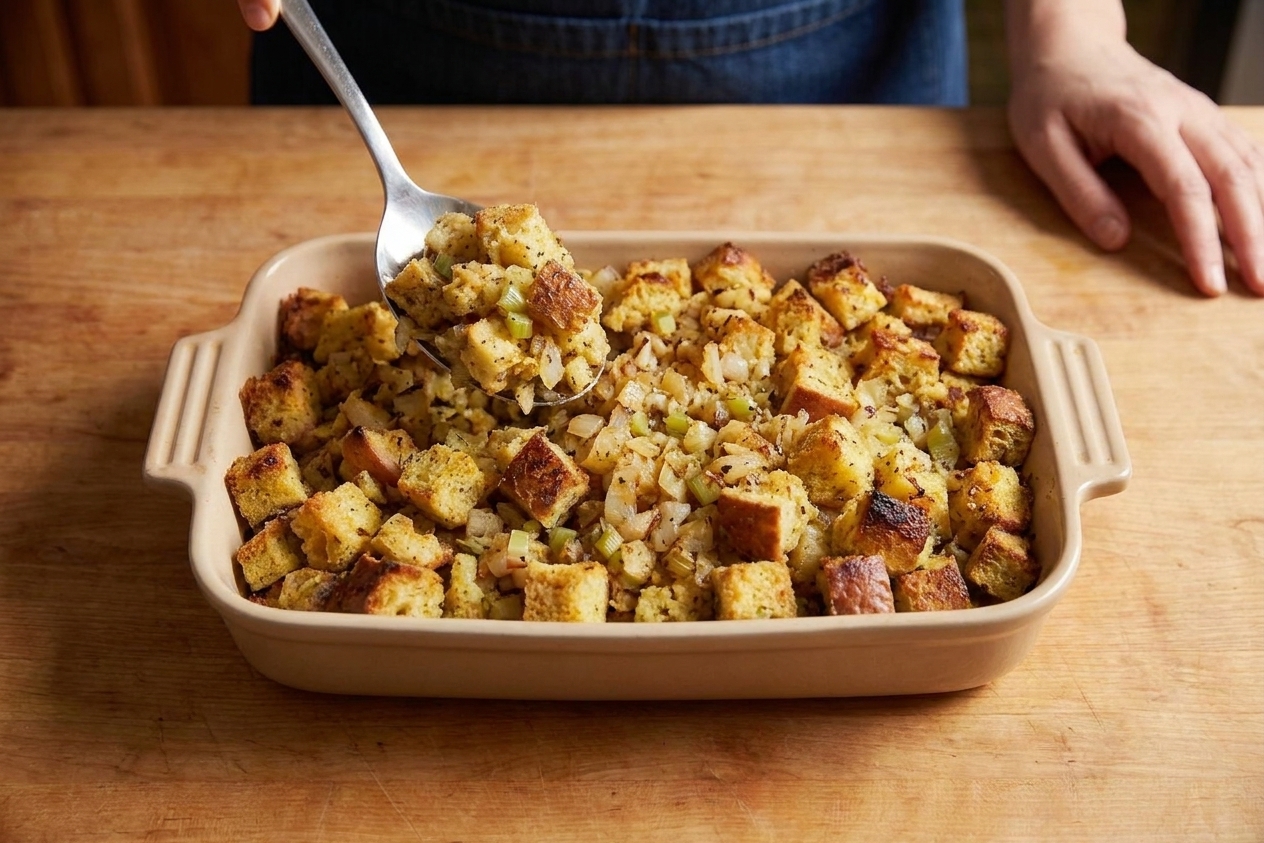
Cornbread cubes, chopped celery, diced onion, fresh parsley, and herbs arranged on a light kitchen counter, ready for dressing prep

Why It Works

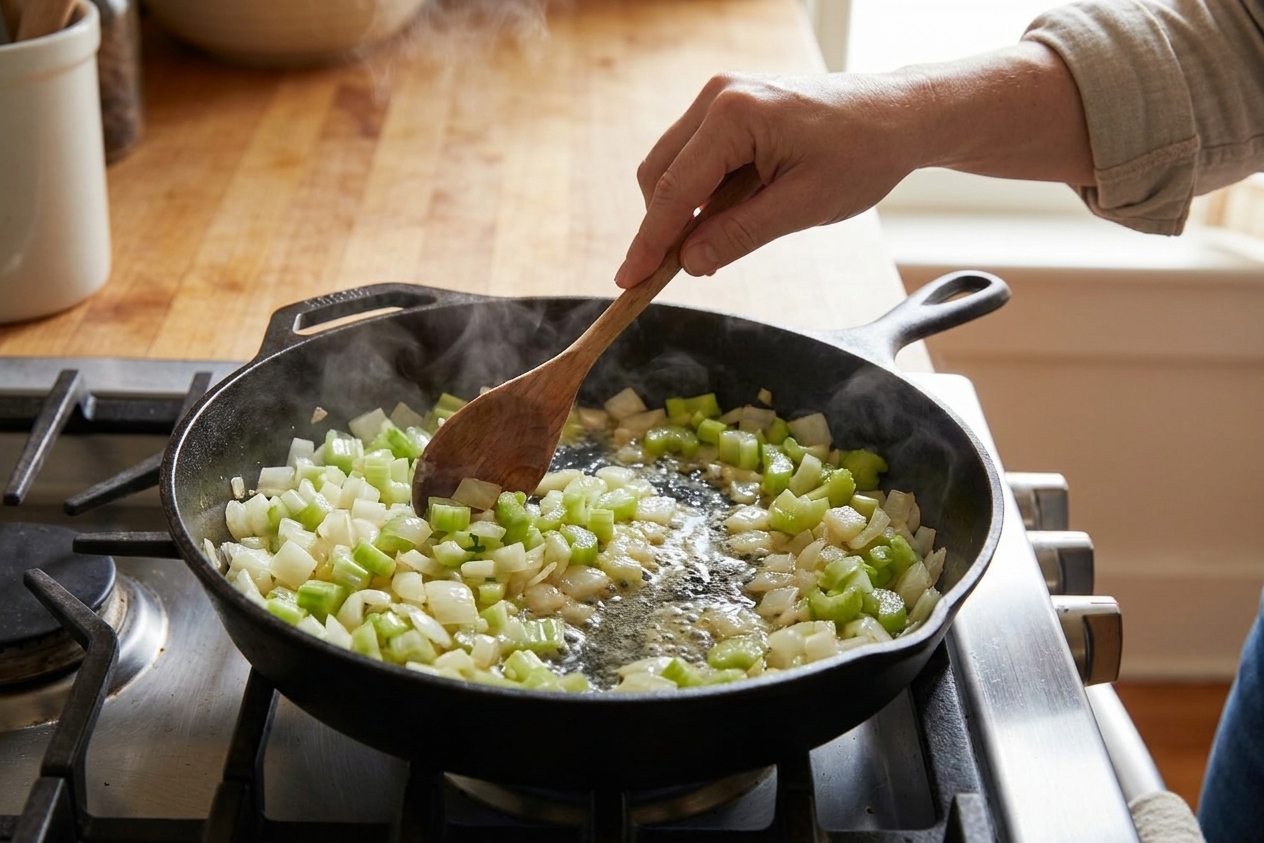
  • Big flavor, low drama: sautéed onion and celery build the base, then herbs and butter carry the whole thing.
  • Briny but balanced: oyster liquor and broth add depth without making the dish taste like the ocean punched you in the face.
  • Great texture: cornbread gives tender crumb, while a hot bake gives you those crisp edges everyone fights over.
  • Oysters stay tender: they go in late and bake gently instead of overcooking.

Pairs Well With

Storage Tips

Refrigerate: Cool dressing promptly, then cover tightly or transfer to an airtight container. It keeps well for up to 3 days, though seafood leftovers are usually best earlier for top quality.

Reheat: For best texture, reheat in a baking dish at 350°F until hot, about 15 to 25 minutes. Add a splash of broth if it looks dry. The microwave works in a pinch, but the oven brings back the crisp top.

Freeze: You can freeze baked oyster dressing for up to 2 months. Wrap the dish well or freeze portions in containers. Thaw overnight in the fridge, then reheat at 350°F until piping hot.

Food safety note: Because this has seafood, don't leave it out at room temp for more than 2 hours.

Common Questions

Does oyster dressing taste fishy?

It shouldn't. The oysters add savory, briny depth, not a strong fish flavor. Using fresh herbs, sautéed aromatics, and enough butter and broth keeps everything balanced.

Fresh oysters or canned oysters?

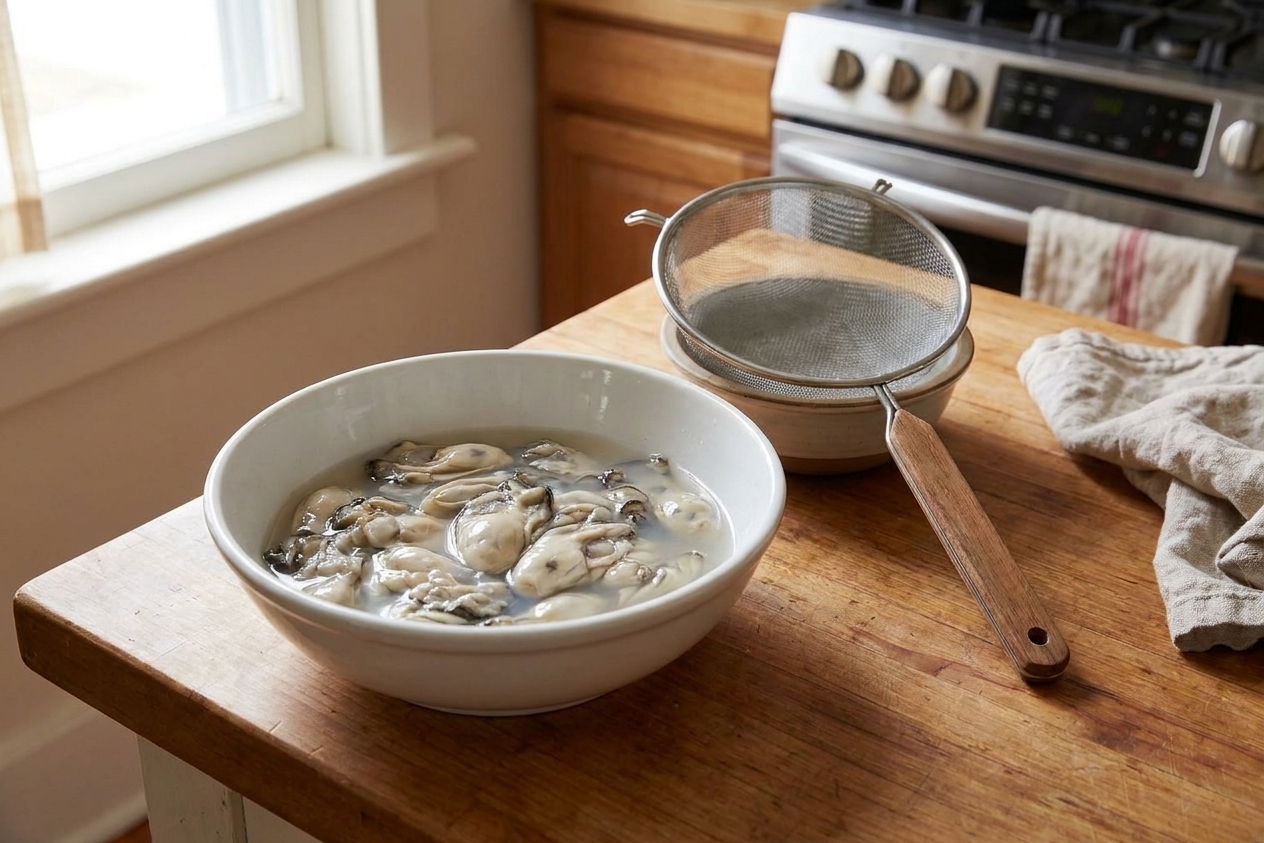
Both work. Fresh shucked gives the best texture. Canned oysters are convenient and totally acceptable. If using canned, drain and reserve the liquid, then strain it to remove grit.

Do I have to use cornbread?

No, but it's classic. You can do all sturdy white bread, or a 50/50 mix. If you go all bread, consider adding a pinch more poultry seasoning and a touch more butter for that cornbread-like richness.

Can I make it ahead?

Yes. You can prep the base a day ahead: sauté the veggies, mix the dried cornbread and seasonings, and refrigerate. On bake day, warm the broth, combine everything, fold in oysters and liquor, then bake.

How do I keep it from getting soggy?

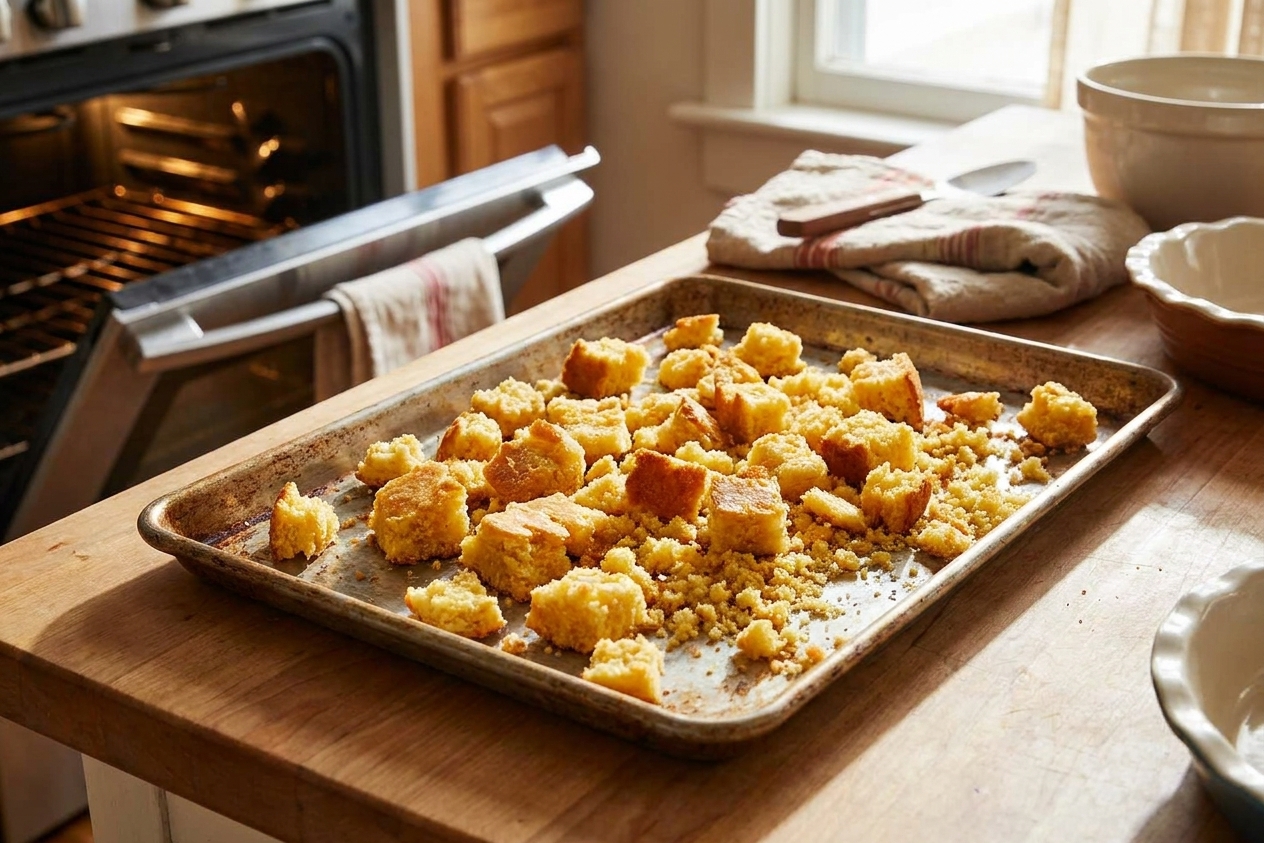
Use day-old or toasted cornbread, and add broth gradually. You want the mixture moist like a thick spoonable batter, not soupy. Also bake uncovered so steam can escape.

What internal temperature should it reach?

Aim for 165°F in the center for best food safety, especially if it's been assembled ahead and chilled.

The first time I helped with oyster dressing, I treated the oysters like any other add-in and cooked them way too long. The flavor was good, but the texture was not. Now I do what I should have done from the jump: build a strong, buttery base, get the cornbread perfectly moistened, then fold in the oysters right at the end. It's a small move, but it changes everything. Also, I always “taste the broth” before I pour. If the liquid tastes good, the dressing tastes good. If it tastes bland, you're about to bake disappointment.