What is pad thai sauce made of?
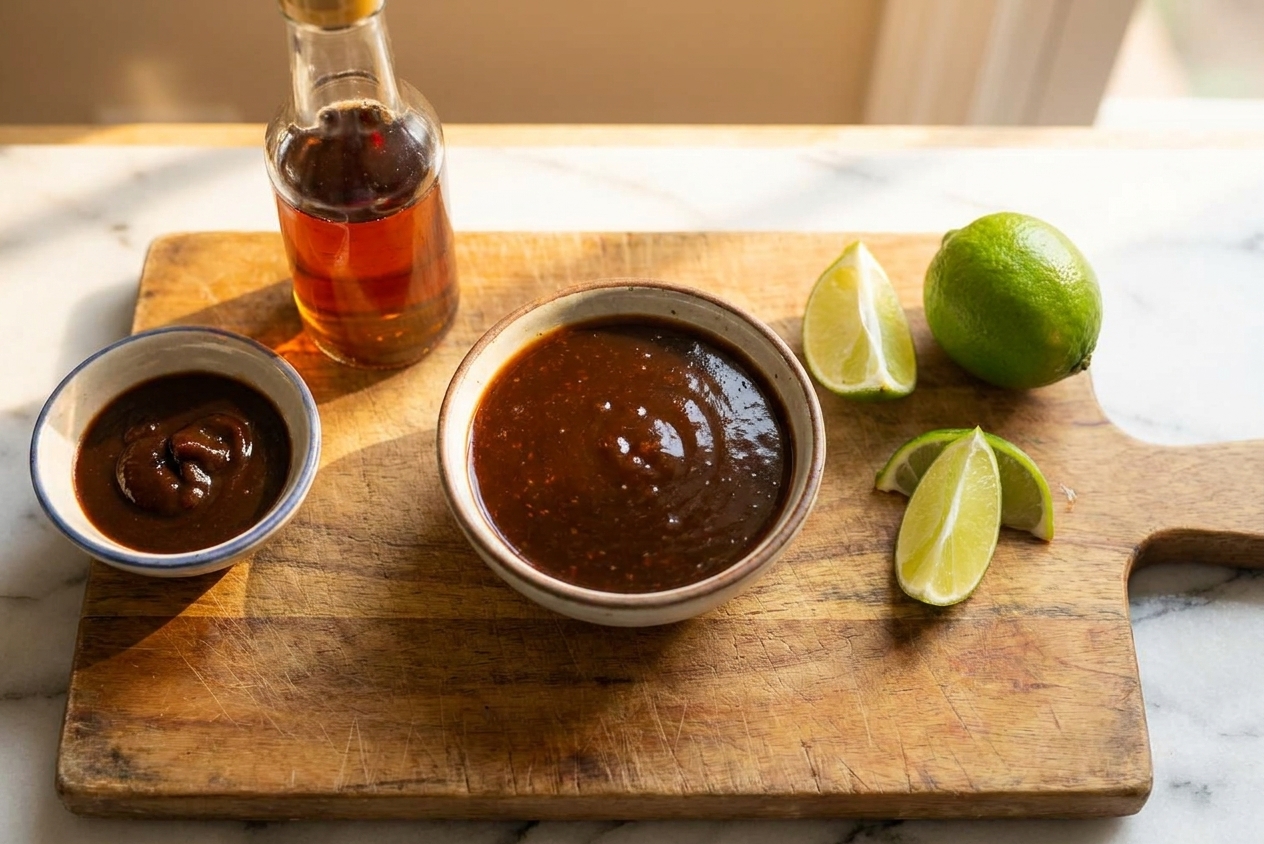
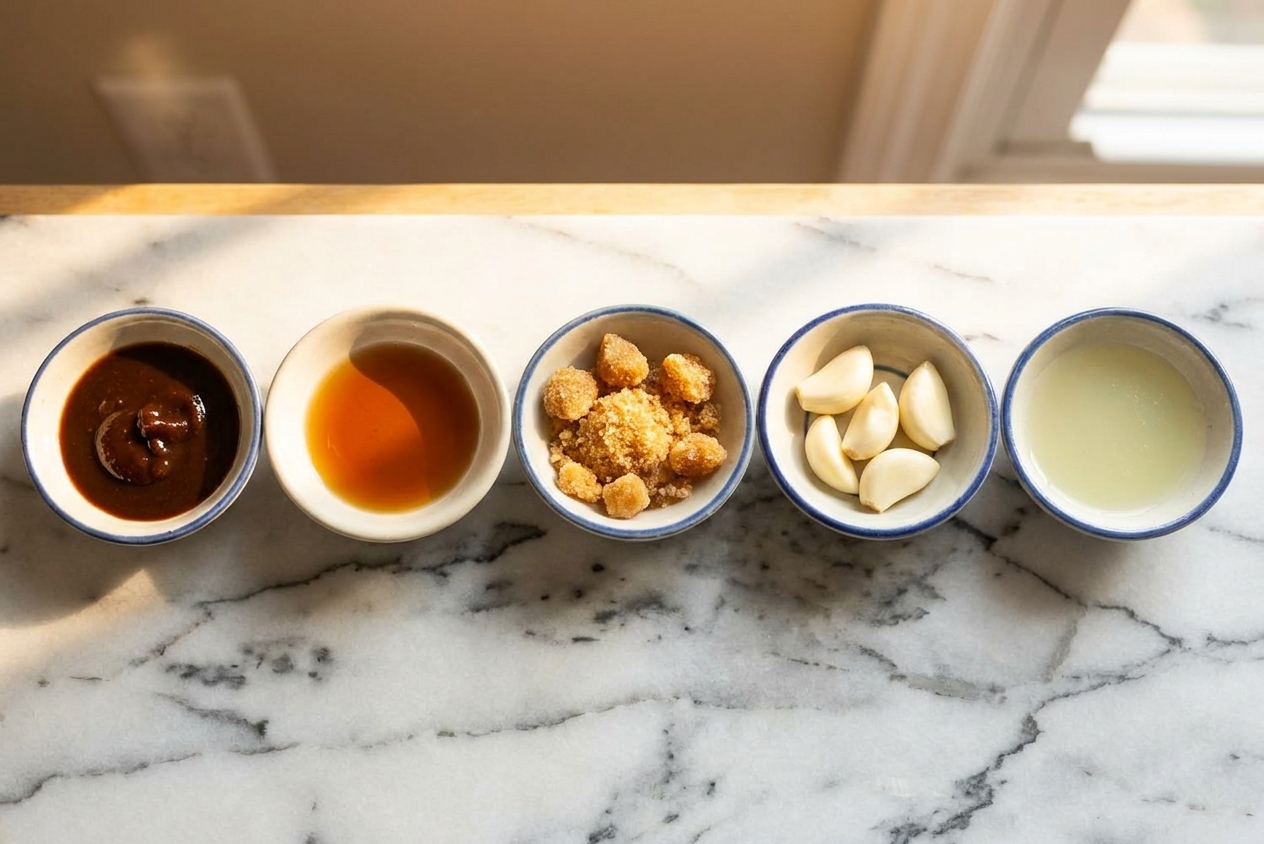
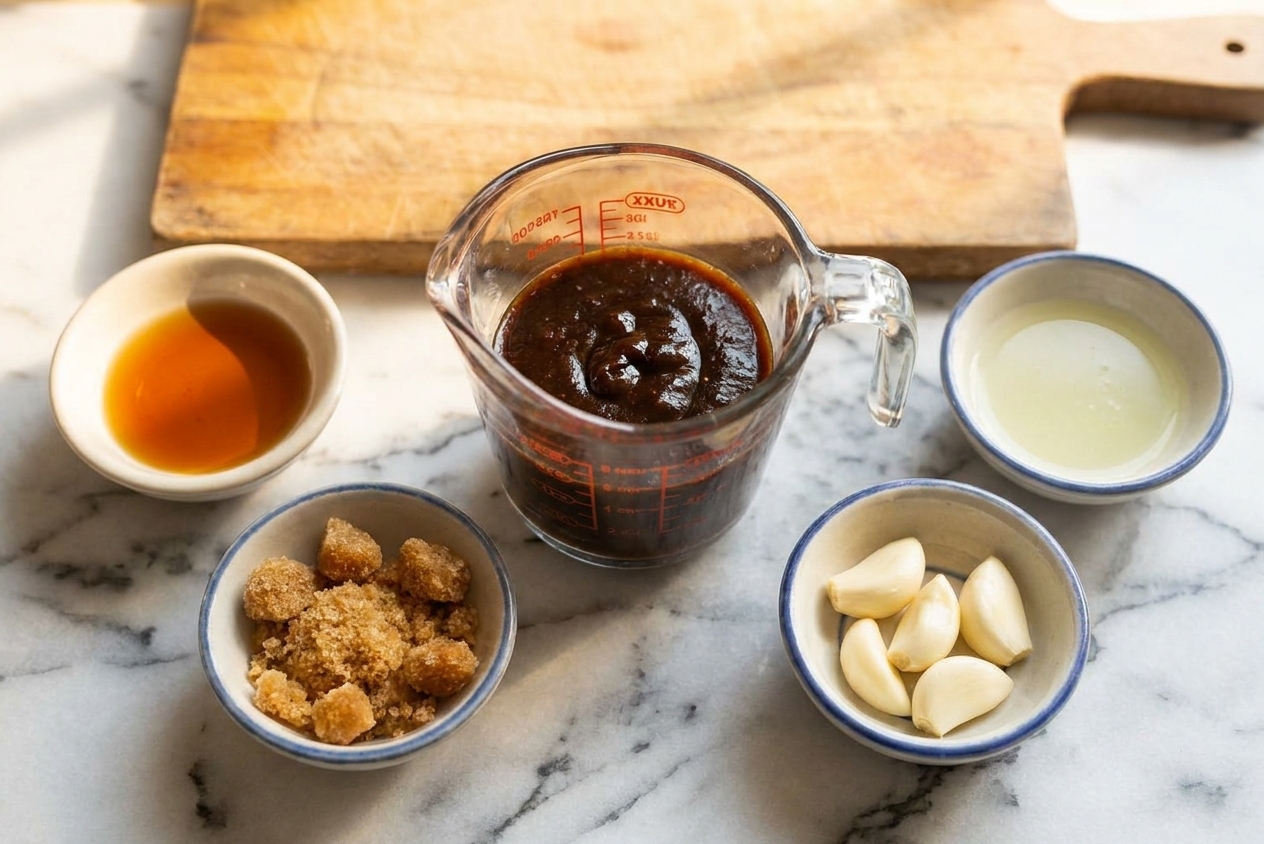
Classic pad thai sauce is a balance of tamarind (sour), fish sauce (salty, savory), and palm sugar (sweet). Many cooks also add garlic, sometimes soy sauce, and optional heat like chili flakes. And while those are the core sauce vibes, a lot of “classic” pad thai plates get extra depth from the dish itself, like dried shrimp or preserved radish.
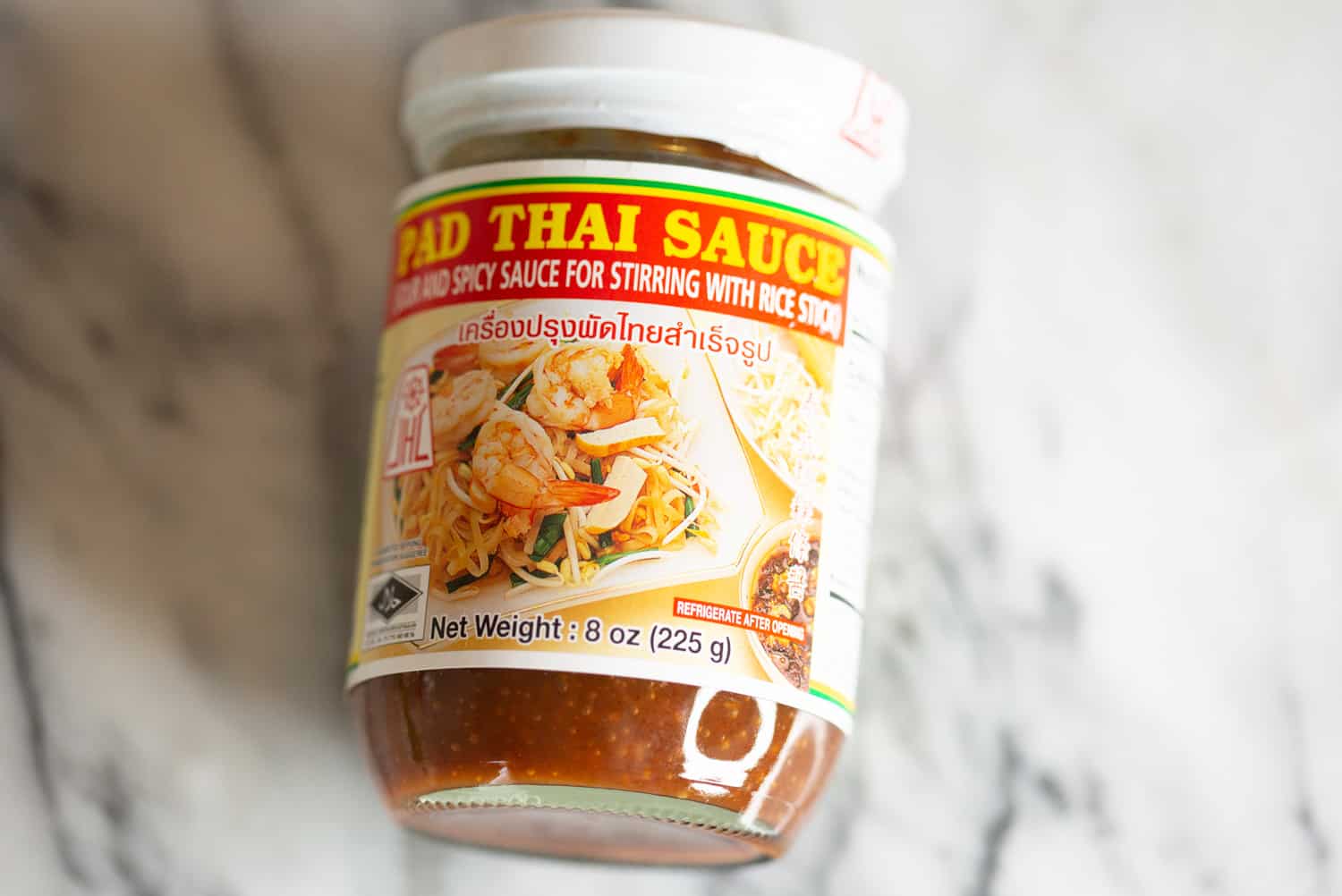
Can I use tamarind paste instead of concentrate?
Yes, but check the label. Tamarind products are wildly inconsistent between brands. Some “paste” is sweetened, some “concentrate” is salted, and some are just stronger than others. The safest move: start smaller if it tastes sweet or seems seasoned, then add more to taste after you dissolve the sugar.
What’s the difference between tamarind concentrate, paste, and block tamarind?
Concentrate is thick and strong (but may also be salted or sweetened depending on the brand). Paste is often milder and sometimes sweetened. Block tamarind (pulp) needs to be soaked in hot water, then strained to make tamarind water. If you are using block tamarind, start with about 1/2 to 3/4 cup tamarind water and simmer a little longer to reduce until it looks more syrupy than watery. Then measure and proceed, tasting as you go.
What can I substitute for fish sauce?
If you need vegetarian, use soy sauce plus a little extra tang (more tamarind or lime) and a pinch of sugar to keep the balance. For a deeper, more “sea” note, add a tiny bit of miso or a sprinkle of crumbled nori when cooking the noodles. You can also look for vegetarian fish sauce at some stores.
Why does my pad thai taste too sweet?
Two common culprits: sweetened tamarind products and using straight white sugar without enough tang. Fix it by adding more tamarind or a splash of lime (or a little rice vinegar), then taste again after the sauce hits the hot pan.
Do I cook the sauce first?
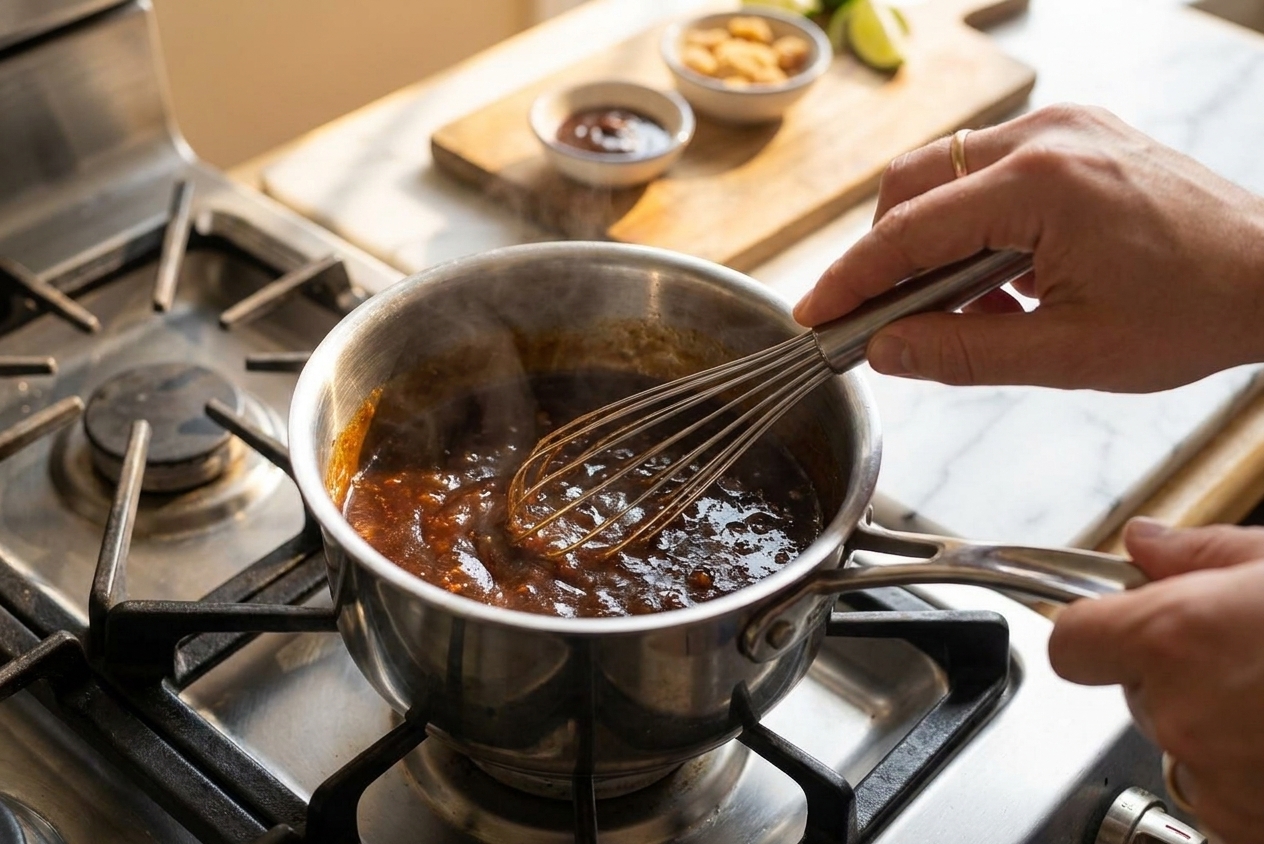
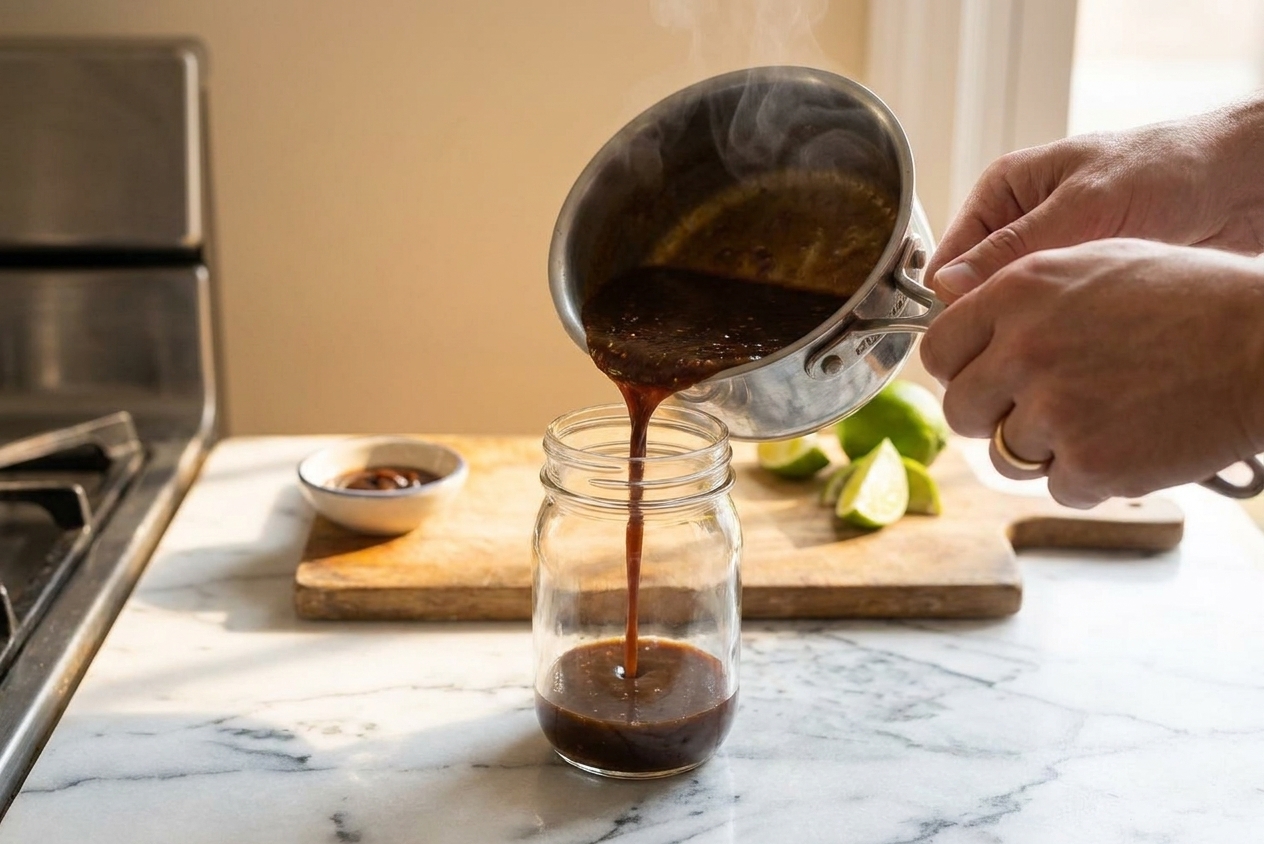
You can, but you do not have to. I like to warm it briefly just to fully dissolve the sugar and mellow the garlic. It also helps the sauce coat noodles more evenly.
How do I scale this sauce for a crowd?
Double or triple it in a saucepan. Keep the ratios the same, then taste at the end. Tamarind strength varies, so the final tweak is always allowed and encouraged.
Any quick noodle prep tips?
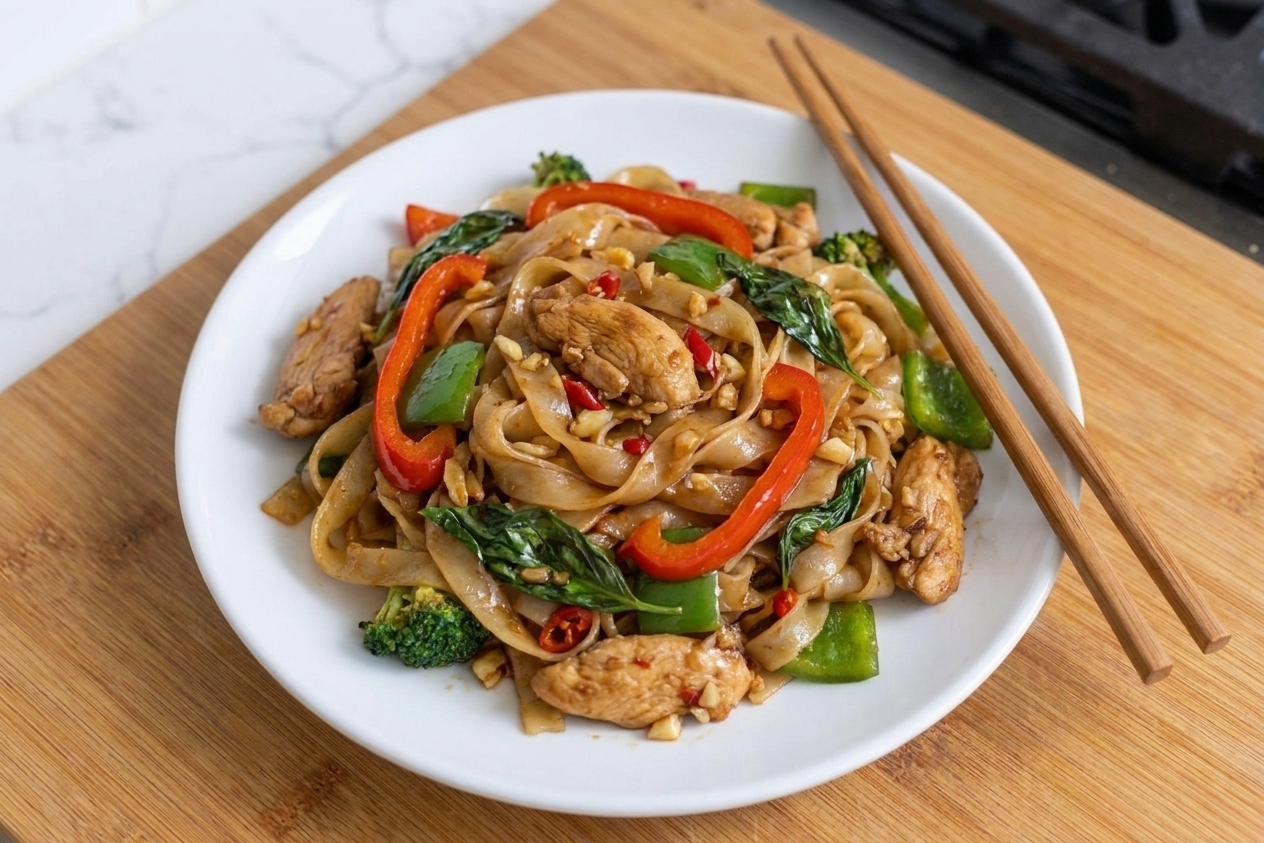
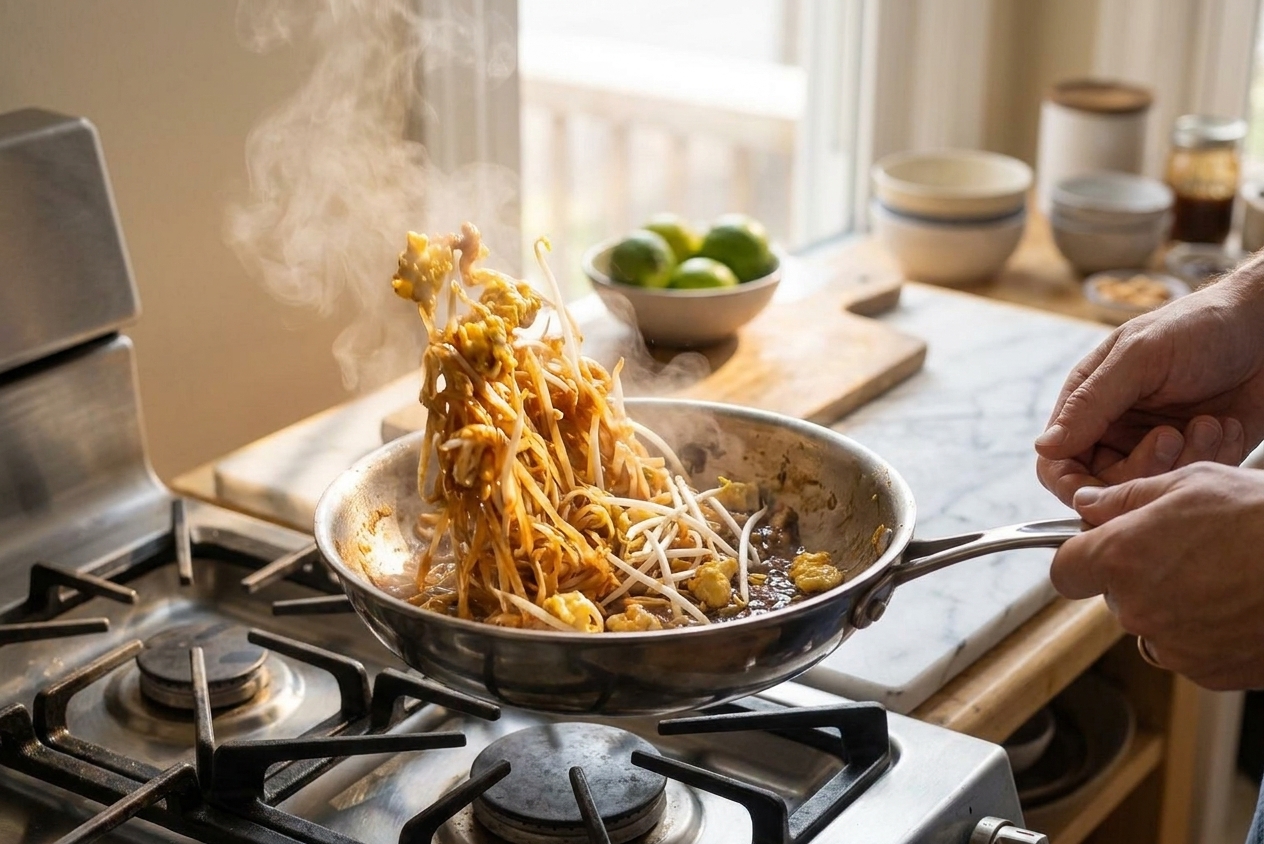
Yes. Most rice noodles do best with a soak (warm water, then drain) instead of a hard boil. And save a little soaking or cooking water. A splash in the pan helps the sauce go glossy and silky instead of sticky.