Mom's Best Recipes
Recipe

Thai Drunken Noodles

Chewy rice noodles tossed in a spicy, savory sauce with basil, crisp vegetables, and your choice of chicken, shrimp, or tofu.

Author By Matt Campbell
4.8
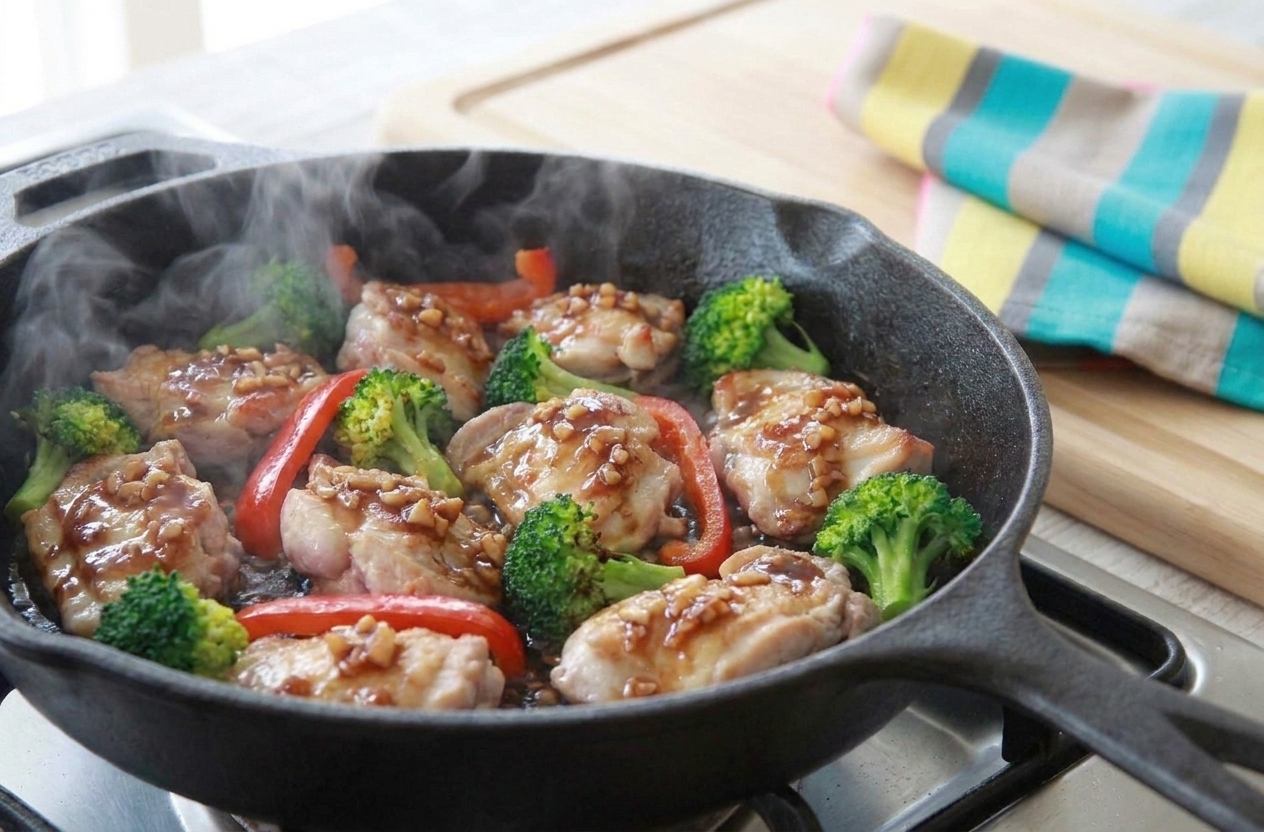
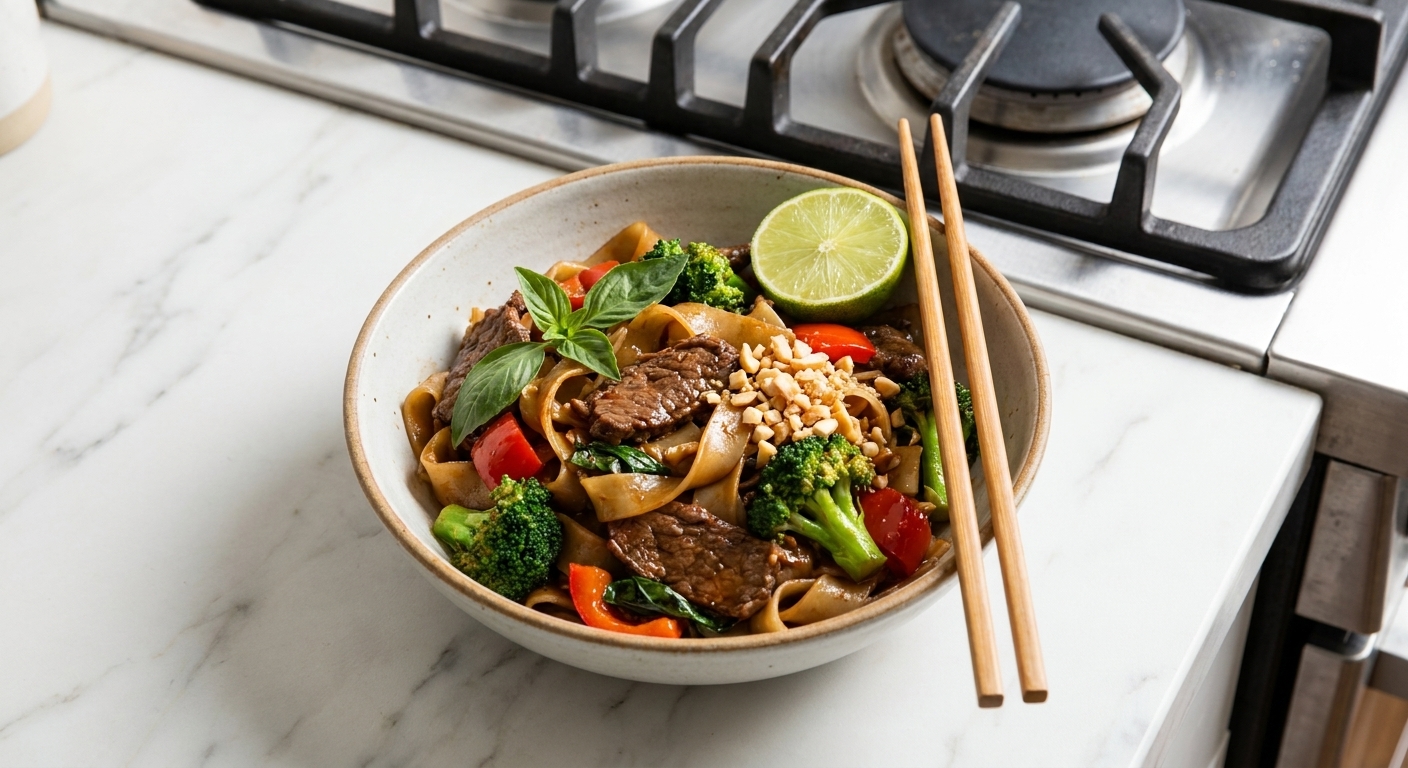
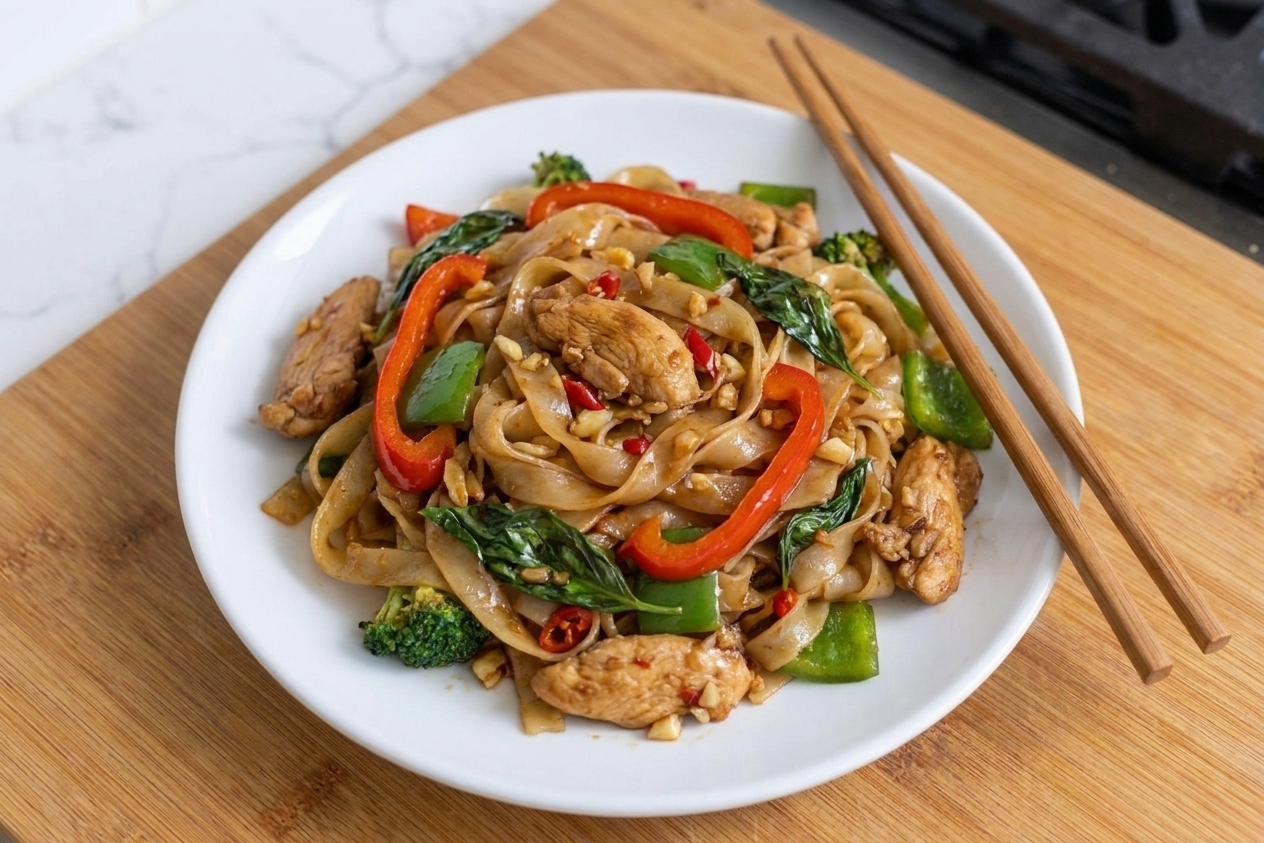
A plated serving of Thai drunken noodles with glossy wide rice noodles, basil leaves, sliced bell peppers, and chicken on a white plate on a warm kitchen table

Thai drunken noodles, or Pad Kee Mao, are my favorite kind of controlled chaos: hot pan, fast sauce, slippery noodles, and a whole lot of basil aroma filling the kitchen. This is the dish I make when I want takeout-style flavor without the delivery wait and without the overcooked noodles that sometimes show up in the container.

The vibe is spicy, savory, a little sweet, with crisp-edged veggies and chewy wide rice noodles that soak up every drop of sauce. You do not need a wok, but you do need to commit to cooking this fast. Think of it like a stir-fry sprint with a reward at the finish line.

Quick note: This is a streamlined, pantry-friendly home version. Traditional Pad Kee Mao often uses holy basil and may include Thai seasoning sauces. This one still hits all the right notes with easy-to-find ingredients.

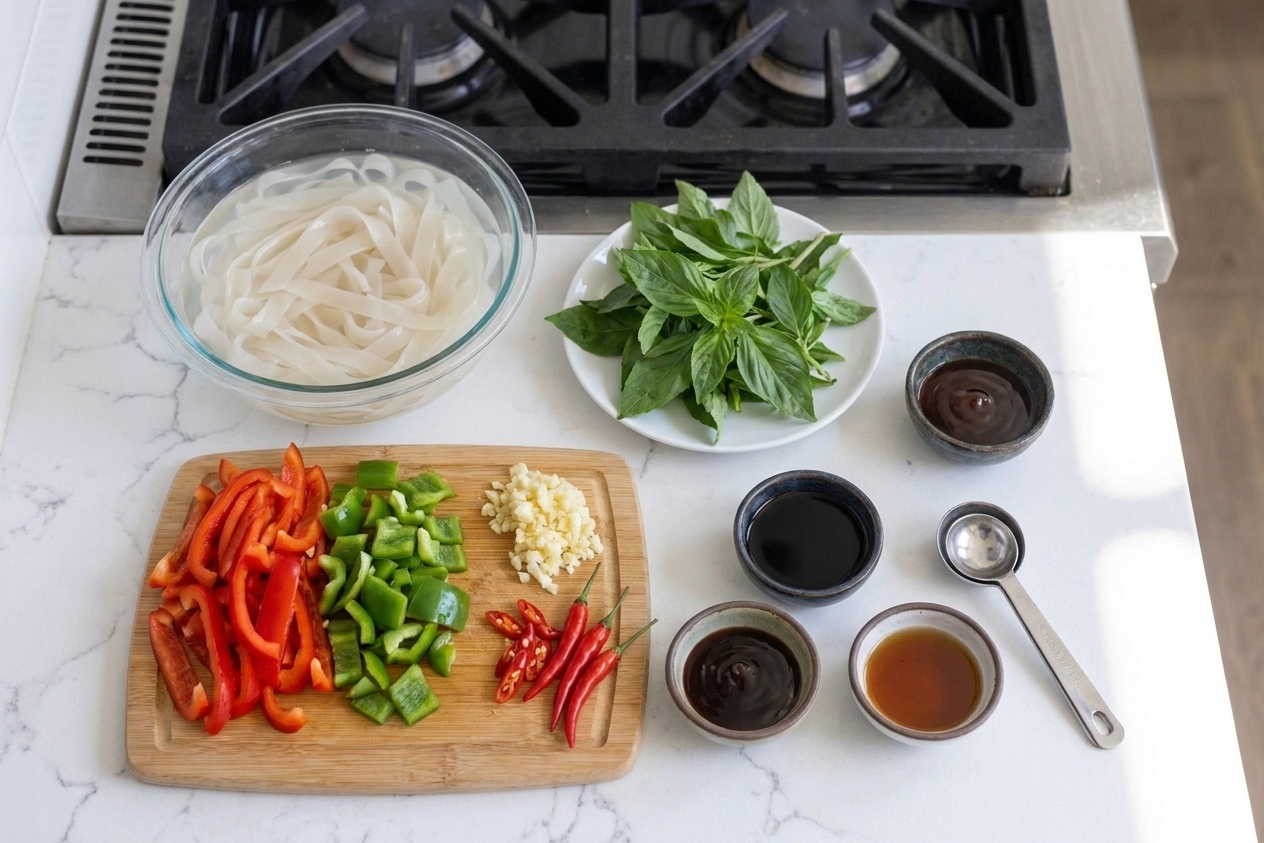
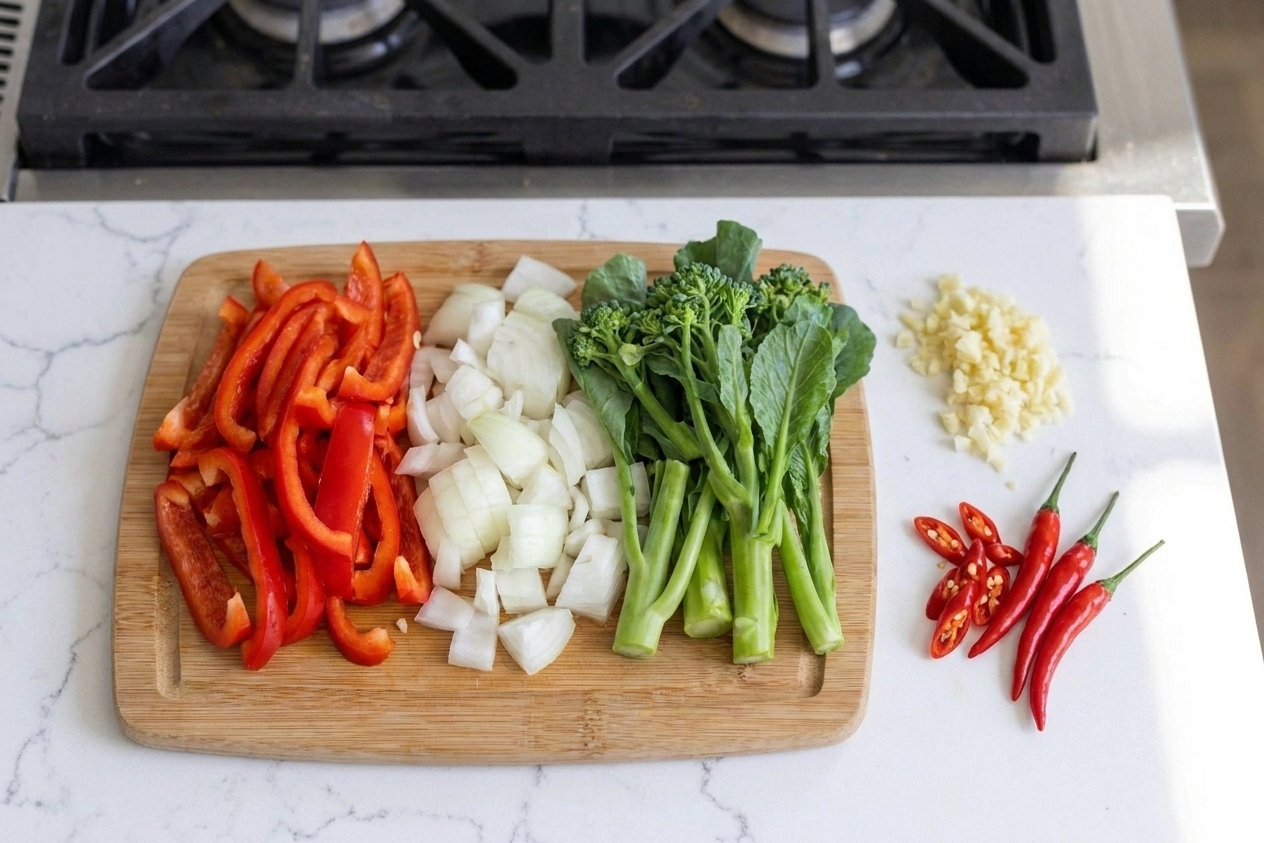
Wide rice noodles, fresh basil, garlic, Thai chilies, bell peppers, soy sauce, oyster sauce, and fish sauce arranged on a clean kitchen counter

Why It Works

  • Big flavor, small ingredient list: A punchy sauce built from pantry staples like soy sauce, oyster sauce, and fish sauce does the heavy lifting.
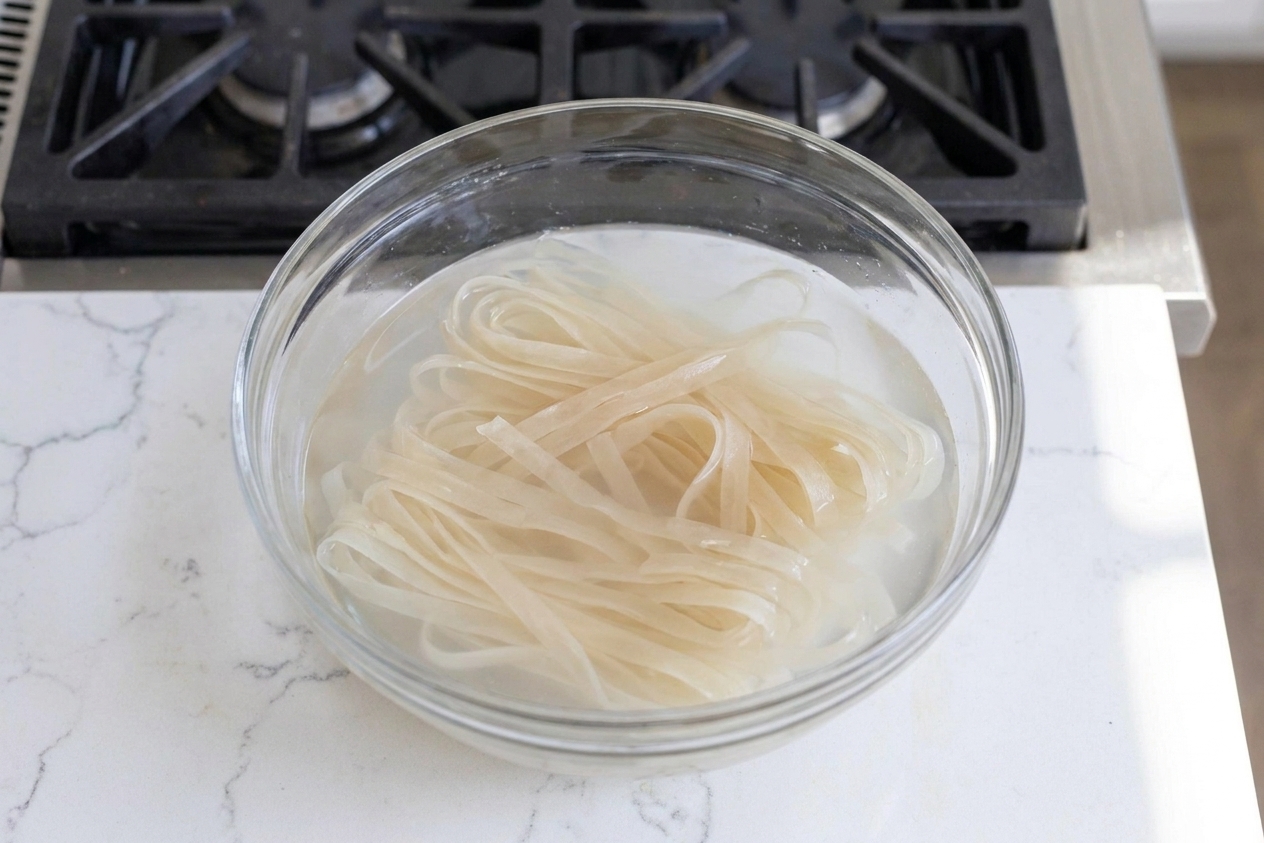
  • Chewy noodles, not gummy: We soak or quickly blanch the noodles, then finish them in the pan so they stay springy.
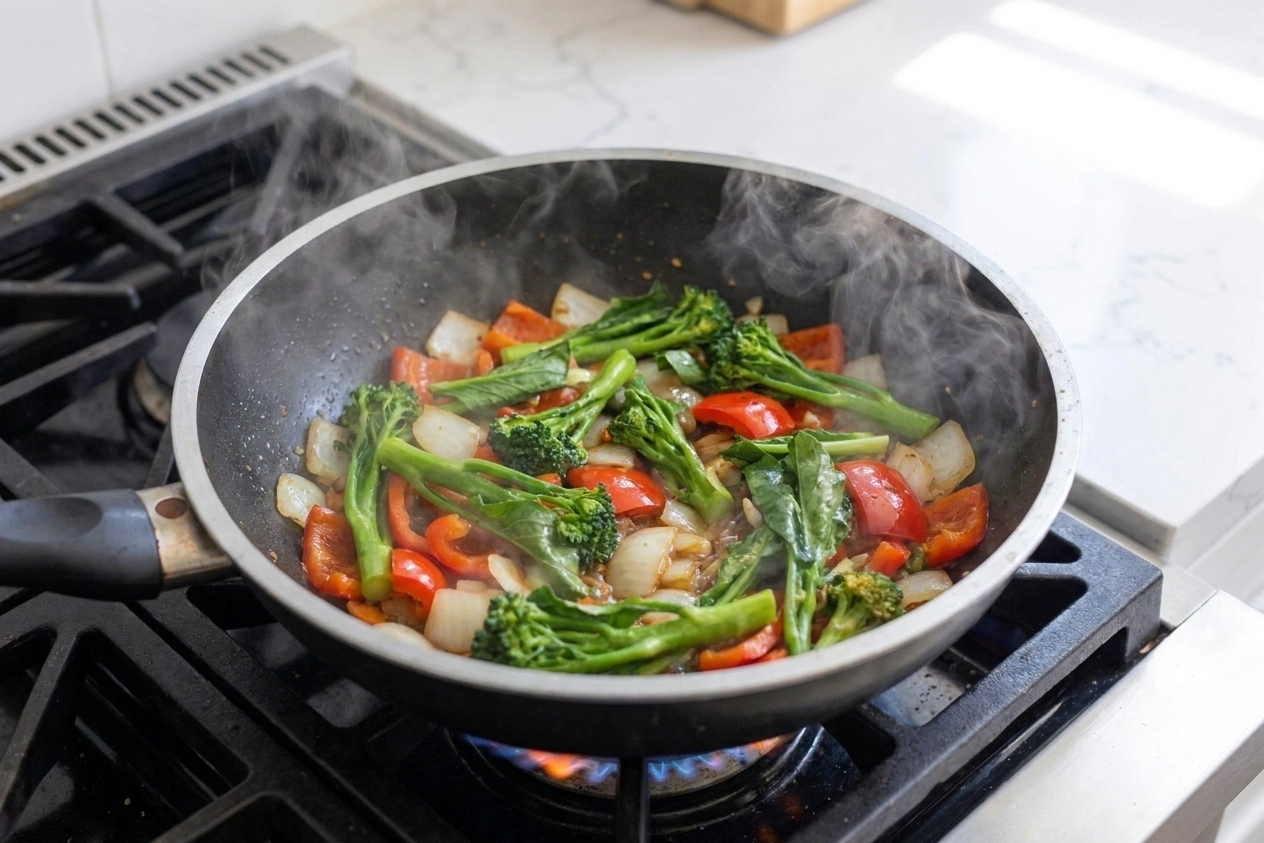
  • High heat cooking without fear: Cooking in batches keeps everything crisp and prevents the stir-fry from turning into a steamy noodle puddle.
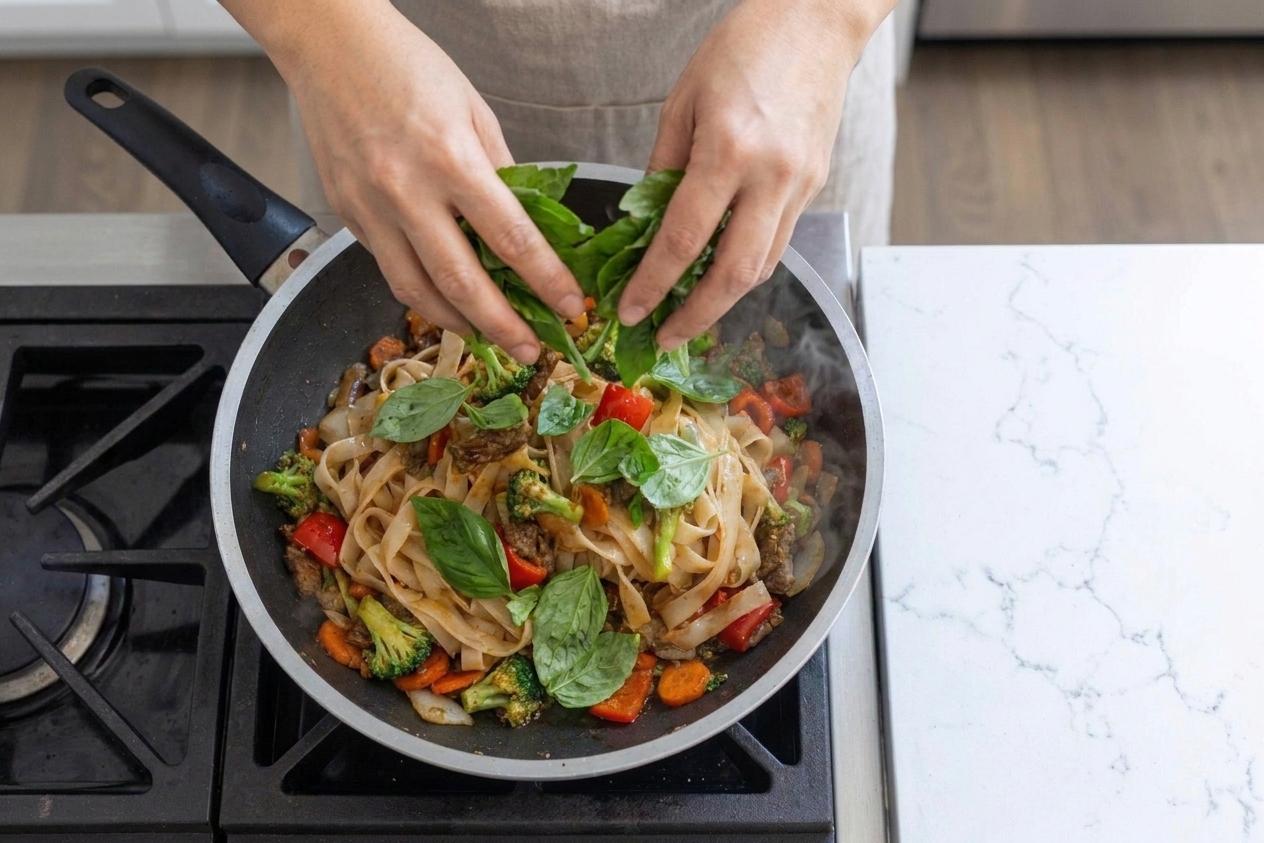
  • Basil at the end: Adding basil off the heat keeps it fragrant and bright instead of dull and bruised.

Pairs Well With

Storage Tips

Refrigerate: Store leftovers in an airtight container for up to 3 to 4 days.

Reheat (best method): Warm a skillet over medium-high heat with a teaspoon of oil and a small splash of water or broth. Toss noodles for 2 to 4 minutes until hot and glossy again. If they look dry, add another splash.

Microwave method: Add a splash of water, cover loosely, and microwave in 30-second bursts, tossing between rounds.

Freezing: I do not love freezing rice noodle stir-fries. The noodles can turn brittle or mushy after thawing. If you must, freeze up to 1 month and reheat in a skillet with extra sauce or a splash of broth.

Common Questions

What are drunken noodles?

Pad Kee Mao is a Thai stir-fried noodle dish known for its bold heat, garlic, and basil. It is typically not made with alcohol; the “drunken” part is more about the lore and the late-night, spicy, wake-you-up vibe than the ingredient list.

Are drunken noodles supposed to be very spicy?

They can be. Most restaurants lean spicy. At home, you control it. Start with 1 Thai chili (or 1/2 teaspoon red pepper flakes), taste the sauce, and scale up. Thai chilies vary a lot, so if you want a gentler heat, scrape out the seeds or use a milder pepper like Fresno or jalapeño.

What noodles should I use for Pad Kee Mao?

Wide rice noodles are the classic choice. Fresh wide rice noodles are amazing if you can find them. Dried wide rice noodles work great too. If you only have pad thai-style noodles, use them. The sauce is still the star.

Can I make this without fish sauce or oyster sauce?

Yes, with a couple smart swaps. For oyster sauce, use vegetarian oyster sauce (often made from mushrooms) or a mix of hoisin and soy sauce in a pinch. For fish sauce, use more soy sauce plus a squeeze of lime at the end for brightness. If you want extra savory depth, add a small spoon of miso or a pinch of MSG (optional).

What basil is best?

Holy basil (kaprao) is the traditional herb for authentic Pad Kee Mao, and it has a peppery bite that makes the dish. Thai basil is the most common substitute outside Thailand and is what many Western restaurants use. It is slightly sweet with a licorice vibe and it is delicious here. Regular Italian basil also works if that is what you have.

Why are my rice noodles breaking or clumping?

Usually one of three things: the noodles were over-soaked, the pan was not hot enough, or there was not enough sauce to lubricate everything. Keep the heat high, toss continuously, and add a splash of water if the noodles look tight and dry.

Any allergy notes?

Fish sauce contains fish, and oyster sauce is a shellfish product. If you are cooking for allergies, use the vegan swaps above and double-check labels.

Drunken noodles are one of those dishes that taught me the difference between “I followed a recipe” and “I actually cooked.” The first time I tried them at home, I over-soaked the noodles, crowded the pan, and basically made spicy noodle casserole. Still edible. Still gone by the next day.

Now I treat it like controlled kitchen chaos: everything chopped, sauce mixed, pan hot, then boom, it comes together in minutes. It is the kind of dinner that makes you feel like you know what you are doing, even if your basil is trying to escape all over the cutting board.

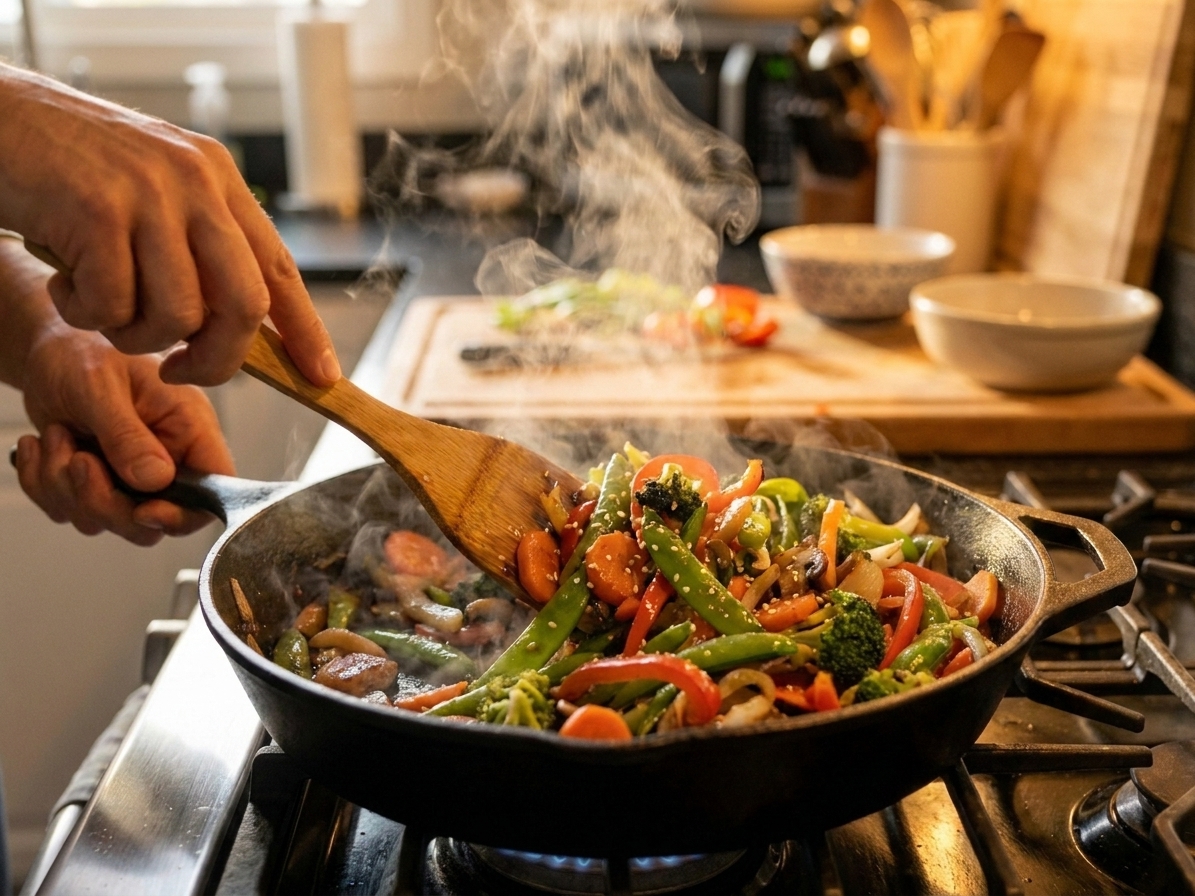
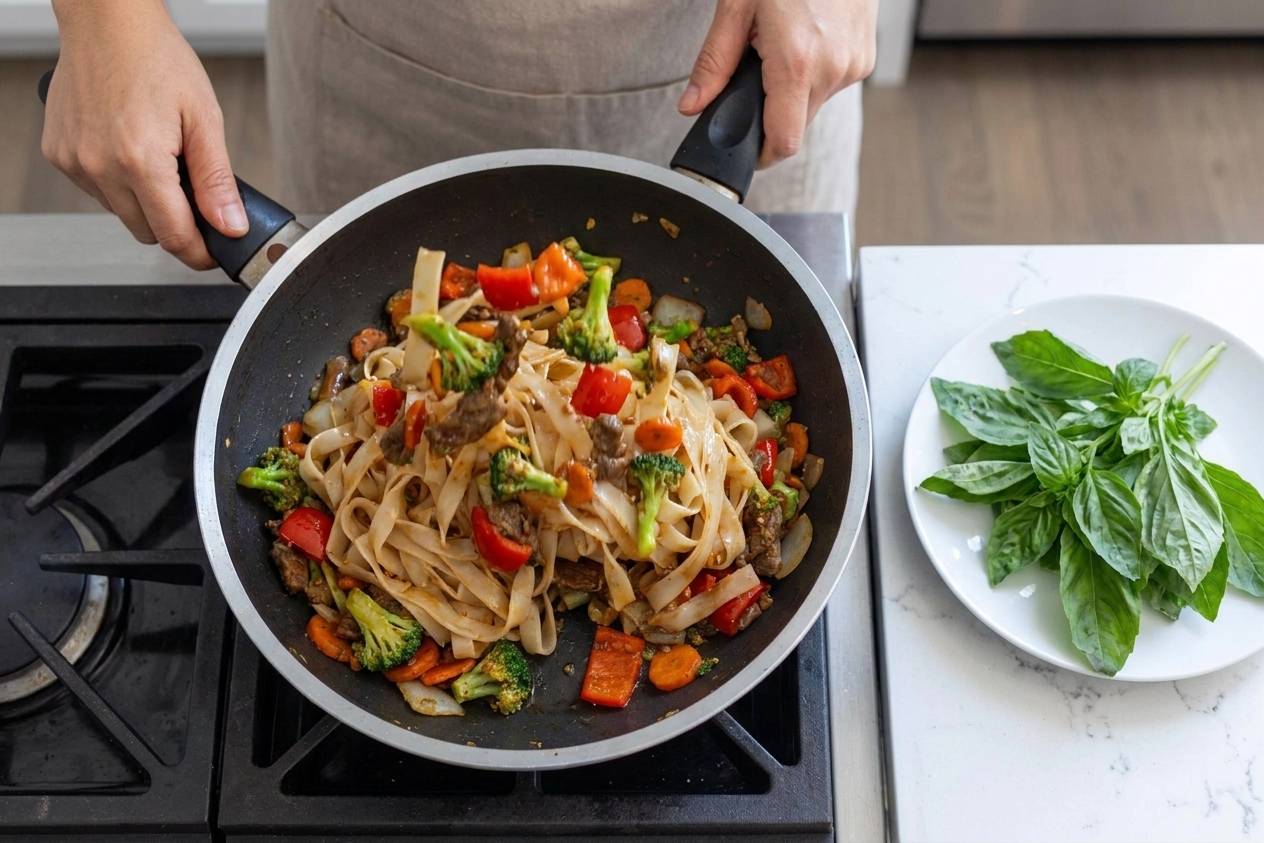
A home cook tossing wide rice noodles and vegetables in a hot skillet on a stove, with basil ready on a plate nearby