Mom's Best Recipes
Recipe

Pan-Seared Deer Backstrap

A simple, restaurant-style venison backstrap with crisp edges, a tender medium-rare center, and a bright pan sauce you can spoon over everything.

Author By Matt Campbell
4.8
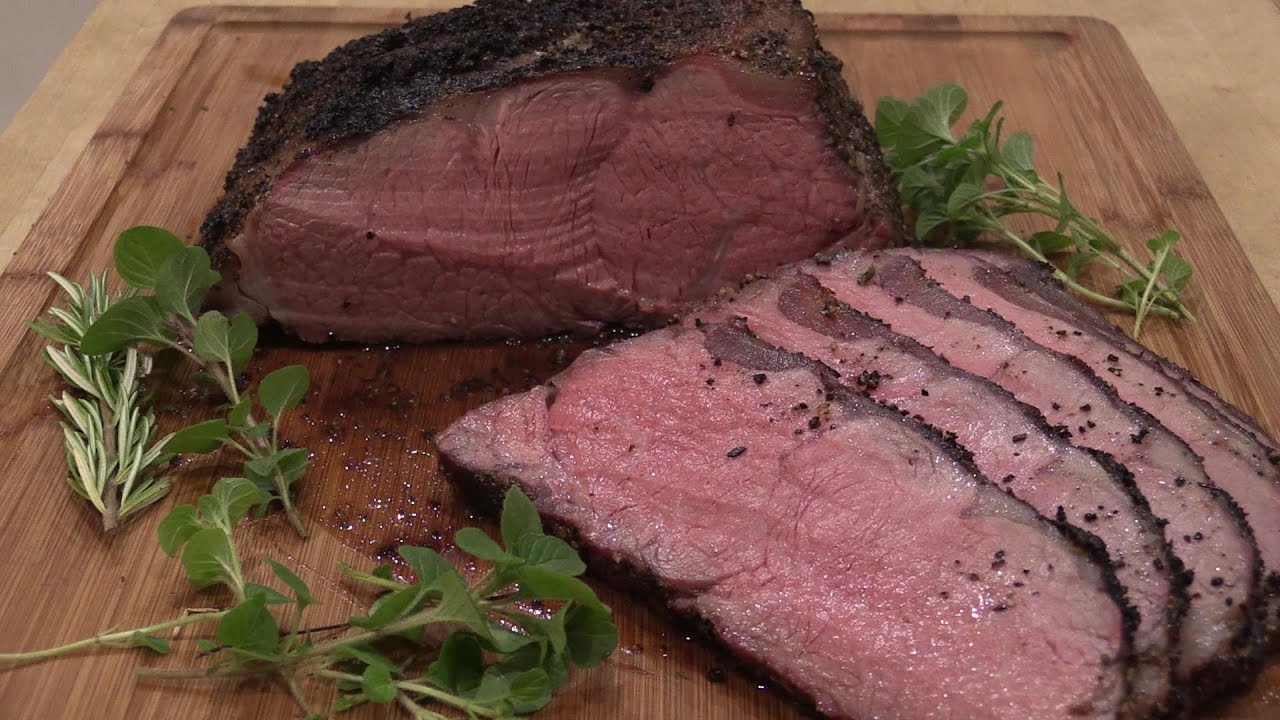
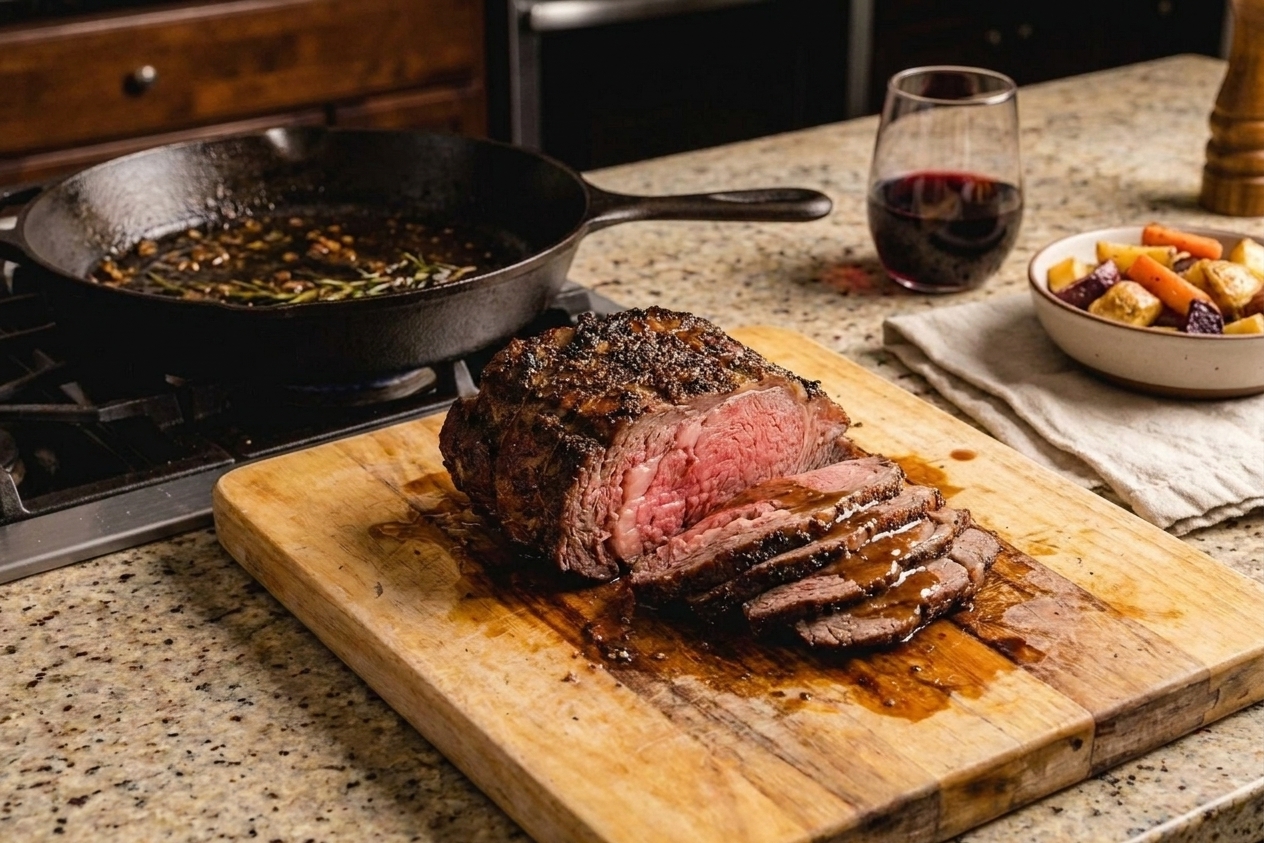
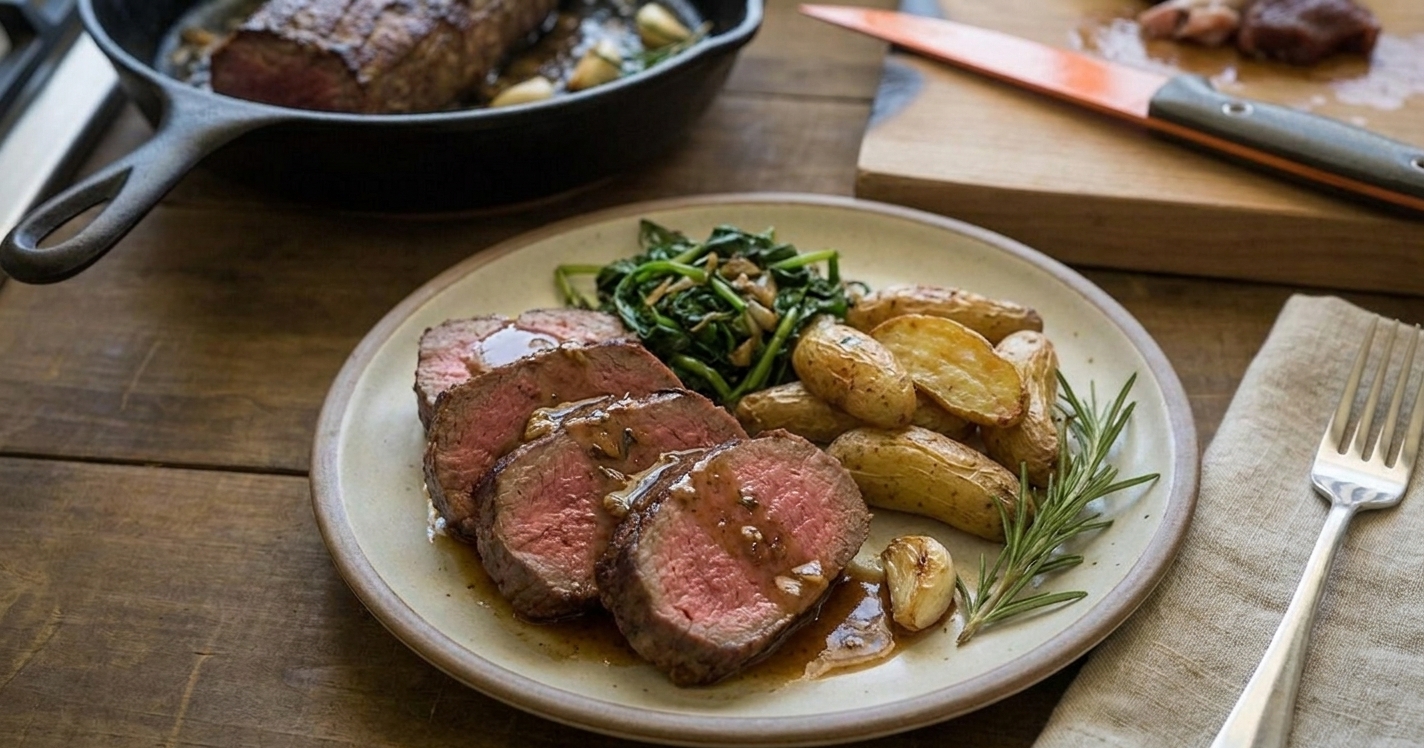
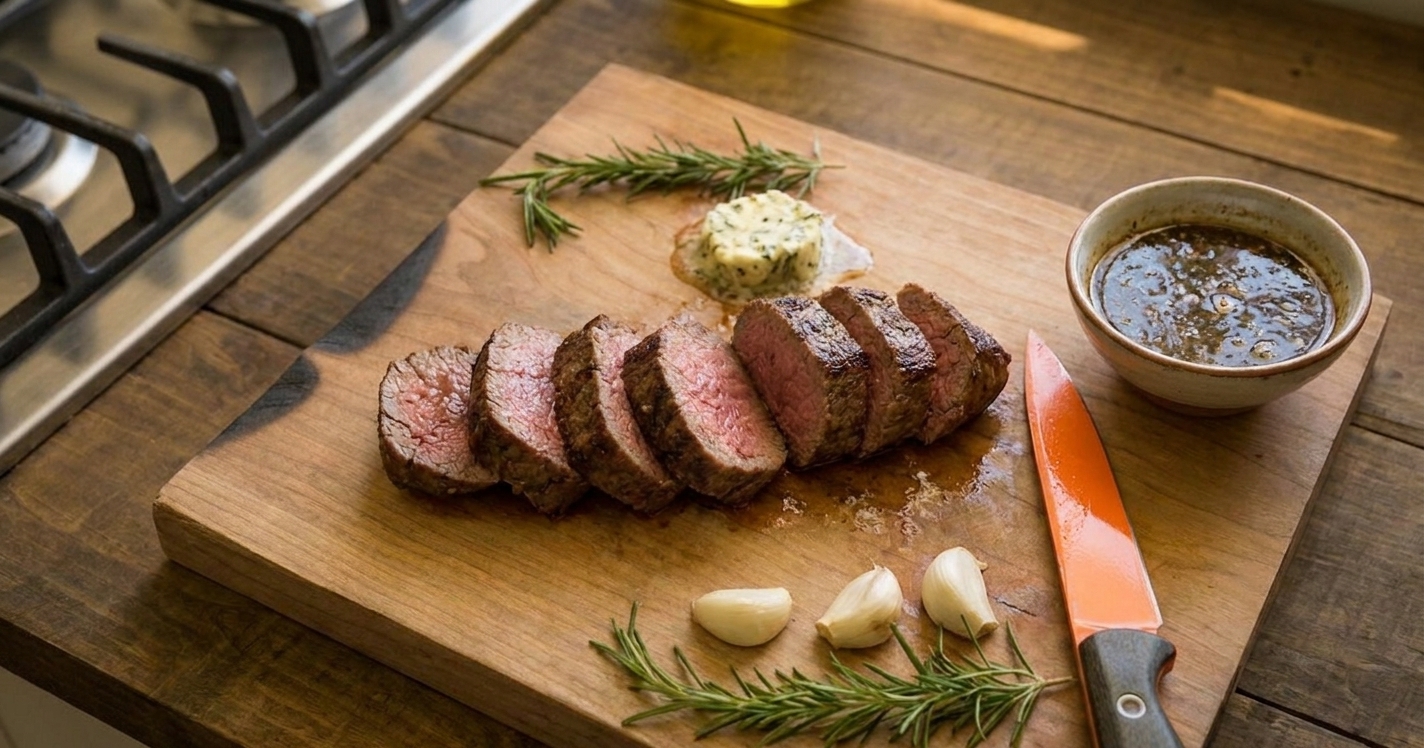
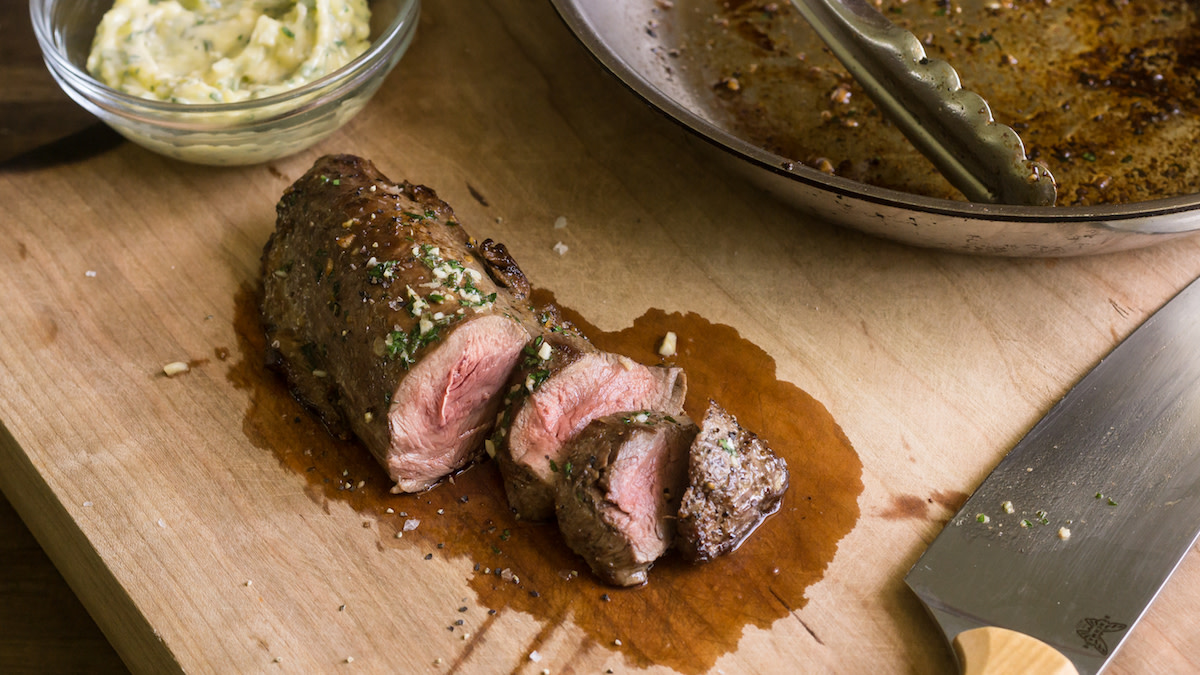
A sliced deer backstrap cooked to medium-rare, fanned on a cutting board with rosemary butter and a small bowl of pan sauce nearby, warm kitchen lighting

Deer backstrap is the kind of cut that makes you want to light a candle and pretend you own a tiny restaurant for the night. It is lean, it is tender, and it has exactly zero patience for overcooking. The good news is that cooking it well is not complicated. You just need high heat, a little fat, and the confidence to pull it early.

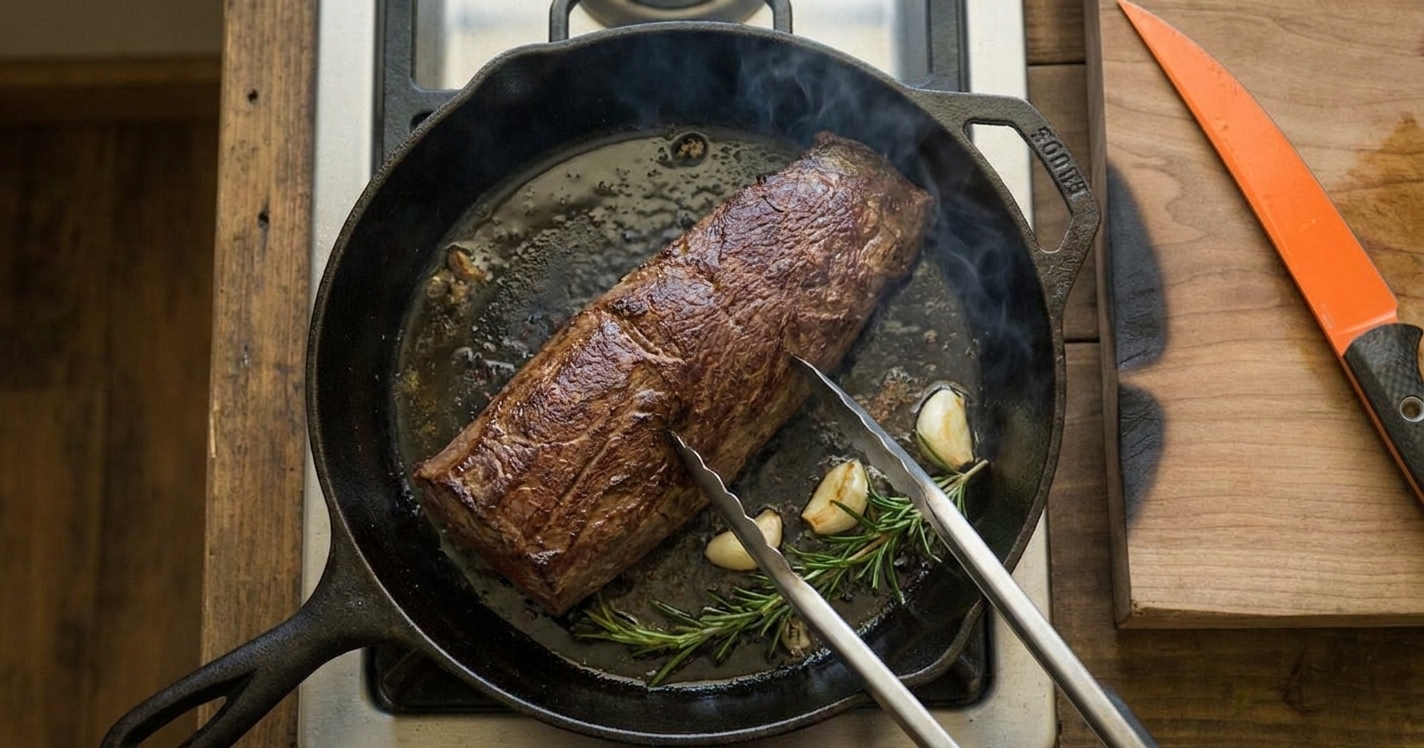
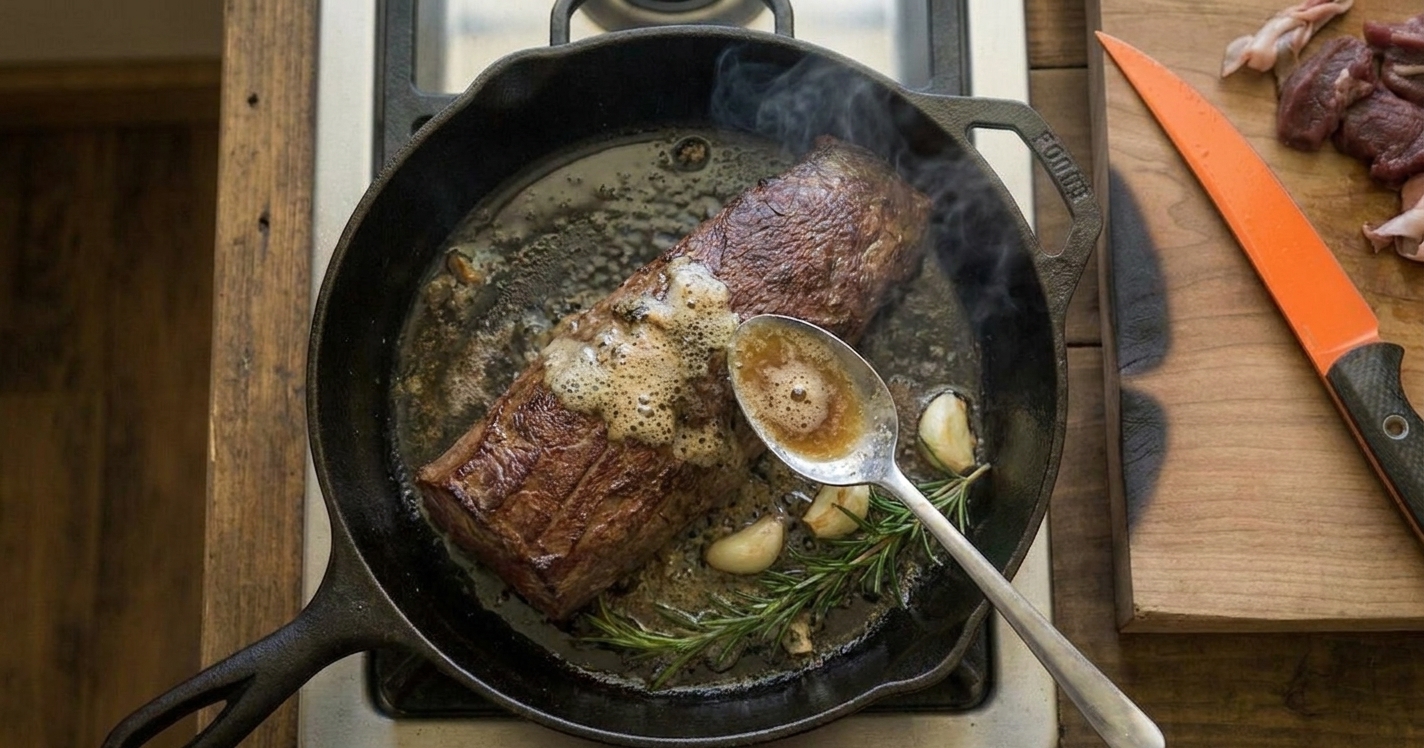
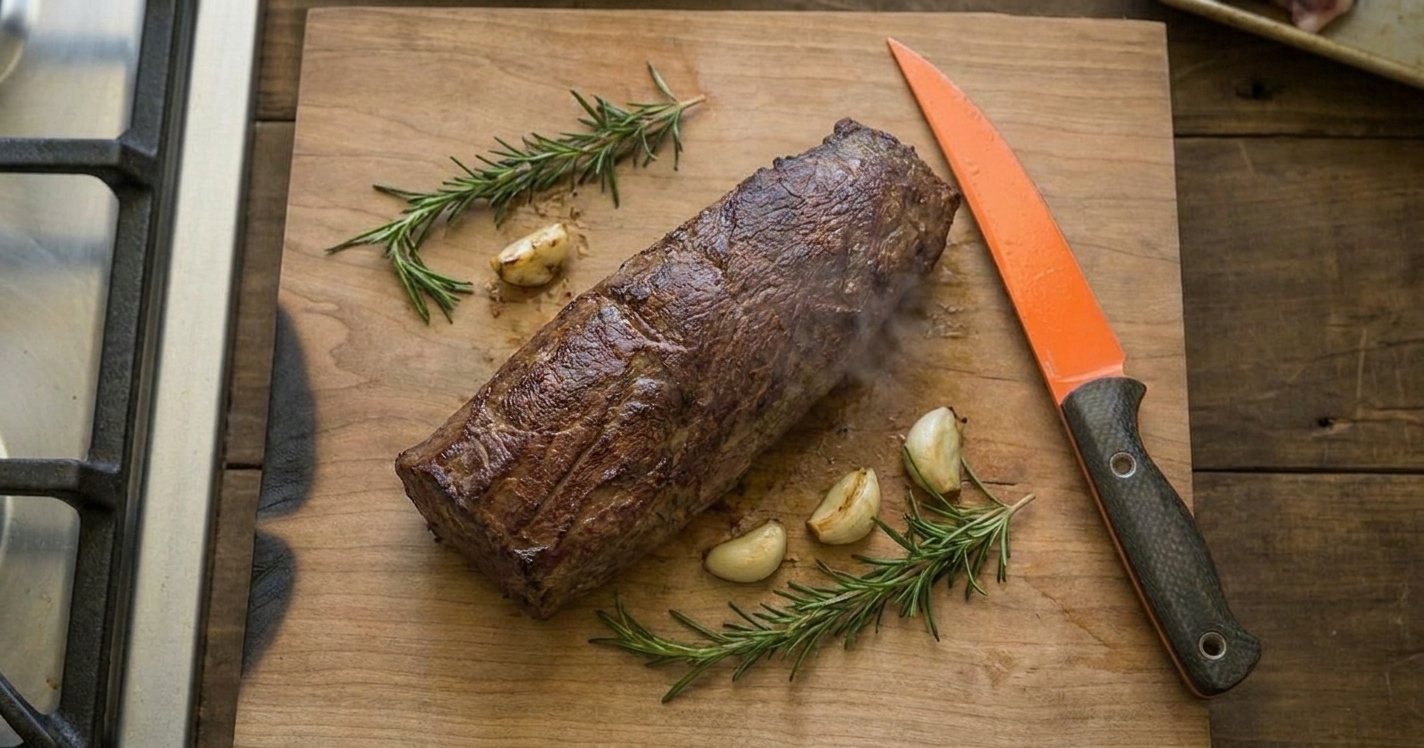
This is my go-to method: a hard pan sear for those crisp edges, a quick finish in the oven so the center stays rosy, then a garlicky rosemary butter baste that smells like you know what you are doing. We finish with a quick pan sauce that is bright, savory, and completely unfair to mashed potatoes.

One quick sizing note: Backstrap sizes vary. This method works whether you are cooking one thick section or two smaller pieces. If you have two pieces, sear them the same way, then check temperature early since smaller pieces finish faster.
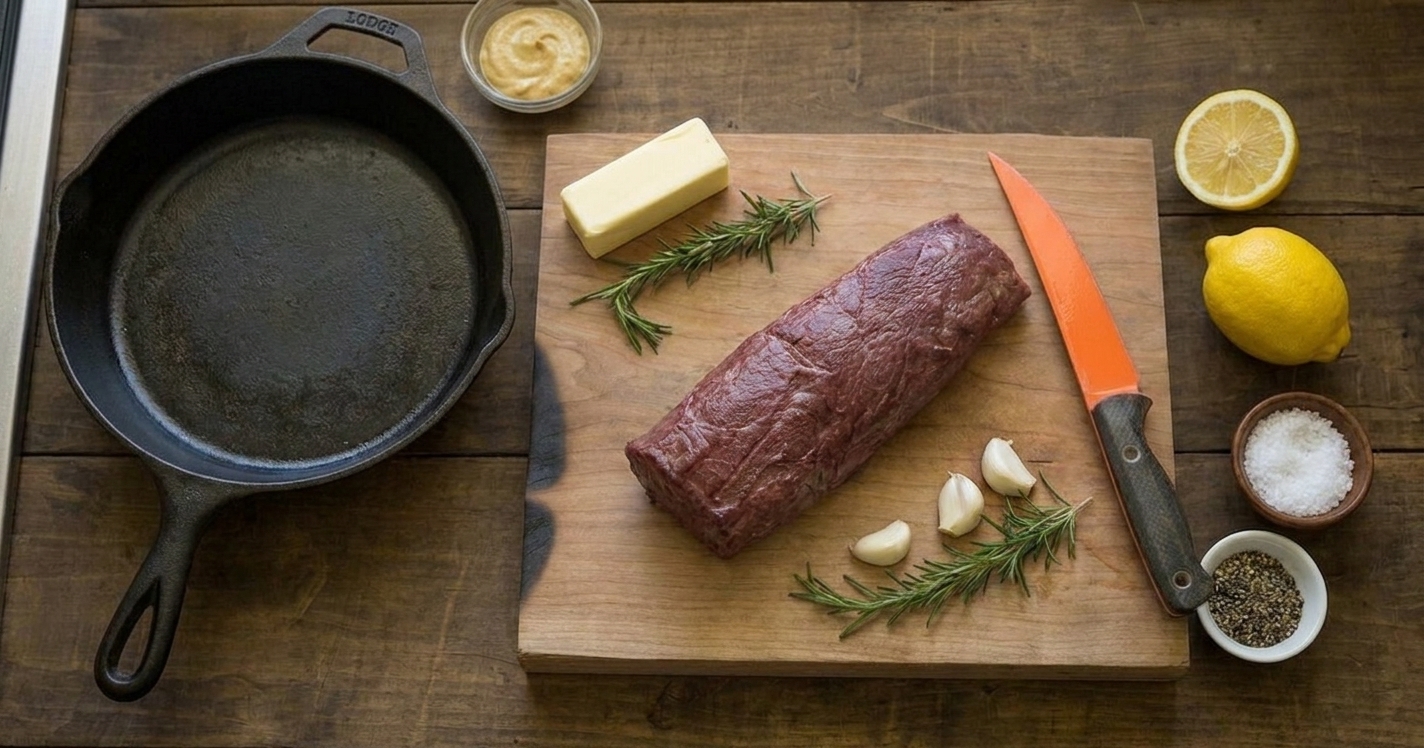
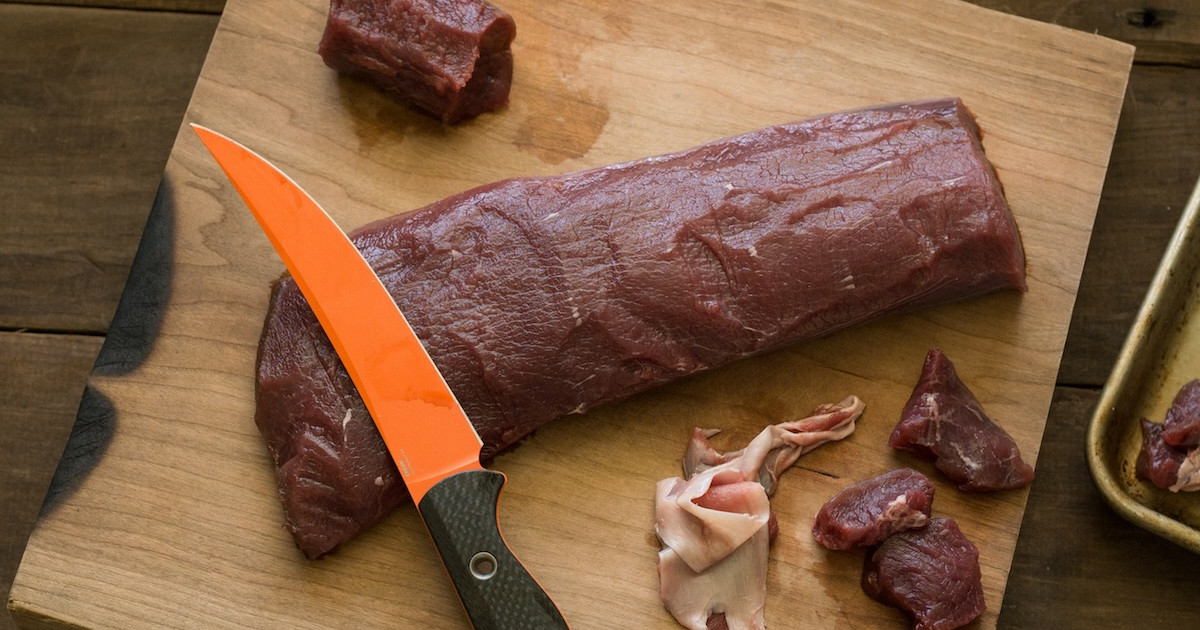
Raw deer backstrap, butter, rosemary, garlic, lemon, Dijon mustard, and seasonings arranged on a wooden kitchen counter with a cast iron skillet nearby

Why It Works

  • Tender, not tough: Backstrap is very lean, so we cook it fast and stop at medium-rare to medium.
  • Crisp crust, juicy center: Patting the meat dry and using a hot skillet gives you steakhouse edges.
  • Flavor without fuss: A simple butter baste plus a lemony pan sauce balances venison’s richness without masking it.
  • Reliable doneness: A thermometer takes the drama out of it, especially with wild game.

Pairs Well With

Storage Tips

Refrigerate: Cool leftovers, then store in an airtight container for up to 3 days.

Freeze: Wrap slices tightly and freeze up to 2 months. Add a spoonful of pan sauce before freezing if you have it. It helps protect the meat from drying out.

Reheat gently: Venison backstrap dries out if you bully it. Rewarm slices in a covered skillet on low with a splash of broth, water, or leftover sauce just until heated through. You can also eat it cold, sliced thin, in a sandwich with mustard and pickles and no regrets.

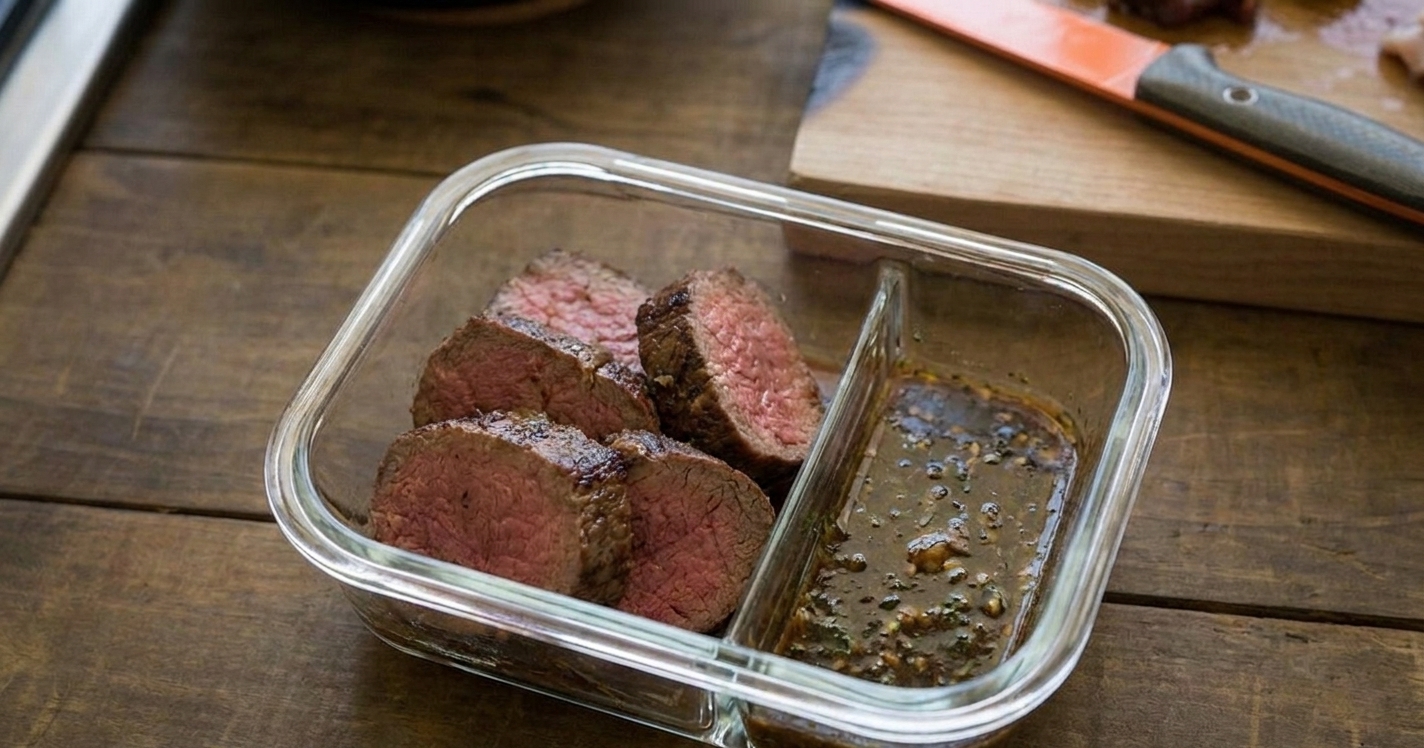
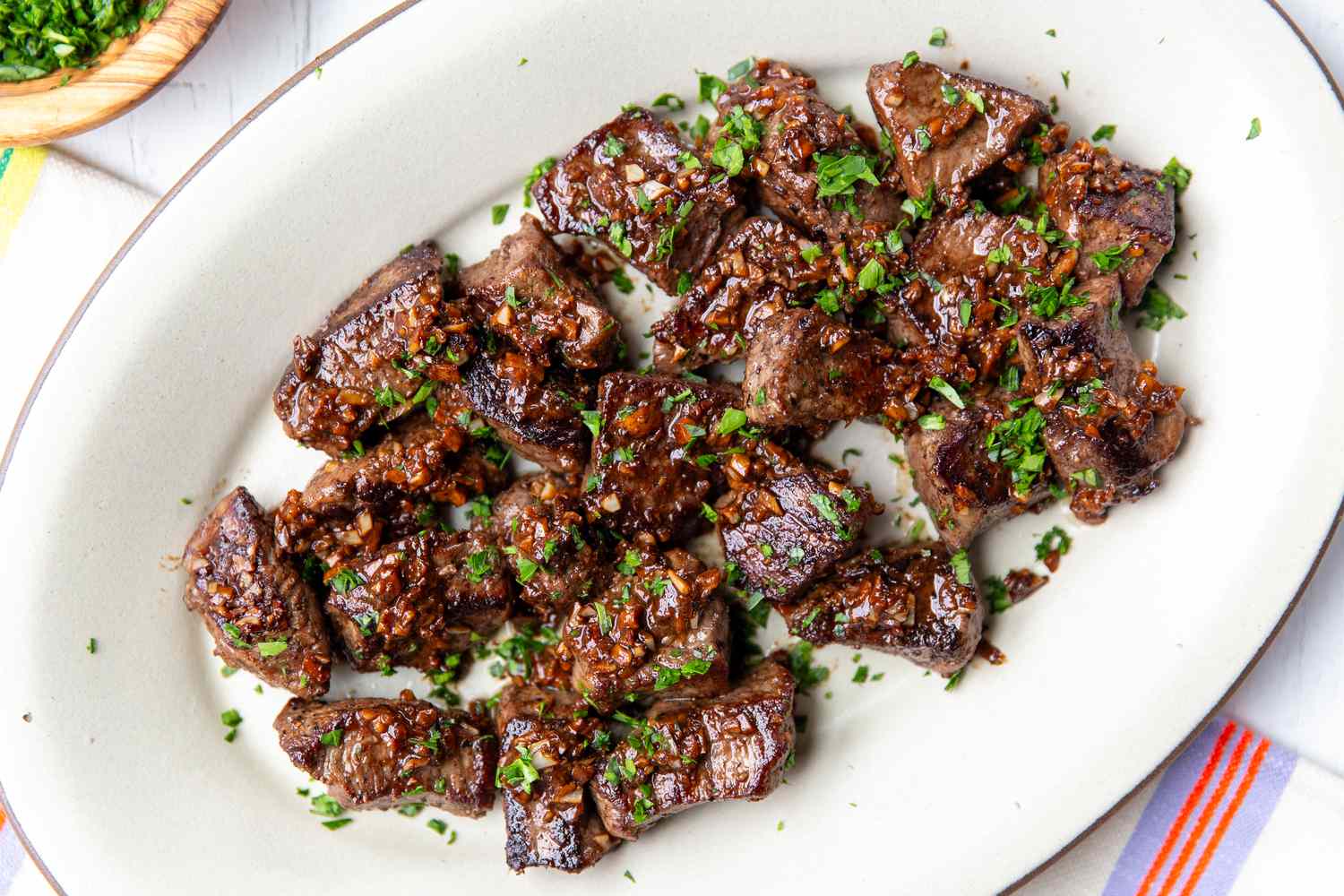
Sliced cooked venison backstrap stored in a glass meal prep container with a small compartment of pan sauce, set on a kitchen counter

Common Questions

What temperature should deer backstrap be cooked to?

For the best texture, aim for 125 to 130°F for medium-rare, or 135°F for medium. Carryover cooking will raise the temperature a few degrees while it rests. Past 145°F, backstrap tends to get dry fast.

Food safety note: Some official guidelines for whole cuts of game are more conservative (often cited around 145°F). Many cooks still choose medium-rare for backstrap because a hard sear and clean handling reduce risk, but you should cook to your comfort level, especially for wild game.

How do you keep venison backstrap from getting tough?

Three things: do not overcook it, slice against the grain, and let it rest. Also, avoid long marinades with lots of acid. They can make the surface mushy while the inside stays firm.

Should I soak backstrap in milk or salt water first?

If your backstrap is clean and well-trimmed, you usually do not need to soak it. If you want to mellow stronger flavor, a short soak in salted water (or milk) for 1 to 2 hours can help. Pat it very dry afterward so it still sears properly.

What does backstrap taste like?

Think of it like a very lean beef tenderloin with a deeper, slightly earthy flavor. The butter, herbs, and bright sauce in this recipe keep it balanced and not heavy.

Can I grill deer backstrap instead?

Yes. Sear over high heat, then move to indirect heat and cook to the same internal temps listed above. Rest, slice, and spoon the sauce over the top.

The first time I cooked deer backstrap for friends, I acted like it was no big deal. Internally, I was sweating. Wild game feels higher-stakes because you cannot just run back to the store if you mess it up. What finally clicked for me was treating it like a great steak that happens to be leaner: dry it well, sear it hard, pull it early, rest it like you mean it. Now it is one of my favorite “we should celebrate something” dinners, even if the thing we are celebrating is surviving a Tuesday.