Mom's Best Recipes
Recipe

Pan-Seared Mahi Mahi with Lemon Caper Butter

Quick, flaky mahi mahi with crisp edges and a bright lemon caper butter that tastes like you tried way harder than you did.

Author By Matt Campbell
4.8
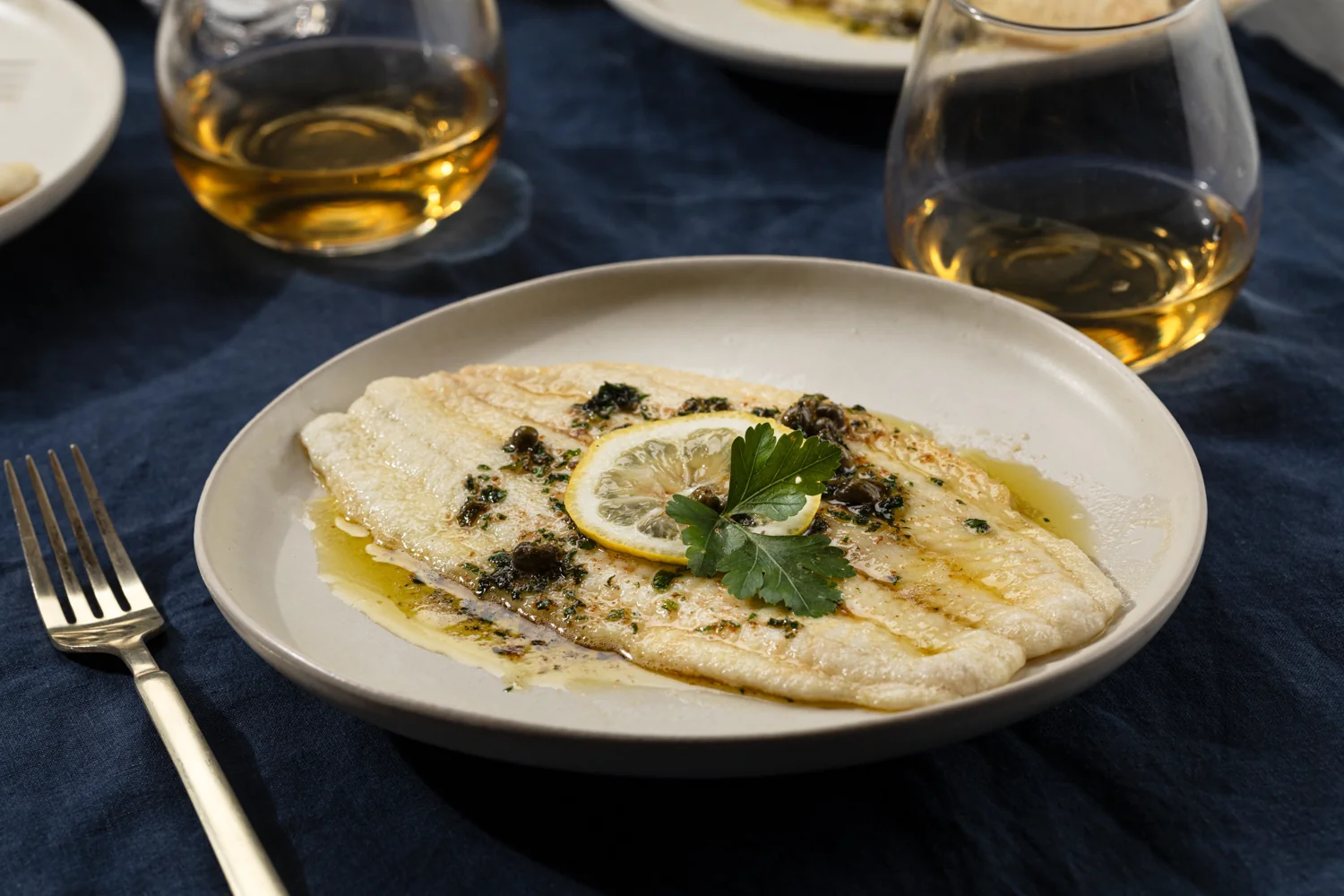
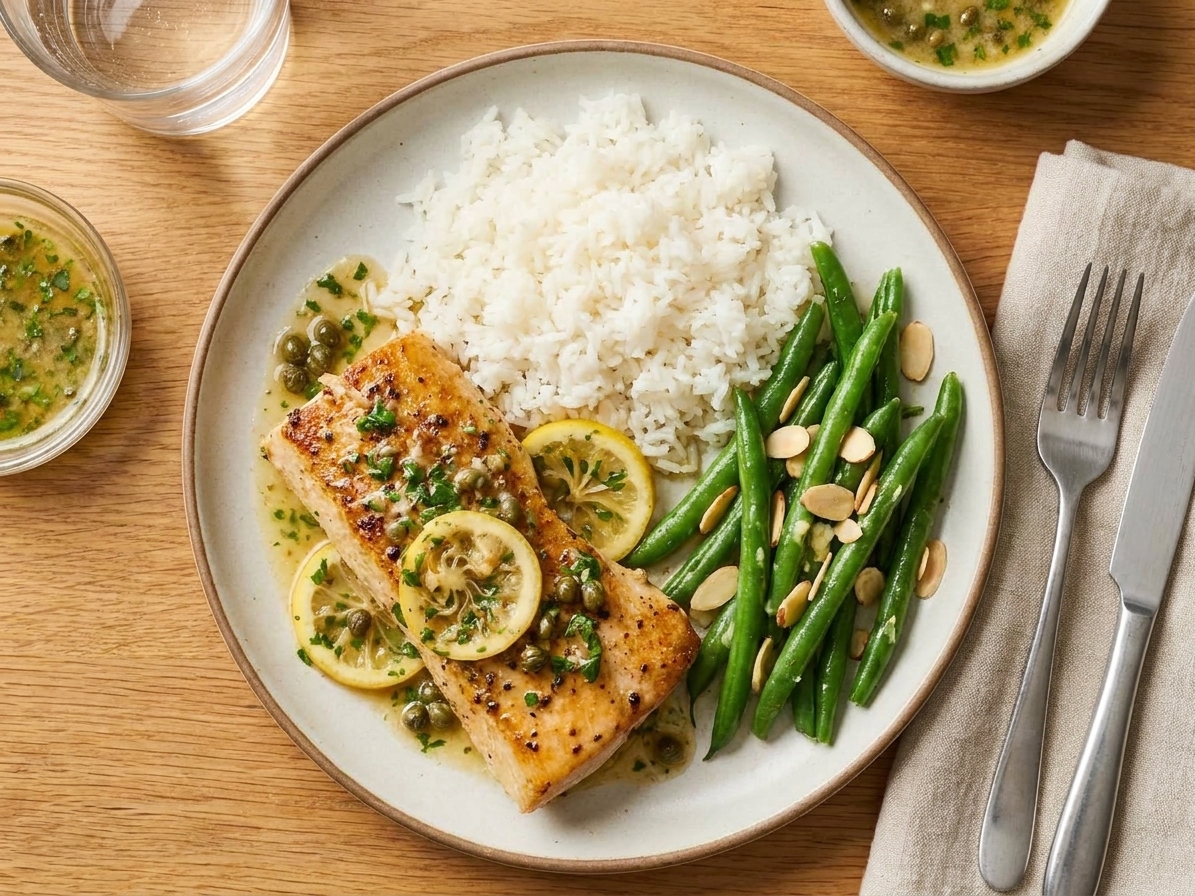
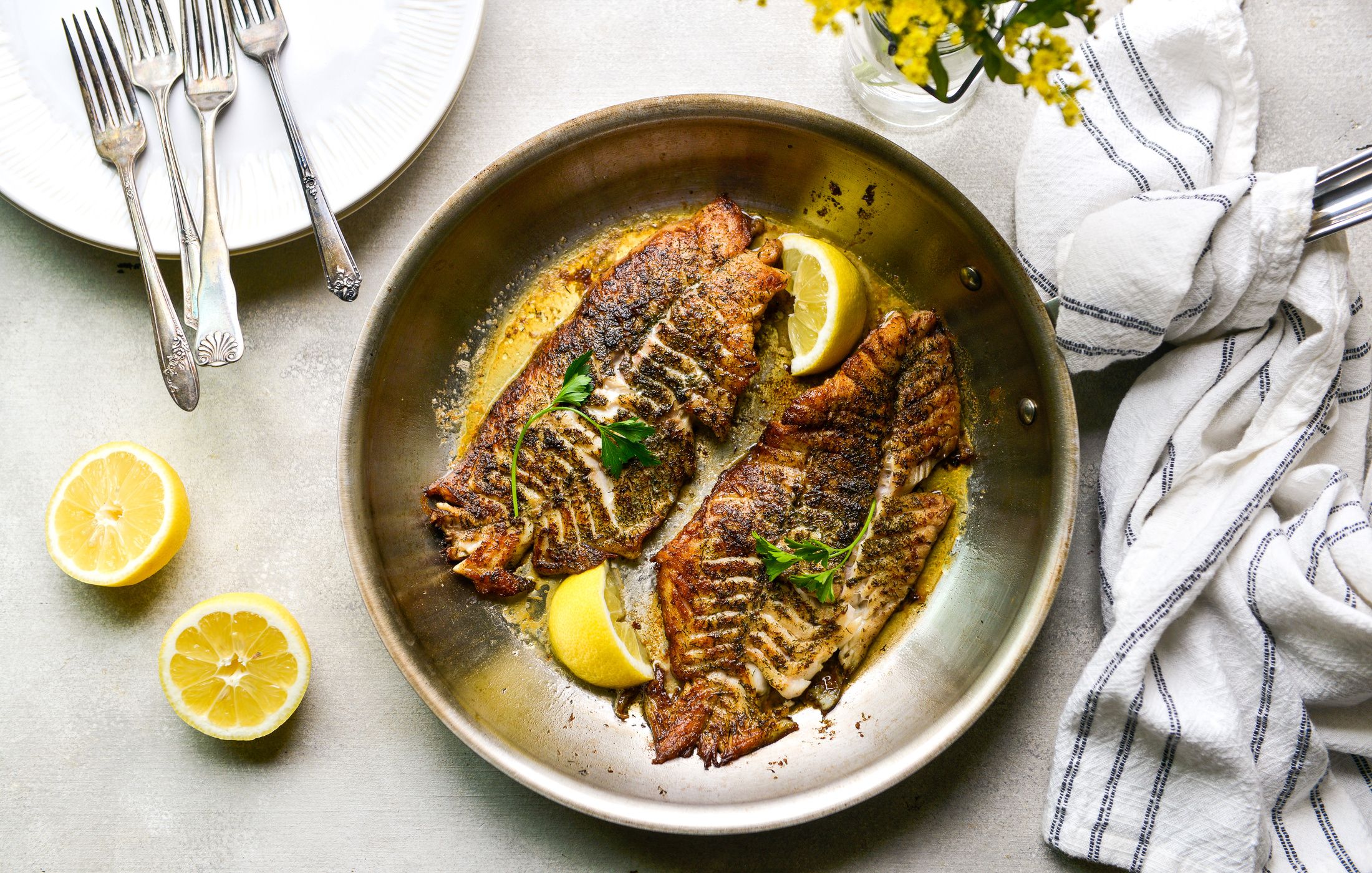
A plated pan-seared mahi mahi fillet with a glossy lemon caper butter sauce, parsley, and lemon wedges on a simple dinner plate on a warm kitchen table

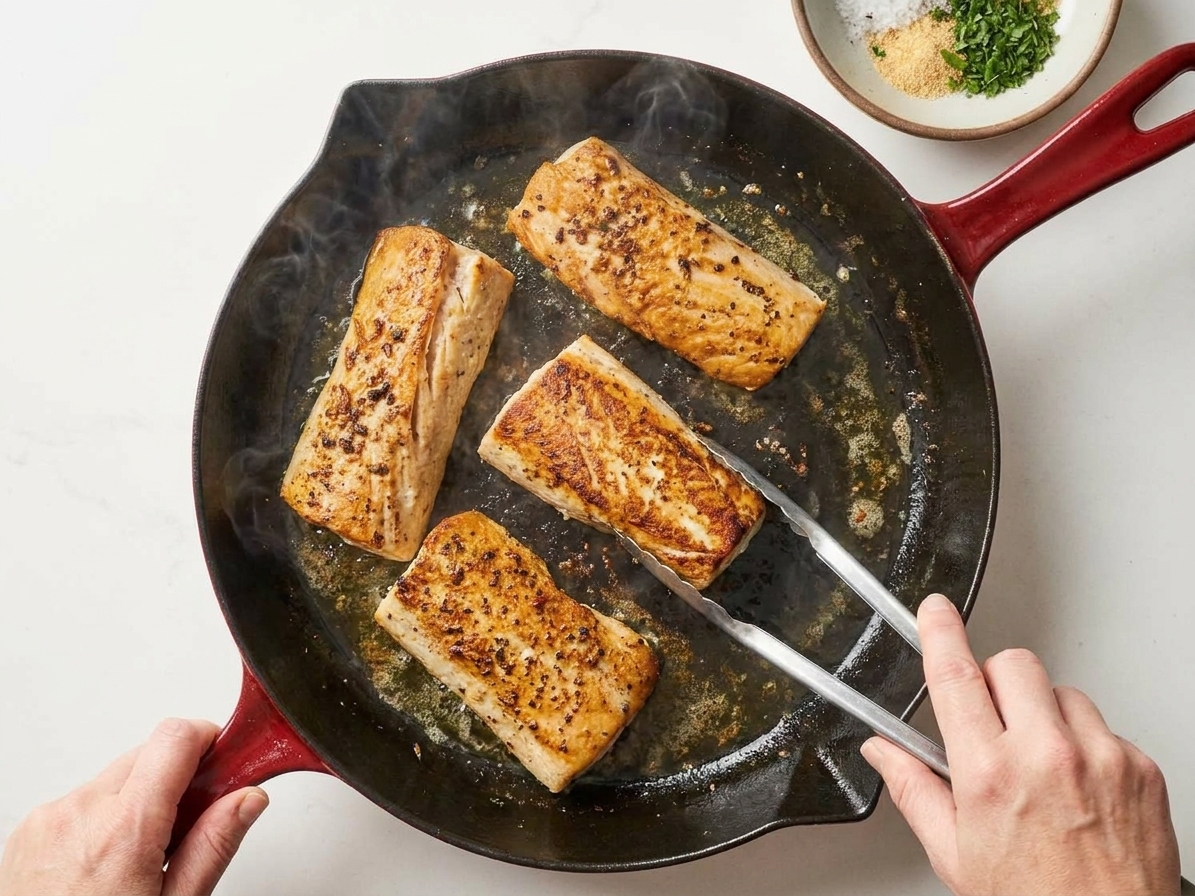
Mahi mahi is one of my favorite “I want fish tonight but I do not want a whole situation” choices. It is mild, firm enough to handle a good sear, and it cooks fast. The only real trick is not overcooking it, because mahi will go from juicy to dry faster than you can say “where did my sauce go.”

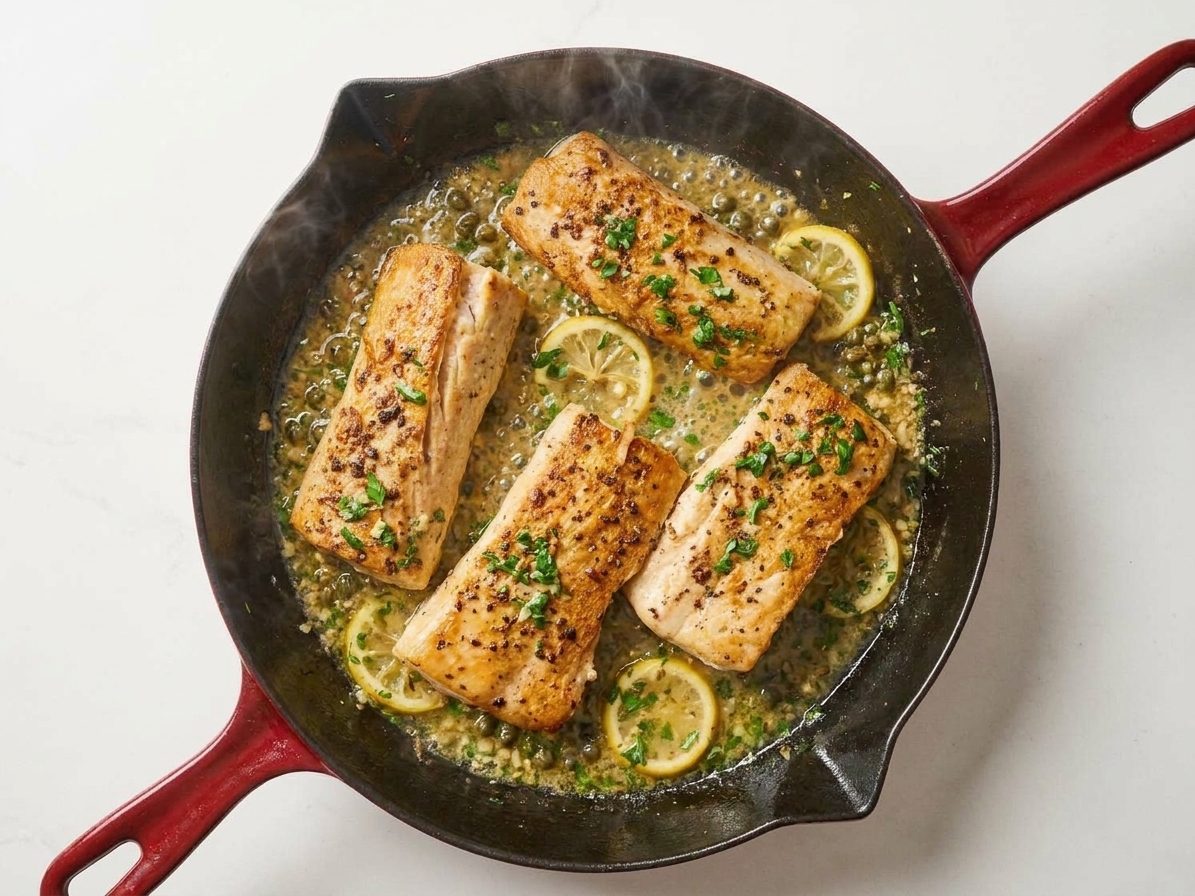
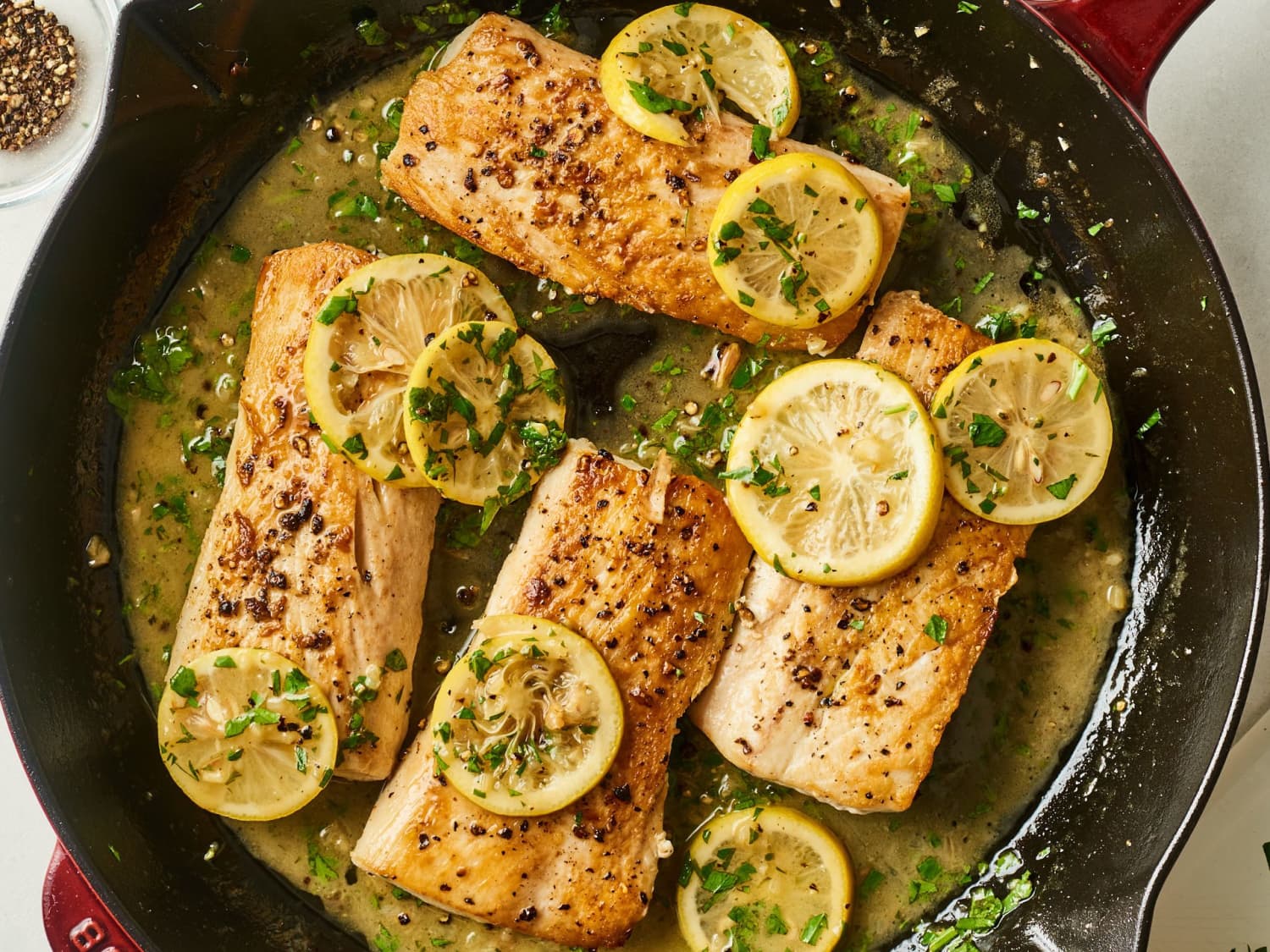
This recipe is my weeknight answer: a quick pan sear for crisp, golden edges, then a lemon caper butter sauce that tastes bright, salty, and a little fancy without demanding anything weird from your pantry. Serve it with rice, potatoes, or a pile of garlicky greens and call it a win.
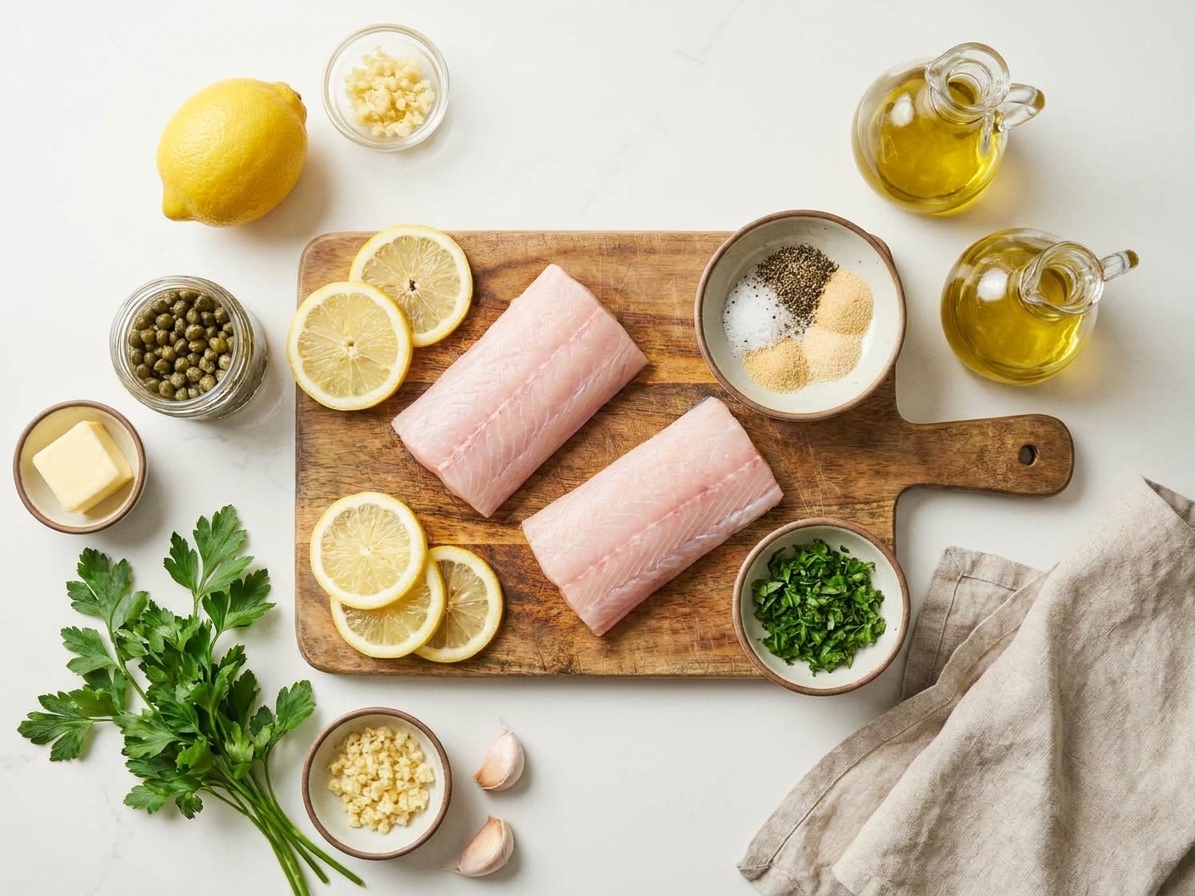
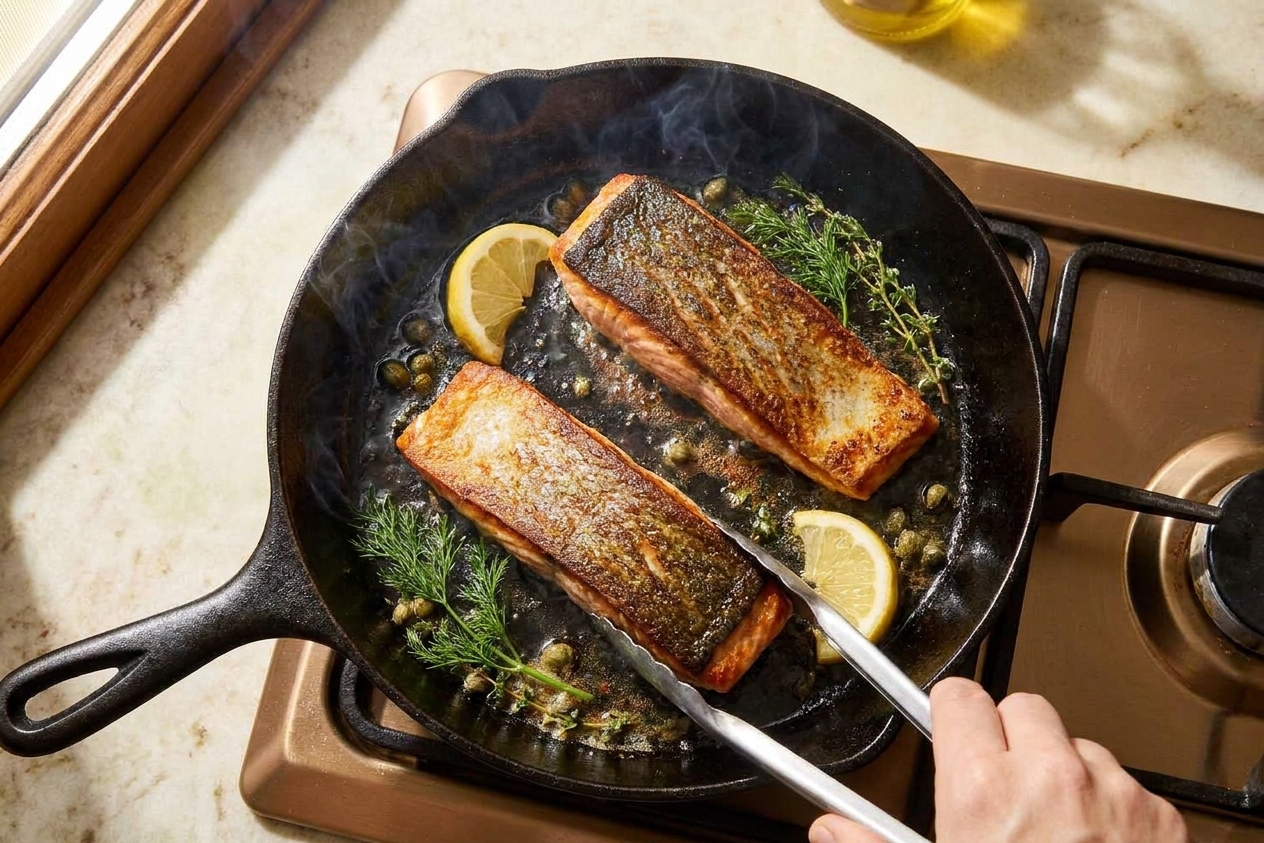
Raw mahi mahi fillets, lemon, capers, butter, garlic, parsley, olive oil, and seasonings arranged on a clean kitchen counter

Why It Works

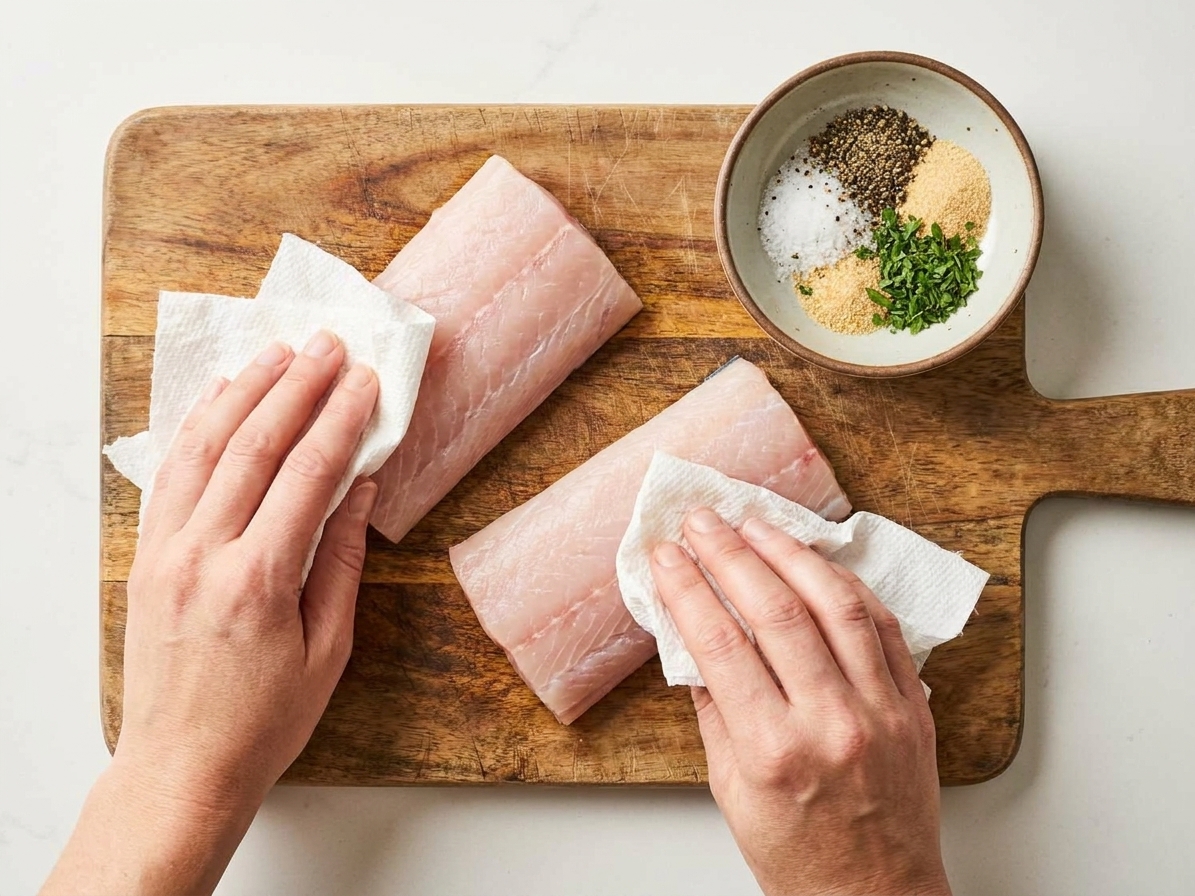
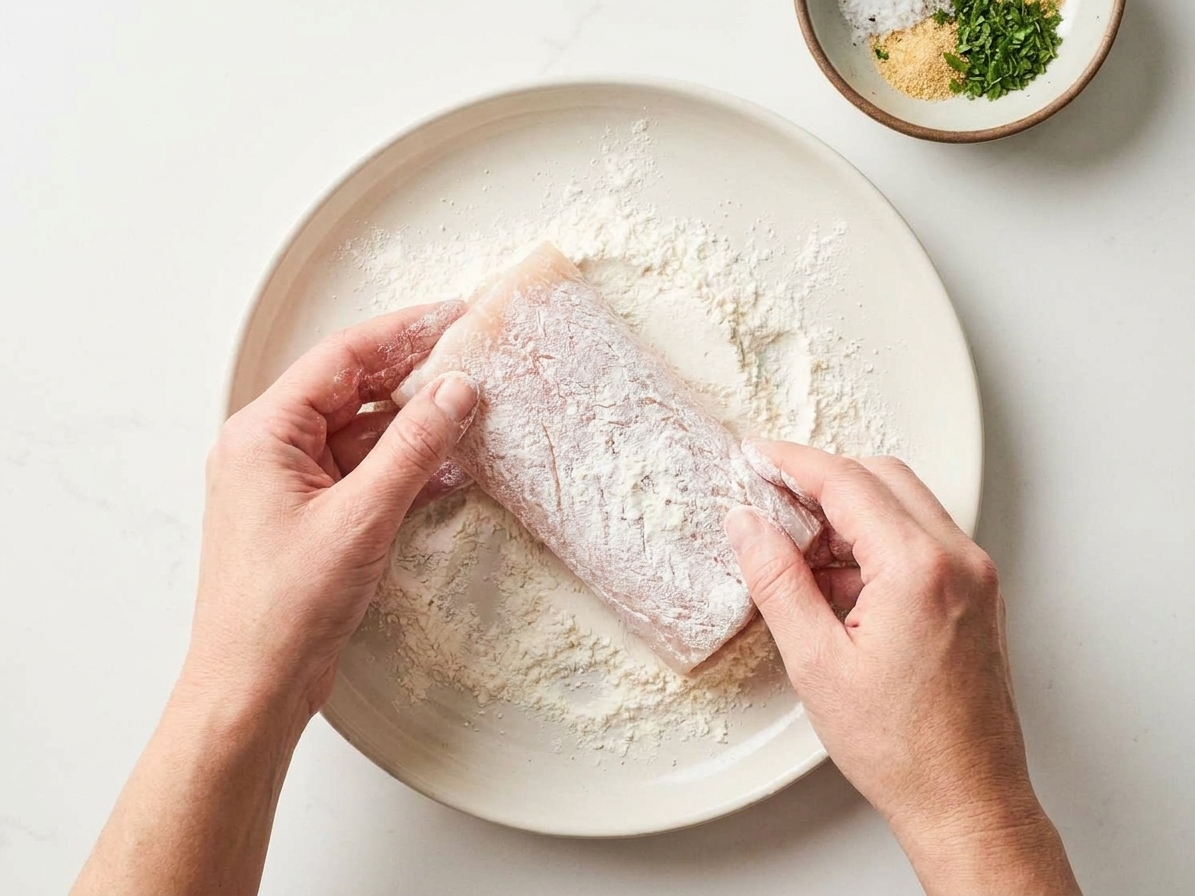
  • Crisp-edged fish without sticking: a hot pan, dry fillets, and a light dusting of flour help the sear.
  • Bright sauce in minutes: lemon juice plus capers cuts the richness of butter so it tastes fresh, not heavy.
  • Reliable doneness: pull at about 137 to 140°F and let it rest for carryover cooking, or cook to 145°F if you prefer to follow official finfish guidance.
  • Flexible: use the same method for halibut, cod, snapper, or grouper if that is what you have.

Pairs Well With

Storage Tips

Refrigerate: Store leftover mahi mahi in an airtight container for up to 2 days. Keep the sauce separate if you can. It reheats more gently that way.

Reheat: Best method is a skillet on low heat with a small splash of water or broth, covered, just until warmed through. Microwaving works, but use 50% power in short bursts to avoid drying it out.

Cold leftovers tip: Flake chilled mahi into a salad with extra lemon, olive oil, and a few capers. It is basically “fish lunch” that feels intentional.

Freezing: I do not love freezing cooked mahi mahi because it can dry out, but if you must, wrap tightly and freeze up to 1 month. Thaw overnight in the fridge and reheat gently.

Allergen notes: This recipe contains dairy (butter) and, if you use the optional dredge, gluten (all-purpose flour). For gluten-free, rice flour works great, and cornstarch also works but browns faster, so go light.

Common Questions

How do I know when mahi mahi is done?

Mahi mahi is done when it turns opaque and flakes easily with a fork. For the juiciest fish, I like to pull it at 137 to 140°F in the thickest part, then let it rest a couple minutes so carryover heat finishes the job. If you prefer to follow official guidance for finfish, cook to 145°F.

Can I bake mahi mahi instead of pan-searing?

Yes. Bake at 400°F for about 10 to 12 minutes depending on thickness. You can still make the lemon caper butter sauce in a small skillet while it bakes.

Why is my mahi mahi dry?

Overcooking is the big one. Also, thin fillets cook fast, so stay close. Pull it a touch early and let carryover heat finish the job.

Do I have to use flour?

No, but a light dusting helps with browning and gives the sauce something to cling to. If you are gluten-free, swap in rice flour or cornstarch. Note: cornstarch browns quickly, so use a lighter hand and watch the heat.

What can I use instead of capers?

Chopped green olives or a tiny spoon of chopped pickles can give a similar salty bite. Start small and taste as you go.

I used to treat fish like a special-occasion project. Then I started cooking more “real life” dinners and realized mahi mahi is basically the friend who shows up on time and does not ask for much. The lemon caper butter happened one night when I had half a lemon, a jar of capers, and exactly zero patience. It turned into that kind of sauce that makes you hover over the pan with a spoon, “just tasting,” until suddenly it is gone. No regrets.