What does orange roughy taste like?
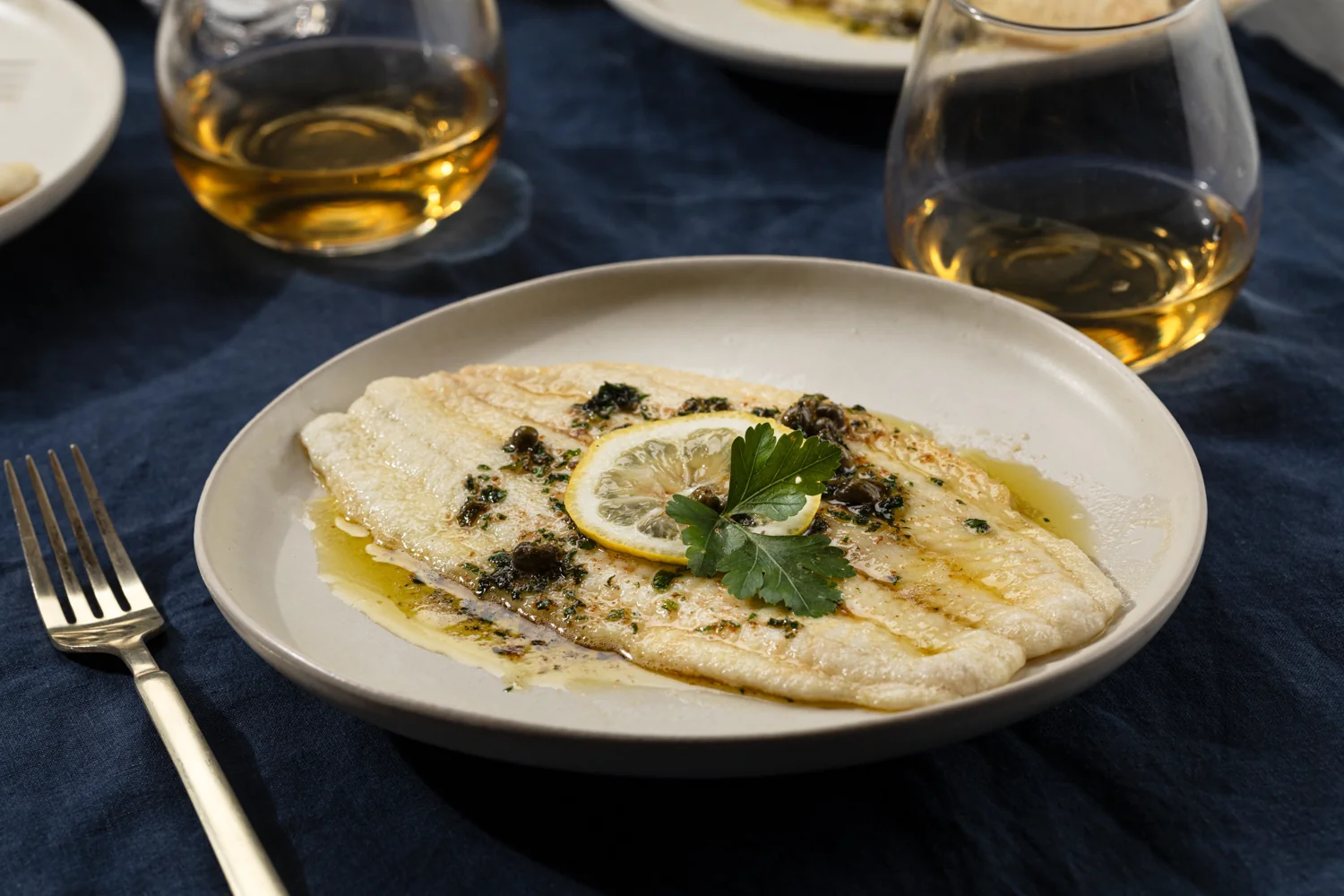
It is a mild, slightly sweet white fish. Think clean flavor, not fishy. That is why it pairs so well with big finishing flavors like lemon, butter, capers, herbs, or a spicy sauce.
Is orange roughy good for pan-searing?
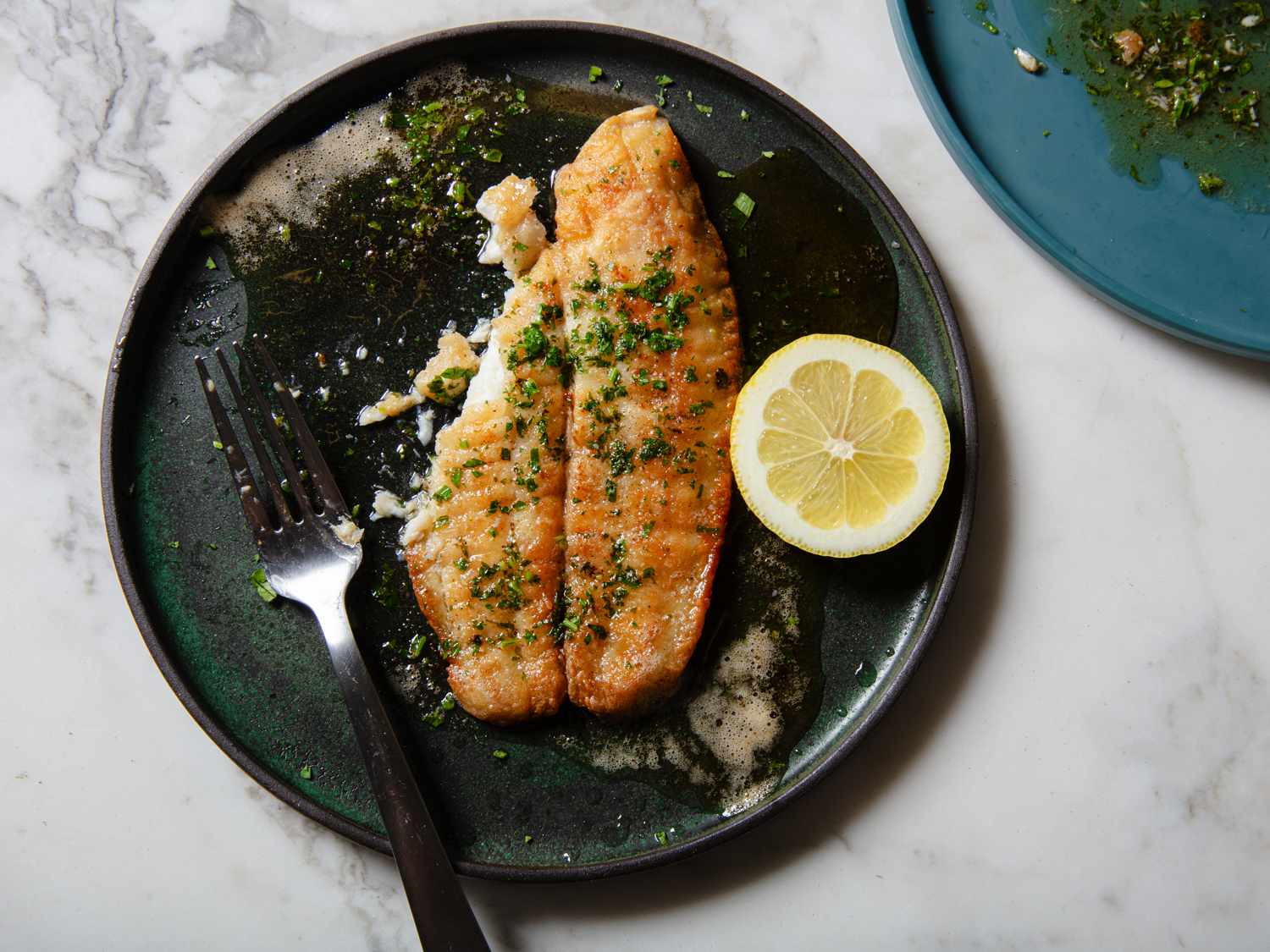
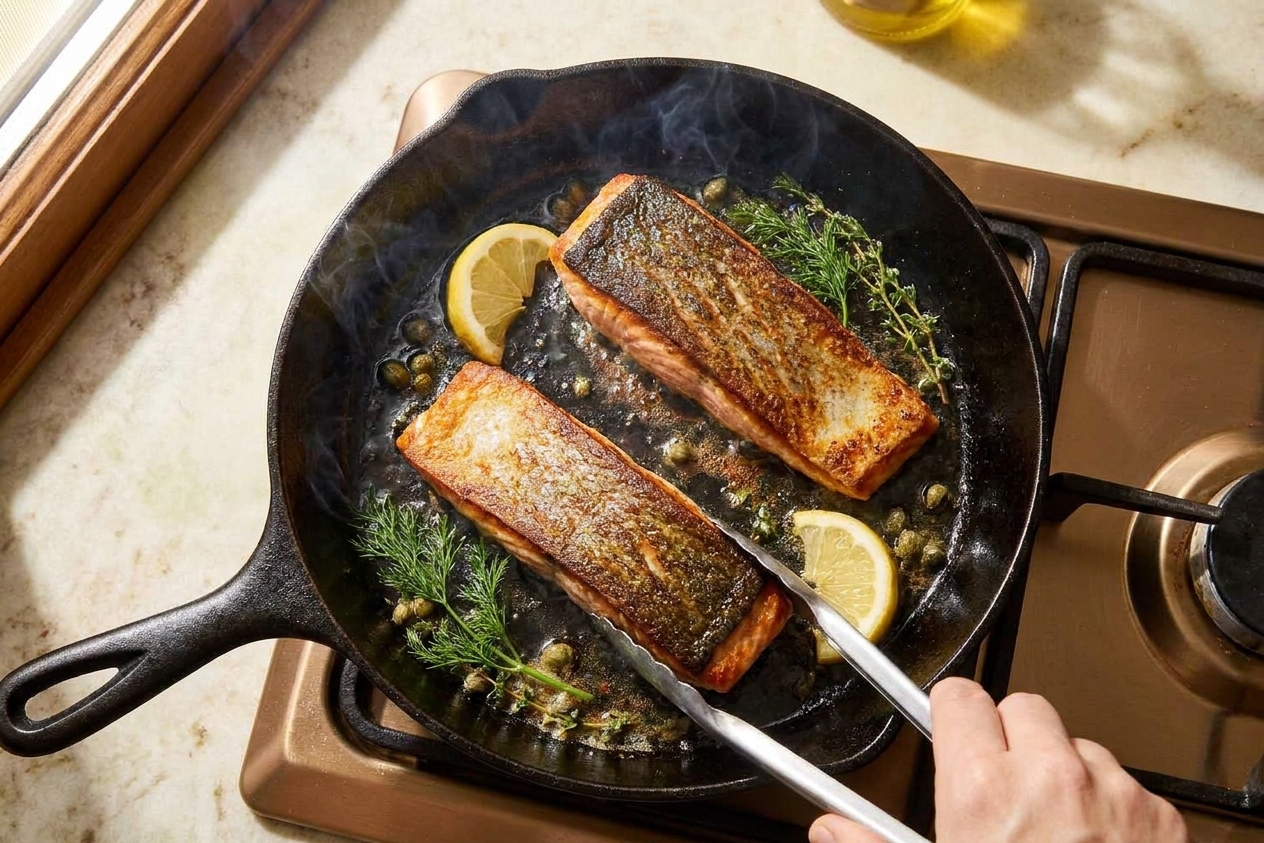
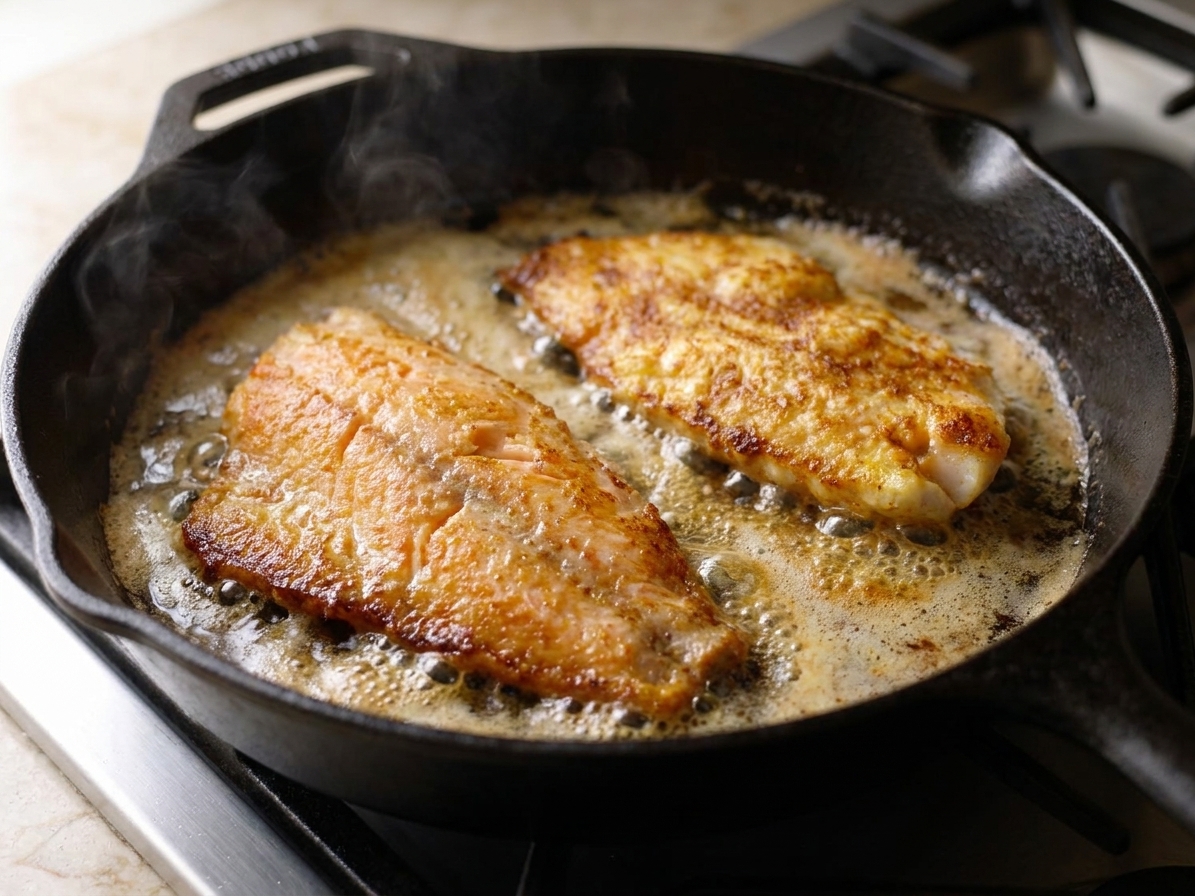
Yes, as long as you do two things: pat it very dry and do not overcook it. It is lean, so it can go from tender to dry quickly.
What fish can I use instead of orange roughy?
If orange roughy is hard to find (or you are choosing another option), this method works great with other mild white fish. Try cod, haddock, pollock, halibut, or mahi mahi. For thinner fillets like tilapia, shorten the cook time.
How do I know when orange roughy is done?
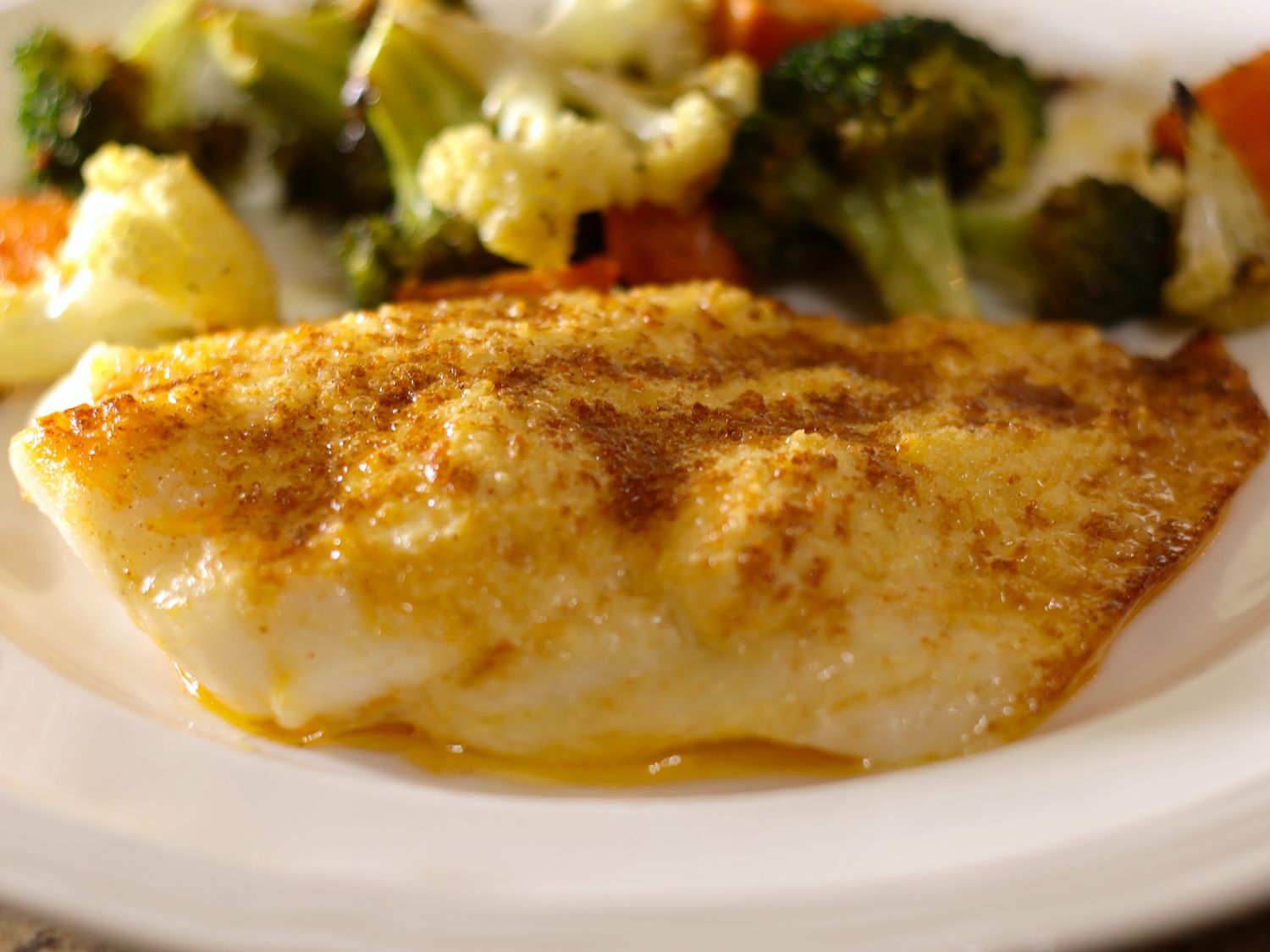
Look for opaque flesh that flakes into large pieces when nudged with a fork. For best texture, pull it around 130°F to 135°F and let carryover heat finish the job. If you follow USDA guidance for fish, the food-safety target is 145°F, but lean fish can get noticeably drier at that temperature.
Can I cook orange roughy from frozen?
I recommend thawing first for best texture. If cooking from frozen, bake it instead of pan-searing because the extra water makes it hard to get browning in a skillet.
What can I use instead of flour?
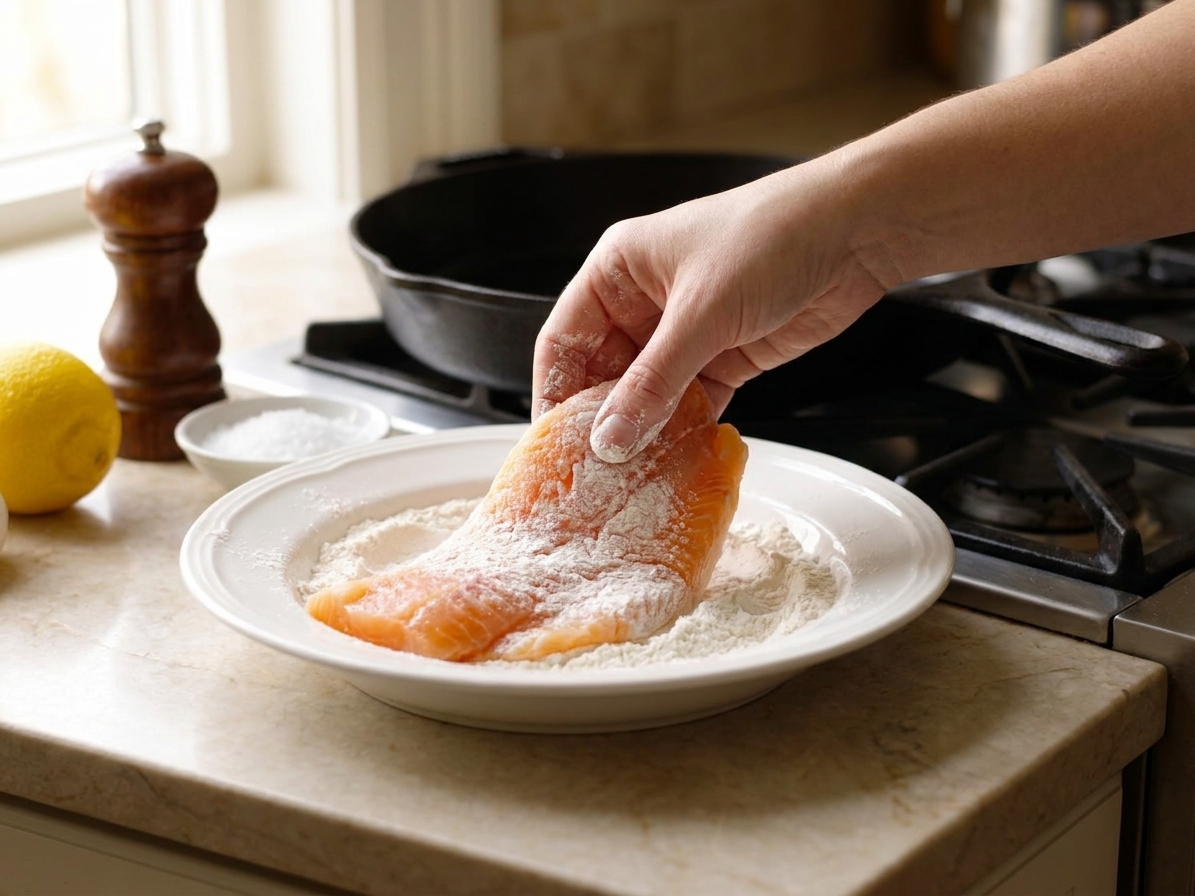
You can skip it entirely, or use cornstarch for a slightly crispier finish. Flour just helps with browning and gives the sauce something to cling to.
What sides go well with this?
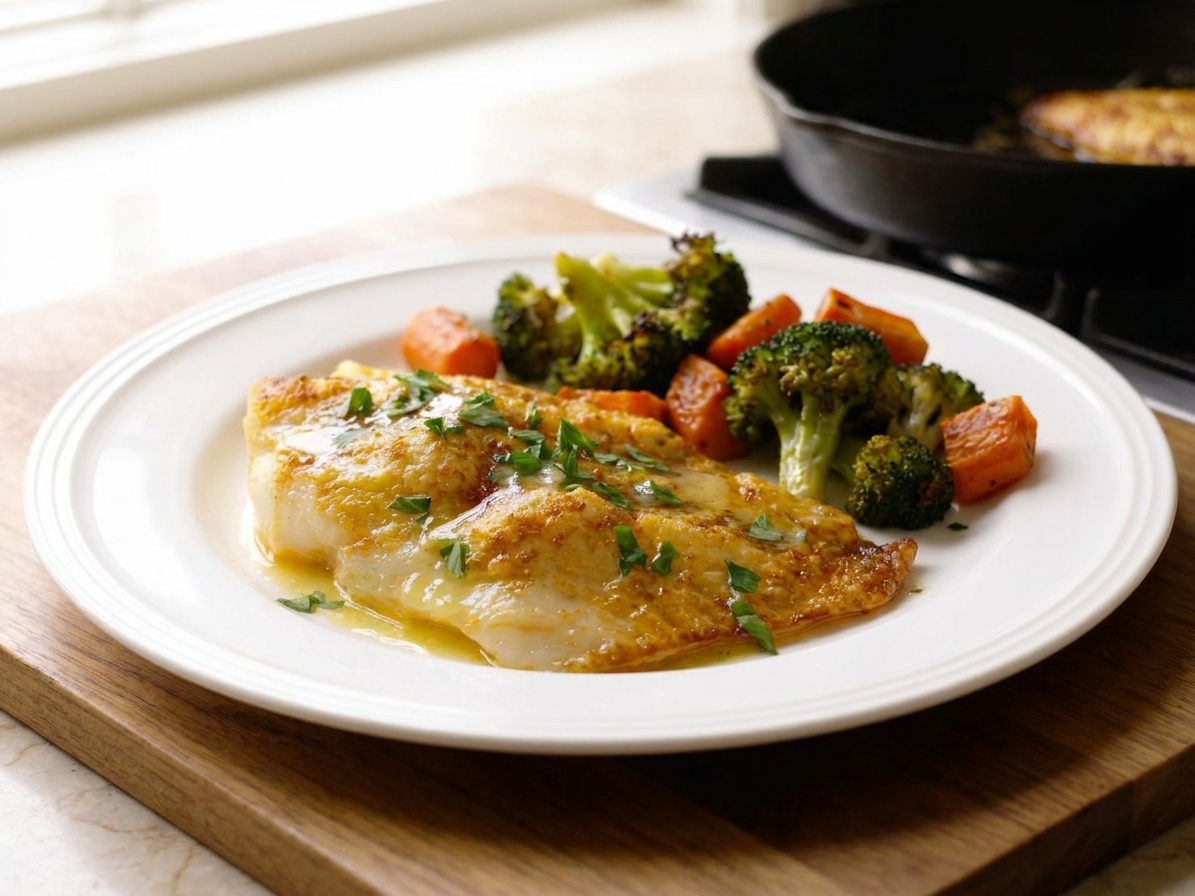
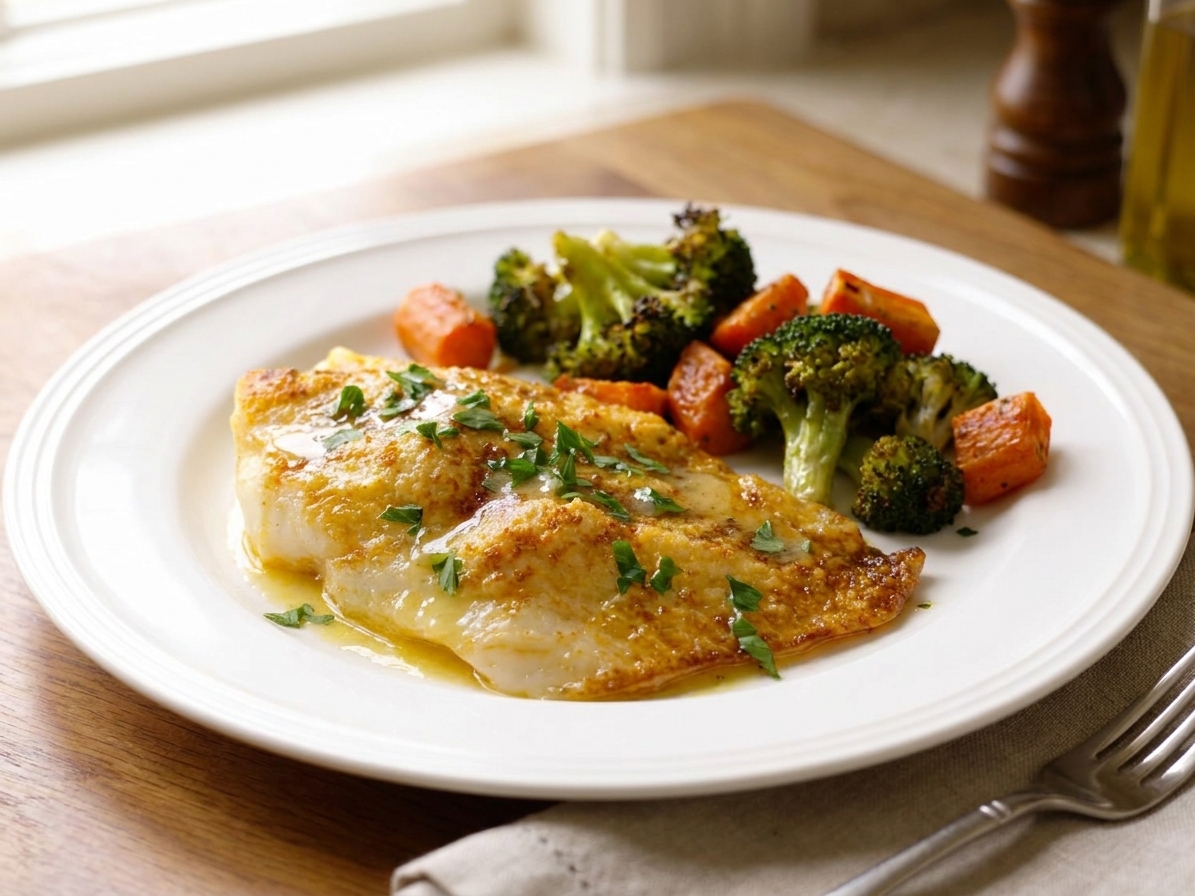
Anything that loves lemon butter. Rice, mashed potatoes, roasted broccoli, asparagus, a simple salad, or buttery noodles all show up strong here.
Any sustainability note?
Orange roughy is a slow-growing deep-sea fish and is often listed as a species of concern. If sustainability is a priority for you, consider swapping in cod, haddock, pollock, or another white fish recommended by your local seafood guide.