Mom's Best Recipes
Recipe

Pan-Seared Rainbow Trout

Crispy skin, tender flakes, and a fast lemon brown butter sauce that tastes restaurant-level with pantry ingredients.

Author By Matt Campbell
4.8
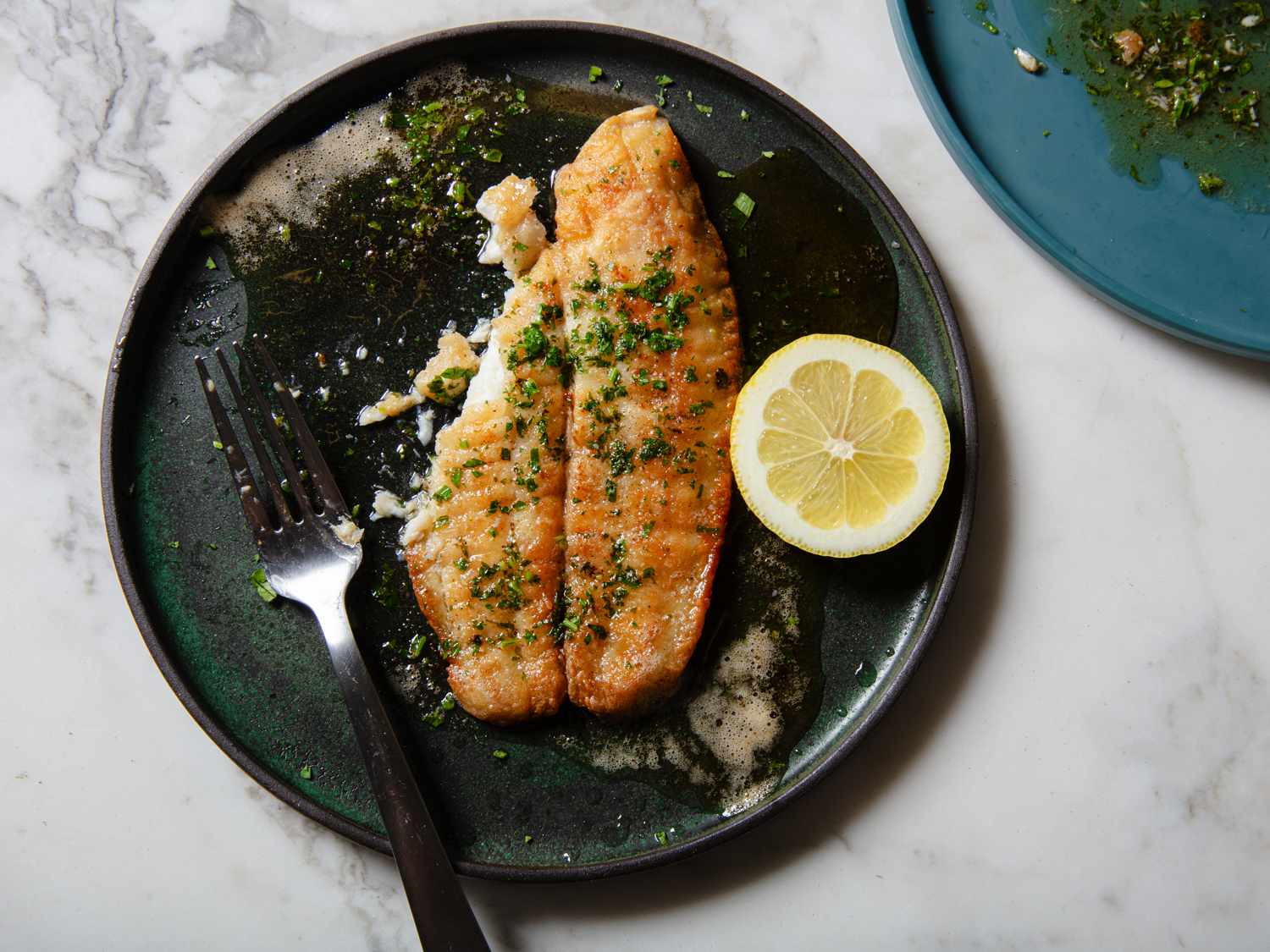
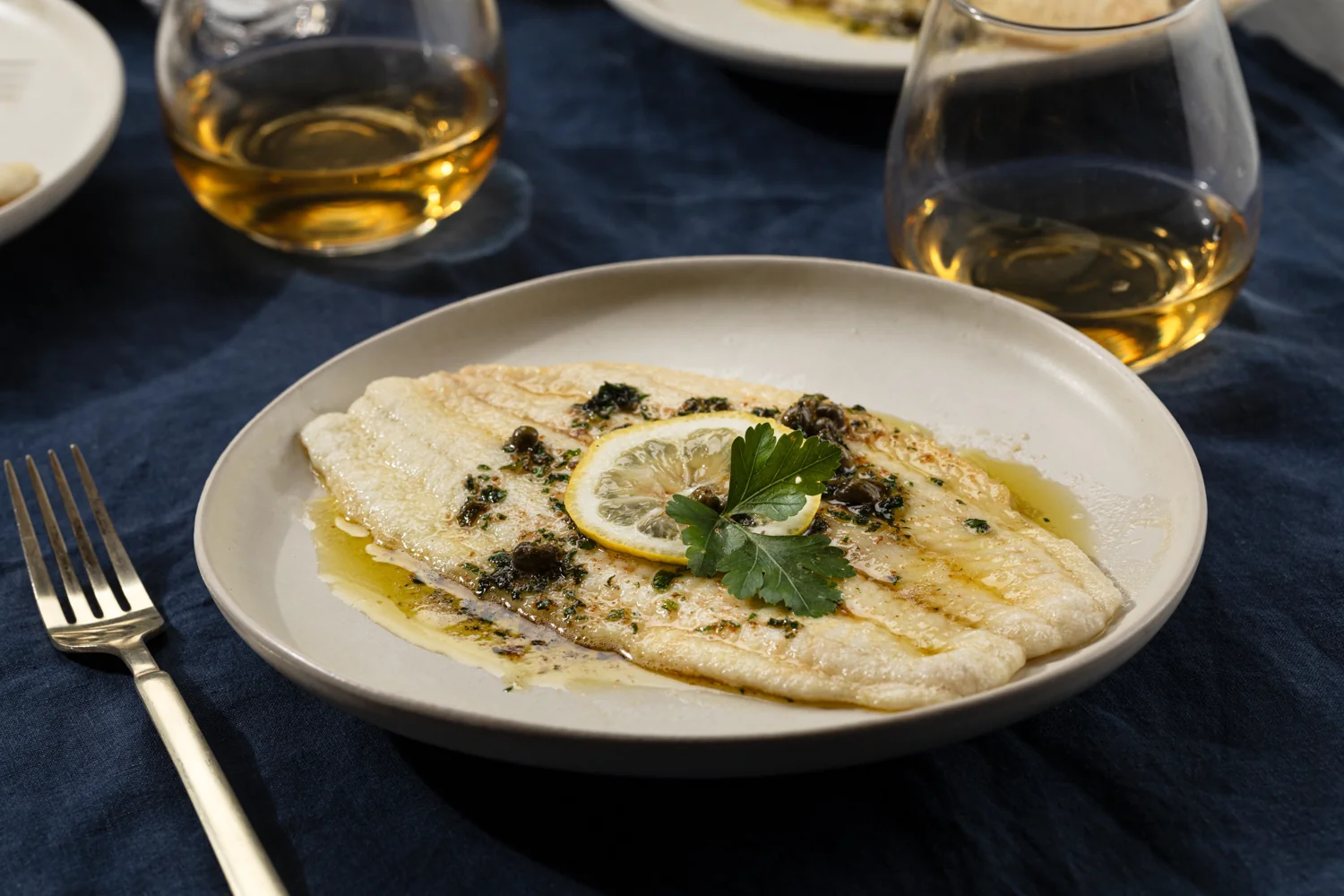
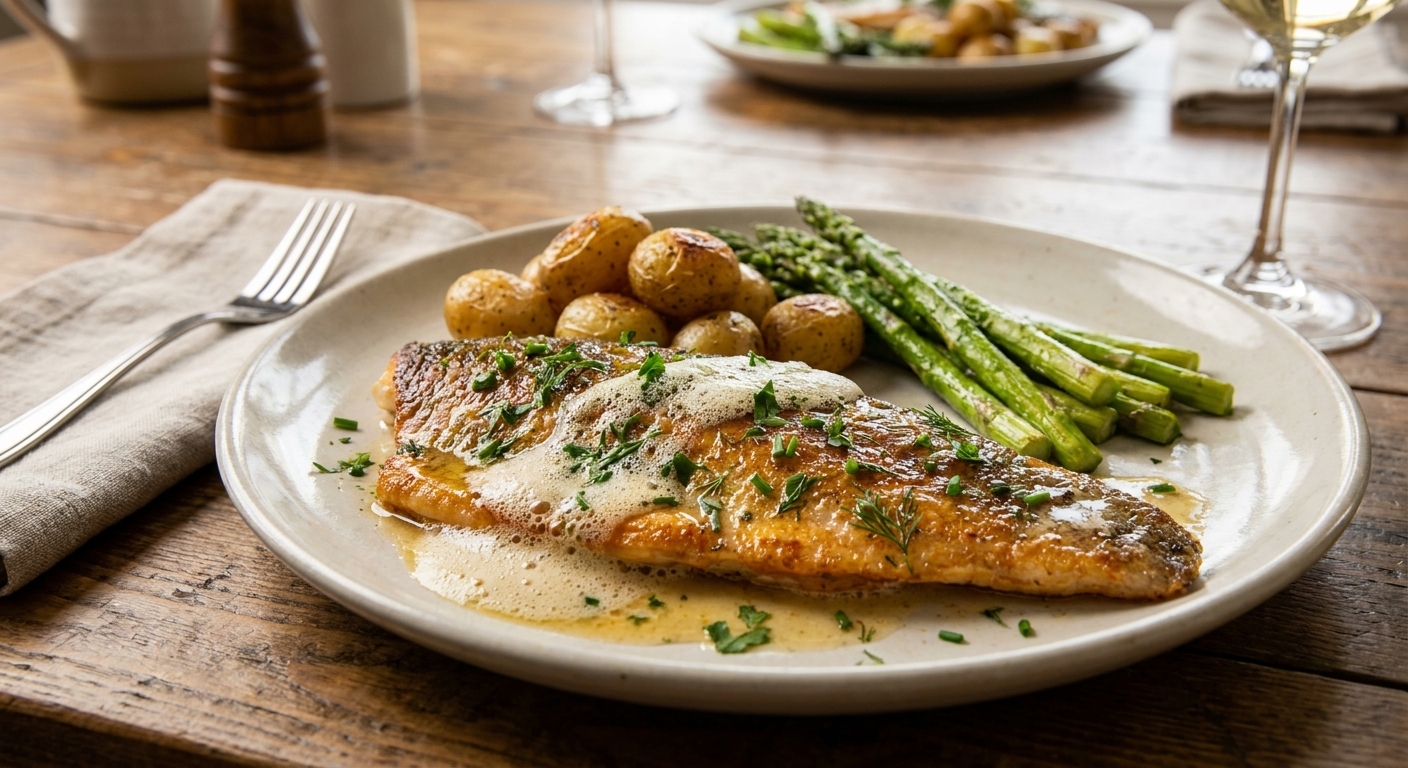
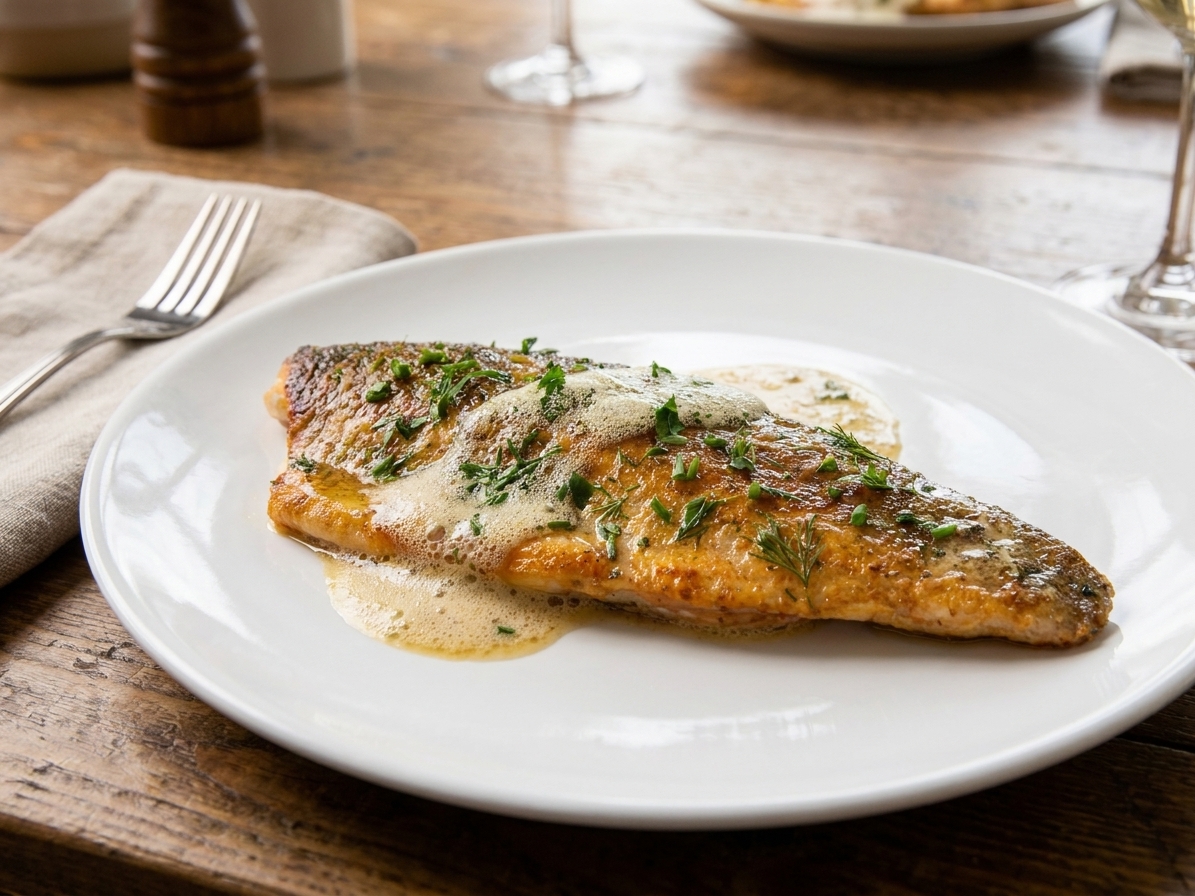
A plated pan-seared rainbow trout fillet with crispy skin, spooned with lemon brown butter and sprinkled with parsley on a simple white dinner plate

Rainbow trout is one of my favorite weeknight flexes because it cooks fast, tastes like you tried harder than you did, and plays nice with whatever is already in your fridge. This version is all about crisp skin, tender fish, and a lemon brown butter moment that makes you pause mid-bite and go, “Okay, wow.”

If you have ever been nervous about cooking fish at home, trout is a great place to start. The fillets are thin enough to cook quickly but forgiving enough that you can still get a beautiful result. We are keeping the ingredient list short, the instructions clear, and the vibes relaxed. Tasting as you go is encouraged.

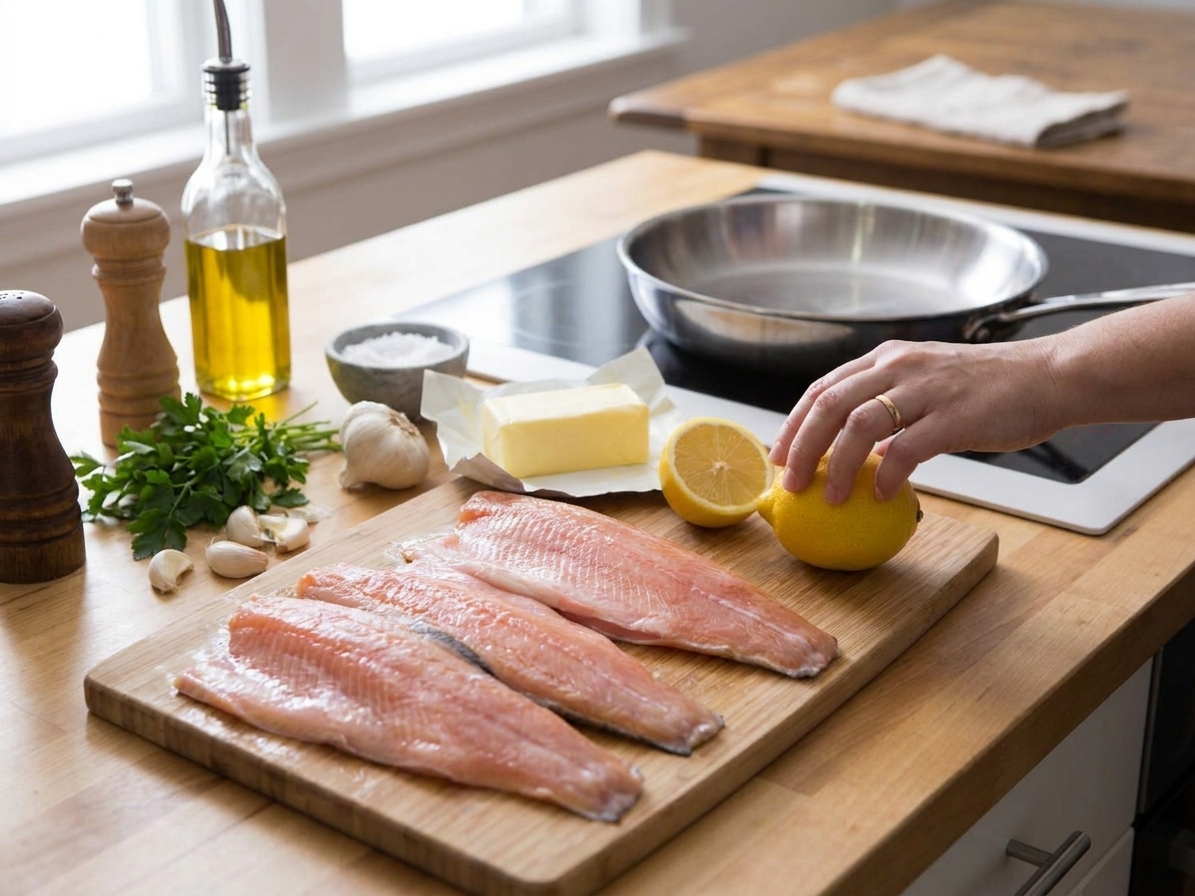
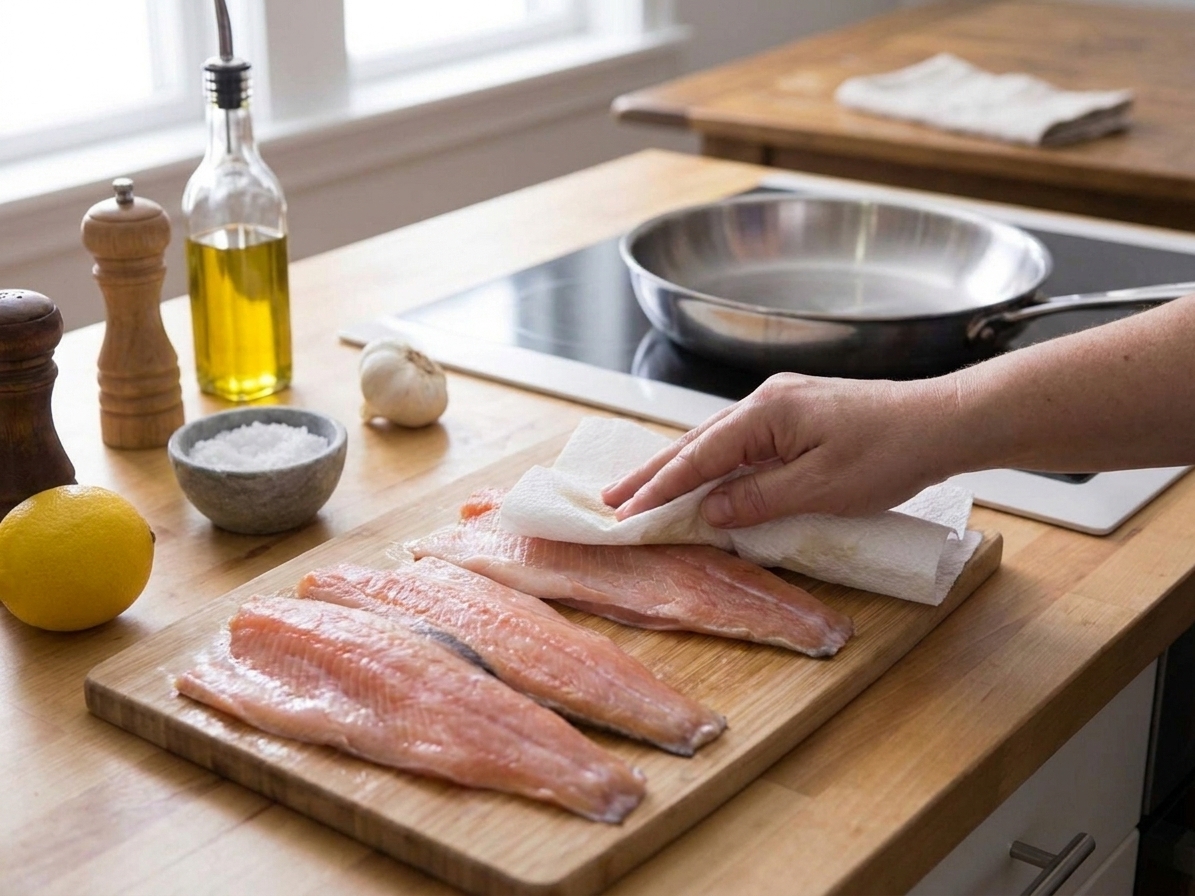
Rainbow trout fillets, butter, lemon, garlic, parsley, salt, pepper, and olive oil arranged on a bright kitchen counter

Why It Works

  • Crispy skin without drama: A dry fillet and a hot pan do most of the work.
  • Bright, cozy sauce: Brown butter gives nutty depth, lemon keeps it lively.
  • Fast timing: Trout cooks in minutes, so dinner can happen before everyone gets hangry.
  • Flexible: Works with fillets or butterflied whole trout, and the sauce loves herbs you already have.

Pairs Well With

Storage Tips

Fridge: Cool leftovers, then store in an airtight container for up to 2 days. Fish is best sooner rather than later.

Reheat: For the best texture, warm gently in a skillet over low heat with a tiny splash of water or a small pat of butter, just until heated through. Microwave works in a pinch, but use 50 percent power and short bursts to avoid drying it out.

Leftover ideas: Flake into a salad with a lemony vinaigrette, tuck into tacos with slaw, or fold into warm rice with herbs and a soft egg.

Freezing: You can freeze cooked trout, but the texture gets a bit softer. If you do, wrap well and freeze up to 1 month. Thaw overnight in the fridge.

Common Questions

Do I need to remove the skin?

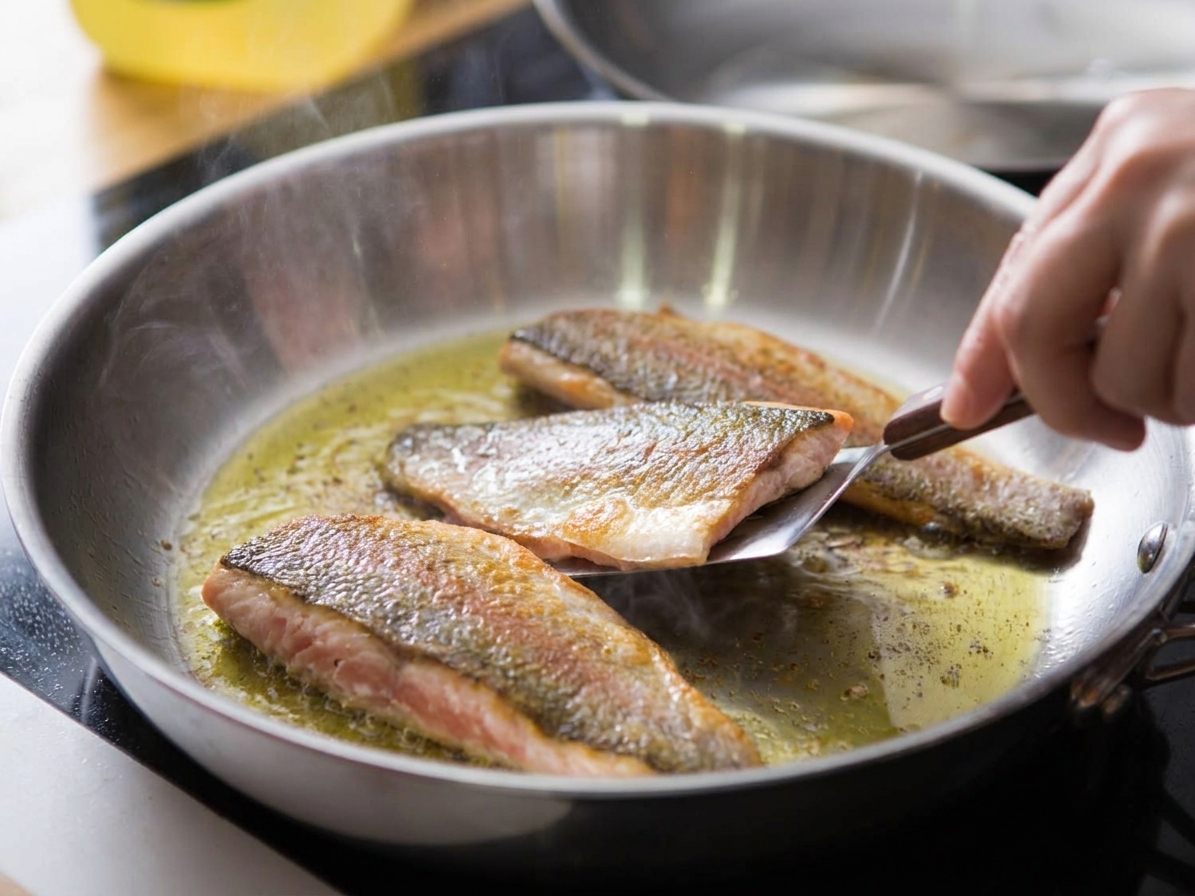
Nope. In fact, the skin is the best part here. When it is properly seared, it turns into a thin, crispy “chip” that protects the fish from drying out. If you truly hate skin, you can remove it after cooking, but at least give crispy skin a fair shot.

How do I know when rainbow trout is done?

Look for flesh that turns opaque and flakes with gentle pressure, with the very center still looking a touch translucent if you like it juicy. For temperature, many food-safety resources list 145°F in the thickest part as the conservative guideline for finfish. For a slightly more tender, restaurant-style result, I often pull trout at 135°F to 140°F and let it rest a minute or two to finish. Use the approach that fits your comfort level.

Can I bake this instead?

Yes. Place trout on a sheet pan, drizzle with oil, season, and bake at 400°F for about 10 to 12 minutes depending on thickness. Make the brown butter sauce on the stove and spoon over at the end. You will miss some of the skin crisp, but it is still delicious.

What is the difference between trout and salmon?

They are related and cook similarly, but trout is often milder and a bit leaner. That means it benefits from quick cooking and a little fat, which is exactly what the butter sauce provides.

My fish stuck to the pan. What happened?

Usually one of three things: the pan was not hot enough, the fish was not dry, or you tried to flip too early. Let it sear until it naturally releases. Also, a thin fish spatula is your best friend. If you are new to this, a nonstick skillet makes the whole process feel way less dramatic.

I originally wanted to go the full culinary degree route, but I ended up chasing the hands-on path instead, the kind where you learn by doing, messing up, and doing it again with better timing. Rainbow trout feels like that lesson on a plate. It is simple, fast, and it rewards the little habits that make a home cook dangerous in the best way: drying your protein, heating the pan properly, and trusting the sear. The first time I nailed crispy trout skin at home, I genuinely felt like I unlocked a new level. Now it is one of my go-to “I want something cozy but not heavy” dinners, especially when I need a win.