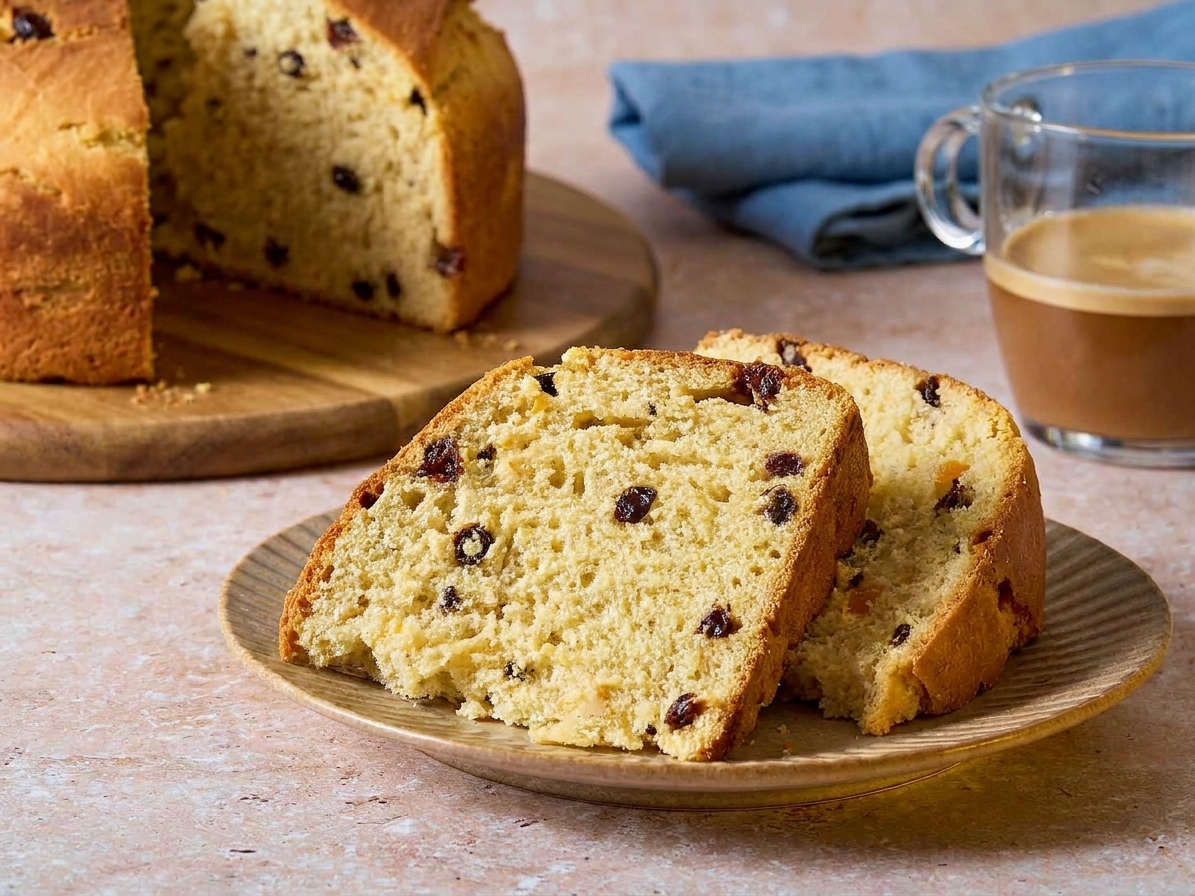
Do I need a panettone mold?
It helps, but you have options. A paper panettone mold is easiest. Look for a 6 inch mold that is labeled about 1 lb / 500 g capacity. You can also use a tall 6 to 7 inch (15 to 18 cm) round cake pan lined with parchment that extends several inches above the rim to support the rise.
Do I really have to hang it upside down to cool?
Traditional panettone is cooled inverted so the delicate crumb does not compress as it cools. This simplified dough is sturdier than many bakery formulas, so it often cools upright just fine. That said, if you want maximum height and the best chance of a lofty, shreddy crumb, use the optional skewer-and-hang method in the final step. It is easy and very reassuring.
Why is my panettone dense?
Most often: the dough needed more kneading (gluten not developed), more rise time (dough was not airy enough before baking), or your kitchen was cool. Aim for a dough that becomes smooth, elastic, and slightly glossy, and let it rise until truly puffy, not just “a little bigger.” If you are unsure, do a quick windowpane test: stretch a small piece of dough thin enough to let light through without tearing.
Can I make it without dried fruit?
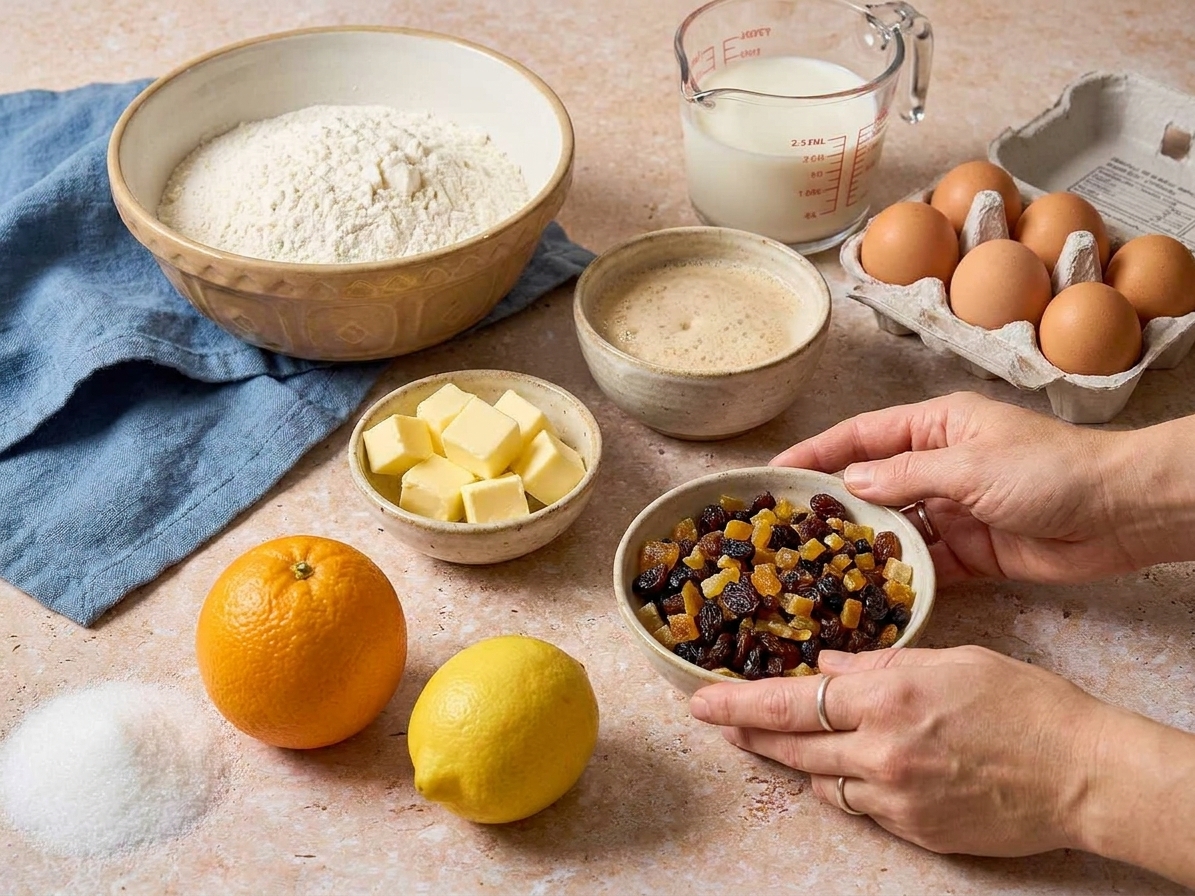
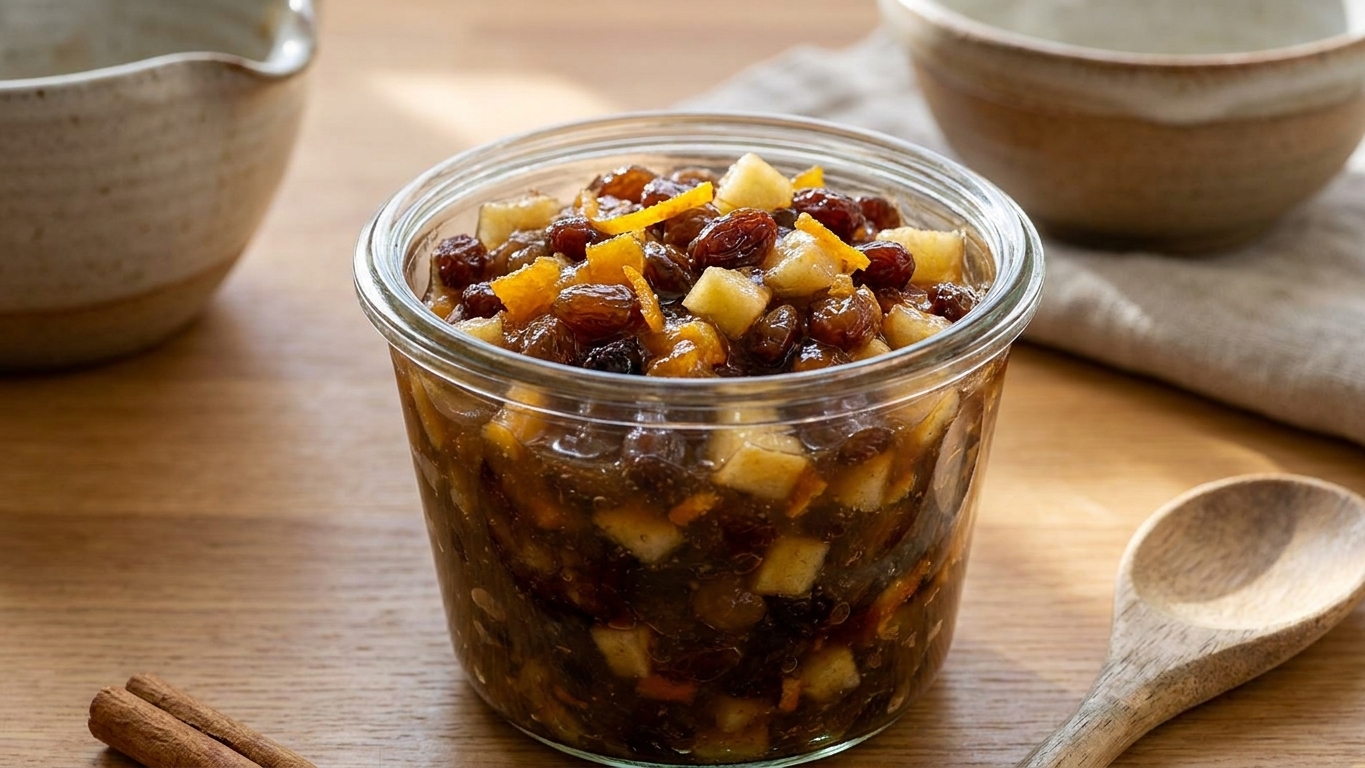
Yes. Swap the fruit for chocolate chips, chopped toasted nuts, or just leave it plain and lean into the citrus and vanilla.
How do I know it is baked through?
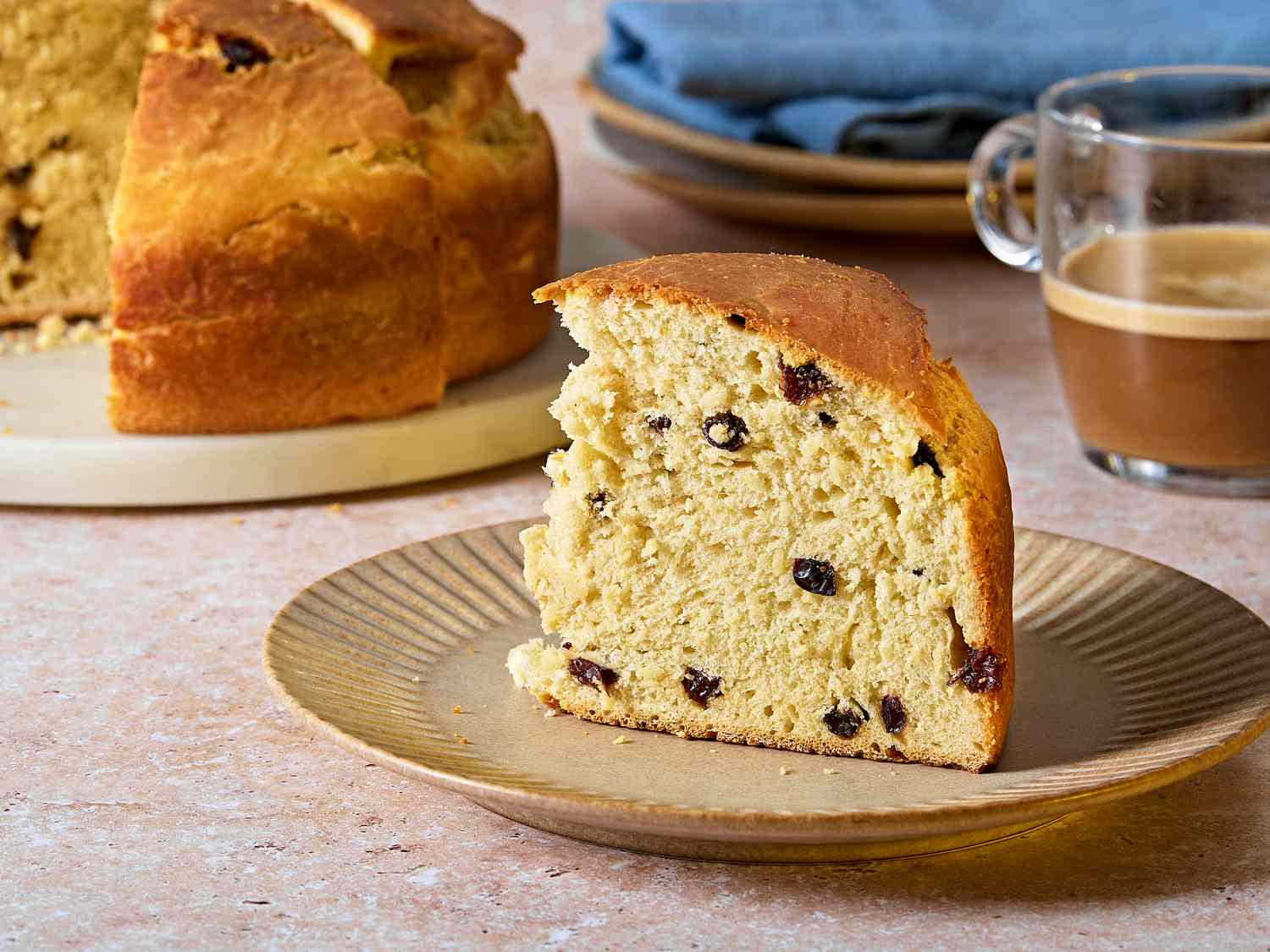
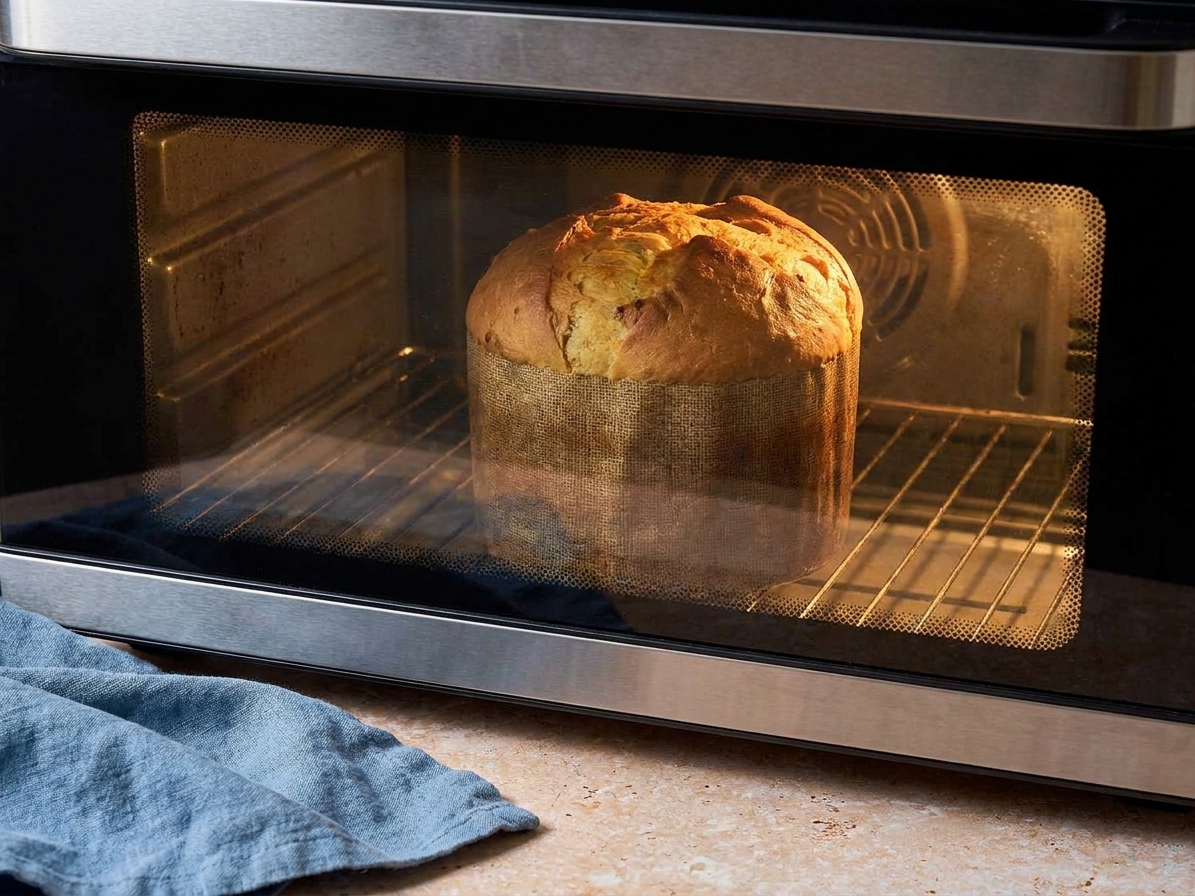
The top should be deep golden brown and a thermometer in the center should read 195 to 200°F. If the top darkens too fast, tent with foil and keep baking.
Can I do an overnight rise?
Yes. After the first rise, gently deflate the dough (do not aggressively punch), cover tightly, and refrigerate overnight. Let the dough sit at room temp for 60 to 90 minutes before shaping so it becomes workable again.
What if I only have instant yeast?
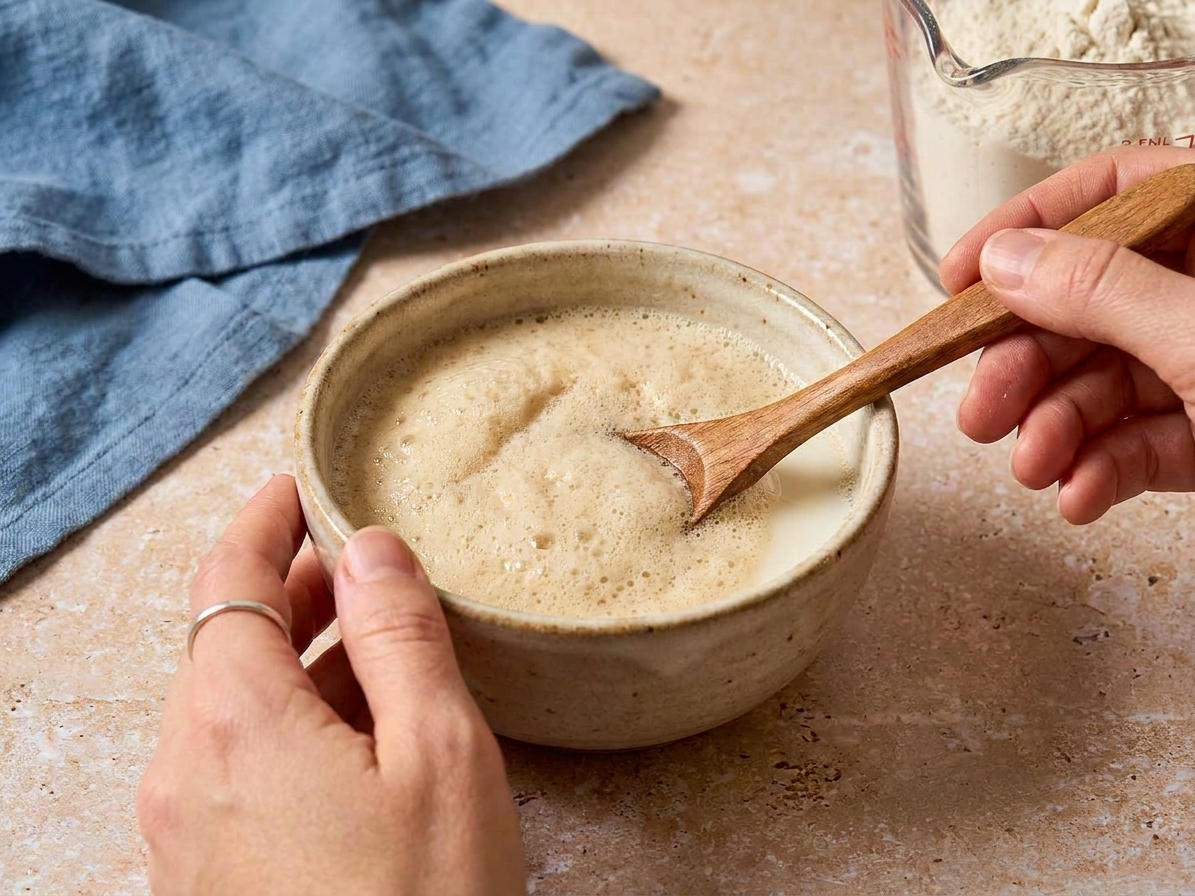
You can use instant yeast in the same amount. You can skip the blooming step and mix it right into the dry ingredients, but blooming is still fine if you want the reassurance.