Mom's Best Recipes
Recipe

Easy Peanut Clusters

Three main ingredients plus a pinch of salt, one bowl, and the kind of sweet-salty crunch that disappears suspiciously fast.

Author By Matt Campbell
4.8
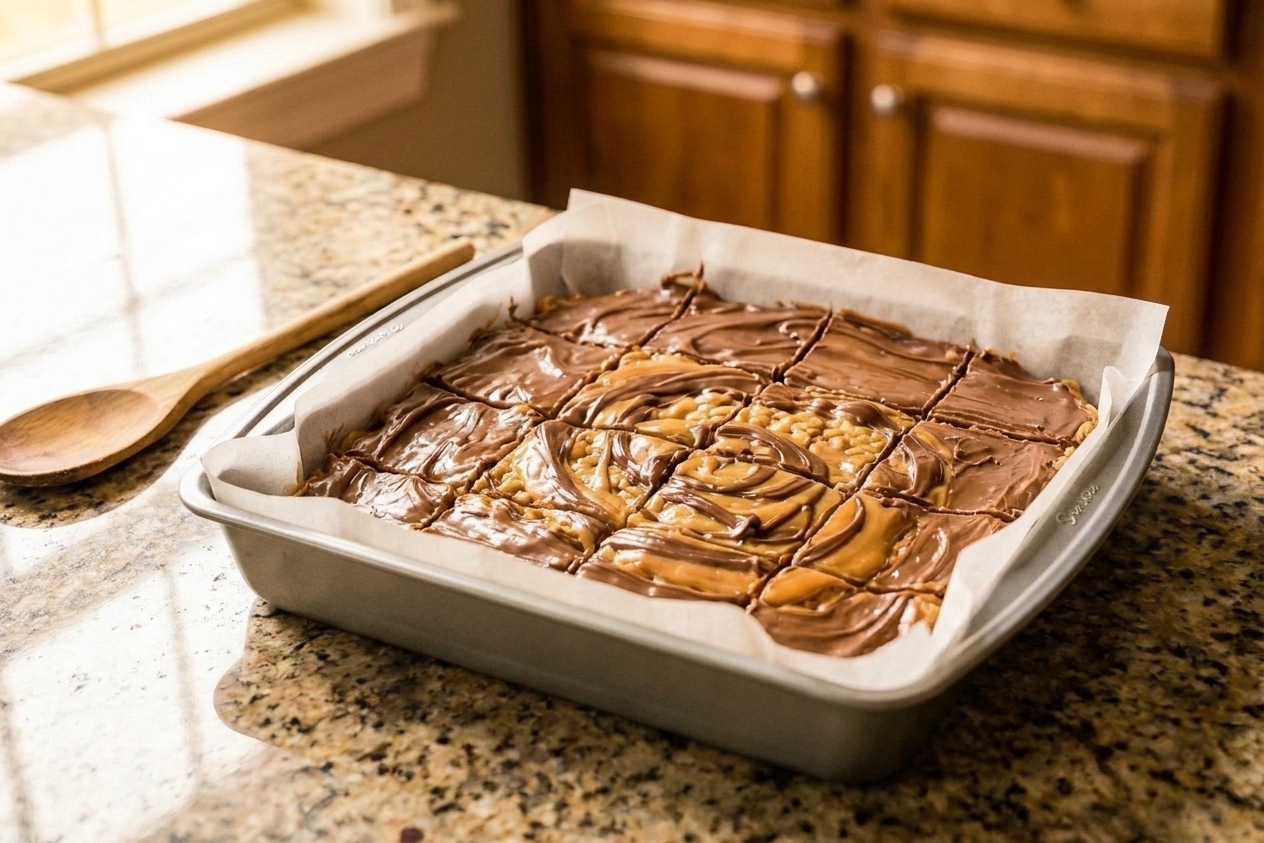
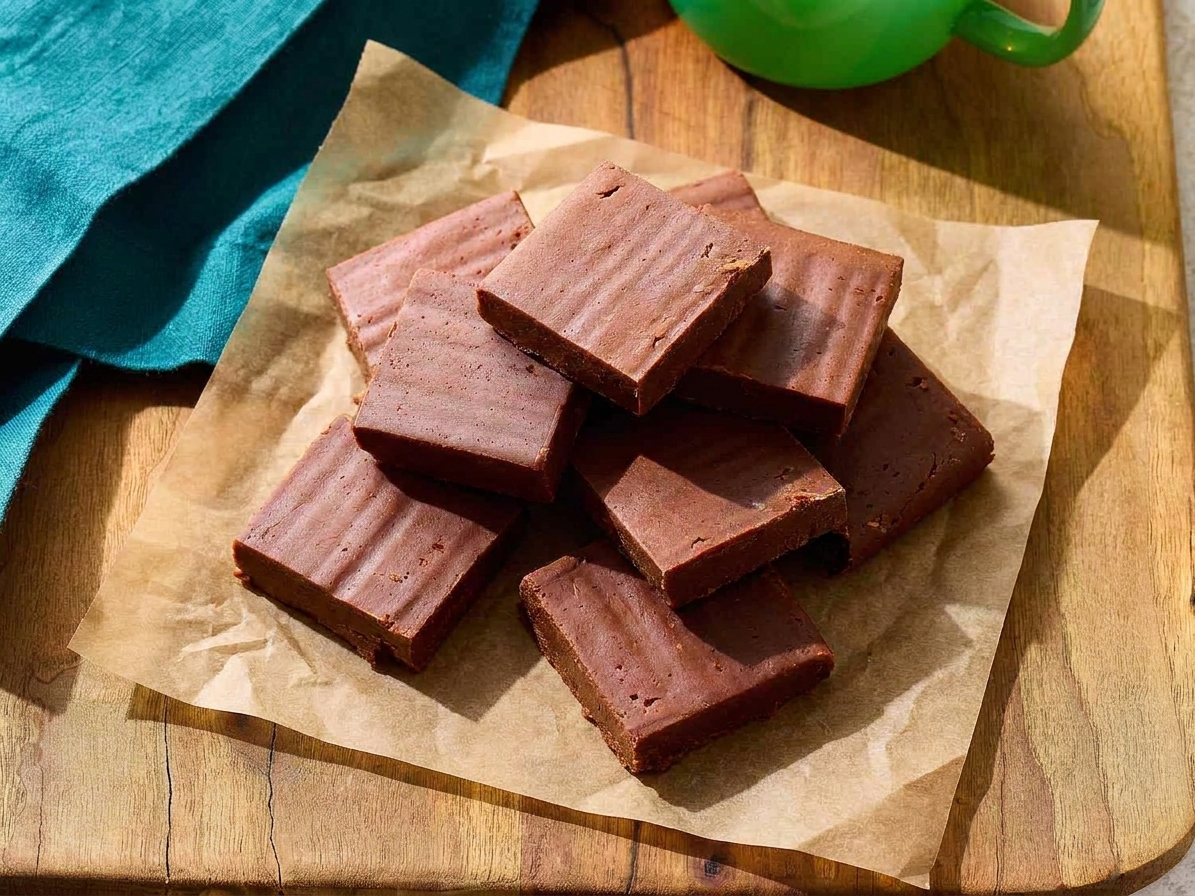
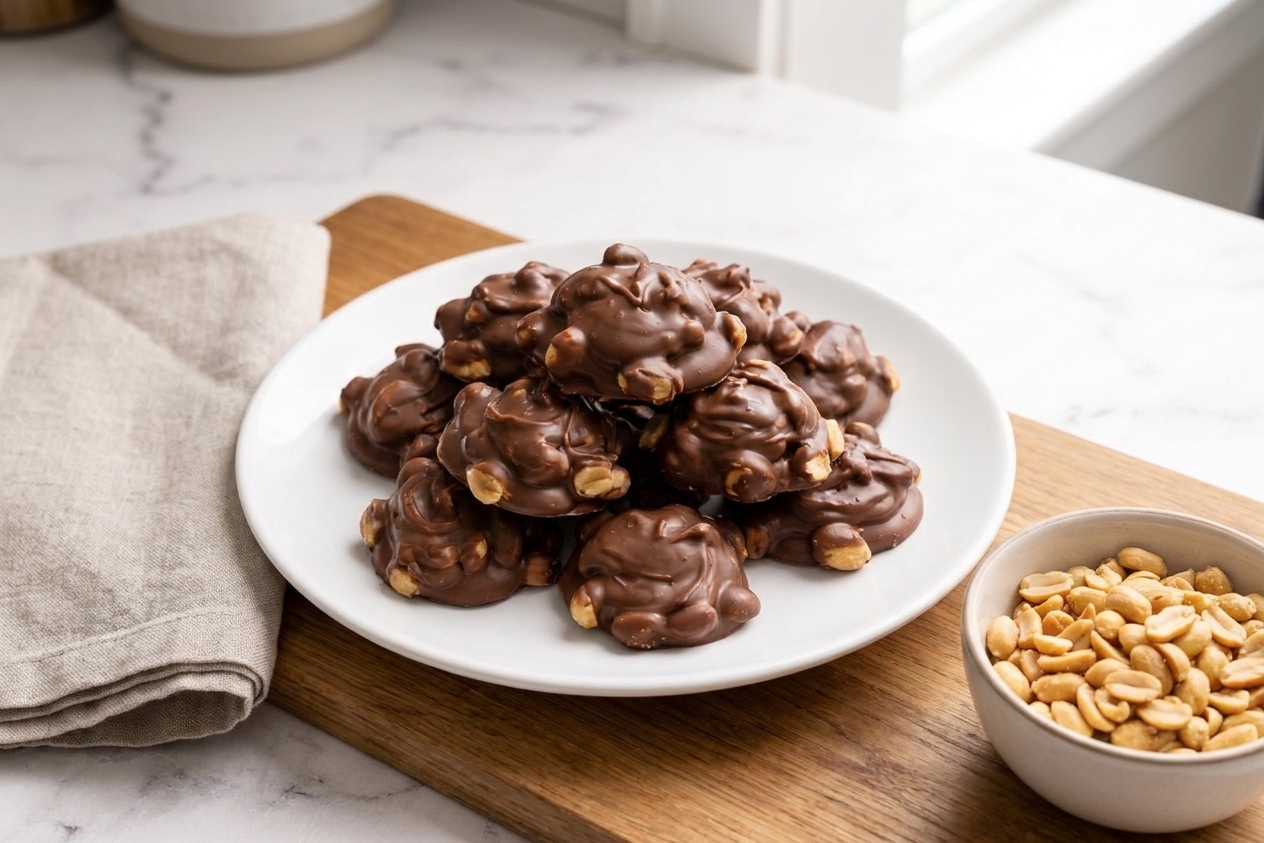
A plate piled with glossy chocolate peanut clusters on a light kitchen table, with a small bowl of peanuts and a folded linen napkin nearby

Peanut clusters are my favorite kind of “I need a treat in 20 minutes” recipe. To be precise, it is about 20 minutes hands-on, plus a little setting time while you pretend you are not hovering over the pan.

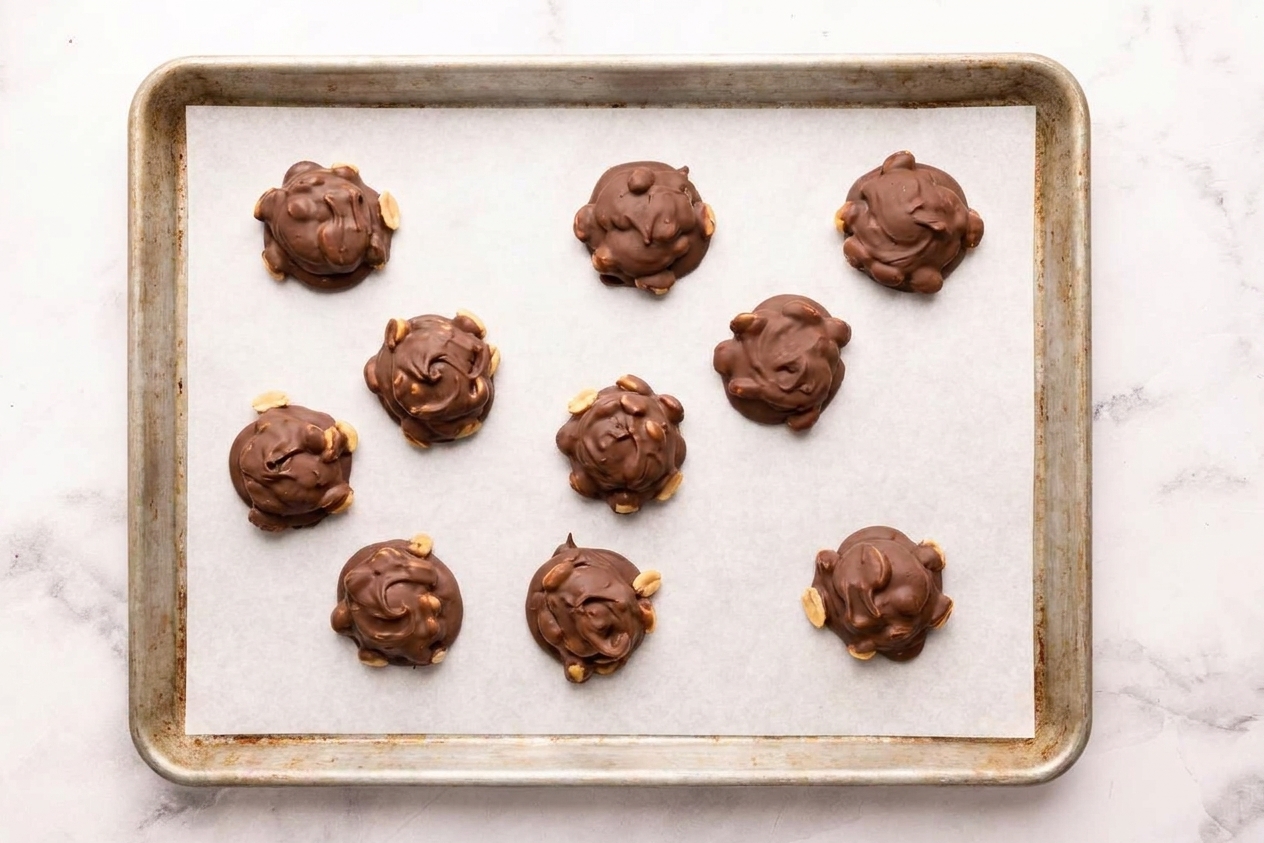
No baking, no thermometer, no drama. Just crunchy peanuts hugged by melted chocolate, set into little mounds that turn firm once cooled. If you want a more dramatic snap, use melting wafers or tempered chocolate. (We are not doing science today, but you absolutely can.)

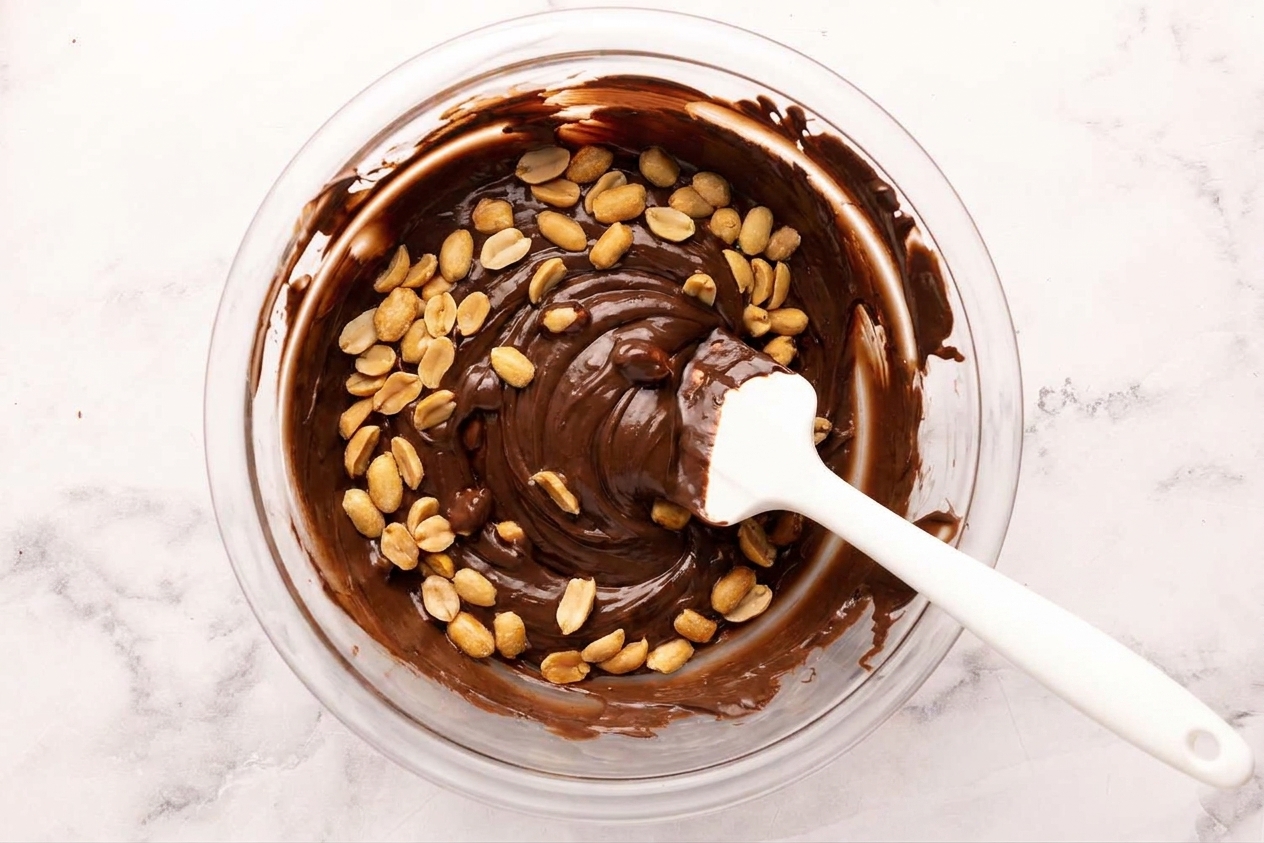
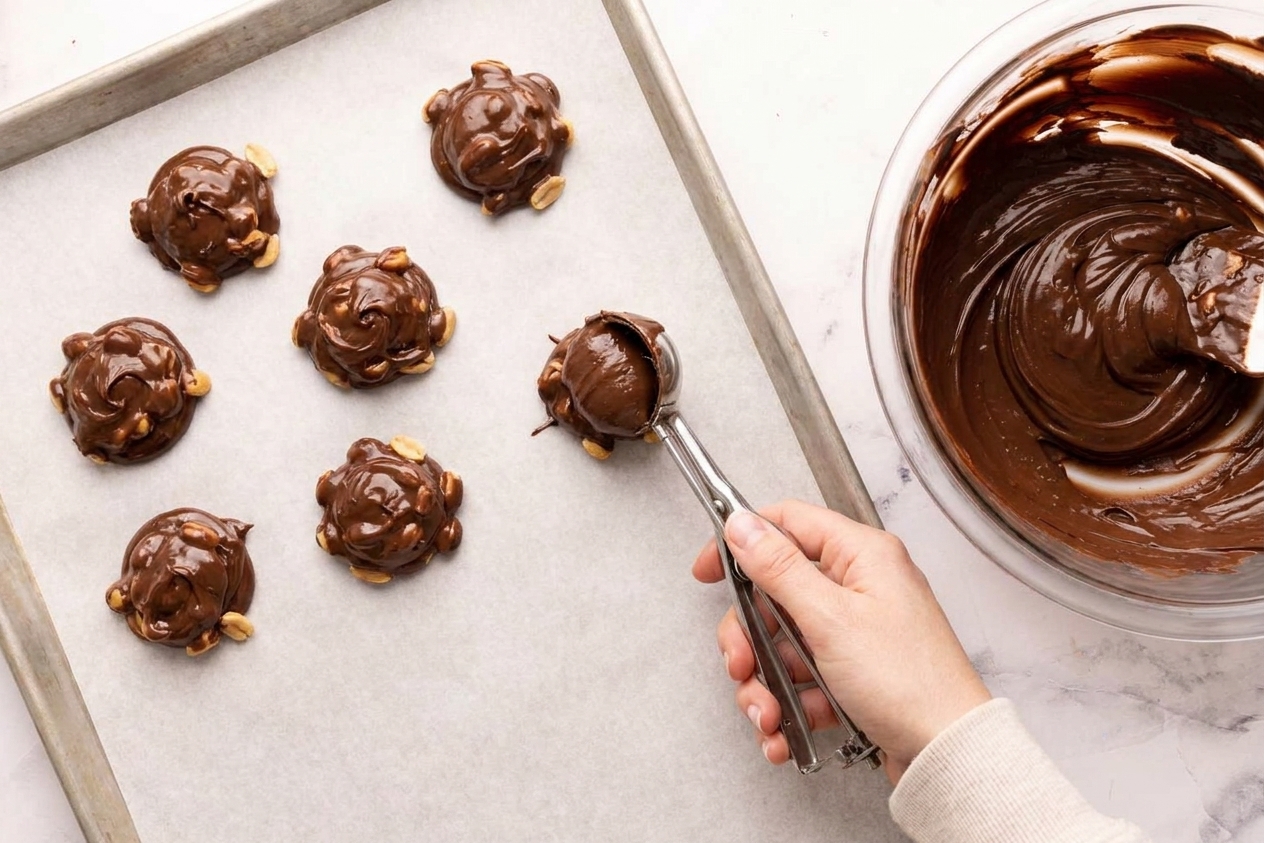
Here’s the tiny trick that makes them easier to scoop and prettier on the pan: rest the mixture for a minute before you portion it. It is not real tempering, but it does help the chocolate cool slightly so your clusters hold their shape and look less like they melted into each other at a middle school dance.
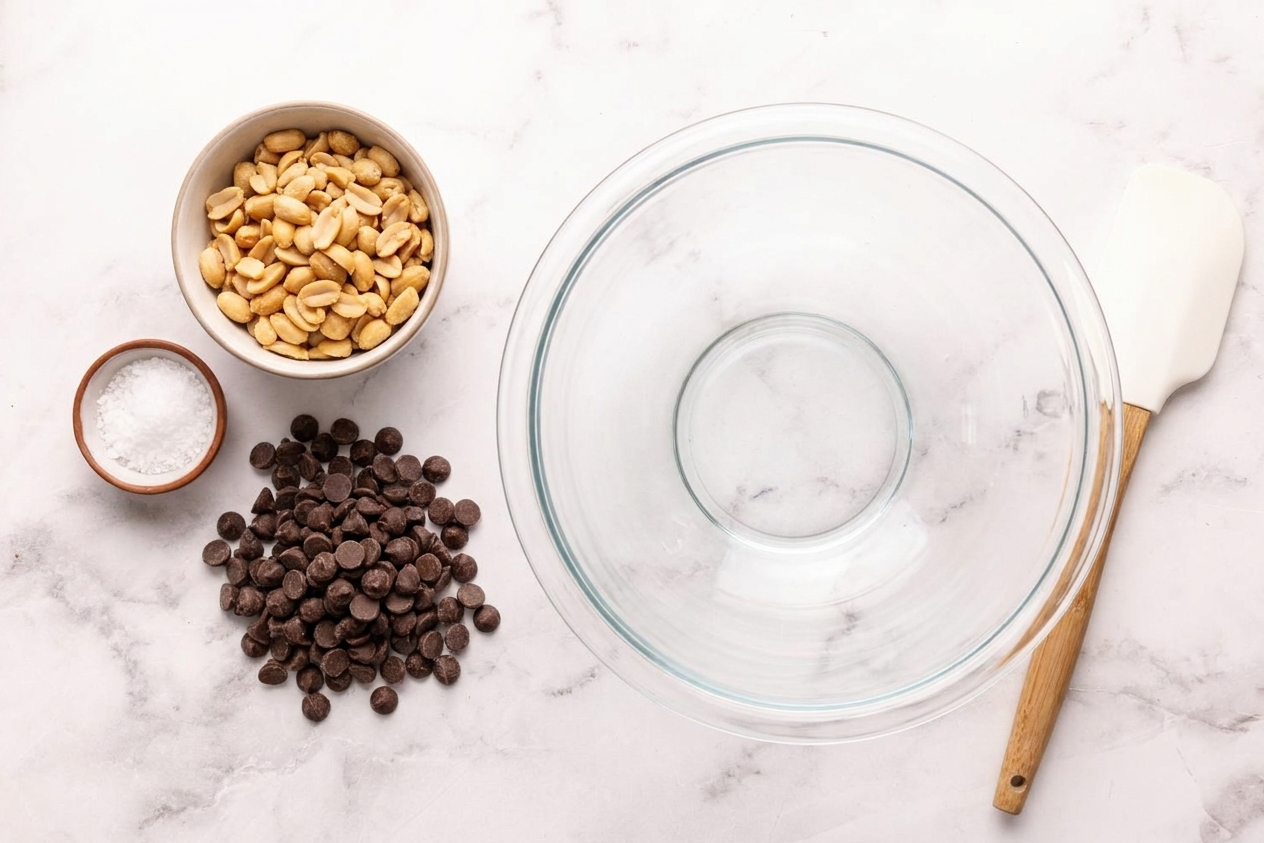
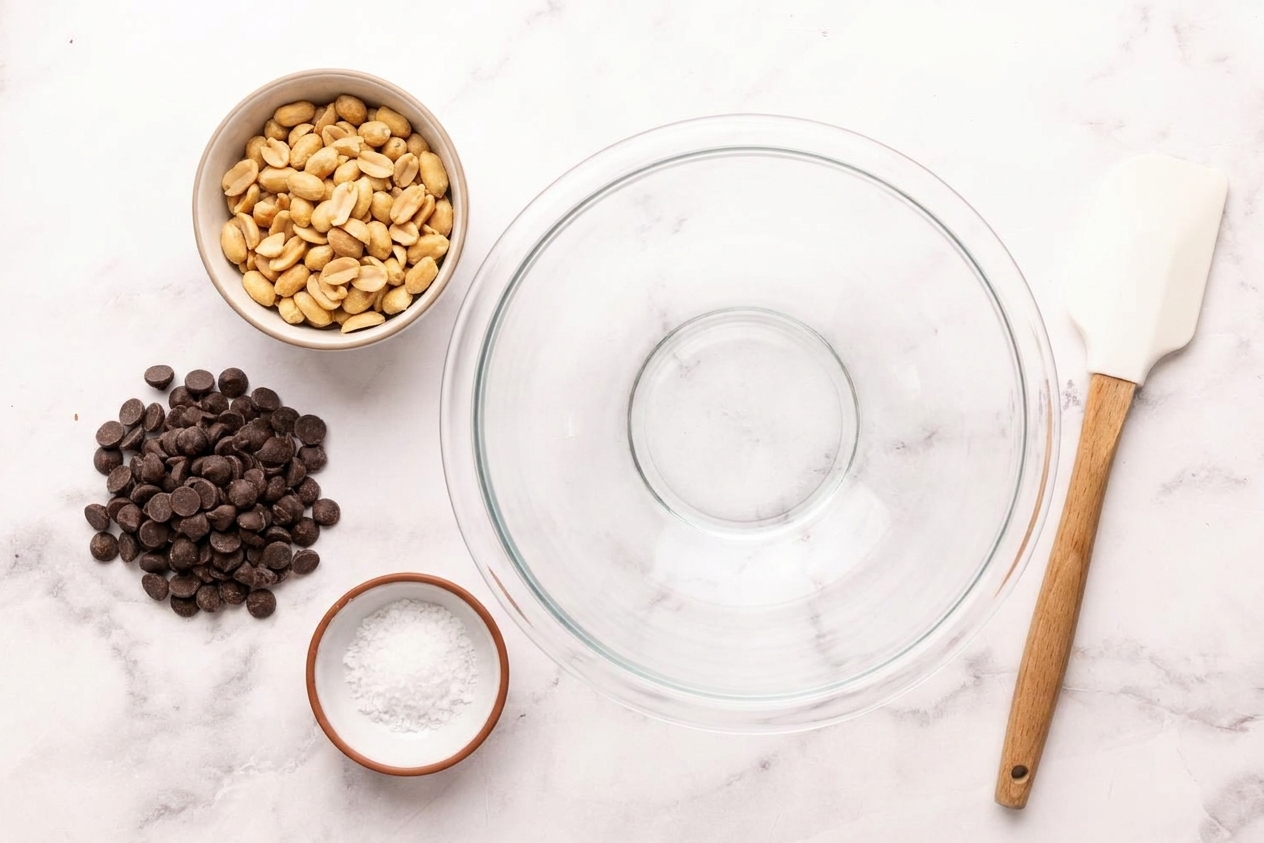
Peanuts and chocolate chips measured on a kitchen counter beside a mixing bowl and spatula

Why It Works

  • Big crunch: Roasted peanuts stay crisp, and the clusters set up firm once cooled.
  • Sweet-salty balance: A pinch of salt keeps the clusters from tasting flat.
  • Make-ahead friendly: Great for cookie trays, lunchbox treats, and low-effort gifts.
  • Flexible: Use milk, semi-sweet, or dark chocolate, and swap in mixed nuts if you want.

Pairs Well With

Storage Tips

Room temperature

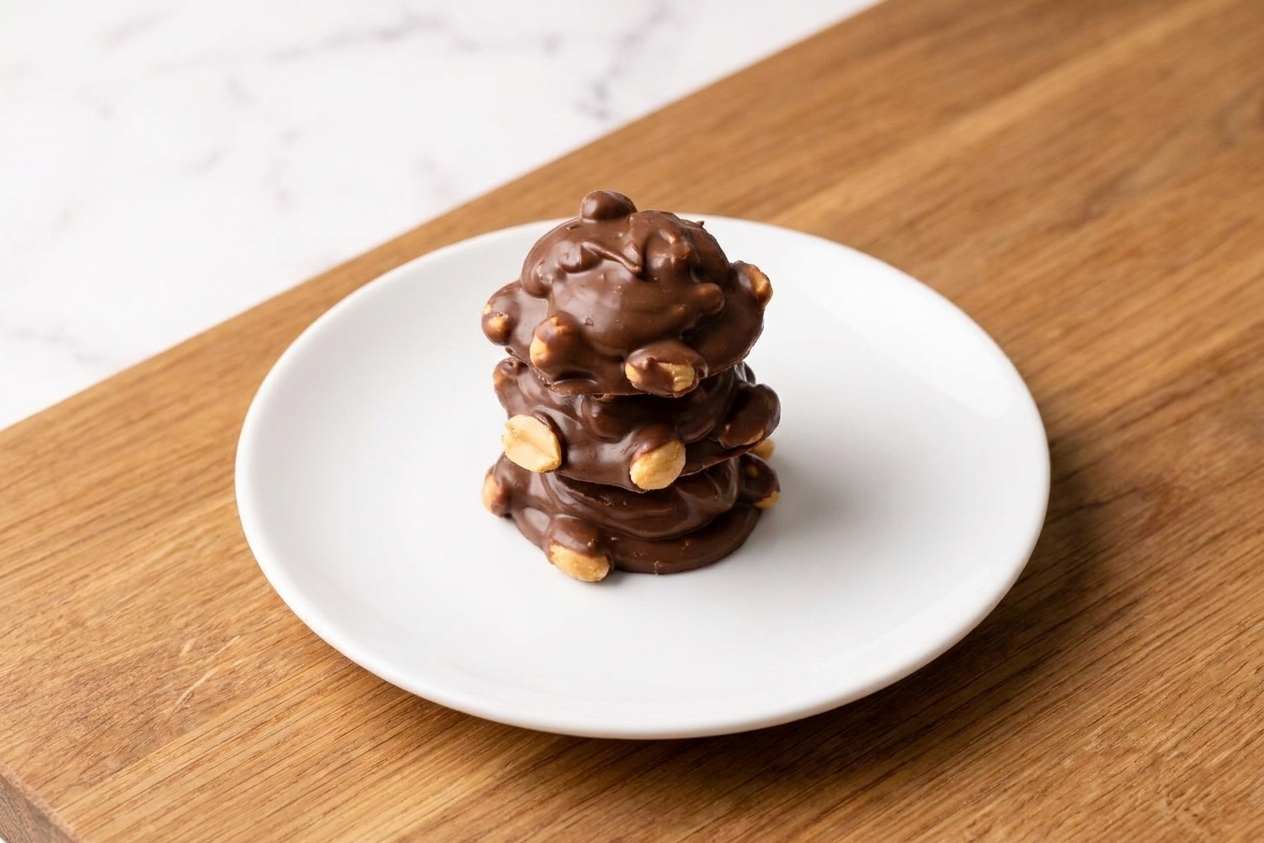
Store peanut clusters in an airtight container in a cool, dry spot for up to 1 week for best quality. Warm or humid kitchens can soften the chocolate or cause light bloom, so use the fridge if needed.

Refrigerator

If your kitchen runs warm, refrigerate in an airtight container for up to 2 weeks for best quality. Let clusters sit at room temp for 10 minutes before serving for the best texture.

Freezer

Freeze in a zip-top bag or container (parchment between layers) for up to 2 months for best quality. Thaw in the fridge overnight or on the counter for about 30 minutes.

Tip: If condensation forms while thawing, leave the lid slightly ajar for a few minutes so moisture does not make the chocolate look spotty. It is cosmetic and still perfectly fine to eat.

Common Questions

What kind of chocolate works best?

Melting wafers are the easiest and set reliably with a firmer finish. If you are using regular chocolate chips or chopped chocolate, they will still work, but chips are made to hold their shape, so the set can be a little softer and less snappy. For the firmest, glossiest results, use wafers or temper couverture chocolate.

Can I use salted peanuts?

Yes. If your peanuts are already salted, reduce the added salt to a tiny pinch or skip it and just sprinkle flaky salt on top if you want the vibe.

Why are my clusters soft or not setting?

  • Your room is warm or humid. Move them to the fridge for 15 to 20 minutes.
  • Too much added fat. Stick to the small amount listed. It helps the chocolate melt smoothly but can make the set softer if you overdo it.
  • Chocolate got overheated. Microwave in short bursts and stir a lot.

Can I make peanut clusters without a microwave?

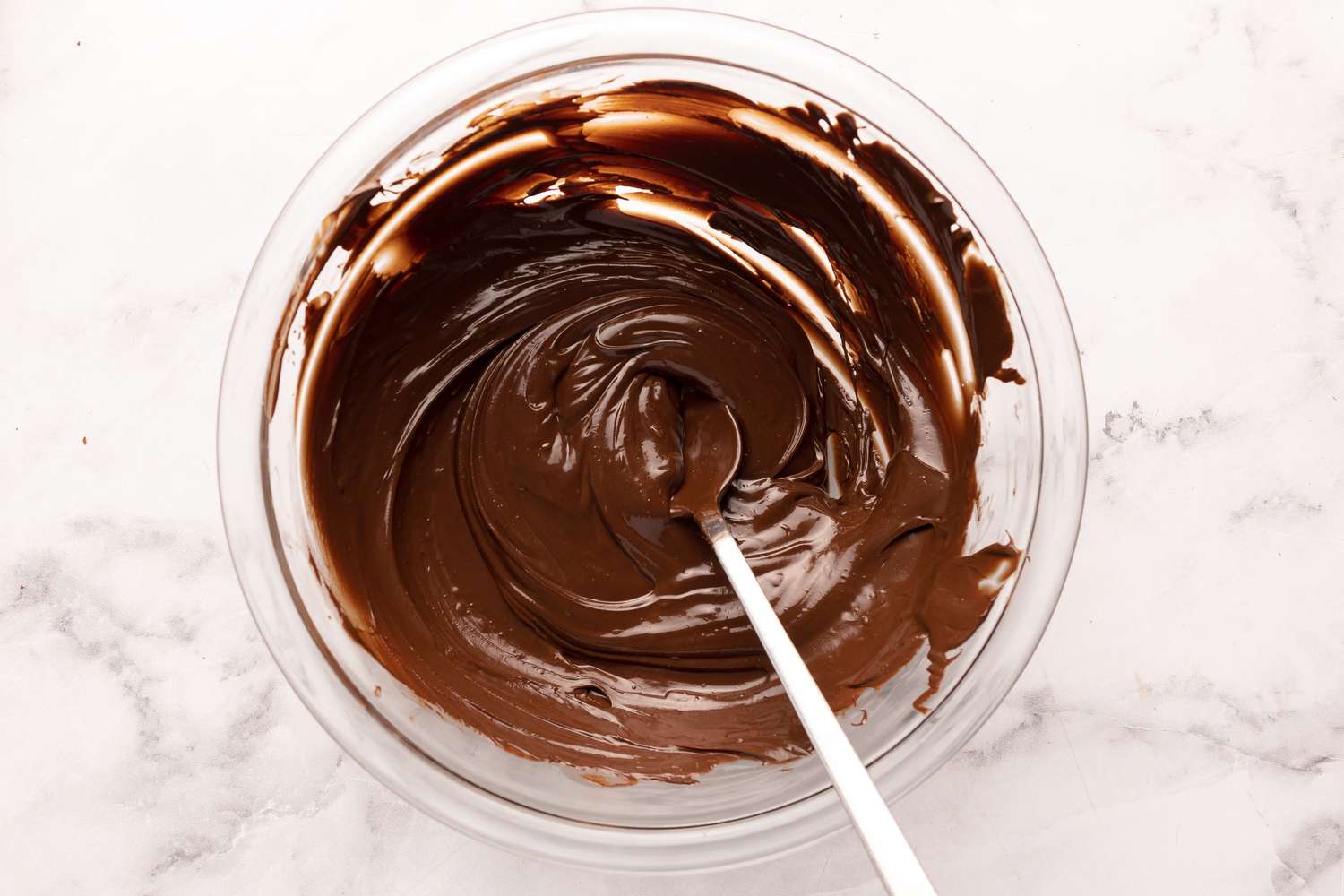
Absolutely. Use a heatproof bowl over a pot of barely simmering water (double boiler). Keep the bowl dry and stir until smooth.

Why do they sometimes look spotty or streaky after chilling?

That is usually chocolate bloom or a little condensation, especially after the fridge or freezer. It is cosmetic and still totally fine to eat.

How do I make them look neat and uniform?

Use a small cookie scoop (about 1 tablespoon). It is the easiest way to get matching clusters that set into clean little mounds.

I started making peanut clusters when I was chasing practical kitchen skills instead of spending my life hunting down specialty ingredients. This is the kind of recipe that teaches you the real stuff: how to melt chocolate without scorching it, how to season sweets so they pop, and how to work clean and fast before everything sets up. Also, it is the kind of candy you can “test” five times and still call it quality control.