Mom's Best Recipes
Recipe

Marshmallow Fluff Fudge

Classic chocolate fudge made with marshmallow fluff for that ultra-creamy, melt-in-your-mouth texture, with simple pantry ingredients and no candy thermometer required (but optional if you want extra confidence).

Author By Matt Campbell
4.8
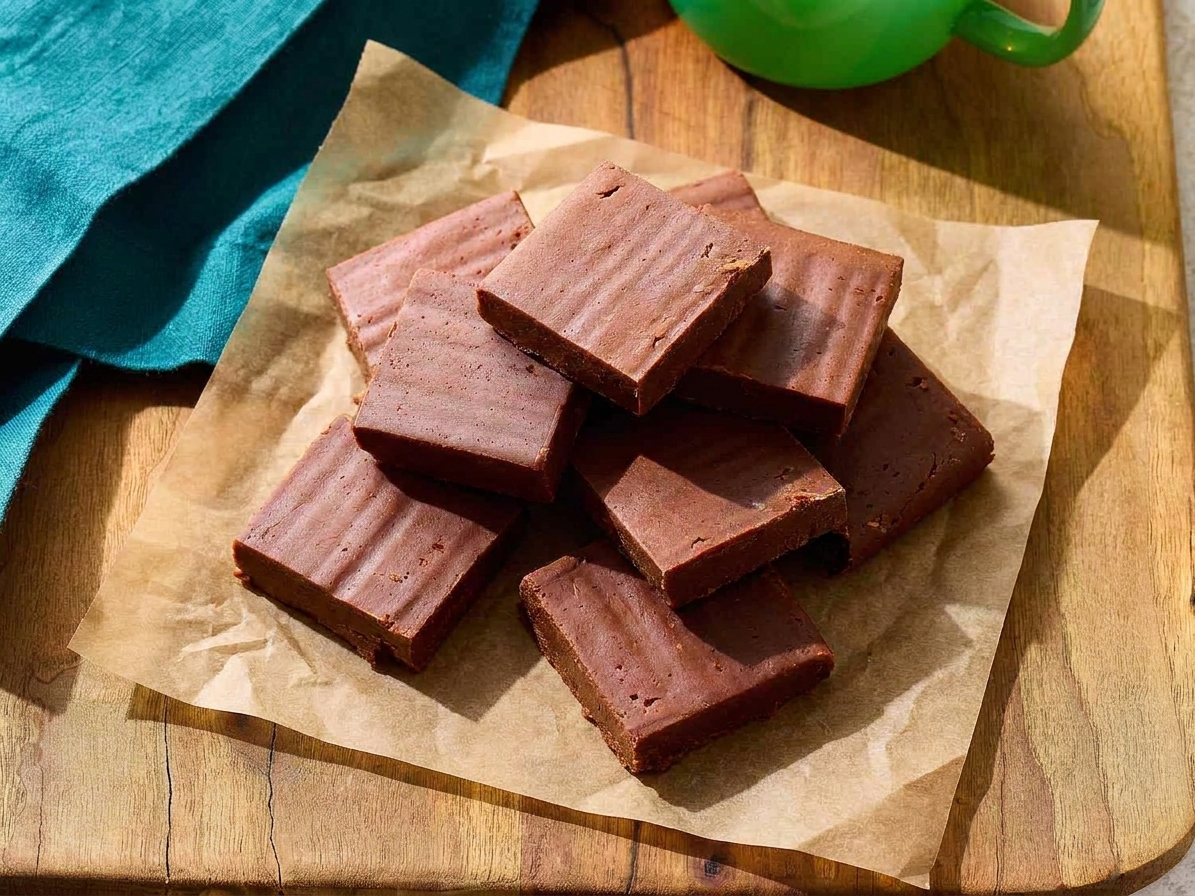
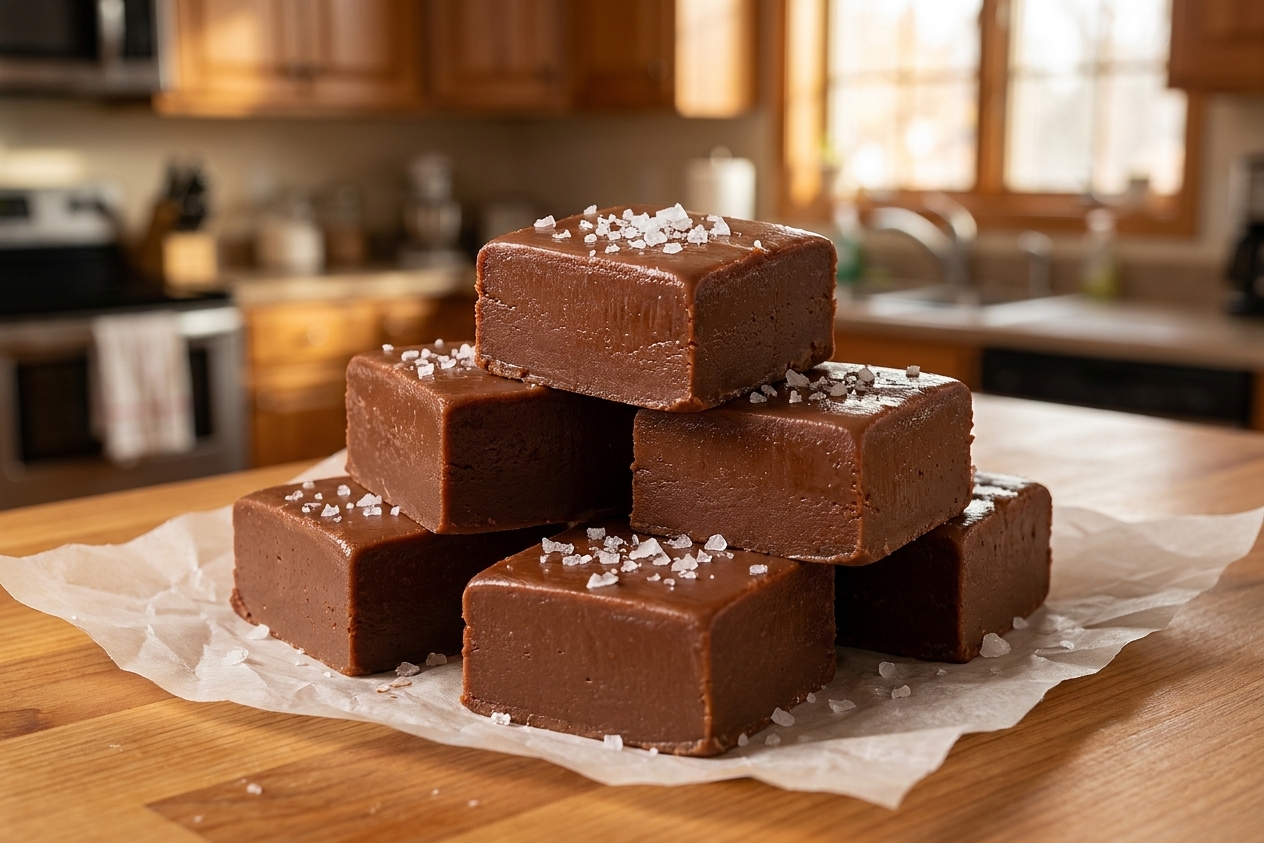
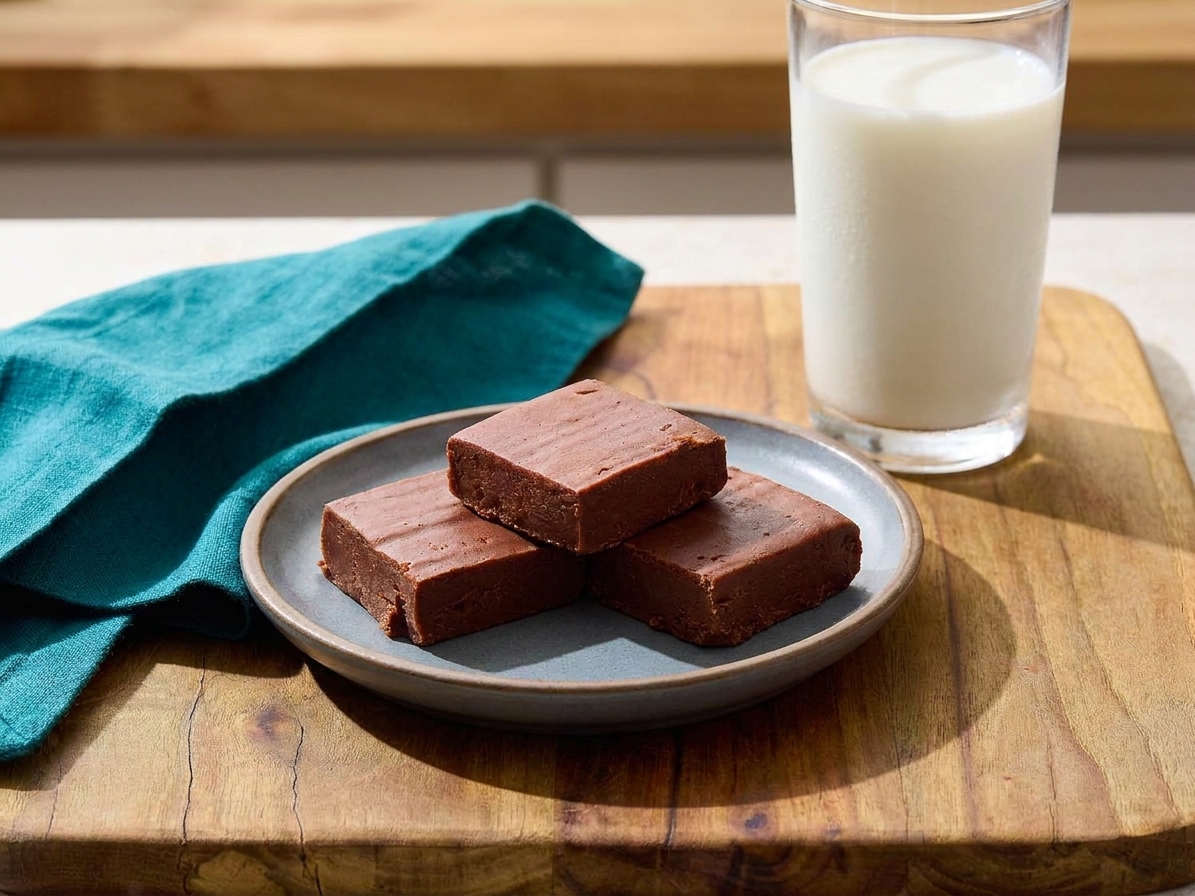
Thick squares of glossy chocolate marshmallow fluff fudge stacked on parchment on a wooden cutting board in a bright home kitchen

Marshmallow fluff fudge is the kind of throwback treat that somehow tastes like every holiday dessert table and every good neighbor you have ever had. It is rich, sweet, and unapologetically cozy. The best part is that it is also shockingly doable at home, even if you do not own a candy thermometer or you have a history of “oops” moments with sugar.

This version is my go-to because it stays smooth, slices clean, and has that classic fudge chew without turning gritty. We are going to do it the old-school way with evaporated milk, sugar, butter, chocolate, and a big spoonful of marshmallow fluff to keep everything creamy and forgiving.

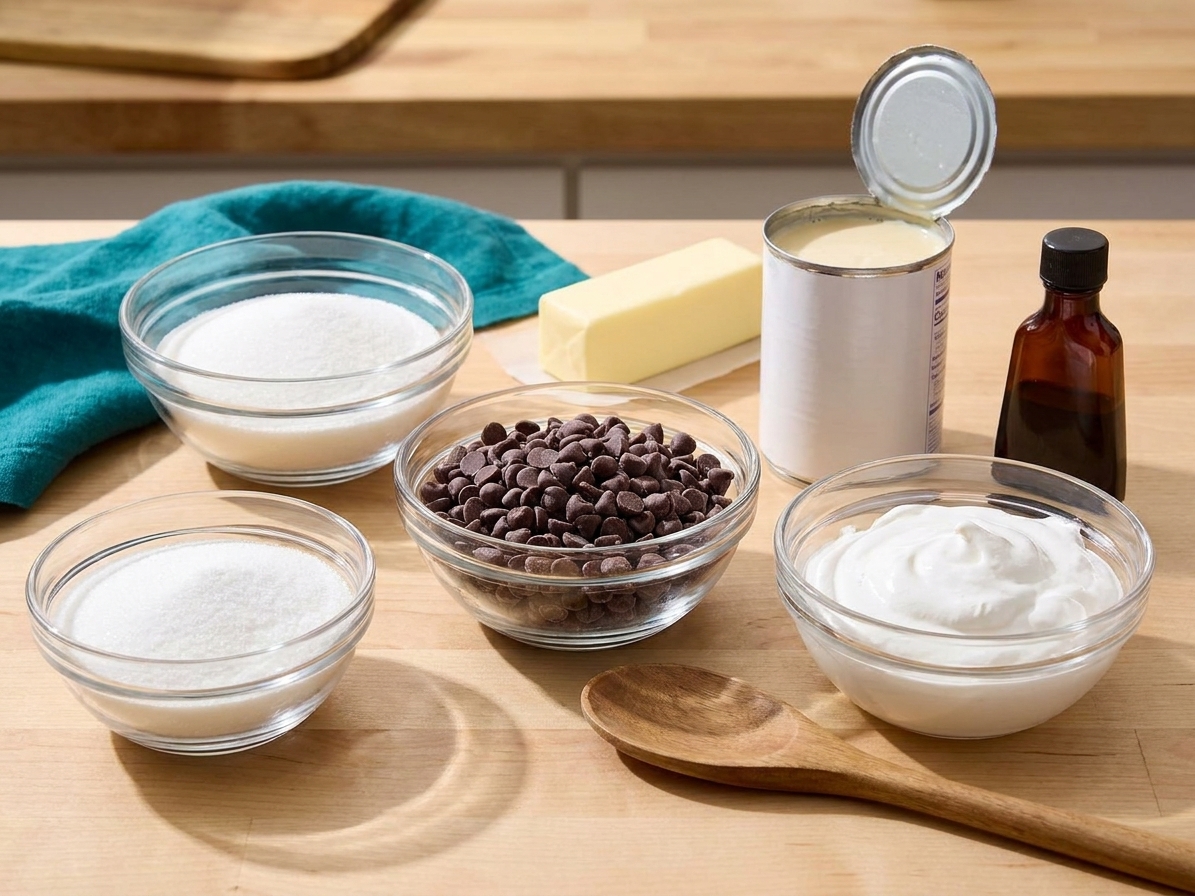
Bowls of sugar, chocolate chips, marshmallow fluff, butter, evaporated milk, and vanilla arranged on a tidy kitchen counter

Why It Works

  • Marshmallow fluff = smoother fudge. Fluff helps prevent that dry, crumbly vibe and gives you a softer, creamier bite.
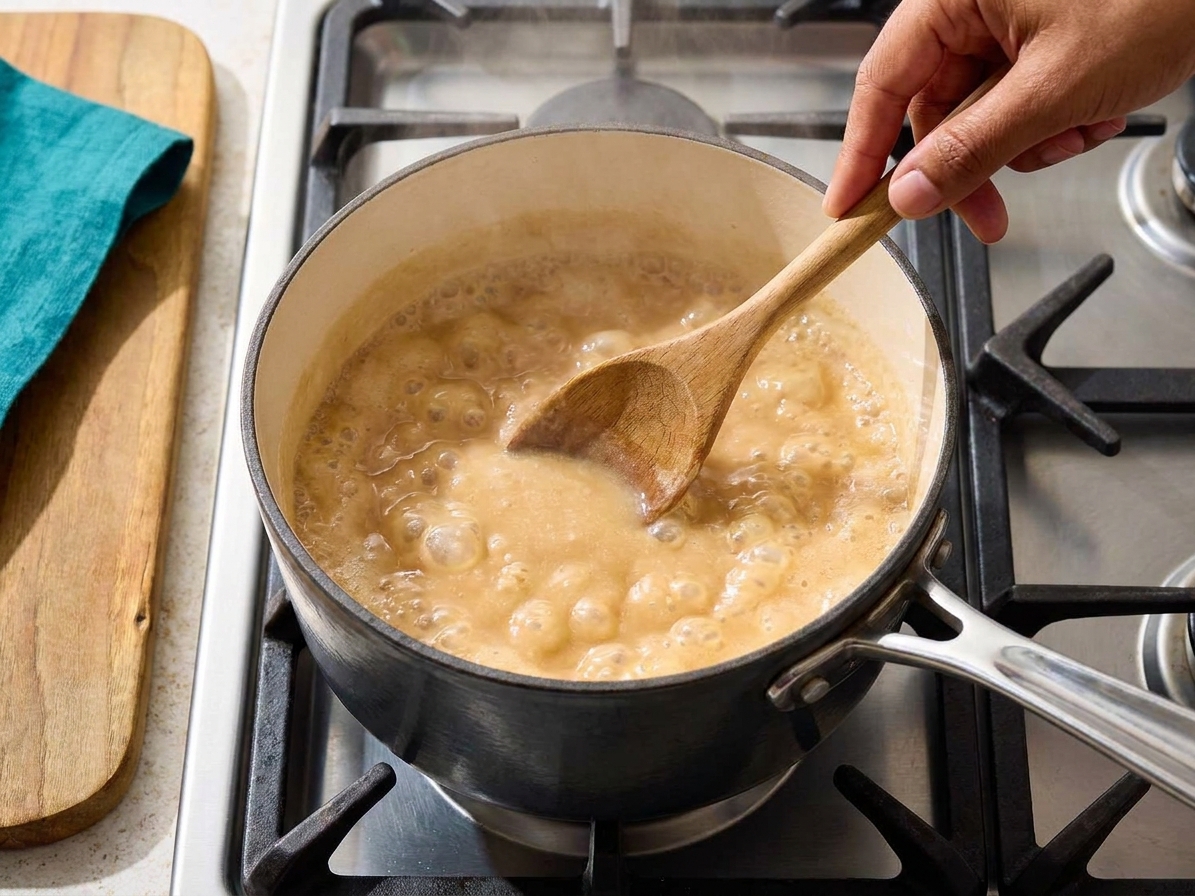
  • Soft-ball stage is the goal. Time is a helpful guide, but a quick thermometer check (234 to 240°F) or cold-water test makes the set much more consistent.
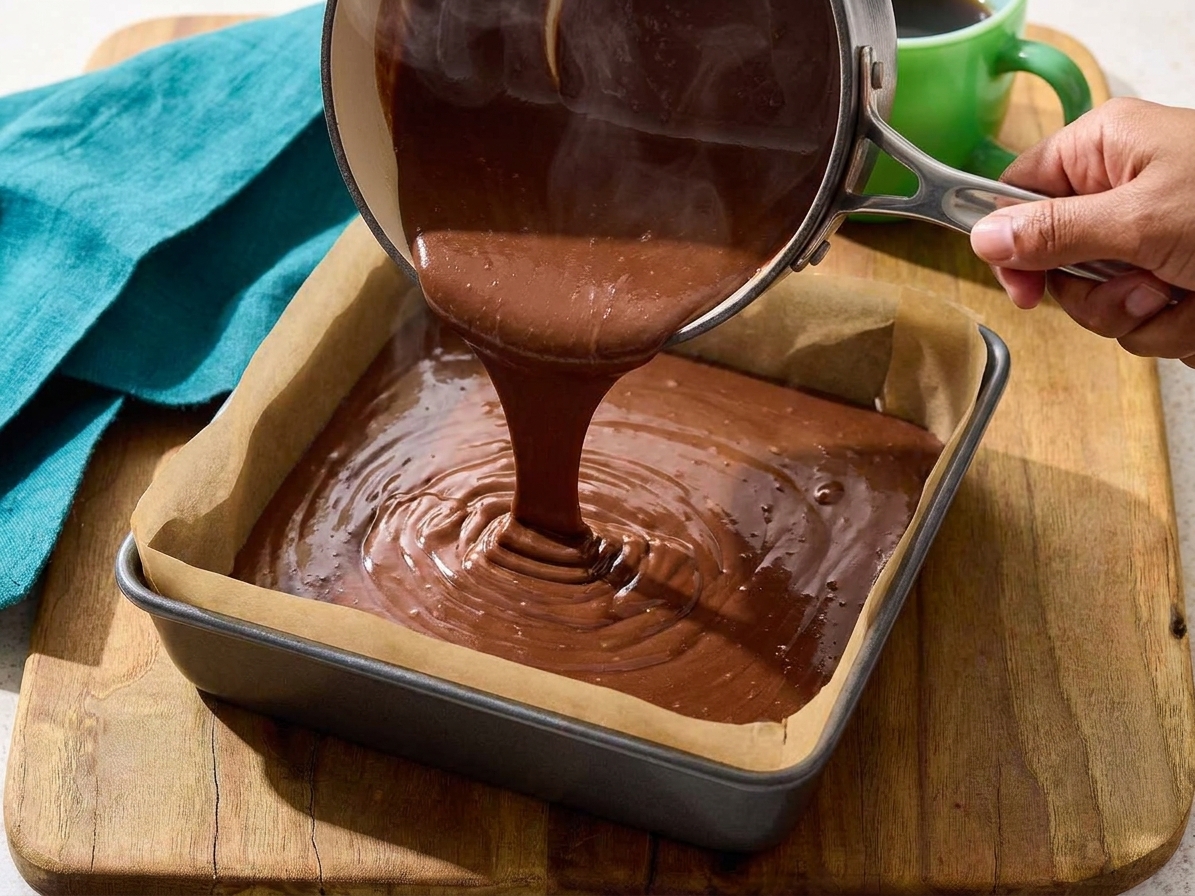
  • Chocolate goes in off heat. Adding chocolate after boiling keeps the flavor clean and the texture glossy instead of scorched.
  • A steady boil and a bigger pot save the day. You want a full rolling boil without boil-overs and without scorching on the bottom.

Pairs Well With

Storage Tips

How to Store Marshmallow Fluff Fudge

Room temperature: Store in an airtight container in a cool spot for about 5 to 7 days. Separate layers with parchment so it does not stick.

Refrigerator: Keeps well for about 10 to 14 days. Let it sit at room temp for 15 to 20 minutes before serving so it softens and tastes extra creamy. Keep it tightly sealed so it does not pick up fridge smells or dry out.

Freezer: Wrap the whole slab or individual squares tightly in plastic wrap, then foil, and freeze up to 3 months. Thaw overnight in the fridge or for a few hours at room temp.

Tip: If your kitchen runs warm, store the container in the fridge so the fudge stays firm and clean-cut.

Common Questions

Common Questions

Do I need a candy thermometer?

No, but it is the most reliable way to nail the set every time. If you use one, you are aiming for 234 to 240°F (soft-ball stage) at the end of the boil. If you are going without, use the time as a guideline and do a quick doneness test (see below).

What is the best doneness test if I do not have a thermometer?

Use a cold-water soft-ball test (more dependable than a cold plate for this style of fudge). Drop about 1/2 teaspoon of the boiling sugar mixture into a cup of very cold water. It should form a soft, squishable ball you can pick up, and it will flatten when you bring it out of the water and press it between your fingers. If it dissolves or will not hold a ball, keep boiling and test again in 30 seconds.

Why is my fudge grainy?

Graininess usually happens when sugar crystals form. Common culprits are not stirring enough while the sugar dissolves at the start, scraping sugar from the sides of the pot into the mixture, or letting the mixture simmer unevenly. Make sure the sugar looks dissolved before the boil, and once it is boiling, do not vigorously stir or scrape the sides.

Why is my fudge too soft and not setting?

That usually means the mixture did not reach soft-ball stage. Maybe the boil was too gentle, or the timing started too early. Next time, start timing only when the whole surface is at a full rolling boil that does not stop when you briefly stir. If it is already made and very soft, you can reheat the mixture gently, bring it back to a full boil, then cook to 234 to 240°F (or re-test with cold water). It is a bit of a project, but it works.

Why is my fudge dry or crumbly?

Overcooking is the usual reason. A minute too long at a hard boil can push it into dry territory. Also, measuring matters here. Use standard dry measuring cups and spoons, and be sure you are using evaporated milk, not sweetened condensed milk.

Can I use marshmallow creme and marshmallow fluff interchangeably?

Yes. Different brands label it differently, but for this recipe they behave the same. If you can, measure by weight for the most consistent results.

Can I use sweetened condensed milk instead of evaporated milk?

Not for this version. Sweetened condensed milk changes the sweetness and the set. Stick with evaporated milk for the classic fluff fudge method.

What mix-ins work well?

Chopped toasted pecans or walnuts, mini chocolate chips, crushed peppermint, or a pinch of flaky salt on top. Keep mix-ins to about 3/4 cup total so the fudge still slices cleanly.
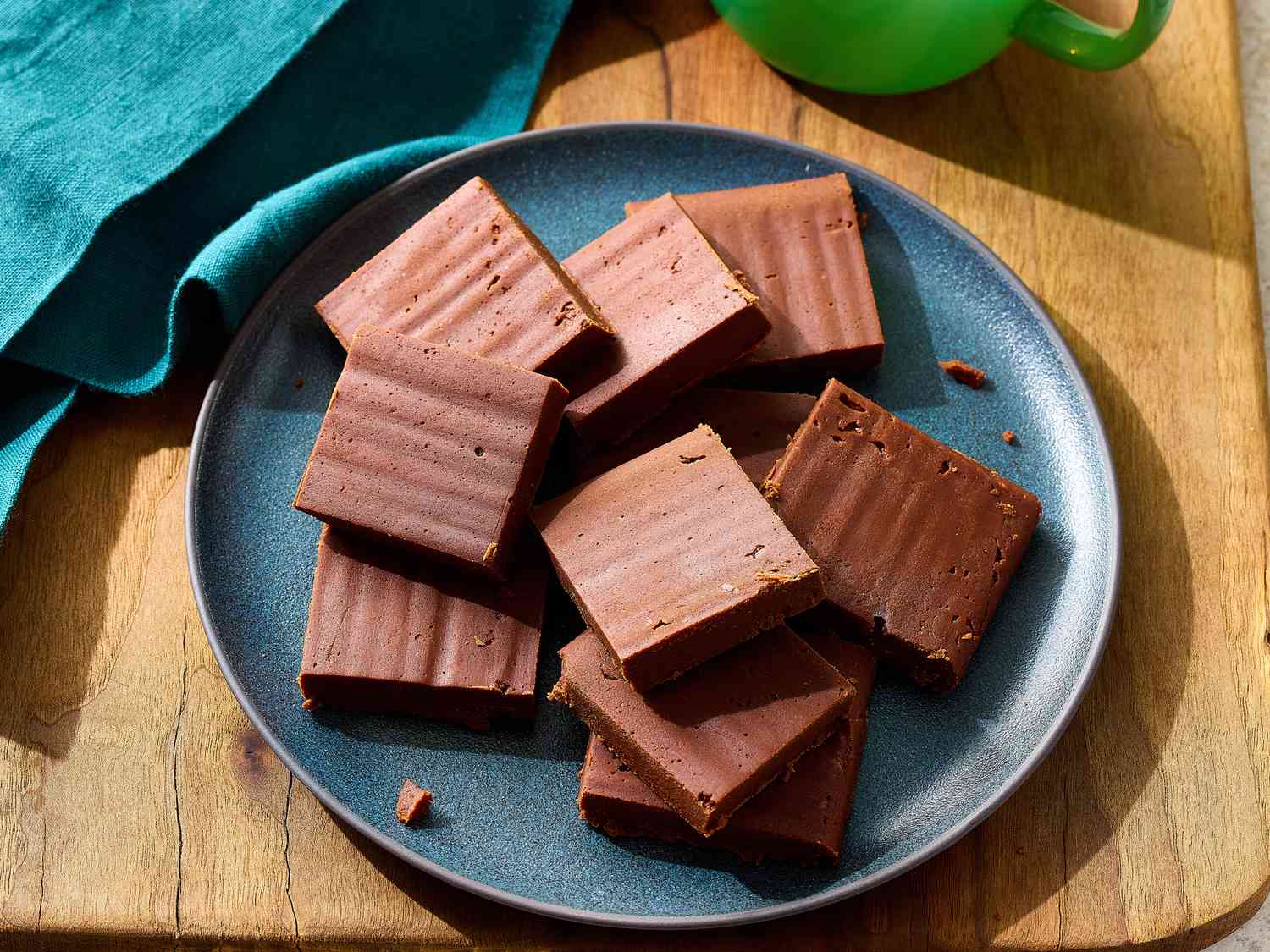

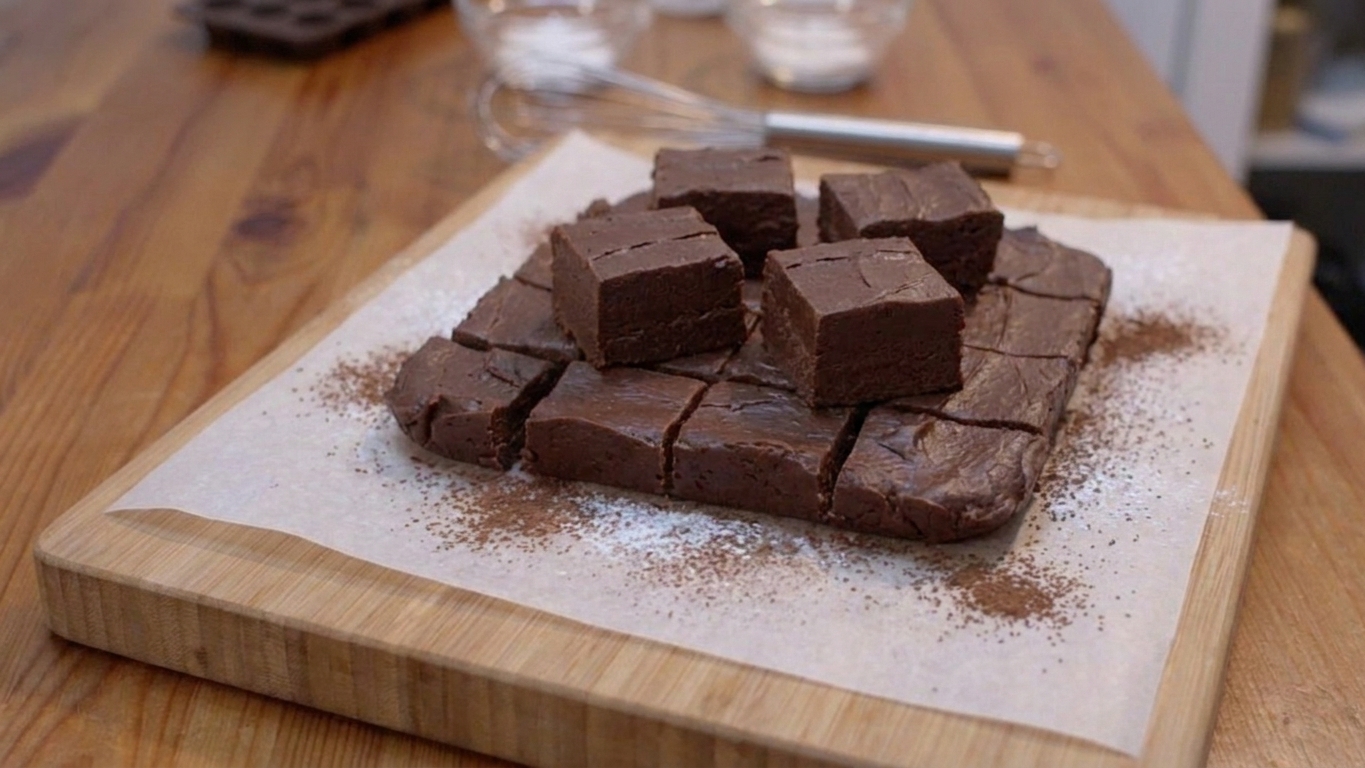
Neatly sliced marshmallow fluff fudge squares on parchment paper with a chef knife beside them

I learned pretty quickly that fudge is not hard, it is just dramatic. It wants your attention for a few minutes, and if you wander off to answer a text, it will absolutely humble you. Marshmallow fluff fudge is the version I come back to when I want that classic chocolate-shop vibe without the stress. It is the kind of recipe that makes you feel like you have your life together, even if your sink is full of dishes and you are still in sweatpants at 3 p.m.