Mom's Best Recipes
Recipe

Easy Pear Butter

Smooth, warmly spiced pear butter made on the stovetop with everyday ingredients.

Author By Matt Campbell
4.8
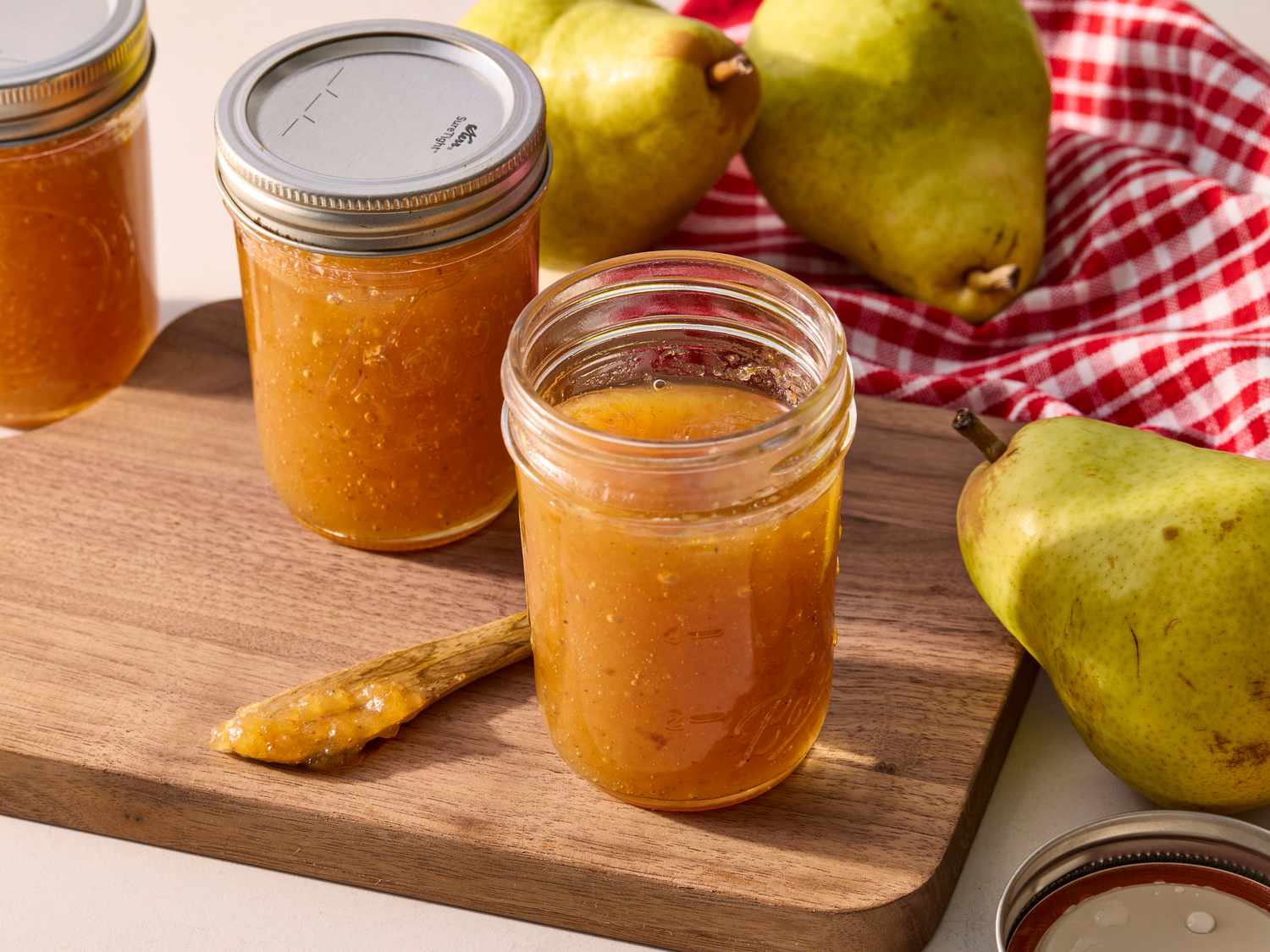
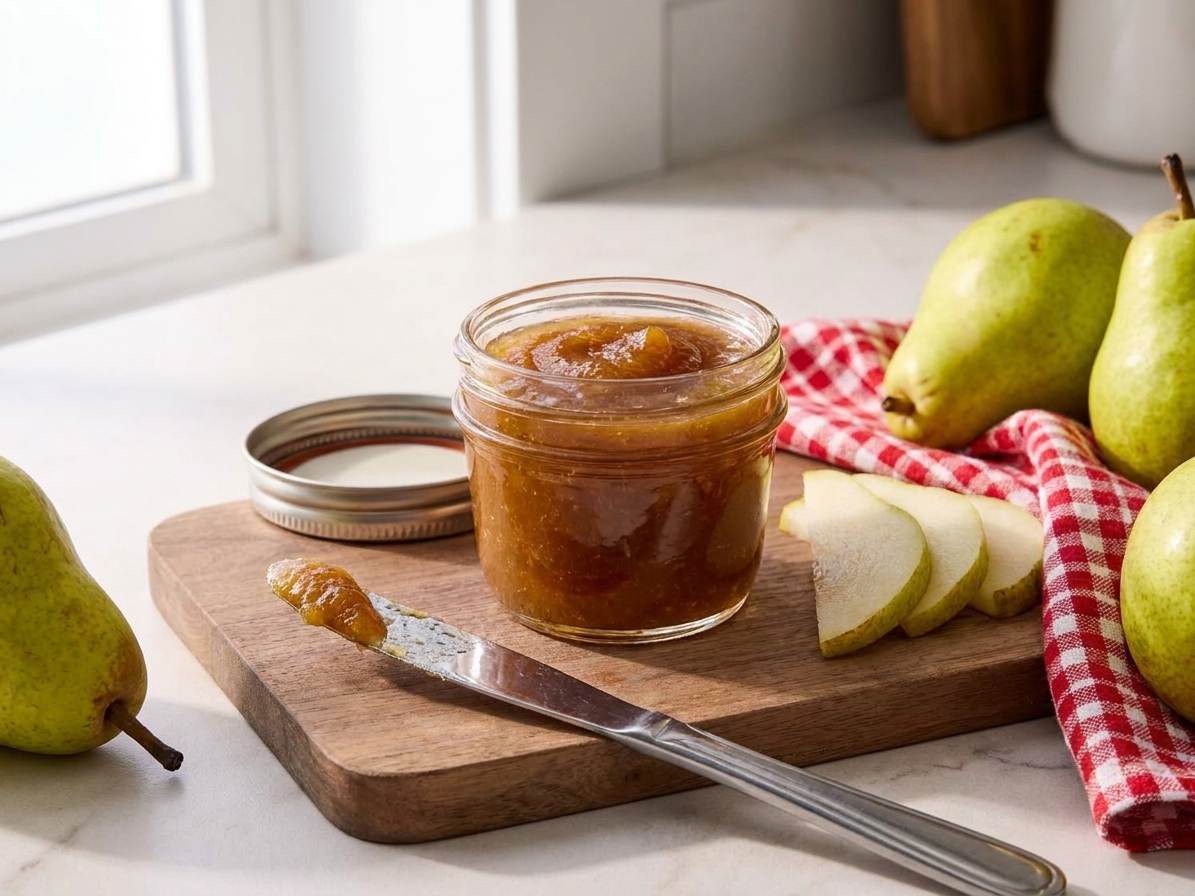
A small glass jar filled with deep golden-brown pear butter on a light stone kitchen counter, with a butter knife and sliced pears nearby

Pear butter is one of those quietly magical pantry staples. It looks humble, but one swipe on toast and suddenly breakfast feels like it has its life together. This version is smooth, glossy, warmly spiced, and made entirely on the stovetop with ingredients you can actually find without going on a scavenger hunt.

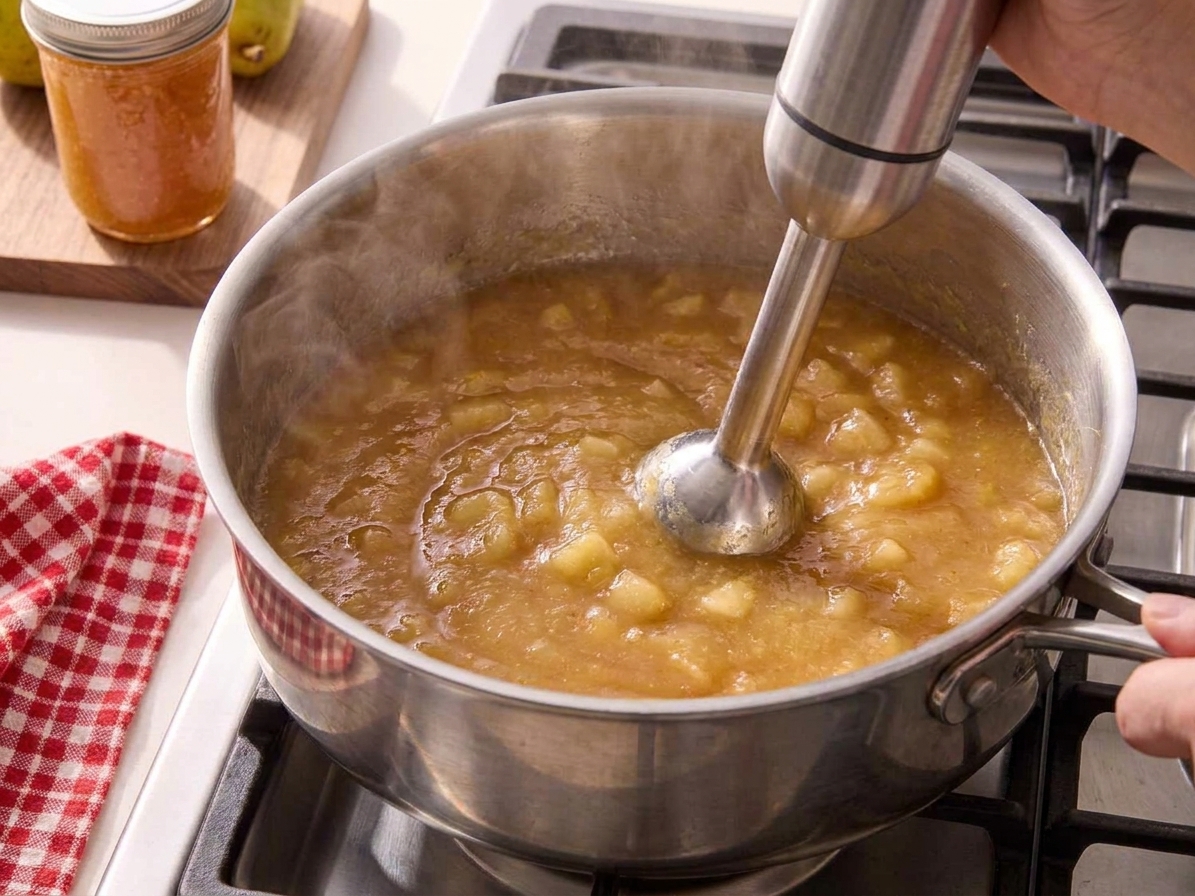
Also, let us normalize cooking fruit until it turns into a spreadable, caramel-colored wonder that makes your kitchen smell like a candle you would definitely overpay for. The key is patience, a wide pot, and tasting as you go. If you can stir, you can make pear butter.

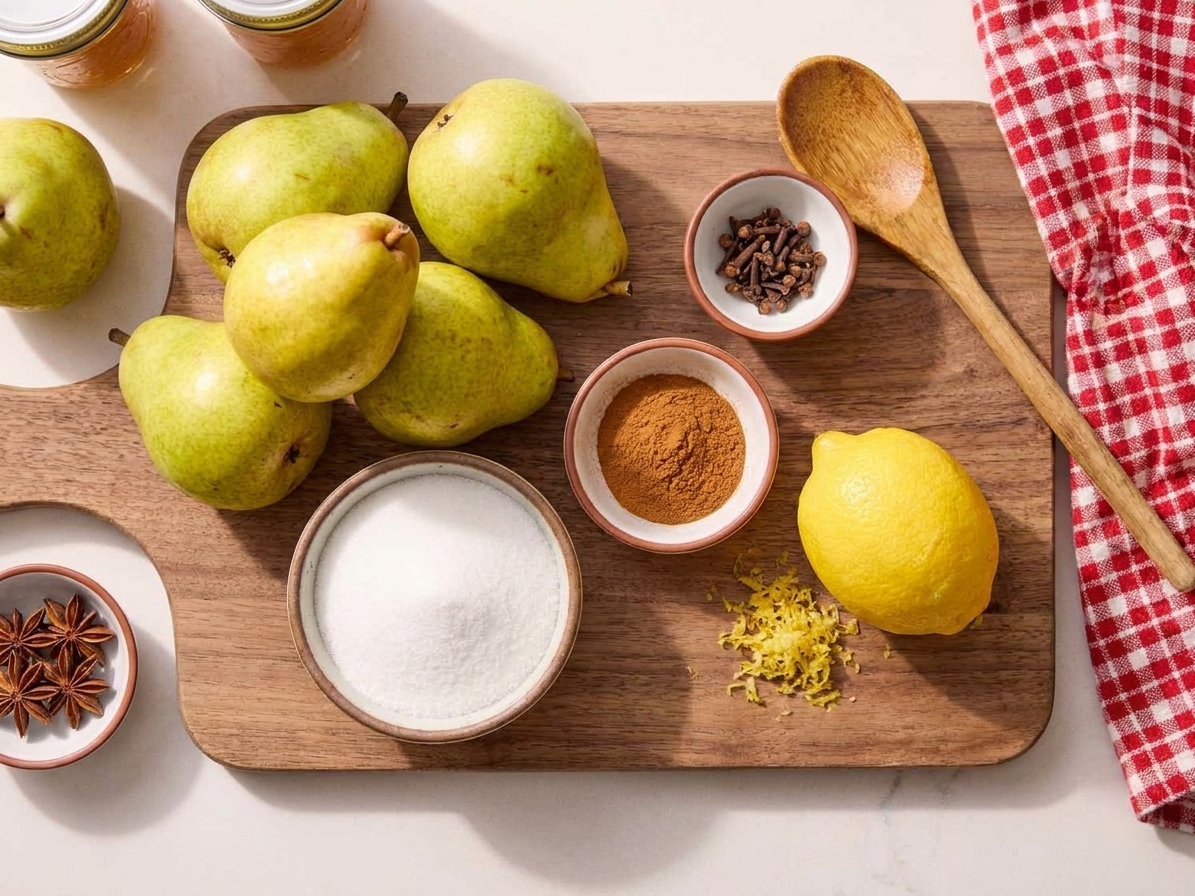
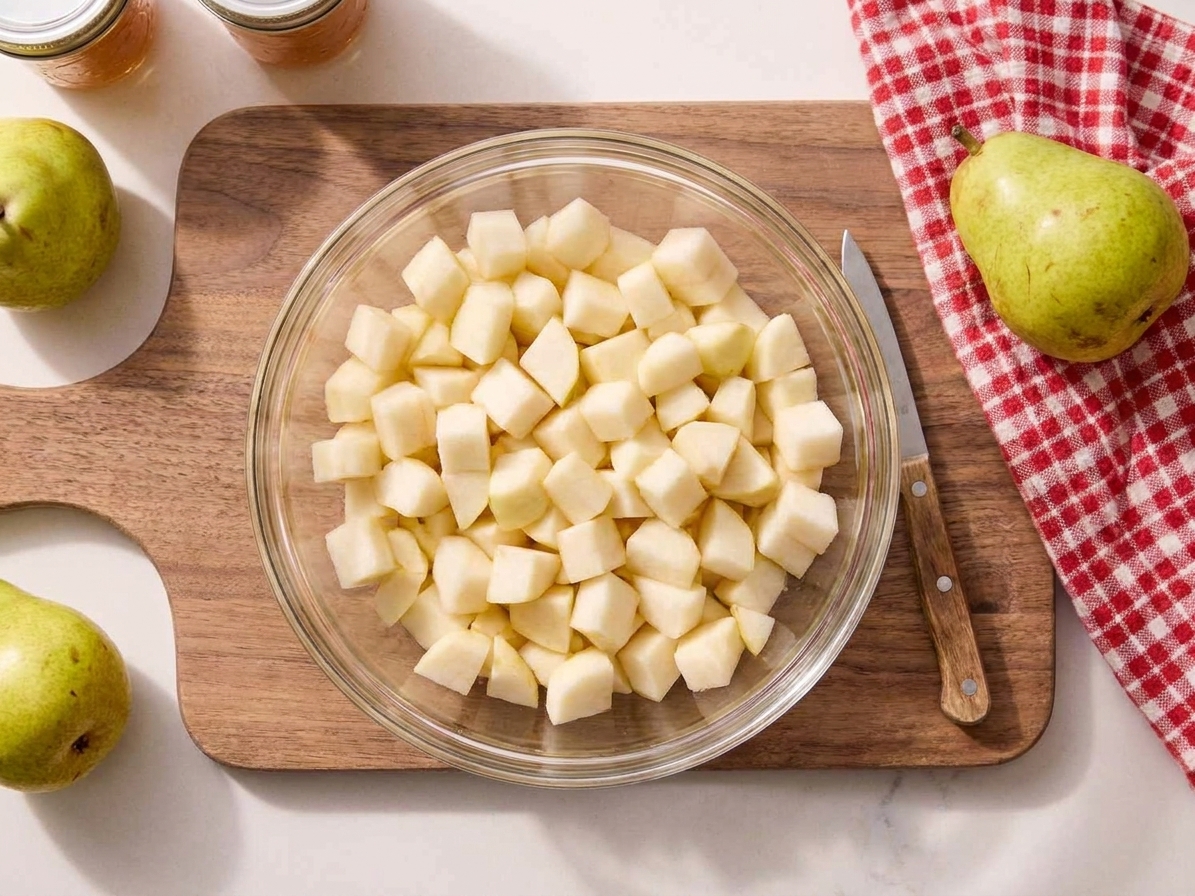
Whole ripe pears, ground cinnamon, granulated sugar, lemon, and small bowls of spices arranged on a bright kitchen counter

Why It Works

  • Big pear flavor without being overly sweet. Lemon juice keeps it bright and helps limit browning.
  • Velvety texture thanks to blending at the end. You choose: perfectly smooth or slightly rustic.
  • Deep color and caramel notes from a longer simmer. Low heat does the work.
  • Flexible spice level. Cinnamon is the classic, but the optional ginger and cloves give it that cozy “wait, what is that?” moment.

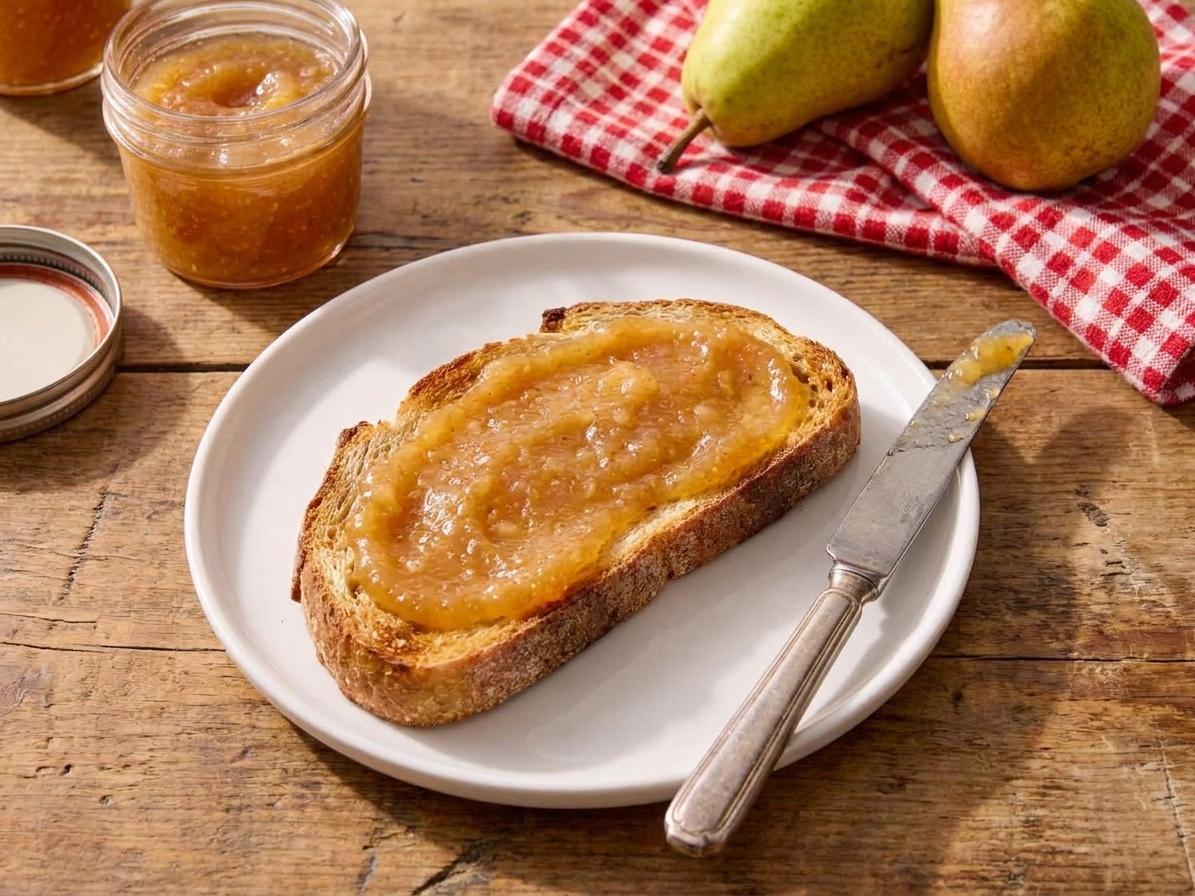
How you will use it: toast, biscuits, pancakes, oatmeal, yogurt, ice cream, cheese boards, pork chops, and straight off the spoon when nobody is watching.

Pairs Well With

Storage Tips

Refrigerator: Let pear butter cool completely, then store in clean jars or airtight containers for up to 2 weeks for best quality. Use a clean spoon each time, and discard at any sign of mold, off smells, fermentation, or bubbling.

Freezer: Freeze in freezer-safe jars or containers (leave a little headspace) for up to 6 months. Thaw overnight in the fridge.

Quick safety note: Lower sugar batches tend to spoil sooner. This recipe is written for fridge or freezer storage. If you want shelf-stable canning, use a tested, canning-specific recipe and process times from a trusted source.

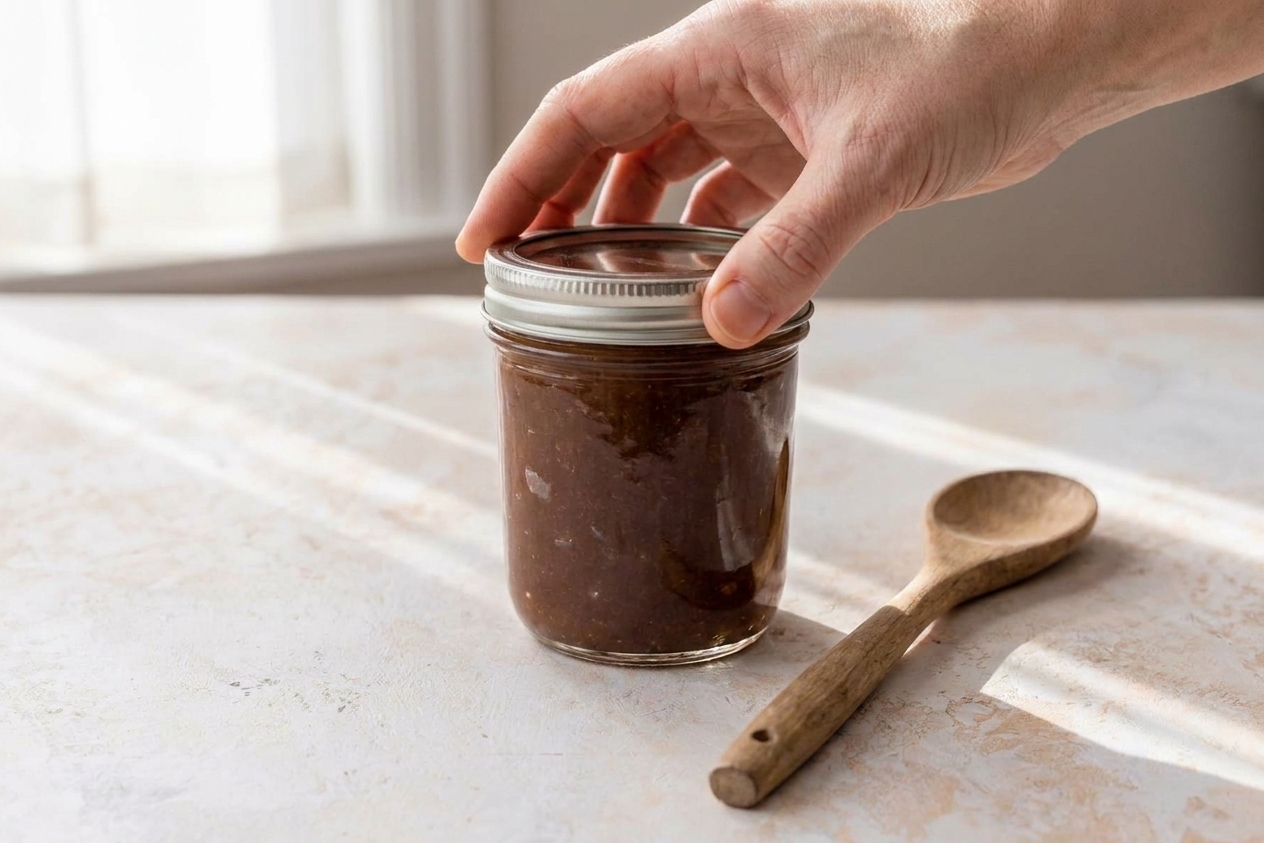
Two small glass jars of pear butter with lids on, cooling on a kitchen towel on a countertop

Common Questions

Do I have to peel the pears?

No, but it depends on your texture goals. If you want the smoothest pear butter with the least effort later, peel them. If you leave skins on, you will definitely want to blend well and then run it through a fine-mesh sieve for that super silky finish.

What kind of pears work best?

Go for ripe, fragrant pears. Bartlett is the classic because it breaks down easily. Anjou also works great. Bosc is firmer and can take a little longer to soften, but it brings nice flavor. Mix-and-match is totally fine.

How do I know when pear butter is done?

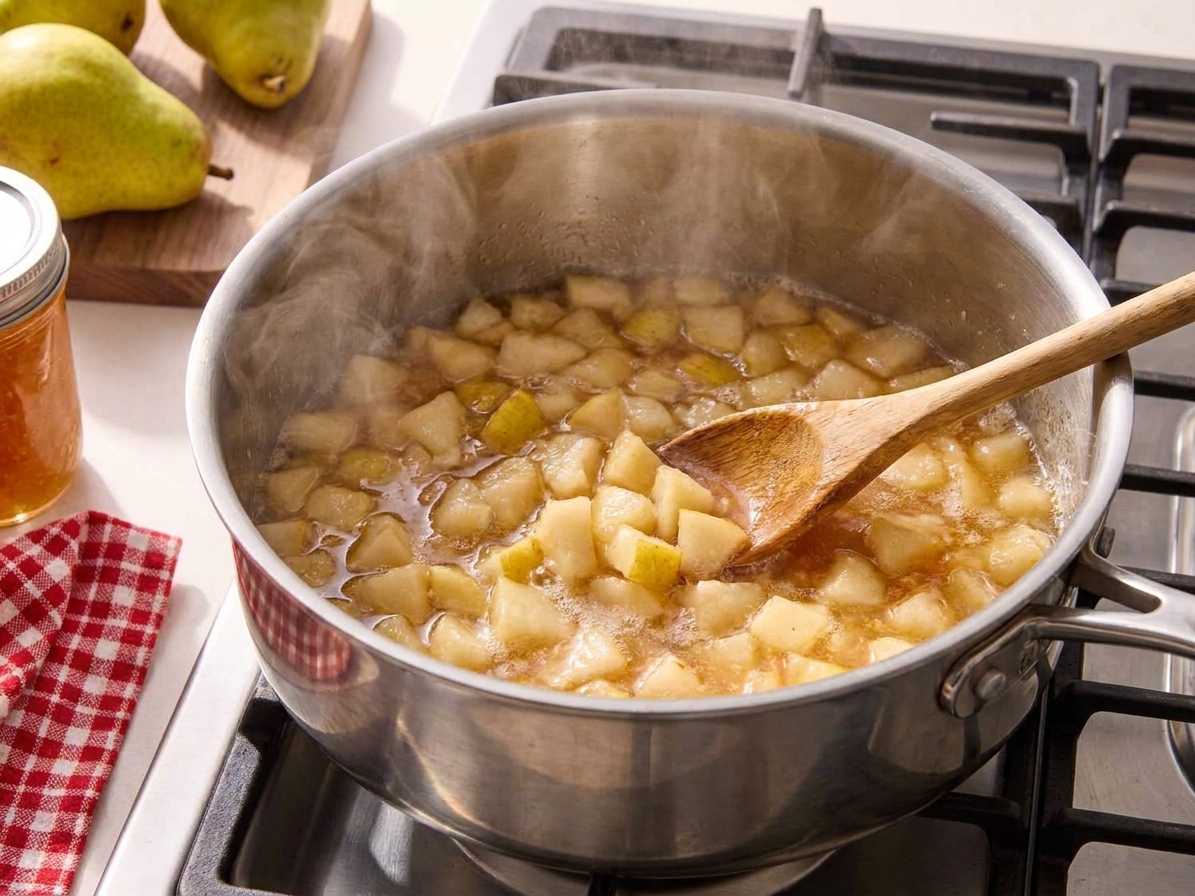
You are looking for a spread that is thick, glossy, and moundable. A quick test: spoon a little onto a plate. If liquid does not seep out around it after a minute, you are in the zone. Another good cue: drag a spoon through the pot. If it leaves a trail that fills in slowly, it is ready. It will also thicken a bit more as it cools.

Why is mine watery?

Usually it just needs more time. Keep it at a gentle simmer and stir often. Using a wide pot helps water evaporate faster. Also, very juicy pears can take longer.

Why did it taste bland?

Fruit spreads need seasoning like everything else. Try a pinch more salt, another squeeze of lemon, or a little extra cinnamon. Taste, adjust, repeat.

Can I make it with less sugar?

Yes. Sugar helps with flavor, texture, and how long it keeps. You can reduce it, but expect a slightly looser pear butter and a shorter fridge life. Start with 1/3 cup, simmer, then sweeten to taste at the end if you want more.

I got into pear butter the way I get into most good kitchen habits: I bought too many pears with big ambitions, then had a “these are about to go soft” moment on a weeknight. Pear butter is the rescue plan that feels like a flex. You chop, you simmer, you stir while the whole house smells like cinnamon toast, and suddenly you have a jar of something that makes even plain yogurt taste like you tried.

My favorite part is that it is not precious. If you like it extra tangy, hit it with more lemon. If you want it darker and deeper, keep simmering. It is a choose-your-own-adventure spread, and it forgives a little chaos.