Mom's Best Recipes
Recipe

Rustic Pear Tart

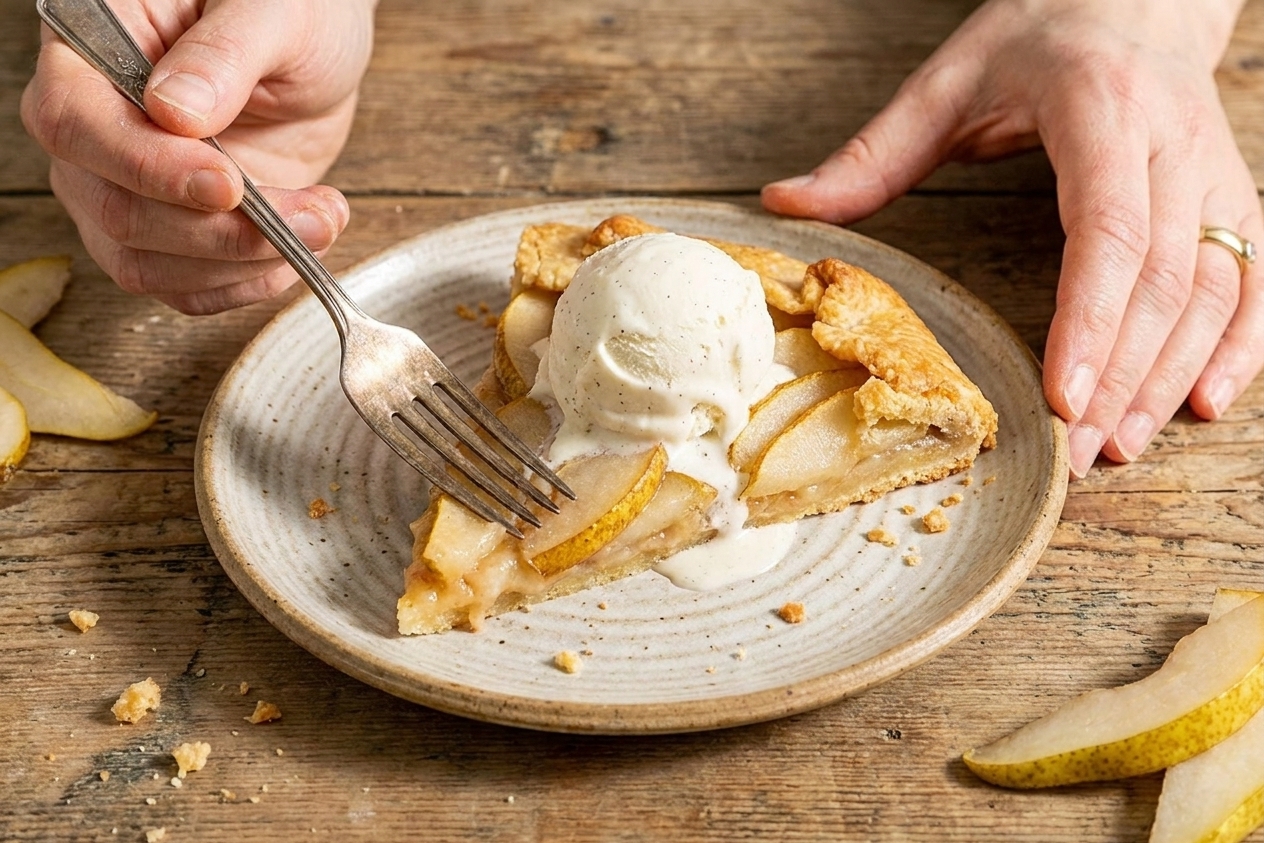
A flaky, free-form pear tart with tender fruit, warm spice, and crunchy sugar edges that make you pause mid-bite.

Author By Matt Campbell
4.8
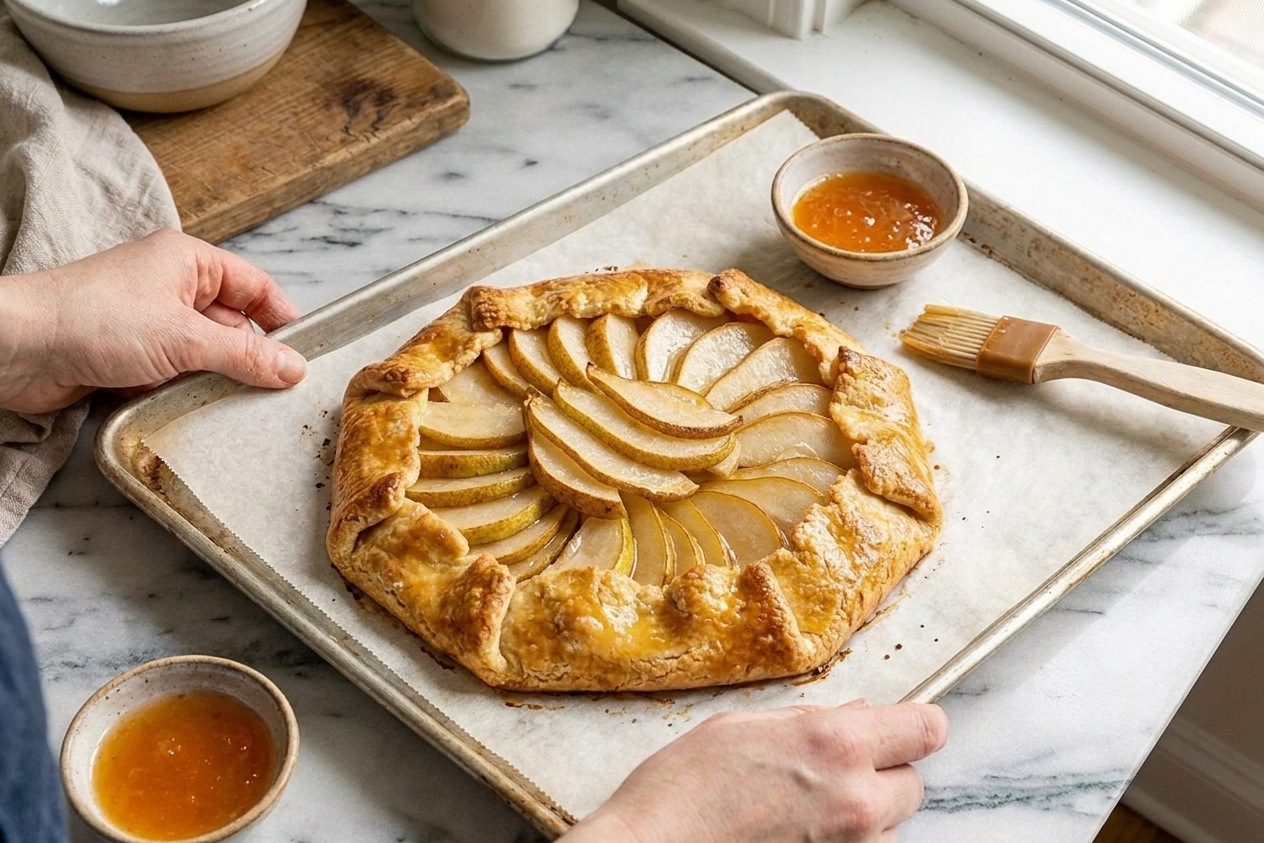
A golden rustic pear tart on a parchment-lined baking sheet with fanned pear slices and caramelized edges, photographed on a warm kitchen counter

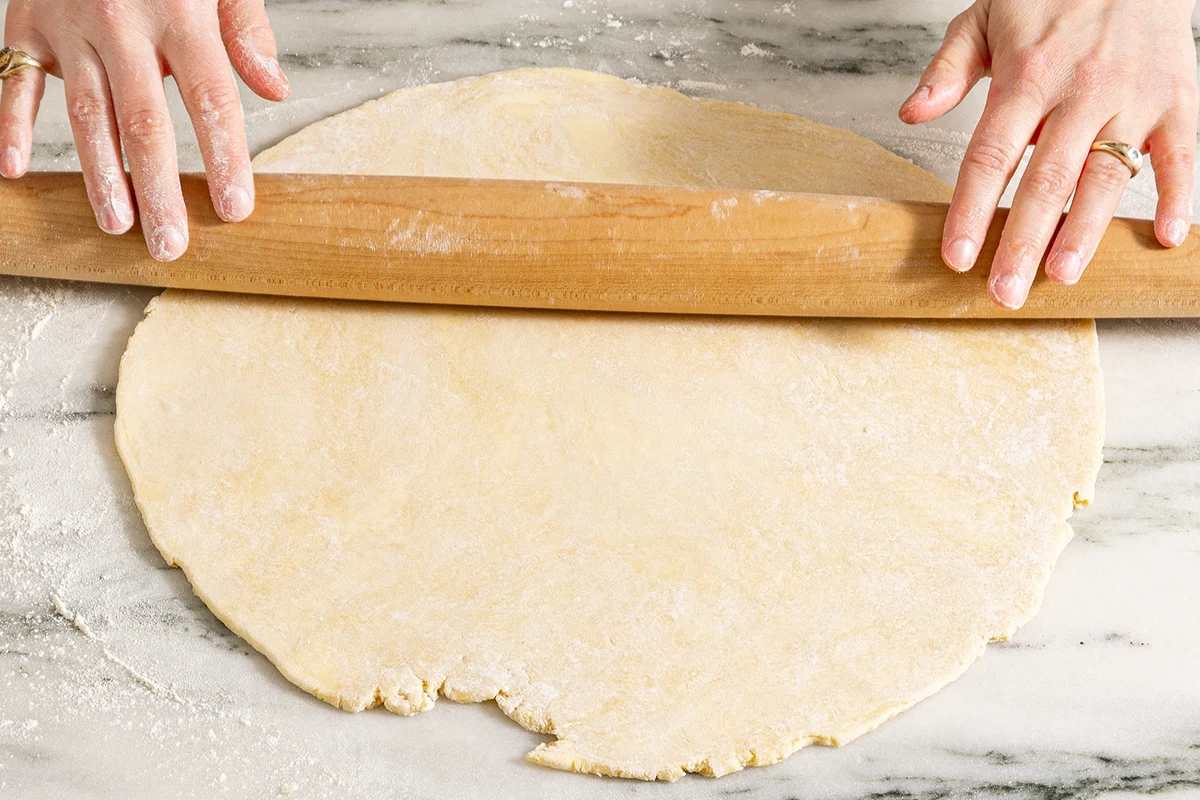
Pear tart energy is quietly elite. It is not trying to be the loudest dessert at the table, but it always wins the cozy award. This one is a rustic pear tart, also known as a galette. Translation: no fussy crimping, no tart pan stress, just buttery dough, sliced pears, a little spice, and the kind of crisp, sugared edge that makes you “accidentally” eat the crust first.

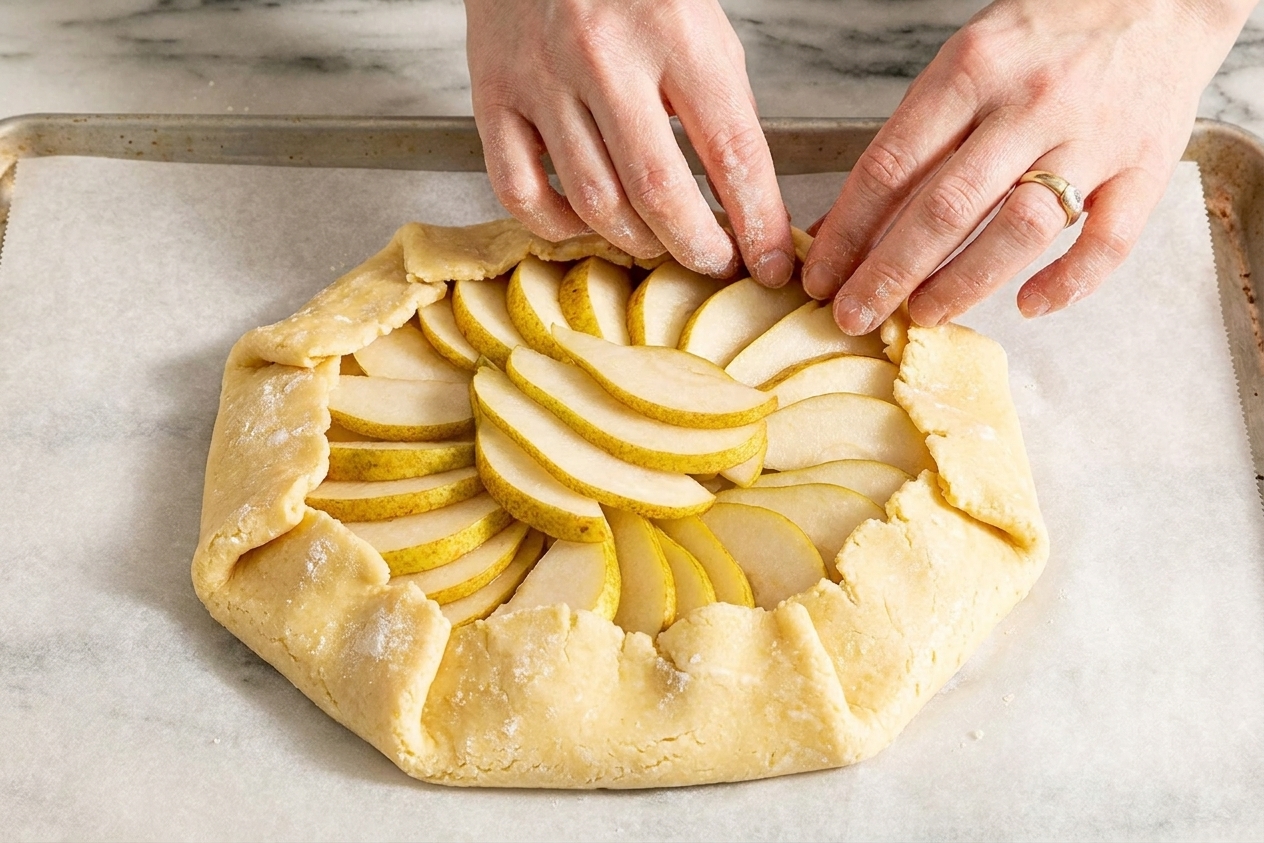
I keep the ingredients accessible and the steps steady. If you can roll dough into a rough circle and arrange pears in a vaguely pretty spiral, you are in business. Also, you get a built-in safety net: if the pears look a little messy going in, the oven will make them look intentional.
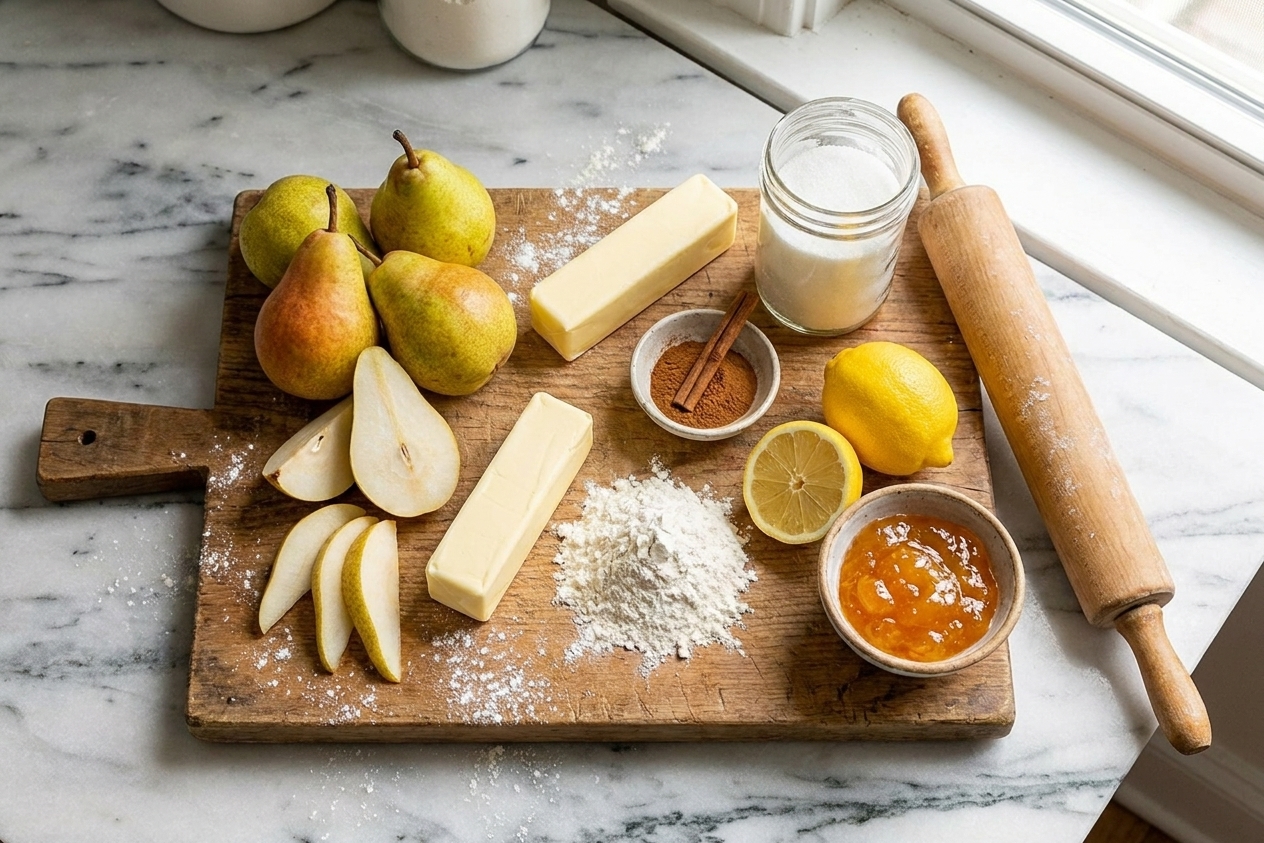
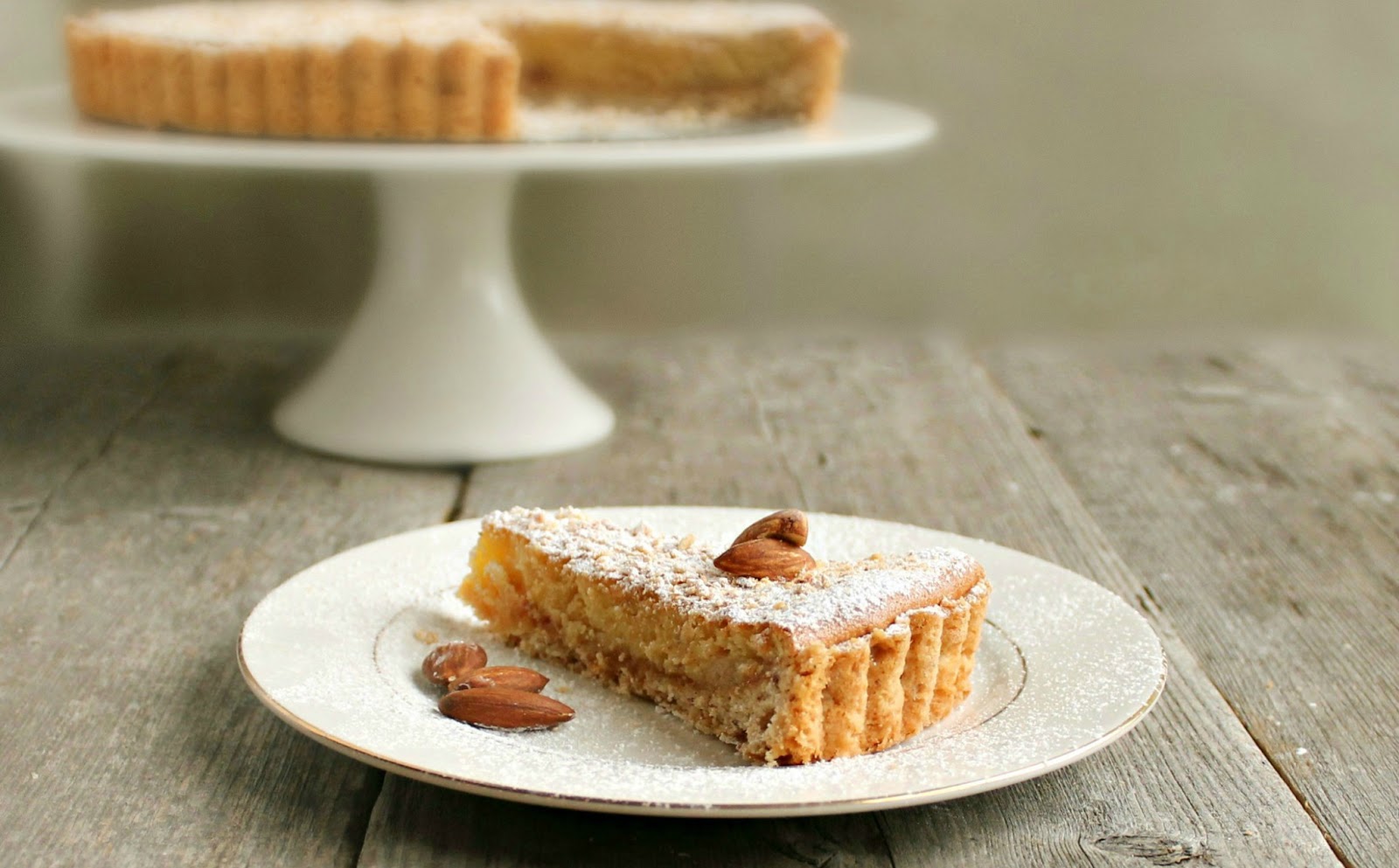
A wooden cutting board on a kitchen counter with pears, butter, flour, sugar, cinnamon, lemon, and a small bowl of jam laid out ready for baking

Why It Works

  • Flaky, buttery crust that stays crisp thanks to a quick chill and a light flour-sugar base under the fruit.
  • Tender pears that hold their shape with just enough thickener to avoid a soggy center.
  • Bright flavor from lemon plus optional jam for a glossy, bakery-style finish.
  • Rustic on purpose, which means it looks impressive without requiring perfection.

Pairs Well With

Storage Tips

Room temp: If your kitchen is cool, keep the tart loosely covered for up to 1 day.

Refrigerator: Store slices in an airtight container for up to 4 days. The crust softens, but the flavor gets even cozier.

Reheat for crisp edges: Warm slices on a sheet pan at 350°F for 8 to 10 minutes, or pop into an air fryer at 325°F for 3 to 5 minutes.

Freezer: Freeze baked slices wrapped tightly, up to 2 months. Thaw in the fridge overnight, then re-crisp in the oven.

Common Questions

What kind of pears are best for pear tart?

Bosc and Anjou are my go-tos because they hold their shape and bake up tender, not mushy. Bartlett is delicious but softer, so use it when it is still slightly firm.

Do I have to peel the pears?

Nope. Pear skin softens in the oven and adds a little color. If you want a more delicate texture, peel them. Also, if your pears have especially thick or tough skins, peeling is the move.

How do I keep the tart from getting soggy?

Three small moves: chill the dough, add a thin layer of flour-sugar (or almond flour) under the pears, and do not overload the fruit. Also bake until the crust is deeply golden, not just “tan.”

Can I use store-bought pie crust?

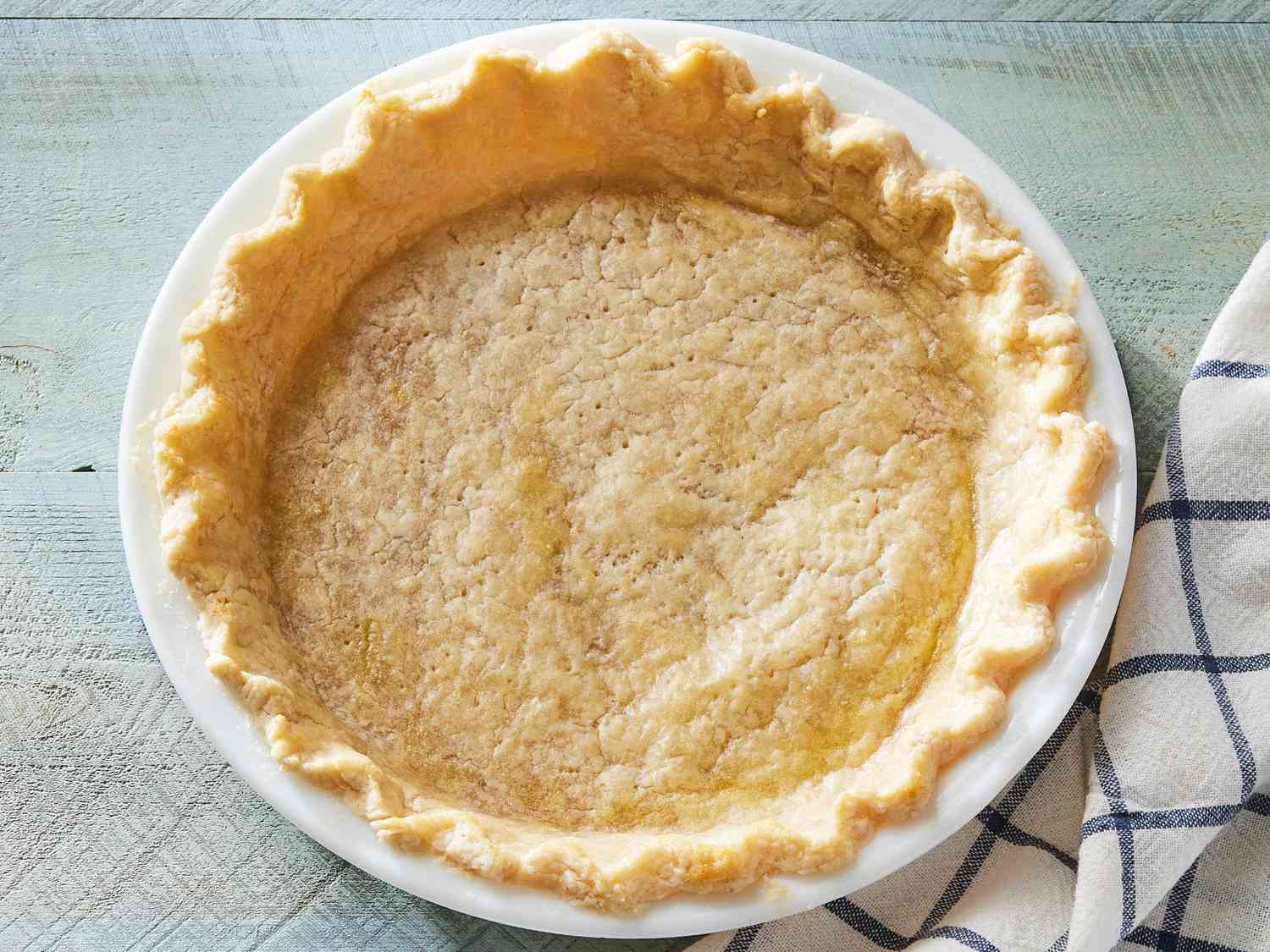
Yes. You will still get a lovely tart. Keep it cold, roll it a bit thinner if you can, and bake on a hot sheet pan for better browning.

What can I use instead of jam?

You can skip it, brush with honey, or reduce a little pear or apple juice with a squeeze of lemon until syrupy, then brush that on after baking.

When I was first teaching myself to bake outside a classroom, I loved anything that looked fancy but secretly had training wheels. The galette is exactly that. The first time I made a pear tart like this, I folded the edges like a kind of lopsided envelope and thought I ruined it. Then it came out of the oven all bronze and glossy like it had a plan. Now it is my favorite “I want dessert but I also want my life to stay peaceful” move.