Mom's Best Recipes
Recipe

Pepper Filling

A jammy, garlicky sautéed pepper filling that’s sweet, savory, and endlessly useful in stuffed peppers, sandwiches, eggs, and bowls.

Author By Matt Campbell
4.8
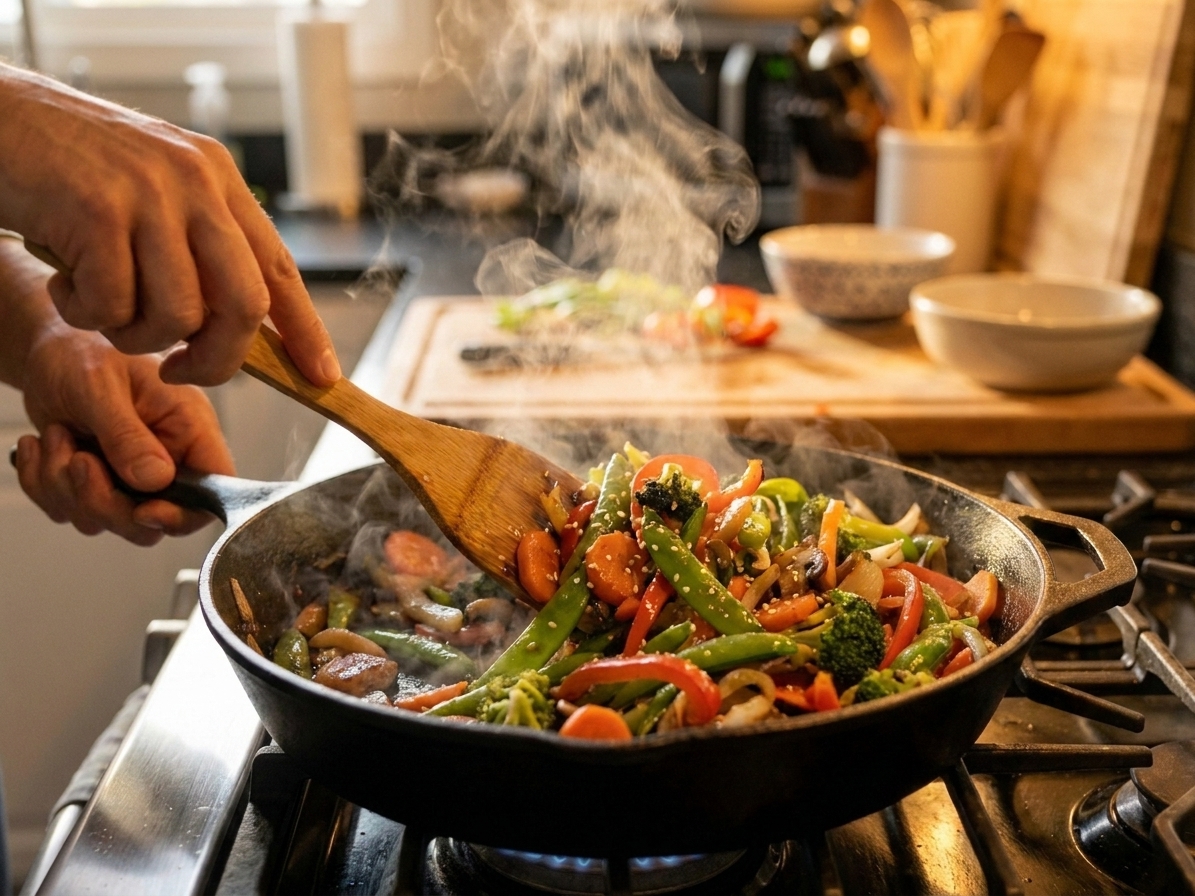
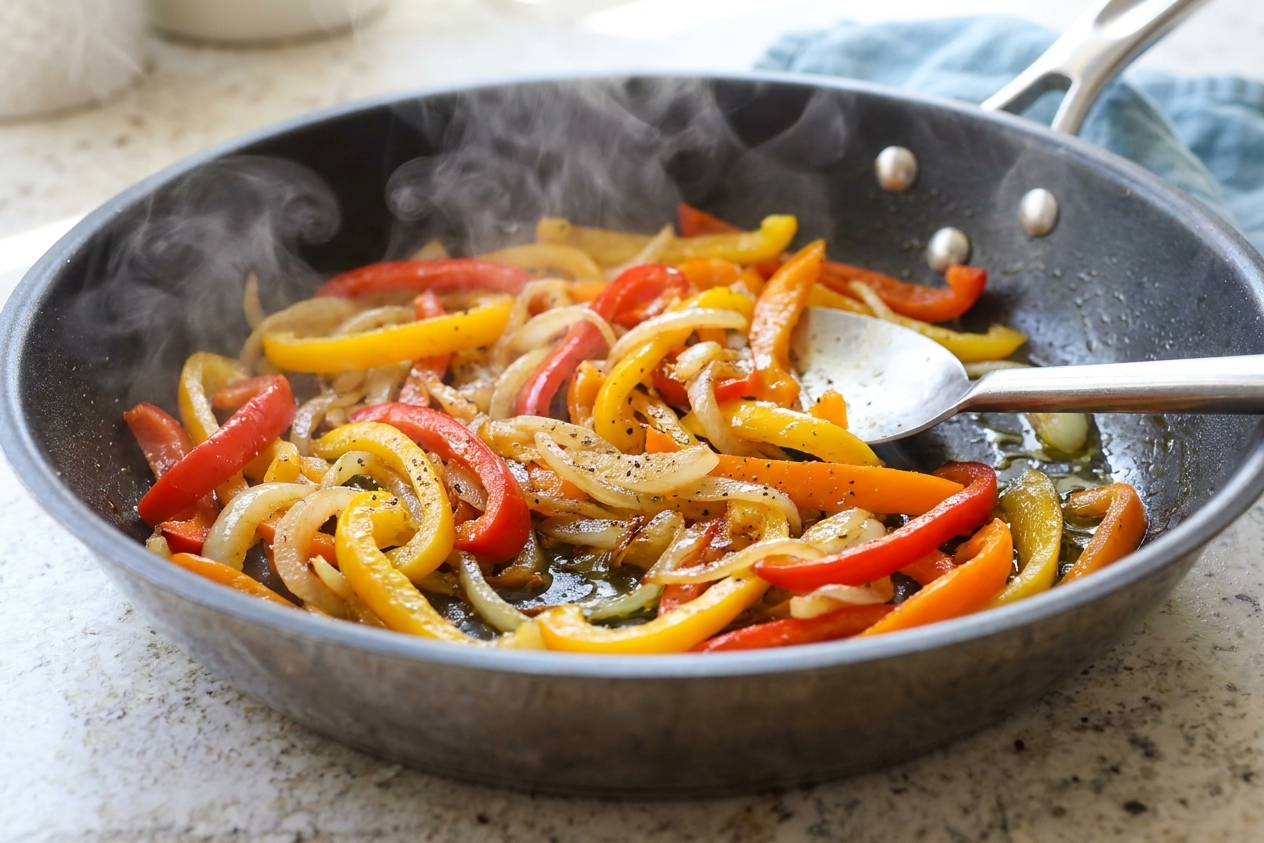
A cast iron skillet filled with glossy sautéed red and yellow bell peppers and onions on a warm kitchen stove, with steam rising

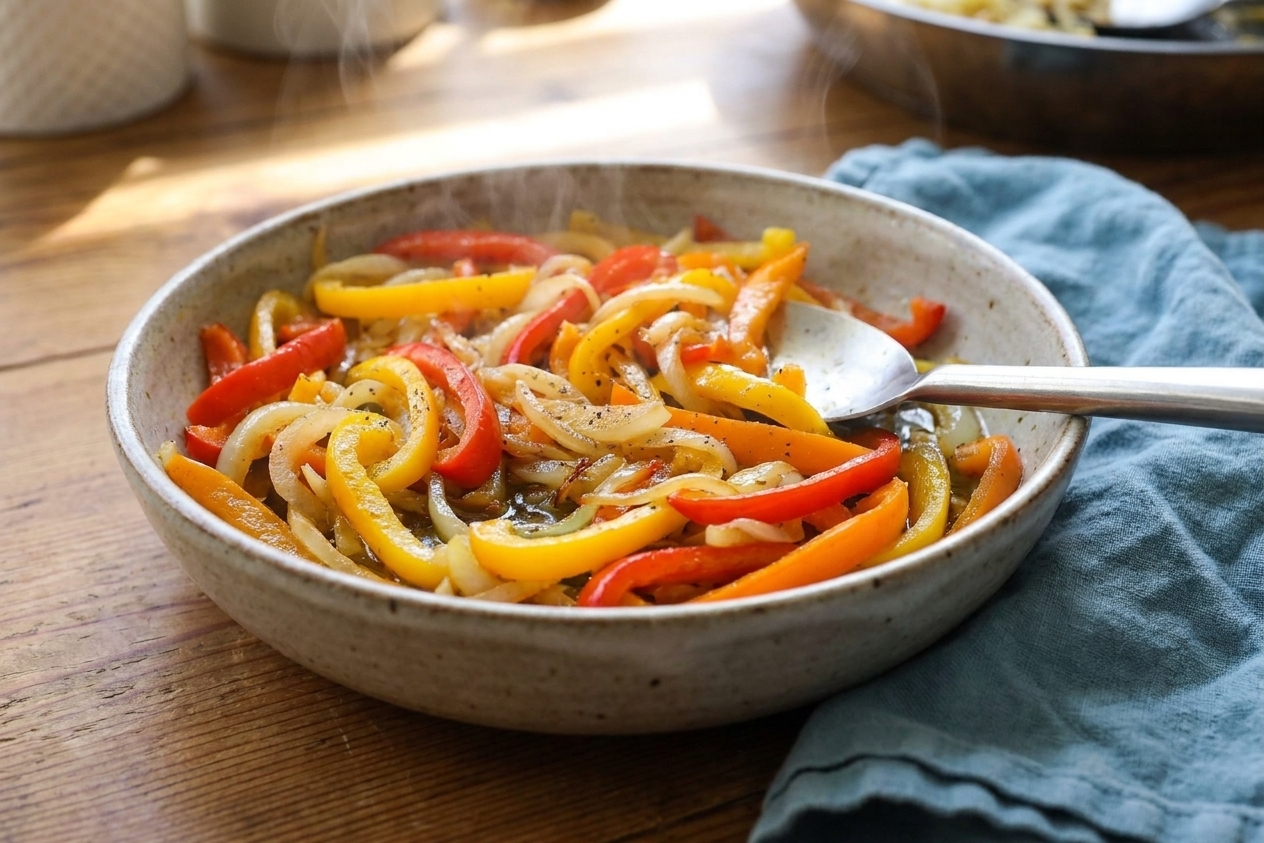
Pepper filling is one of those “why don’t I always have this in my fridge?” kind of recipes. It’s basically sweet bell peppers and onions cooked down until they go soft, glossy, and a little jammy, then hit with garlic, herbs, and just enough acid to make everything pop.

I use it as a base for stuffed peppers, sure, but also as a stealth flavor booster for weeknight meals: tucked into wraps, spooned over rice, piled onto eggs, or swirled into pasta. It tastes like you worked harder than you did, which is my favorite kind of kitchen magic.

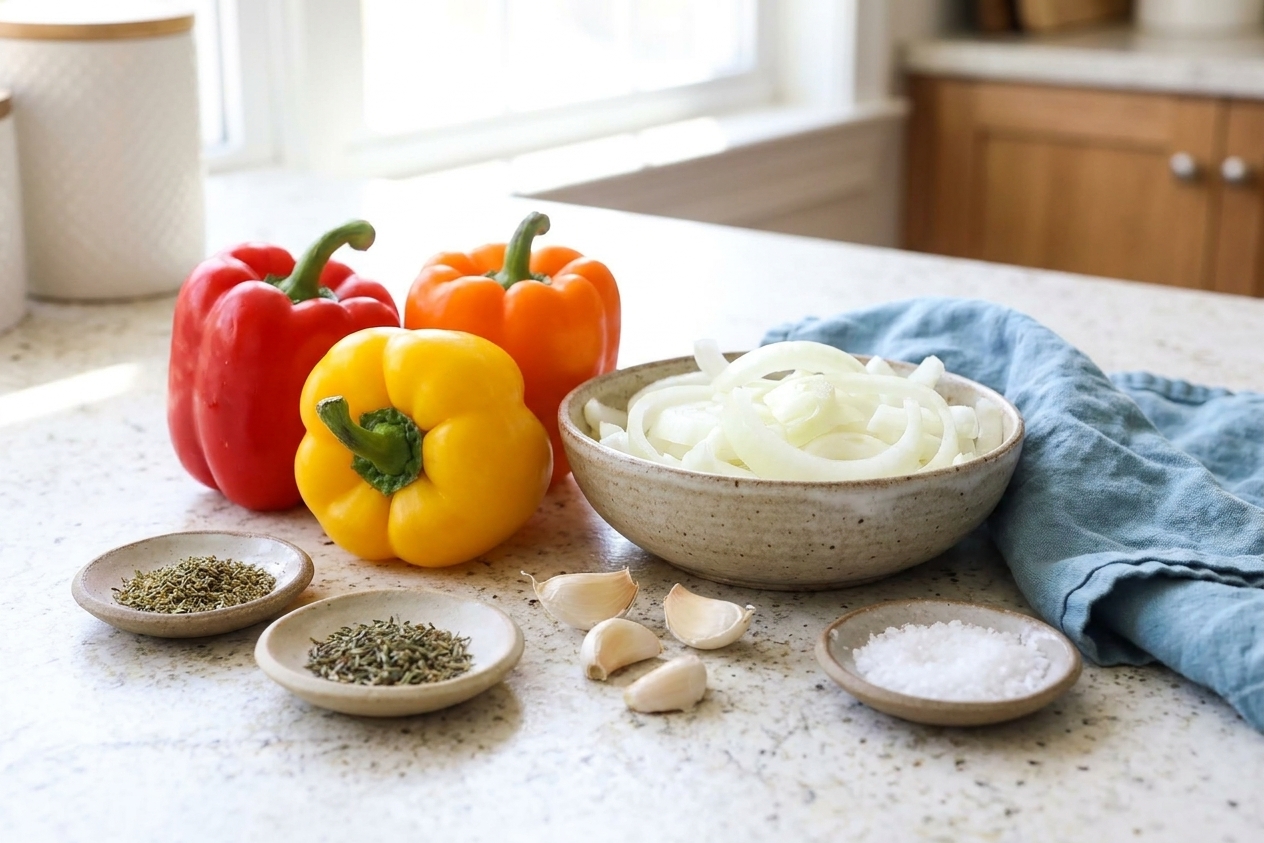
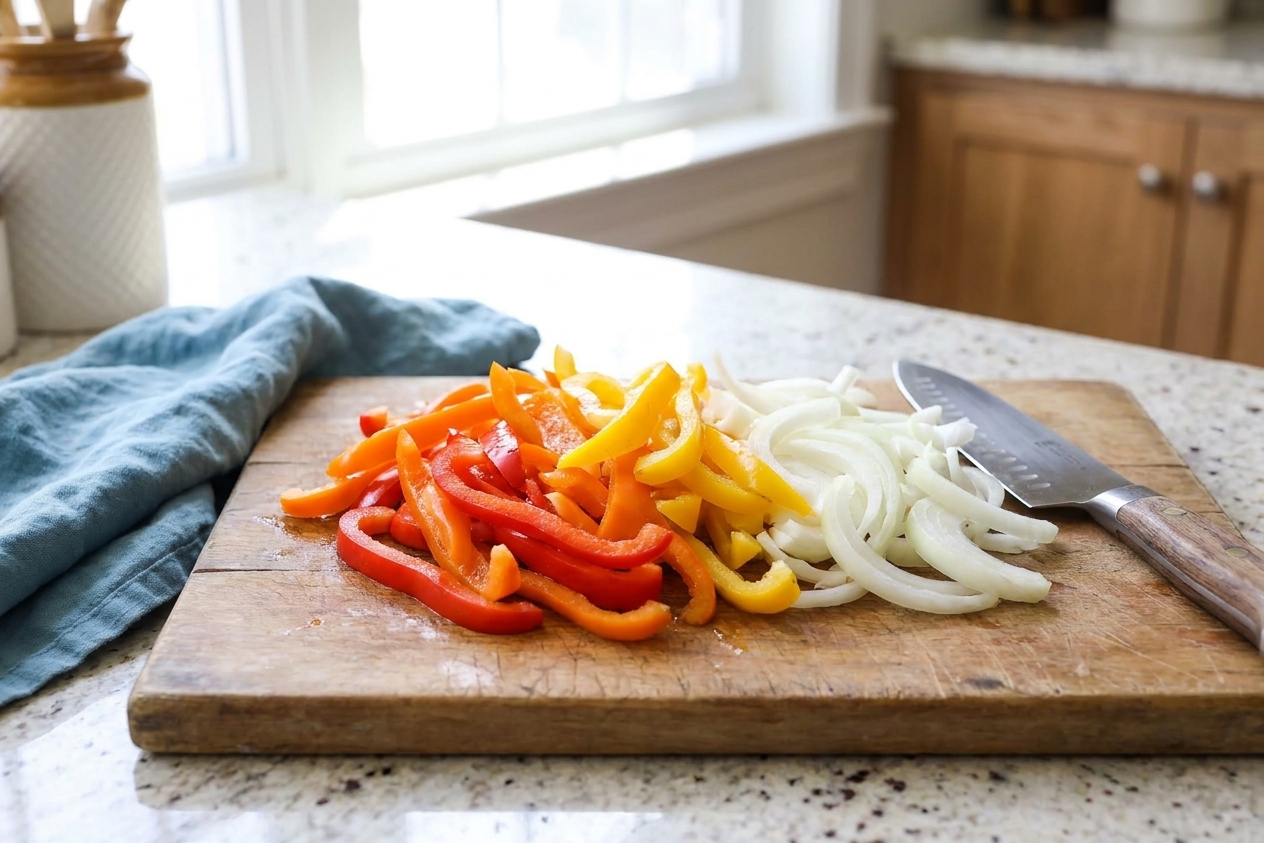
Whole red, yellow, and orange bell peppers with a bowl of sliced onions, garlic cloves, and small bowls of dried herbs and salt on a bright kitchen counter

Why It Works

  • Big flavor from simple stuff: cooking the peppers long enough concentrates their sweetness, then vinegar and herbs bring the balance back.
  • Flexible texture: you can keep it chunky for stuffed peppers or cook it a bit longer for a softer, spreadable filling.
  • Works hot or cold: it’s great straight from the pan, and somehow even better after a night in the fridge.
  • Built for meal prep: make one batch and you have multiple quick meals waiting in the wings.

Pairs Well With

Storage Tips

Refrigerator: Cool completely, then store in an airtight container for up to 4 days.

Freezer: Freeze in a flat layer in a freezer bag or in 1 cup portions for up to 3 months. Thaw overnight in the fridge.

Reheat: Warm in a skillet over medium heat with a splash of water or broth to loosen. Microwave works too, but the skillet brings back a bit of browning and caramelized edges.

If you added cheese: expect it to thicken when chilled. Reheat gently so it turns creamy again.

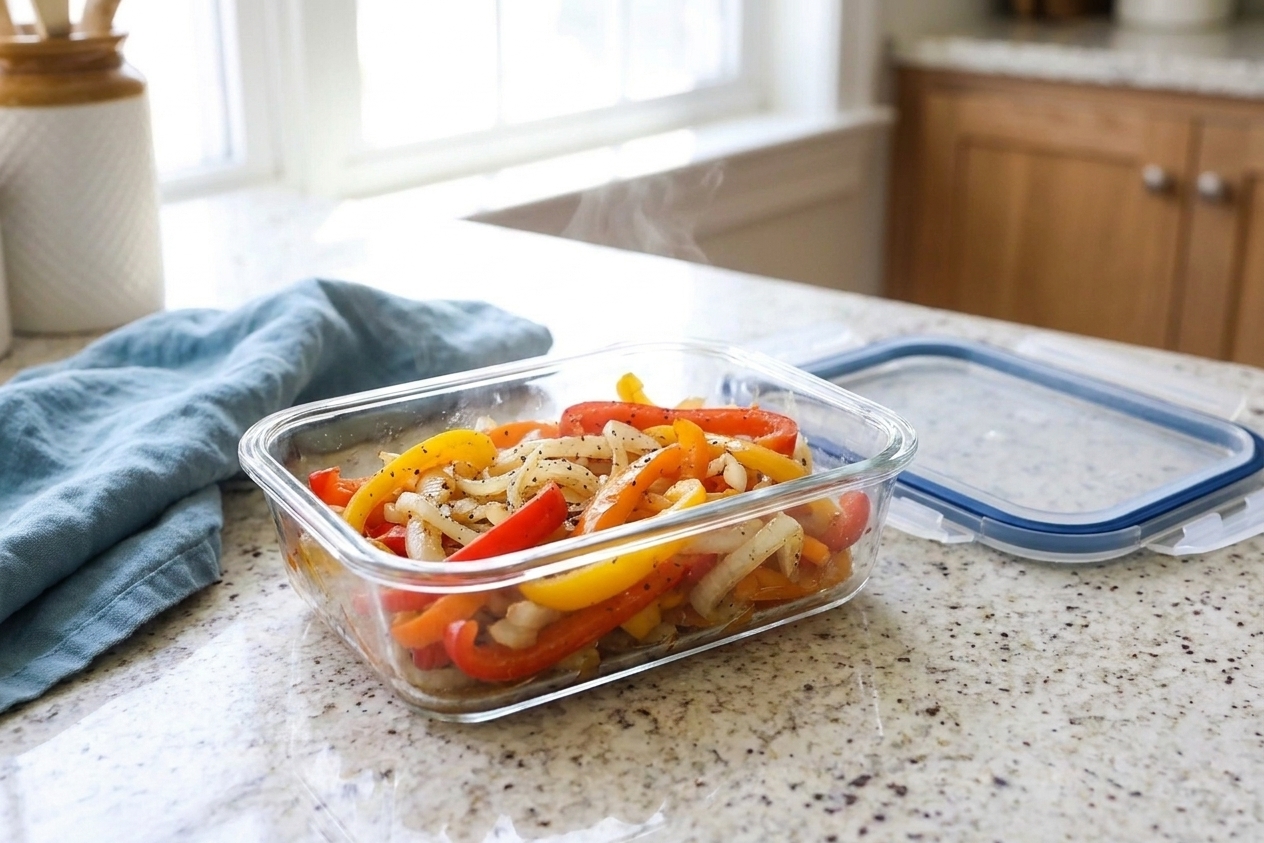
A glass meal prep container filled with sautéed peppers and onions cooling on a kitchen counter next to a fitted lid

Common Questions

Is pepper filling the same as pepper steak filling?

Not quite. This is a vegetable-forward filling built on sautéed peppers and onions. You can absolutely add cooked ground beef, sausage, shredded chicken, or chopped steak if you want a heartier version.

What kind of peppers work best?

Sweet bell peppers are the classic: red, orange, and yellow give you the most sweetness. Green bells work too, but they’re more grassy and slightly bitter. For heat, add a jalapeño or a pinch of red pepper flakes.

How do I keep the filling from getting watery?

Three things help: (1) use a 12-inch skillet for this amount, (2) cook over medium to medium-high so moisture evaporates, and (3) do not overcrowd the pan. If you only have a smaller skillet, cook in two batches. If it still looks wet, just keep cooking until it turns glossy and thicker.

Can I use this as a stuffed pepper filling?

Yes. Think of this as a flavor base. For stuffed peppers, stir in something starchy or hearty like cooked rice, quinoa, couscous, or cooked ground meat, then stuff and bake until the peppers are tender. (If you want a full baked stuffed peppers method with exact bake time, use your favorite recipe and swap this in as the filling base.)

How do I make it more “restaurant-y”?

Add a spoon of tomato paste while the onions soften, or finish with a little butter and a squeeze of lemon. Also, taste for salt at the very end. Peppers can take more than you think.

What if it tastes too sweet or too sharp?

If your peppers are extra sweet, add another small splash of vinegar. If it ends up a little too sharp, a tiny pinch of sugar or a drizzle of honey will smooth it out (totally optional).

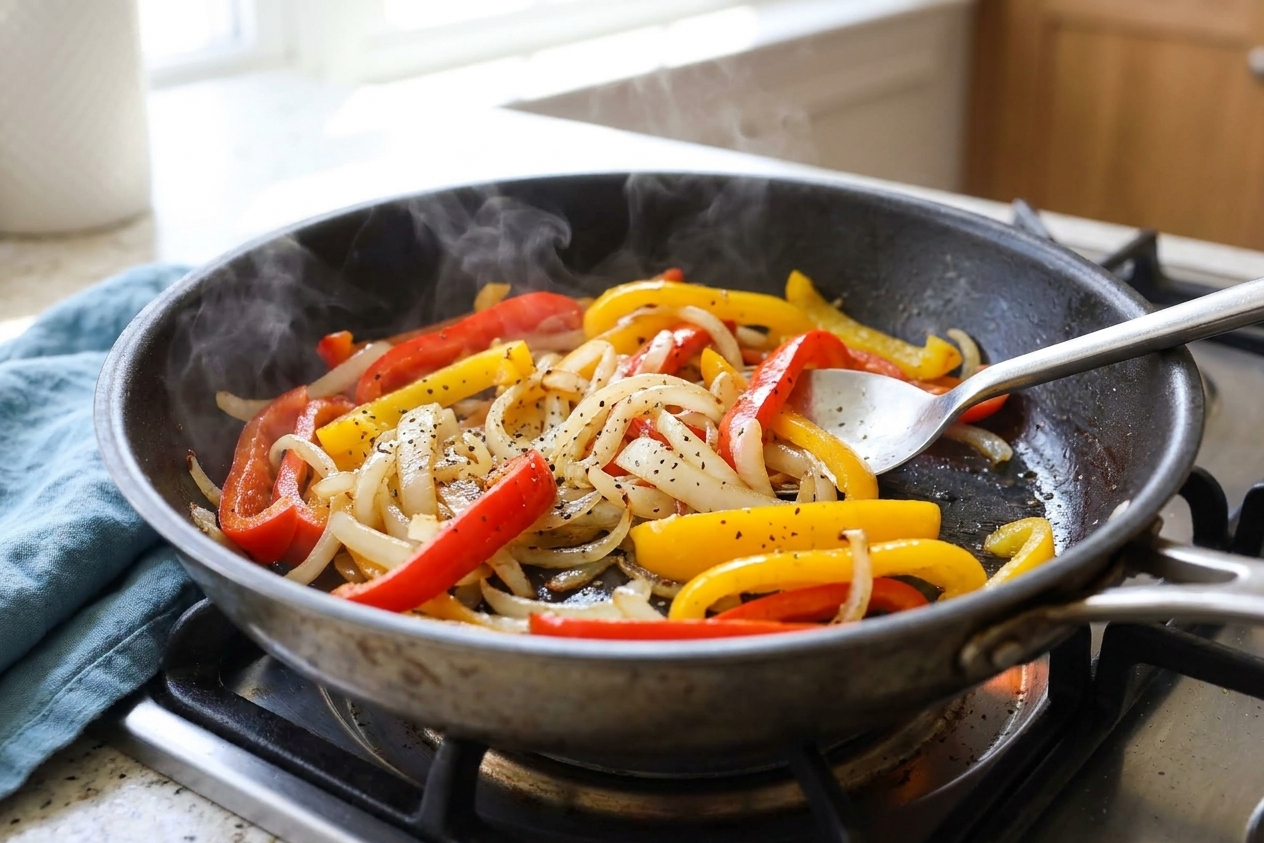
I started making pepper filling when I was in my “I swear I’m going to cook this week” era and kept buying bell peppers with the best intentions. A few days later, they’d be staring at me from the crisper drawer like, “So… what’s the plan?” This became my solution: one skillet, a little patience, and suddenly I had something that made eggs feel fancy and sandwiches feel intentional. It’s the kind of practical cooking I love, not precious, just smart and delicious.