Mom's Best Recipes
Recipe

Perfect Holiday Prime Rib Roast

A foolproof prime rib with a crackly herb crust, rosy center, and a no-stress au jus you can make while everyone “helps” by hovering.

Author By Matt Campbell
4.9
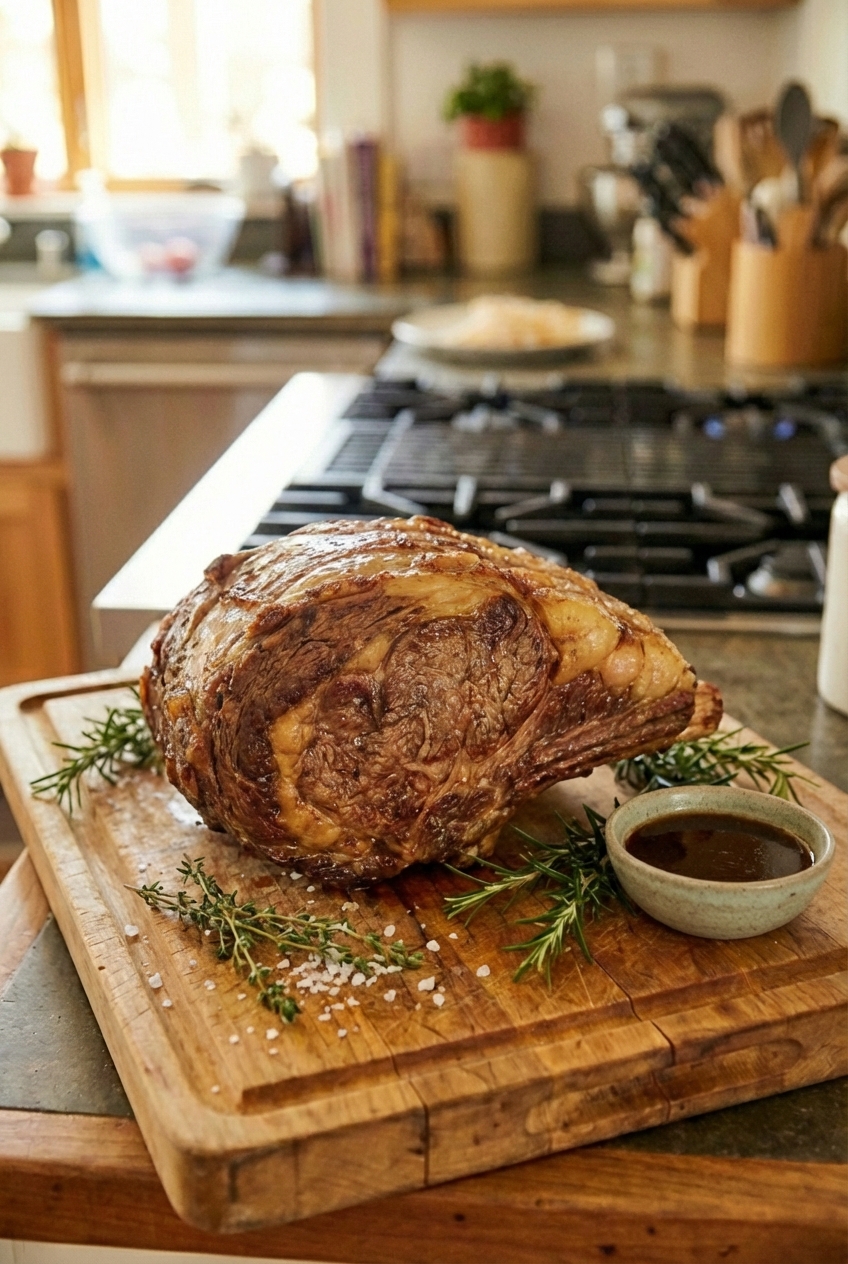
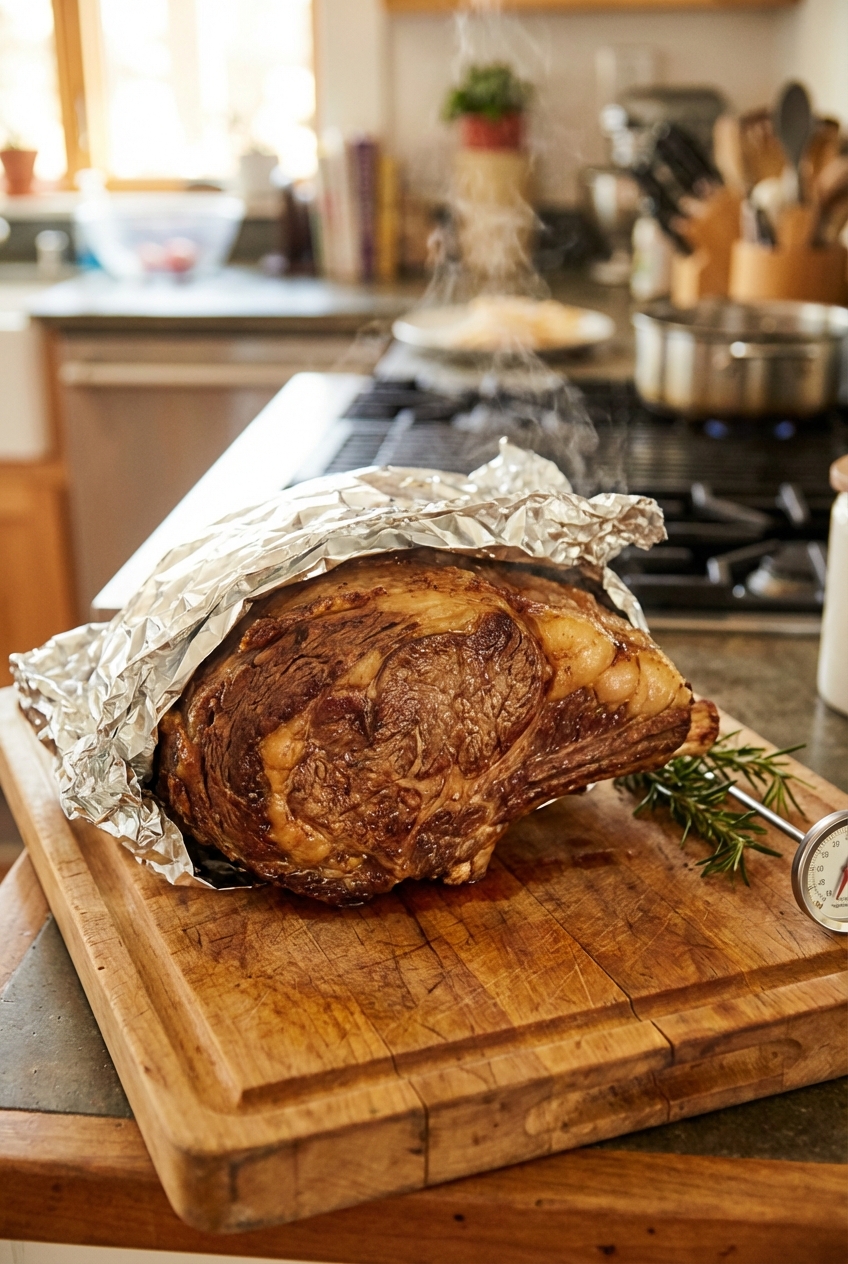
A golden-brown prime rib roast resting on a cutting board with herbs and a small bowl of au jus nearby

Prime rib has a reputation for being fancy, fussy, and one wrong glance away from disaster. I disagree. Prime rib is actually one of the most rewarding holiday mains because the meat is already doing most of the work. Our job is to season it well, cook it evenly, and not panic-slice it the second it leaves the oven.

This recipe leans on three dependable moves: a confident salt-and-herb crust, a low-and-slow roast for edge-to-edge doneness, and a quick high-heat finish for that crisp, bronzed exterior. You get a tender, rosy center and a crust that makes people go quiet for a second. That is how you know you did it.

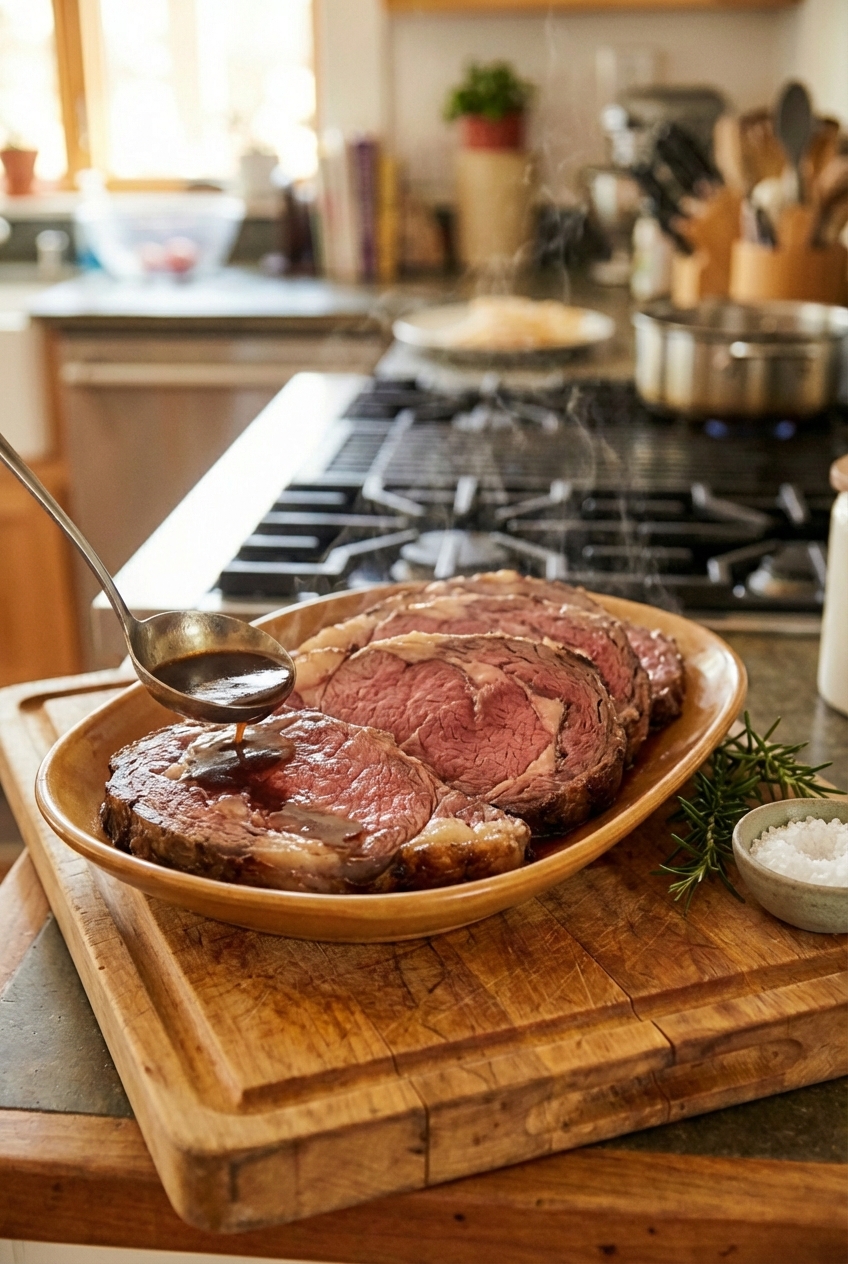
A hand slicing prime rib into thick slices showing a rosy interior and browned crust on a wooden cutting board

Why It Works

  • Even doneness, not a gray ring: Starting low helps the interior cook gently, so you get more pink and less “why is the outside well-done.”
  • Big flavor with everyday ingredients: Garlic, rosemary, thyme, black pepper, and plenty of salt. No mystery powders required.
  • Reliable timing with a thermometer: Prime rib is not a vibes-based recipe. A probe thermometer removes the drama.
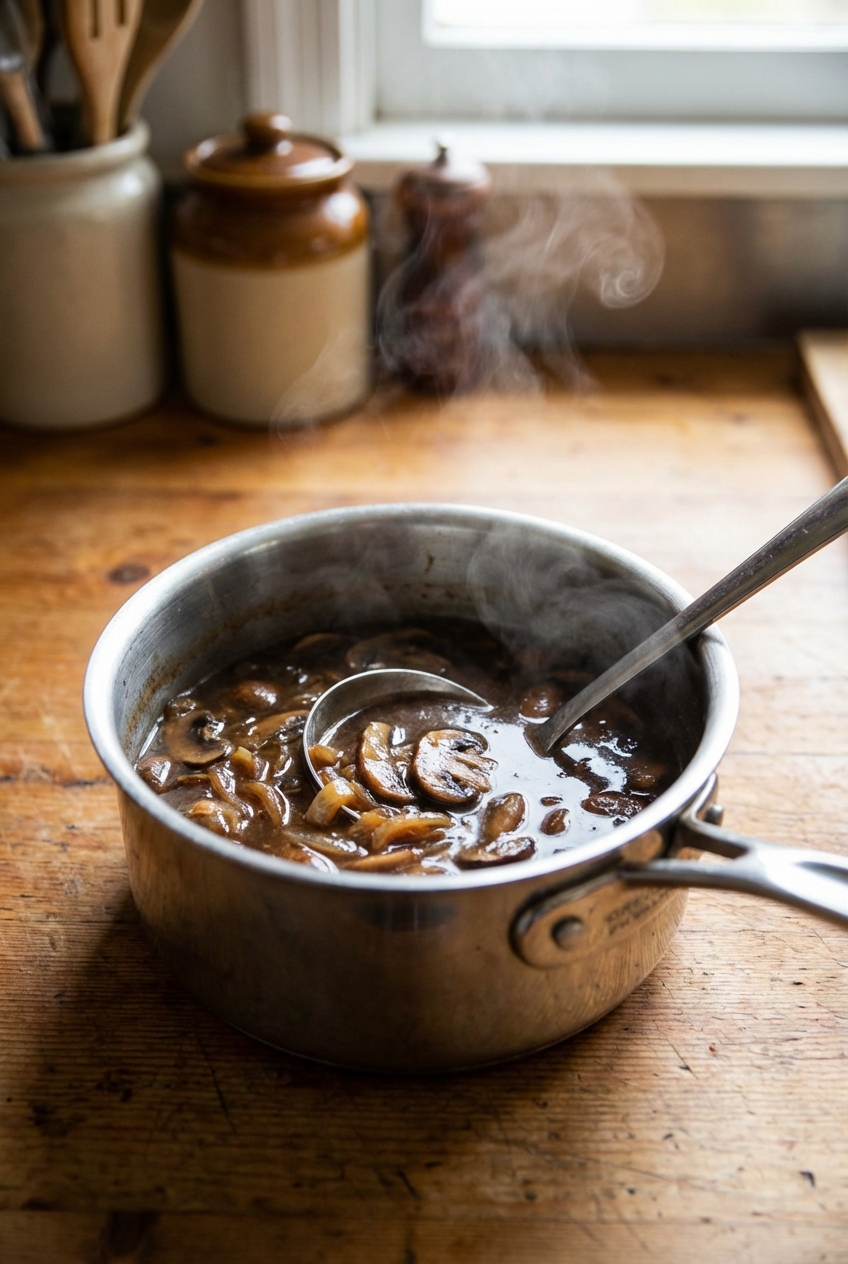
  • Au jus without fuss: A quick pan sauce built from drippings, stock, and a splash of wine (optional but encouraged).

Storage Tips

Leftover prime rib is basically a gift you gave Future You. Treat it gently and it will keep tasting expensive.

Refrigerate

  • Cool leftovers, then store in an airtight container for up to 4 days.
  • For best texture, store slices with a little au jus or pan juices to keep them moist.

Freeze

  • Freeze sliced beef (with a spoonful of jus if you have it) for up to 2 months.
  • Thaw overnight in the fridge before reheating.

Reheat without overcooking

  • Low oven method: Place slices in a baking dish with a splash of broth or jus, cover tightly, and warm at 250°F until just heated through.
  • Stovetop method: Warm slices in simmering jus for 30 to 60 seconds. Think “bathe,” not “boil.”

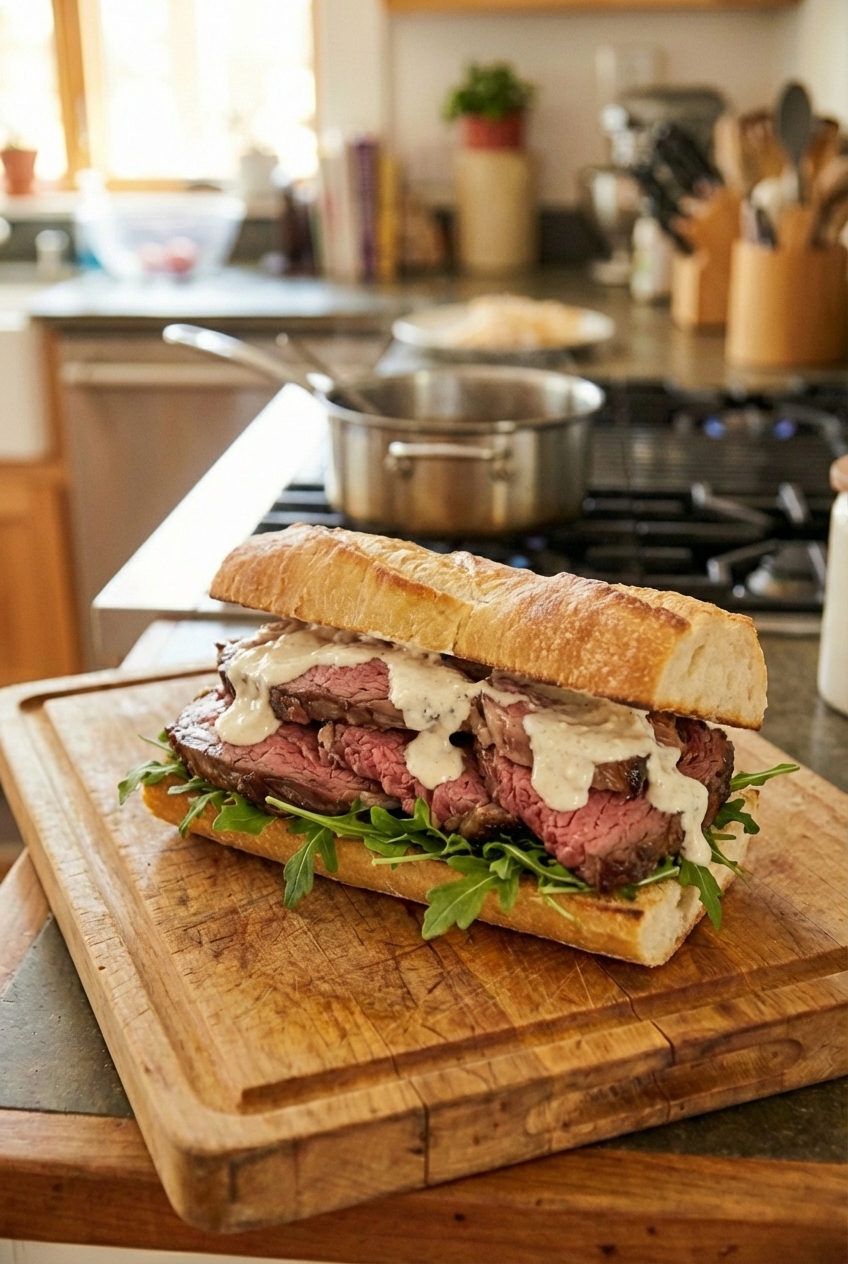
Leftover ideas: French dip sandwiches, steak and eggs, prime rib fried rice, or a salad that somehow becomes the main event.

Common Questions

How much prime rib do I need per person?

A good rule is 1 pound per person for a bone-in roast (bones add weight). If you have big eaters or want generous leftovers, aim for 1 1/4 pounds per person. For boneless, 3/4 to 1 pound per person is usually plenty.

Bone-in or boneless?

Bone-in is classic and a bit more forgiving because the bones act like insulation. Boneless is easier to carve. Both are great. If you go boneless, tie it with butcher’s twine every 1 1/2 inches for even cooking.

Do I really need to let it sit uncovered in the fridge?

You do not have to, but it helps. An overnight, uncovered chill is a simple dry-brine that improves seasoning and helps the exterior dry so it browns better. If you only have a few hours, still salt it and let it sit at room temp before roasting.

What internal temperature should I aim for?

Because this method includes a rest and a hot 500°F finish, you want to pull the roast earlier than you think. The temperature rises during the rest, then can rise a bit more during the final sear.

  • Rare: pull at 110°F to 113°F, finish around 120°F to 125°F
  • Medium-rare: pull at 115°F to 118°F, finish around 125°F to 130°F
  • Medium: pull at 120°F to 123°F, finish around 130°F to 135°F

USDA guidelines for whole cuts of beef focus on safe handling and resting. For prime rib, a thermometer and a proper rest are your best tools.

Why is my prime rib tough?

Most often it is overcooked or sliced wrong. Cook to temperature, rest properly, then slice against the grain. Also, if your roast is very lean, avoid blasting it at high heat for the entire cook.

Can I prep the roast the day before?

Yes. Season the roast (salt plus the herb mixture), set it on a rack, and refrigerate uncovered overnight. On cooking day, let it sit at room temperature for 1 1/2 to 2 hours before roasting.

The first time I made prime rib, I treated it like it was going to file a formal complaint if I did anything slightly wrong. I set three timers, checked the oven light like it was a reality show elimination, and still almost sliced it immediately because I wanted proof it was pink. Reader, I learned two things: a thermometer is the boss and resting is not a suggestion. Now prime rib is my favorite kind of holiday chaos: the house smells incredible, the sides can be whatever, and the roast quietly turns me into the person who “makes prime rib every year” even though I am absolutely winging it with confidence.