Mom's Best Recipes
Recipe

Perfect Pan-Seared Filet Mignon

Steakhouse vibes at home: a deep golden crust, a juicy center, and a quick butter baste that tastes like you planned this all week.

Author By Matt Campbell
4.9
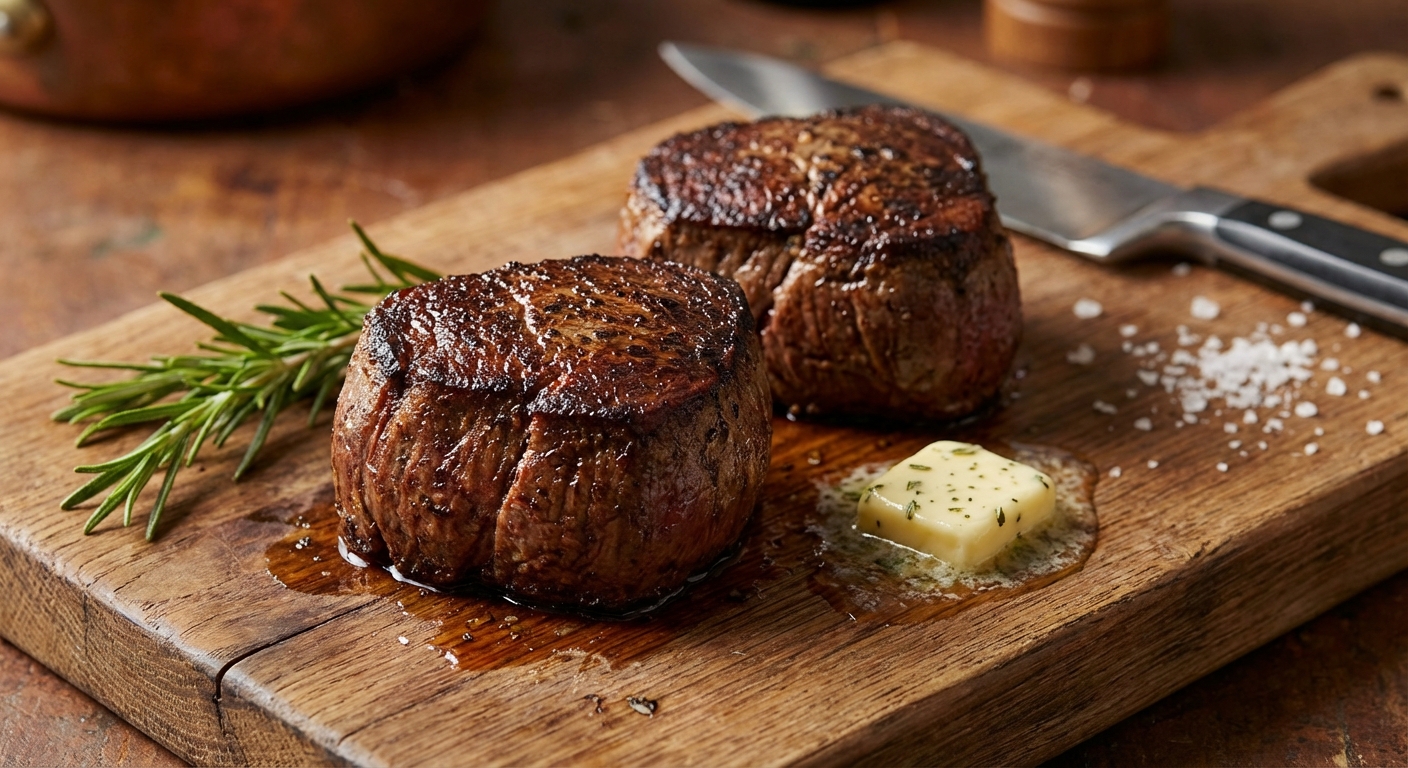
Two pan-seared filet mignon steaks resting on a cutting board with rosemary and a pat of melting butter nearby

Filet mignon has a reputation for being fancy, like it needs a tuxedo and a reservation. In reality, it just needs three things: a dry steak, a truly hot pan, and the confidence to leave it alone for a minute.

This is my weeknight steakhouse cheat code: pan sear for a serious crust, then butter baste with garlic and herbs until the whole kitchen smells like you have your life together. You do not. You just have butter. And that is enough.

Whether you are cooking for a date, a celebration, or simply because you want to eat something tender and dramatic in sweatpants, this method delivers a filet mignon that is crisp-edged, juicy, and perfectly seasoned.
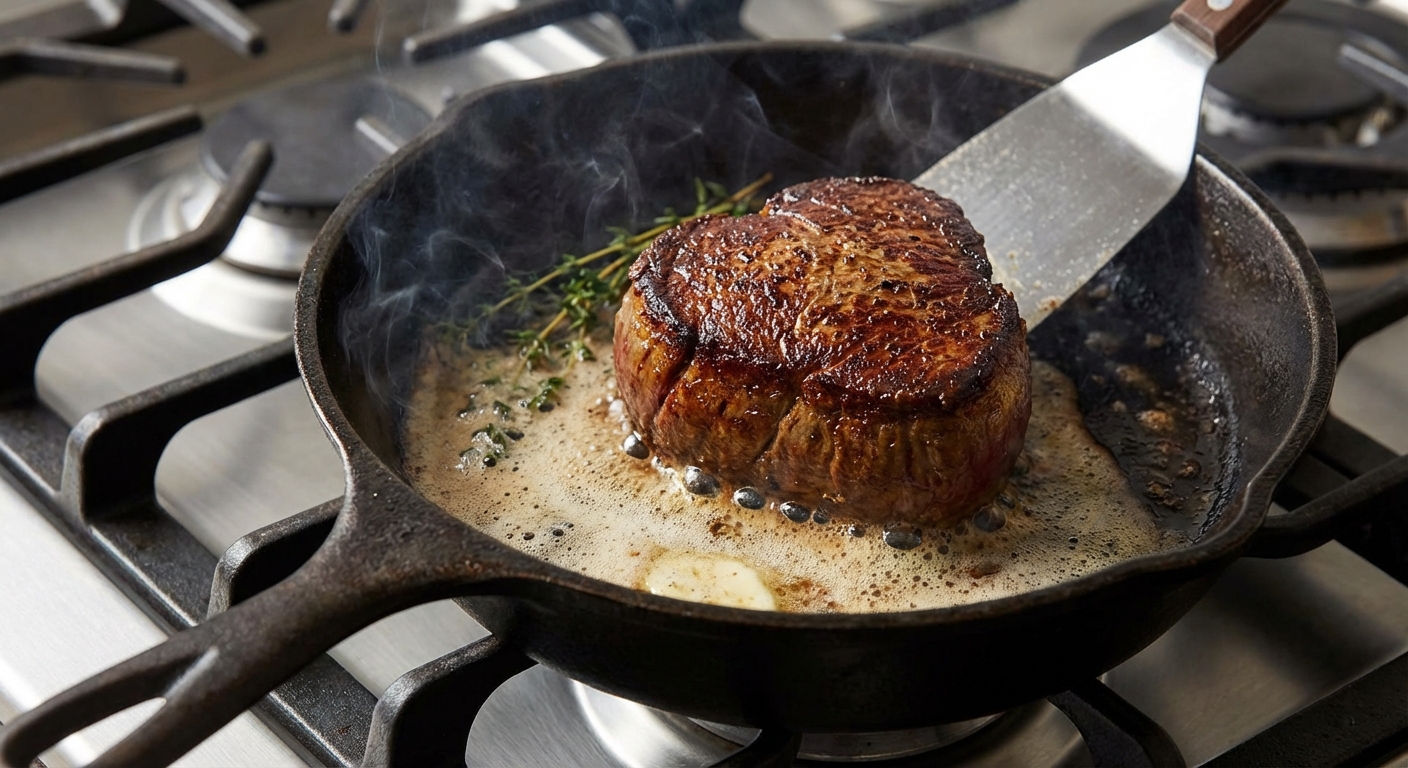
A cast iron skillet on a stovetop with a filet mignon developing a dark golden crust in sizzling butter

Why It Works

  • Big crust, tender center: High heat builds a browned exterior fast so the inside stays plush instead of overcooked.
  • Butter basting adds instant luxury: It finishes the top gently while coating the steak in garlicky, herby goodness.
  • Resting is non-negotiable: A short rest keeps the juices in the steak, not on your cutting board.
  • Reliable doneness: Using a thermometer takes filet from “I hope” to “nailed it.”

Storage Tips

Leftover filet is a gift. Treat it gently and it will treat you back.

How to store

  • Refrigerate: Cool completely, then store in an airtight container up to 3 days.
  • Freeze: Wrap tightly (plastic wrap plus a freezer bag) and freeze up to 2 months. Thaw overnight in the fridge.

Best ways to reheat without turning it sad

  • Low oven method (best): Place steak on a rack over a sheet pan and warm at 250°F until it hits 110°F to 115°F internally, then do a quick 30 to 60 second sear per side in a hot pan.
  • Stovetop gentle: Slice and warm in a skillet over low heat with a tiny splash of broth or water, covered, just until warmed through.
  • Cold is allowed: Thin slices on a salad or sandwich are wildly good.

Leftover glow-up idea: Slice thin, toss with arugula, shaved parmesan, and a lemony vinaigrette. It is steakhouse lunch energy.

Common Questions

What is the best thickness for filet mignon?

Aim for 1.5 to 2 inches thick. Thicker filets are easier to sear deeply without overcooking the center. Thin filets cook too fast and can go from perfect to “oops” in one phone notification.

Do I need cast iron?

Cast iron is ideal because it holds heat like a champ, but a heavy stainless steel skillet works great too. Nonstick is not ideal here because it does not brown as aggressively, and most brands do not love very high heat.

Should I salt filet mignon ahead of time?

If you can, yes. Salt 45 minutes to 24 hours ahead and refrigerate uncovered. This dries the surface and helps you get that crust. If you cannot, salt right before cooking. Try to avoid the in-between window (about 10 to 40 minutes), which can leave the surface a little wet right when you want it dry and ready to sear.

How do I know when it is done?

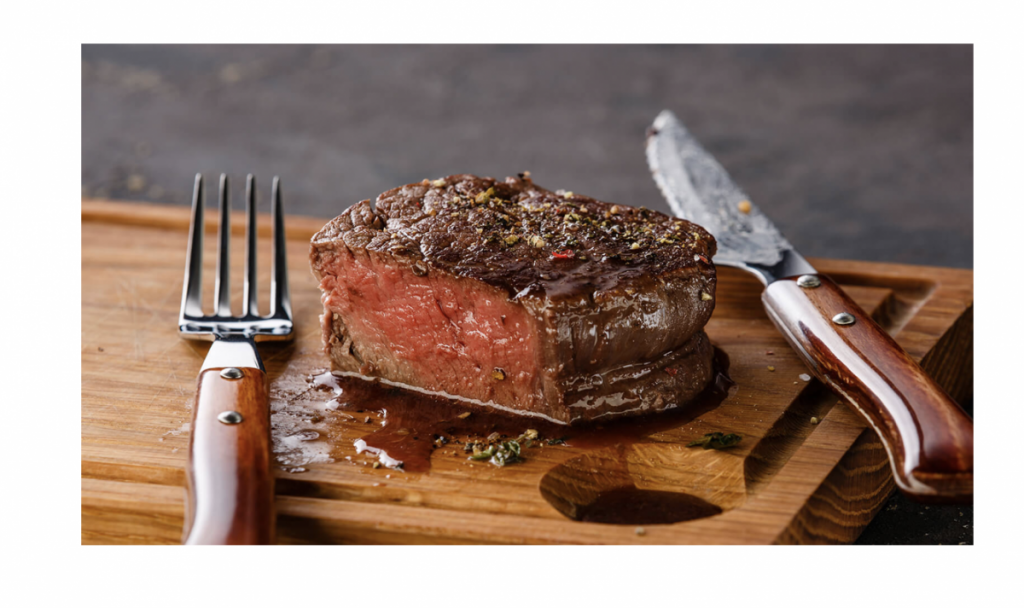
Use a thermometer and think in two numbers: pull temp (when you take it out of the pan) and final temp (after resting). Filets keep cooking as they rest.

  • Rare: pull at 120°F, rest to ~125°F
  • Medium-rare: pull at 125°F, rest to ~130°F
  • Medium: pull at 135°F, rest to ~140°F

Filet is at its best at medium-rare or medium.

Why didn’t my steak get a crust?

  • It was wet. Pat it very dry.
  • Your pan was not hot enough. Preheat longer.
  • You moved it too soon. Let it sear undisturbed.
  • You crowded the pan. Cook in batches if needed.

Can I cook filet mignon without butter?

You can, but butter basting is part of the magic. If dairy is an issue, use a high-heat oil to sear and finish with olive oil, garlic, and herbs, or use a plant-based butter.

The first time I made filet mignon at home, I treated it like a fragile artifact. Tiny heat. Lots of hovering. Zero crust. The steak was tender, sure, but it tasted like it had never met seasoning or excitement.

Now I cook filet the way it wants to be cooked: dry, hot, and left alone long enough to develop those crisp edges. Then I baste it in butter with garlic and herbs like I am auditioning for a steakhouse. It is dramatic, fast, and honestly easier than trying to “be careful.”