What is venison backstrap?
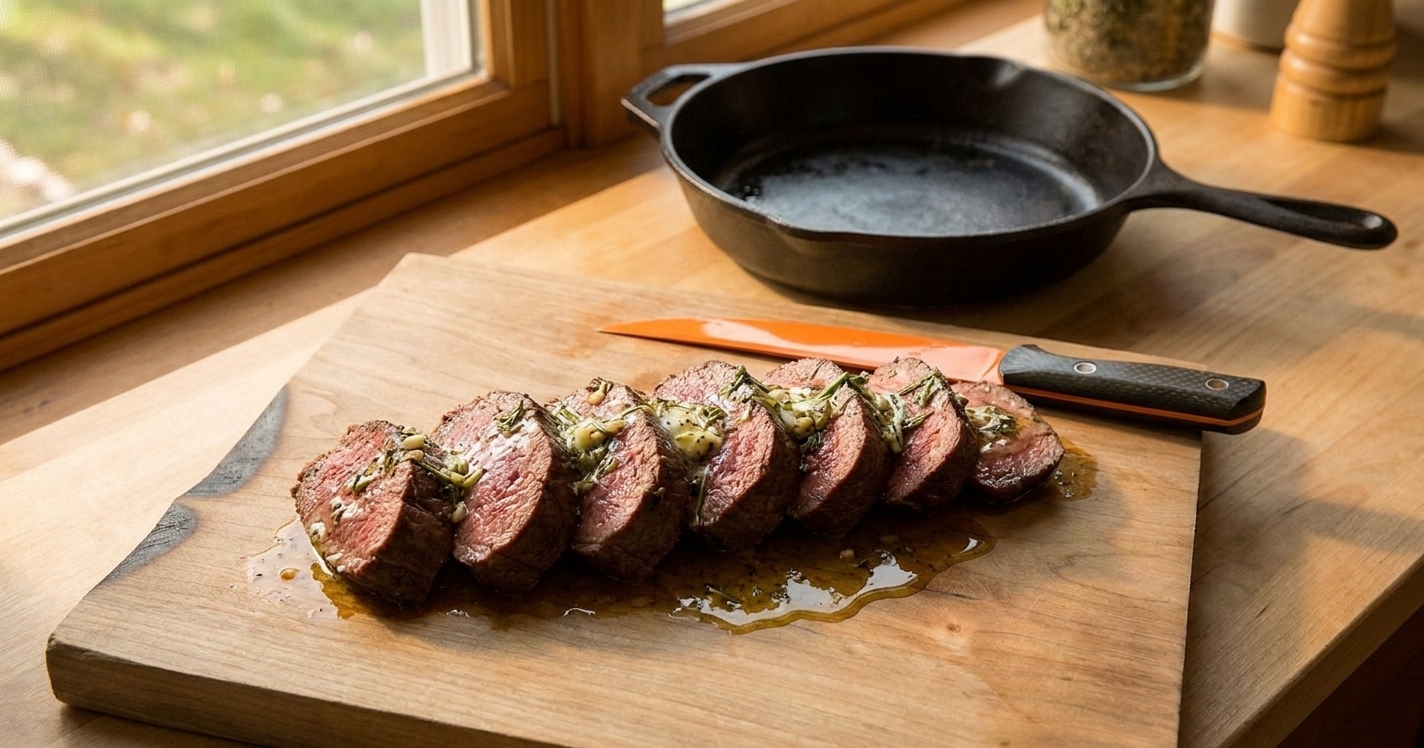
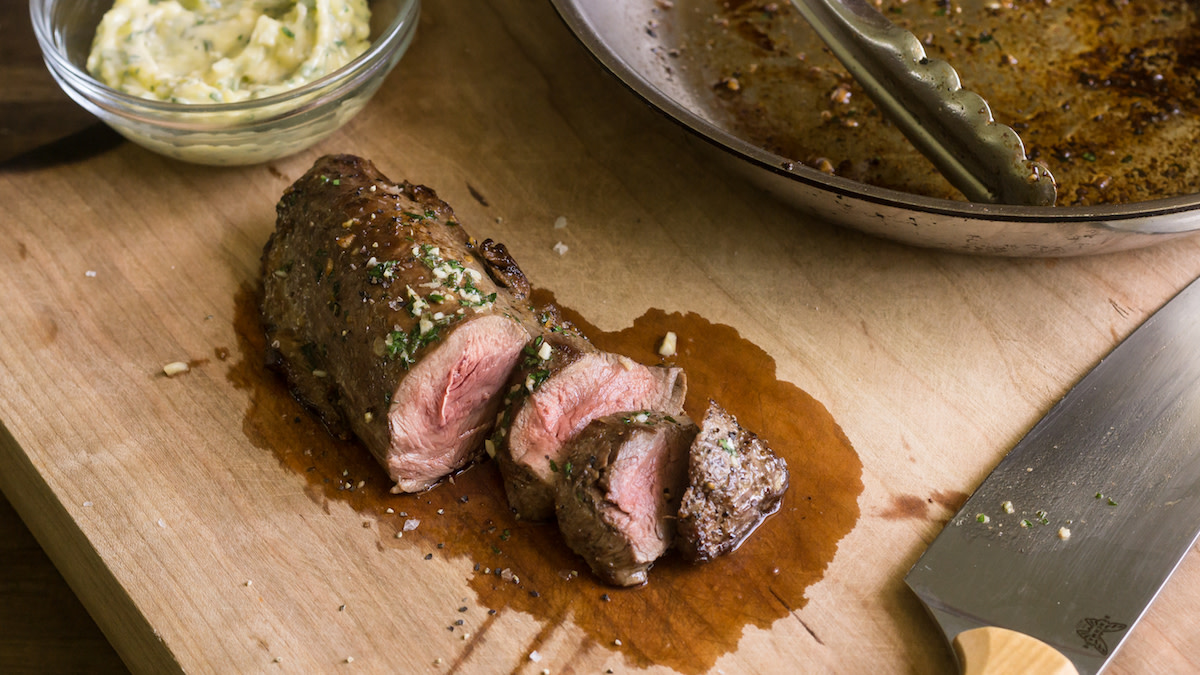
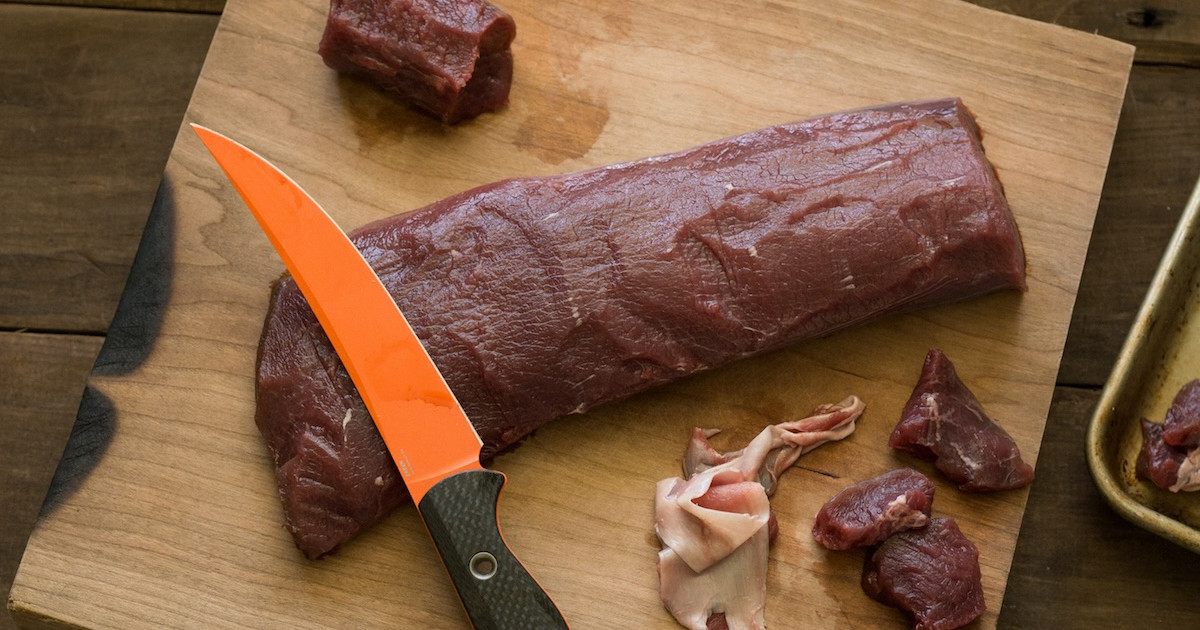
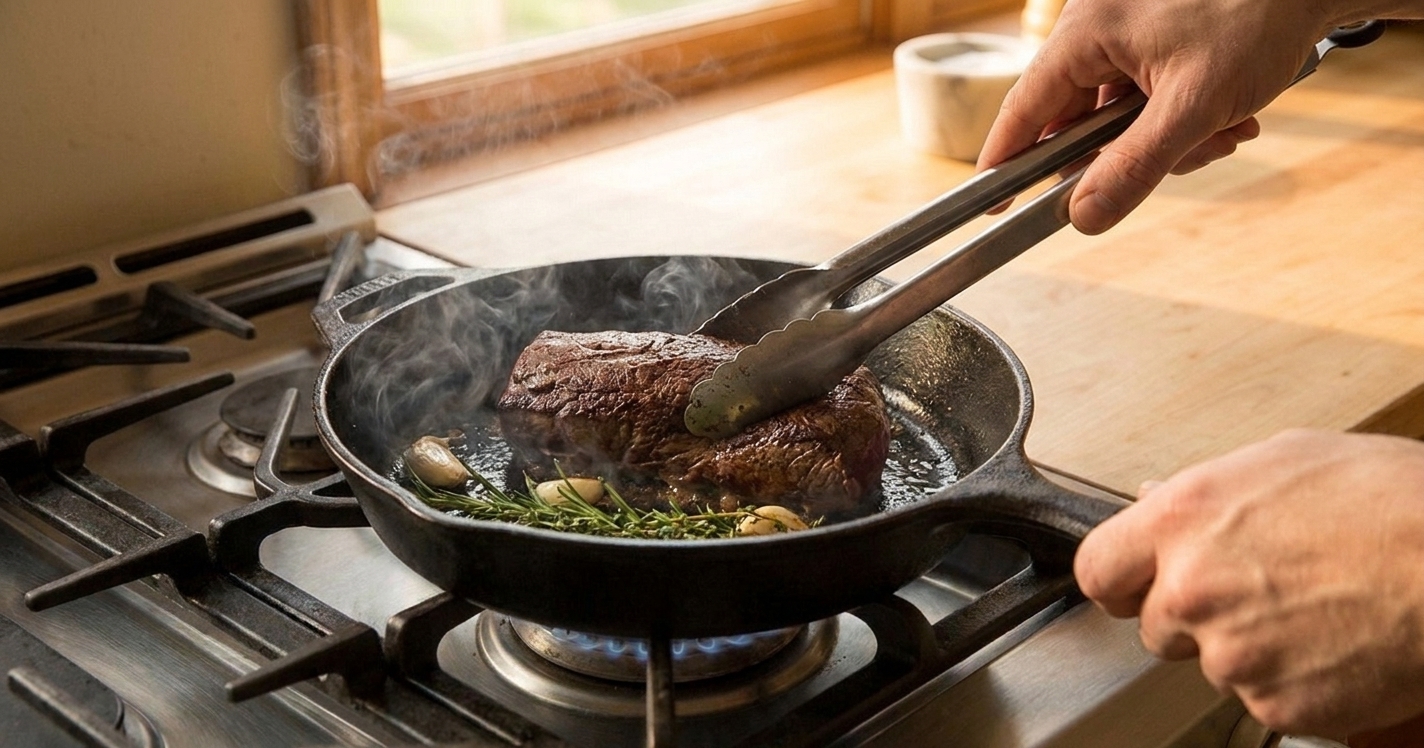
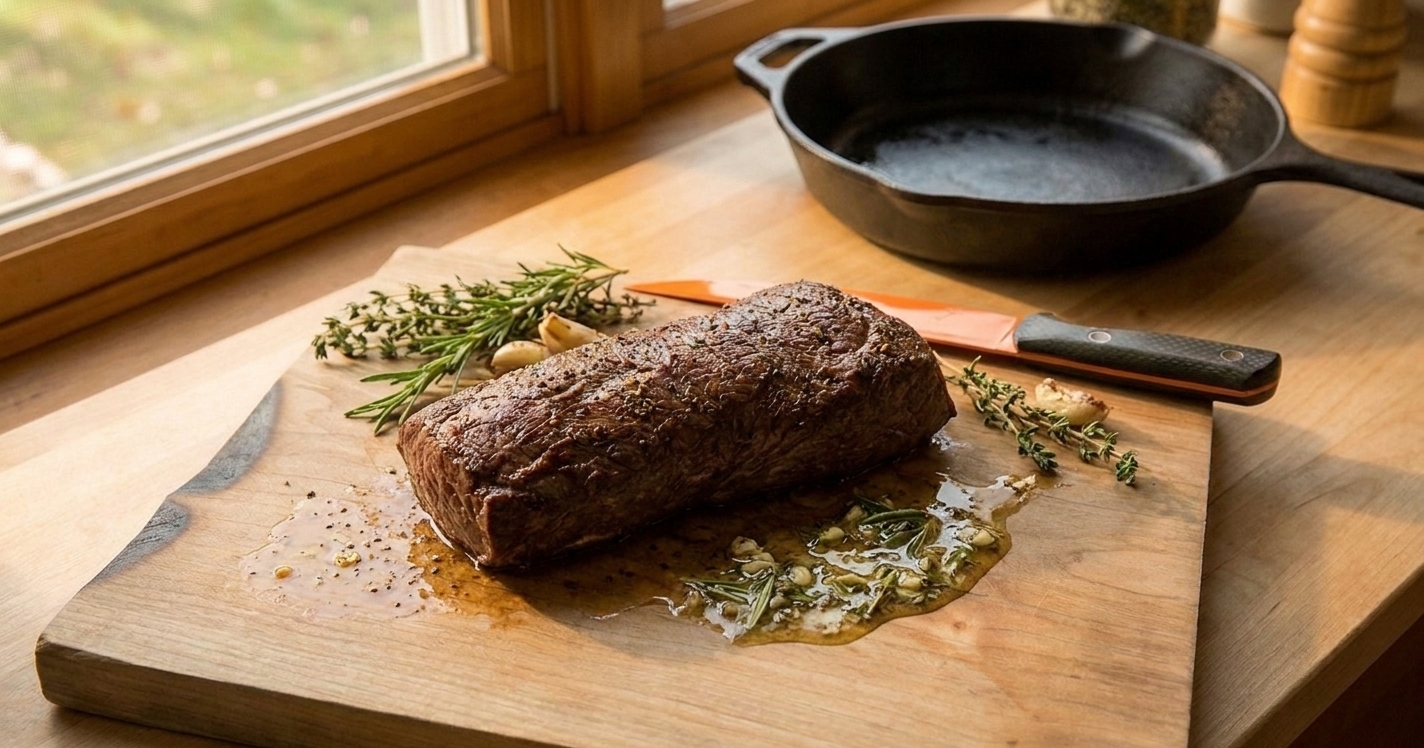
Backstrap is the loin muscle that runs on either side of the deer’s spine. It is the prized, super-tender cut, similar in vibe to beef tenderloin. Because it is lean, it cooks fast and can dry out if overdone.
What internal temperature should venison backstrap be cooked to?
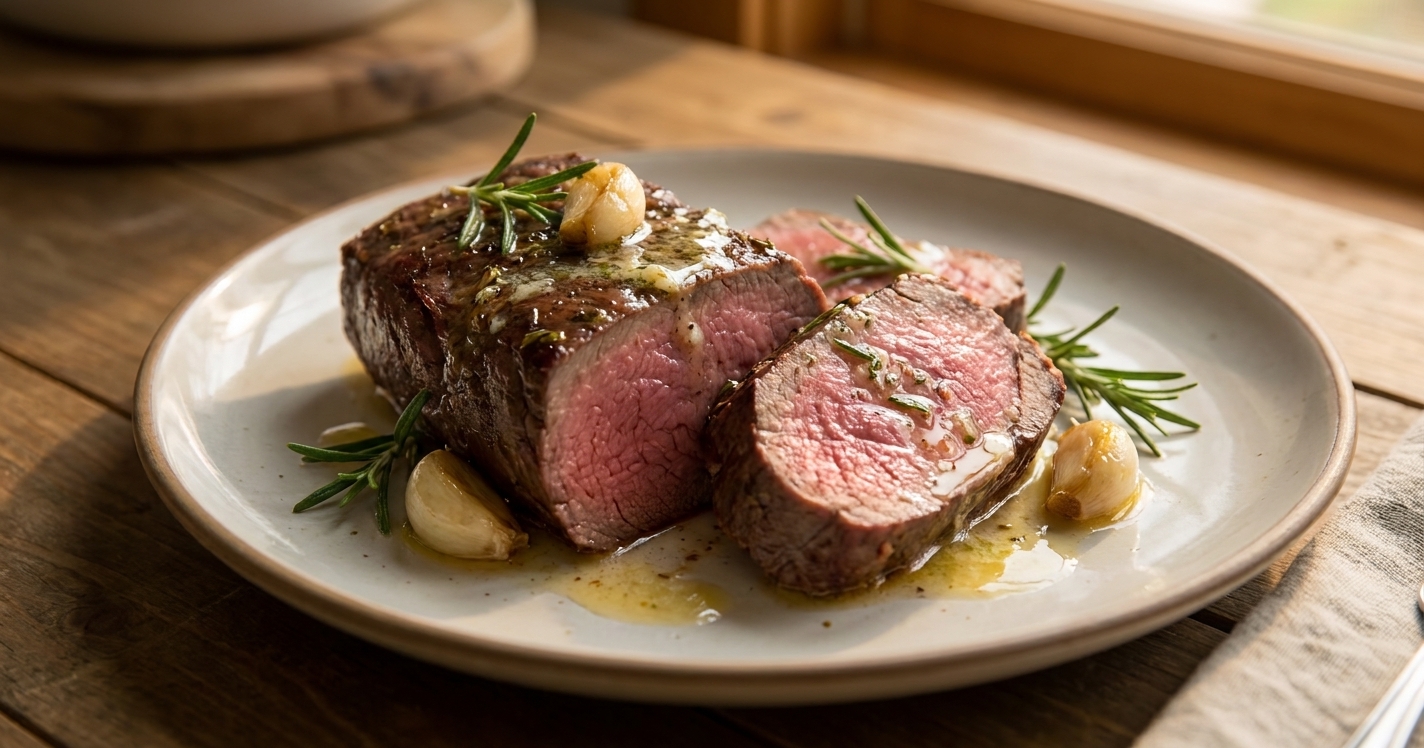
For tenderness, aim for medium-rare. Pull the meat from heat around 120 to 125°F, then rest it to finish around 130 to 135°F. If you prefer medium, pull at 130°F and rest to about 140°F.
Carryover cooking can vary a lot depending on thickness and how hot your pan is, but 5 to 10°F is common. Start checking early and trust the thermometer, not your nerves.
Note: Food safety guidance for wild game can vary. Cook to a temperature you are comfortable with and follow any local or trusted guidelines you use for your household.
Do I need to soak venison in milk or buttermilk?
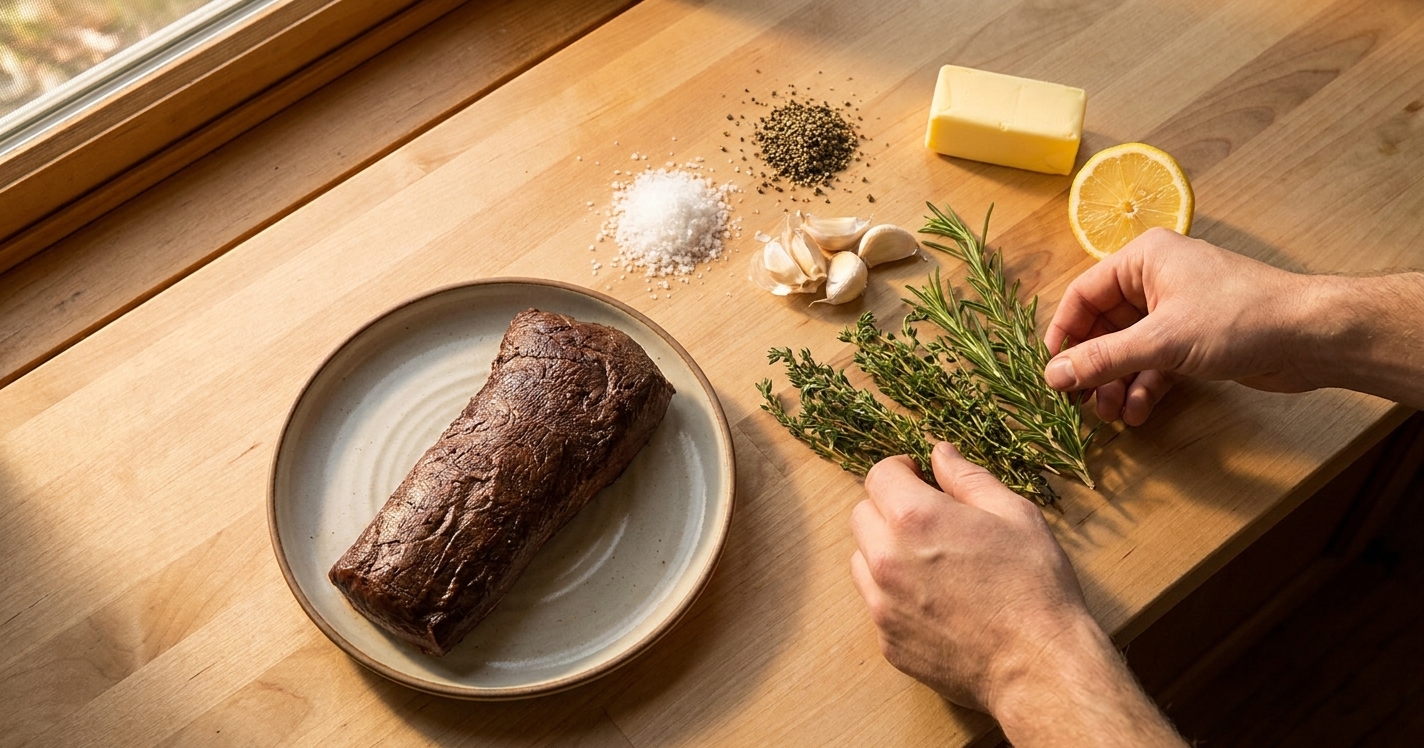
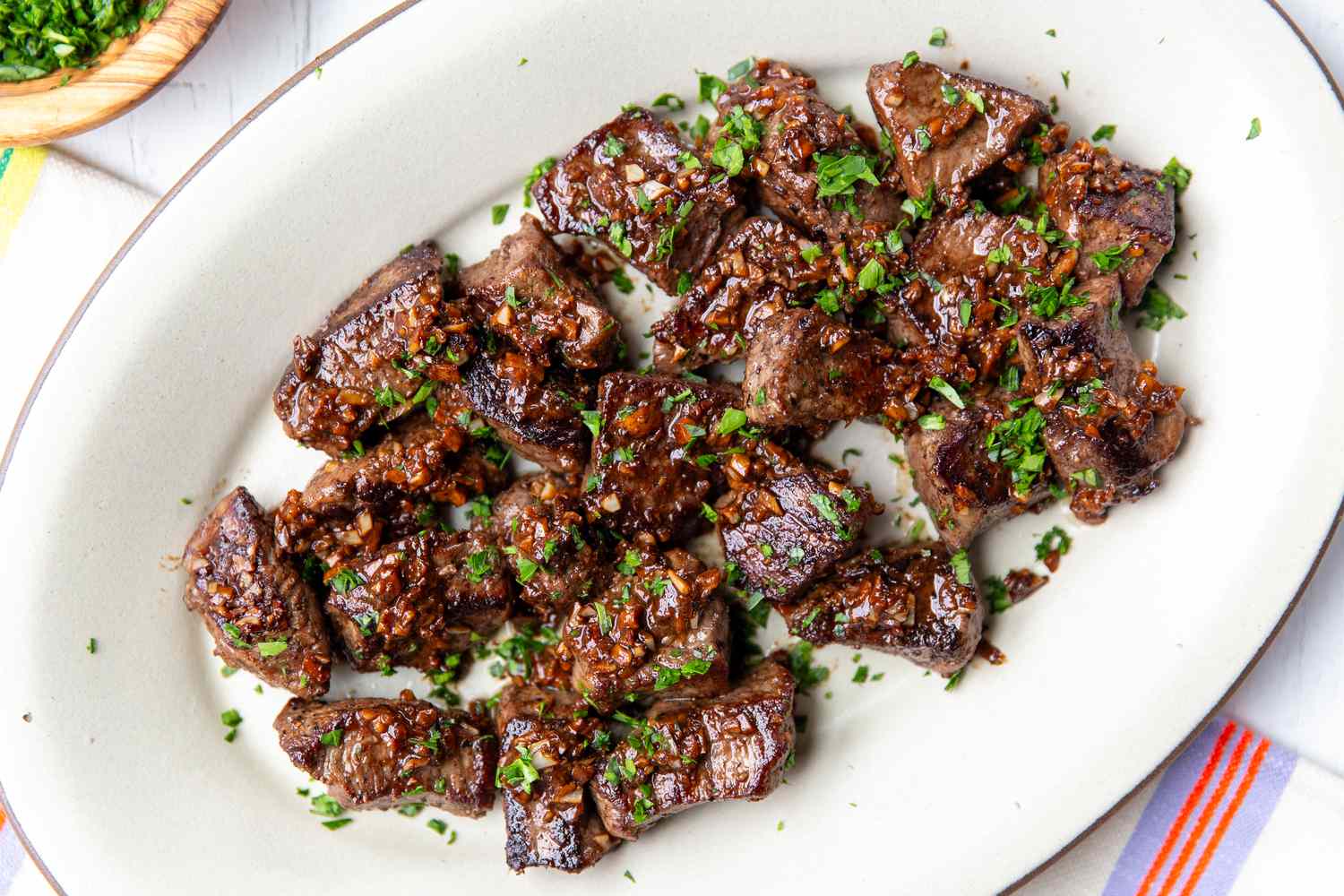
Not required for backstrap. If your venison has a strong wild flavor, a short soak in buttermilk for 2 to 4 hours can mellow it. But for clean-tasting backstrap, I would rather build flavor with a hard sear, butter, herbs, and a squeeze of lemon.
Should I marinate backstrap?
You can, but keep it simple and not too acidic. Long acidic marinades can make the outside a little mushy. If you want extra insurance, do a quick dry brine: salt the meat and refrigerate uncovered for 1 to 4 hours, then cook.
Why is my venison backstrap tough?
Almost always one of these: it was overcooked, sliced with the grain, or cooked from wet (steamed instead of seared). Use a thermometer, pat it dry, and slice across the grain.
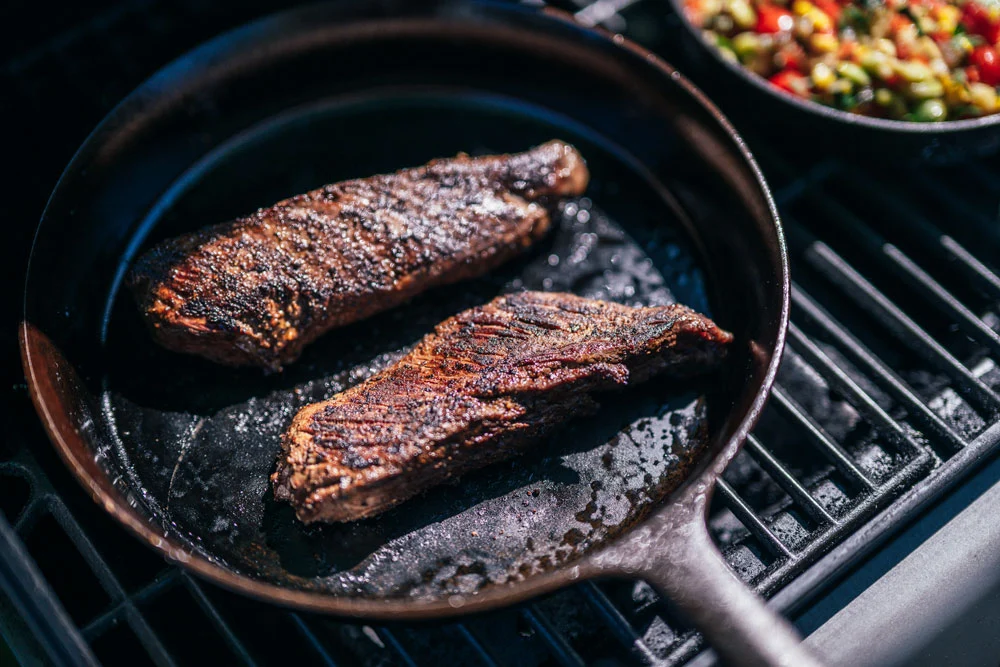
Can I cook this on the grill?
Yes. Sear over high heat, then move to indirect heat until it hits your target temperature. Still rest before slicing, and still finish with that butter if you want to feel like a genius.