Do I need vinegar to poach eggs?
No, but a small amount helps the whites set faster and stay compact. I keep it subtle: 1 tablespoon per quart of water. You should not taste it, though super-sensitive palates may notice it a bit more with apple cider vinegar (white vinegar stays the most neutral).
Why are my poached eggs wispy and messy?
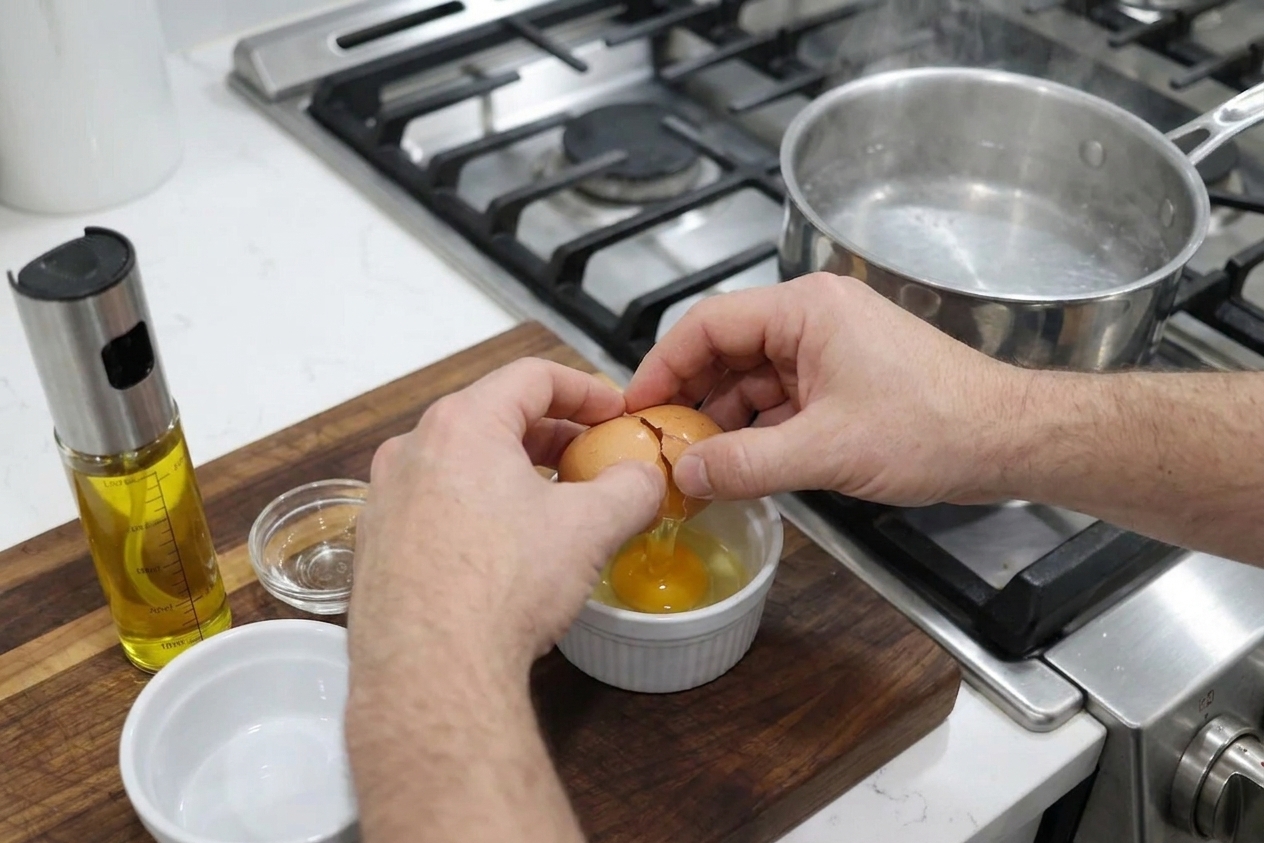
Usually one of three things: the water is boiling too hard, the eggs are not very fresh, or you dropped the egg from too high up. Keep the water at a gentle simmer, crack into a bowl first, and lower the egg close to the surface before releasing.
How do I know when a poached egg is done?
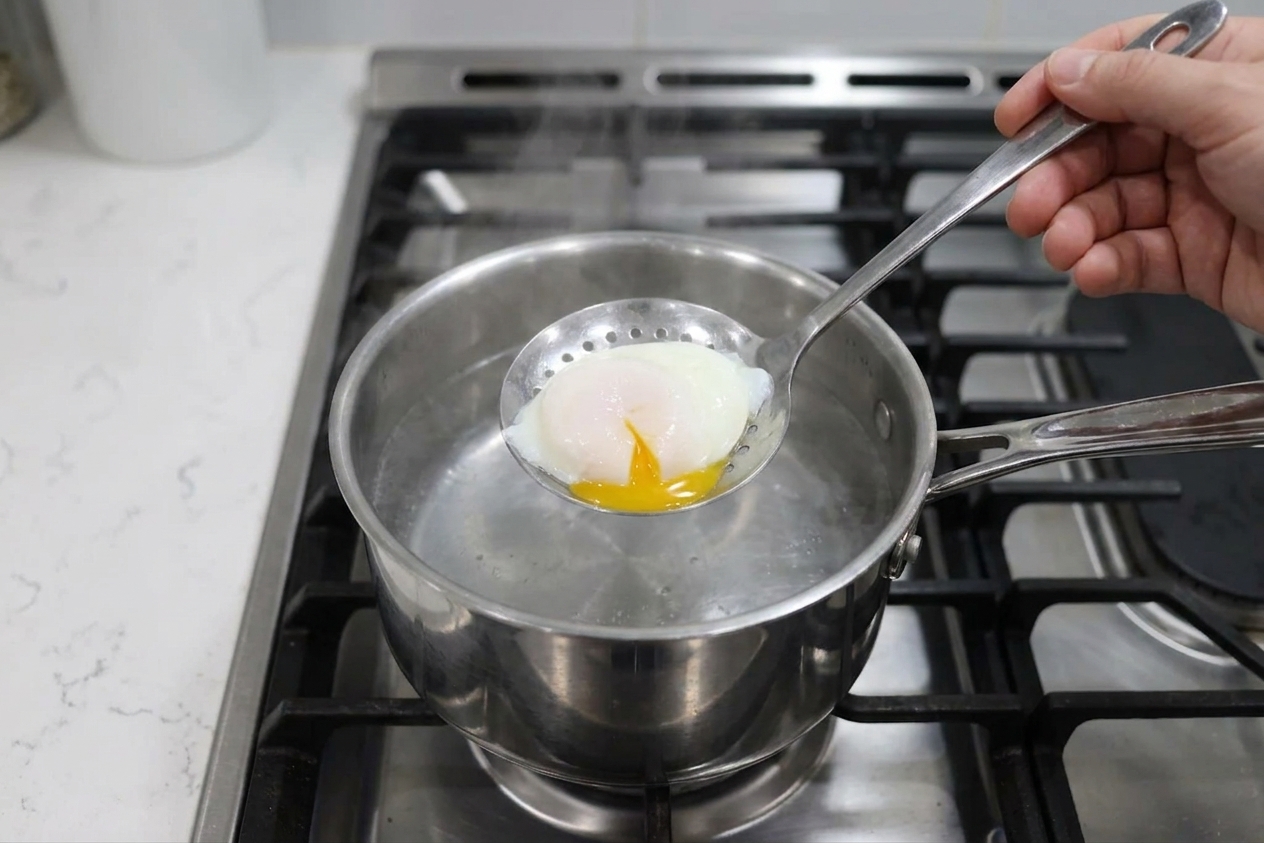
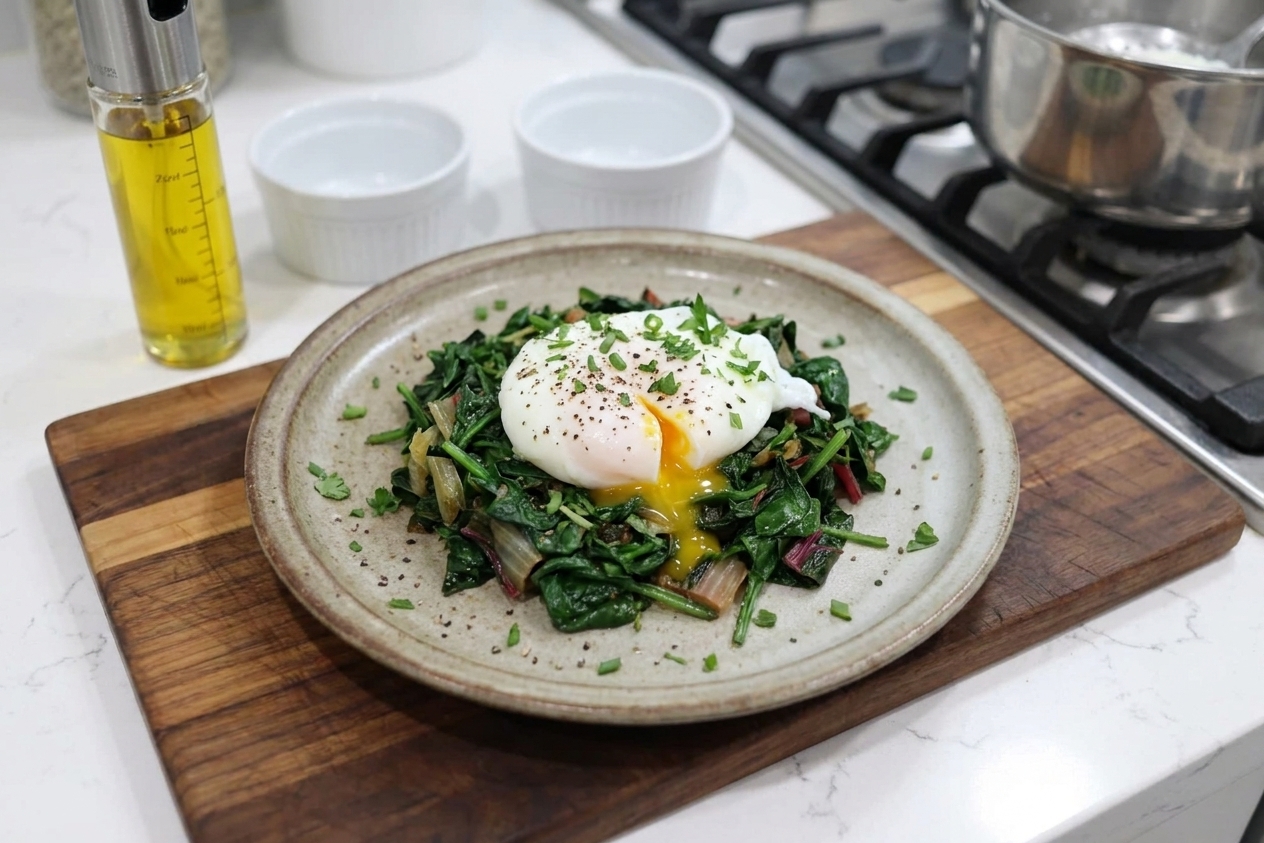
Use time and touch. Lift it with a slotted spoon and gently press the white. It should feel set and hold its shape, while the yolk area still feels soft and jiggly. For most large eggs, that is 3 to 4 minutes at a gentle simmer, but fridge-cold eggs or high altitude might need a little longer.
Can I poach more than one egg at a time?
Yes. In a medium pot, 2 is easy, 4 is the max before things get crowded. Add them one at a time, giving each egg 10 to 15 seconds to start setting before the next goes in. If you are doing multiples, skip the vortex and focus on a calm simmer.
Should I salt the water?
I do not. Salt can encourage the whites to feather out, especially if the eggs are not super fresh. Season the egg after it comes out, right on the plate.
Can I poach eggs without the swirl?
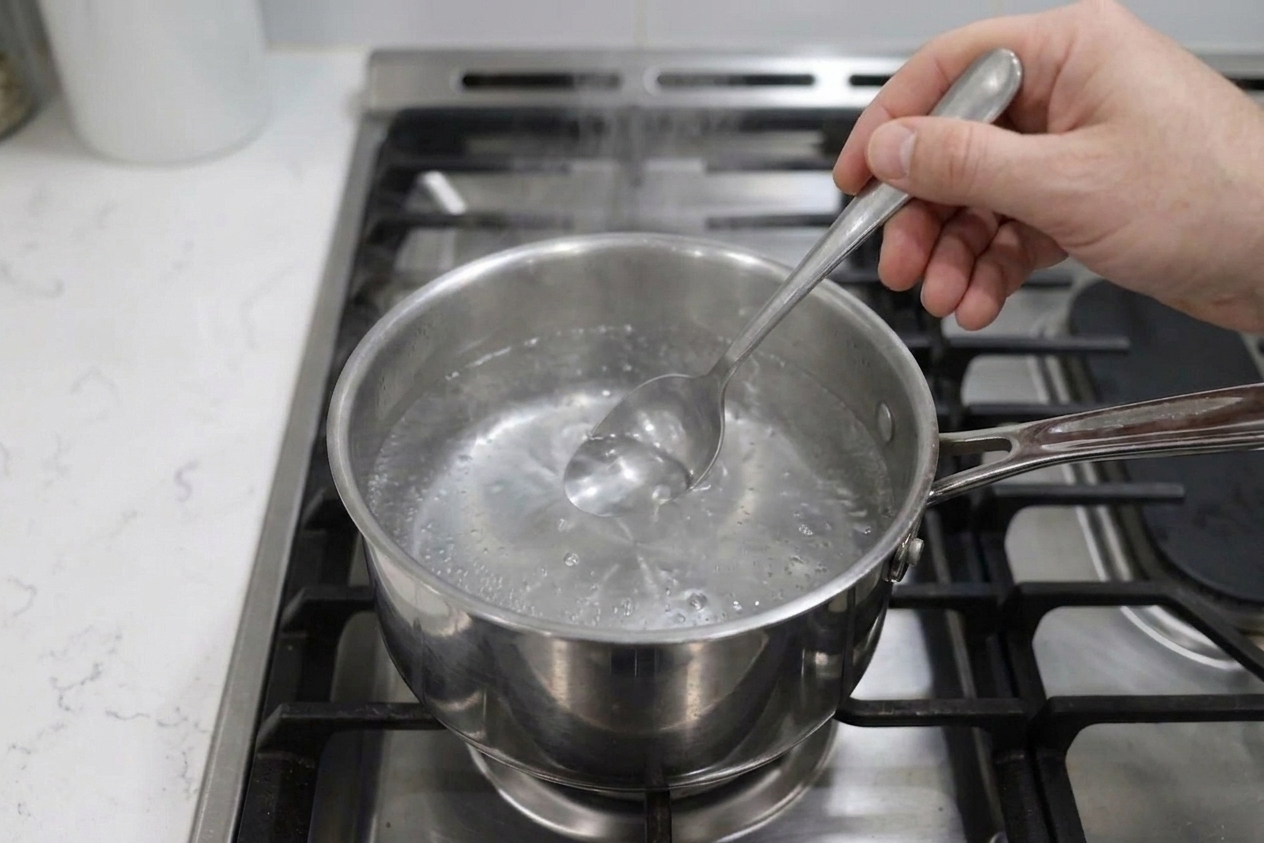
Absolutely. The swirl is just a helper for a neat shape when you are doing one egg at a time. If you are poaching multiple eggs, skip the vortex and just keep the simmer gentle.
Can I hold poached eggs for serving?
For a short window, yes. You can keep them in warm (not hot) water for up to 10 minutes while you plate everything else. Any longer than that and they overcook and wander into food-safety weirdness. If you need more time, do the ice-bath method below and rewarm for 30 to 60 seconds right before serving.