Do I have to use heavy cream?
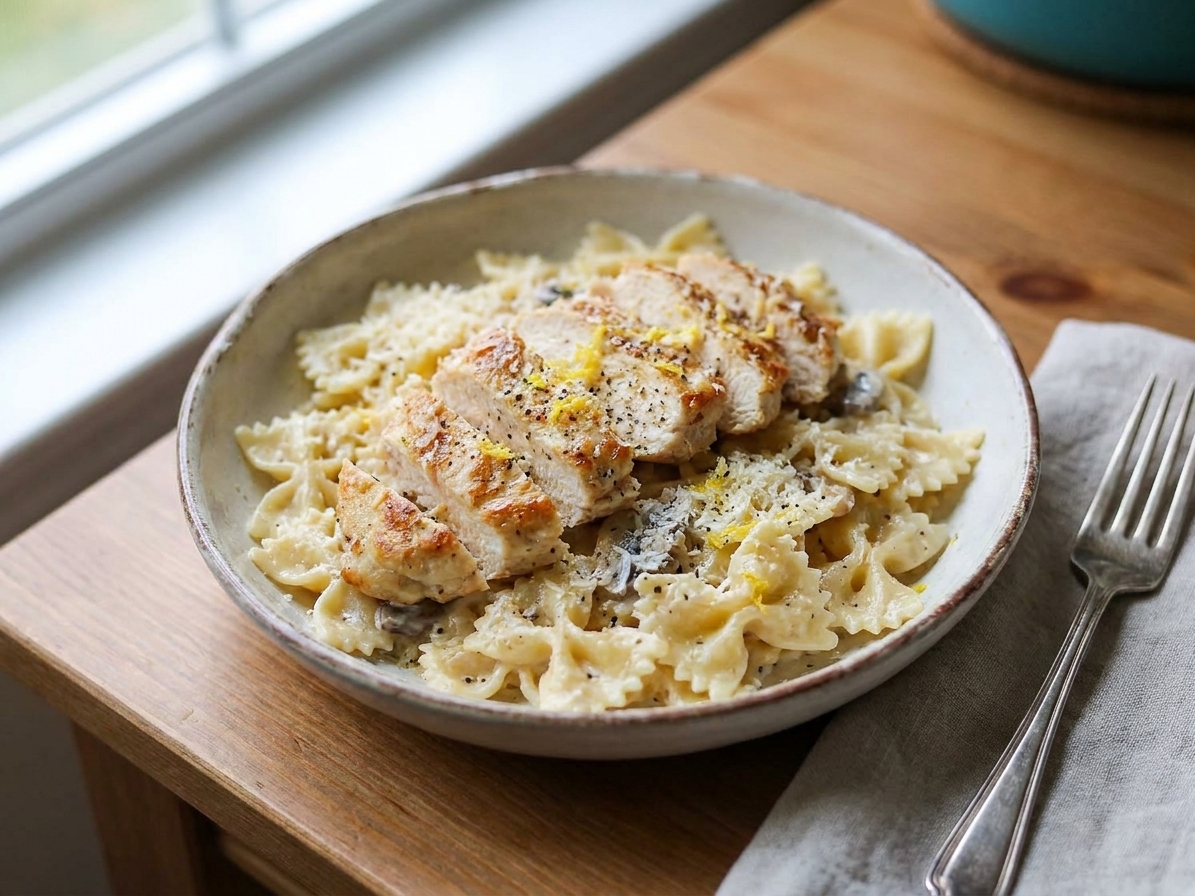
No. This recipe uses a little half-and-half (or milk) plus Parmesan and pasta water to make it creamy. If you want it richer, swap in heavy cream. If you want it lighter, use milk and a touch more pasta water.
Why does my pesto pasta turn oily?
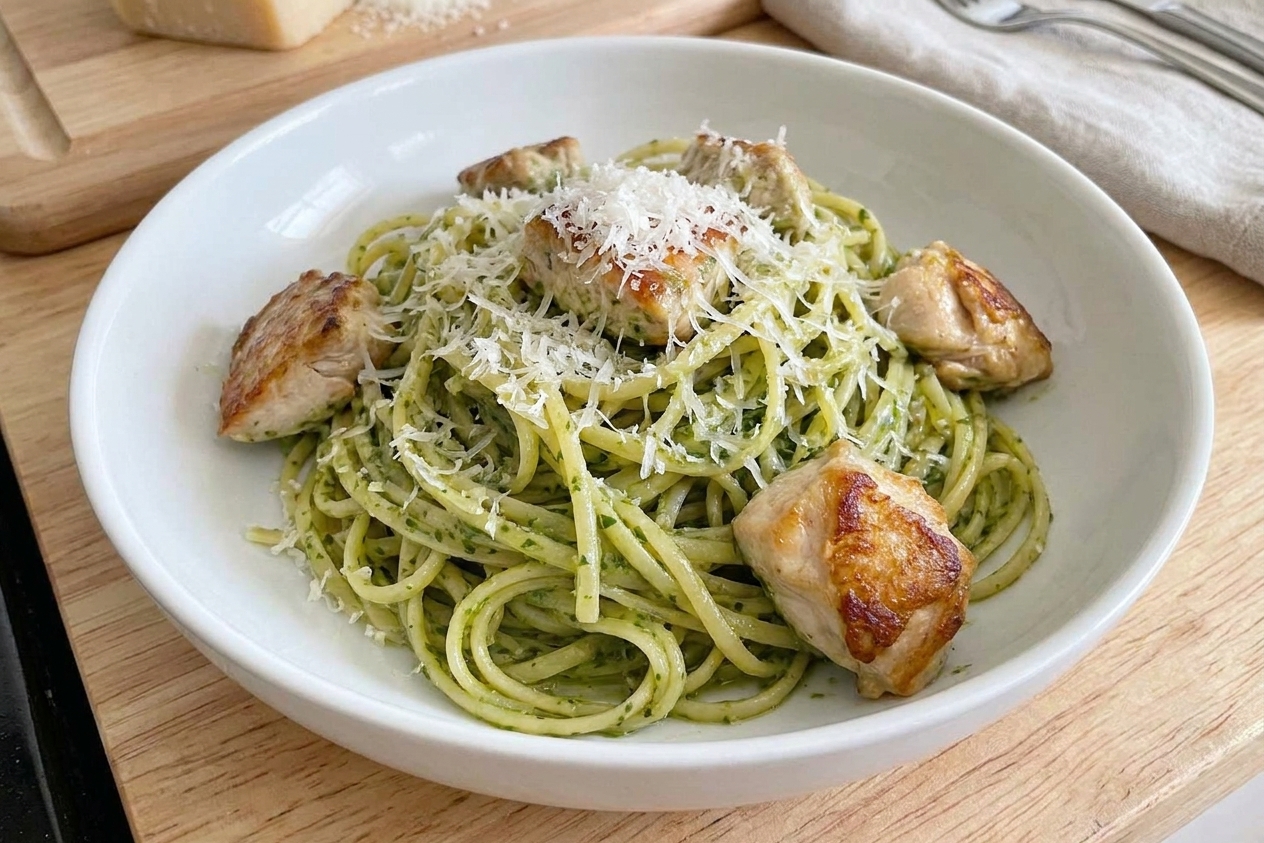
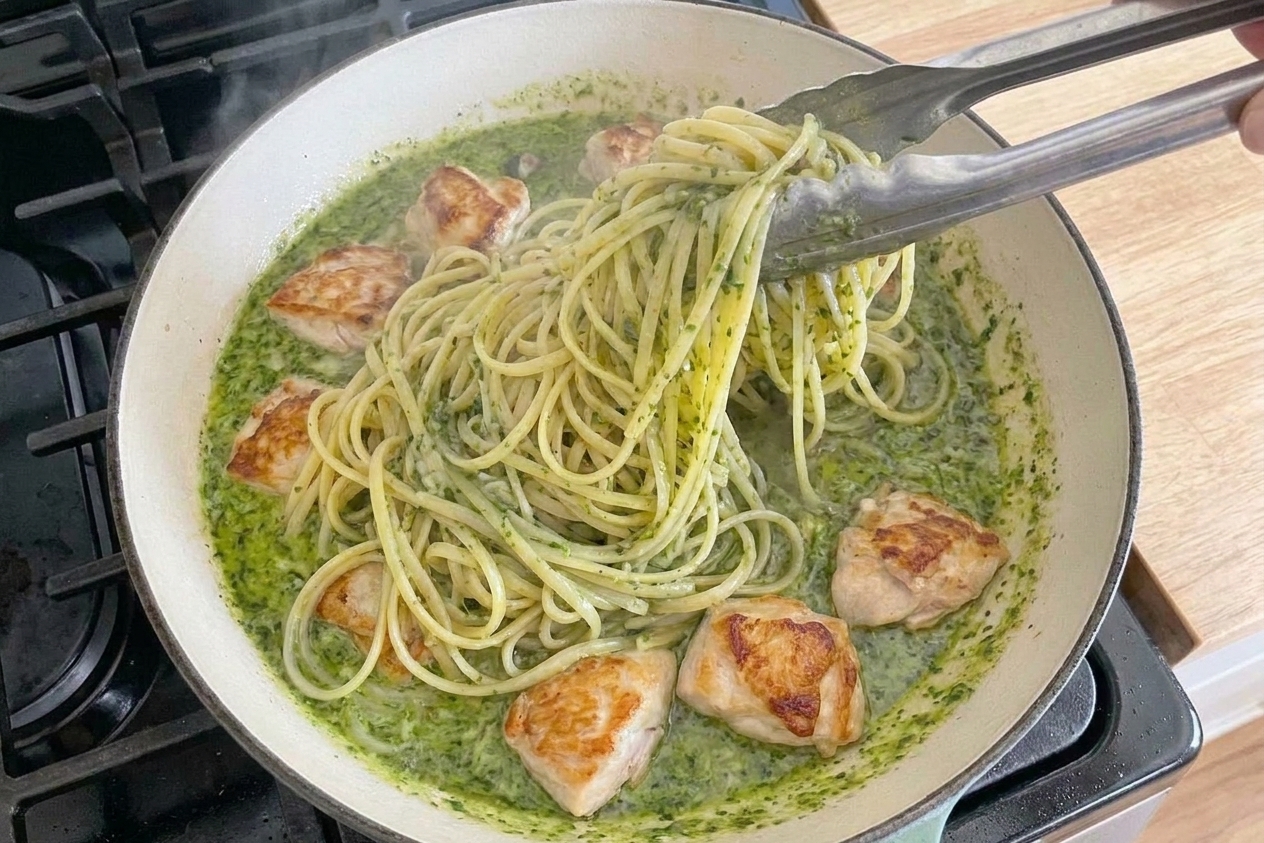
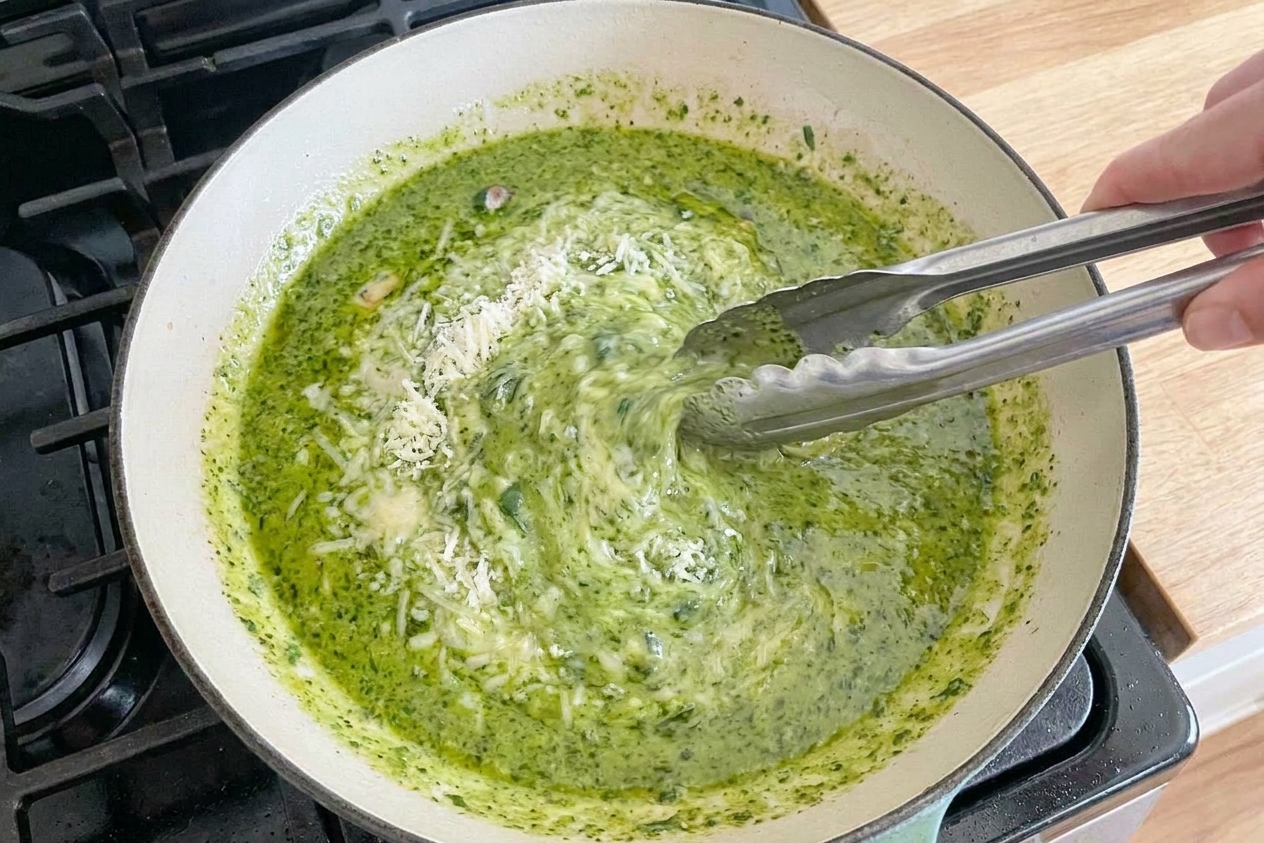
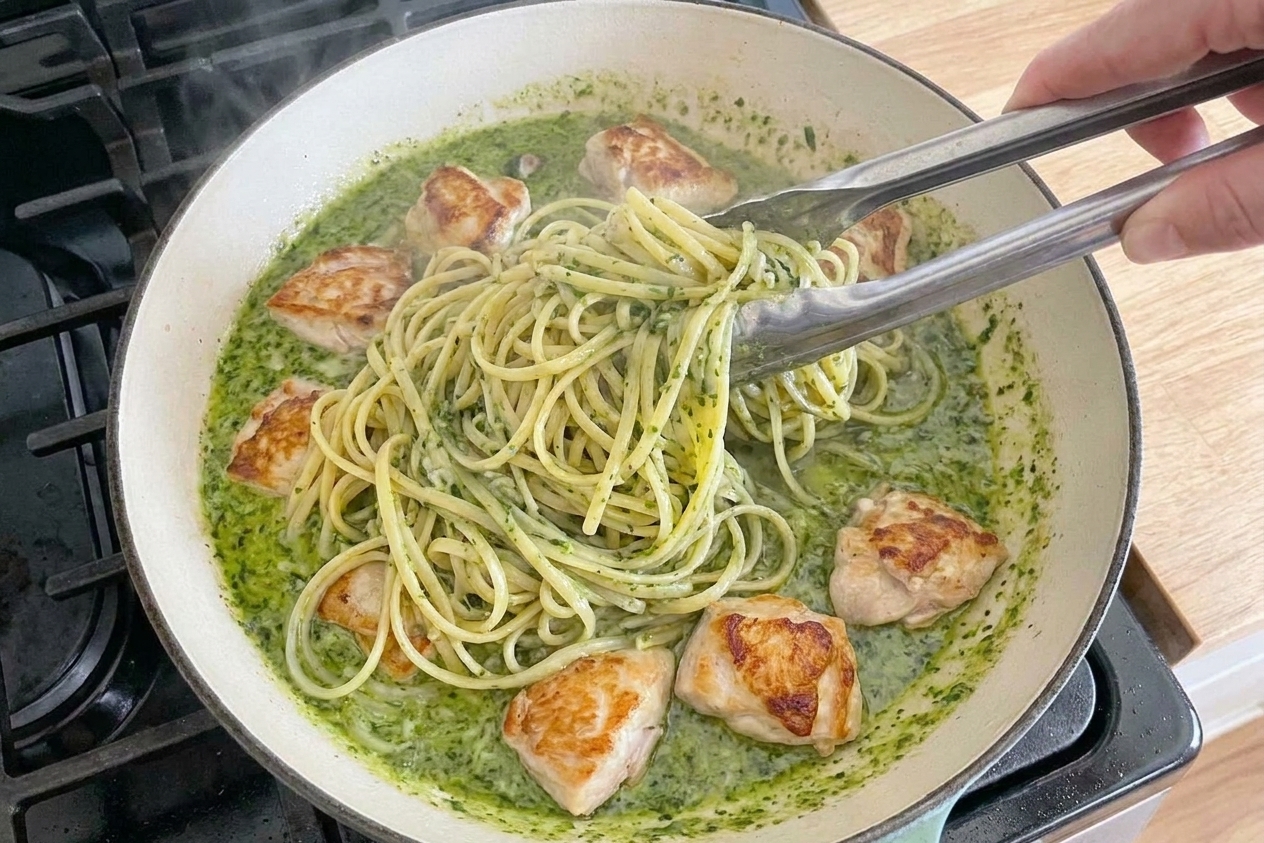
Pesto is oil-based, so it needs a little help to turn glossy instead of slick. The starch in pasta water is the main thing that helps it emulsify and cling, and Parmesan adds body and helps it stay creamy. Toss with hot pasta, add starchy pasta water a splash at a time, and stir like you mean it.
Can I use store-bought pesto?
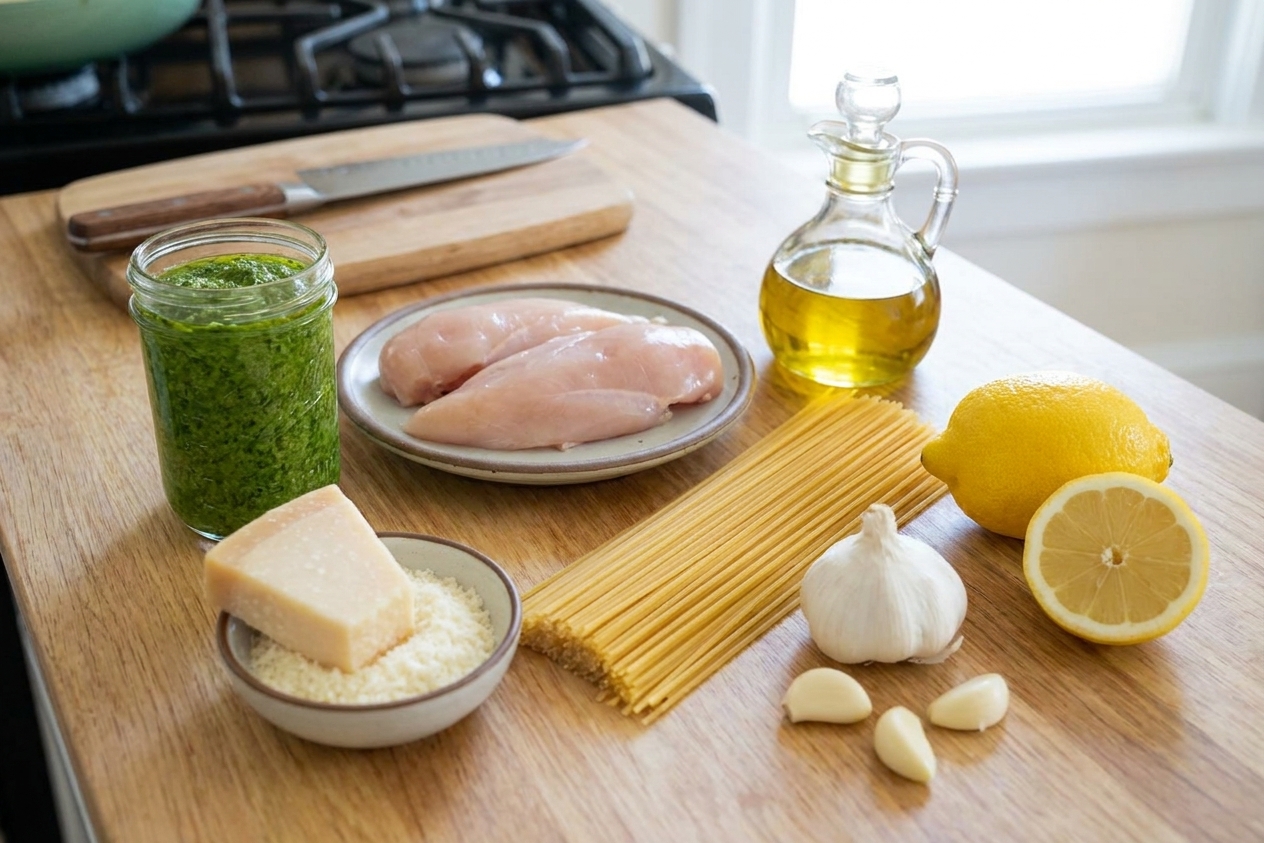
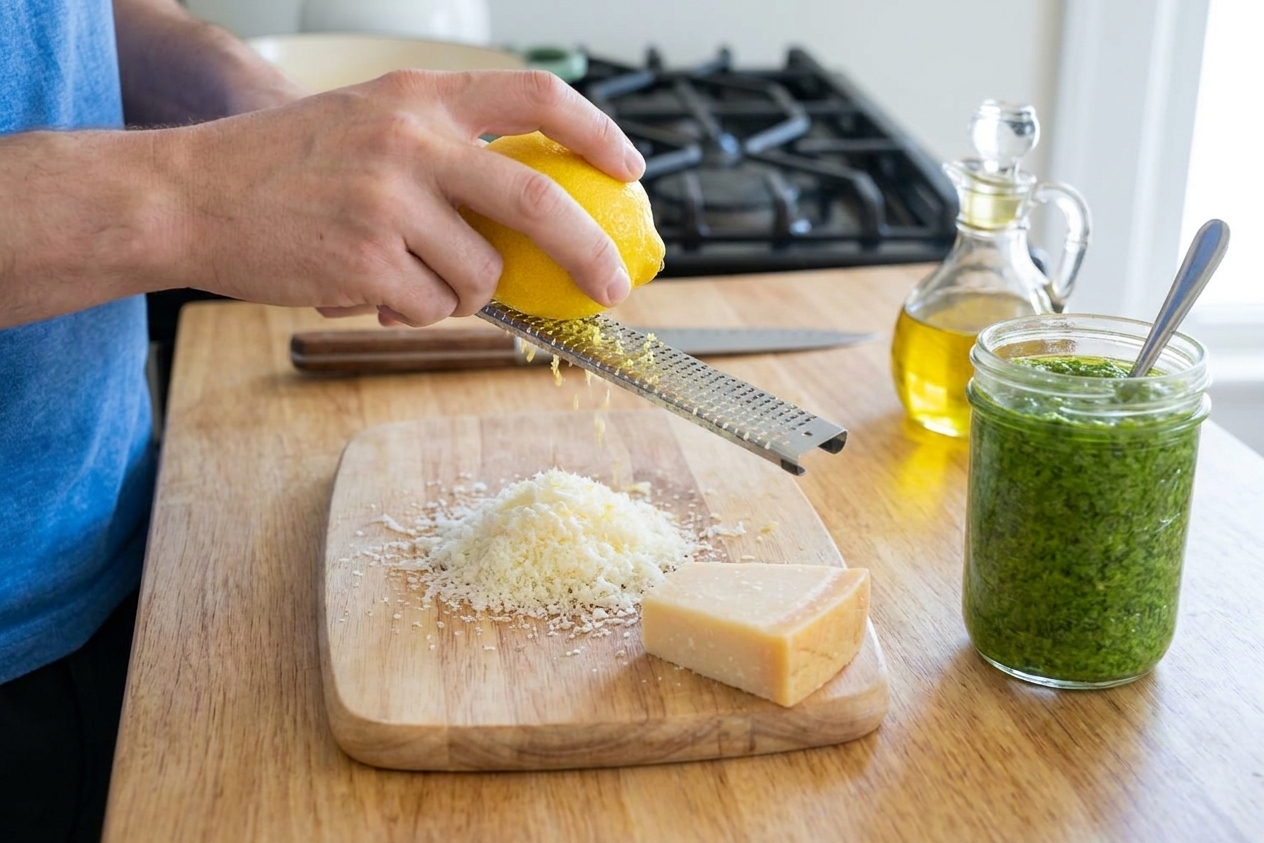
Absolutely. I do it often. Taste it first and adjust with lemon juice, salt, pepper, and maybe a pinch of garlic powder or freshly grated garlic if it tastes flat.
What pasta shape is best?
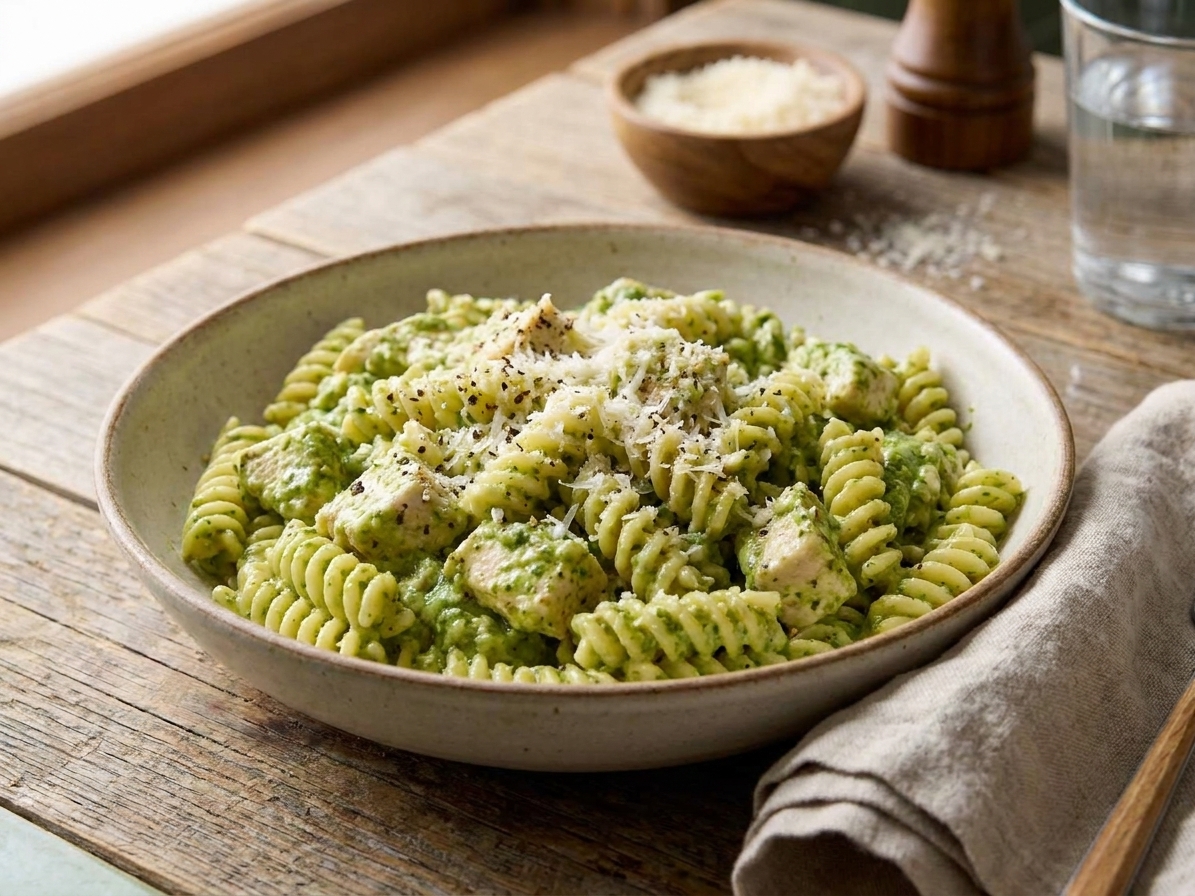
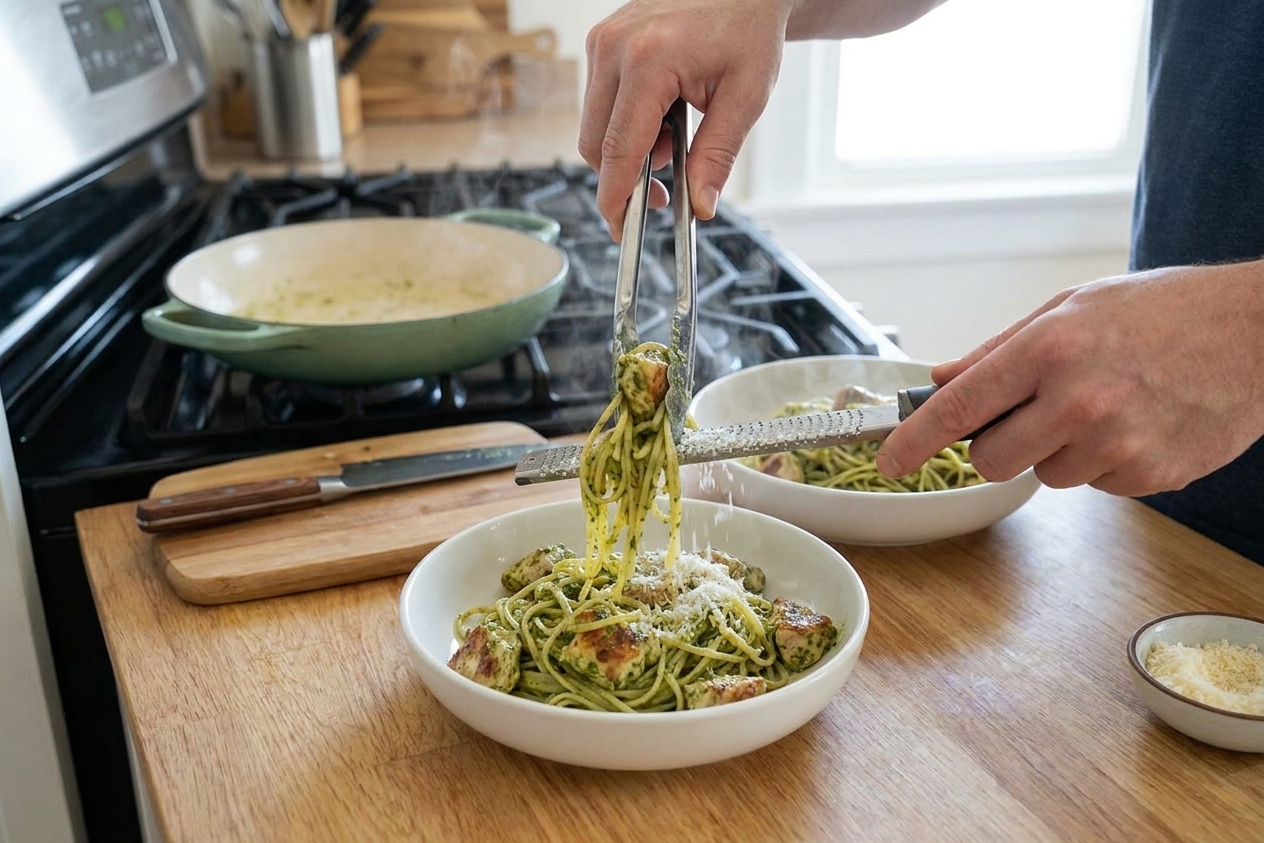
Penne, fusilli, rotini, and farfalle are great because they trap sauce. Spaghetti works too, just expect a slightly silkier, less chunky bite.
Can I add vegetables?
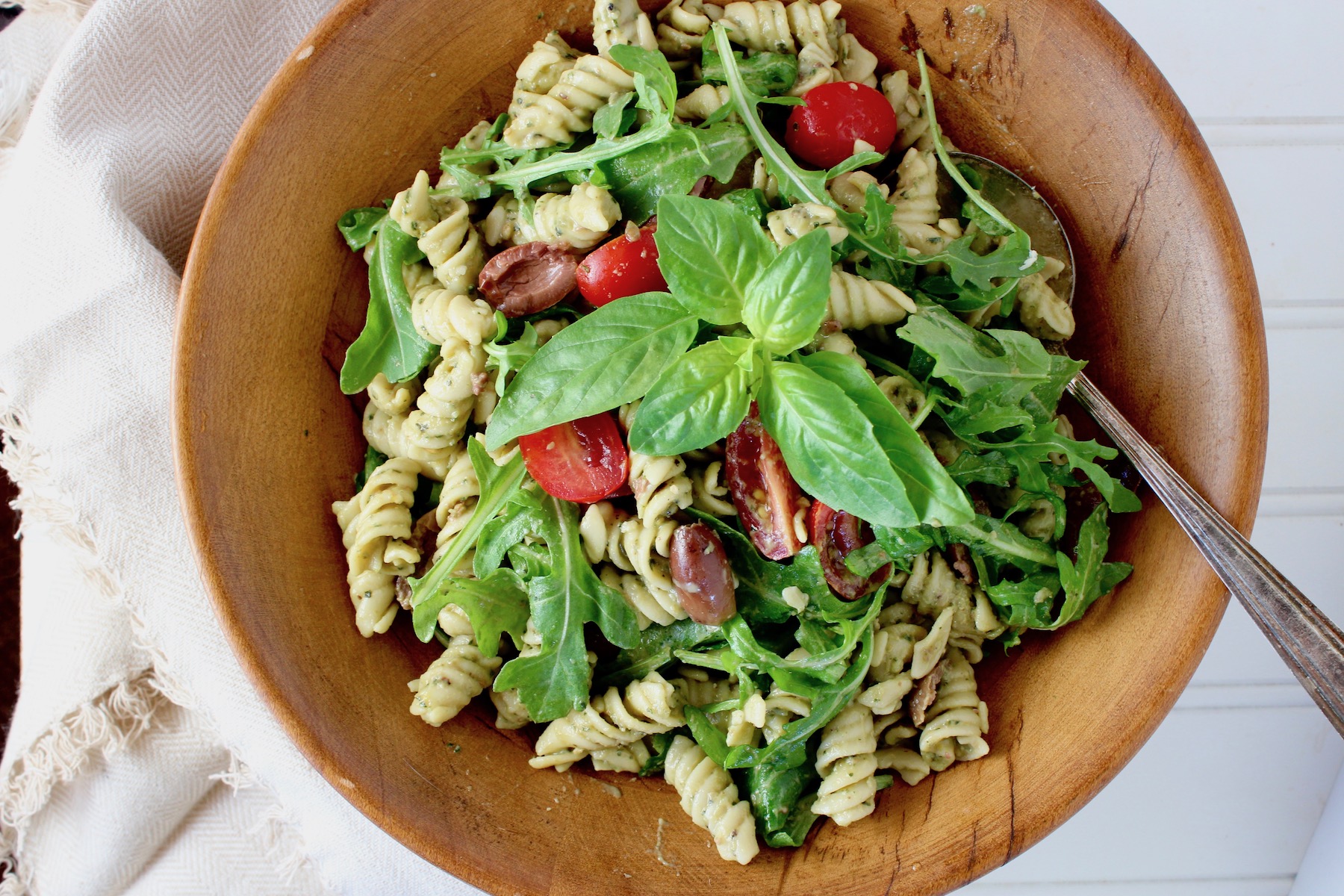
Yes. Quick wins: halved cherry tomatoes, baby spinach, steamed broccoli, or sautéed zucchini. Add spinach at the end to wilt. Add broccoli when you toss the pasta so it warms through.
Is it okay to eat pesto cold?
Yep. This pasta is honestly great as a cold lunch. If it seems dry, stir in a spoonful of pesto or a drizzle of olive oil before eating.
Any easy swaps?
Cheese: Pecorino works great if that is what you have. Nut-free: use a nut-free pesto (many store-bought options are) or swap in a sunflower-seed pesto. Dairy-free: skip the half-and-half and Parmesan, use extra pasta water to loosen, and add a spoonful of nutritional yeast for that savory vibe.