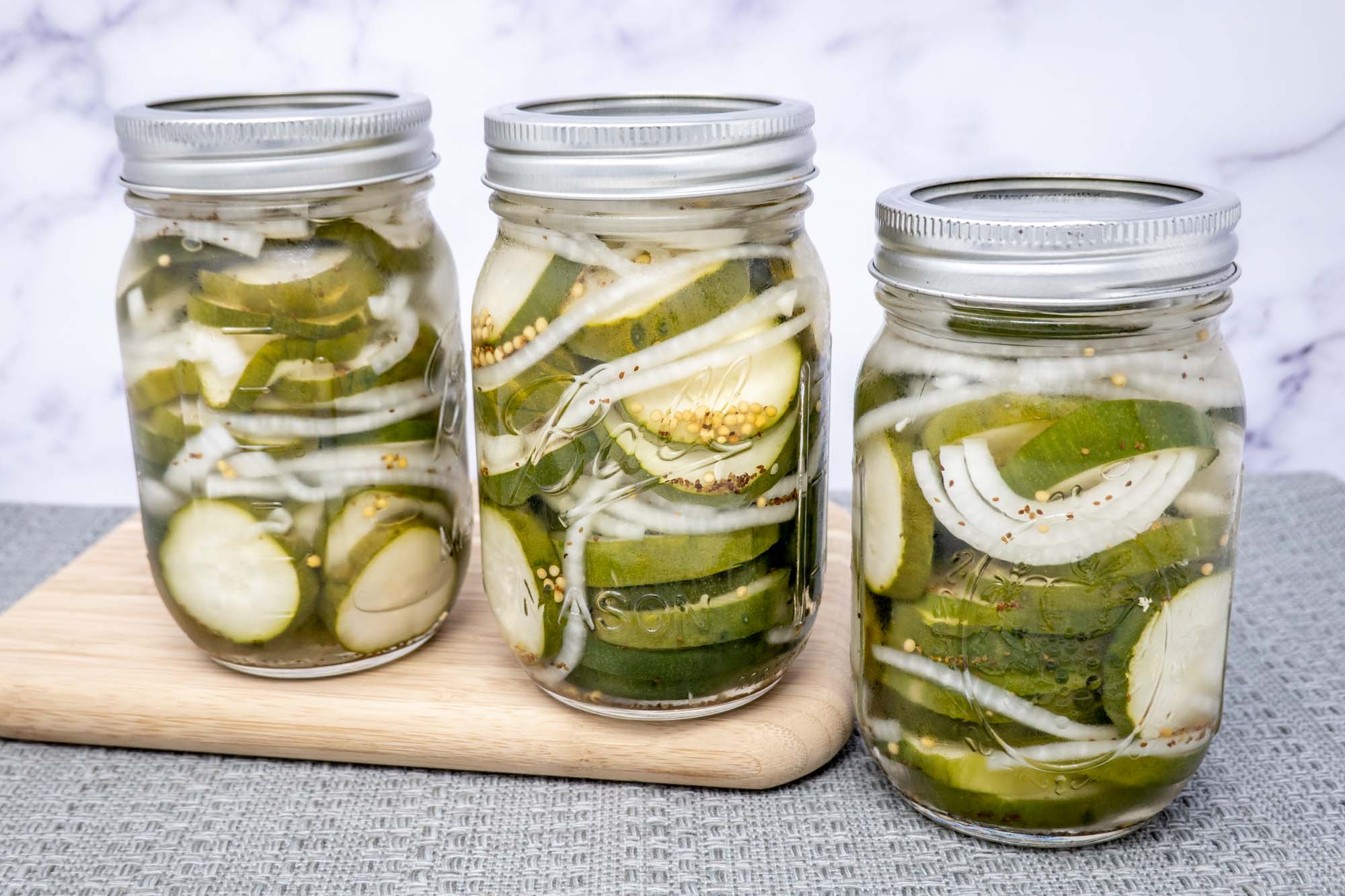
Mom's Best Recipes
Recipe

Pickle Brine

A simple, reliable dill pickle brine you can use for quick refrigerator pickles or as a flavor booster for chicken, onions, and more.

Author By Matt Campbell
4.8
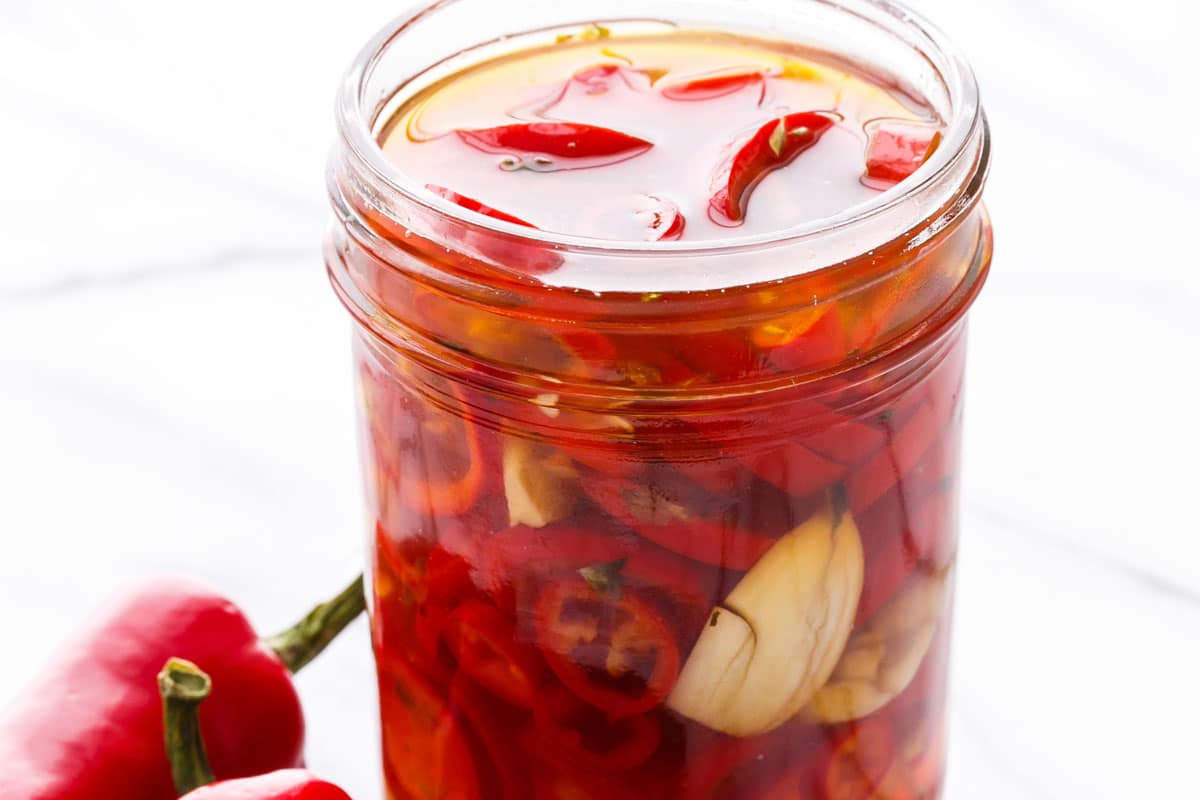
A clear glass jar filled with dill pickle brine, fresh dill sprigs, garlic cloves, and peppercorns on a bright kitchen counter

Pickle brine is the secret little jar of confidence sitting in your fridge. It is salty, tangy, lightly sweet, and packed with aromatics. The kind of flavor that can wake up a bland cucumber, rescue a tired chicken breast, and make a weeknight sandwich taste like you tried harder than you did.

This recipe gives you a classic dill-style pickle brine that works for quick refrigerator pickles and doubles as a multi-purpose brine for meats and veggies. It is made with basic pantry ingredients, no canning stress, and zero perfection required. Taste as you go. Adjust the salt and sugar to your vibe. You are in charge of the jar.
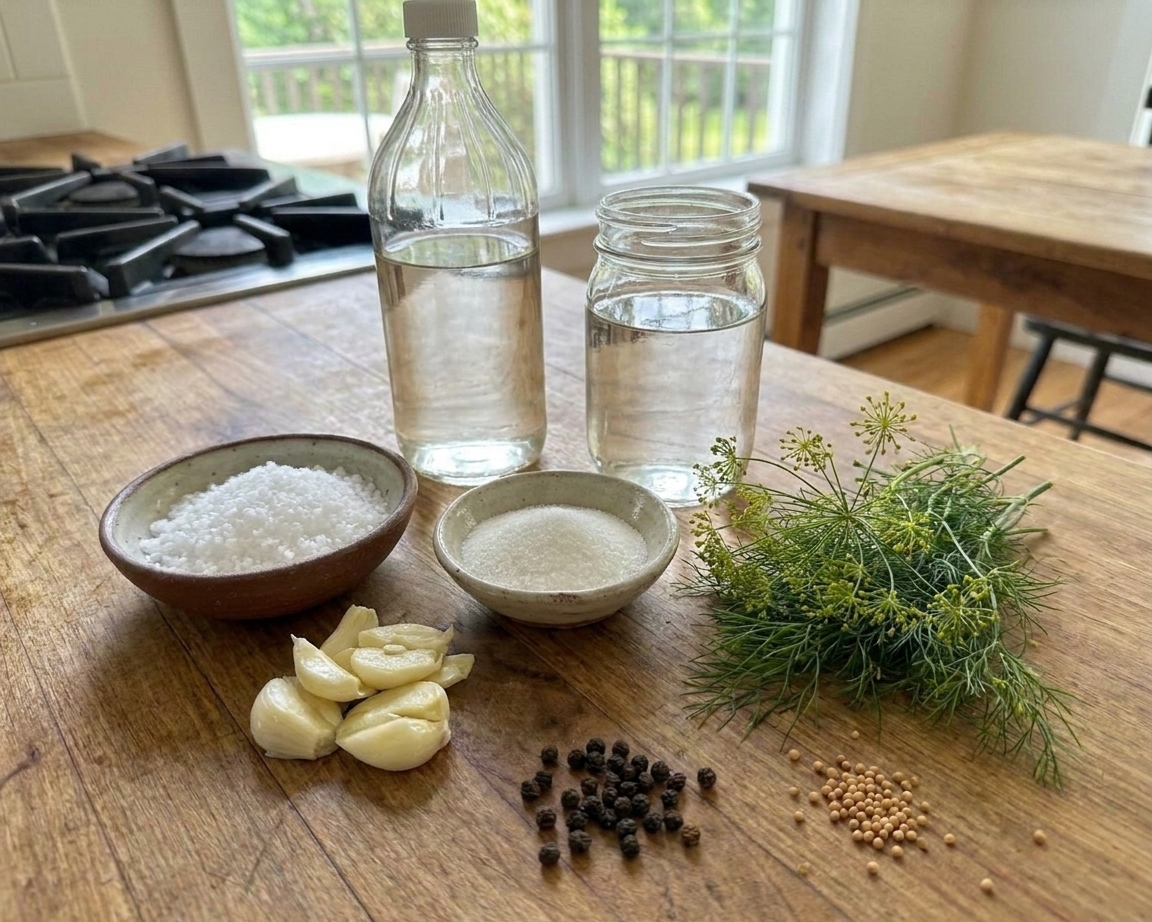
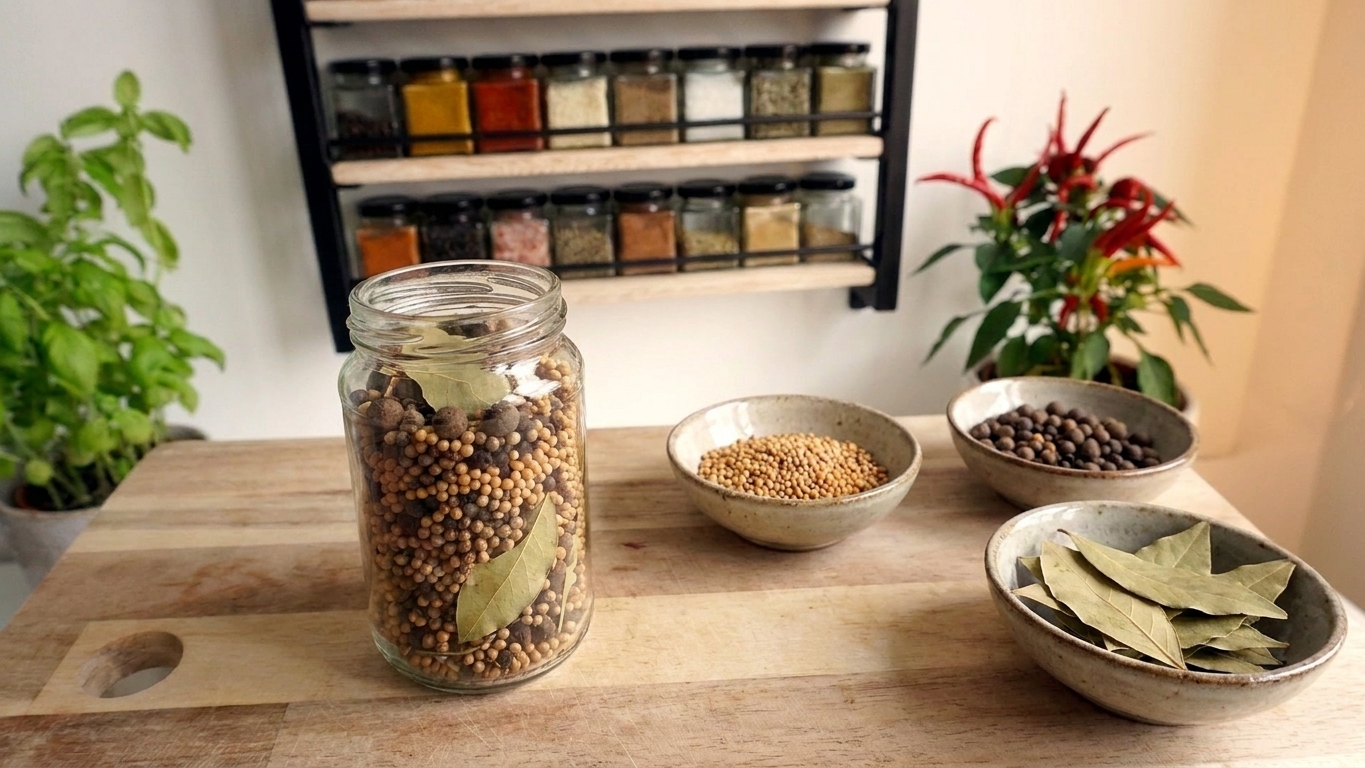
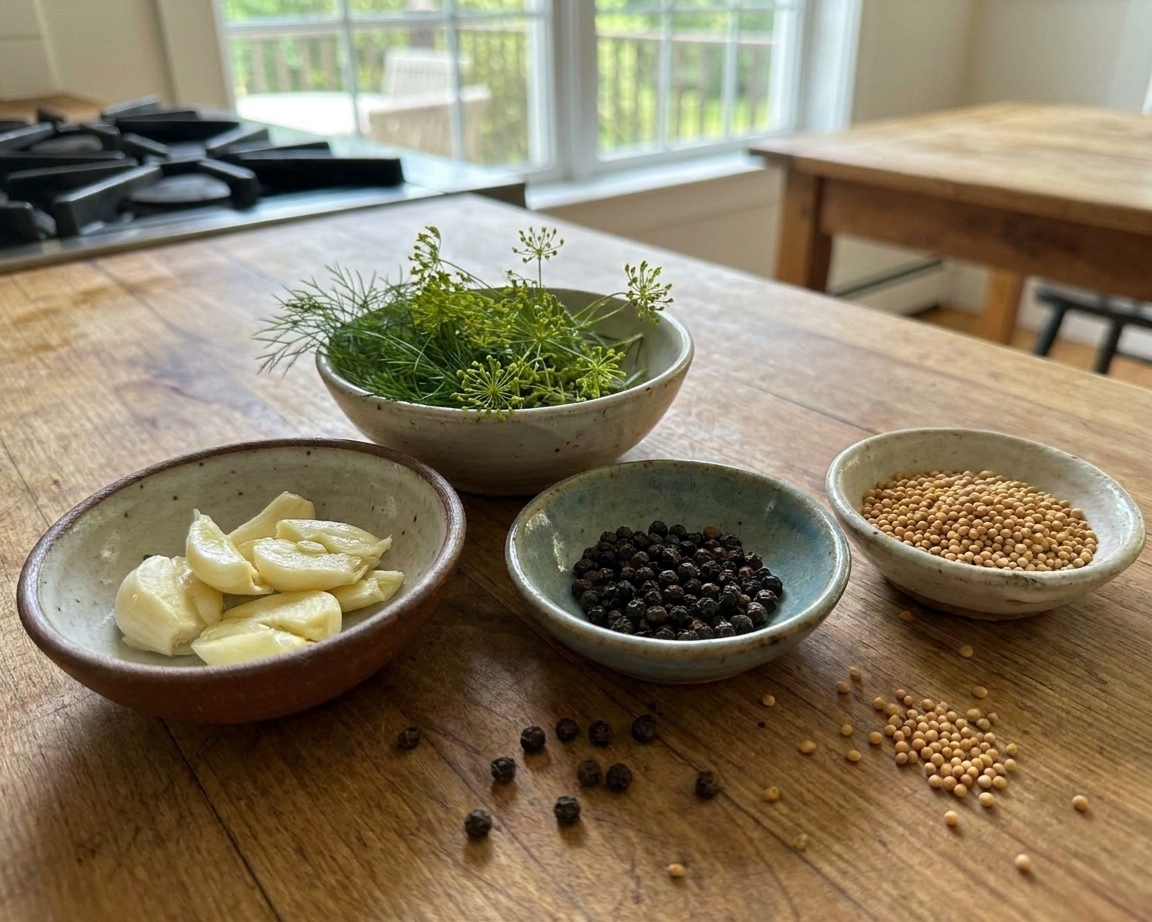
White vinegar, water, kosher salt, sugar, garlic, fresh dill, peppercorns, and mustard seeds arranged on a clean kitchen counter

Why It Works

  • Bright, classic flavor: A 1:1 vinegar to water ratio gives you that deli-style tang. If you prefer a milder brine, use 1 1/2 cups water and 1/2 cup vinegar.
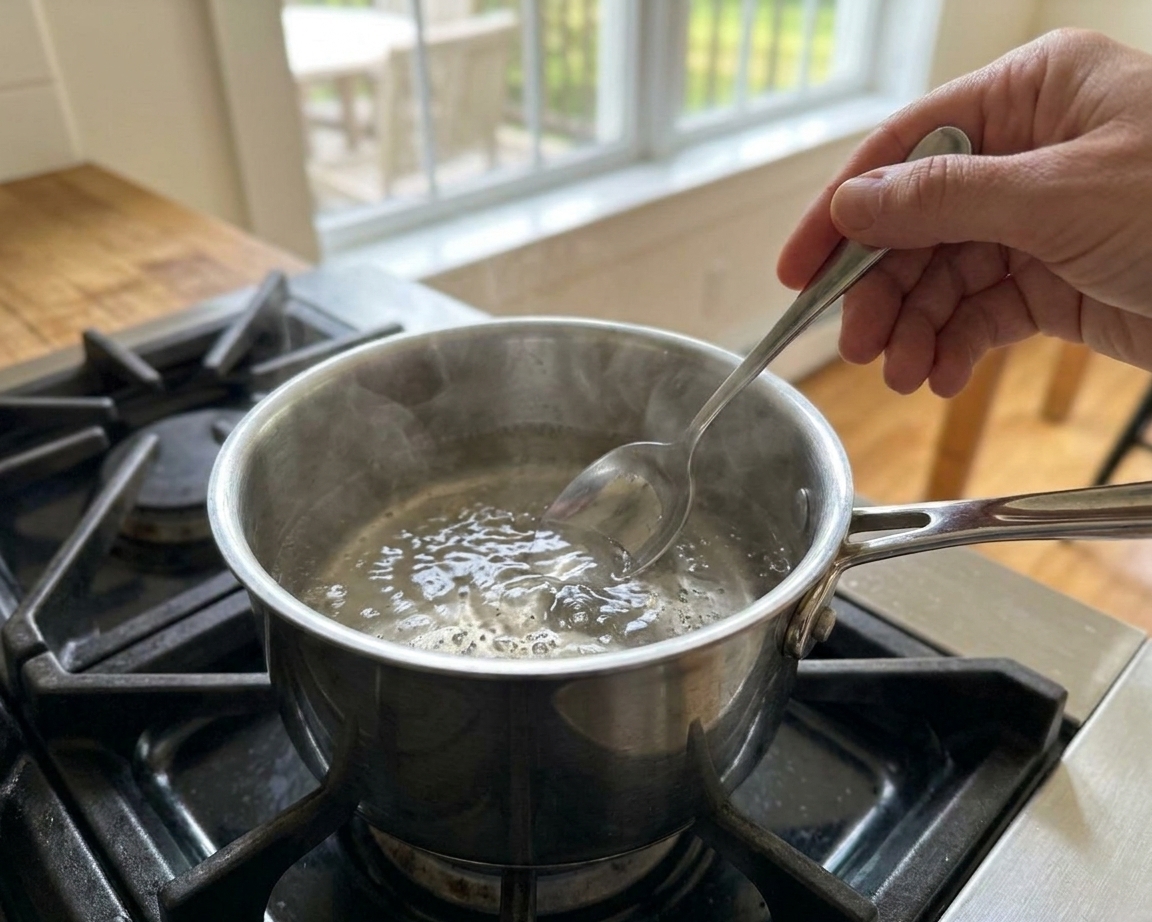
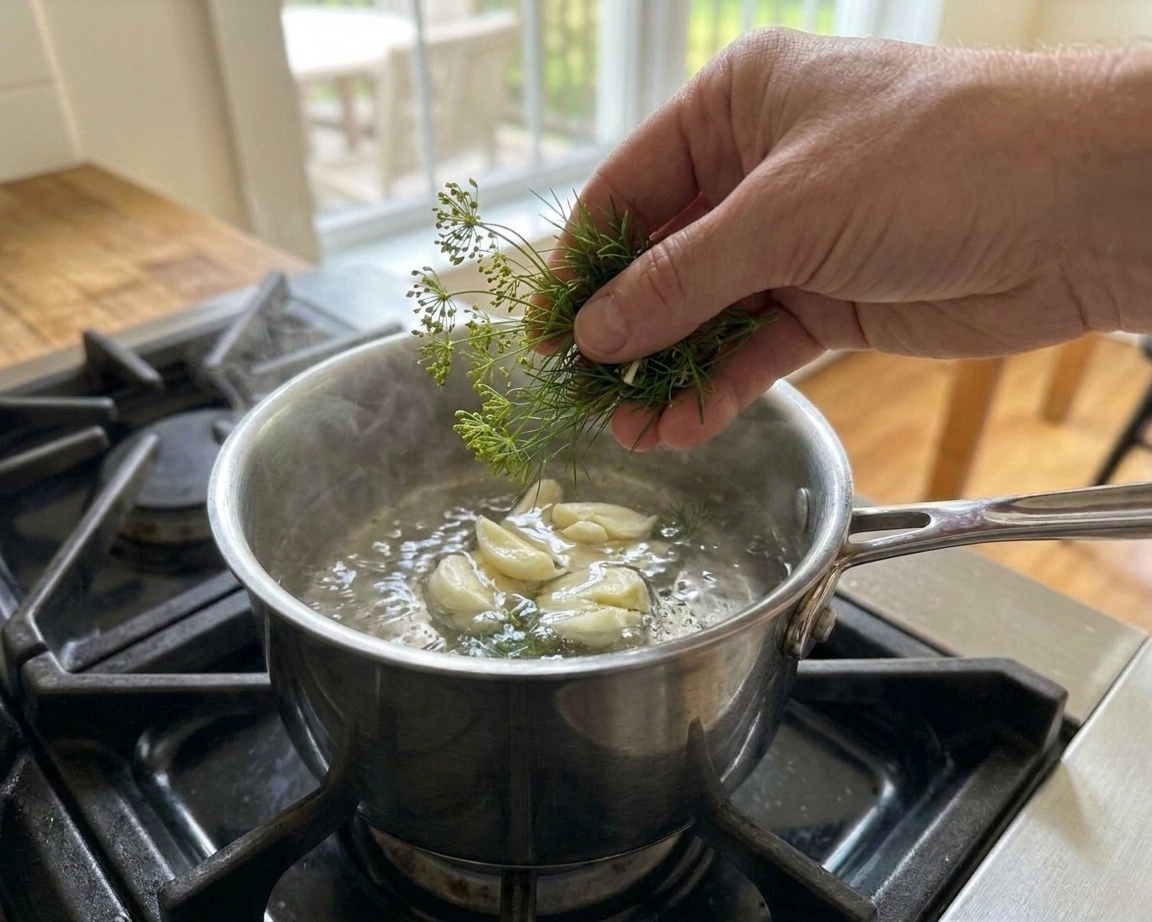
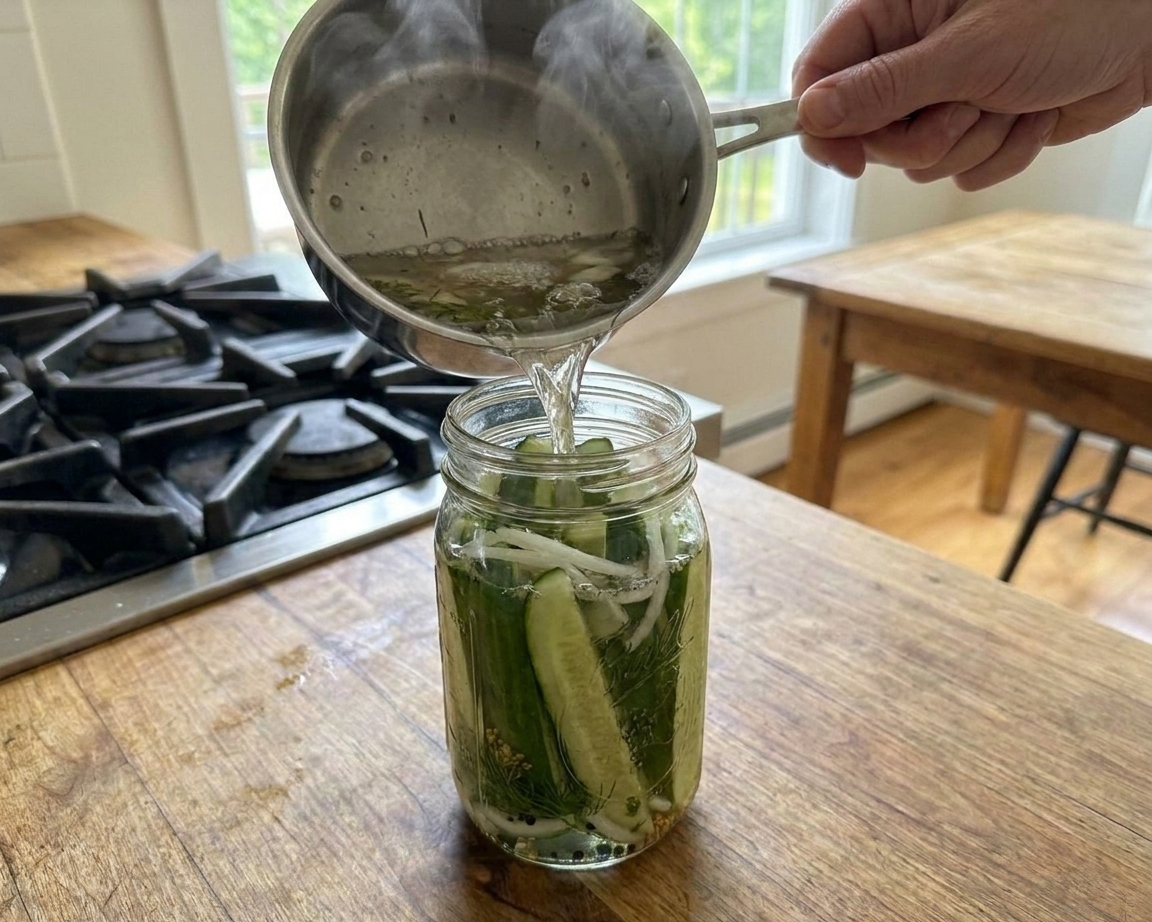
  • Quick dissolve, easy infusion: Warming the brine helps the salt and sugar dissolve fast and jump-starts the flavor.
  • Flexible base: Dill, garlic, peppercorns, and mustard seed make a classic foundation you can tweak spicy, sweet, or extra garlicky.
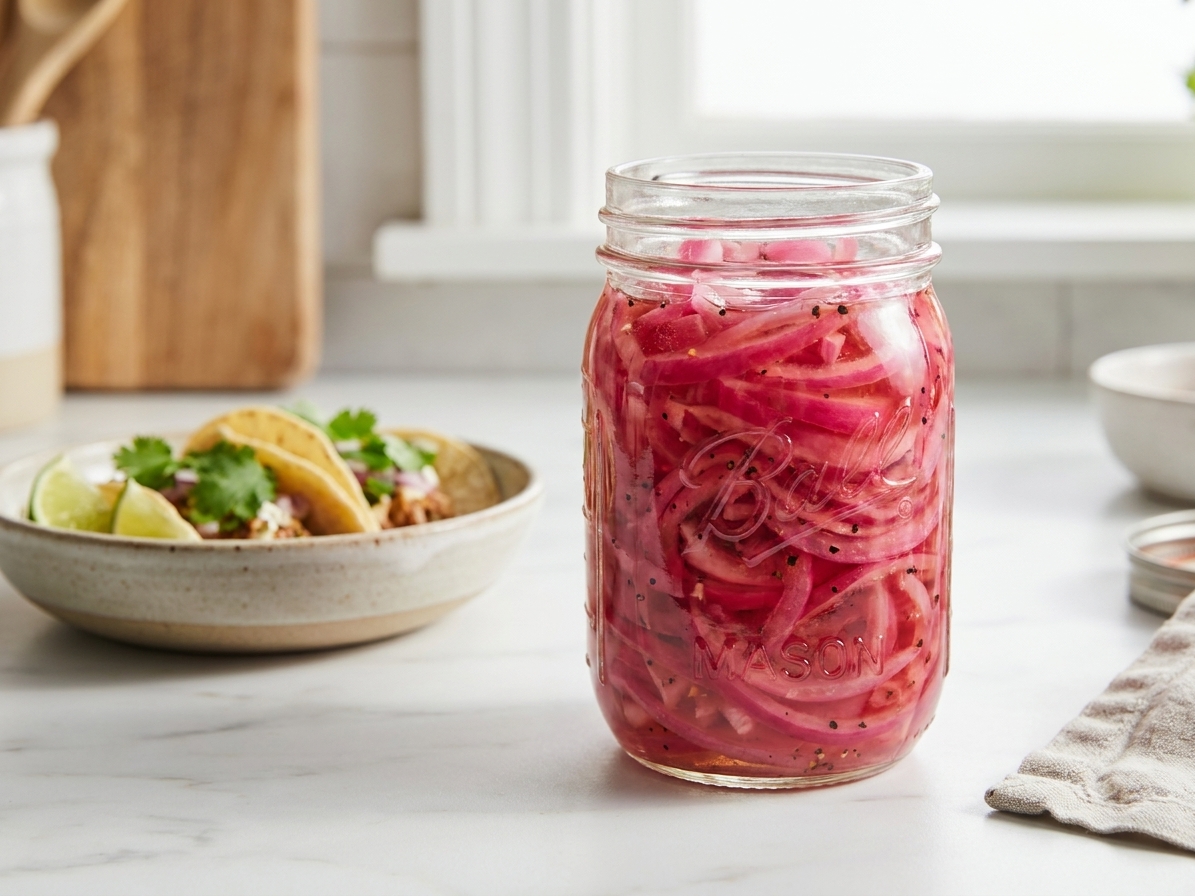
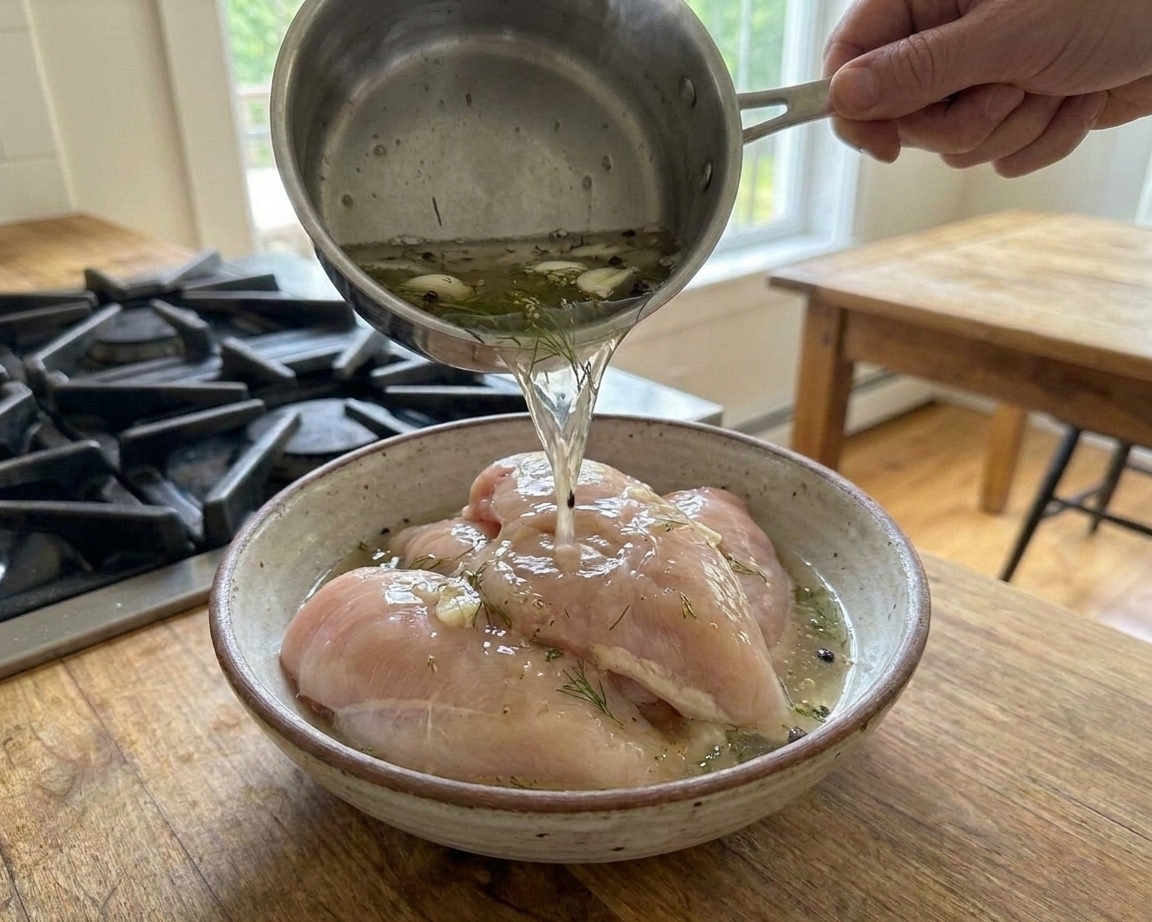
  • More than pickles: Use it for quick-pickling onions, brining chicken, or splashing into sauces and dressings.

Pairs Well With

Storage Tips

Refrigerator brine: Cool the brine, then store in a clean jar with a tight lid for up to 2 weeks. Keep it refrigerated and use clean utensils so you do not introduce stray bits. Discard if you notice mold, an off smell, or unusual cloudiness.

Brine with vegetables in it: If you have cucumbers, onions, or other veggies sitting in the brine, aim to use within 7 to 10 days for best crunch.

Food safety note: This is a refrigerator brine, not a shelf-stable canning recipe. Keep it cold and do not store it at room temperature.

Reuse rules: I do not recommend reusing brine that has had raw meat in it. Make a fresh batch for brining poultry or pork, then discard.

Freeze: You can freeze plain brine (no fresh dill) for up to 3 months. Thaw in the fridge. Texture changes do not matter because it is liquid, but the dill flavor can fade.

Common Questions

Can I use this pickle brine for chicken?

Yes. Use it as a quick brine for boneless, skinless chicken breasts or thighs. For best texture, brine 30 minutes to 2 hours in the refrigerator. Longer than that can start to taste overly salty. Pat very dry before cooking so you still get browned, crisp edges.

Is pickle brine the same as pickle juice?

Basically, yes. “Pickle juice” is brine that has already pickled something. This recipe is fresh brine you make from scratch, so you control the salt, vinegar, and spice.

Do I need to boil the brine?

You only need to heat it enough to fully dissolve the salt and sugar. A gentle simmer is perfect. Boiling hard can dull fresh dill, so I like to simmer the liquid, then add dill off heat.

Can I make it without sugar?

You can. Sugar rounds out the sharpness of the vinegar and helps the brine taste “pickle-y,” but it is optional. If you skip it, the brine will be more aggressively tangy.

What vinegar should I use?

Distilled white vinegar gives the cleanest, classic deli-pickle flavor. Apple cider vinegar works too and tastes a little warmer and fruitier. Avoid balsamic here unless you are intentionally going for a very different vibe.

How do I keep refrigerator pickles crisp?

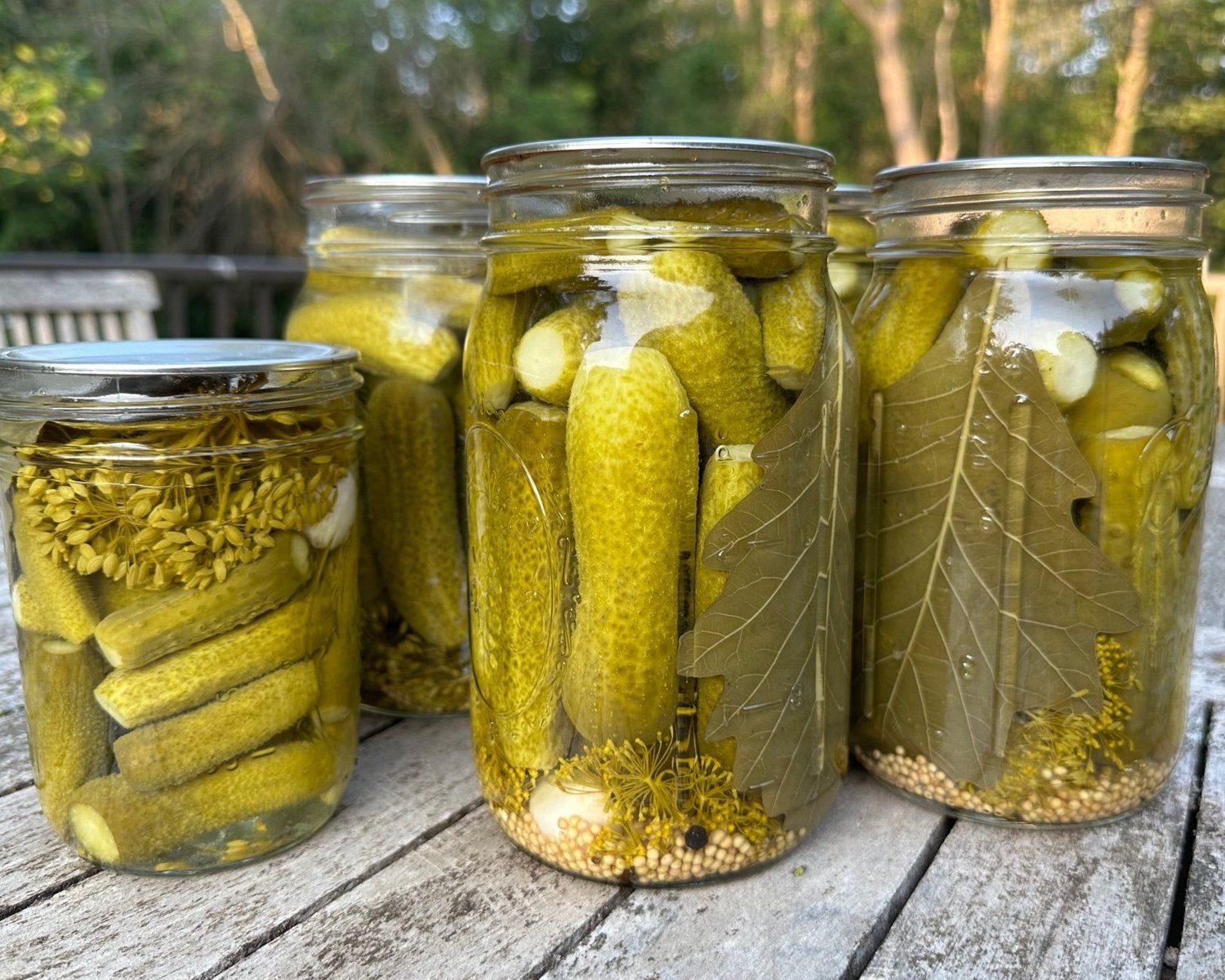
Use small cucumbers (Persian or Kirby), keep them cold, and do not over-soak. For extra crunch, add 1/8 teaspoon calcium chloride (optional) or a small clean grape leaf if you have one. Also, do not slice too thin.

The first time I realized pickle brine was more than just leftover liquid, it was after a late shift dinner where everything I made tasted like it needed a spark. I splashed pickle juice into a quick mayo sauce , tossed it with some chopped chicken, and suddenly the whole plate woke up. Tangy, salty, bright. It was the kitchen equivalent of opening a window.

Now I treat brine like a pantry ingredient. If I have vinegar, salt, and a couple cloves of garlic, I can turn a random cucumber into something snackable and make plain chicken taste like it has personality. It is low drama, high payoff. My favorite kind of cooking.