Mom's Best Recipes
Recipe

Pickle Fridge

Quick refrigerator pickles that stay crunchy, tangy, and snackable. No canning, no stress, just a bold dill brine and crisp cucumber slices.

Author By Matt Campbell
4.8
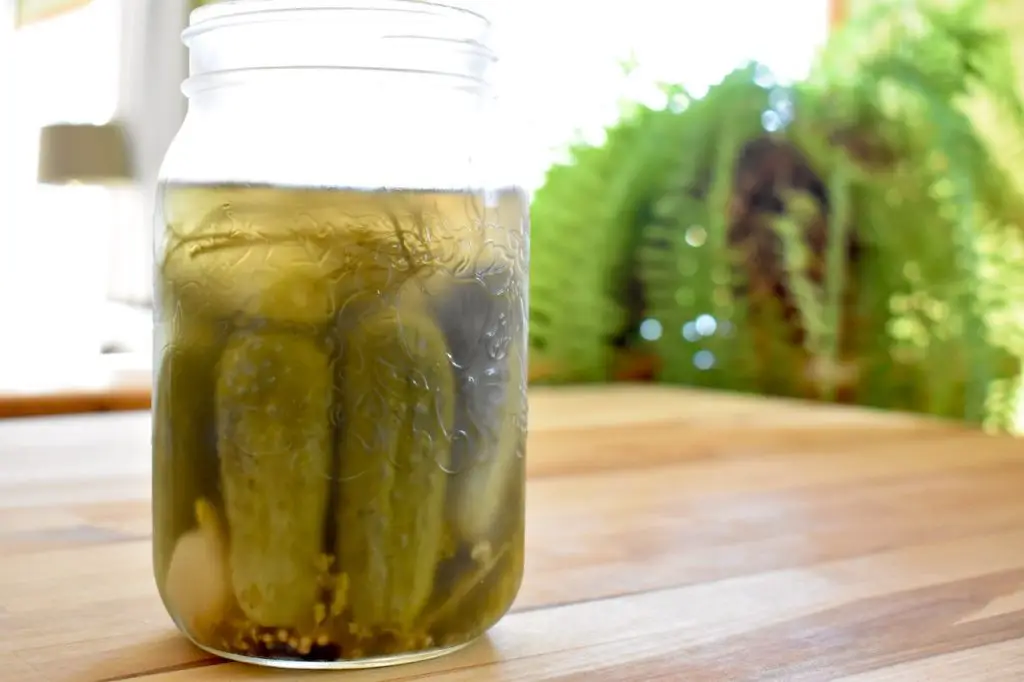
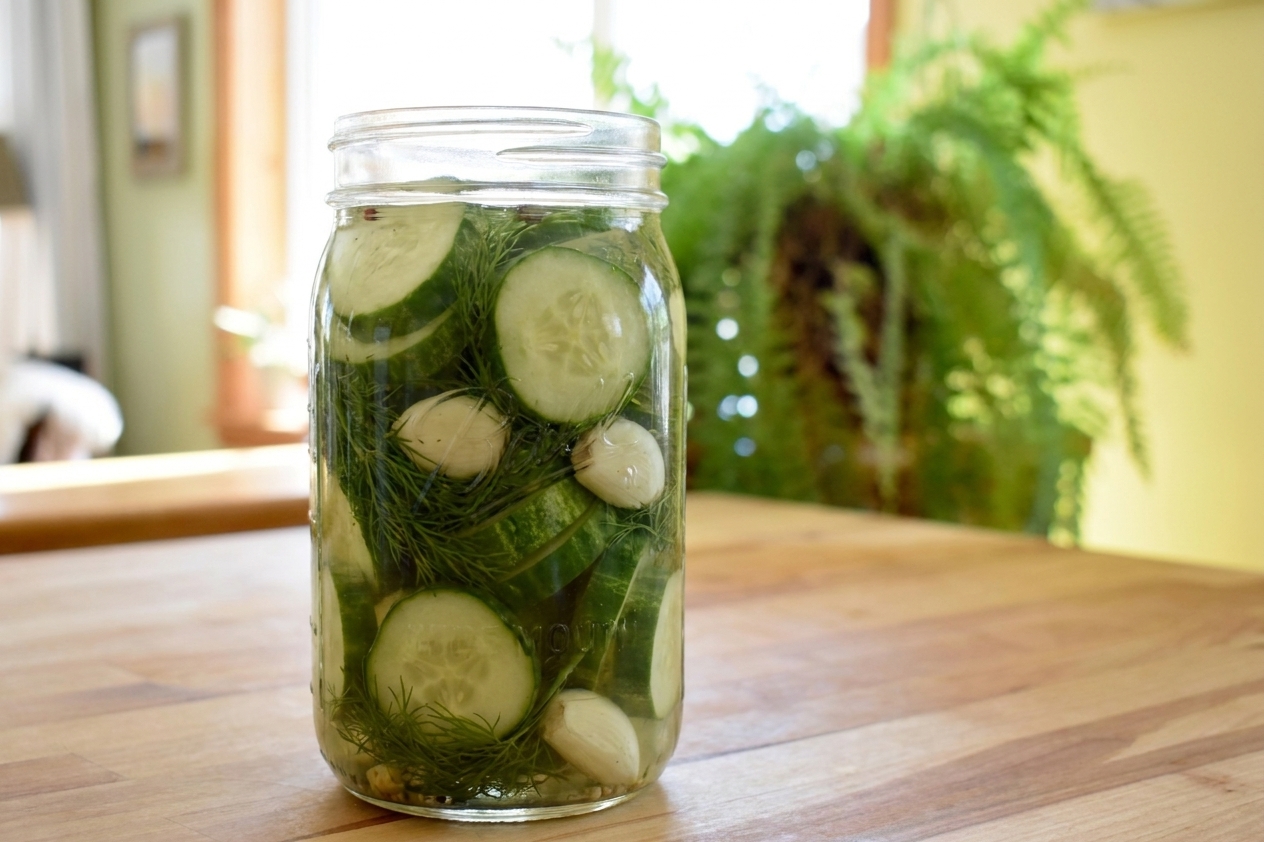
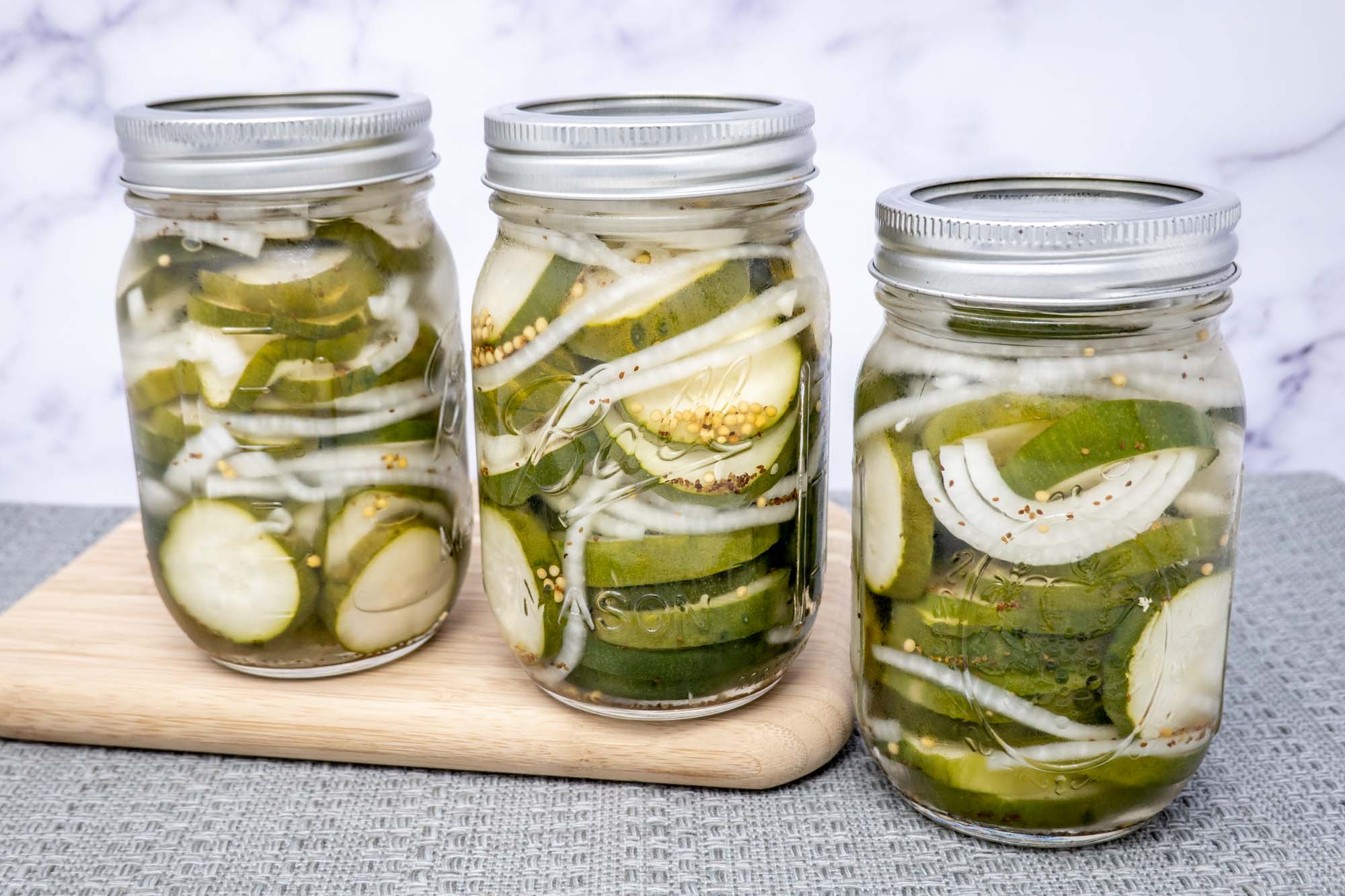
A clear mason jar packed with sliced cucumbers, fresh dill, and garlic cloves in a pale vinegar brine on a bright kitchen counter

If your fridge door has ever looked a little empty and a little sad, let me introduce you to Pickle Fridge. It’s called that because there is basically always a jar living in my fridge door. This is my go-to jar of crunchy comfort: cucumbers + a punchy vinegar brine + dill and garlic doing their best work. No canning gear, no boiling lids, no drama.

You get that classic pickle snap with a brine that tastes like you actually meant it, not like you rinsed a jar and hoped for the best. I keep these around for sandwiches, burgers, and straight-from-the-jar snacking while I “cook.”
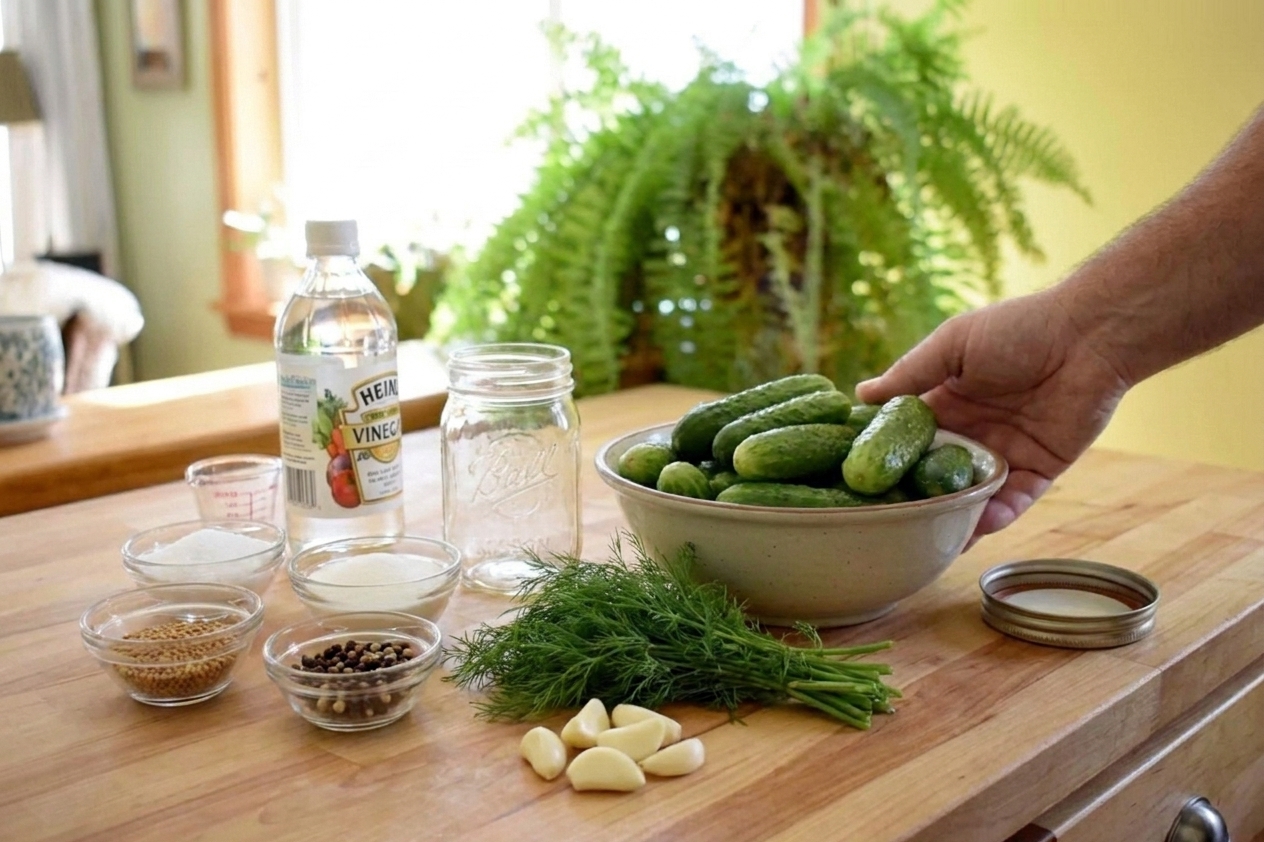
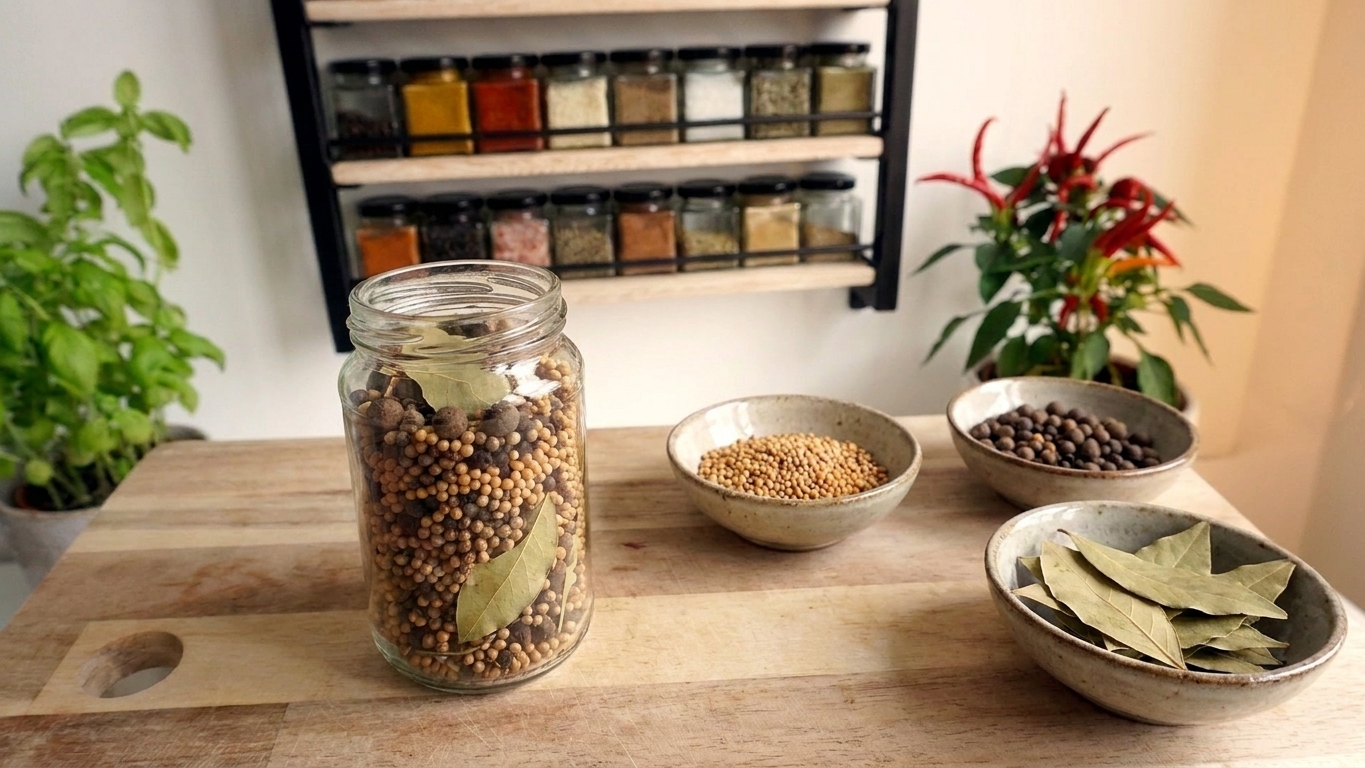
Cucumbers, fresh dill, garlic, vinegar, salt, sugar, and spices arranged on a clean kitchen counter ready for pickling

Why It Works

  • Crisp texture: A quick salt rest plus cold storage helps keep the cucumbers snappy.
  • Big flavor fast: Garlic, dill, and peppercorns infuse quickly, so you get real pickle energy without waiting a week.
  • Flexible: Make them spears, chips, or sandwich slices, then adjust heat and sweetness to match your cravings.
  • No canning required: This is a refrigerator pickle, which is simpler and generally lower-risk than canning when kept properly chilled.

Pairs Well With

Storage Tips

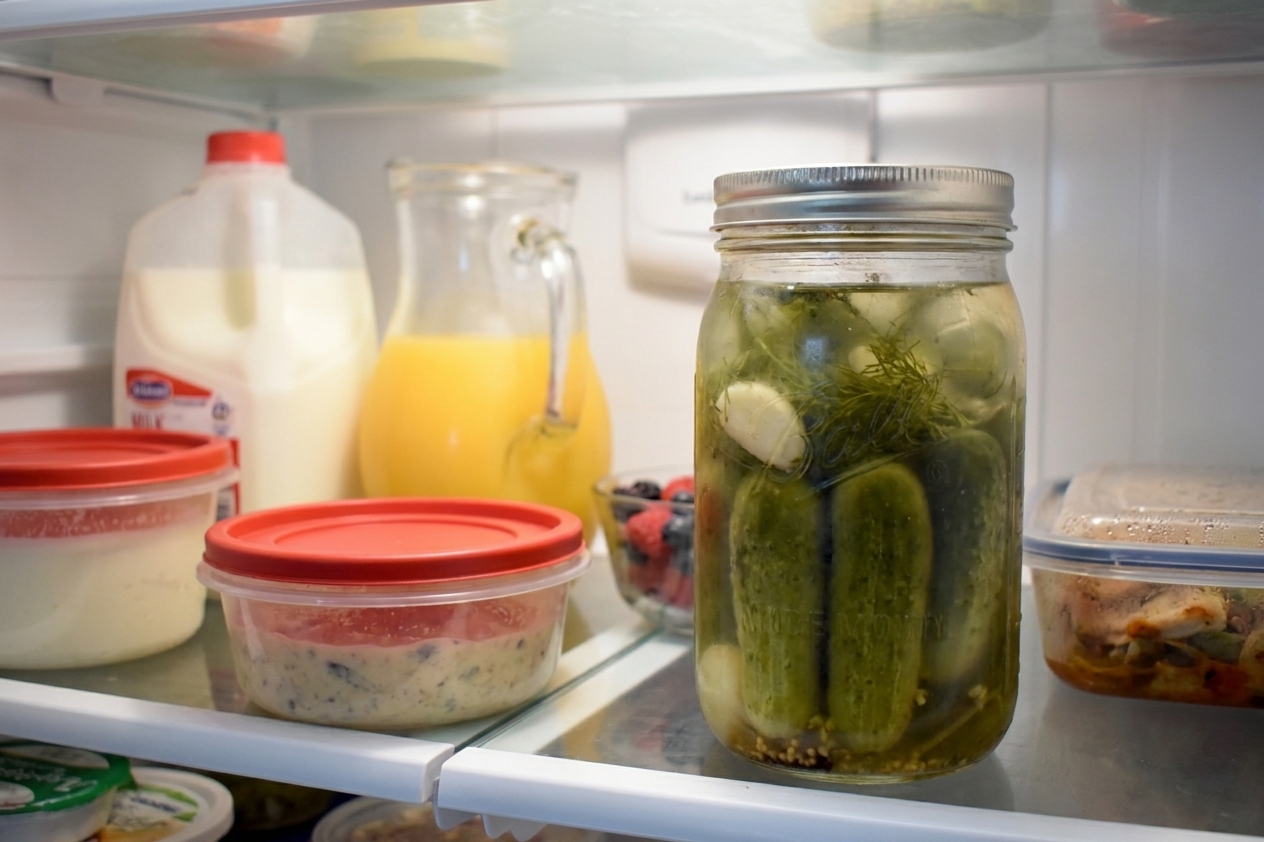
Refrigerate: Keep pickles fully submerged in brine in a sealed jar. They taste great after 24 hours and get even better after 48 hours.

How long they last: About 2 to 3 weeks in the fridge for best crunch and flavor. They can last longer, but the texture will soften over time.

Food safety basics: Always keep refrigerated and avoid leaving the jar out at room temperature for extended periods. Use clean utensils when grabbing pickles. Discard if you see mold, the brine turns ropy or slimy, or anything smells off.

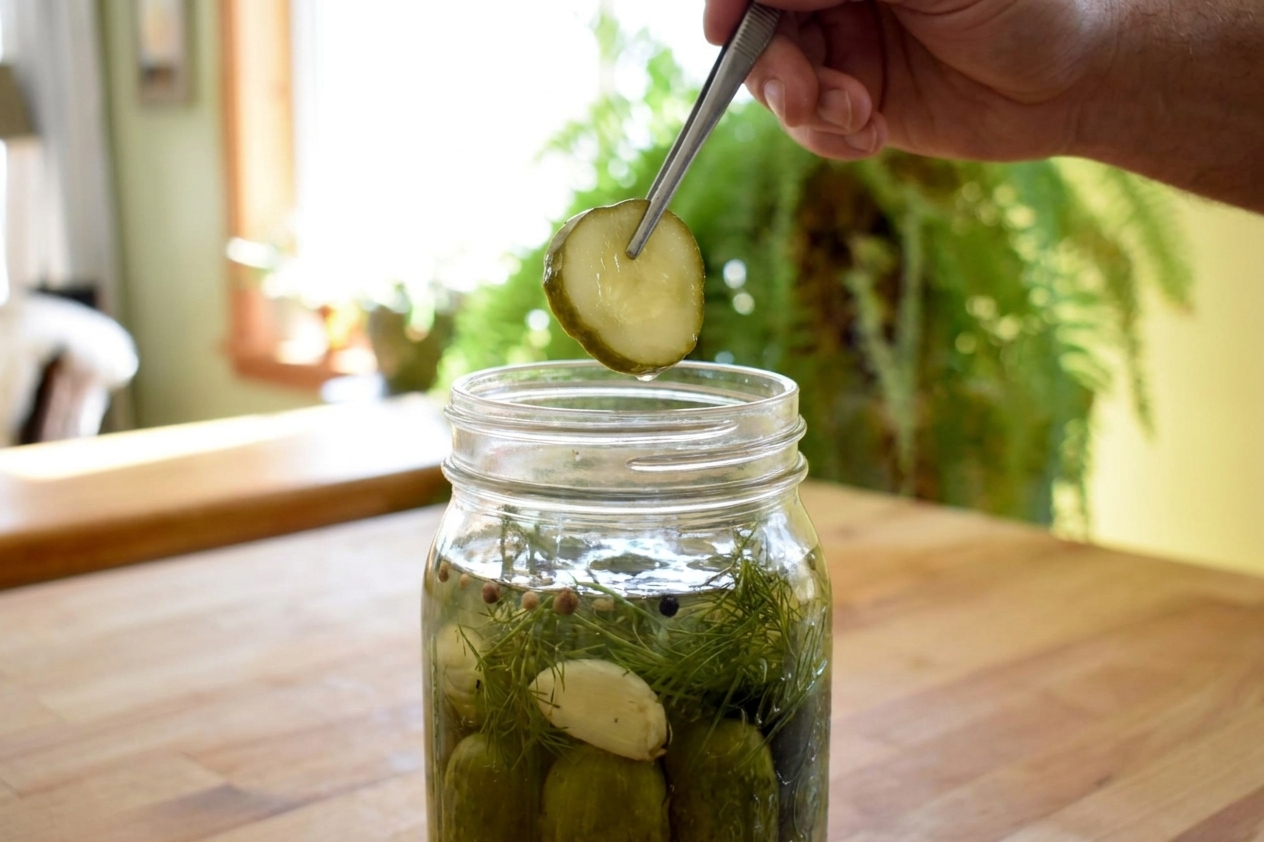
An open jar of refrigerator pickles with a fork lifting a cucumber slice, brine and dill visible on a kitchen counter

Common Questions

Do I have to boil the brine?

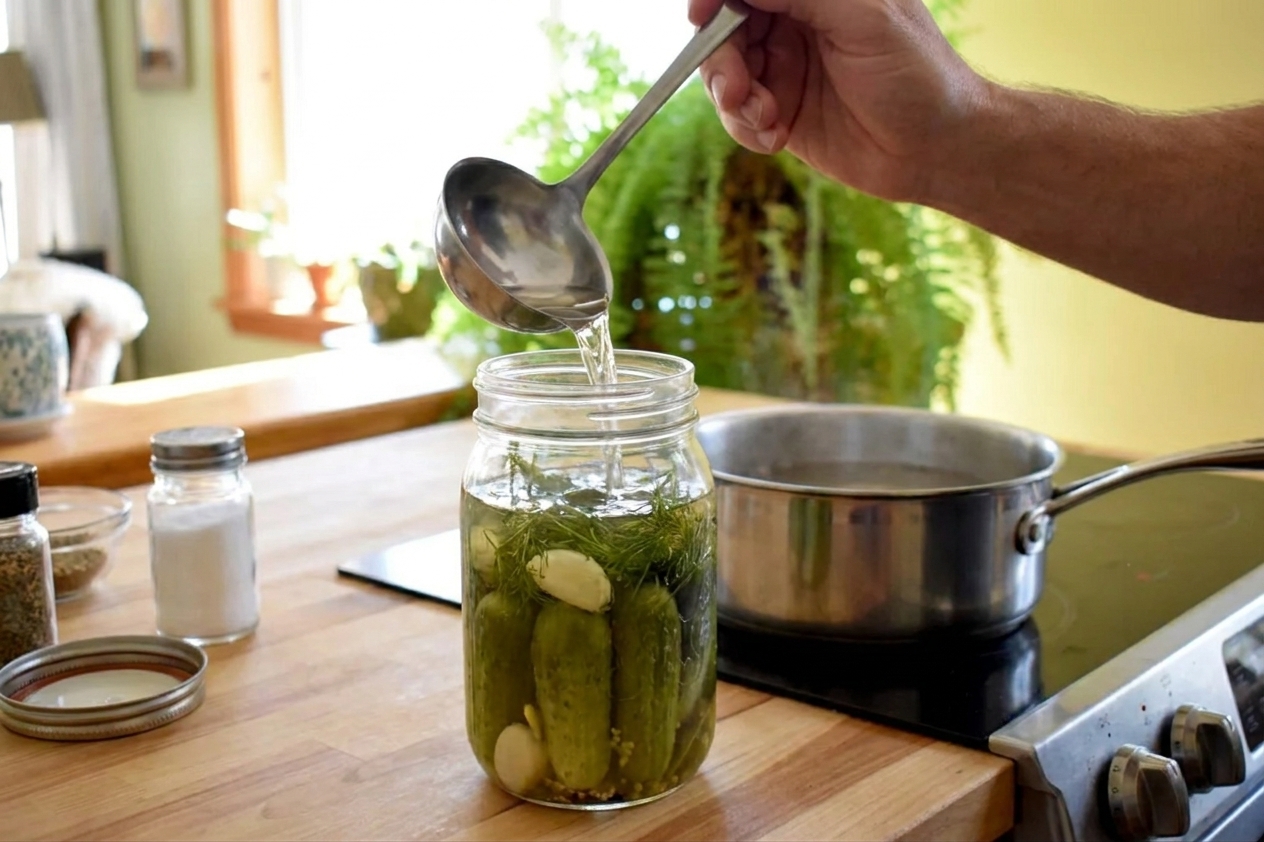
Nope. We just heat the water enough to dissolve the salt and sugar, then add vinegar. If you are extra serious about crunch, let the brine cool to room temp before pouring it over the cucumbers.

How soon can I eat them?

You can snack after 4 to 6 hours, but they really hit their stride at 24 hours. Best flavor is usually around day 2.

How do I keep refrigerator pickles crunchy?

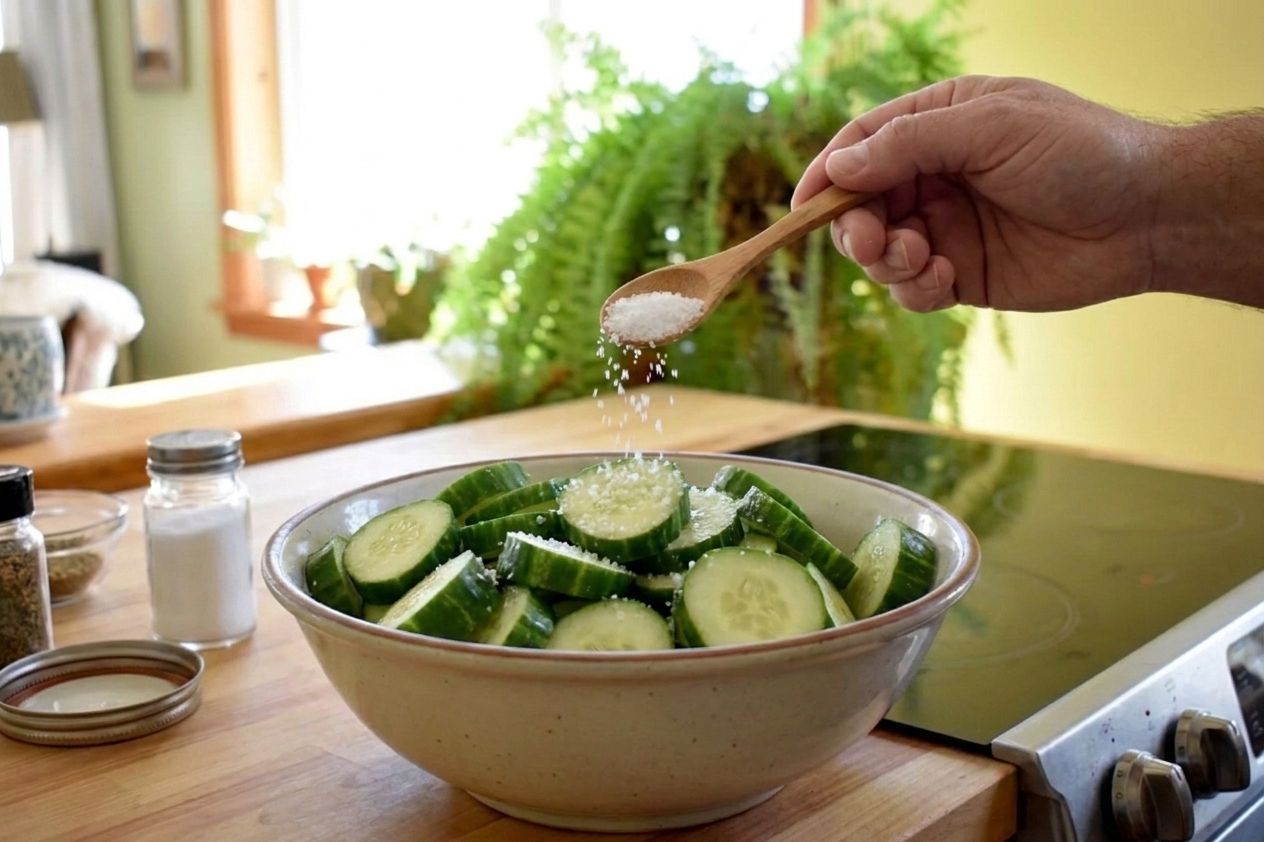
Three moves that actually matter: use fresh, firm pickling cucumbers (Kirby) when you can; salt the slices briefly; and avoid heat. Want extra insurance? Add 1/8 teaspoon calcium chloride (pickle crisp). You can also add a clean grape or oak leaf (tannins can help), totally optional. Onion and pepper flakes are great, but they are for flavor, not crunch.

Can I reuse the brine?

You can reuse it once, but keep it sensible. Only reuse brine that has been refrigerated the whole time, wasn’t contaminated by fingers or dirty forks, and is reused within a few days for best quality. Flavor will be lighter and the salt balance can drift. If you see mold, it gets slimy, or it smells off, toss it and make fresh brine.

Are these shelf-stable?

No. These are refrigerator pickles and must be kept cold. This recipe is not written for canning and should not be stored at room temperature.

I didn’t go the fancy culinary-school route, but I did chase the same thing: food that feels practical and alive. Pickle Fridge is exactly that. It is the kind of small kitchen habit that makes everything else taste better. One jar turns a basic turkey sandwich into lunch you actually want, and it makes leftover rice bowls feel like a plan instead of an accident.